The Adriatic Truths: Buying in Croatia Beyond the Postcard
Croatia’s lifestyle is intoxicating—but buying here succeeds when you pair seasonal, street‑level discovery with checks on transfer tax, VAT status and land classification.
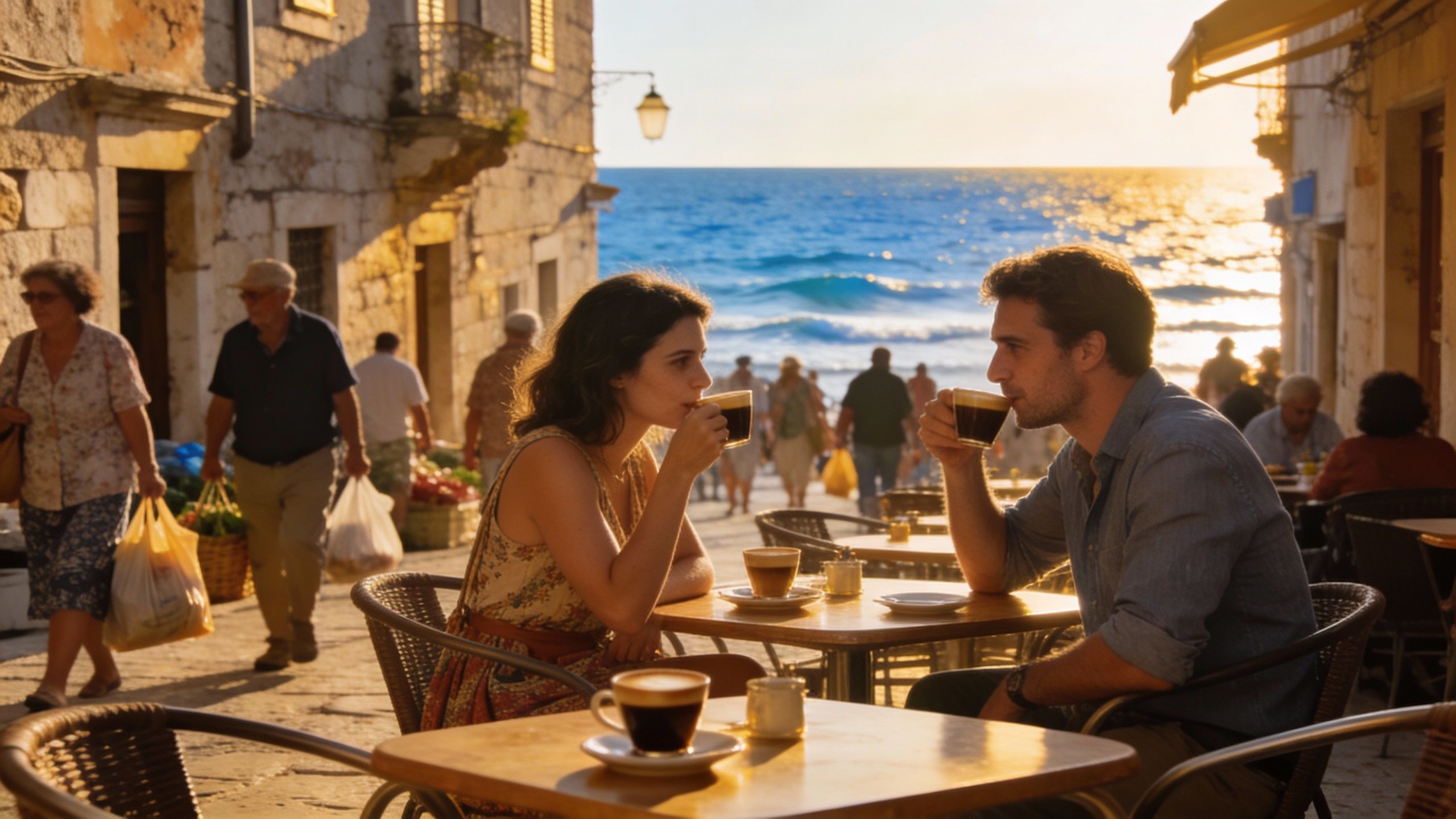
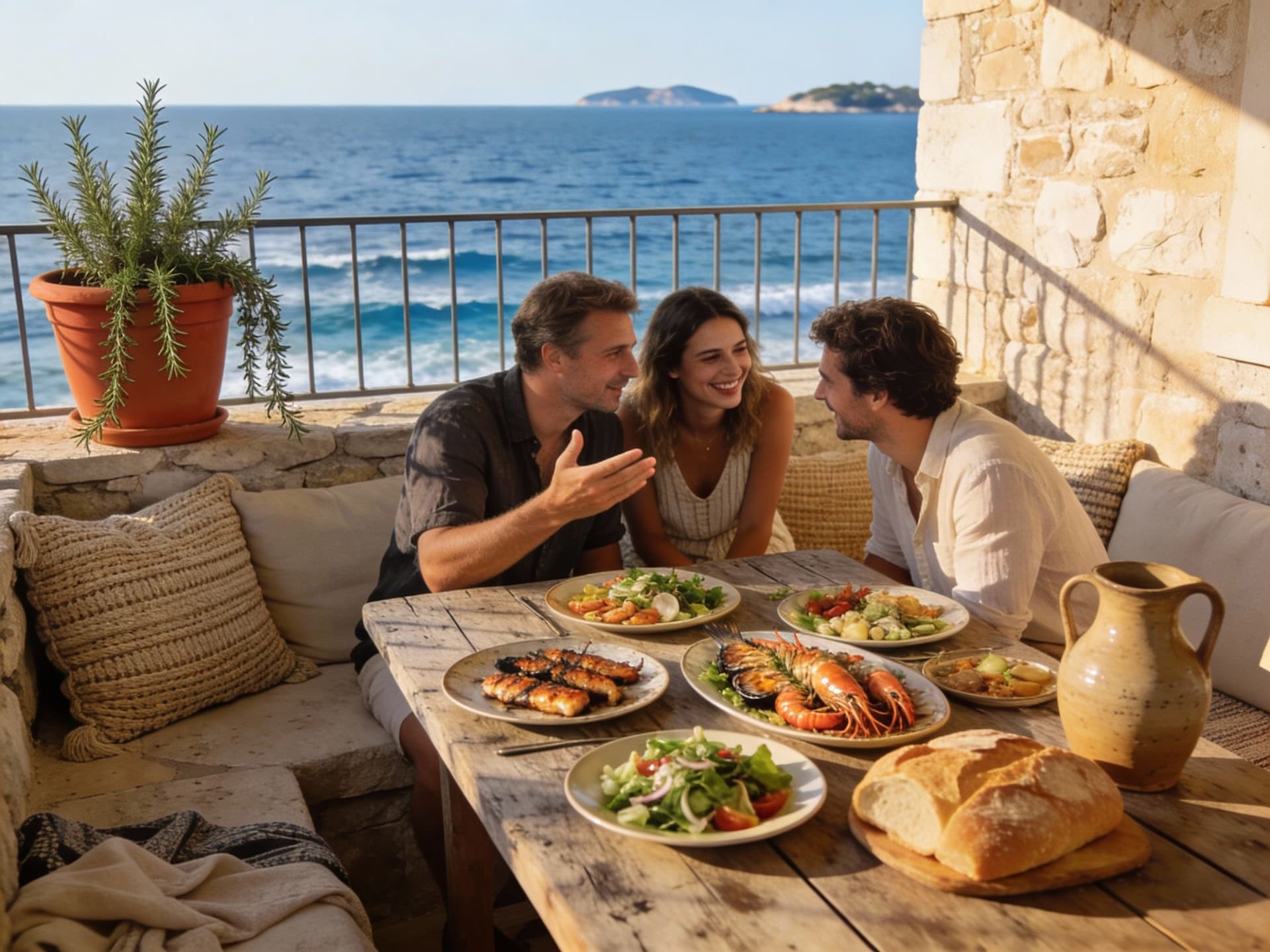
Imagine waking up to a glass of espresso on a stone terrace in Rovinj, the Adriatic glassy below and a municipal market two streets away where fishmongers call the morning in. Croatia feels like an invitation: coastal rituals, late‑afternoon siestas, winters that hush the islands and reveal a calmer cost of life. But if you’re buying here, that postcard needs paper—legal clarity, tax reality, and a local playbook before the keys change hands. According to recent market analysis, practical rules—who can buy what, when VAT applies, and the transfer tax—matter as much as the view.
Living the Croatian Life — daily rhythms and real streets
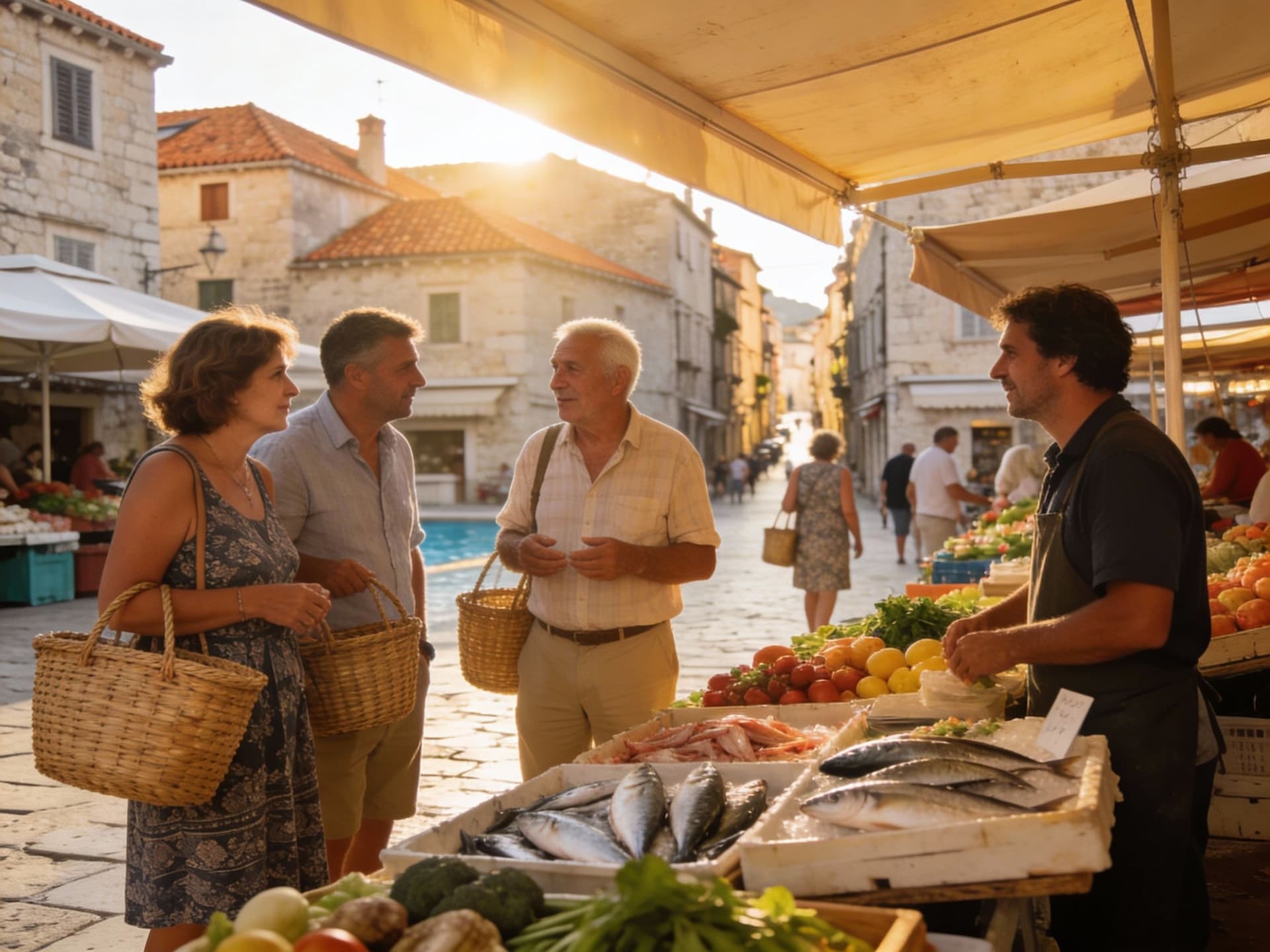
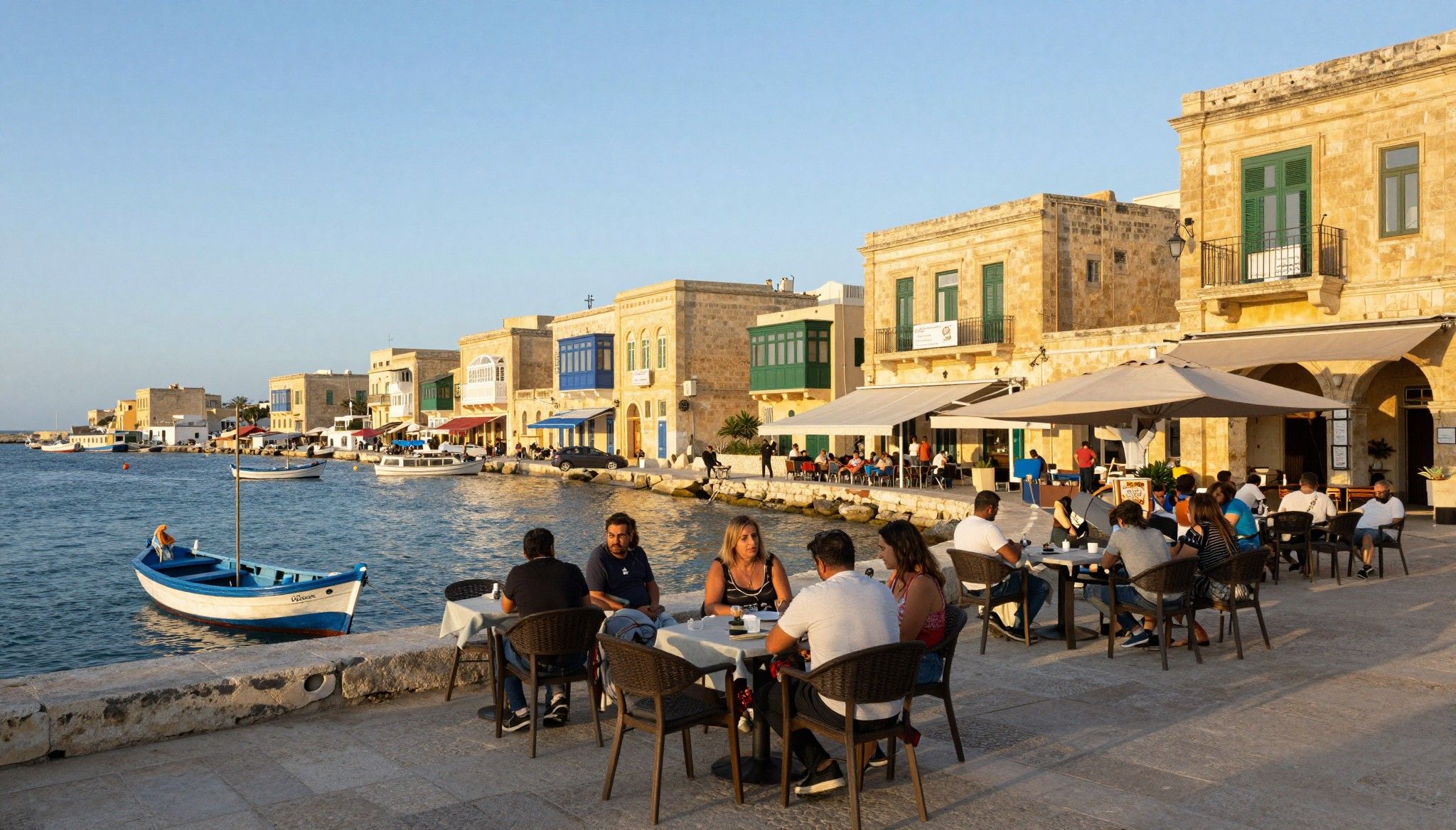
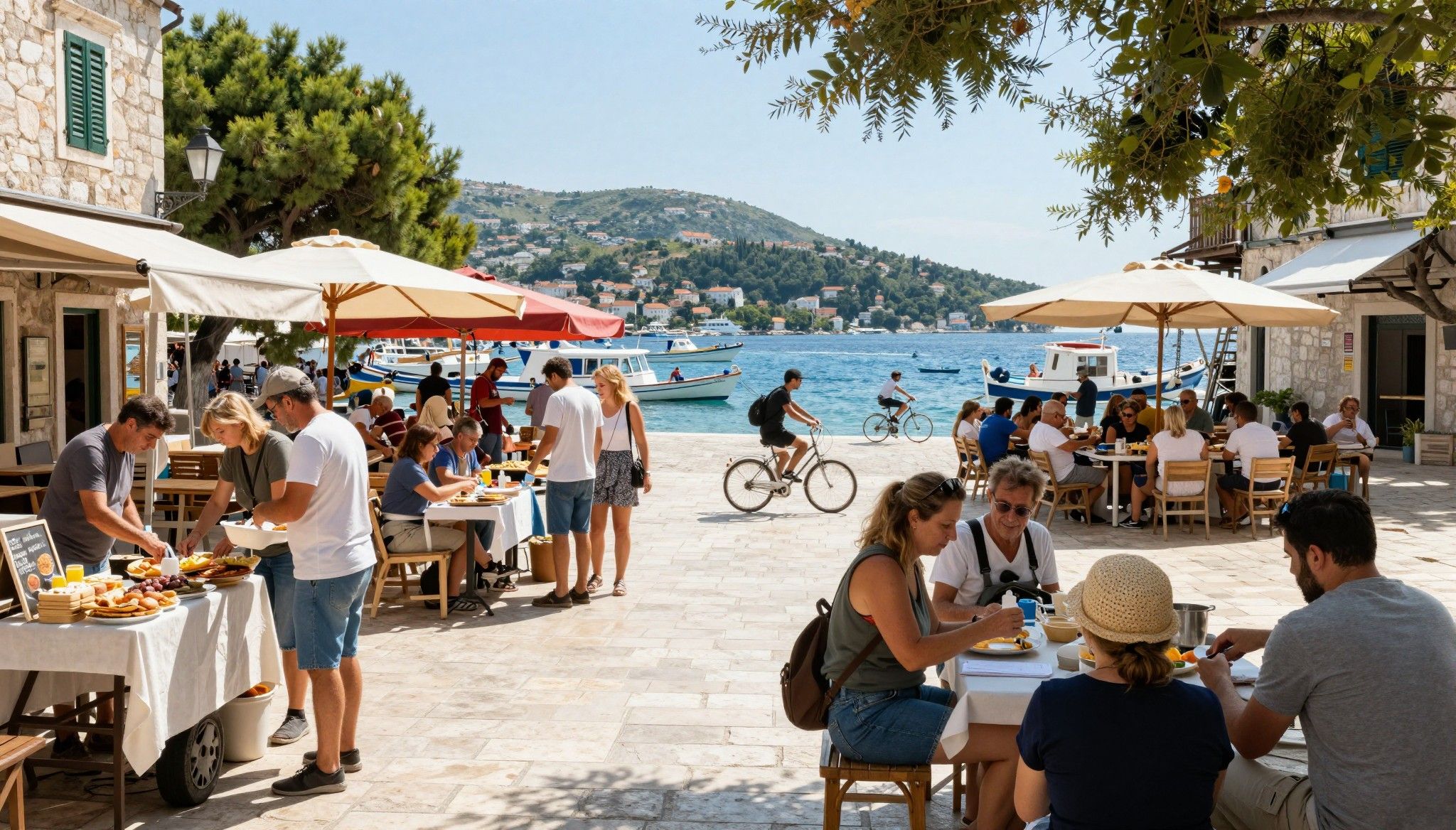
Mornings in Split mean bakeries filling Varoš with warm bread; in Zagreb a brisk walk through Dolac market defines the weekend. Coastal towns—Dubrovnik’s Lapad, Šibenik’s old harbour, and Istria’s Rovinj—blend stone lanes, fishermen’s cafes, and a calendar of summer festivals. Winters retract life toward local bars and family kitchens: it’s quieter, cheaper, and the island ferries run on a slower timetable that many buyers actually come to prefer.
Neighborhood snapshots: what each place really offers
Rovinj’s Old Town is for walkers: cobbled alleys, tiny galleries and seafood restaurants that spill onto the quay. In Split, live like a local in Varoš or Žnjan for a mix of community cafés and sea‑view promenades. Zagreb’s Maksimir offers parks and family life, while Dubrovnik’s Ploče is quieter than the Old Town but close enough for evening promenades. These are not interchangeable—your daily rhythm (market access, ferry schedules, school choices) should pick the place, not the price tag alone.
Food, festivals and seasons: when Croatia feels its best
From Istrian truffle hunts to Dalmatian klapa singing nights, the calendar changes the way property feels. Summer fills the coast; autumn brings truffle and olive harvests that animate inland towns; winter lowers prices and shows if a property works year‑round. For lifestyle buyers, timing a visit during a festival or market day reveals neighborhood life in a way a July open house never will.
- Morning rituals and market spots: Dolac market (Zagreb), Pazar (Split), Rovinj fish market
- Hidden terraces: Medulić Street (Rovinj), Varoš viewpoints (Split)
- Seasonal highlights: Istrian truffles in autumn, island calm in February
Making the move: practical legal and tax realities
The law is the other part of the love affair. Expect three predictable facts: EU/EEA citizens buy under the same rules as Croatians; non‑EU nationals may need ministry approval depending on reciprocity; and the main purchase fiscal items are VAT (when applicable on new builds) and a 3% real‑estate transfer tax for non‑VAT transactions. These rules sound technical because they are—get them right and the lifestyle you buy stays intact; miss one step and a dream home becomes a compliance headache.
Who can buy what: EU citizens, reciprocity and agricultural limits
EU/EAA nationals enjoy near‑identical rights; non‑EU buyers often rely on reciprocity and may wait for a ministerial green light. Agricultural land and certain protected coastal strips (the maritime domain) are legally restricted—so the dream of owning a private beach is almost always a misunderstanding. If land is important to your plan, get a lawyer to verify land classification and any conservation overlays before offers move forward.
Money matters: when VAT (25%) applies and when the 3% transfer tax does
- New build from a company usually carries VAT (25%) instead of the 3% transfer tax; resale from a private owner typically triggers the 3% transfer tax. Always confirm whether the vendor is a VAT taxpayer and whether the advertised price includes VAT—this changes net cost and rental yield calculations.
- Ministry approval (for some non‑EU buyers) can take 2–6 months. Factor this into timelines for closing and any financing arrangements.
Insider knowledge: what expats wish they'd known
Expat buyers tell a consistent story: falling in love is easy, paperwork is not. Ferry timetables shape weekend life; municipal fees and small local taxes differ by town; and the difference between a year‑round home and a summer property shows up in heating, insulation and service access. We’ve seen buyers pick a sea‑view villa only to learn that winter access roads or utilities make it impractical for long stays.
Cultural quirks that affect property life
Croatians prize local community ties and long tenancy relations. Expect direct, pragmatic communication from municipal offices and a slower pace in bureaucracy. Learning basic Croatian phrases opens doors in neighbourhoods and with craftsmen—your renovation quotes will be fairer and your timelines clearer.
Long‑term thinking: rentals, inheritance and upkeep
If you plan to rent, check VAT and local tourist tax rules that affect short‑term returns. For estate planning, Croatian succession law applies to property here—if you care about passing the house on, take early legal advice. Finally, upkeep on stone coastal properties can be higher than inland—you’re buying a lifestyle and a maintenance profile.
Conclusion: Croatia rewards buyers who marry romance with rules. Visit off‑season, test daily life (markets, ferries, waste collection), and get early legal checks on land classification and VAT status. Work with a bilingual lawyer and an agency who know local street names, not just glossy photos. Do that and the espresso on the terrace becomes routine, not an aspiration.
Danish investment specialist who relocated to Costa del Sol in 2015. Focuses on data-driven market timing and long-term value for Danish buyers.