Why Croatia’s 'Overpriced' Coast Hides Real Value
Croatia’s headline coastal prices hide pockets of value inland and on quieter islands; combine off‑season visits with sale‑based comps and local expertise to find the right balance.
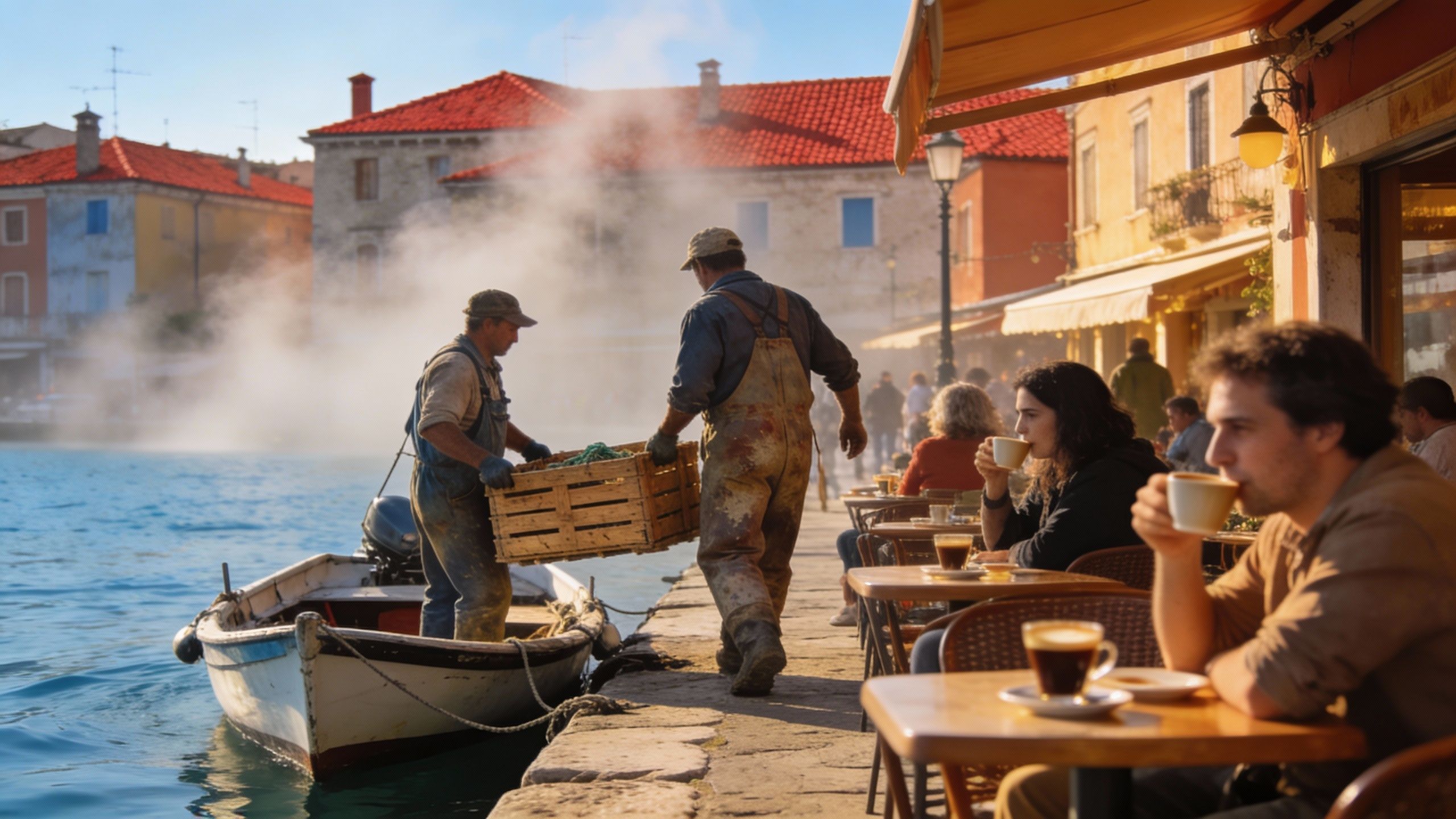
Imagine walking from a sun-warmed kafić on Split’s Marmontova to a small stone harbour where fishermen mend nets, then cycling home past jacaranda‑lined streets to a terrace that catches the late light. Croatia sells that scene—history, sea, easy pace—but beneath the postcard is a market changing faster than people expect. Recent sector reports show strong regional demand and rising prices, yet opportunity hides if you look past the coast’s headline figures. (We’ll show you where.)
Living the Croatia lifestyle
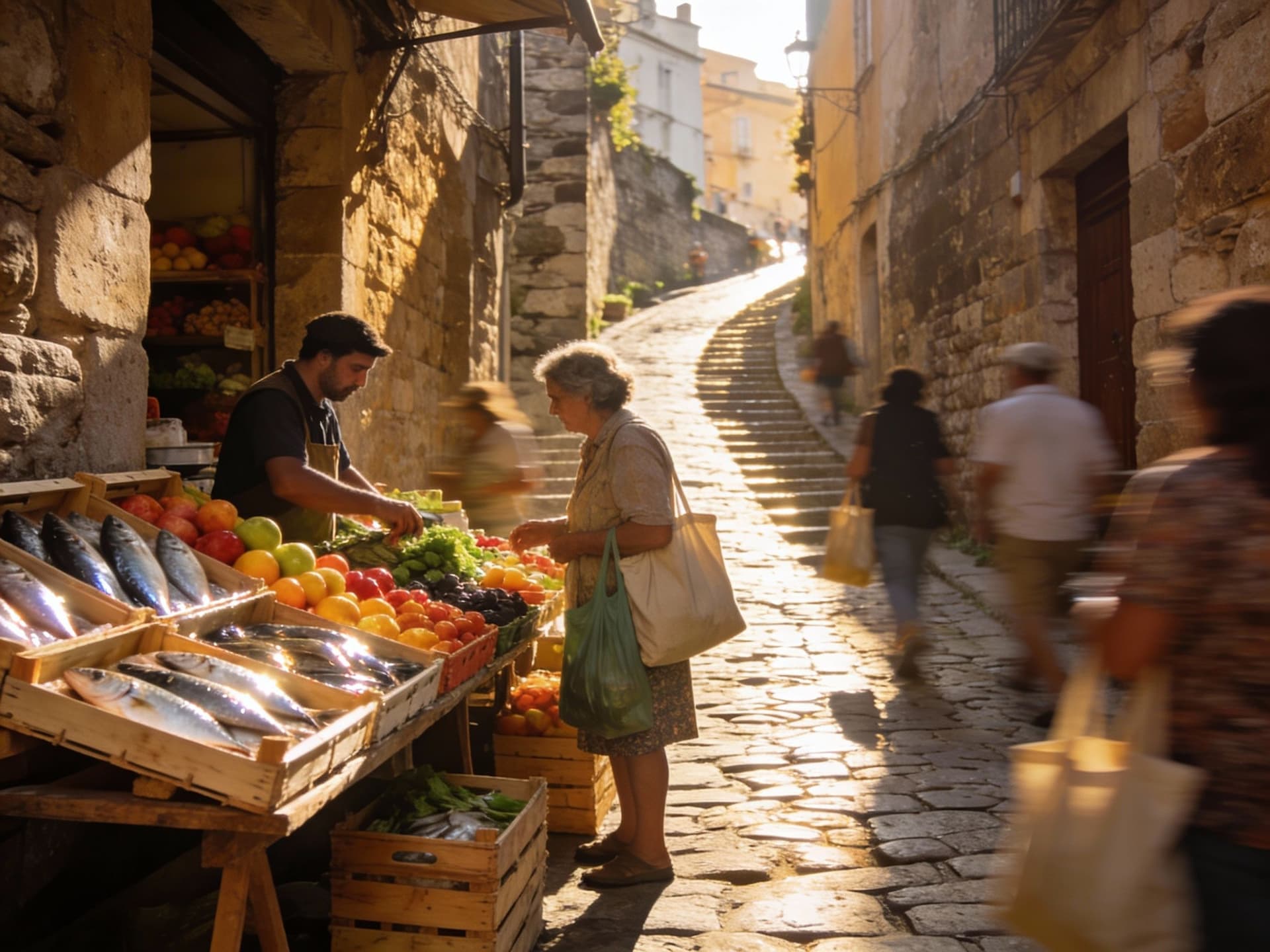
Life here moves on daylight and sea breeze. Mornings start at bakeries (krafne and burek), afternoons are for markets—Dolac in Zagreb or Split’s fish market—and evenings end slowly with grilled fish and a glass of malvazija. That lifestyle shapes what people buy: outdoor terraces, stone houses with cool interiors, city flats within walking distance of cafés. But the types of properties in demand vary wildly between Zagreb, Istria, and Dalmatia—so does price growth. The asking‑price snapshots gathered by local portals reveal sharp county-level rises, especially along the Adriatic, but also surprising inland momentum.
Zagreb, Istria and the Dalmatian coast: different rhythms
Zagreb feels urban, with cafés, galleries and a resurging office market that keeps demand steady. Istria moves at a slower, food-and-wine cadence—truffle hunts, hilltown markets—and attracts buyers who want village life plus good infrastructure. The Dalmatian coast is tourist‑driven: Split and Dubrovnik command the highest prices and the flashiest seasonality. Colliers’ market overview notes investment concentration in Zagreb while coastal tourism drives demand for short‑let and second‑home purchases.
Food, markets and the calendar that shapes property use
Weekends are market days and festival days—when small towns swell and short‑term rental demand spikes. That seasonality inflates coastal prices in high months and leaves quieter winters where locals live. Eurozone comparisons show Croatia among the faster‑rising markets in recent years, a pattern that explains why some coastal streets look unaffordably priced on paper but deliver strong seasonal revenues in practice.
- Lifestyle highlights worth buying around
- Strolling Riva, Split – evenings full of promenading locals and cafes
- Istrian hill towns (Motovun, Grožnjan) – truffle bars and slow food scenes
- Zagreb’s Tkalčićeva & Dolac market – year‑round social hub with strong rental demand
- Hidden islands (Lastovo, Vis) – quieter summers, genuine village life
Making the move: practical considerations
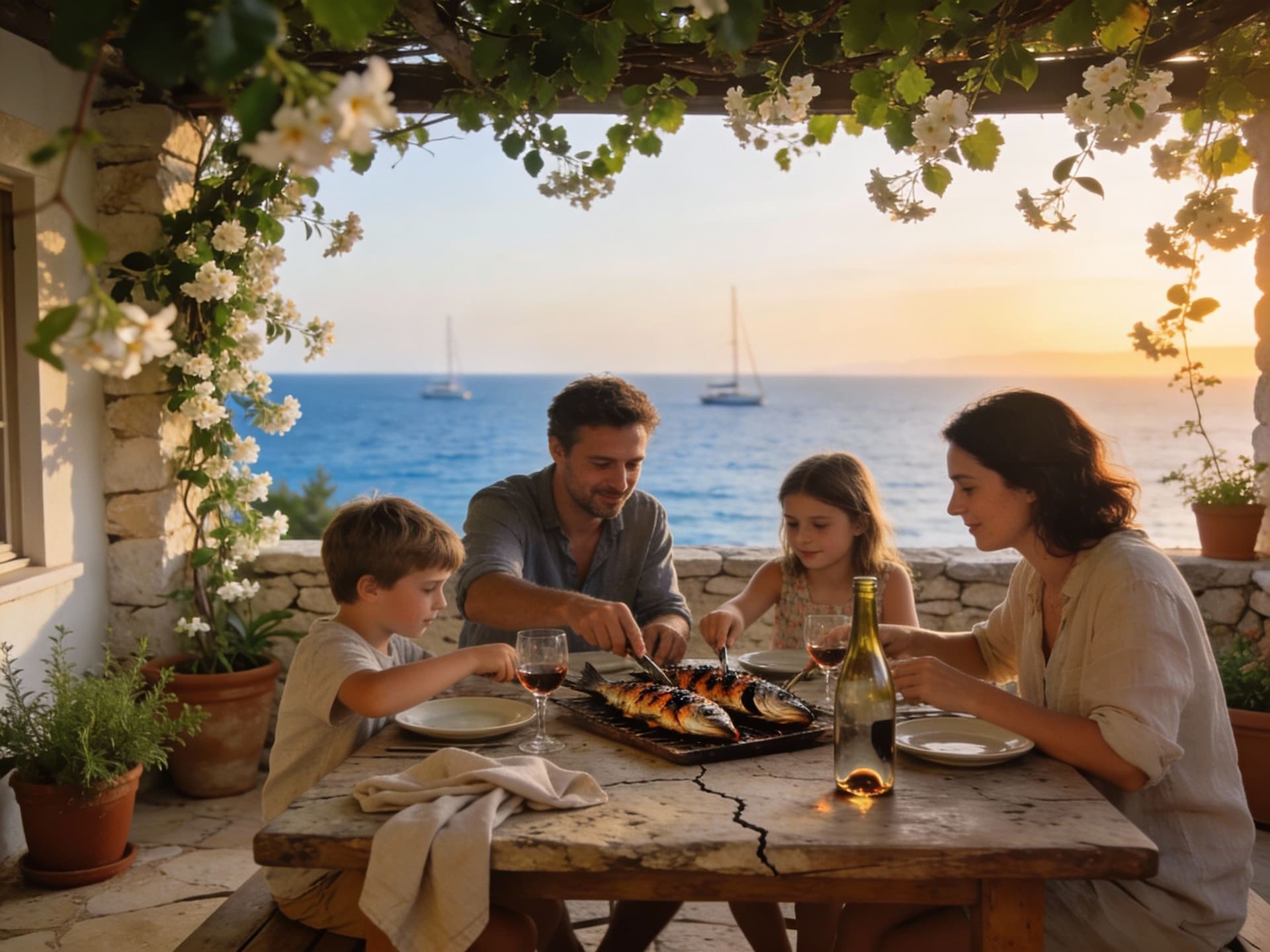
Dreams meet paperwork and numbers here. Recent asking‑price surveys show county variations and fast growth since 2022, but that doesn’t mean every street is overpriced. Your choice should match intended use: full‑time residency, season‑long stays, or investor short‑lets. Each has different cashflow, tax and management needs. Local price indices help you spot trends, but granular checks (neighbourhood comps, seasonal occupancy, permit status) are where value appears.
Property types and how they fit a lifestyle
Stone coastal houses: character, thick walls, cooler summers—but often need renovation and waterproofing. New builds: easier maintenance, better insulation and warranties, but higher sqm prices and sometimes bland design. City apartments: walkability and year‑round rental appeal. Inland family houses: much better value per sqm and growing interest as buyers seek authenticity and lower running costs. Match the building fabric to the life you want, not to the glossy listing photos.
Working with local experts who know how locals live
An agent who knows both the market data and the rhythm of local life is worth their weight in teran wine. Practical help includes matching seasonal yield expectations to neighbourhoods, explaining short‑let regulations, and introducing good local builders and managers. Use experts to translate lifestyle wants into realistic budgets and timelines—ask them for recent sales rather than asking prices, and for winter occupancy stats, not just summer photos.
- Steps that balance lifestyle and market sense
- Visit in off‑season to experience daily life (October–April) and test a neighbourhood’s year‑round appeal.
- Ask for three comparable completed sales (not listings) within the last 12 months to verify true market price.
- Factor in renovation and maintenance budgets—stone houses can need substantial work even if listed cheaply.
Insider knowledge: what expats wish they'd known
Here’s the real talk: Croatians face a local housing squeeze, and tourism amplifies that in certain towns. Expats who expect year‑round coastal buzz are surprised by winter quiet; those who expect cheap island living often find limited services. Many buyers tell us the biggest surprise wasn’t the price tag, but the logistics: seasonal incomes, municipal service timing, and the small‑town administrative pace.
Language, community and everyday integration
Croatian is local life’s key. You can get by with English in tourist hubs and Zagreb, but smaller towns reward effort with friendships and better prices. Coffee bars, church festivals and market stalls are where neighbours meet—learn the rhythms, attend a local feast, and you’ll be part of the social fabric faster than by joining an online expat group alone.
Long‑term thinking: community, services and resale
Look beyond seasonal income and think about community longevity. Islands with shrinking year‑round populations can make property management costly. Inland towns with improving infrastructure and lower entry prices are attracting buyers who can tolerate a slower pace—and those places often show the strongest percentage gains as demand broadens. Use national HPI trends to confirm direction, then drill down to county and street level for the real signal.
Practical next steps: visit off‑season, request completed‑sale comps, and hire a local agent who knows both the numbers and where the market is changing. If you want a coastal rental income, focus on Dubrovnik, Split and selected Istrian towns—but if you want slower summers, lower price per sqm and authentic community life, look to Zagorje, Slavonia or the lesser‑known Dalmatian islands. Croatia is many markets in one; fall for the life, and use data to make it affordable.
Danish investment specialist who relocated to Costa del Sol in 2015. Focuses on data-driven market timing and long-term value for Danish buyers.