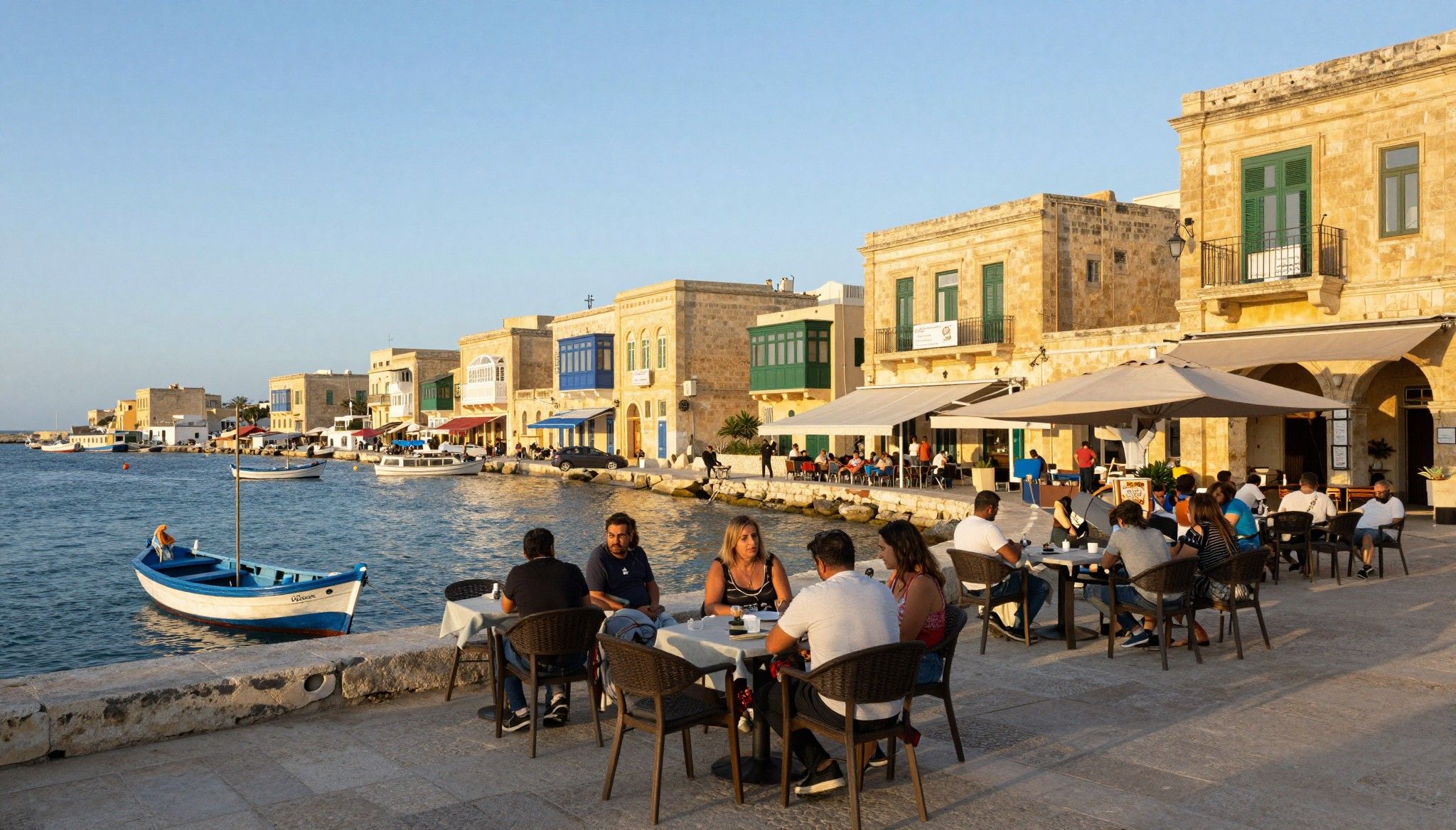
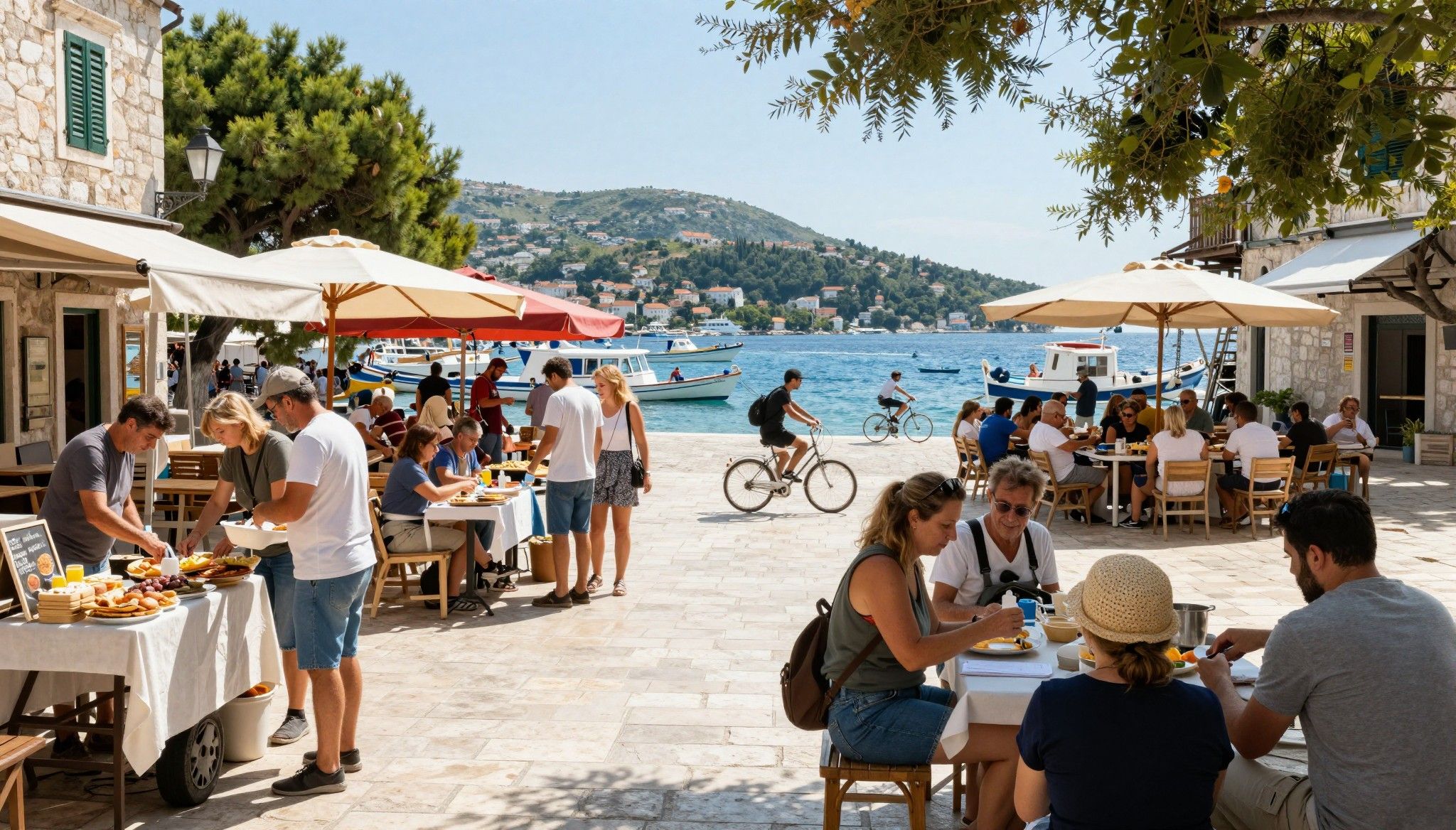
Greece: The Life You’ll Live — and the Rules That Shape It
Picture island mornings and Athenian nights, then learn the on-the-ground rules — Golden Visa zones, seasonal realities and street-level tips for buying in Greece.
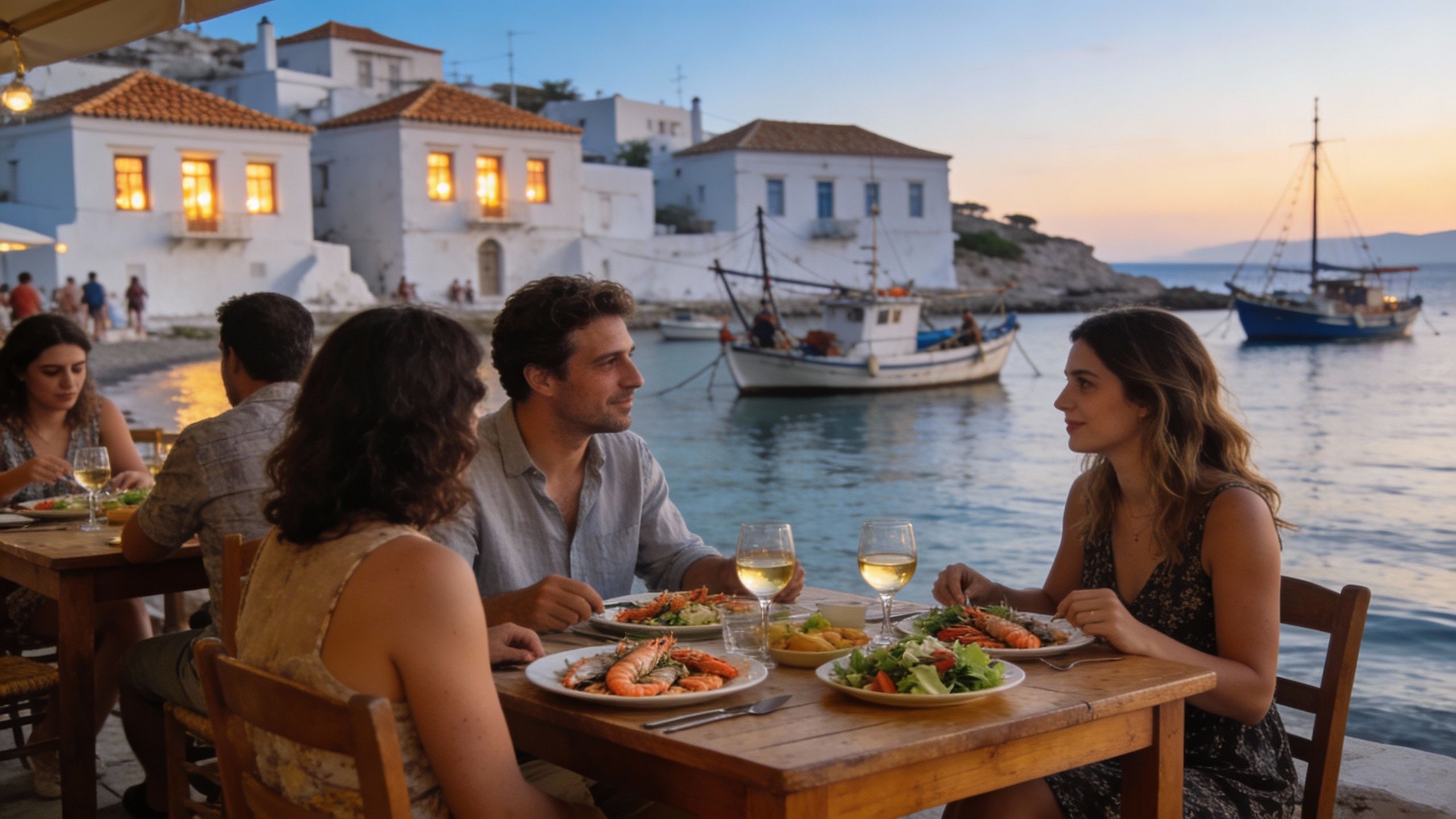
Imagine waking up to the smell of baking koulouri, the slow clink of café cups on Voukourestiou street, and a horizon stitched with islands you could visit on weekends. That’s Greece in a sentence — sun-softened mornings, late dinners, and neighbourhoods that change personality with the seasons. But dreaming and buying are different things: the same island light that enchants visitors also shapes market cycles, legal rules, and where value actually sits. We’ll show you the life first, then the unglamorous details that make a purchase smart — and survivable — for an international buyer.
Living the Greek life: rhythms, rituals and real streets
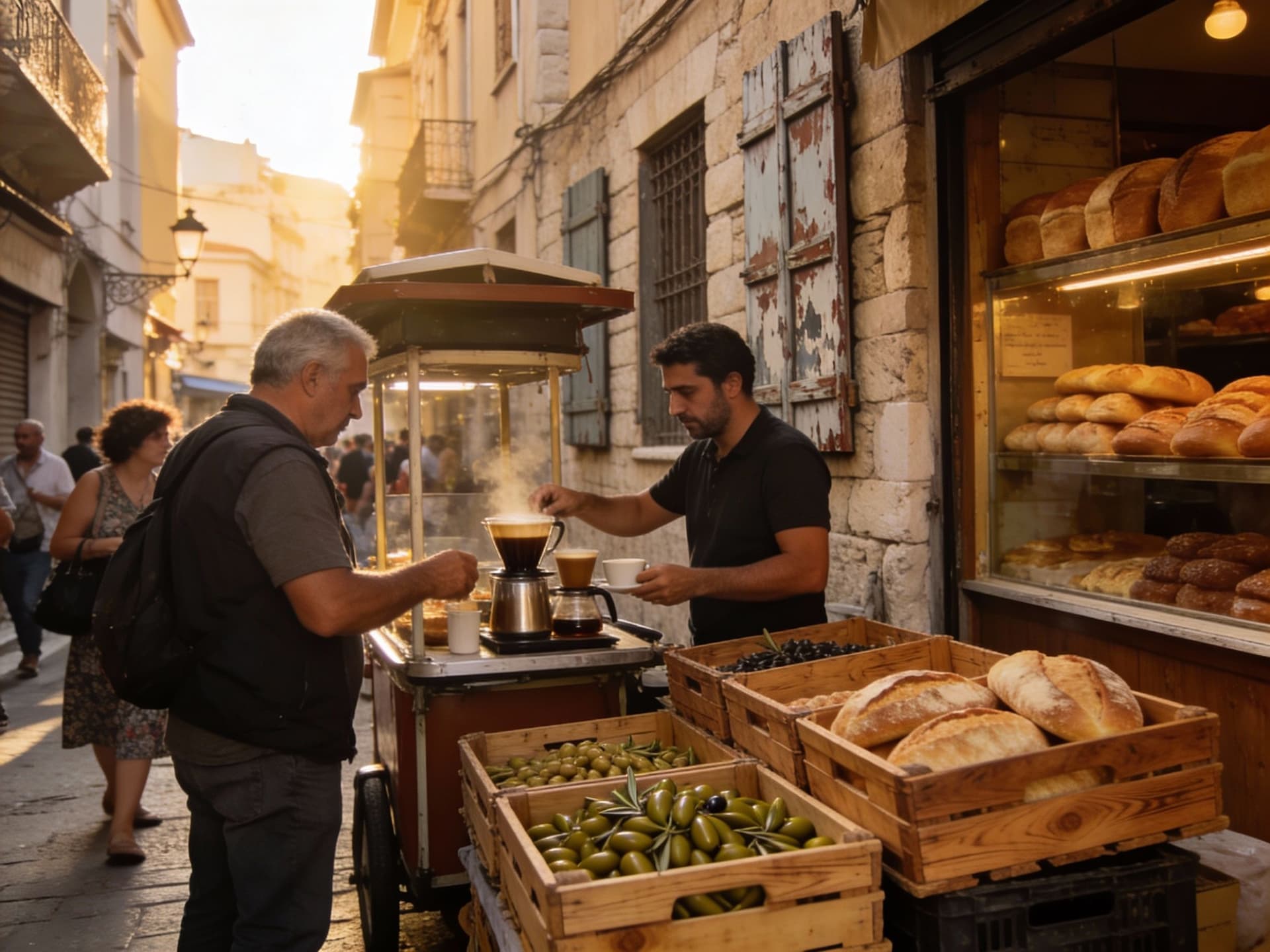
Greece is a study in contrasts: Athens is a city of late-night kafeneia and concrete courtyards, while Chora on many islands is a maze of whitewashed alleys and tiny squares where neighbours still argue about whose olive tree produced best. Weekdays in Athens begin with an espresso and papers; weekends are coastal pilgrimages to beaches like Glyfada or Vouliagmeni. On islands such as Naxos or Sifnos the tempo slows, markets open at dawn, and the long lunch remains sacred. Living here means accepting seasonality as part of the address — neighborhoods breathe differently between high summer and quiet winter, and your choice of property should reflect which rhythm you want.
Athens neighbourhoods: three scenes that feel like Greece
Plaka and Anafiotika are theatrical — cobbled lanes, taverna terraces beneath the Acropolis and a tourist thrum that never fully disappears. Koukaki is where you find early-morning joggers, honest kafeneia, and a wave of sympathetic restorations converting old walk-ups into bright apartments. Exarchia has grit, second‑hand bookshops and an active cultural life; it’s where students and artists collide, and prices can still reward buyers willing to live with a little edge. Each of these pockets gives you a different daily script: choose one and you choose the kind of morning you'll have for years.
Islands beyond the postcards: where locals actually live
Santorini and Mykonos are spectacle — don’t buy there expecting quiet local life outside a tiny neighbourhood. For a more grounded island life, look to Sifnos, Milos, Tinos or Naxos where markets hum weekly and local communities keep services year-round. On Crete, Chania and Rethymno combine city amenities with seaside routine; the infrastructure is more robust for year-round living. These quieter islands often have properties with lower purchase prices and better long-season rental prospects, but they demand planning: maintenance is slower, supplies can be seasonal, and you’ll rely on local networks to keep a house running.
- Morning markets at Varvakios (Athens) and Chania’s Agora; late-night tavernas on Sifnos; small island ship schedules that shape weekend escapes; olive-harvest season (October–November) and local festivals (panigyria) that change neighbourhood energy; coastal walks on the Athens Riviera; ferry trips from Piraeus at dawn.
Making the move: practical property realities that affect your life

Lifestyle decisions — terrace or courtyard, island or mainland — map directly onto practical choices: renovation permits, heating and insulation for winters in the north, or water access on drier islands. The market isn’t uniform: prices and rules differ between Attica and a small Cycladic island, and recent legal changes have reshaped investor incentives. Beyond the Golden Visa thresholds we’ll cite below, expect to budget for utility upgrades, local taxes, and realistic timelines — renovations often take longer than the glossy photos suggest. Work with specialists who live the calendar you’re buying into: architects who know seismic and conservation rules, and agents who know ferry timetables.
Property types: old stone houses, neoclassical flats and modern builds
A neoclassical Athens apartment gives high ceilings and city texture but often needs rewiring and insulation. A Cycladic cave or stone house offers character and thermal mass but may lack modern plumbing or legal permits for extensions. New builds on the mainland tend to be more energy‑efficient and require less immediate work, but they rarely capture the ‘Greek house’ patina many buyers crave. Choose by how you want to live: if you want a turnkey lock-up-and-leave, pay for modern; if you want project work and character, plan for time, budget, and local contractors.
Work with experts who know the rhythm
Local agents, lawyers and architects are not optional — they are the people who translate permit rules, local practice and seasonal realities into an executable plan. For residency-driven buyers, recent changes to the Golden Visa mean location matters; some zones now require much higher minimum investment levels than others. Your agent should give you street-level intel: which neighbourhoods freeze during winter, which have reliable water and internet, and which building inspectors are pragmatic. A lawyer will check title chains and any outstanding debts attached to a property — deficiencies here are the single largest cause of post‑sale headaches.
- Decide your rhythm (island weekends vs city life); shortlist neighbourhoods with local visits or virtual street tours; commission a local lawyer to run title and debt checks; commission a surveyor/architect for renovation feasibility and permits; agree staged payment plan and register the purchase at the local Land Registry (Ktimatologio).
Insider knowledge: what expats wish they’d known before buying
High tourist numbers mean opportunity — but also seasonal congestion, variable rental yields and local pressure on services. ELSTAT’s 2024 data shows tourism growth concentrated in the South Aegean and other island regions, which affects occupancy rates and local pricing peaks. Savvy expats tell a common story: buy where you actually want to live, not where yields look best on spreadsheet summers. The social fabric matters — join local associations early, learn a few Greek phrases, and show up at the panigyri; integration accelerates service responses and contractor reliability.
Cultural cues that change where you choose to live
Greece is relationship-driven: a trusted mechanic, kafeneio owner or municipal official can make or break your first year. Language helps but isn’t mandatory — many city professionals speak English, while island life often relies on gestures and patience. Seasonal migration of locals (many move to family villages in August) means services stall in high summer; plan deliveries and renovations for shoulder seasons. Respect local customs — mid-day closures, long lunches, and festival schedules — and you’ll find doors open more often than they are closed.
Long-term view: rules and thresholds change, so buy with the medium-term in mind rather than betting on tax or residency loopholes. Law changes in 2024 reorganised Golden Visa thresholds by zone, lifting prices required in many prime areas; this is a reminder that policy can reshape demand quickly. If residency matters to you, factor legislative risk into the price you pay and keep a plan B — such as securing temporary residency through work, family ties, or other legal investment routes. Use current government and legal firm guidance to understand which purchases qualify for specific permits.
- Buy for the life you want (daily routines, markets, ferry access); expect longer renovation timelines and seasonal contractor availability; vet properties for title clarity and hidden debts; budget for modern utilities and insulation where needed; treat Golden Visa eligibility as a moving policy — verify with a lawyer before contract.
Greece gives you a life where mornings can be quiet and evenings are communal. If you want that life, test the rhythm first — spend a month in the neighbourhood you love, meet the local baker, and see the supermarket on a rainy Tuesday. When you’re ready to buy, bring a compact, experienced team: an agent who knows the street, a lawyer who reads title deeds in Greek, and an architect who understands local permits. We can introduce you to practitioners who blend neighbourhood knowledge with transactional discipline — people who protect both the dream and the paperwork.
Next steps: visit in shoulder season, shortlist streets not just islands, get a pre-sale legal check, and treat renovation estimates as conservative. If residency is part of your plan, confirm whether your intended property and location meet the current Golden Visa thresholds and rules before making offers. We’re happy to connect you with local lawyers and architects and to walk a shortlist in person or virtually — because the easiest way to go from ‘I’d live here’ to ‘I live here’ is to plan both the life and the logistics.
Danish investment specialist who relocated to Costa del Sol in 2015. Focuses on data-driven market timing and long-term value for Danish buyers.