Athens, Thessaloniki & the Island Premium: Real Trade‑Offs
City rhythms — not island postcards — decide value in Greece. Learn why neighbourhood choice, seasonality and recent policy changes matter more than surface price tags.

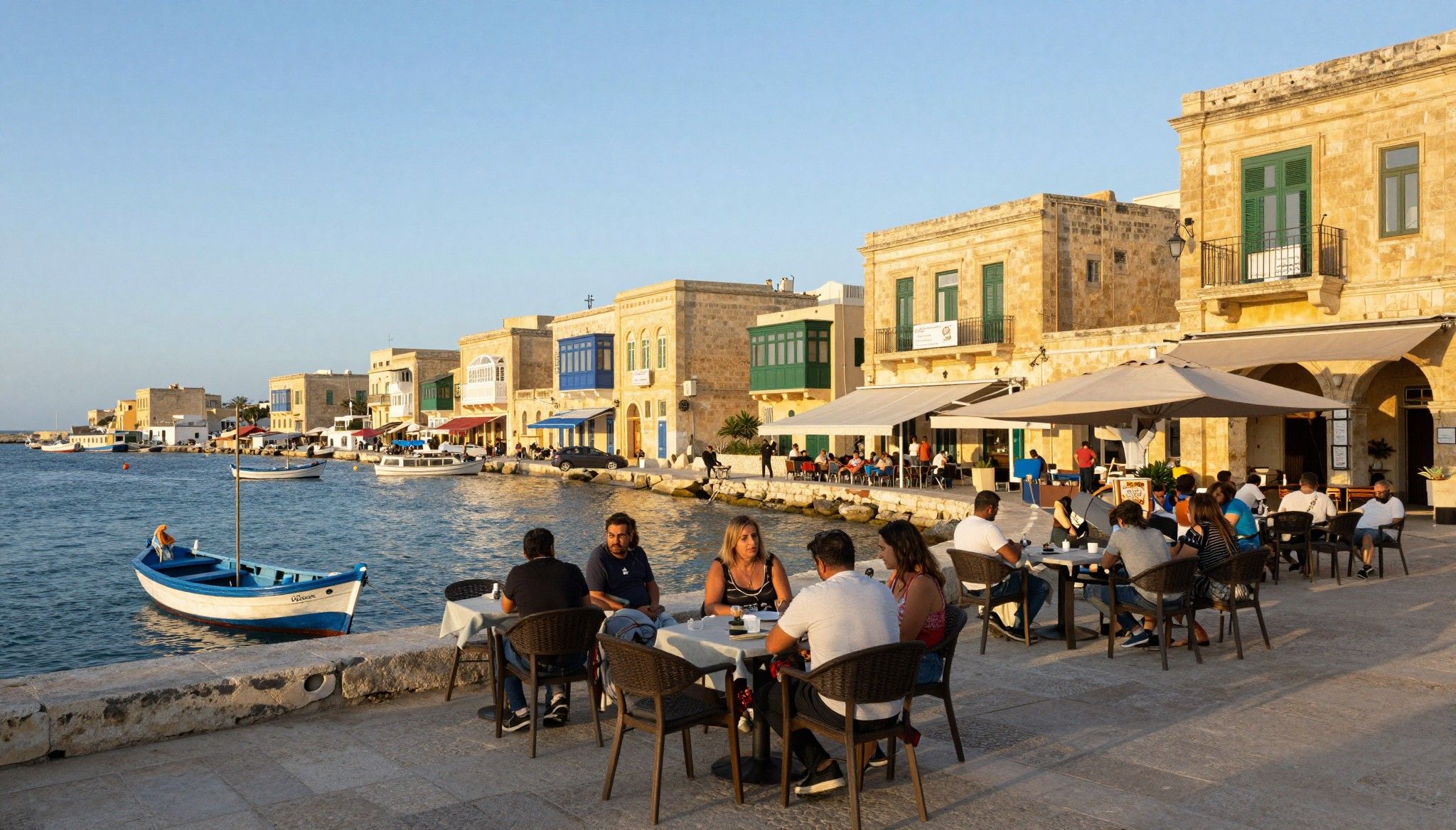
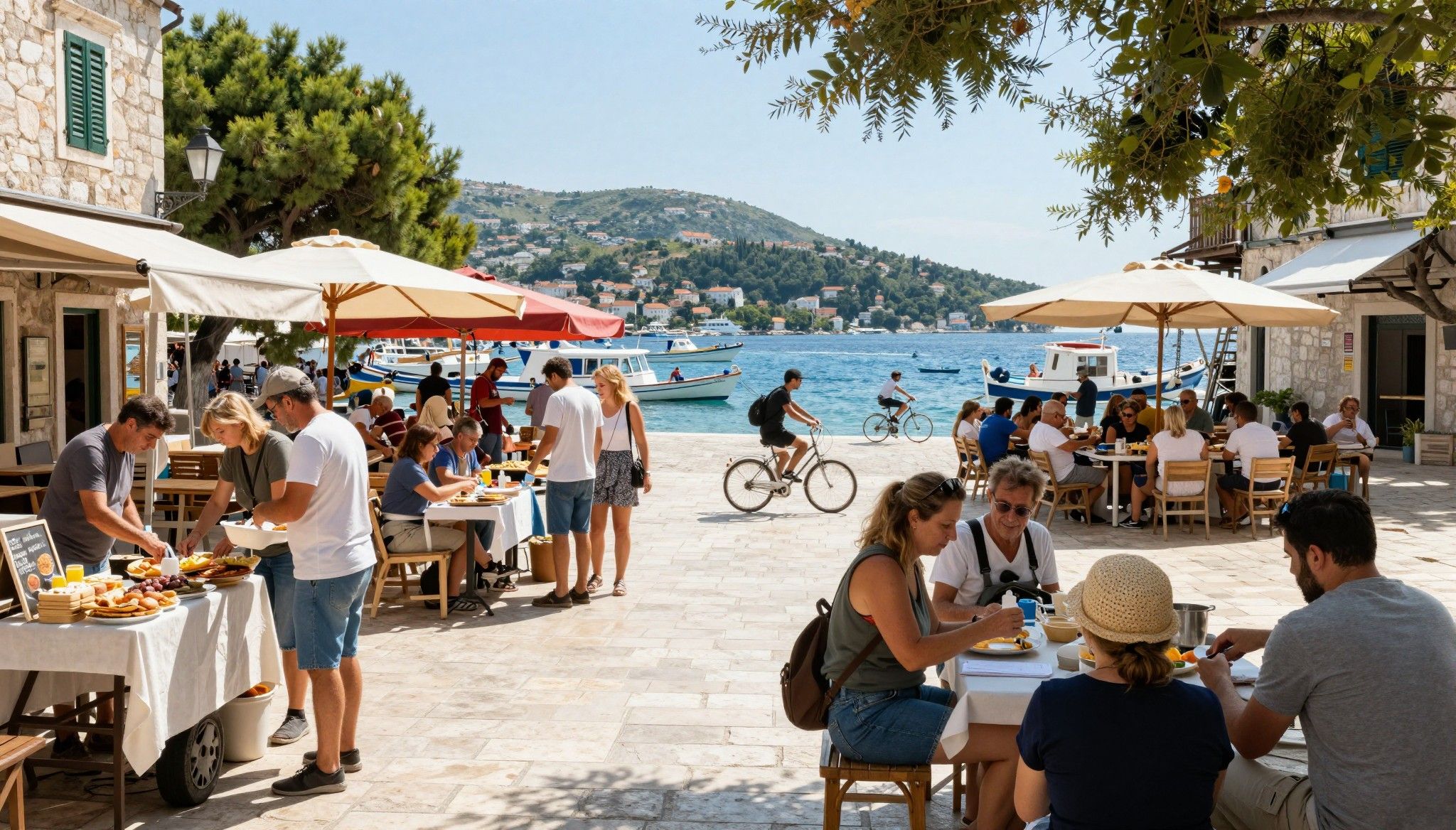
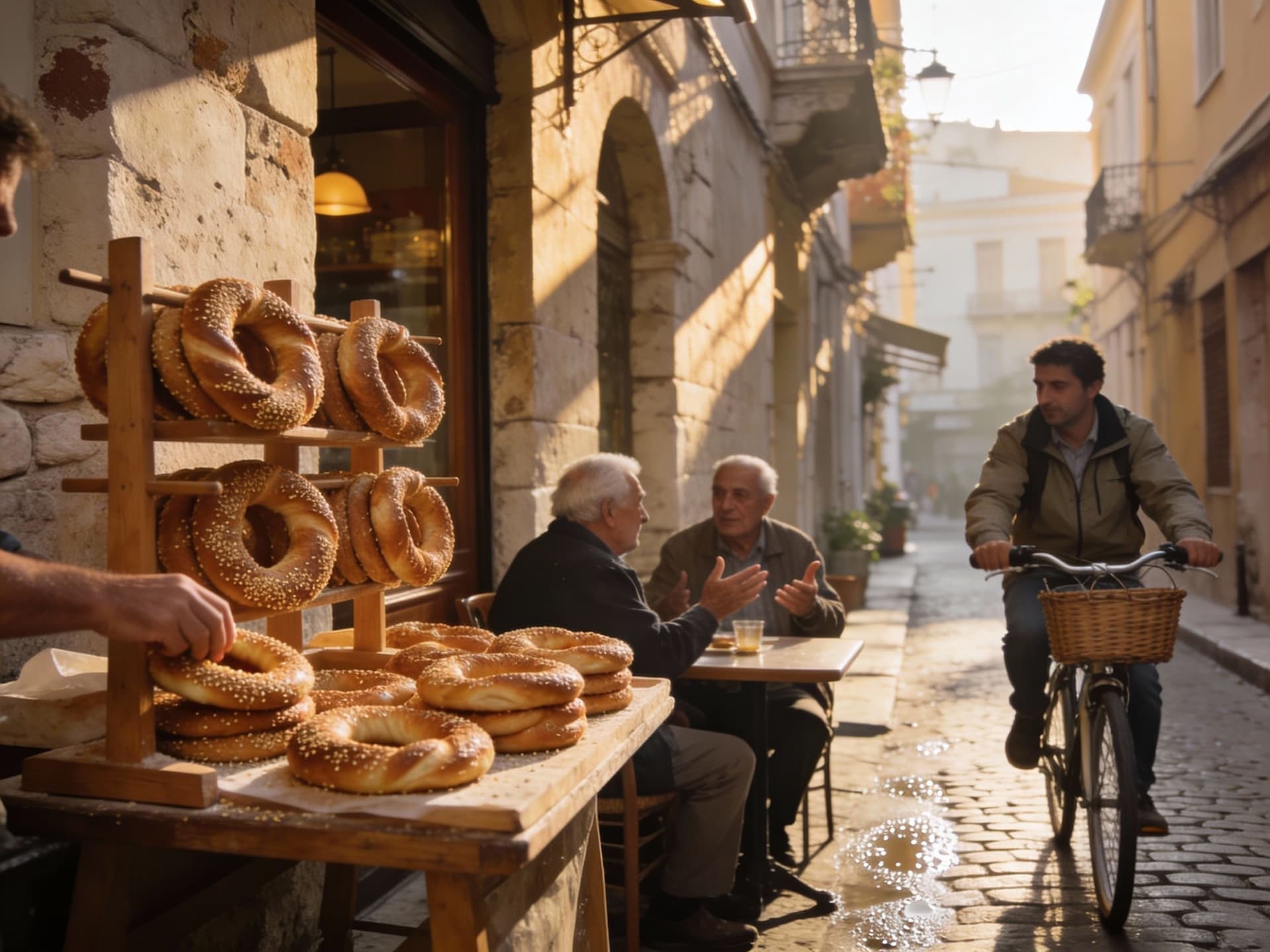
Imagine sipping an espresso on a cracked marble step in Koukaki, watching a bakery deliver warm koulouri to the street while a tram huffs past the Acropolis. In urban Greece the day moves in layers: morning markets, slow long lunches, and a nightlife that starts late and keeps good company. This is the Greece most people fall for first — not only island sunsets, but cafés, neighbourhood markets and narrow streets that make a city feel like a village. For anyone considering a move, these sensory details shape very practical choices about where and what to buy.
Living Greek Cities: The rhythm that sells the property
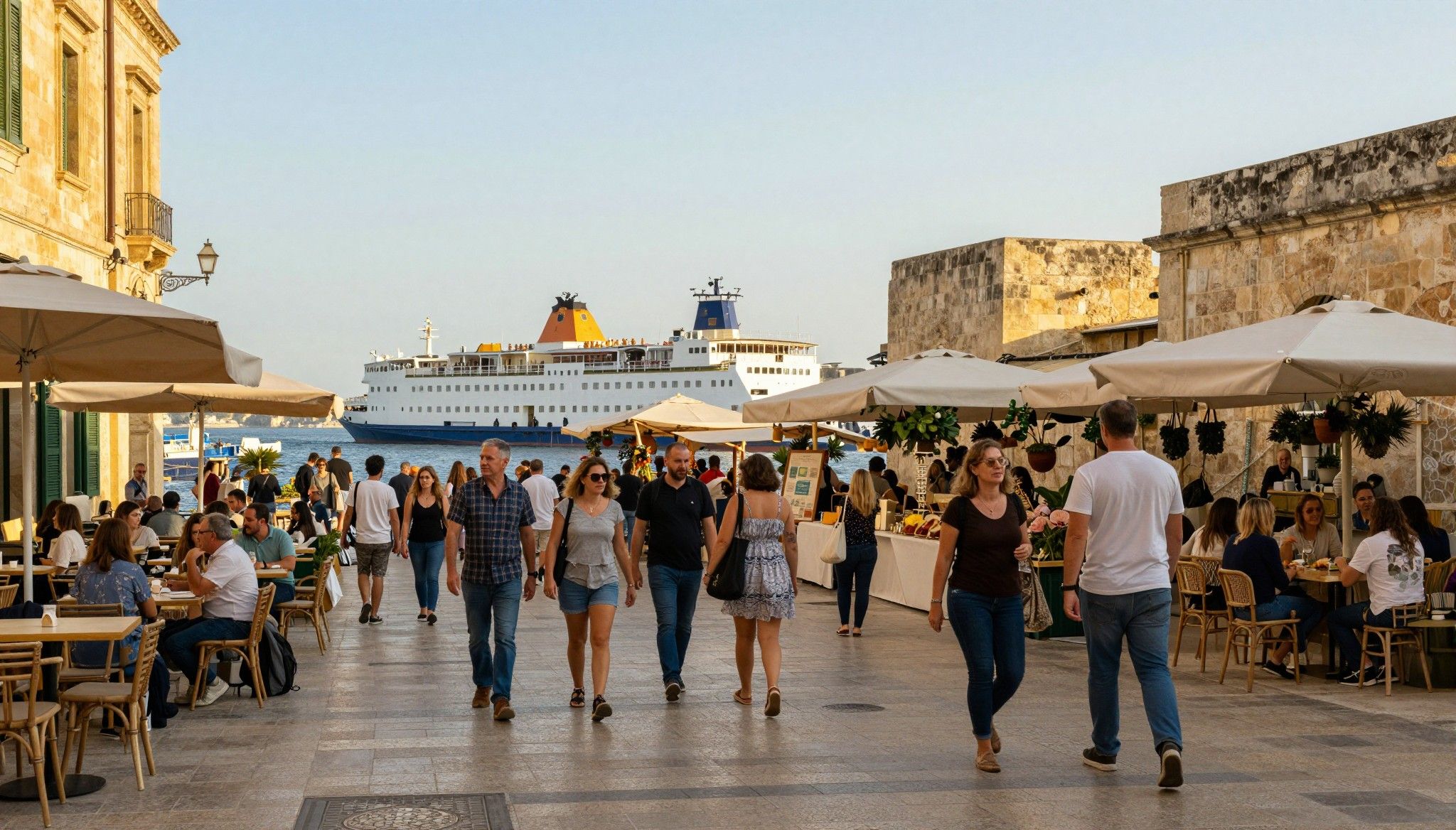
City life in Athens, Thessaloniki and Crete’s port towns blends old-school daily routines with modern pressure points. Sunday morning markets, kafeneia with their regulars, and laneway tavernas sit beside rising demand for short-term rentals and tightened local rules aimed at keeping residents in place. That mix is why neighbourhood choice matters more here than in many other countries: where you land determines whether you get a lived-in block or a tourist corridor that hums differently across seasons.
Koukaki, Psyrri and Kolonaki — the day-to-night spectrum
Koukaki is the neighbourhood that makes city living feel domestic: corner bakeries, children in school uniforms, and terraces where neighbours know one another. Psyrri is younger, louder — full of bars and creative studios — and Kolonaki sits on the other end: quieter, with designer shops and embassies. Each area is an entirely different lifestyle. Buying a small flat in Koukaki gives you weekday calm and weekend bustle; a Psyrri purchase gives nightlife convenience but more noise and turnover.
Thessaloniki, Patras and regional hubs — city size matters
Thessaloniki feels Mediterranean without the island premium: wider boulevards, cafés by the sea, and a strong student presence that shapes rentals. Secondary cities like Patras and Heraklion offer lower entry prices and better day-to-day value, but fewer international-flight connections. If you crave the capital’s cultural calendar, choose Attica; if you want quieter urban life with emerging cafes and bakeries, regional hubs often deliver more square metres for the same money.
- Lifestyle highlights — what makes Greek urban life feel like home
- Mornings at Varvakios Market (Athens) or Modiano Market (Thessaloniki) — fresh produce, fish stalls, immediate community
- Sea promenades for an evening walk: Piraeus/Athens waterfront and Thessaloniki’s Nikis Avenue
- Small plates culture — late, social dinners that shape apartment use (kitchen size, terraces matter)
Making the move: lifestyle choices that change the purchase

You can fall in love with a street and still make a bad purchase. The right property in Athens is not always a central flat; sometimes it’s a quieter three-bedroom a tram stop away. Policy shifts — like the revised Golden Visa thresholds and short‑term rental rules — directly change demand in hotspots and should shape your timing and budget. Treat lifestyle first, then match the property type to how you’ll actually live there.
Property types and how they suit city life
Neo-classical apartments with high ceilings are charming and cool in summer but often lack insulation; recent-build apartments give better energy performance and terraces but cost more per square metre. Ground-floor flats offer easy access but may feel less private. For families, a small garden or a building with a courtyard turns city life into a comfortable routine. Match the architectural type to daily needs: entertaining, remote work, children, or a pied-à-terre.
Working with local experts who understand the life you want
Find agents who live the lifestyle they sell. An agent who knows where the best morning markets are, which street closes on Tuesdays, or which building has a convivial rooftop community will save you months of trial and error. Good local advisors combine neighbourhood sense with practical know‑how: handling a notary appointment, explaining energy certificates, and flagging short‑term rental regulations that could affect income.
- Steps to align lifestyle with purchase
- Spend at least one week living in the neighbourhood (markets, noise, transport) before making offers
- Prioritise must-haves (daily coffee walk, school run, storage) and quantify trade-offs in euros per month
- Ask your agent to show properties at different times of day (weekday morning, Saturday evening, Sunday), then compare
Insider knowledge: things expats wish they'd known
Here’s the real talk: demand in 2024–25 pushed prices up in many urban areas while the government tightened residency and rental rules. That means hotspots can feel pricier than they are for long-term living once short‑term rental pressure eases or rules clamp down. Expect local regulation to change the micro-economics of a street — and plan for the possibility that a beloved area could shift from residential to tourist over a few seasons.
Language, integration and daily bureaucracy
You do not need perfect Greek to buy — many lawyers, agents and notaries work in English — but learning basic phrases transforms neighbourhood life. Simple courtesies at the local bakery, asking about recycling rules, or attending a small festival unlocks community access and goodwill. For paperwork, have a local lawyer who can translate and explain the tax office, AFM number registration and utility transfers; it’s the fastest route from signed contract to settled life.
The seasonal truth: summers are loud, winters are revealing
Summer brings tourists and liveliness — great for short-term income but not always representative of daily life. Winters strip back the tourist gloss and show whether a neighbourhood keeps a year-round community. Use an off-season visit to check insulation, heating and daily services; ask neighbours about winter months and local healthcare access if you plan long-term stays.
- Red flags locals will point to
- Streets dominated by holiday lets with few permanent residents
- Buildings without recent energy certificates or unclear conversion permits
- Properties that look vacant but have confusing utility histories — often a paperwork headache
If you’re balancing investment and life, remember: national data shows city prices have risen unevenly — Athens and Thessaloniki lead, regional towns vary — and policy (residency thresholds, short‑term rental rules) actively reshapes near‑term demand. Use authoritative sources and an on‑the‑ground agent to cross-check listings and recent transaction evidence before you bid.
- Practical next steps — what to do after you fall in love
- Shortlist three neighbourhoods, spend a week in each across different days, then request recent sales comparables and energy/legal certificates via your agent
- Hire a local lawyer to run title, verify permits and explain residency/tax implications specific to the property and area
- Negotiate with empathy — Greek sellers often value continuity of ownership and neighbourhood fit as much as price
Greece’s urban hubs are complex and generous. They reward patience and local knowledge. If you want the market to work for your life — not the other way around — start with weekend visits, pick an agent who knows where locals actually buy, and treat rules and seasons as part of the lifestyle. We’ll help you see streets the way locals do and match those streets to a property that fits how you want to live.
Danish investment specialist who relocated to Costa del Sol in 2015. Focuses on data-driven market timing and long-term value for Danish buyers.