Why Croatia’s Coastal Premium Is More Perception Than Price
Croatia’s coast looks expensive — but the premium is concentrated. Use transaction data, permit checks and shoulder‑season visits to separate lifestyle price from real market value.
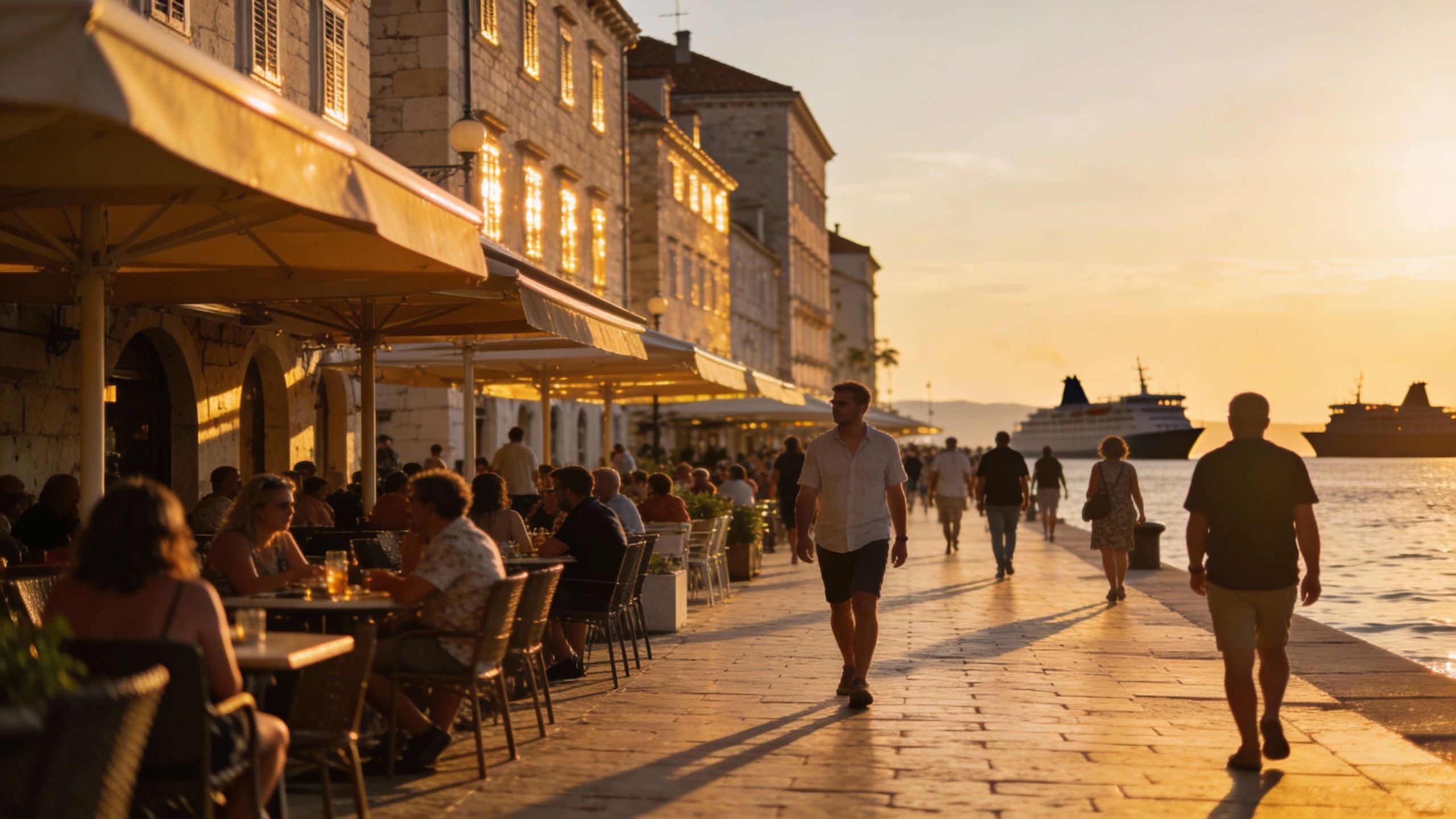
Imagine stepping off a ferries’ late-afternoon haze in Split, the scent of grilled fish and espresso in the air, cobbled streets that bend toward the sea and terraces where neighbors argue pleasantly about football. That scene is Croatia — intensely coastal, instantly relatable, and full of contradictions. It feels expensive because the coast is small, sentimental, and heavily marketed. But price perception and market reality are different animals; recent Tax Administration data and local analyses show foreign demand cooling while prices remain high in selected pockets. Understanding which parts of the coast truly command premiums — and why — changes how you should shop.
Living the Croatian life: what you actually sign up for
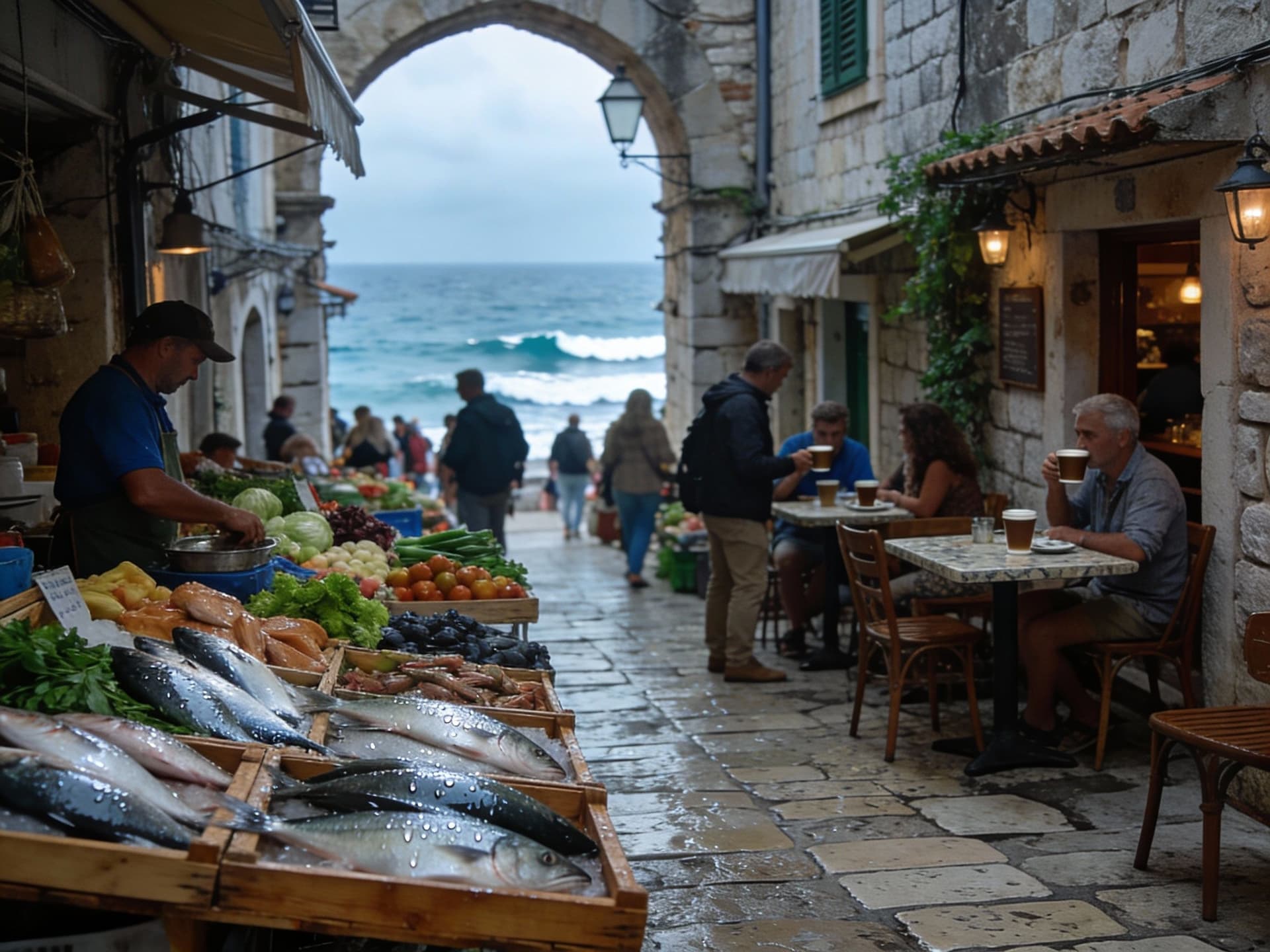
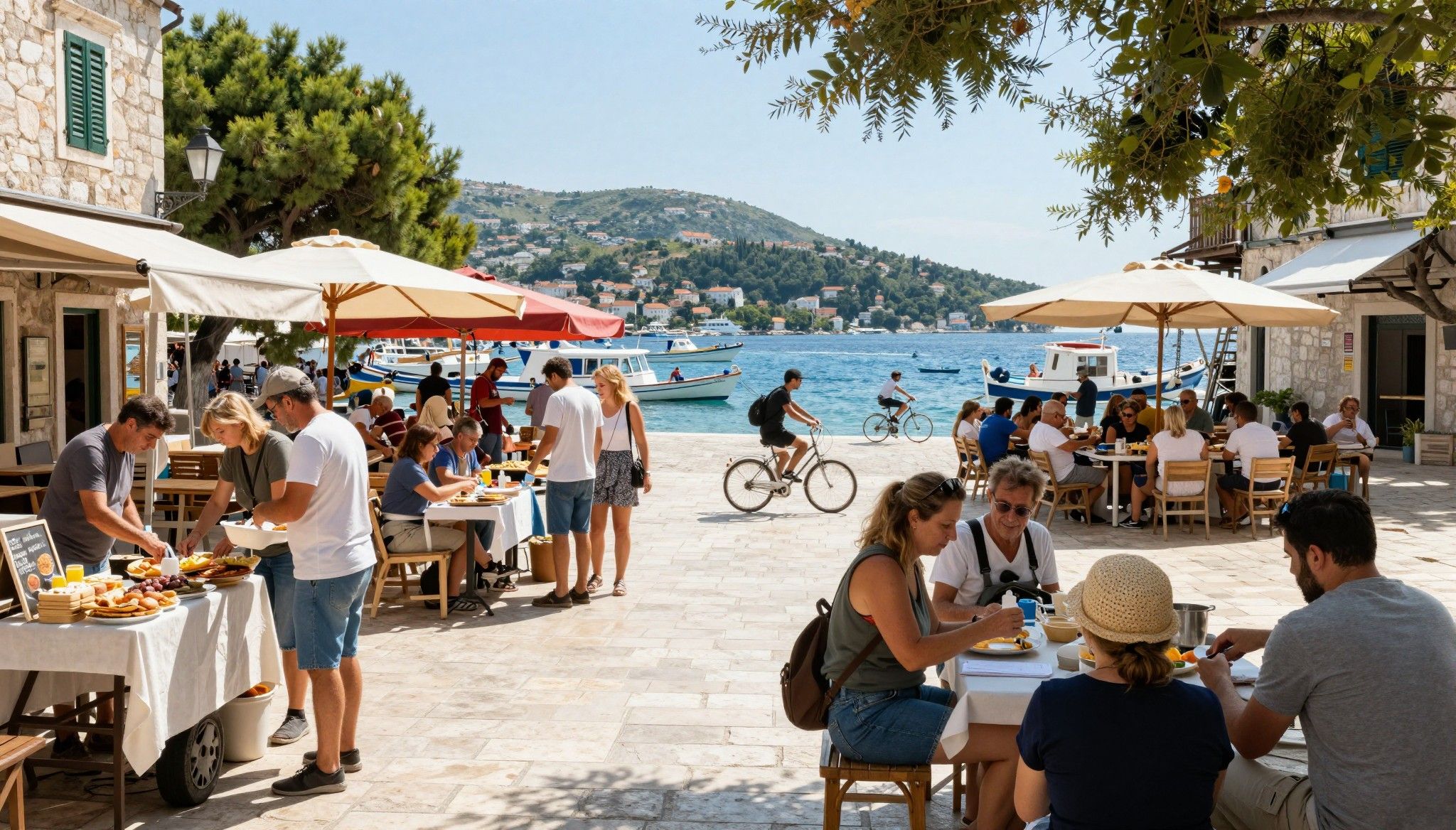
Croatia’s daily rhythm is coastal mornings, market afternoons, and slow, social evenings. In cities like Dubrovnik and Split the day begins with bakeries on Pavla Hatza or Marmont, continues through people-watching at Riva, and often ends with fishermen unloading the catch near Gruž. Small towns — Rovinj, Hvar Town, Zadar — have piazza culture disguised as a Dalmatian version of Mediterranean calm. Living here is sensory: limestone staircases that echo, rosemary-scented winds, and neighbourhoods where you learn faces faster than names. That’s why lifestyle matters when you compare prices: a sea-view terrace in Hvar carries a very different emotional premium than an inland house outside Osijek.
Spotlight: Split’s Varšavska, Riva and hilltop pockets
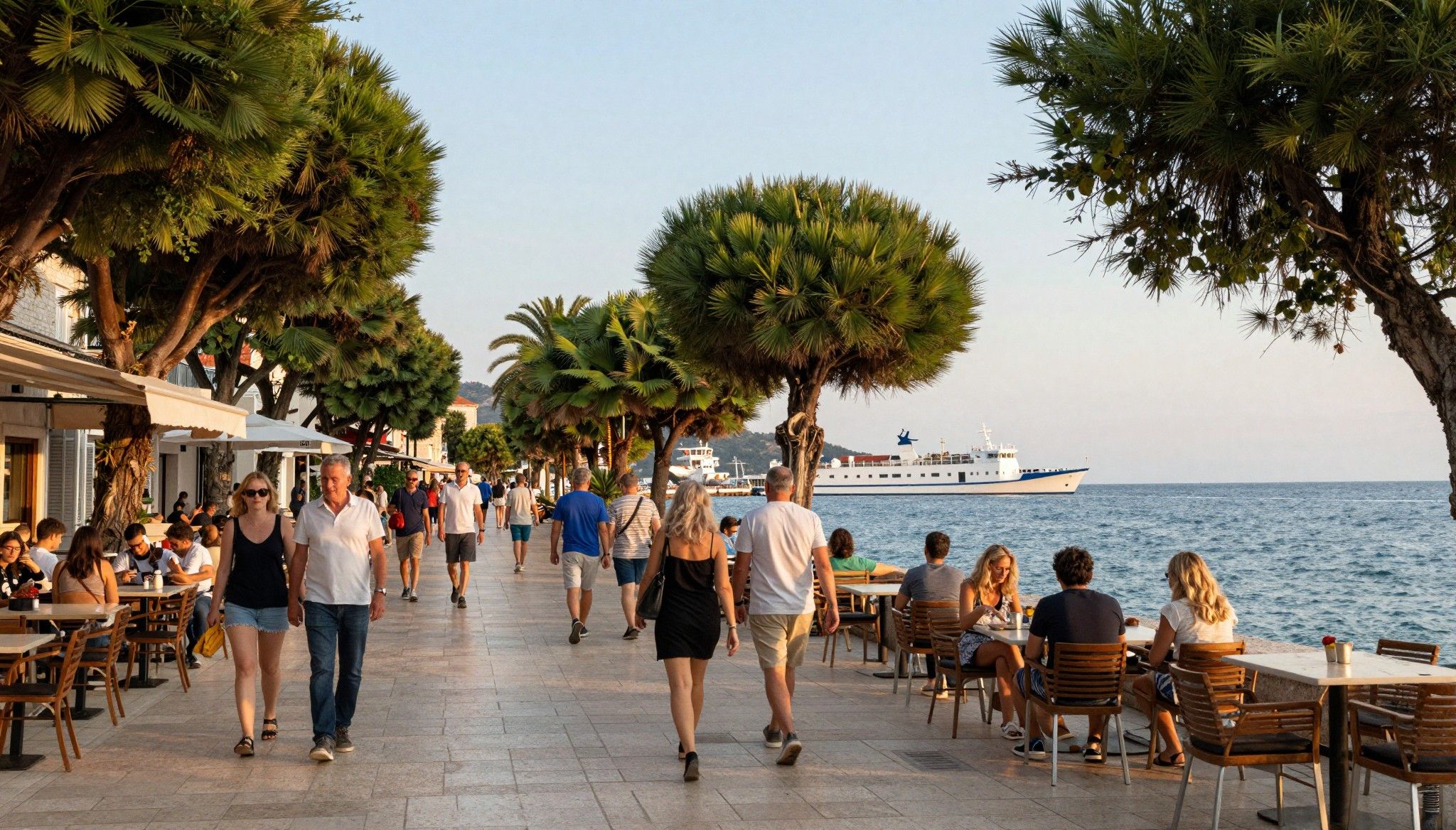
Walk down Varšavska and you feel Split’s working-heart vibe — morning markets, mechanic shops, and cafés that turn into wine bars after 6pm. The Riva is postcard-perfect and expensive by default; the hilltop neighborhoods like Sustipan and Veli Varoš are quieter but command strong demand because of views and a lived-in community feel. Those micro-differences — walkability, view corridors, and genuine local life — explain why two apartments a few streets apart can trade at very different multiples per square metre.
Food, markets and festivals that shape neighbourhood value
A Saturday at Dolac market in Zagreb or a lavender‑scented walk through Hvar during summer festivals isn’t just pleasant — it’s an economic signal. Areas with year‑round market activity, regular cultural events, or a cluster of respected restaurants hold value more consistently than areas that rely solely on seasonal tourism. That’s why we ask where locals buy their groceries, not just where tourists take photos.
- Local lifestyle highlights: actual places and experiences
- Riva promenade, Split — terraces, early morning fishermen and the pulse of the city
- Rovinj’s old town alleys — café corners and art galleries that keep neighbourhood life alive in shoulder season
- Hvar Town harbour nights — summer buzz that lifts short‑term rental income but can mask year‑round livability
Making the move: how lifestyle choices should drive practical decisions
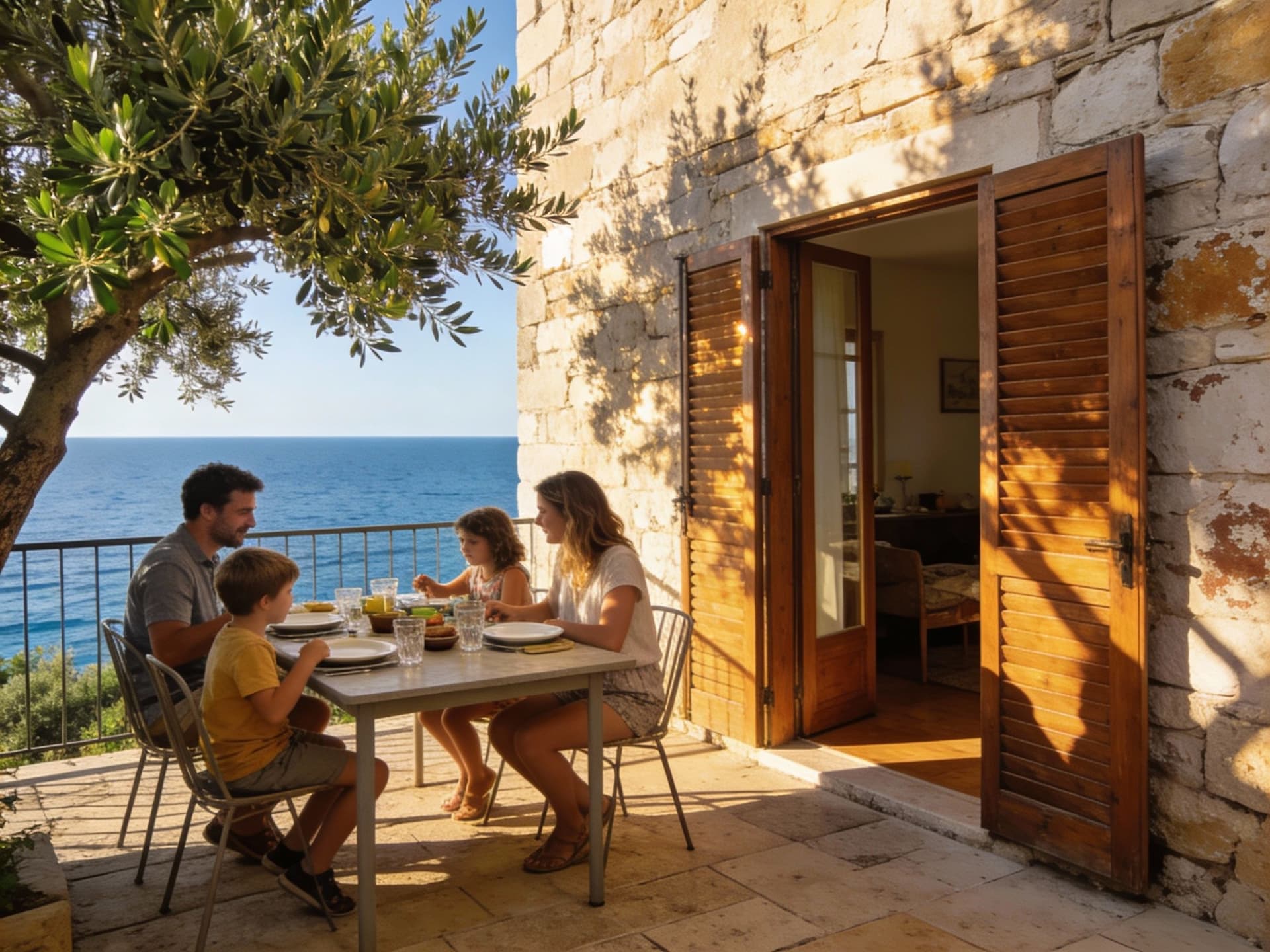
You can fall in love with a terrace view; then reality arrives as paperwork. Croatia allows EU buyers the simplest route, while non‑EU nationals often need Ministry consent — a process that can take 30–180 days. Practical steps — OIB tax number, land registry checks, and clear payment declarations for AML rules — must be in place early. Local legal clarity protects your lifestyle investment; a misplaced assumption about residency or reciprocity can cost time and money.
Property styles and what they mean for daily life
Stone townhouses on the Dalmatian islands require different upkeep than modern apartments in Zagreb. A 100‑year‑old stone home offers character and thick walls that cool in summer, but expect higher restoration and utility complexity. New builds near Split and Dubrovnik often include warranties and energy efficiencies that suit remote workers or families looking for low maintenance. Match the property type to how you want to spend time — terrace dinners, gardening, or lock‑and‑leave for seasonal visits.
Working with experts who preserve the lifestyle you want
Good local agents and lawyers aren’t salespeople — they’re translators of neighbourhood life. They’ll tell you whether a sea‑view is sun‑facing in winter, how noisy a summer festival actually is, and whether public transport runs in shoulder season. We recommend professionals who can provide recent transaction comps, confirmed permits, and references from recent foreign buyers. That combination protects both your lifestyle and balance sheet.
- Steps to align lifestyle and purchase (practical + experiential)
- Visit in shoulder season (April/May or September/October) to test daily life when tourists thin out.
- Ask for three local comparables from the past 12 months — not advertised prices — to understand real paid prices.
- Hire a local lawyer to run a land‑registry search, verify building permits, and confirm no hidden encumbrances.
- Budget for contingency (5–12% of purchase price) for renovation, utilities connection, and seasonal maintenance.
Insider knowledge: the transparency signals you should watch
Transparency in Croatia is improving but uneven. Official transaction volumes and price growth figures are available, yet true market liquidity varies by county. Coastal hotspots show persistent price premiums while foreign buyer shares have fallen from 2022 peaks. Look for three transparency signals: consistent transaction comps (not just listing prices), clear permit histories, and up‑to‑date tax administration records. Those signals separate a priced‑in market from one inflated by seasonal marketing.
Red flags that suggest opacity
- Seller unwilling to share past sale contracts or permits.
- Discrepancies between advertised square metres and land‑registry records.
- Unclear utility connections or missing coastal construction permits.
How to use public data to your advantage
Combine Tax Administration numbers, regional HPI snapshots and local agency reports to map realistic price bands. If listings sit above recent transaction ranges by more than 10–15%, ask why. New developments often set headline prices but older stock typically sells at a discount unless renovated. Use public reports to set negotiation anchors and to decide whether a property is priced for lifestyle sentiment or for comparable fundamentals.
We won’t sugarcoat it: parts of Croatia are expensive — particularly tiny coastal plots and renovated townhouses — but much of the country offers value if you look beyond tourist postcards. The smart buy is the one that matches how you’ll actually live: close to the market you use, in a neighbourhood with year‑round life, and with paperwork that’s clear. Start with shoulder‑season visits, ask for verified comparables, and hire local lawyers who specialise in cross‑border cases. When the paperwork fits the lifestyle, the rest falls into place.
Next steps: make small, decisive moves. Book a shoulder‑season visit to the county you love. Ask a shortlist of three agencies for recent sold prices in the immediate area. Get a pre‑check from a Croatian lawyer on any property you like before you pay a deposit. If you want, we can connect you to vetted lawyers and agents who know both the coastlines and the quiet inland places where value lives.
Norwegian market analyst who serves Nordic buyers with transparent pricing and risk assessment. Specializes in residency rules and tax implications.