Cyprus: Love the Life — Verify Title, Yields & Risk
Fall for Cyprus’s sun-soaked lifestyle — but demand clear title, verified planning and realistic yield modelling before you buy.

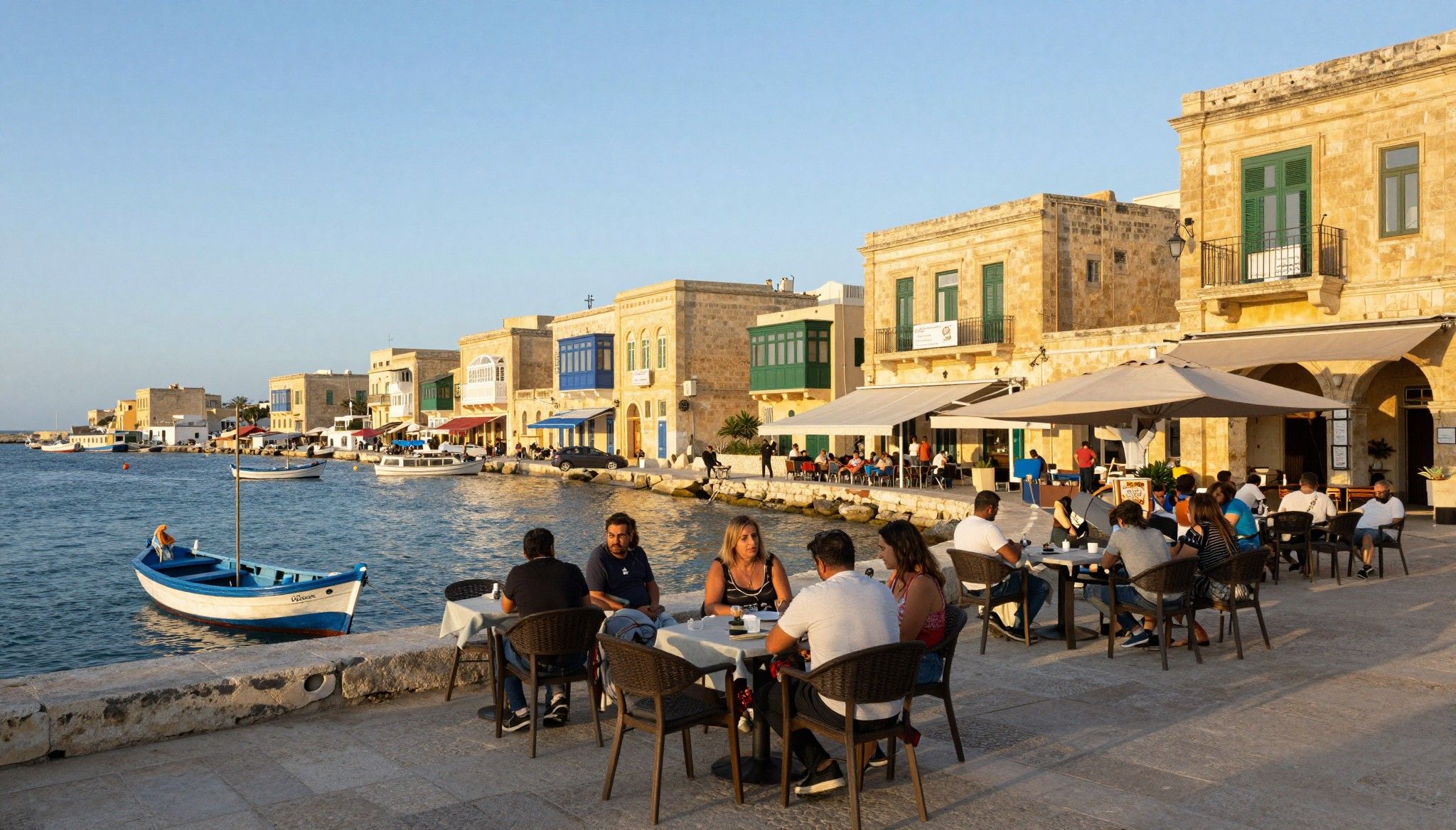
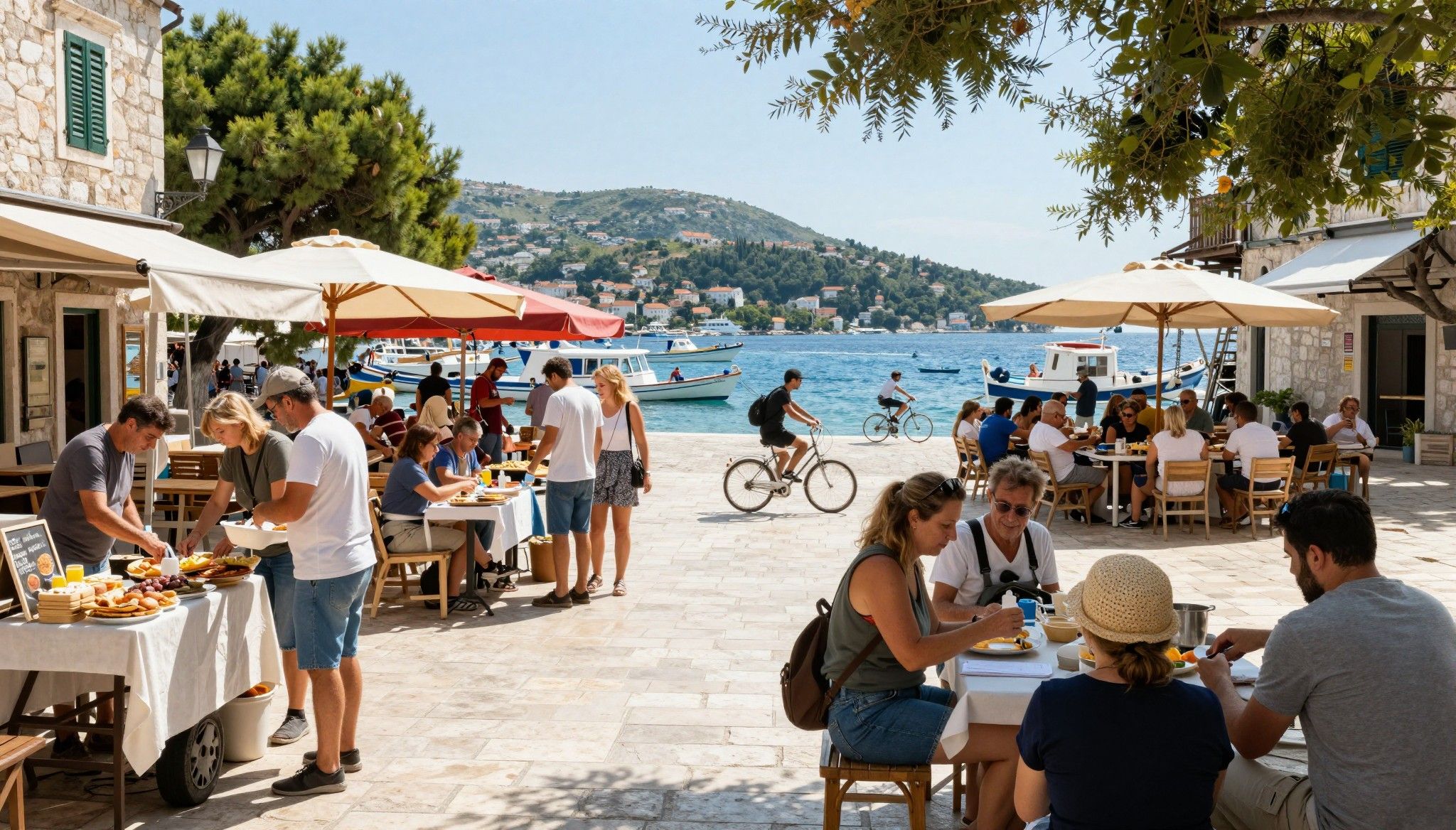
Imagine sipping an espresso at the old harbour in Limassol as fishing boats glow under a winter sun, then walking five minutes to a modern apartment where a balcony becomes your office. Cyprus feels like a year‑round postcard: vineyards folding into mountain villages, cafés on shaded streets in Nicosia, and the particular hush of a Paphos evening. That sensory life is what sells the dream — but behind it lie disclosure rules, title quirks and yield math every international buyer should understand.
Living the Cyprus Life
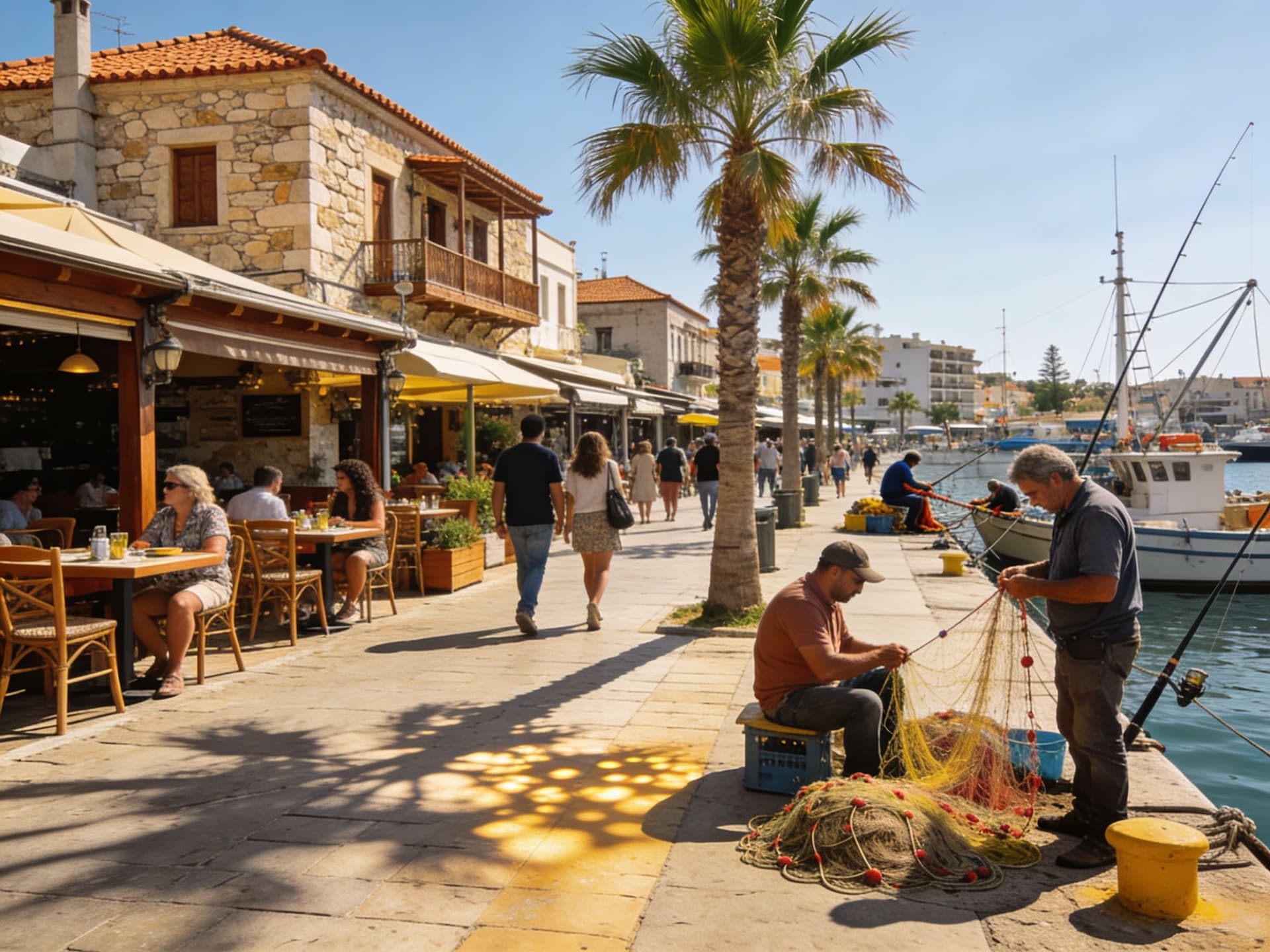
Cyprus is tactile: citrus-scented mornings in the Troodos foothills, late-afternoon swims at Fig Tree Bay, and souvlaki ordered at midnight after a concert in Limassol Marina. Streets alternate between Ottoman-era alleys and clean, new promenades; English is widely spoken, and expat communities settle into small pockets that feel remarkably local. For buyers, lifestyle choices — sea, town, or mountain — quickly determine the type of property you should target and the transparency you’ll demand from sellers and agents.
Limassol: The Coastal Work–Life Loop
Limassol pairs a cosmopolitan café scene with a working port and growing tech and services sectors. Walk from Germasogeia’s beach bars to old town bakeries on Anexartisias Street and you’ll see why many buyers prize short-term rental potential here. Expect newer high-rises near the marina, tight resale supply in the central barrios, and a paperwork load for off-plan and title transfers that needs careful checking.
Nicosia & Paphos: Quiet Days, Long-Term Value
Nicosia feels urban and rooted — narrow streets, municipal markets, and neighbourhood cafés where you’ll learn names quickly. Paphos trades bustle for history: Roman mosaics, quieter beaches and a steady tourist strand that supports holiday lets. These areas often offer better price-per-square-metre value than Limassol and clearer title histories on older properties, but expect variability: renovation standards and utility connections can differ street by street.
- Lifestyle highlights to scout in person
- Morning markets: the Nicosia Municipal Market for fruit, spices and local conversation
- Seaside walks: Limassol Promenade and Dasoudi Park for weekend life and dog-friendly afternoons
- Hidden beaches: Avdimou and Coral Bay for quieter summers away from crowds
Making the Move: Practical Considerations

The dream collides with paperwork: title deeds, planning permissions, and tax residency status shape what you actually buy. Recent market data shows rental yields concentrated in urban and tourist hubs, while municipal and registry backlogs can delay transfers. We recommend pairing lifestyle scouting with a short due‑diligence checklist so you spot problem listings before falling in love.
Property styles and what they mean for daily life
Traditional stone houses in the Troodos give you quiet winters and thick walls that breathe, but they often need upgrades to insulation and plumbing. Modern coastal apartments give easy maintenance and rental appeal, yet high purchase prices in Limassol can cap gross yields. When you choose, think in terms of use-case: full‑time living, seasonal retreat, or a yield-focused asset — each has different disclosure needs and renovation risks.
Work with experts who translate lifestyle into a buildable brief
Local agents, an independent lawyer and a chartered surveyor are the trio that saves you from surprises. The agent scouts neighbourhood rhythm; the lawyer checks title and planning permissions; the surveyor flags structural and utility issues. Insist on agents who can point to completed registrations at the Department of Lands and Surveys — a sign they follow through beyond the listing photos.
- Steps that blend lifestyle and legal safety
- 1. Visit neighbourhoods at different times: morning market, siesta hour and evening to feel true life
- 2. Ask the agent for the property’s title deed copy and last five utility bills before any offer
- 3. Commission an independent structural survey and planning check for renovations or extensions
Insider Knowledge: Transparency, Red Flags and Smart Bets
Cyprus scores well for clarity around taxation for non-doms and rental income, which is part of its appeal for international buyers. Yet the transparency gap shows up in record-keeping: off-plan projects, incomplete title transfers, and informal verbal agreements can all morph into cost and delay. We’ve seen buyers assume municipal approvals are in place only to find extensions or terraces built without permits.
Common red flags (and what to do)
- No recent title deed: insist on a Land Registry extract and details of any encumbrances
- Unclear planning history: request municipal certificates for any extensions or changes
- Too-good-to-be-true gross yields in tourist towns during summer: stress-test occupancy and costs
Where transparency is improving — and why it matters
Indices from RICS, Landbank groups and national reporting have raised visibility on yields and price trajectories, especially in Limassol and Larnaca. That data helps you separate market noise from durable trends: Limassol’s higher rents are real, but so are its higher entry prices which squeeze immediate yields. Use published yield tables to challenge agent claims and to model realistic cash flows for the first five years.
- Checklist before you sign: the quick, honest version
- 1. Confirm title status with Department of Lands and Surveys and ask for recent encumbrance searches
- 2. See three years of utility bills and a municipal occupancy certificate for rental planning
- 3. Factor in realistic vacancy rates: use 8–12% for long-term lets, higher for holiday lets outside peak months
Cultural side-notes that shape transactions
Cypriot negotiations are social as well as transactional; rapport with a seller can speed informal clarifications but never replaces formal checks. Expect timelines to be measured — registry and notary slots, and municipal sign-offs can extend closing by weeks. We advise patience: the market rewards buyers who build relationships without skipping documentation.
Conclusion: Live the Life, Then Lock the Paperwork
Cyprus offers a rare mix of Mediterranean leisure, tax clarity for many non-doms, and rental demand that supports different investment cases. But romance without records is risky: fall in love with a street, not a sketch, and make your purchases conditional on documented title, planning checks and an independent survey. When you pair a local-savvy agency with a lawyer who will fight for clear registry entries, the lifestyle becomes sustainable — and the numbers make sense.
British expat who relocated to Marbella in 2012. Specializes in rigorous due diligence and cross-border investment strategies for UK and international buyers.