Italy: The Life You Buy — Then the Market Facts
Italy’s appeal is lifestyle first: city rituals, market life and coastal slow time. Match that life to local market signals, renovation rules and residency routes.
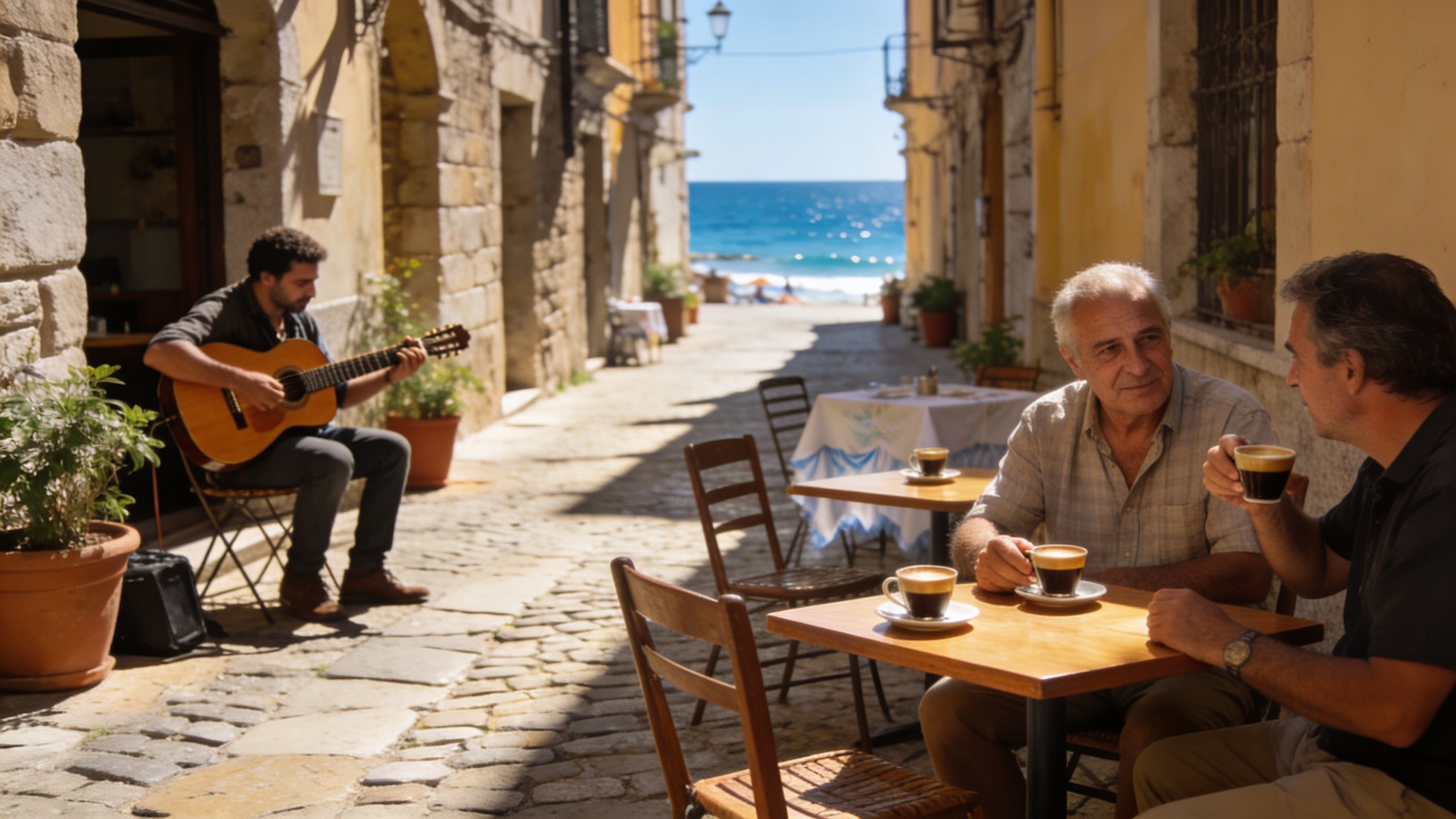
Imagine starting a morning in Italy with espresso at a corner bar in Brera, market tomatoes in Naples’ Pignasecca, then an afternoon walk along a limestone coastline in Puglia — all in one long, delicious day. That elastic pace — city intensity, slow coast, and village ritual — is what draws buyers here. But the story many international shoppers carry into view is half-romance, half-myth. We want to show you the life first, then the market reality that supports it.
Living the Italy lifestyle
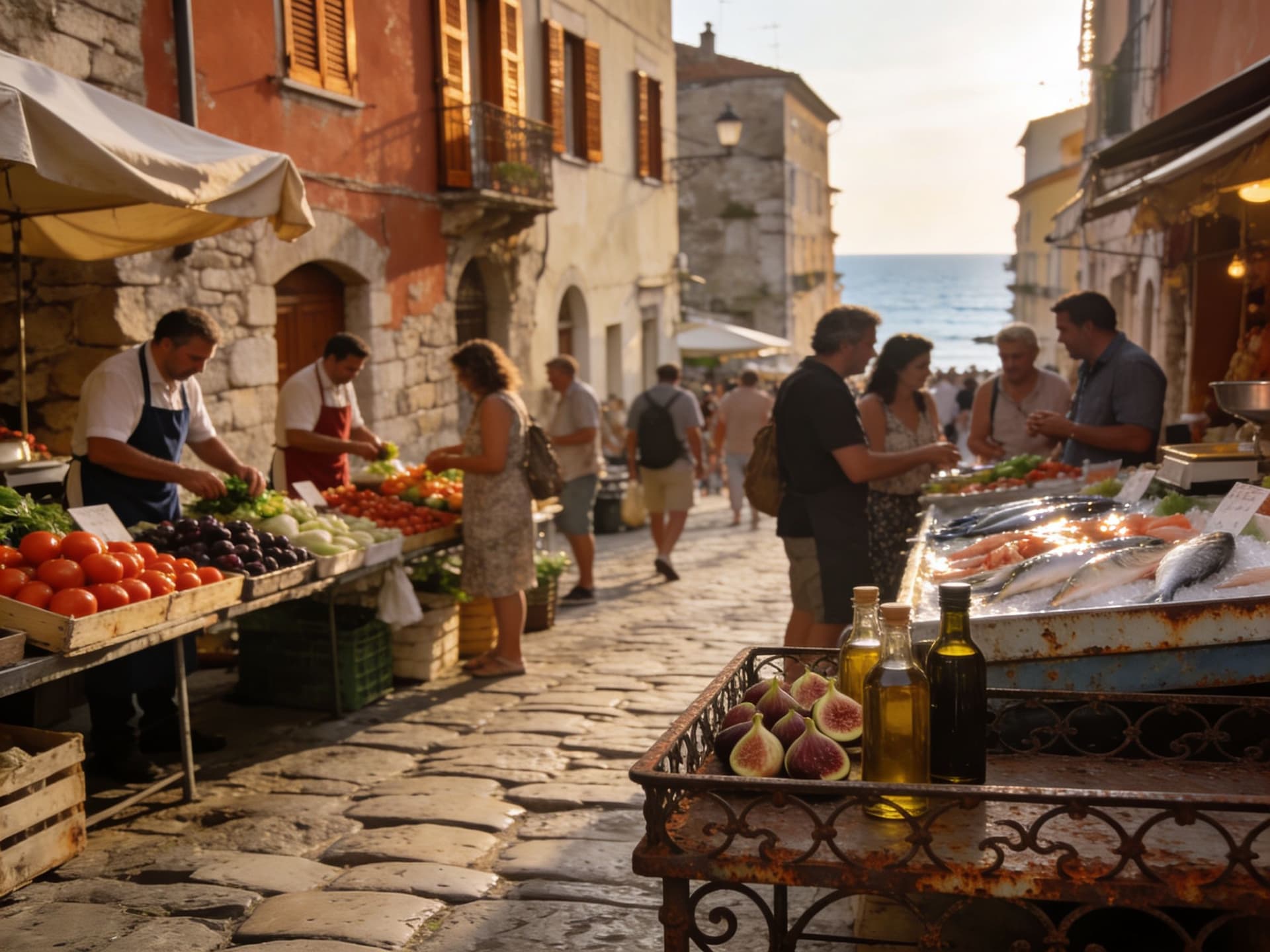
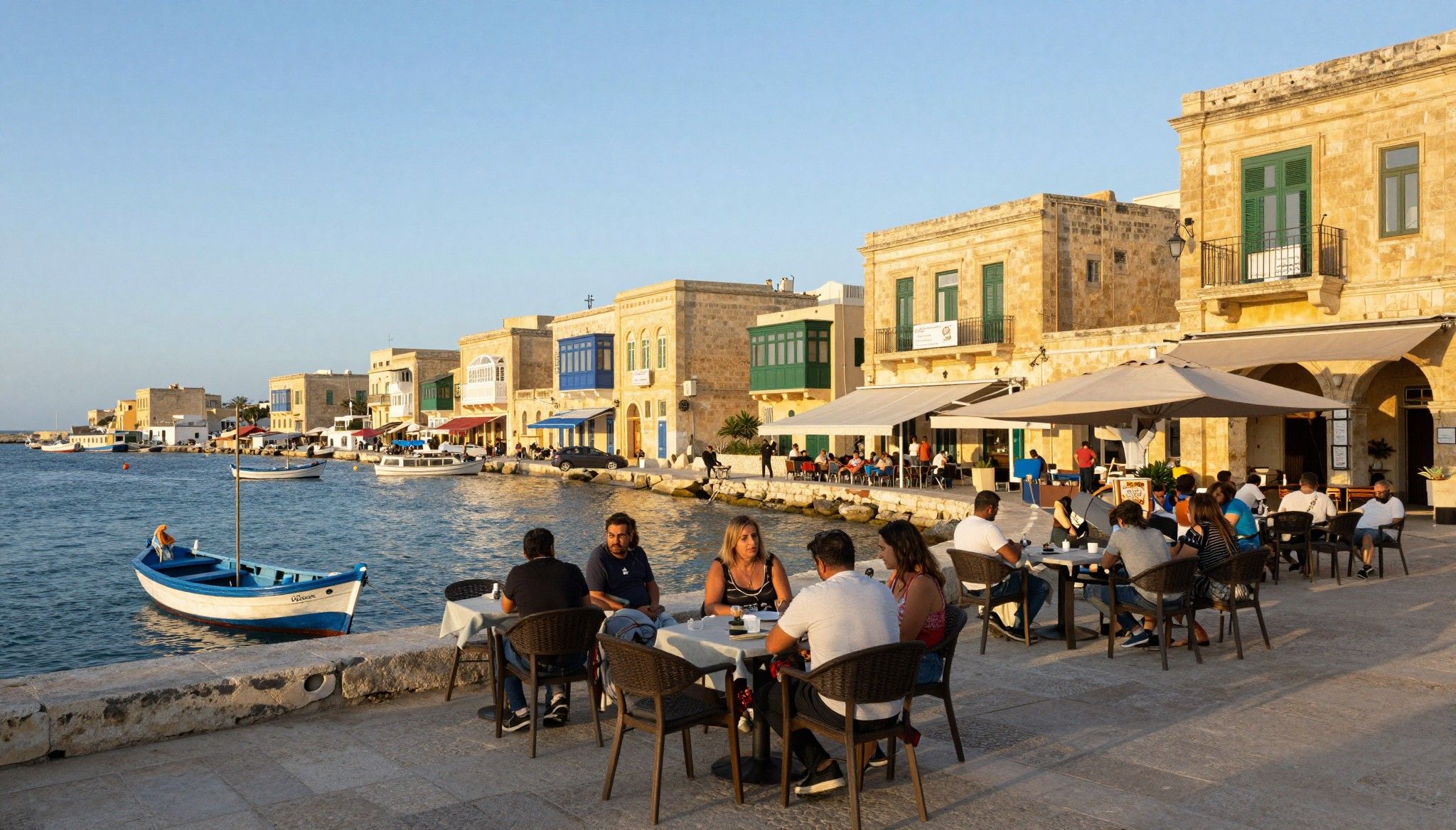
Italy’s daily rhythm is built around neighbourhood rituals: morning coffee that doubles as gossip time, long market walks on Saturdays, and aperitivo hours that stitch friends to place. In Milan you feel a fast, design-driven tempo; in Bologna the university hum keeps cafes full; in coastal towns like Polignano a mare the sea shapes when people eat, swim and socialise. For many international buyers the decision to buy is less about square metres and more about these repeated, small pleasures.
City corners and neighbourhoods that breathe life
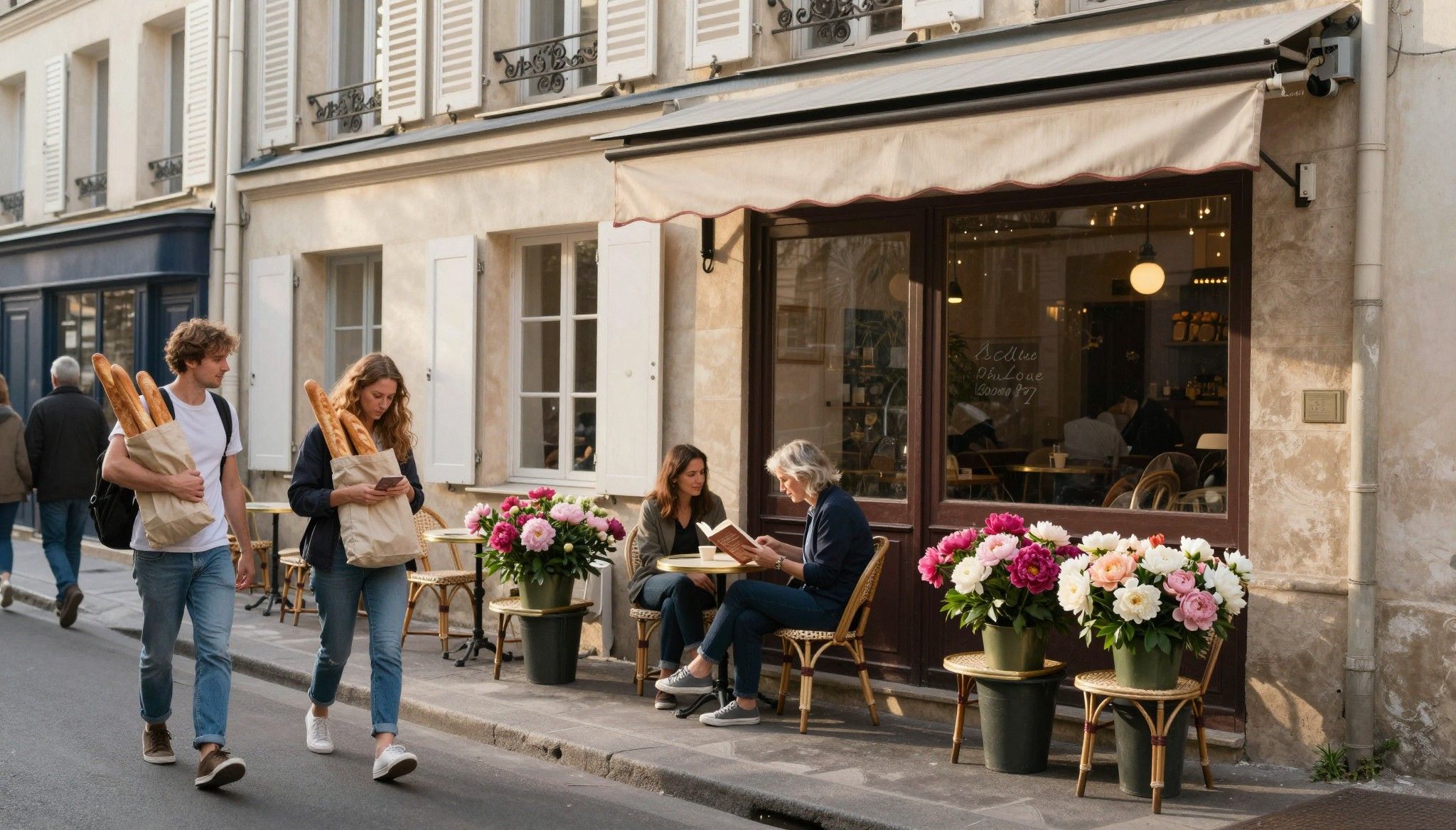
Brera (Milan) has galleries, late-night jazz and coffee culture that favours small-format apartments with high ceilings; Trastevere (Rome) keeps cobbled alleys and trattorie where neighbours know your name; Centro Storico (Bari) and Ostuni in Puglia give you stone alleys and family-run osterie within walking distance. These pockets matter because they determine how you’ll spend most days — not the headline price per square metre.
Food, market life and seasonal rhythms
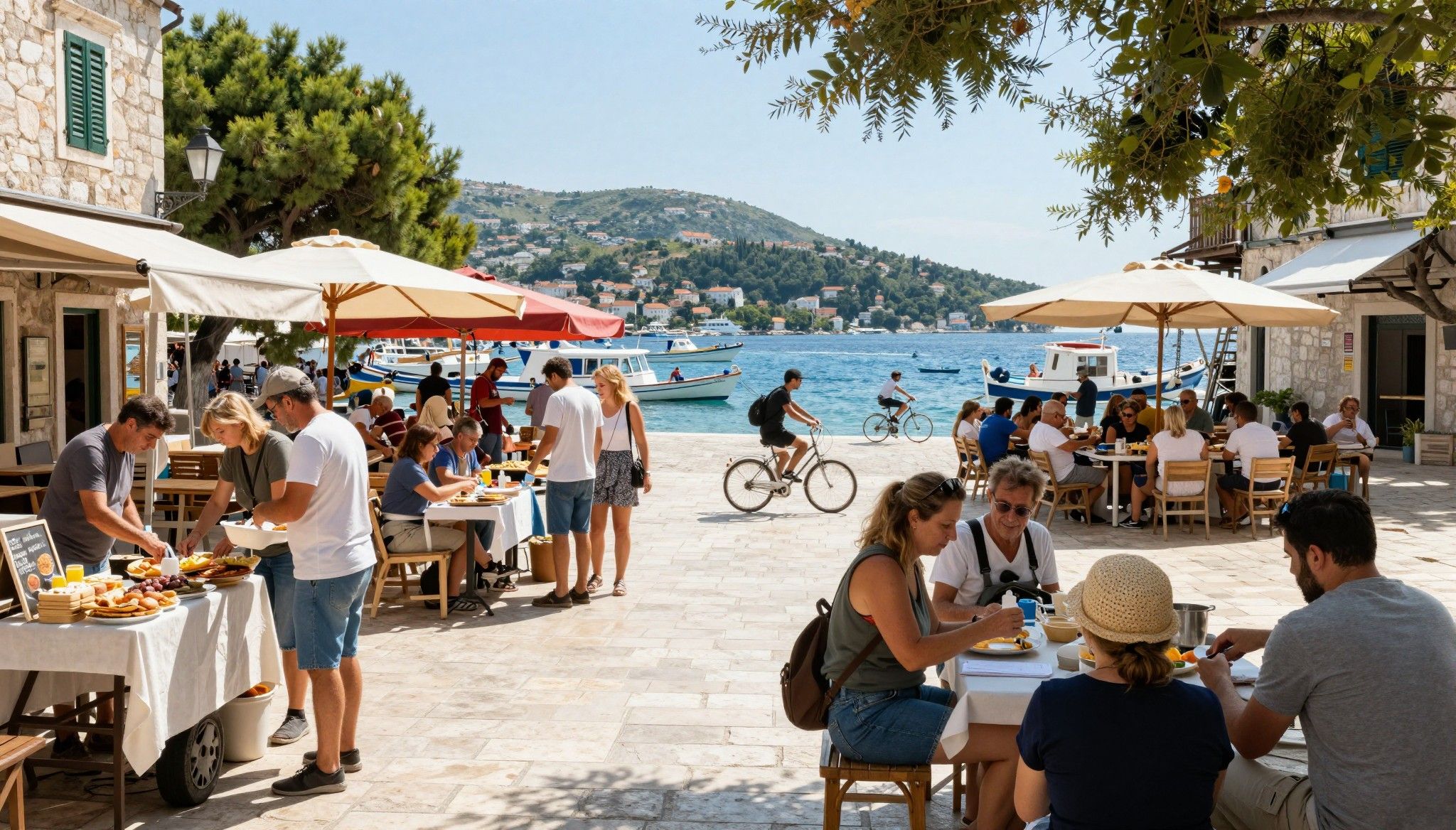
If you love local food scenes, Italy repays you immediately: weekly markets in Palermo or Florence, oyster stalls on the Adriatic, harvest festivals in the Langhe. Regions like Puglia have recently seen a surge of interest for this reason — lower entry prices and authentic market life have made them a magnet for buyers wanting an active food culture. That increase in demand has practical consequences for renovation rules and price trajectories, so the romance has to be matched with local knowledge.
- Morning espresso at Caffè Fernanda (Brera); Saturday mercato di Porta Palazzo (Turin); seafood at La Cala (Polignano); evening passeggiata on Lungomare (Salerno); truffle hunt weekends in Alba.
Making the move: lifestyle-aware practicalities
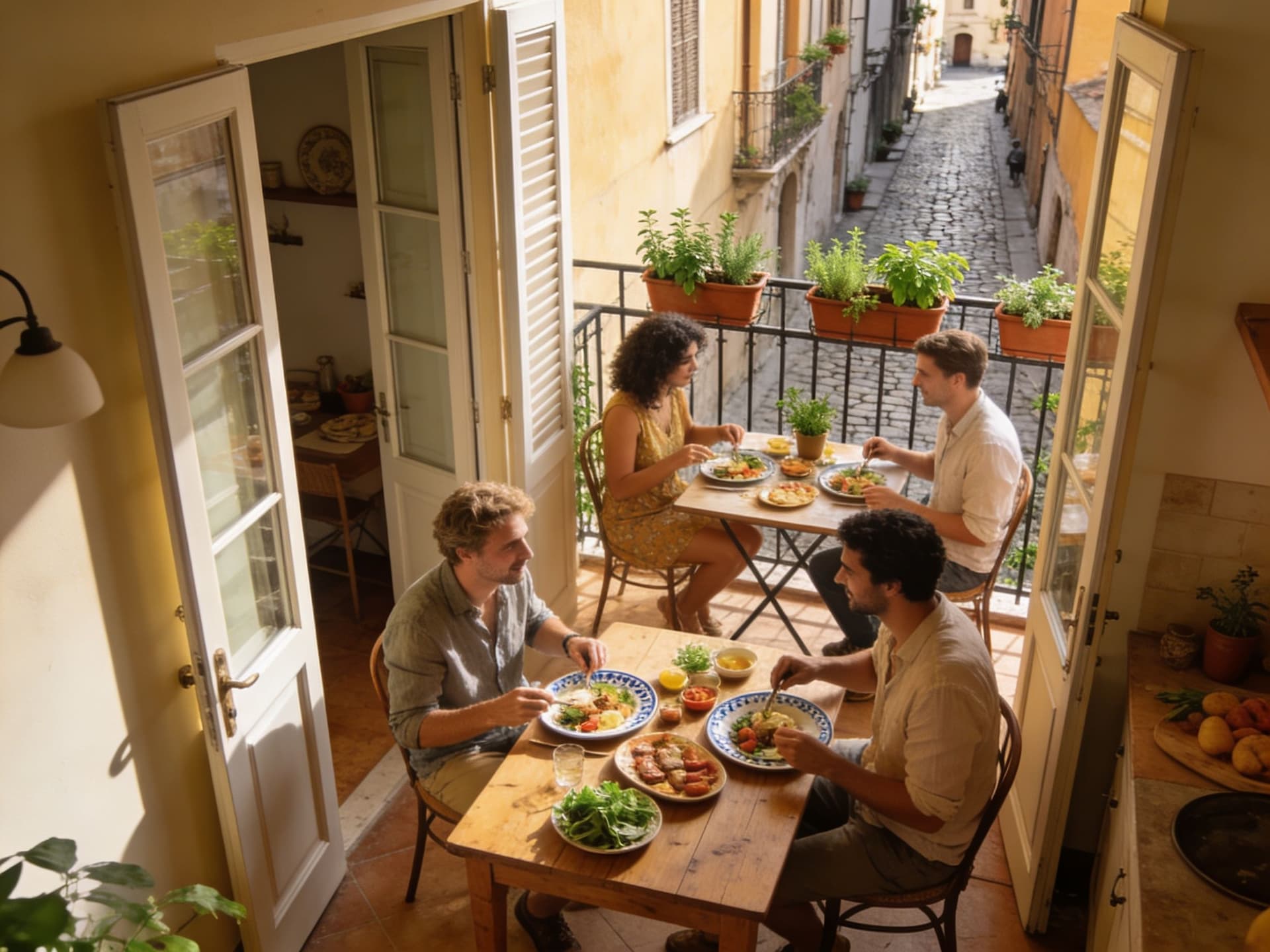
The dream of life-on-the-street must meet the market facts. Italy’s national house price index has shown steady year-on-year growth in recent quarters, driven more by existing-dwelling demand than new builds — a useful signal if you’re looking at renovated village homes or city-centre apartments. Understanding those trends helps you pick a place where lifestyle and price momentum align.
Property styles and how you’ll live in them
Stone townhouses in Puglia or Liguria ask for maintenance but reward you with thick walls, shaded courtyards and indoor‑outdoor living. Milanese apartments prioritise light, lift access and efficient layouts; Tuscan farmhouses often require seismic upgrades and building permits for modernisation. The property type should reflect how you plan to live: year‑round resident, seasonal escape, or rental income generator.
Working with local experts who know the lifestyle
An agency that understands both a neighbourhood’s rhythm and the legal pathways (including residence-by-investment routes) will save you wasted viewings. Good local experts will flag renovation limits on historic facades, explain seasonal rental dynamics, and show alternatives if your first pick is impractical. If residency matters, note that investor and investor‑visa routes exist but vary by investment size and purpose — treat them as one piece of the puzzle, not the whole plan.
- Decide how you’ll live: (1) full‑time move; (2) split season; (3) purely investment. (2) Match property type to lifestyle: apartment for city life, townhouse for village ritual, farmhouse for space. (3) Budget for renovation, energy upgrades and local permit delays. (4) Hire a bilingual notary and agent who works with international buyers. (5) Run a title and cadastre check before offering.
Insider knowledge: what expats wished they'd known
Expats often tell us the same surprises: the centrality of local relationships, how seasonal services collapse in August, and that paperwork timelines are slower than estate photos suggest. Language matters less than local introductions — a baker, a cleaner, a municipal clerk who knows you — but not speaking Italian will slow administrative processes and negotiating repairs.
Cultural integration and day‑to‑day social life
Join the market mornings, volunteer in a festival committee, learn the rhythms of weekly shops — these are the fastest ways to become local. Schools, football clubs and parish events still organise much of community life outside the big cities. Expect to be invited, slowly; local trust is the currency that opens renovation help, trusted tradespeople and better deals.
Long‑term lifestyle and practical watch‑points
- Watch for planning restrictions on historic properties; expect seasonal service gaps (August and mid‑winter); verify energy performance requirements for rentals; beware neighbourhoods that swell with tourists but empty off‑season; check recent local price trends rather than national averages.
Italy gives you small, repeatable pleasures: markets at dawn, piazza conversations, and neighbourhood rituals that rearrange your week. Match the rhythm you want with property type and region, and you’ll spend less time correcting assumptions and more time living. If you want help turning a neighbourhood dream into a practical plan — realistic budget, renovation timeline, and a shortlist of properties — that’s precisely what an on‑the‑ground agency should do.
Next steps we recommend: pick three neighbourhoods that match the life you want, budget for a local expert to survey titles before making offers, and visit in the season you plan to live there — August and January are very different. We’ll help you get the view, the daily rituals, and the paperwork in order.
British expat who relocated to Marbella in 2012. Specializes in rigorous due diligence and cross-border investment strategies for UK and international buyers.