France’s Urban Hubs: Life First, Data Second
France’s market is stabilising—start with lifestyle, then use local data and experts to match life with value in Paris, Provence and regional hubs.
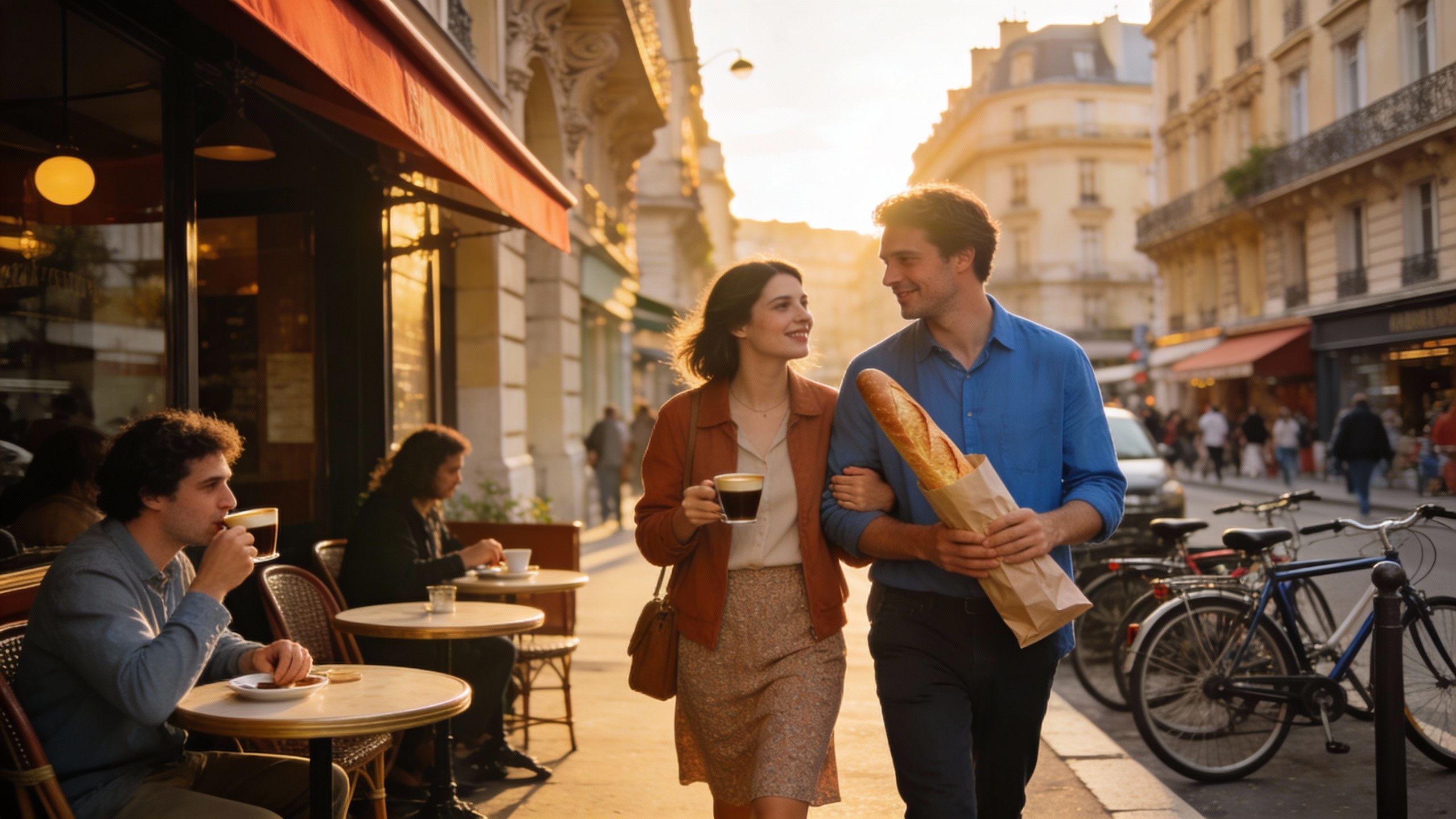
Imagine a Saturday morning in France: you’re walking the stalls at Marché des Enfants Rouges in Paris’s Marais, picking up chèvre and a warm baguette, or you’re in Nice watching fishermen bring in the day’s haul before a late afternoon espresso. France’s rhythm—markets, cafés, long lunches and late-evening promenades—shapes not just how people live but what they look for in a home.
Living the French life: cities, corners and daily rituals
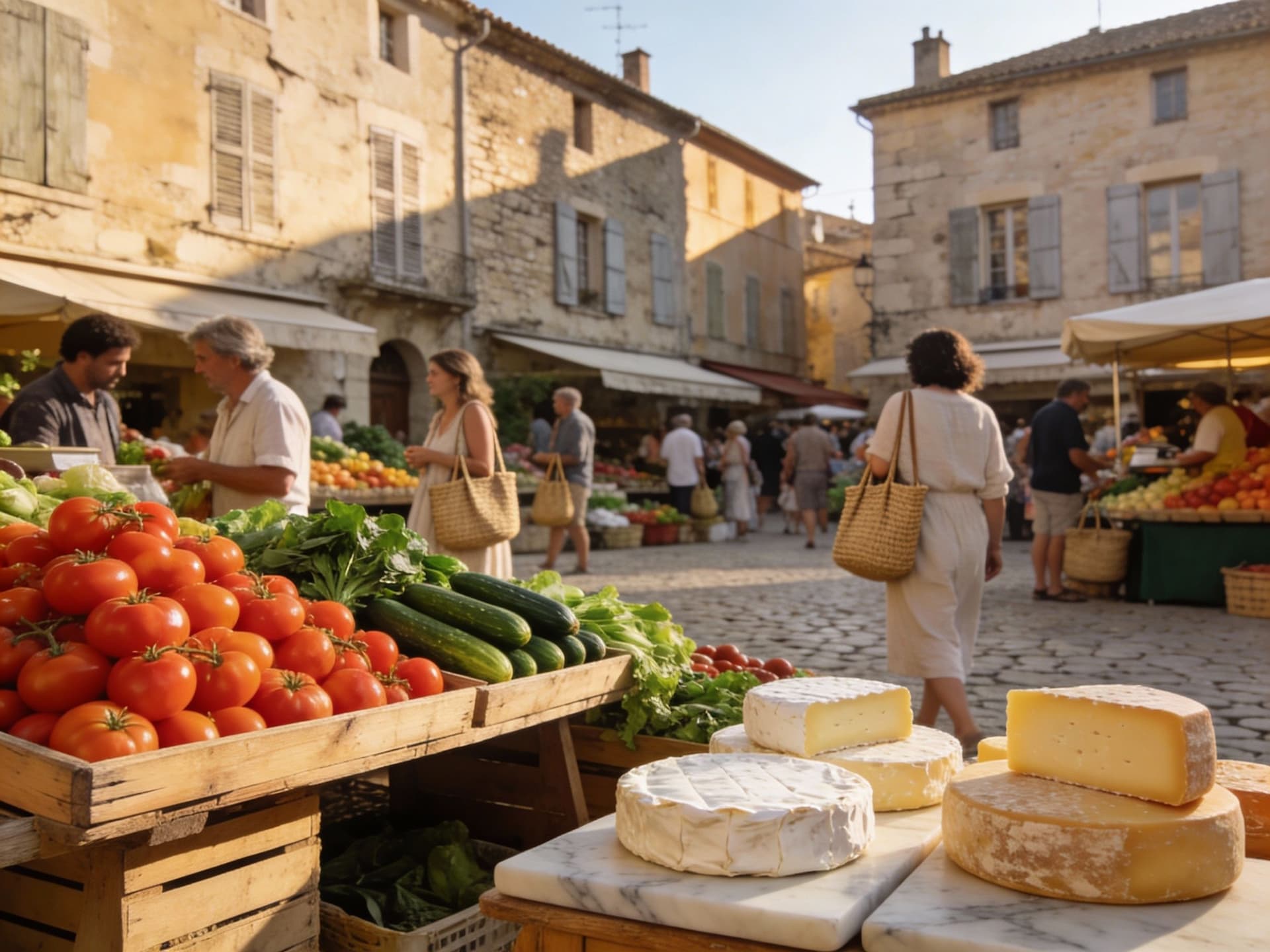
Living in France feels local before it feels national. Paris is a binge of museums, boulangeries and narrow streets where every arrondissment has its character. Lyon smells of roasted coffee and bouchon cooking, while Marseille is salt, street markets and unexpected modern galleries. These differences matter because they shape what buyers prize—proximity to markets, morning light in an apartment, or an outdoor terrace where you’ll spend summer evenings.
Paris: the city you visit, then learn to live in
In Paris you buy a street, not a square metre. A place near Rue de Bretagne or Canal Saint-Martin means cafés open at 9am, corner bistros that know your name and a walking commute. But remember: pockets of stability and volatility exist even inside Paris—arrondissements diverge in price and lifestyle. For many internationals, a pied-à-terre in the 3rd or 10th unlocks the city’s life without the full-time hustle (and often with better value per square metre).
Provence–Côte d’Azur and the lure of the south
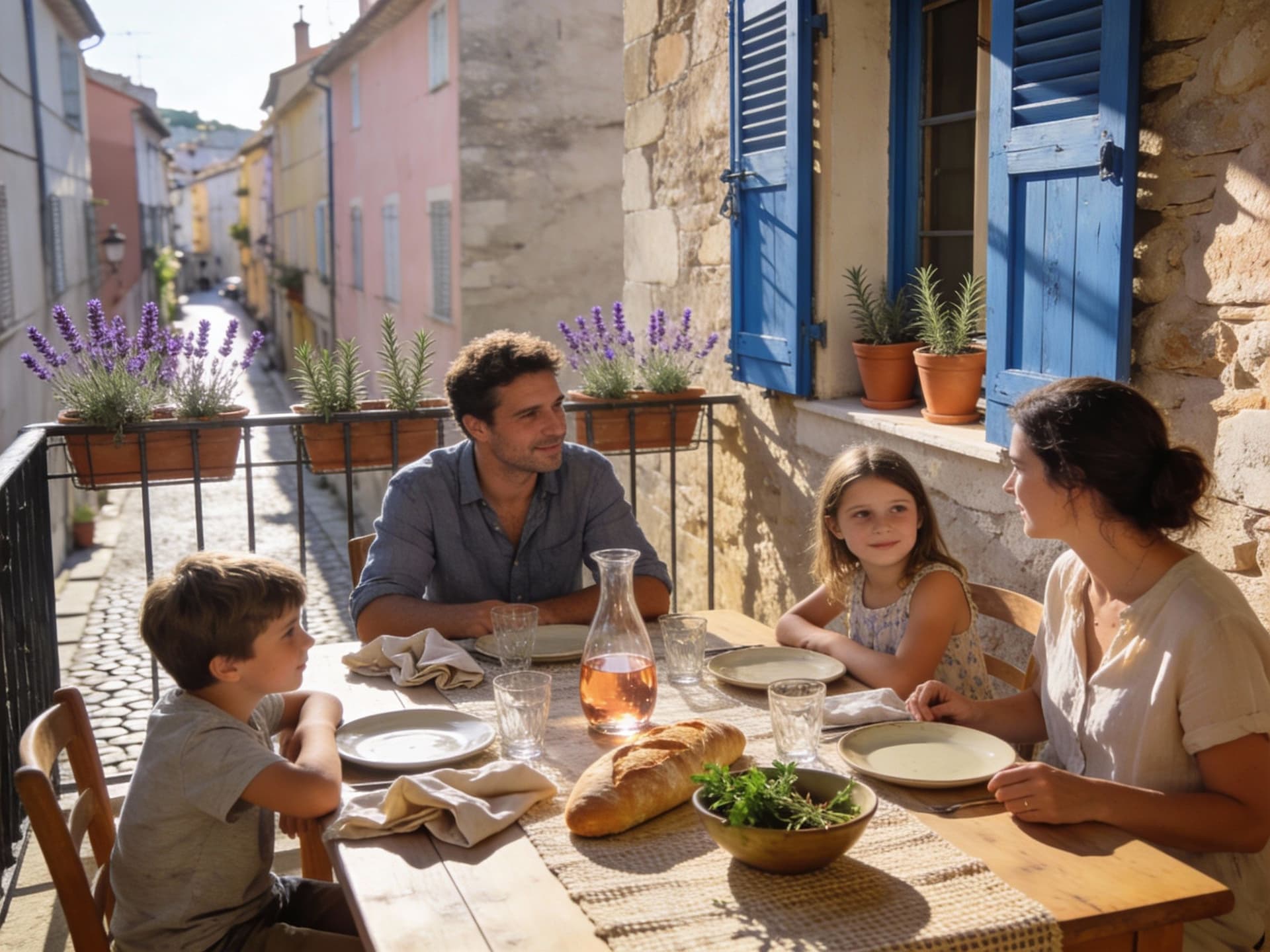
If you picture Sundays at a farmers’ market with Provençal tomatoes and lavender, that part of France is real—and expensive, but nuanced. Departments like Alpes‑Maritimes attract a higher share of foreign buyers (Notaires notes around 7% in 2022). Here, lifestyle premiums—sea views, walkable town centres and year‑round sunshine—explain higher prices, but buying choices can still be smart when you prioritise walkability and local amenities over pure coastline frontage.
- Marketable lifestyle highlights:
- Marais (Paris): morning markets, narrow streets, strong short‑let demand
- Vieux‑Lyon: stone alleys, bouchons, family kitchens and proximity to the Rhône
- Nice/Antibes: promenade life, Provençal markets and easy Mediterranean access
- Bordeaux: food culture, wine bars, riverside promenades and growing international schools
Making the move: price rhythms, timing and what the data tells you
The headline: after several quarters of decline, France’s prices stabilised in late 2024 and early 2025. INSEE recorded virtually stable house prices in Q4 2024 (+0.1% quarter‑on‑quarter) and a modest rebound in Q1 2025 for second‑hand dwellings (+1.0%). That matters because timing a purchase around a market that’s stabilising changes your negotiation stance—you’re less likely to get steep discounts, but you also avoid buying at a short‑lived peak.
Property types and the life you’ll actually live
France’s housing stock is architectural variety: Haussmann flats with high ceilings, village stone houses with shutters, seaside apartments with tiny terraces. Choose a property by how you’ll live—if cafés and walking matter, a compact Paris flat works; if outdoor life matters, a Provencal maison with a garden is non‑negotiable. Renovation is common here, but planning rules and historic protections can lengthen timelines—factor months, not weeks, into your project plan.
Working with local experts who understand life, not just listings
Agencies and property hunters in France aren’t just sellers—they’re matchmakers for lifestyle. Pick professionals who can show neighbourhood routines (which bakeries are busiest on Sundays, which streets are noisy at night). They’ll also translate local quirks—cooperative syndic fees, building meeting rhythms and typical renovation timelines—so your dream terrace doesn’t become a paintless project.
- Steps to blend lifestyle and transaction:
- Visit neighbourhoods at different times (market morning, weekday evening, Sunday) to test noise, light and life
- Ask an agent for a local day‑in‑the‑life briefing (which café, which pharmacy, where to walk the dog)
- Factor in realistic renovation timelines and get local quotes before you bid
Insider knowledge: expats, small surprises and what people wish they'd known
A few frank observations from people who moved here: language matters for the small things—scheduling a syndic meeting, understanding energy diagnostics (DPE) or reading a diagnostic report. Second, lifestyle trumps headline prices for long‑term happiness: a slightly smaller flat near a market and good light will often feel like better value than a larger unit that isolates you. Finally, seasons change the experience—Provence is quieter in winter, coastal towns hum in summer—and that affects rental demand and your daily joy.
Cultural integration: rituals that shape neighbourhood choice
French social life often centres on food, local associations and neighbourhood fêtes. If you want immediate integration, buy near an active marché, a friendly café and a boulangerie that early‑birds swear by. Join a choir, a pétanque club or a local marché association—these predictable rituals are the quickest way to feel at home, and they influence whether you’ll use a place weekends or only for holidays.
Long‑term view: what makes a property age well in France
Properties that age well here combine solid location fundamentals (access to transport, markets, light) with practical features: good insulation, flexible room layouts and a modest outdoor space. In many towns, demand for smaller, well‑located flats is steady because of students and young professionals. For buyers thinking decades ahead, streets with mixed uses—shops, schools and cafés—tend to hold value and keep life interesting.
- Red flags and surprise costs to watch for:
- Historic protections that block simple renovations
- High syndic (co‑ownership) charges not disclosed in initial viewings
- Properties with recurring damp, heating or insulation issues that are costly to fix
Conclusion: fall for the life, then plan the purchase
France rewards buyers who start with lifestyle and follow with rigorous local checks. The data shows a market moving from decline to stability in late 2024 and early 2025, which means offers should be made with modest optimism and local diligence. Visit, live the routines, hire experts who speak both neighbourhood and law, and you’ll buy more than a property—you’ll buy a life you actually use.
Dutch relocation advisor who moved to Marbella in 2016. Guides Dutch buyers through visa paths, relocation logistics, and balance of lifestyle with value.