Croatia: Life, Law and the Four Checks Before You Buy
Croatia’s Adriatic romance is real—but so are rules on VAT, transfer tax and foreign ownership. Live the life, then check ministry consent, VAT inclusion and maritime limits.
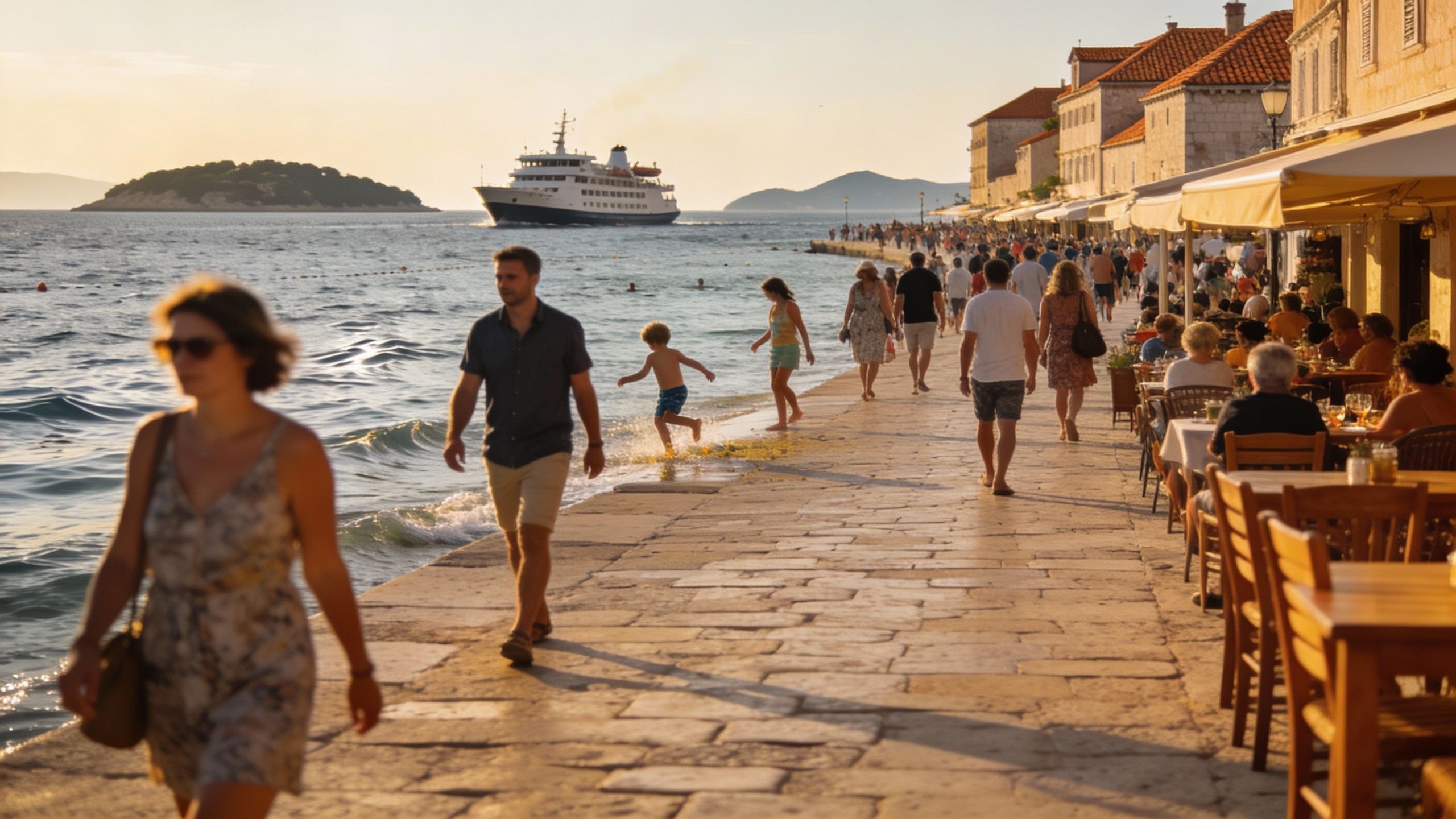
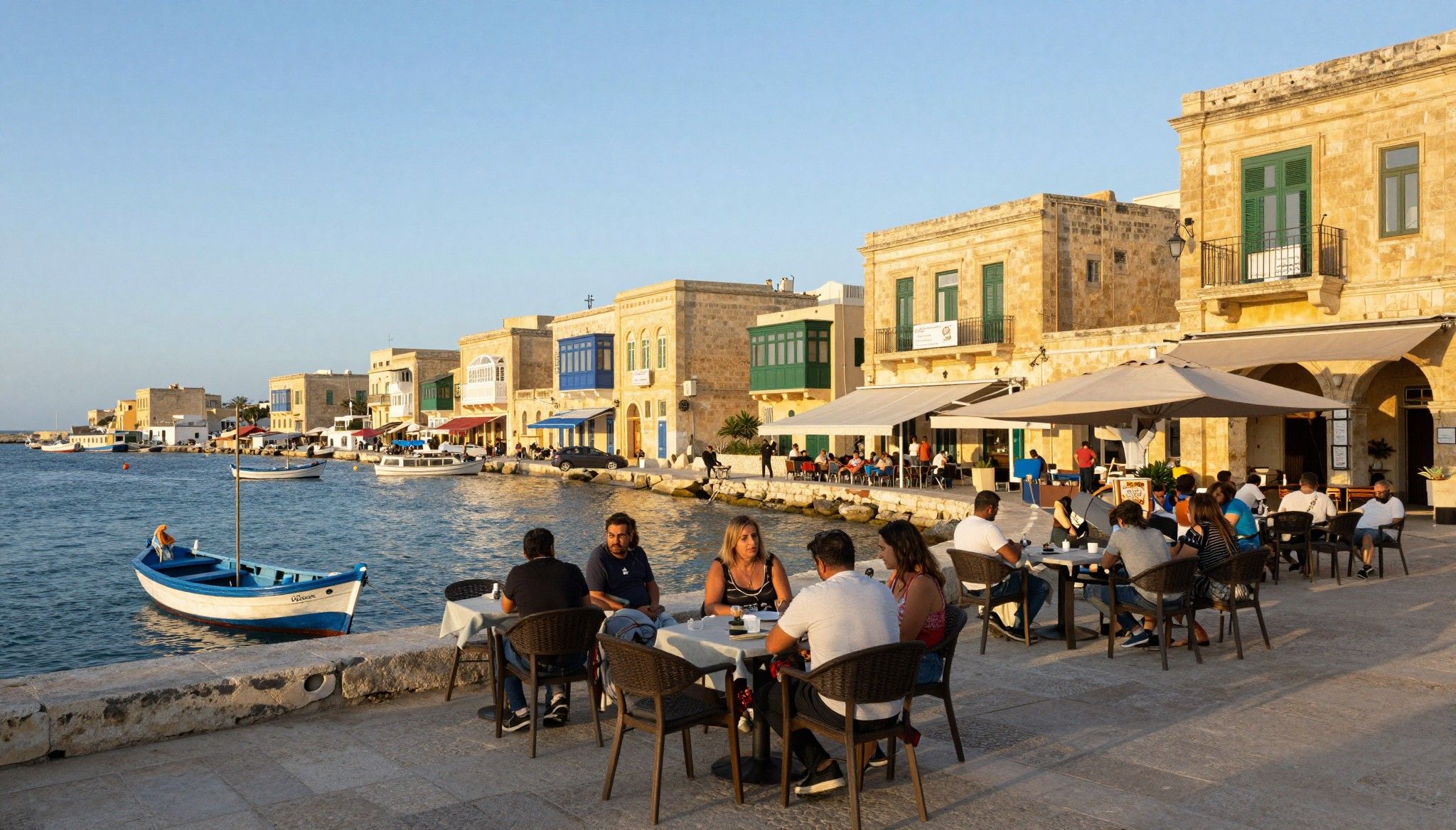
Imagine sipping espresso at dawn on Split’s Riva, then wandering narrow stone lanes to a baker who remembers your name. Croatia moves at two speeds: slow, salted afternoons along the Adriatic, and brisk, practical weekdays in Zagreb offices. That split personality—easy living and careful regulation—matters when you buy. We’ll show you the life, then the rules that make it real.
Living the Croatia lifestyle
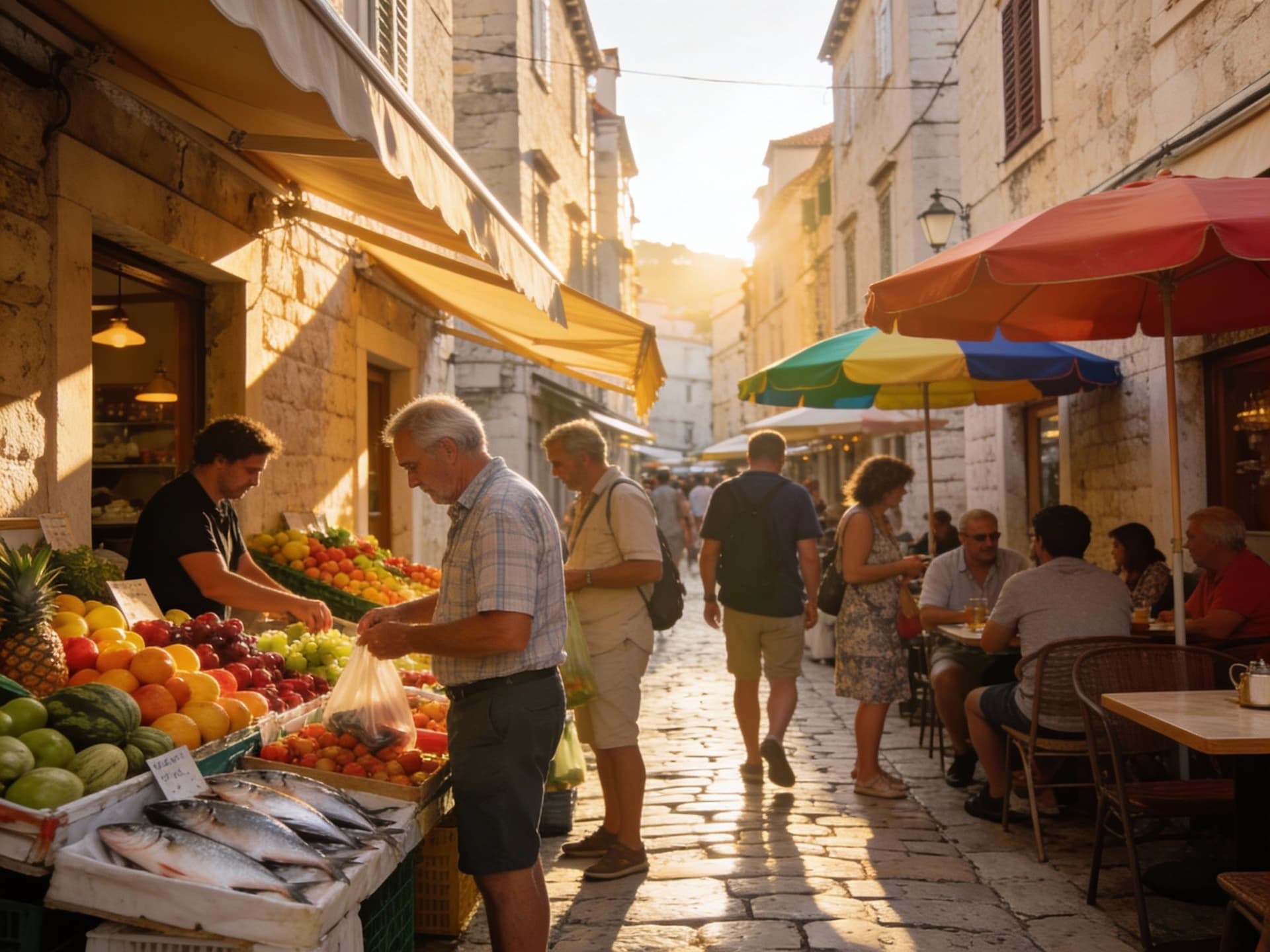
Croatia’s appeal is sensory: limestone streets that warm in the sun, markets spilling figs and tuna, and ferries that still feel like an invitation. Mornings start with espresso and burek; evenings end with long meals and a glass of Malvazija or Plavac Mali. For many internationals the coastline is the romantic hook; for others, Zagreb’s tree-lined avenues and winter life are the unexpected draw.
Coastal neighborhoods — Dalmatia’s texture
In Split, Varoš and Maksimir sit side-by-side with Žnjan’s newer developments. Dubrovnik’s Ploče offers postcard views but also strict heritage rules; lapad is quieter and lived-in. On Istria, Rovinj’s old town hums with cafes and art shops while nearby suburbs host families and longer-term rentals. Each pocket changes the way you’ll use a home: holiday rental income, full-time family life, or a low-maintenance pied-à-terre.
Food, markets and weekend rhythms
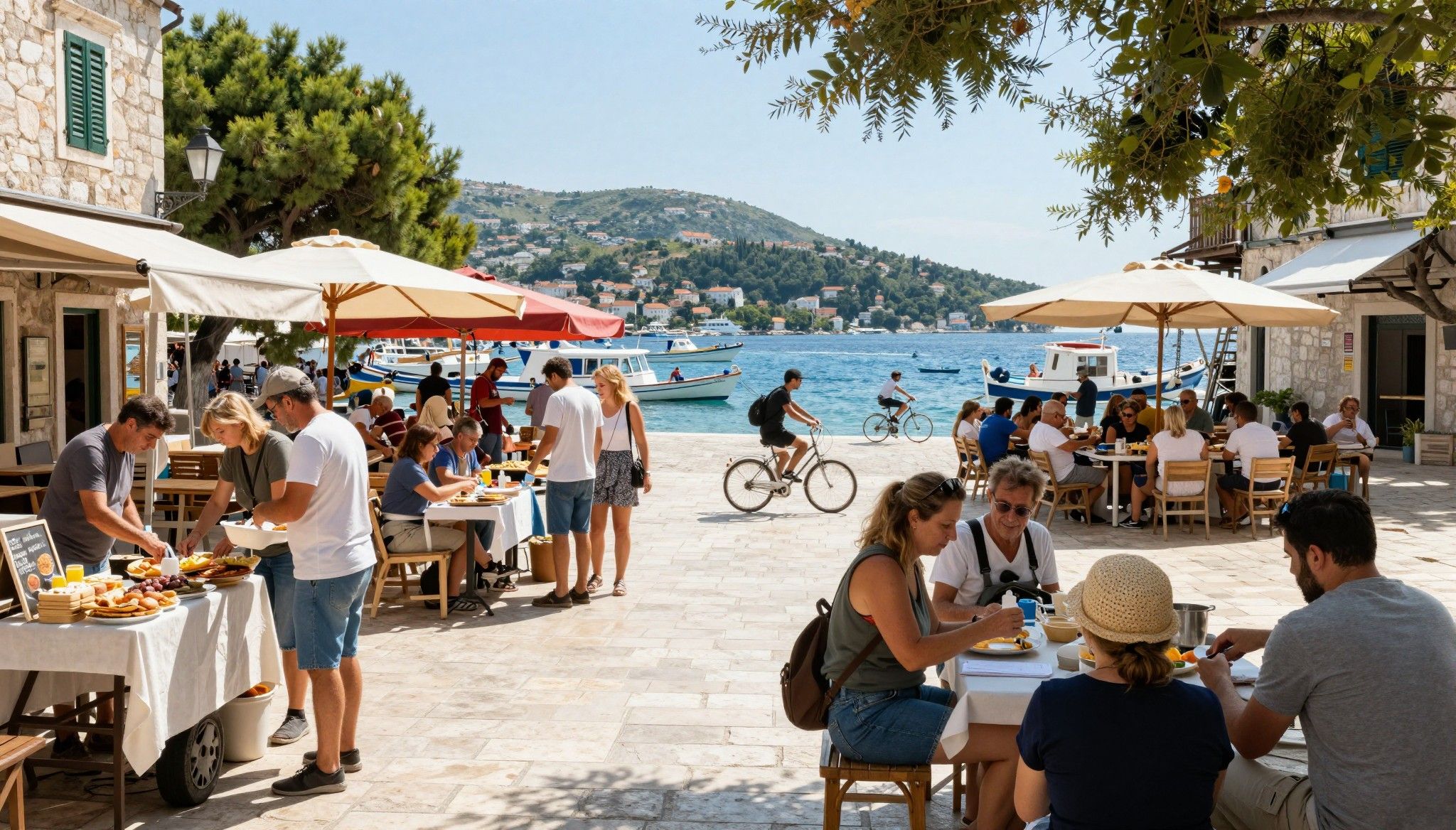
Weekends in Croatia often orbit markets and the sea. Head to Dolac market in Zagreb on Saturdays; in Istria, buy olive oil and truffles from small producers; on Hvar, find fisherman’s catch at dawn. These rituals shape lifestyle choices: proximity to a morning market can matter more than a second bathroom when you want the authentic life.
- Lifestyle highlights: - Split: morning coffee on Riva, rooftop terraces in Varoš - Dubrovnik: evening walks on Ploče, strict restoration rules nearby - Rovinj: art galleries and coastal cycling routes - Hvar: island nightlife and quieter winter months - Zagreb: parks (Maksimir), weekend farmers’ markets
Making the move: legal realities that shape the dream
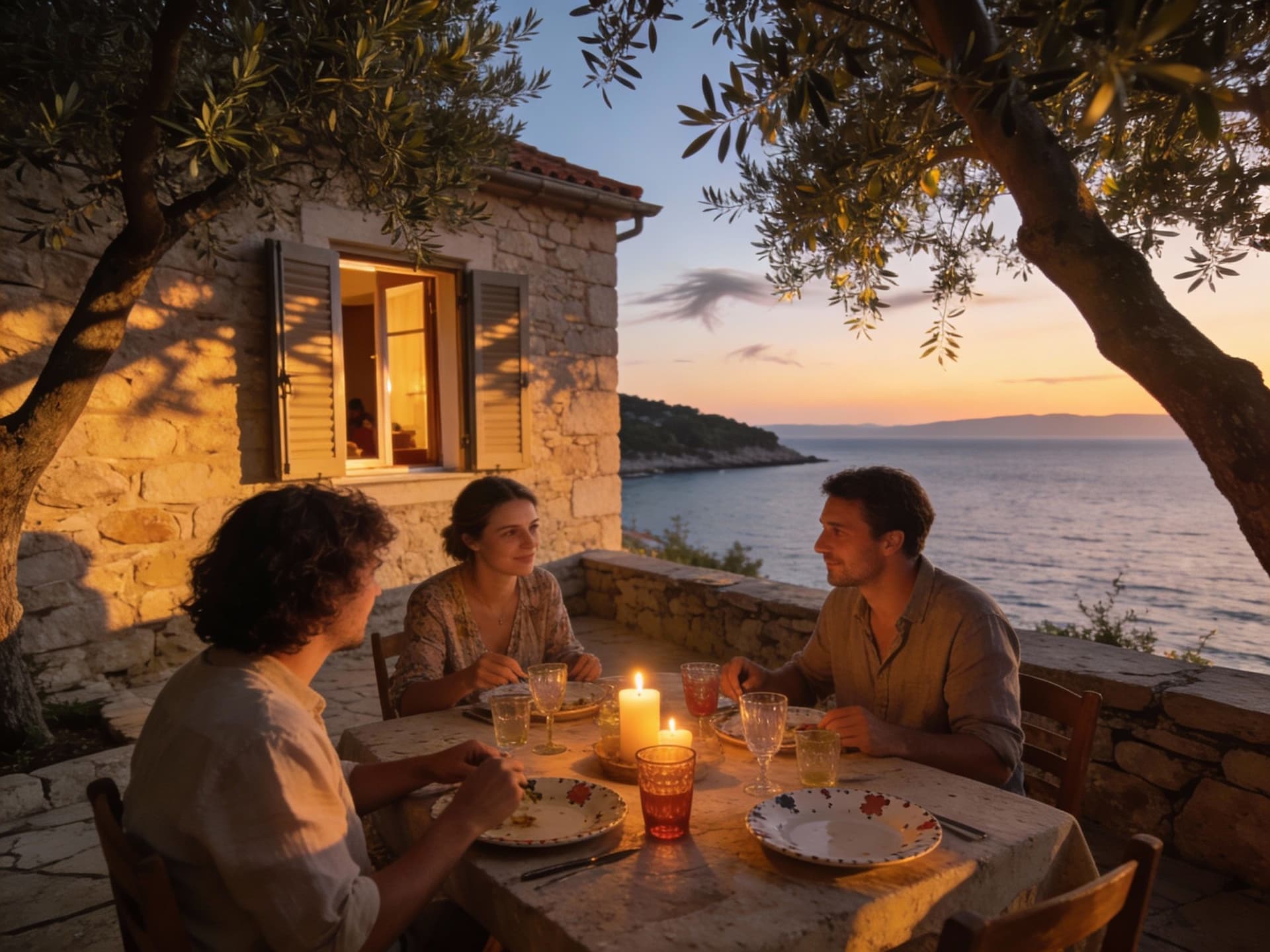
The romance of coastal life meets a system that is careful about land and public space. EU citizens enjoy straightforward rights to buy; many non‑EU buyers need ministerial consent under a reciprocity principle. Knowing which bucket you fall into shortens timelines and prevents surprises at the notary.
Who can buy and how long it takes
EU, EEA and Swiss nationals buy like locals. Non‑EU nationals from countries with reciprocity can too, but require formal consent from the Ministry of Justice — expect 2–6 months for routine files, longer for complex cases. The ministry publishes a reciprocity table; check it early in your process so you can plan deposits and financing.
Taxes that change the math: VAT vs transfer tax
The headline: resale properties typically carry a 3% real estate transfer tax, while new builds (and certain land sales) are subject to 25% VAT instead of the 3% tax. That difference can flip a deal from reasonable to costly, so always confirm whether VAT is included in the advertised price and whether the seller is VAT‑registered.
- Checklist before you sign: 1. Verify whether the price is VAT-inclusive (25%) or subject to 3% transfer tax. 2. Ask the notary for a land-registry extract to spot mortgages or encumbrances. 3. Confirm Ministry consent requirement if you’re a non‑EU buyer. 4. Get an OIB and open a local bank account for payments and utilities. 5. Budget 6–9% extra for closing costs (taxes, notary, agency, registration).
Insider knowledge: what expats wish they'd known
Buyers we work with often tell the same story: they fell in love with a view, then learned the fine print—maritime domain limits, island utilities, or municipal rules—later. Market activity cooled in parts of 2024–25, concentrating interest in quality product and Zagreb’s stable demand. That’s both a caution and an opportunity: choose quality and local expertise over impulse.
Cultural and practical habits that affect daily life
Language matters less in tourist towns but more in municipal offices: expect Croatian in formal processes. Restaurants and markets have seasonal rhythms—many island cafés close in winter. For property, this means checking heating, insulation and winter access if you plan year‑round life. Community integration often begins at the local konoba or market stall; showing respect for local routines goes a long way.
Longer-term: maintenance, rentals and local rules
- Key practical realities: - Maritime domain: you cannot own the foreshore; private beaches are a myth. - Utilities and island infrastructure: water and waste services vary; check winter reliability. - Short-term rentals: profitable in hotspots, but check municipal rules and extra local taxes. - Local property tax: municipal rates (per m²) vary—confirm with town office.
How we help clients avoid heartbreak: we prioritise a small set of verification steps—land-registry clarity, local planning checks, utility guarantees and an explicit VAT/transfer‑tax confirmation from seller counsel. Those four checks remove most post‑purchase regrets and protect both lifestyle and investment upside.
- A short negotiation framework (what to ask, in order): 1. Is the seller VAT-registered and is VAT included? (If yes, budget 25%.) 2. Is the property within the maritime domain or designated public land? 3. Any recorded encumbrances or unresolved utility easements? 4. Are there short‑term rental restrictions or special municipal levies? 5. What’s the realistic timeline for Ministry consent (if required)?
Conclusion: Croatia is a place you can fall for and live well in—but the paperwork matters. Start in the cafe, but finish at the notary with the right team. If you want to explore specifics—neighbourhood taxes, a reciprocity check for your passport, or a timeline for a particular property—we’ll help you get precise answers so the life you imagine is the life you buy.
Norwegian market analyst who serves Nordic buyers with transparent pricing and risk assessment. Specializes in residency rules and tax implications.