Malta: Neighbourhood Life, 2025 Residency & Realities
Malta’s compact, social life draws buyers — but updated 2025 residency rules and neighbourhood micro-conditions mean lifestyle and legal checks must align.
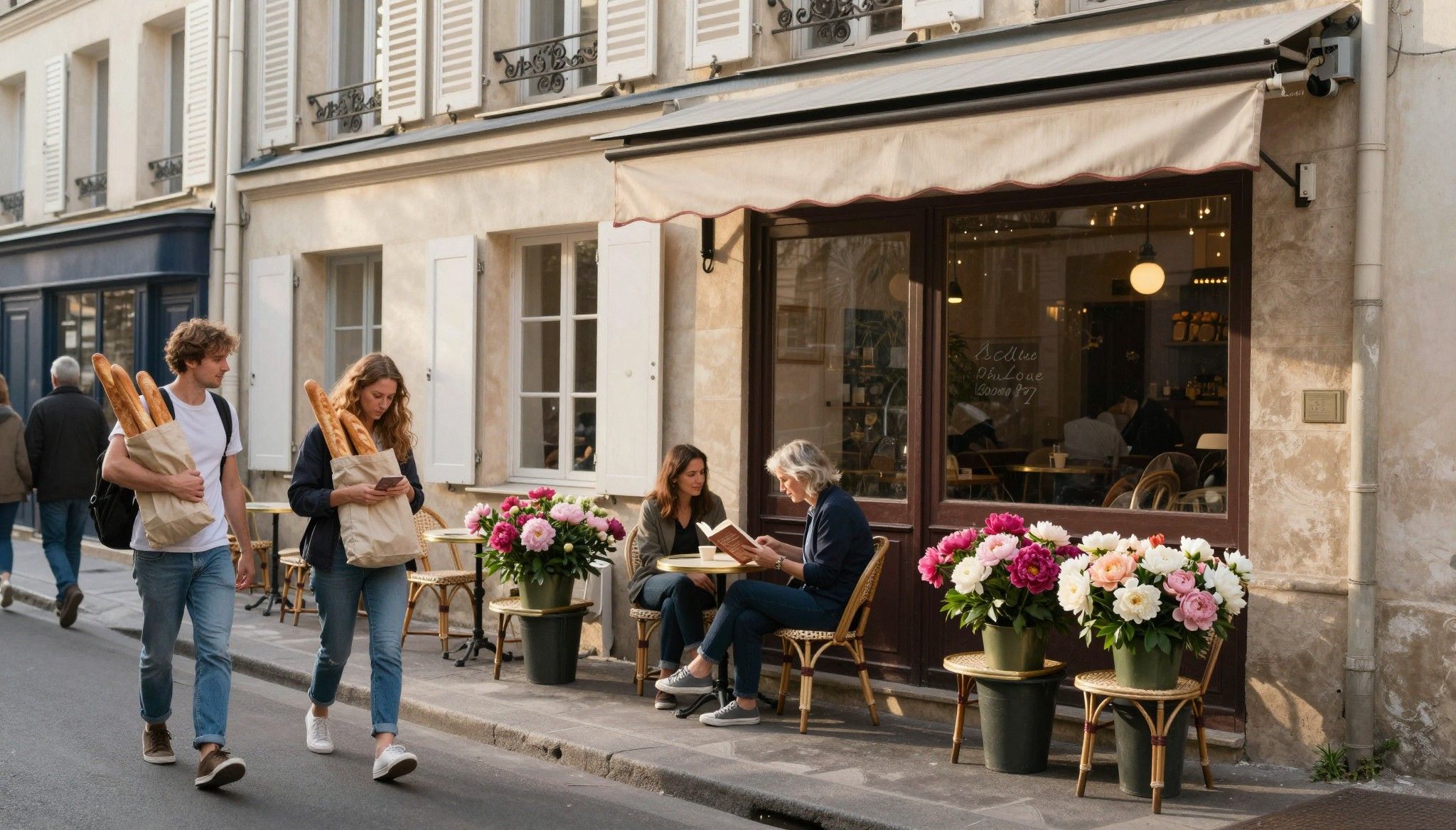
Imagine stepping out of a tram at Sliema’s promenade at 8am: espresso at a corner café, a fisherman mending nets nearby, limestone façades still cool from the night. In Malta, the sea, the street and the weekend market set your day — and for many international buyers that daily rhythm is the real attraction. But lifestyle here and the paperwork aren’t the same thing. We’ll show you the life you can have and the practical checks you’ll need — with fresh residency rules and market signals you should know now.
Living Malta: compact, social, sunlit

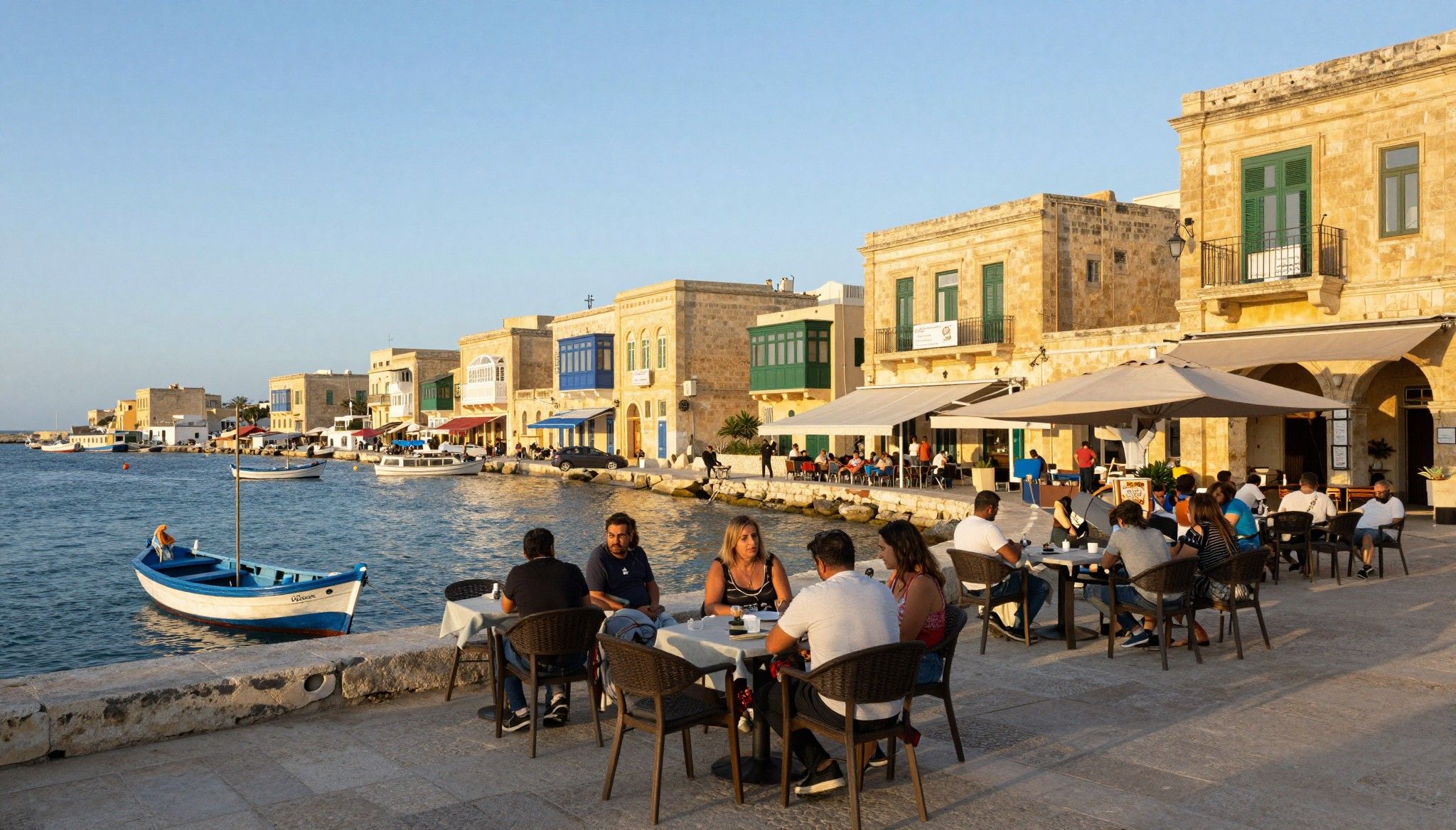
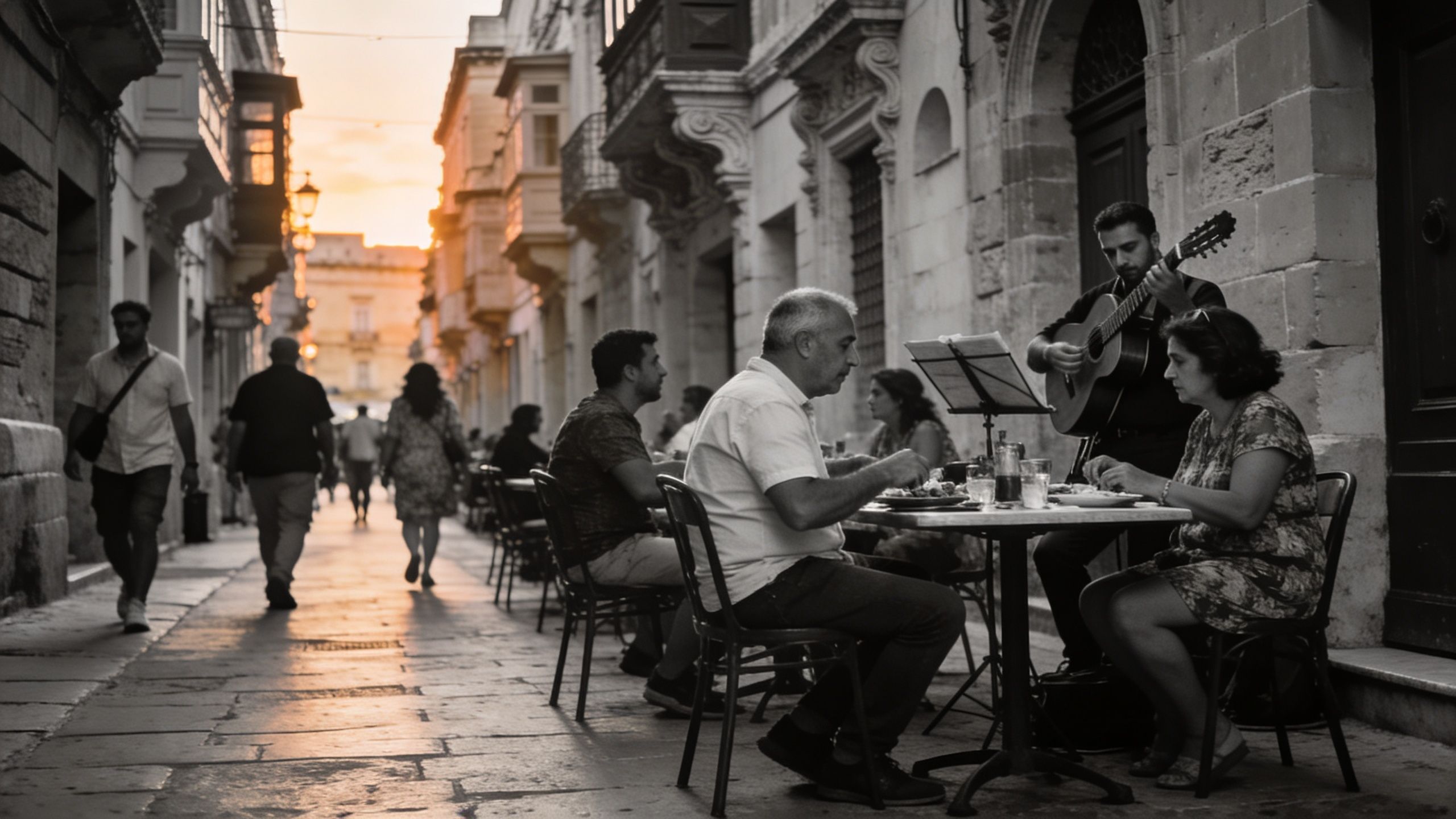
Malta feels smaller than a country: short commutes, dense neighbourhoods and public life that spills from cafés into squares. Valletta’s baroque streets smell of sea salt and frying lampuki; St Julian’s pulses with restaurants and late-night crowds; Gozo moves at a gentler pace with quiet bays and old stone farmhouses. English is widely used in business and schools, which makes daily life and services straightforward if you don’t speak Maltese yet. These textures shape not only where you’d like to live, but what you should expect from a property purchase.
Neighbourhood focus: Valletta, Sliema, St Julian’s
Valletta is intimate and theatrical — narrow streets, cafés tucked into bastions and an evening rhythm that’s more cultural than commercial. Sliema is where expat life happens: seafront walks, apartment terraces, and a steady supply of international shops. St Julian’s (and nearby Paceville) is for social life and rental demand — think restaurants, coworking near the seafront, and higher short‑term rental turnover. Each area provides a different version of Maltese life, and your choice should match whether you crave calm piazzas or social energy.
Food, sea and weekend rhythms
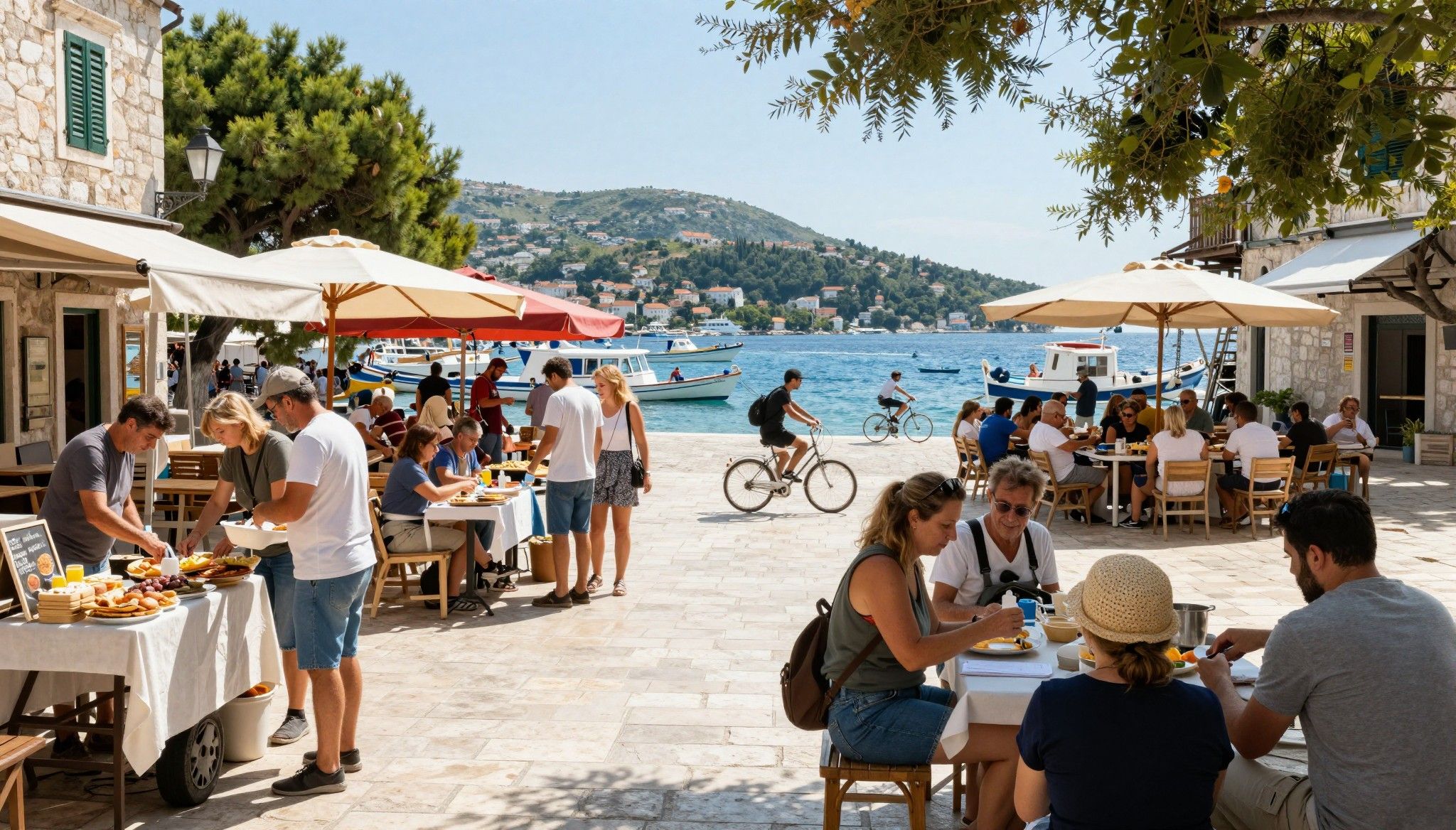
Weekends means fish markets, open-air festas and late lunches under awnings. Try lampuki pie at Marsaxlokk on a Sunday, or catch a film at an independent cinema in Valletta before drinks on Republic Street. Summers are busy and sociable; winters are mild and local life becomes more apparent. These seasonal shifts affect rental demand and how you’ll use outdoor spaces — a terrace in Malta is valuable nearly year-round, not just for a few months.
- Lifestyle highlights: • Morning espresso on Sliema promenade • Sunday fish market in Marsaxlokk • Baroque concerts in Valletta’s churches • Coastal walks from St Julian’s to Balluta Bay • Gozo weekend escapes: Ramla Bay and Victoria citadel
Making the move: lifestyle choices meet market reality
The dreamy part is easy to picture; the practical part requires decisions about property type, timing and the residency route you’ll use. Malta’s Permanent Residence Programme (MPRP) remains a live option for buyers who want formal residence — and recent updates to the programme changed key thresholds in 2025. Whether you buy to live full-time, split time between islands, or expect rental income, the property you choose must fit your life and the legal criteria that matter for residency and long-term value.
Property styles and how you’ll live in them
Older limestone townhouses in Valletta offer high ceilings and historic character, but less insulation and smaller kitchens — brilliant for city lovers who prioritise location. Modern apartments in Sliema and St Julian’s deliver terraces, lifts and easier rental management. On Gozo you’ll find village houses and converted barns with more land. Match property bones to everyday needs: if you entertain outside often, prioritise terraces and sea access; if remote work is key, look for quiet interiors and reliable broadband.
Why local experts matter: agencies that know the rhythm
- Working with a Maltese agent who knows both lifestyle and regulation saves weeks of false starts. Key roles local agencies play: 1. Spotting neighborhood micro-advantages (which streets flood in a storm, where evening noise is worst). 2. Advising on qualifying properties for MPRP or other residency routes. 3. Advising on renovation realities — many older homes need damp-proofing and insulation work. 4. Coordinating with notaries and the Residency Malta Agency for documentation.
Insider knowledge: expat truths and contrarian tips
A few hard-won truths from residents and long-term buyers: the ‘golden passport’ era is over and the political spotlight on residency programmes means documented, transparent plans are essential. Short-term rentals can be lucrative in St Julian’s, but tourist seasonality and changing regulation can pinch yields. Think longer-term: buy where you’ll live, not just where the calendar looks busy in July.
Cultural integration, language and daily life
English and Maltese coexist in shops, schools and official documents — you’ll get by fast using English, but learning basic Maltese phrases will open doors at neighbourhood festas and small businesses. Expect direct friendliness: invitations to local events happen quickly once you commit to a café or corner shop. That social capital often defines happiness here more than square metres.
Longer-term thinking: wear-and-tear, climate, and resale
- Practical long-term considerations: • Salt air accelerates corrosion — prioritise quality window systems and external finishes. • Insulation upgrades add comfort and resale value in older stone properties. • Check utility connections and building permits for rooftop terraces — many buyers find undocumented additions later. • Consider access to healthcare and schools if you plan residency; Malta’s compactness usually keeps these close.
Malta is compact enough that the life you want is often a short walk away — a terrace for morning sun, a market for fresh fish, and neighbourhood cafés that remember your order. But the right purchase combines that life with clear legal footing and local insight. Start with neighbourhood visits in different seasons, check current MPRP rules (they changed in 2025), and work with an agent who’ll show you both the piazza and the technical report. If you want, we can connect you to vetted Maltese partners who balance lifestyle sense with paperwork muscle.
Dutch relocation advisor who moved to Marbella in 2016. Guides Dutch buyers through visa paths, relocation logistics, and balance of lifestyle with value.