Malta: Choose Neighbourhood Texture Over the View
Malta’s compact charm hides structural price pressure; prioritise lived-in neighbourhoods, title clarity and usable outdoor space to match lifestyle with value.
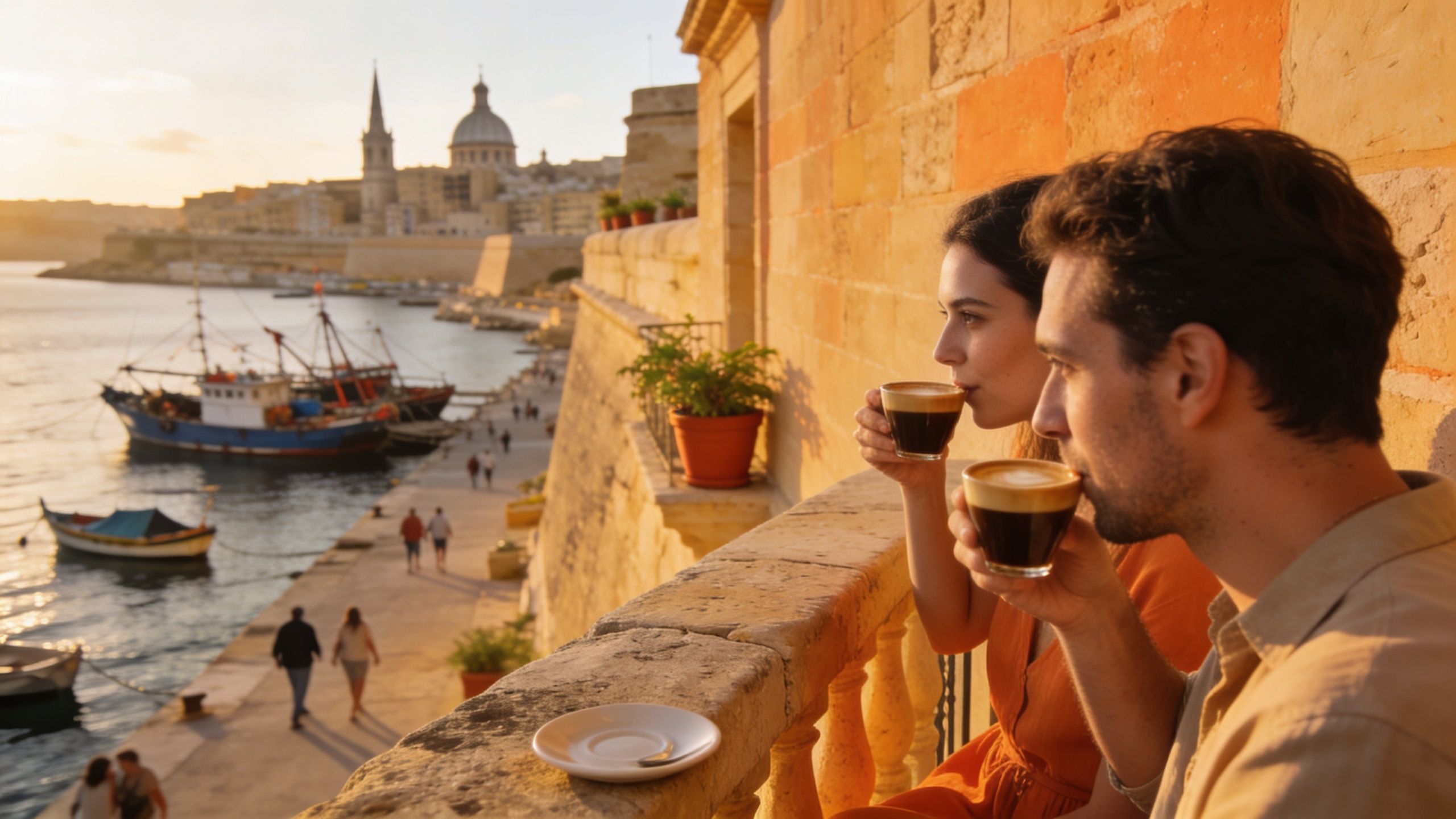
Imagine an espresso on a narrow Valletta balcony, sea breeze carrying cathedral bells and conversation in Maltese and English. That compact, unexpectedly energetic life — a mix of medieval streets, café corners and modern marinas — is what draws people here. But behind the postcard charm is a small, tightly wound housing market where land scarcity and rising prices change how you should look for property.
Living Malta: what the island actually feels like
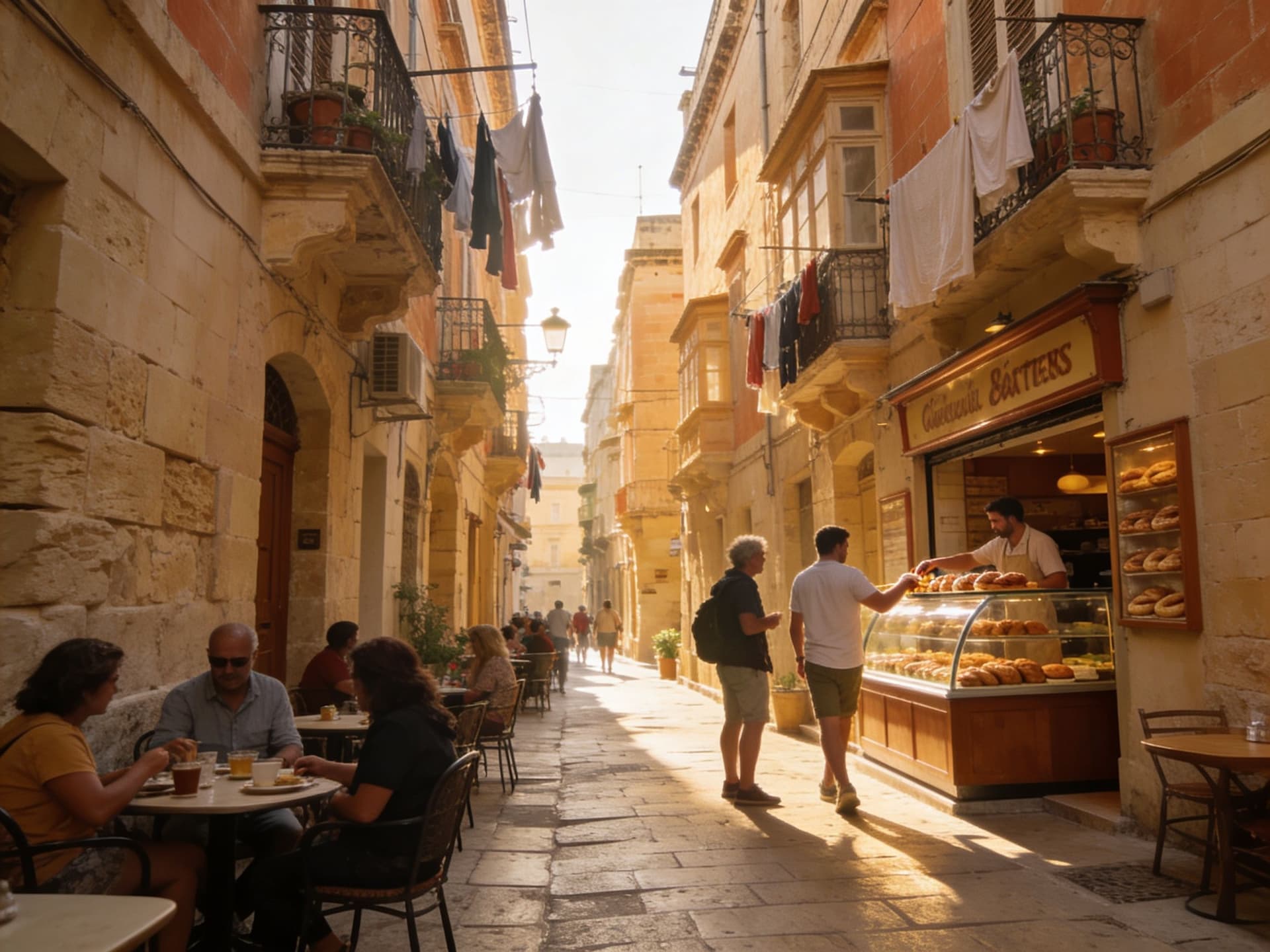
Daily life in Malta is dense and walkable. Valletta’s limestone lanes, Sliema’s seafront promenades and the buzzy cafés of St Julian’s mean you live near shops, restaurants and the sea. Recent NSO reports show prices have kept climbing, so the lived-in quality of neighbourhoods — shade trees on a street, a favourite bakery — becomes as important as square metres when assessing value.
Valletta & the Three Cities: history woven into everyday life
Picture walking down Republic Street to a fresh pastizzi, then turning onto a quiet side lane where a couple of restoration projects sit above boutique workshops. Valletta is compact and theatrical — a living museum with functioning neighbourhoods. Expect smaller homes, high ceilings, and an ownership premium for anything with direct views of the Grand Harbour.
Sliema, St Julian’s & Paceville: daytime calm, nighttime options
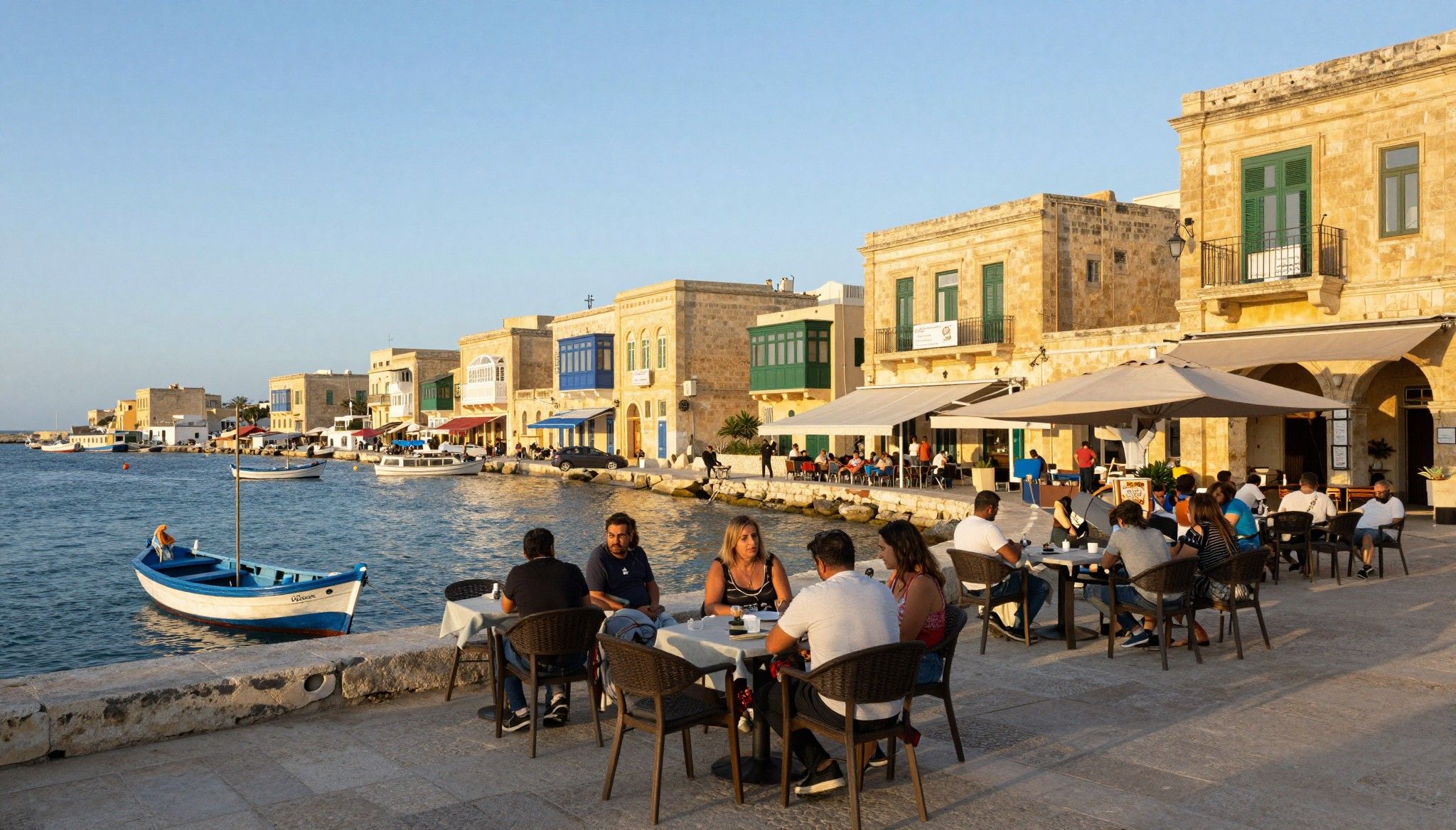
Sliema’s seafront cafés are a morning ritual for many expats; St Julian’s mixes apartment living with marina life and restaurants. Paceville is louder and more tourist‑centric — fine if you want nightlife nearby, less so if you crave quiet. In these areas you’ll find new-build apartments and modern penthouses, often sold with concierge-style amenities that cater to international buyers.
- Lifestyle highlights: Valletta’s theatre nights, Sliema promenade runs, Dingli cliff sunsets, Marsaxlokk fish market, Comino boat escapes, local festa processions.
Making the move: practical choices that shape your day-to-day
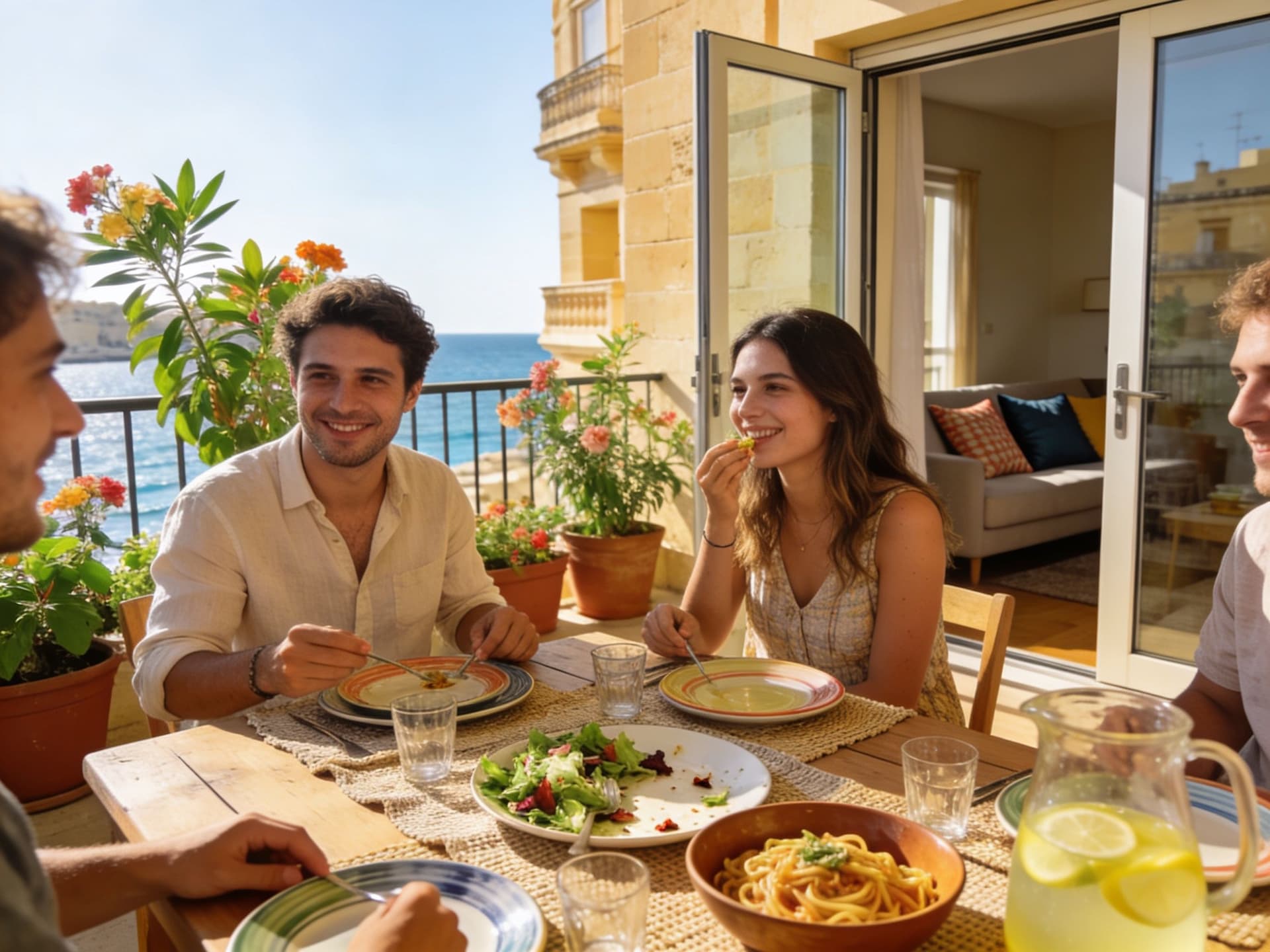
If the lifestyle sells you on Malta, the market forces remind you to be measured. The National Statistics Office reports steady price rises driven by land scarcity; that means location premiums are structural. For buyers, the trick is matching the lifestyle you want (historic streets vs seaside convenience) with property types that age well and resist overdevelopment pressure.
Property styles and how they fit living patterns
Townhouses and traditional houses in places like Mdina or Birgu make everyday life intimate but often require renovation and maintenance. Maisonettes and apartments in Sliema and St Julian’s offer lock‑and‑leave convenience and rental demand, but expect smaller terraces. New developments complicate the picture: they bring modern systems and pools, but in Malta land value often outpaces construction quality, so inspect finishes, title boundaries and sea‑view claims carefully.
How local experts turn lifestyle wishes into correct buys
- 1. Tell an agent your daily non‑negotiables (school runs, sea‑access, morning cafés) so they filter for real experience, not staged listings. 2. Ask for recent comparable sales, not listing prices — in Malta transaction data is concentrated and capricious. 3. Insist on a structural and title check before an offer; with high land value, boundary disputes and unlawful additions are common. 4. Consider properties with proven rental history if you plan to be absent; demand is strong in Sliema/St Julian’s but seasonal in smaller villages.
Insider knowledge: what expats wish they'd known
Short-term visitors fall for the postcard, then discover the island’s squeeze: limited land, extensive building and absentee ownership have pushed the value of housing up sharply. That’s why buyers who prioritise lived-in neighbourhoods, local services and genuine community ties get more lasting satisfaction than those chasing vistas alone.
Cultural practicalities: language, rhythms and community
English is an official language, which flattens the learning curve — you can manage day‑to‑day life immediately. But social integration depends on local rhythms: church fetes (festas), late cafés, and small‑town networks. Participate early: help with a festa stall, join a walking group, or enroll in a Maltese cooking class to find neighbours faster than through listings alone.
Longer-term view: what holds value in Malta
- Durable value factors: proximity to harbours and transport links; legal clarity of title; usable outdoor space (terrace or roof); quality of refurbishment (not just cosmetic); community services (shops, clinic, school) within walking distance.
Before you sign anything, we recommend a short checklist: get comparable sale data from the NSO or a reputable agency, commission a local notary title search, confirm utility connections, and ask about planning permissions for nearby plots. Those steps turn romance into a reasonable purchase.
Malta can be the life you want: morning markets, close friendships and short commutes. But real happiness here comes from matching a neighbourhood’s texture to how you want to live, and from careful, local due diligence. If you’d like, we’ll connect you with agents who specialise in lived-in Valletta houses, sea‑facing apartments in Sliema and quiet village restorations — people who know both the cafés and the titles.
Norwegian market analyst who serves Nordic buyers with transparent pricing and risk assessment. Specializes in residency rules and tax implications.