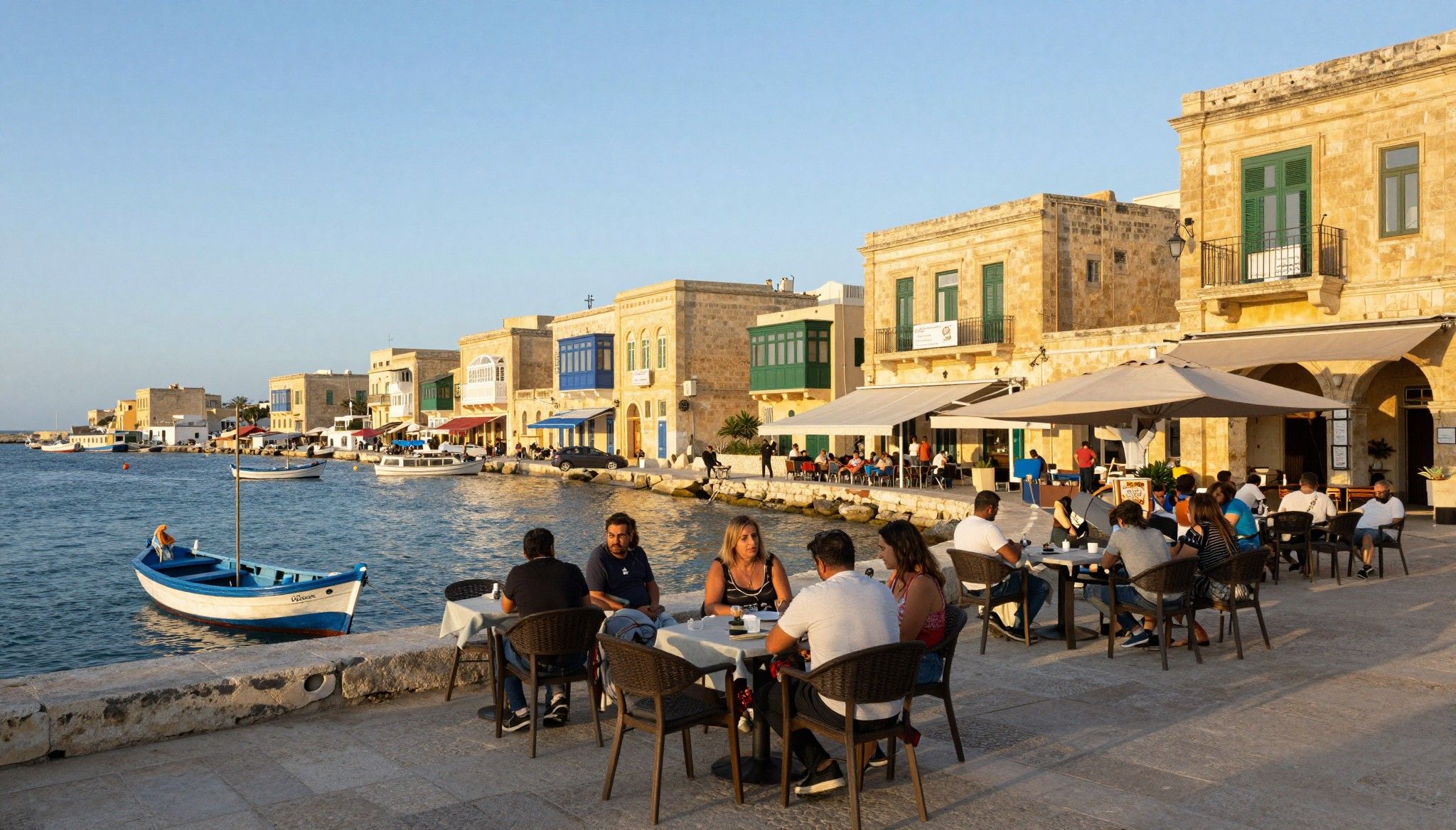
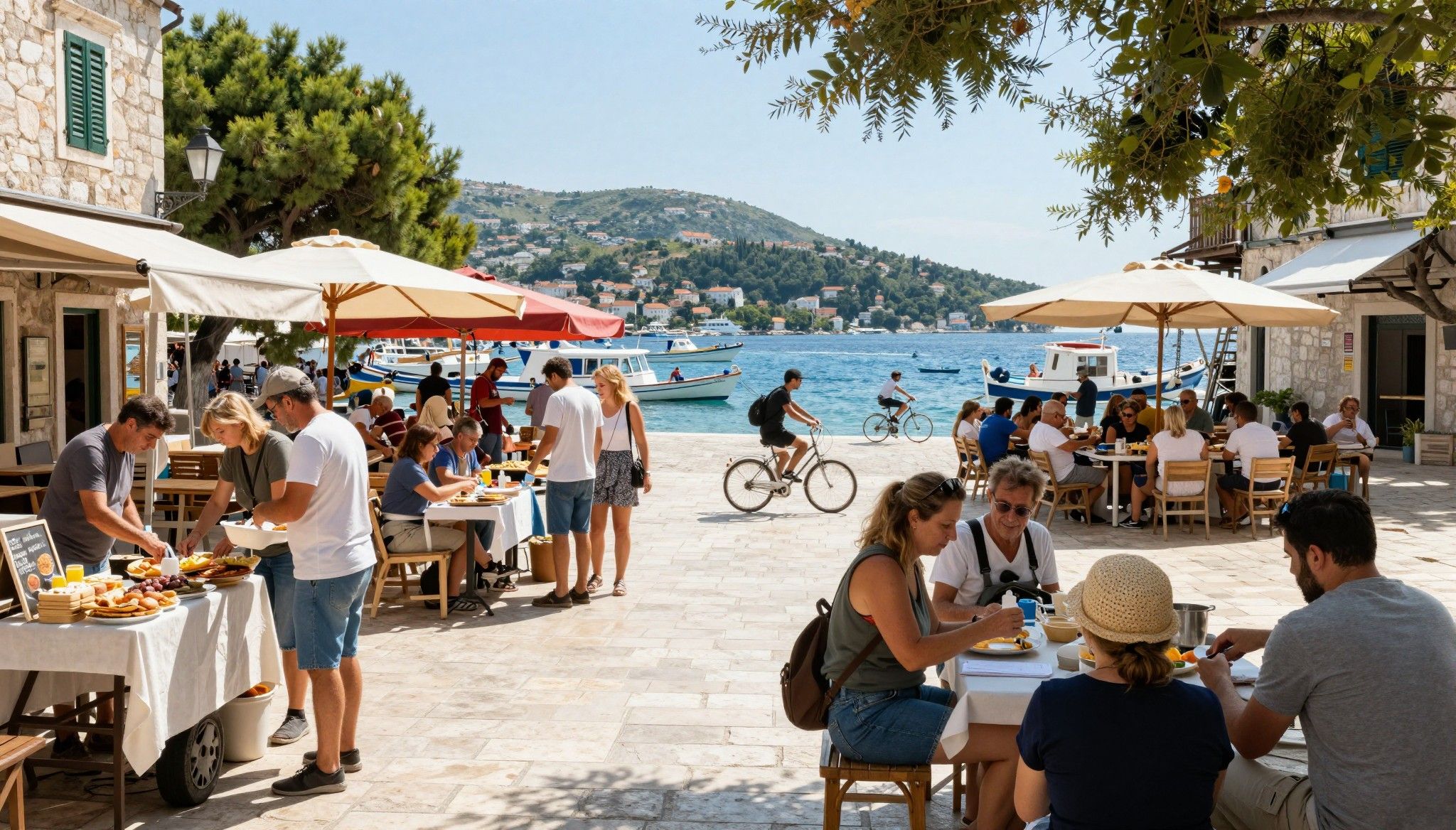
Why Cyprus’ Off‑Season Is the Right Time to Buy
Visit Cyprus off‑season: quieter streets reveal real daily life, legal clarity and tax advantages — a better moment to buy than postcard summer.
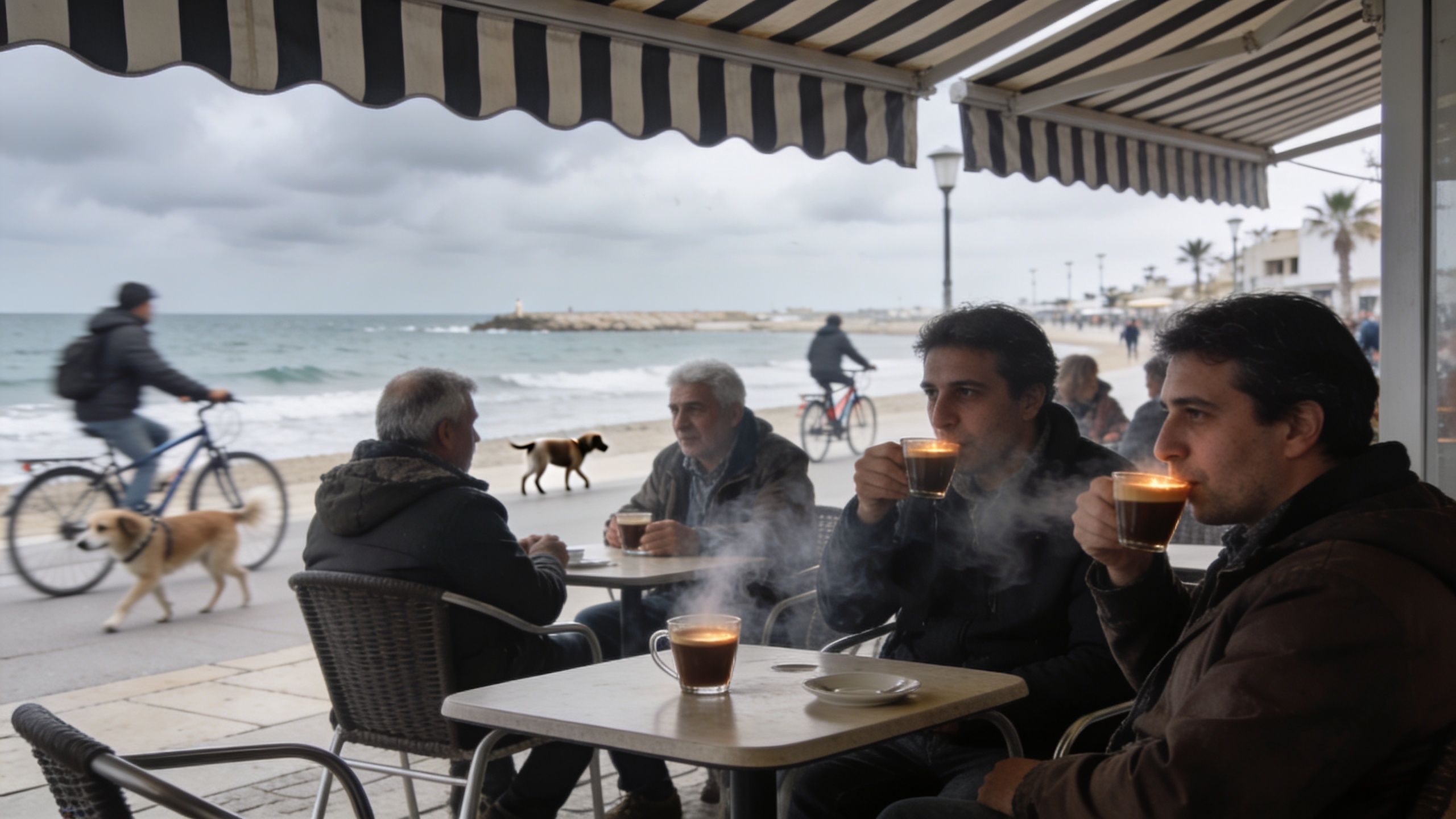
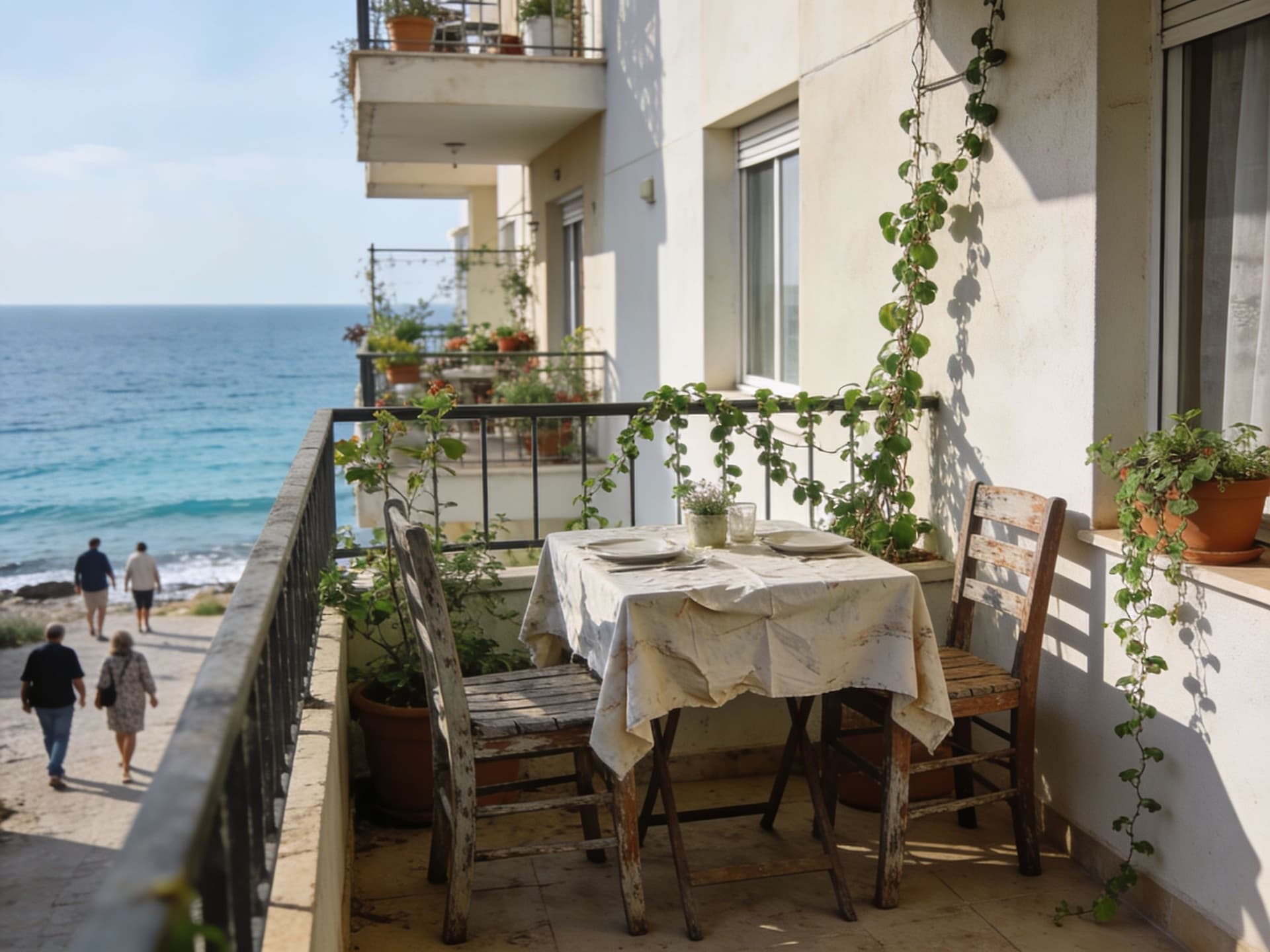
Imagine walking a near-empty coastal promenade in late November, espresso steaming in your hands while the light turns the sea the colour of pewter. In Cyprus that quietness isn’t a downside — it’s a buying opportunity. Visit in winter and you’ll see the everyday rhythms that summer postcards hide: sheltered coves, bakeries refilling twice a day, reliable tradespeople, and developers open to sensible pricing. That’s why buying in Cyprus’ off‑season can be a smarter, calmer way to secure the life you want — but it also changes what you need to check, legally and financially.
Living the Cyprus life when it’s not a postcard
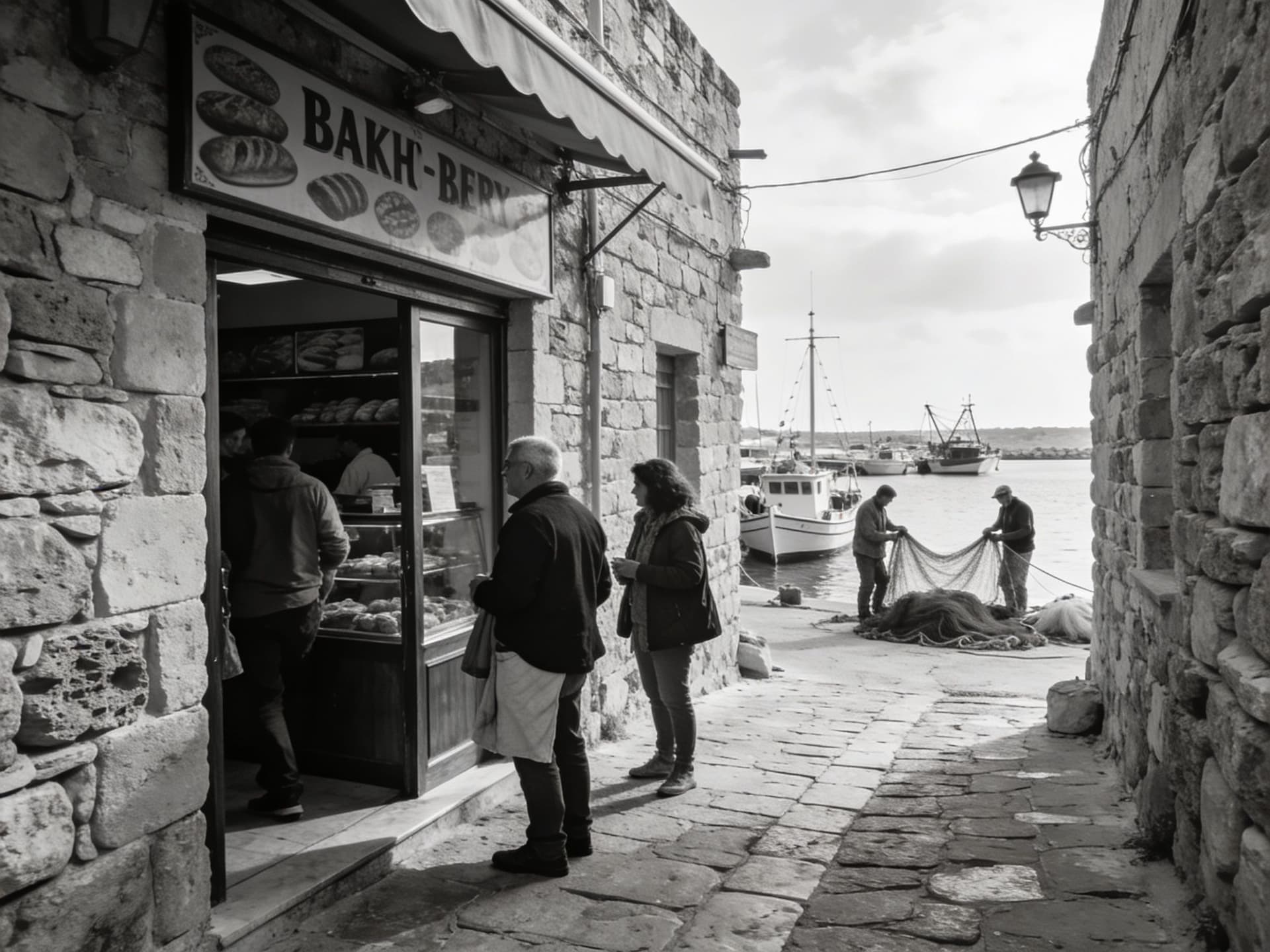
Cyprus is never truly quiet — it simply shows different faces. Outside July and August, coastal towns shift from tourism choreography to local life: fishermen mend nets at dawn in Limassol’s old harbour, makers fill Nicosia’s Thursday pottery market, and Larnaca’s sandy Promenade sees morning swimmers year‑round. This is the rhythm you buy into: sea-and-village balance, Mediterranean light that lingers far into the afternoon, and small neighbourhoods where shopkeepers know your name.
Spotlight: Paphos’ Kato Paphos & the quieter blocks
Kato Paphos has both the archaeological sweep tourists come for and narrow streets where locals have coffee rituals. Walk one block inland from the harbour and you find apartment blocks with larger terraces and fewer short‑lets. Those streets are quieter in winter — which is precisely when you can talk directly to sellers and see the property as a lived place, not a staged listing.
Food, markets and weekday life that reveal value
Taste matters. A weekday market in Polis or Paralimni shows what locals eat and where they meet; neighbourhood tavernas open all year, and bakeries sell bread still warm from early ovens. When you buy in off‑season you learn whether a neighbourhood lives year‑round or collapses into tourism months — and that insight changes rental assumptions and renovation priorities.
- Lifestyle highlights to look for in winter visits
- Weekly local markets (e.g., Nicosia’s Laiki), weekday café life and pedestrian streets
- Working ports and fishing activity that hint at year‑round employment
- Local school calendars and expat clubs (check international school term dates)
Making the move: practical considerations that change with timing
If winter reveals the lived reality, the law and tax system determine whether that life is sustainable. Cyprus still offers a residency‑by‑investment path built around a minimum investable threshold and specific payment rules; since 2023 the framework tightened to require full transparency of funds and a higher documented annual income for applicants. Know the current thresholds and payment-source rules before you sign.
Property types and practical trade-offs
New build coastal apartments come with VAT and developer guarantees — attractive for residency applications — while village houses carry lower initial price tags but often need legal checks on titles, planning permissions, and connections (water, sewage, access). Buying in winter helps: you see insulation, which shops stay open year‑round, and whether neighbours heat with wood or gas — all practical touches that affect renovation budgets and running costs.
Tax angle: non‑dom status and what it really saves you
Cyprus’ non‑dom regime remains a major draw: qualifying residents are exempt from the Special Defence Contribution (SDC) on dividends and interest, and enjoy broad capital gains exemptions for non‑Cyprus immovable assets. That matters if you plan to run a holding company from the island or expect passive income streams. But remember: tax rules evolve — always confirm current SDC rates and application details with a local tax advisor before basing a decision on them.
- Steps to use off‑season visits to make a safer purchase
- Visit in low season (Oct–Mar) — observe utilities, talk to neighbours, and note local service availability.
- Ask for developer warranties and completion certificates for new builds; insist on seeing utility bills for older homes.
- Work with a local lawyer and an English‑speaking tax adviser to confirm title, outstanding liabilities, and non‑dom eligibility.
- Factor in transfer fees, VAT, and renovation buffer (winter inspections often reveal insulation or damp issues buyers miss in summer).
Insider knowledge: red flags and small wins expats report
A common surprise: Cyprus removed its old citizenship‑for‑investment scheme after scandals in 2020, and subsequent reforms have tightened what qualifies for fast‑track naturalisation. That history matters because it made due diligence — on both buyers’ and sellers’ sides — stricter. Expect tougher source‑of‑fund checks and more robust title scrutiny than a decade ago.
What expats wish they’d known: three honest notes
- 1) Off‑season inspections reveal real running costs — heating, water pressure, and local shop hours are informative.
- 2) Non‑dom status can save significant sums on passive income, but claim it only after a tax plan with a local adviser.
- 3) The old citizenship programmes’ legacy means some properties and developers are under greater scrutiny — insist on up‑to‑date conveyancing checks.
How a good local agency helps in low season
An agency that knows winter life will introduce you to tradespeople, show you school term rhythms, and explain neighbourhood quirks you’d miss on a summer scouting trip. They’ll also help time offers for quieter market moments — not to pressure you, but to use the season’s clarity to negotiate repairs and realistic pricing.
- Practical checklist before you sign (legal + lifestyle blend)
- 1) Confirm property title and recent utility bills; 2) Check residency eligibility and required proof of funds; 3) Get a written estimate for winter‑specific repairs (insulation, damp); 4) Model rental income realistically for low season months.
Conclusion: If Cyprus feels more honest in November than in July, use that honesty. Off‑season visits strip away staging and reveal who really lives where and how. That clarity — combined with current residency rules and the island’s attractive tax options when structured correctly — gives international buyers a calmer, more informed path to the life they imagine. When you’re ready, work with a local lawyer, a tax adviser, and an agency that knows winter streets as well as summer terraces.
Norwegian market analyst who serves Nordic buyers with transparent pricing and risk assessment. Specializes in residency rules and tax implications.