Italy: Life, Seasons and the Market Truths
Italy offers multiple lives—sea, city or hilltop—but buyers must match lifestyle to local market realities; regional price spreads and seasonal rhythms determine lasting value.
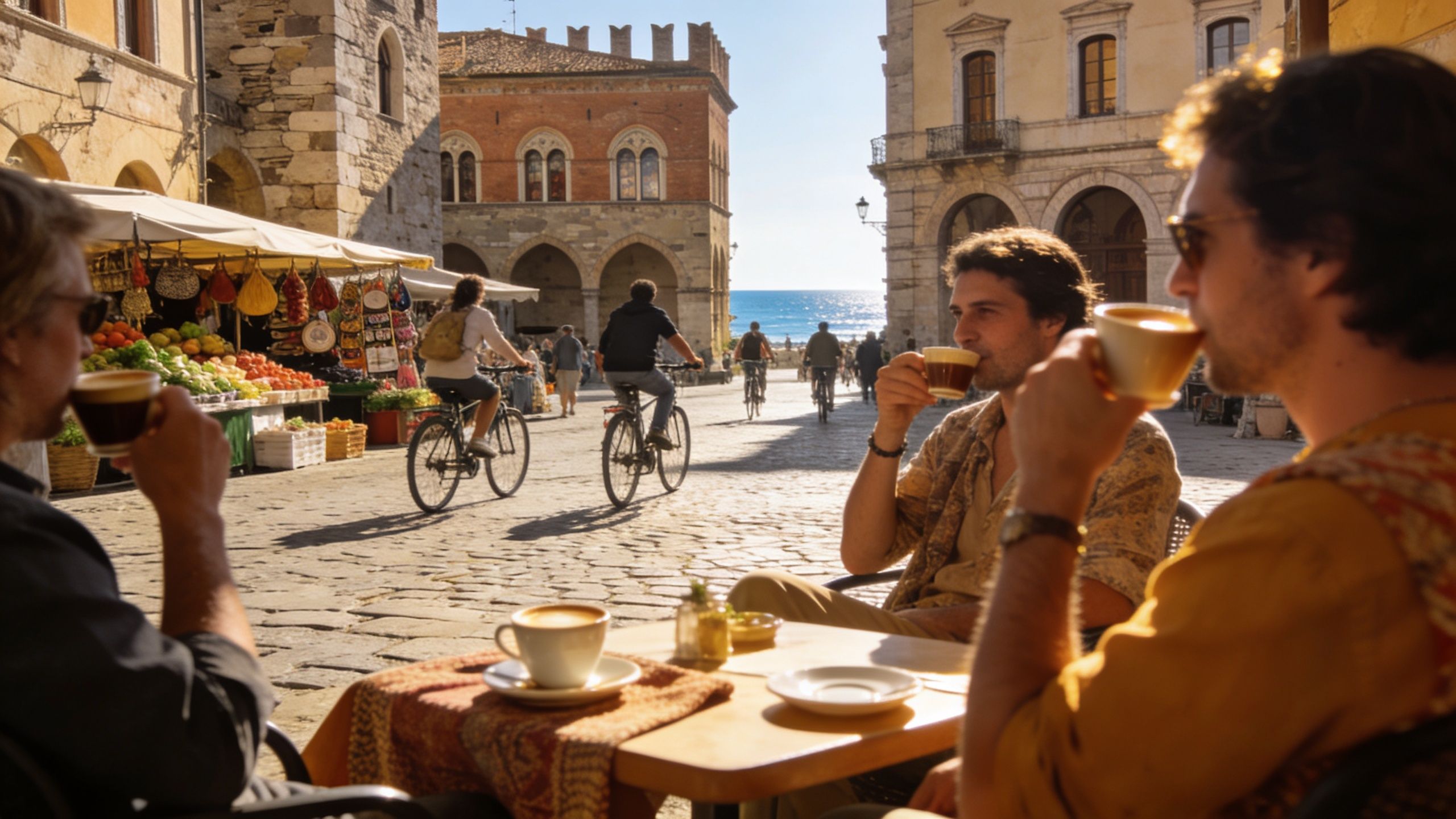
Imagine waking up to a barista calling your name in a narrow Tuscan street, then driving 40 minutes to a shingle beach on the Ligurian coast by lunchtime. Italy feels like living inside a film: light shifts across palazzo facades, market vendors shout the day's best catch, and small rituals—espresso, passeggiata, late Sunday lunch—anchor the week. For many international buyers the question is not whether Italy is beautiful, it's which Italy you want to live in: seaside ease, hilltop silence, or a city that never stops. We begin with the life you’ll actually live here, then layer in the practical steps that make a dream purchase real.
Living the Italy lifestyle
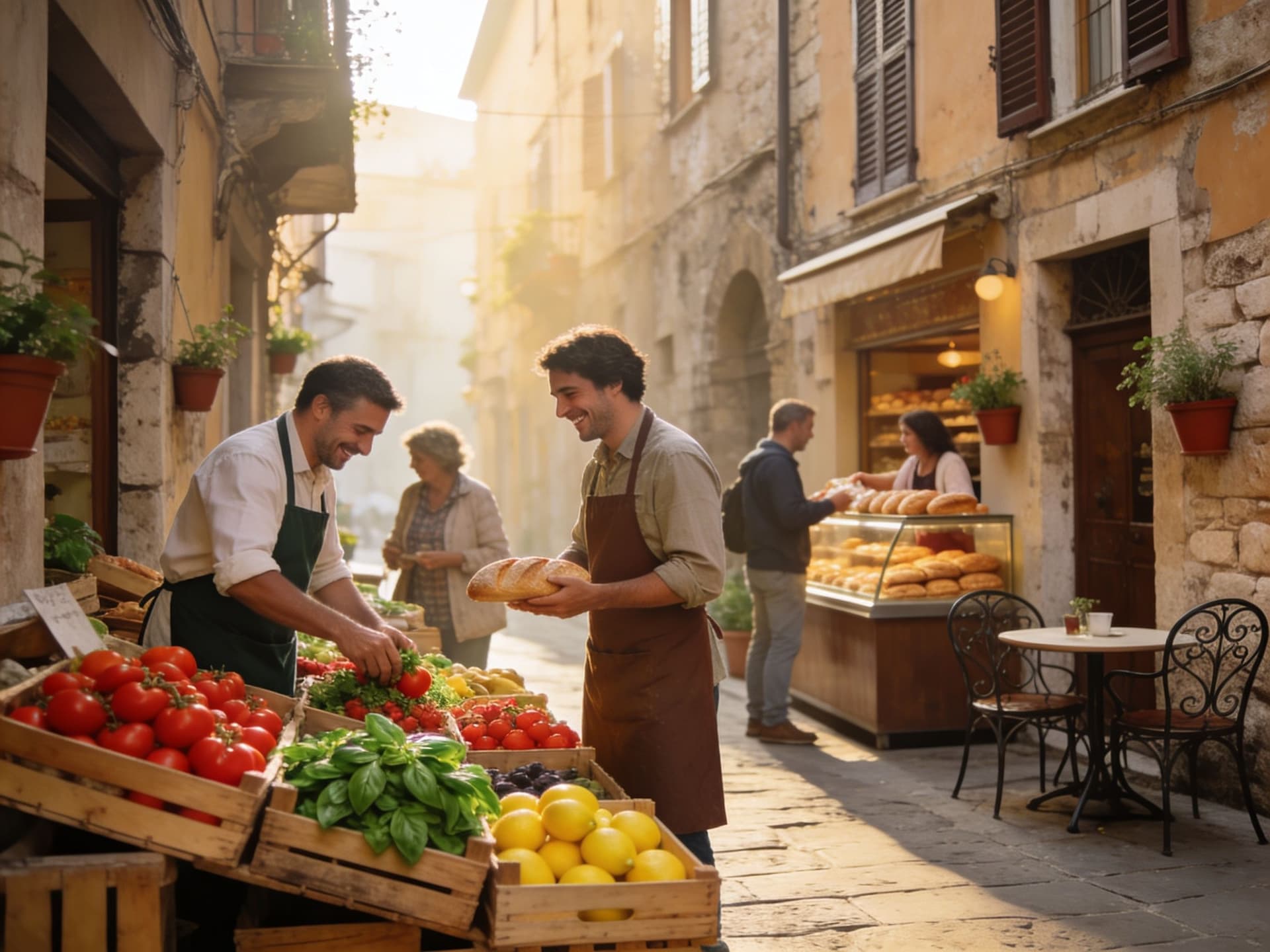
Italy’s daily rhythm is local-first. Morning markets in Palermo and Naples set the tempo; a mid-morning espresso is an appointment, not a quick caffeine hit. Neighborhoods change every ten minutes: cobbled lanes around Florence’s Duomo, the ritzy boutiques of Milan’s Brera, the sun-soft terraces of Amalfi. If you care about walking to a café, being known by shopkeepers, and having a weekend routine tied to seasons and local festivals, Italy delivers in ways that spreadsheets don’t capture.
Neighbourhood spotlight: Florence’s Oltrarno and Milan’s Brera
Oltrarno feels like a rehearsed secrecy—woodworkers, small trattorie, and a slower pace than the tourist-packed Duomo quarter. Brera, by contrast, is Milanese energy condensed: art galleries, late-night aperitivi and pocket parks between narrow streets. Both give you a walkable life: local bakeries that remember your order, evening musicians, and neighbours who become friends—small details that shape how you use a property long after closing.
Food, markets and seasons: living on the calendar
Weeks in Italy are organised around markets, seasonal produce and festivals—truffle season in Piedmont, summer fish in Sicily, olive harvests in Puglia. Tourism is back to record levels (foreign presences rose sharply in 2024), which fills restaurants but also changes neighbourhood dynamics in peak months. If you want quiet beaches, plan for shoulder seasons; if you love bustle, summer’s energy is unmatched. Knowing the local calendar helps you choose both the right place and the right property type.
- Lifestyle highlights: a shortlist of real places and experiences
- Morning market run at Mercato Centrale (Florence) and a coffee at La Ménagère
- Sunset aperitivo on Milan’s Navigli followed by a late risotto in Brera
- Weekend drive along the Amalfi Coast with stops in Ravello’s gardens and Maiori’s family-run trattorie
- Fresh fish market in Catania at dawn and a swim off nearby sandy coves
Making the move: practical considerations that keep the life intact
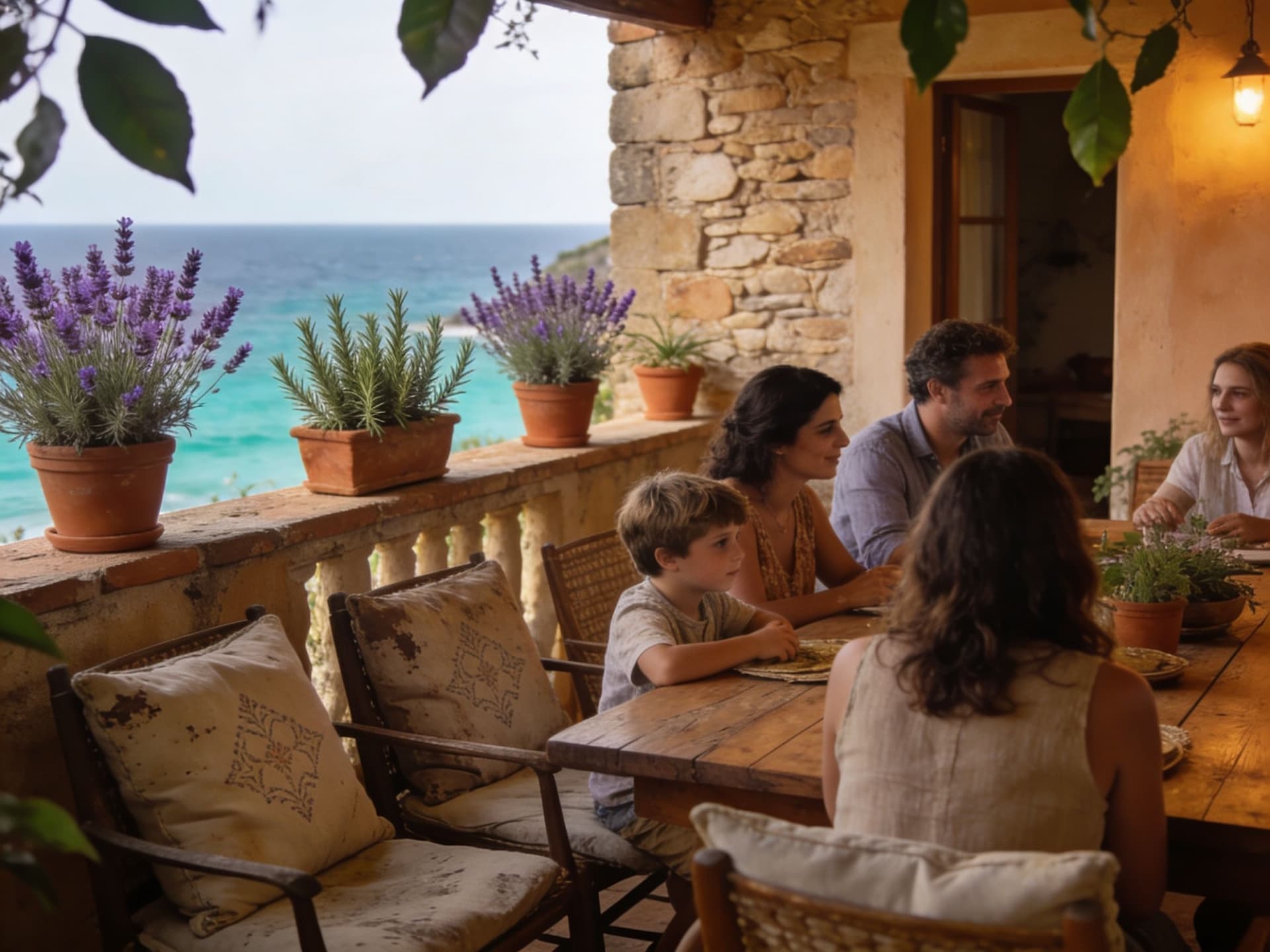
Dreams meet contracts quickly in Italy—prices and regional variation matter. National averages hover around €2,100/m² but Milan and Florence sit at multiples of that, while southern regions can be under €1,000/m². Mortgage availability has improved and green-renovation incentives are changing renovation economics; these trends affect both purchase price and living costs. Work with data, but always translate it into how you want to live: a cheaper square metre in a village may cost you in access to services, seasonality and resale liquidity.
Property styles and how they shape your days
A medieval apartment in Siena centers life around the piazza and stairs; a villa in Puglia trades community for privacy and olive groves. New-builds in Milan offer insulation, elevators and parking—practical if you plan year-round living. Think beyond square metres: light, orientation, terrace size and storage determine whether you entertain outdoors, commute easily, or keep that Vespa tucked away. Match the property type to the life rhythm you want.
Working with local experts who understand life, not just listings
How an on-the-ground agency protects your lifestyle and purchase
- Tell them the life you want: agencies who hear “daily market, short walk to cafés, single-floor living” filter options differently than those chasing price-per-m².
- Ask for neighbourhood checks: local agents should map noise, holiday rental density, and municipal renovation plans before you bid.
- Use agency introductions to trusted notaries, architects and property managers—these practical relationships keep your life running after purchase.
Insider knowledge: the little truths expats learn (too late)
Expat buyers often underestimate two things: seasonality and local bureaucracy. A house that sings in July can feel abandoned in November; town services and snow clearing vary wildly. Meanwhile, renovation permits and energy-class upgrades are becoming mandatory in steps through 2030–33, which affects both costs and resale value. Plan for seasonal living and factor renovation timelines into your purchase budget—your agency should flag both.
Culture, language and community—how to belong
Italy rewards small gestures: learn three local phrases, join the market ritual on Saturdays, and you’ll be invited into the neighborhood sooner. Expat communities cluster—English-speaking meetups in Milan, international schools around Rome and Bologna, and seasonal expatriate scenes on the Amalfi Coast and Sardinia. But real belonging comes from daily routines: the bar that knows your order, the baker who keeps aside yesterday’s crusts for your dog, the neighbour who takes your mail when you’re away.
Long-term lifestyle realities: what changes five years after you move
In five years your priorities may shift: proximity to healthcare, transport links, and community services often outrank initial desires for absolute quiet. Regions with rising tourism and investment—Milan, Florence, parts of the coast—tend to see stronger liquidity, while rural bargains may require patience to resell. If you’re planning long-term residency, weight everyday convenience and municipal services as heavily as charm.
- Red flags to watch for (real, specific things your agent should check)
- Unregistered renovations that affect cadastral class and taxes
- High short‑term rental density in the block (risk to local community and future regulations)
- Pending municipal works (roads, drainage) that temporarily affect access and value
- Energy class below upcoming regulatory minimum if you plan to renovate later
Quick steps we recommend before you make an offer
- 1. Visit in two seasons—one peak, one shoulder—to feel the real rhythm.
- 2. Commission a neighbourhood report: noise, rentals, municipal plans and resale comparables.
- 3. Get pre-approval for finance and an estimate for energy upgrades if needed.
- 4. Use a notary recommended by your agency and verify cadastral and title history.
Conclusion: Italy is not a single market and that is its main asset. From Milan’s tight, high‑value streets to Calabria’s broad value, the country offers dramatic trade-offs between lifestyle and liquidity. Start with the life you want, then use data and local expertise to protect that life. If you tell us the neighbourhood vibe you crave—sea mornings, historic afternoons, or city rhythm—we’ll show you where that life is still possible and which practical checks make it last.
Swedish expat who moved from Stockholm to Marbella in 2018. Specializes in cross-border legal navigation and residency considerations for Scandinavian buyers.