Italy: Streets, Seasons and the Smart Steps to Buy
Italy’s daily rhythms — markets, piazzas, coastlines — shape where you should buy; pair two weeks of living-in-place with regional market data and local experts.
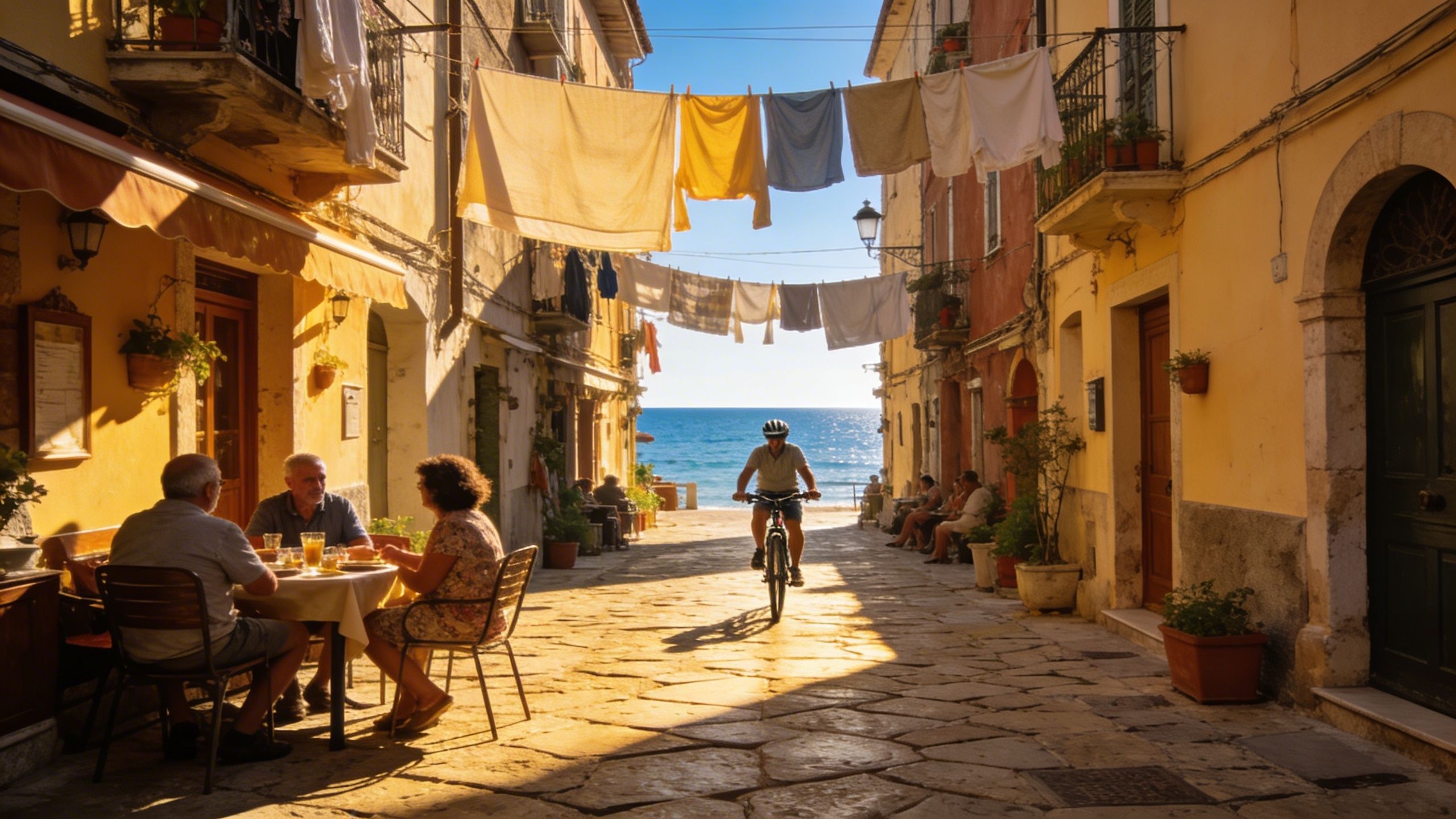
Imagine sipping an espresso at 9am beside a stone piazza in Lecce, then swapping that train for a late-afternoon swim on a Puglian cove. Italy folds centuries of street life into modern comforts: small shops that know your name, markets that reset every morning, and neighbourhoods where the week’s tempo is set by the barista. But if you’re dreaming with postcards, there are practical rhythms beneath the romance — market cycles, regional price differences and rules that shape what you can buy and how you live. We start with the life, then show the steps you’ll need to make it real, backed by the latest market signals and local know-how.
Living the Italy life: streets, seasons and the small rituals
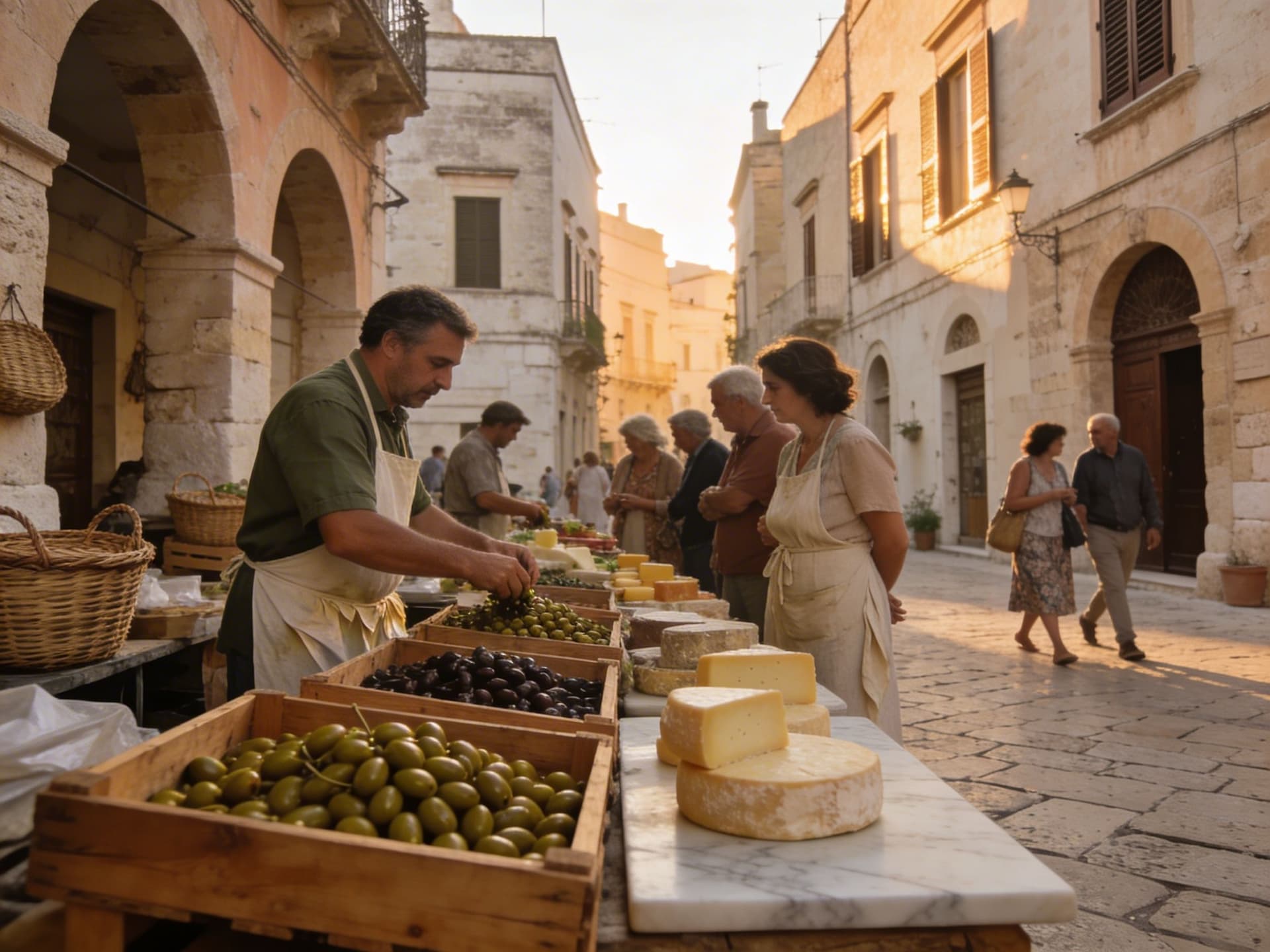
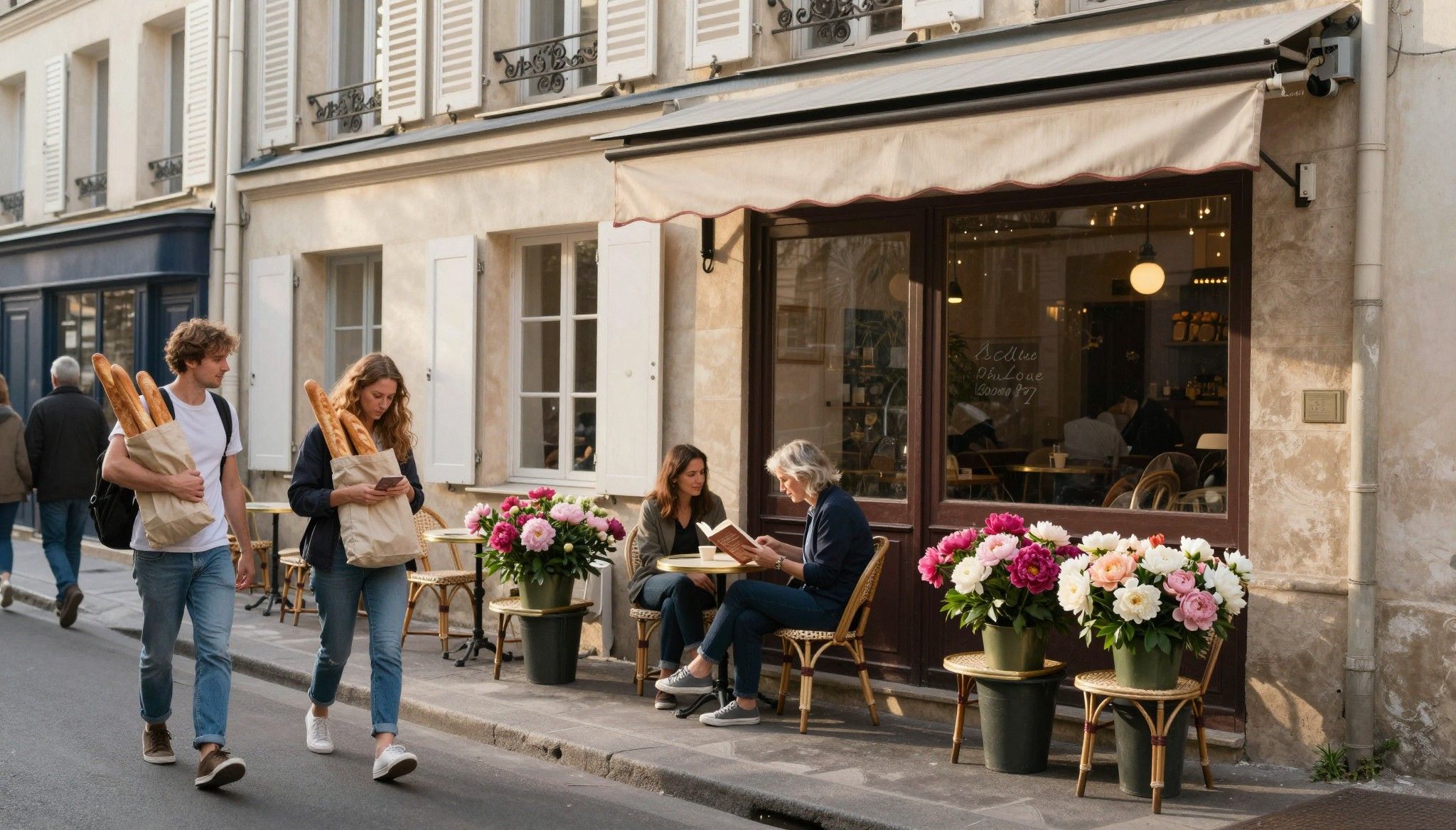
Streets set the mood in Italy. From Milan’s coffee-lined Corso Buenos Aires to the fishermen’s alleys of Amalfi, daily life is tactile: fresh bread at dawn, a late passeggiata, aperitivo that stretches into talk. These patterns drive what people value in property — proximity to a market or a seafront walkway often matters more than square meters. Recent national house-price data shows varied regional trends: city centres and tourist coasts behave differently, so life choices and market reality are intertwined. (See ISTAT data for the latest quarterly signals.)
Neighbourhood spotlights: from historic lanes to coastal promenades
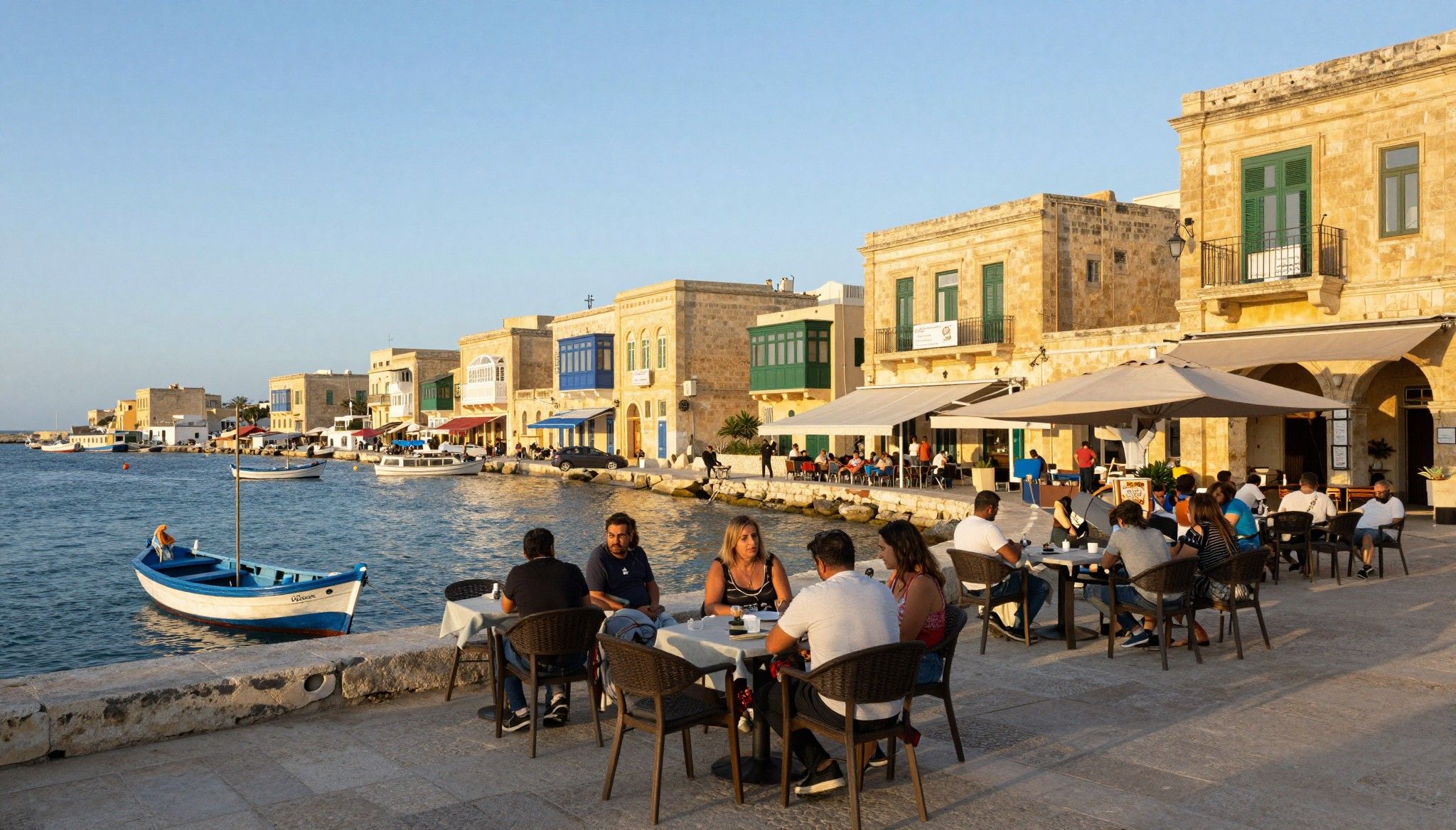
Want historic fabric and evening social life? Look around Florence’s Oltrarno or Rome’s Trastevere where cobbled lanes, artisan shops and aperitivo culture create a lived-in rhythm. Prefer seaside mornings and salt air? Consider Liguria’s Monterosso or Puglia’s Polignano a Mare — places where terraces and small boats define weekends. Each micro-neighbourhood has its own day: morning markets, siesta pauses, nightly gatherings — these patterns determine noise, footfall and, often, resale desirability.
Food, markets and the calendar: how taste shapes where you live
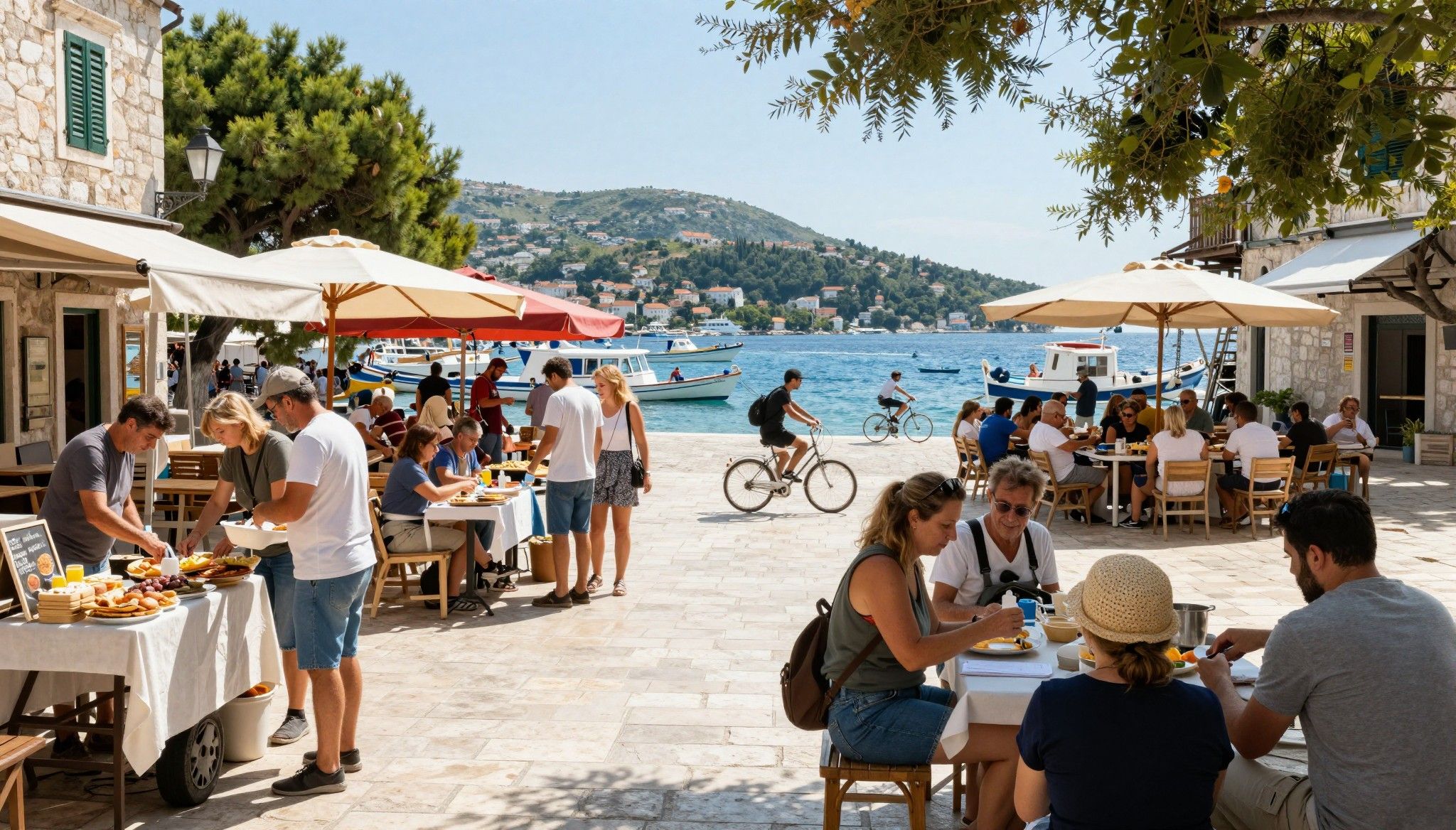
Market mornings are social infrastructure: a reliable market near your door means fresh supplies and neighbours you’ll quickly know. Regions are culinary passports — Sicilian fishmongers, Emilia’s cured meats, Ligurian basil and Puglian orecchiette create different daily lives. That culinary magnetism is a reason international interest is rising in places like Puglia, where inquiries and prices have climbed as buyers chase lifestyle authenticity rather than just a view.
- Lifestyle highlights to look for (real places we’d visit): - Morning market at Piazza delle Erbe, Verona - Espresso and people-watching on Via Tornabuoni, Florence - Sunset stroll along Lungomare Trieste, Bari - Weekend fish market in Naples’ Pignasecca - Cicchetti crawl in Venice’s Dorsoduro - Olive-press visits in the Valle d’Itria
Making the move: property choices that match the life
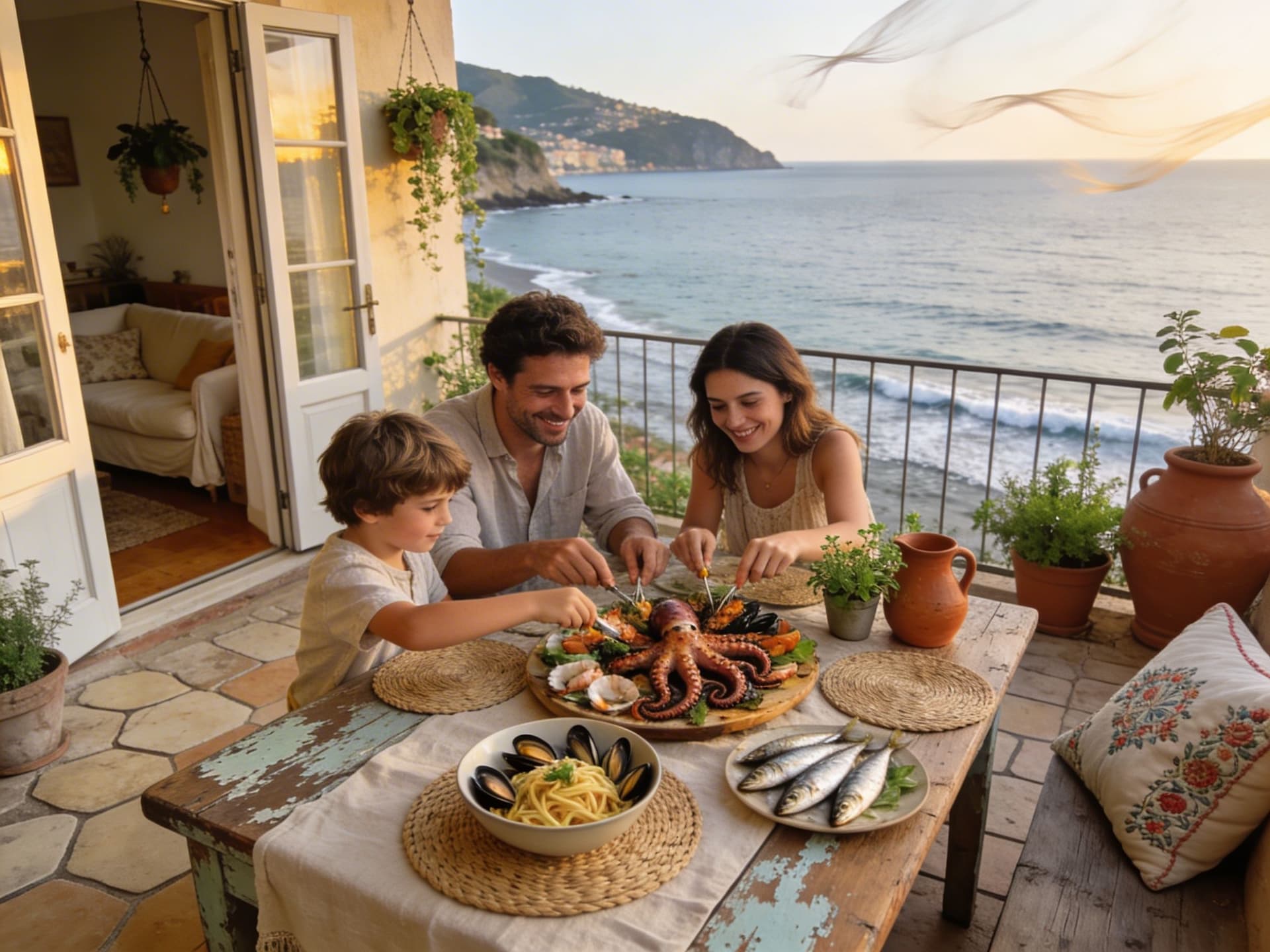
Your dream daily life dictates the property type: a restored palazzo flat near the centre for daily piazza life, a seafront apartment for morning swims, or a renovated masseria for slow country summers. Transaction volumes and price moves have continued to shift regionally — urban cores and well-connected coasts show different liquidity. Understanding that split early saves mismatched viewings and emotional mistakes, and it’s why we pair lifestyle scouting with local market data when we view properties with clients.
Property styles and what they mean for daily living
Historic centre apartments offer proximity and atmosphere but often come with stairs, strict heritage rules and trickier parking. Modern seaside apartments bring easy outdoor living and amenities but may trade off authentic street life. Country homes give space and privacy — great for families — yet they can mean weekly rations runs rather than daily café stops. Align your lifestyle priorities with the property type: if afternoon cafés matter, factor walkability above square footage.
Working with local experts who speak both lifestyle and law
A local agent who knows the corner café and the town hall is worth their weight in saved time and clearer expectations. They can flag planning constraints for restorations, explain seasonal rental demand, and match neighbourhood rhythm to your daily needs. We recommend pairing one lifestyle-savvy agent with a bilingual notary and a regional accountant so you cover both the lived experience and the post‑purchase administration without surprises.
- Steps that blend lifestyle and practical checks: 1. Spend at least two separate weeks in your chosen area (seasonal contrast matters). 2. Map daily services: market, pharmacy, health facility, broadband/coworking. 3. Ask for neighbourhood walk maps from the agent and test commutes at real hours. 4. Verify restoration limits and condominium rules before making an offer. 5. Get a local energy and structural survey focused on living costs and comfort.
Insider knowledge: what expats wish they’d known
We hear the same confessions from buyers: they underestimated seasonal quiet, the paperwork cadence, and how closely social life ties to the local bar. Language helps but charm and patience go further in small towns. Expect bureaucracy to be slower than you imagine, but also be ready for neighbourliness that becomes the best part of the move. These real-world truths change where you look — sometimes away from the prettiest postcard and toward the street that actually feels like home.
Cultural integration: how to make the place yours
Join the morning market, learn a few local phrases, and attend the patron-saint feast — small rituals accelerate belonging. Volunteering at local food festivals or taking a pasta-making class opens doors quicker than a glossy renovation. For families, local school rhythms and extra‑curriculars shape social life; for remote workers, reliable broadband and a nearby coworking hub matter more than a larger terrace. The lifestyle you want will shape your practical must-haves.
Long-term: residency, taxes and the rules that impact lifestyle decisions
Buying property in Italy does not automatically create a residency pathway; real estate alone doesn’t qualify for the Italian investor (Golden) visa, so plan residency and tax steps separately. For many buyers the flat-tax regime for new residents or special pensioner regimes can materially affect monthly costs and lifestyle choices. Work with a regional accountant early to understand local tax offers, annual upkeep and how long you need to spend in-region to access benefits.
- Red flags and lesser-known checks before you sign: - Unclear historic-building permissions for façades and interiors - Missing or inconsistent energy and structural reports - Seasonal access issues (roads closed, ferry timetables) affecting habitability - Condominium rules that limit rentals or renovation works - Broadband not matching remote‑work needs
Conclusion: live the life you imagined — with a plan. Italy rewards patience: spend the seasons, pick the street that fits your daily rituals, and pair lifestyle scouting with local professionals who understand municipal rules and the market data. Start with two weeks in your target neighbourhood, bring a local agent who knows that street’s stories, and hire a notary early. When you blend the sensory joy of place with practical checks, you end up with a home that feels inevitable — not accidental.
Dutch relocation advisor who moved to Marbella in 2016. Guides Dutch buyers through visa paths, relocation logistics, and balance of lifestyle with value.