Italy: Neighbourhood Rhythm, Reality & Market Signals
Italy offers a mosaic of living rhythms — markets, piazzas and neighbourhood life — with steady markets per ISTAT. Match block-level lifestyle to legal clarity for a happy long-term buy.
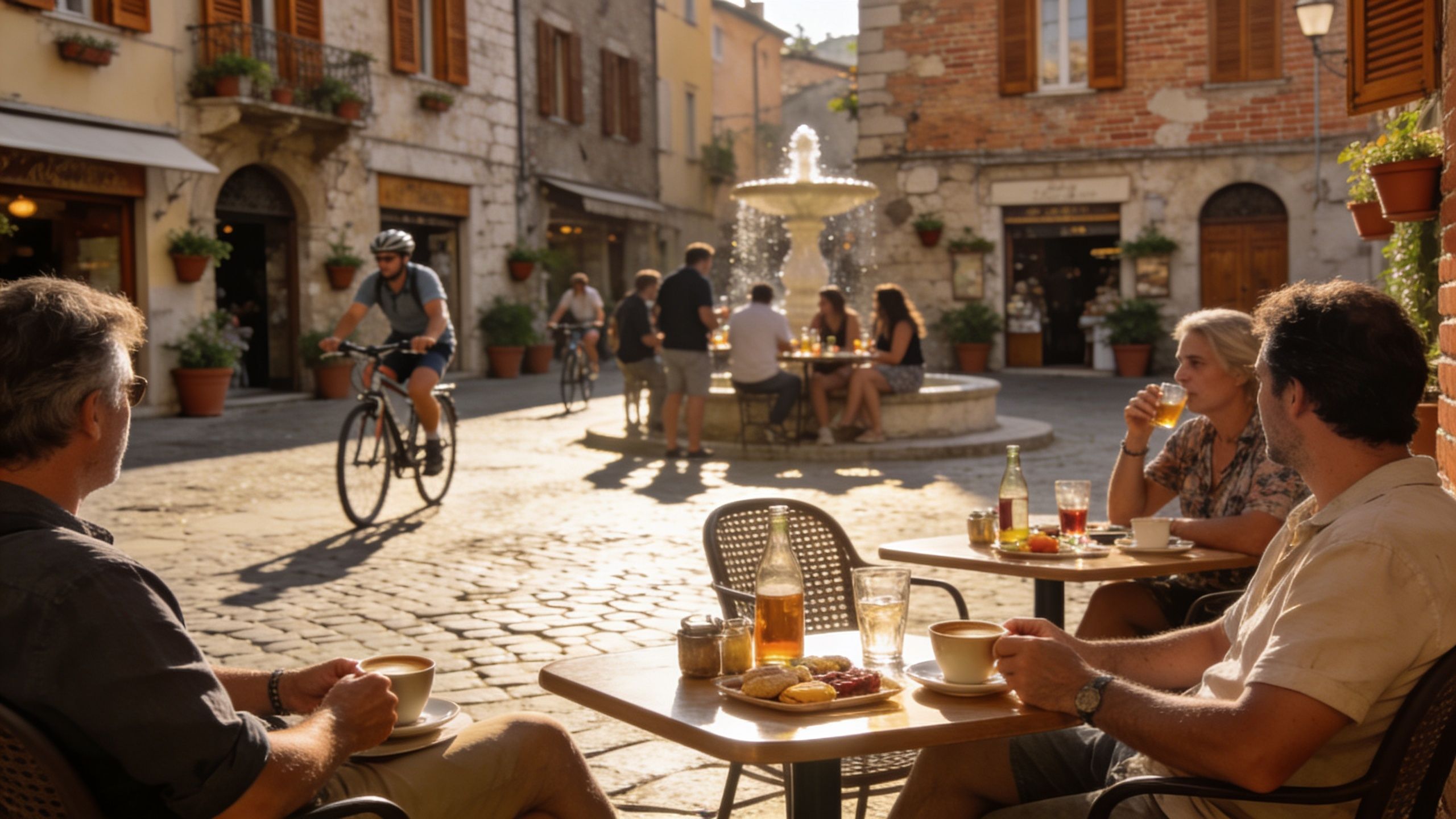
Imagine waking up to an espresso ritual on Via dei Coronari, cycling past olive trees at dusk in Oltrarno, then closing the day with a neighbourhood aperitivo where everyone knows your name. Italy isn't a single lifestyle — it's a set of living rhythms stitched together by piazzas, markets and short, precise meals. For international buyers that means choices with texture: Milan's purposeful mornings, Rome's layered afternoons, Bologna's student hum and coastal towns that shift with the season. This piece pairs those scenes with the real estate logic you'll need to make the move feel less like a leap and more like coming home.
Living the Italian Rhythm
Daily life in Italy is tactile and small-scale. Mornings are coffee and conversation; late afternoons are for markets and a second wind; evenings unfurl slowly over food. Neighborhoods define identity here: streets, not suburbs, carry meaning. That rhythm also explains why property choices that look sensible on paper — a compact apartment near a tram line, or a terraced house with a shady courtyard — deliver disproportionate lifestyle returns. And while national indices are steady, the experience you buy depends entirely on the block.
City spotlights: Milan, Rome, Bologna
Milan feels like an engine: design studios, late-night trattorie in Brera, and regenerated districts such as Scalo Romana. Rome is layered — an arterial historic centre and quieter residential rings like Prati or Garbatella where life is domestic and rich. Bologna breathes student energy and food obsession; live near Via Zamboni and you feel perpetually invited to conversation. Price dynamics differ between these hubs: Milan skews prime and high-demand, Rome offers pockets of value, and Bologna rewards long-term lifestyle buyers.
Food, markets and daily rituals
Markets are the social infrastructure: Campo de' Fiori in Rome, Mercato Centrale in Florence, or Mercato delle Erbe in Bologna become living rooms. Buying a property near a market changes your week — fresh produce replaces supermarket runs, relationships with vendors replace anonymous transactions. For buyers, that proximity is a lifestyle ROI: smaller kitchens but better ingredients, and a calendar pulsing with food festivals and harvest windows. If you want to live like a local, map your property search to market days and café culture, not just transit maps.
- Lifestyle highlights to look for
- Morning espresso spots on your block (e.g., Caffè Sant'Eustachio, Rome); evening aperitivo lanes (Navigli, Milan); weekly food markets (Mercato di San Lorenzo, Florence); accessible green space within a 10-minute walk (Giardini Margherita, Bologna); a reliable tram or metro line for effortless weekday routines
Making the Move: Lifestyle‑First Practicalities
Dreams meet documents faster in Italy than many expect. National indices report moderate, stable growth — ISTAT's HPI recorded mid-single-digit annual rises in 2025 — but regional and city microtrends drive real outcomes. That stability comforts long-term buyers, yet the purchase experience is run by local details: cadastral classifications, condominium rules, and municipal planning constraints. Treat agents as lifestyle scouts first and paperwork navigators second — the best local experts bridge both worlds.
Property types and how they feel
Historic apartments with high ceilings are intoxicating but often come with maintenance realities: shared roofs, old heating systems, and tricky renovations. New-build blocks offer insulation and elevators but rarely the street life that makes Italian city living sing. Terraced homes with courtyards give you a private outdoor room in denser centres. Match the type to the life you want: if café culture matters, prioritise compact flats on lively streets; if outdoor living is essential, seek terraces or edges of historic centres.
How to work with local agencies (and what to expect)
Choose agents who can describe daily life, not just square metres. Ask them: which block hosts the weekend market, where do locals walk dogs, and which café keeps the best hours? Good agencies bring forensic local knowledge — cadastral quirks, typical renovation timelines, utility behaviours in old buildings — and can connect you to notaries and surveyors. Expect slower paperwork rhythms than in some countries; patience here often reveals better opportunities.
- Steps that blend lifestyle and logistics
- Walk the neighbourhood at market time; 2) Meet an agent who knows the block (not just the building); 3) Order a local survey and title check before offers; 4) Budget for realistic renovation timelines and seasonal maintenance; 5) Factor in community costs like condominium (condominio) fees and local service nuances
Insider Knowledge: What Expats Wish They'd Known
Our conversations with recent movers reveal common surprises: the social power of a market stall, the frequency of strikes that temporarily slow services, and how petty municipal rules shape renovations. Expat communities cluster in predictable pockets — San Lorenzo in Rome, Isola in Milan, and parts of the Navigli — but the happiest arrivals often choose smaller, less obvious blocks where neighbours make room for newcomers. Cultural curiosity, not a checklist, speeds integration.
Language, community, and everyday customs
Italian matters in small ways that add up: the right greeting at the bar, knowing market vendor names, or understanding condominium meeting dynamics. Learn a few phrases and show up — Italians respond to effort. Community life often centres around food and shared festivals, so volunteering at a sagra or joining a neighbourhood association pays social dividends. For families, school rhythms and local sports clubs become integration accelerants.
Longer-term considerations that shape satisfaction
Think beyond the initial move: aging-in-place supports, seasonal rental demand if you plan to let, and climate adaptation for heat in summer or damp in winter. National data shows steady volumes and moderate price rises, but the longevity of your enjoyment depends on neighbourhood services: reliable healthcare access, grocery options and a social fabric you can plug into. Buyers who plan five- and ten-year lifestyle trajectories make different choices than those chasing short-term returns.
- Red flags to watch for (lifestyle and practical)
- Empty blocks marketed as "quiet retreats" but far from daily necessities; upside-only price stories without local comparables; sellers pushing cosmetic fixes while structural issues persist; promises of immediate residency tied to property purchases (Italian residency rules are separate and should not be conflated)
We close where we began: with a scene. Picture a narrow street in Trastevere at golden hour, lights coming on in small restaurants, balconies draped with drying linens, and the sense that life here happens in human-sized places. If that image fits your idea of home, Italy will give you rhythms, not spectacles. Next steps: pick two neighbourhoods that match your weekly life (market days, commute, schools), schedule on-the-ground visits outside peak tourist times, and bring a local expert who can translate lifestyle into legal certainty.
Danish investment specialist who relocated to Costa del Sol in 2015. Focuses on data-driven market timing and long-term value for Danish buyers.