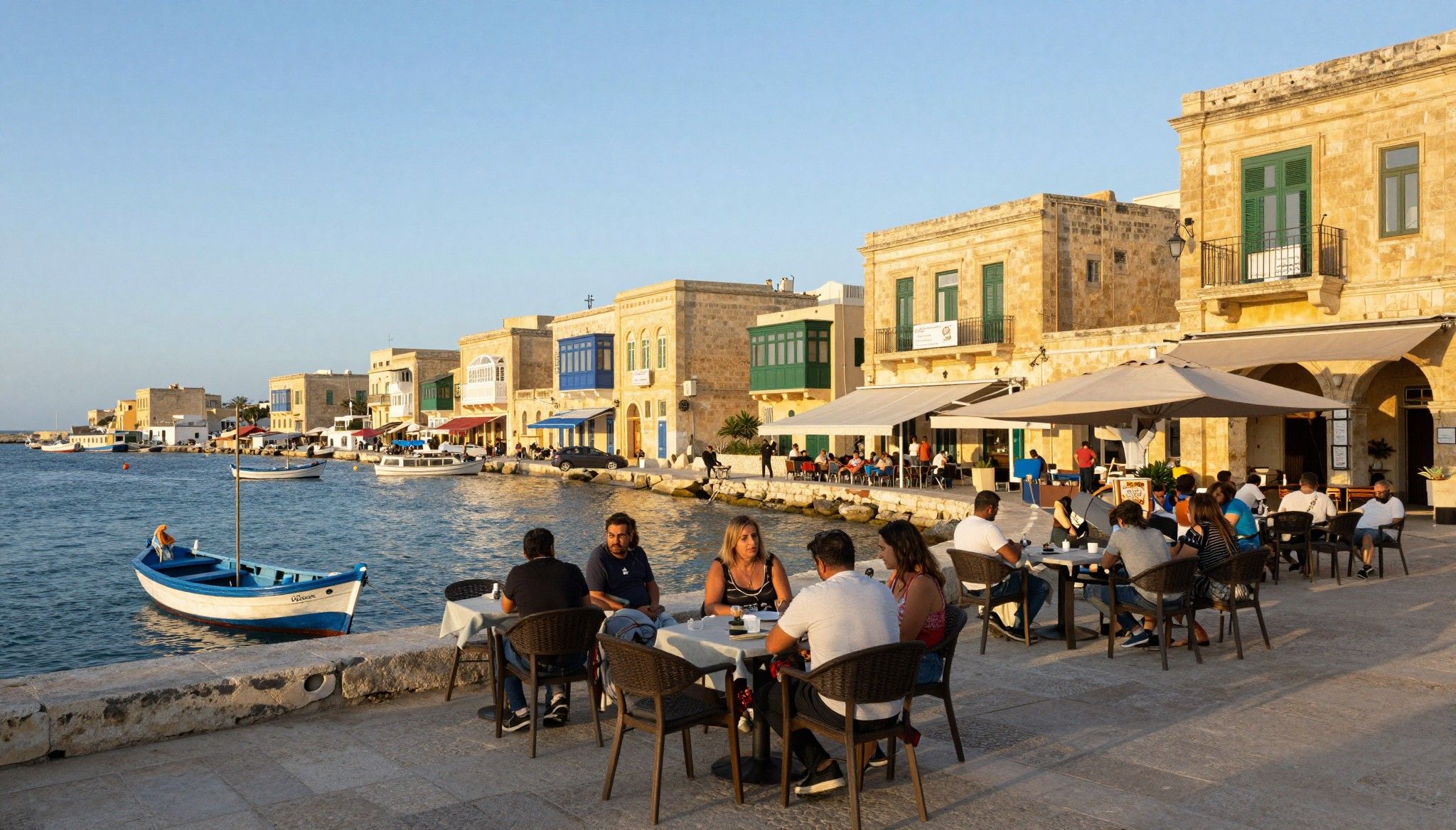
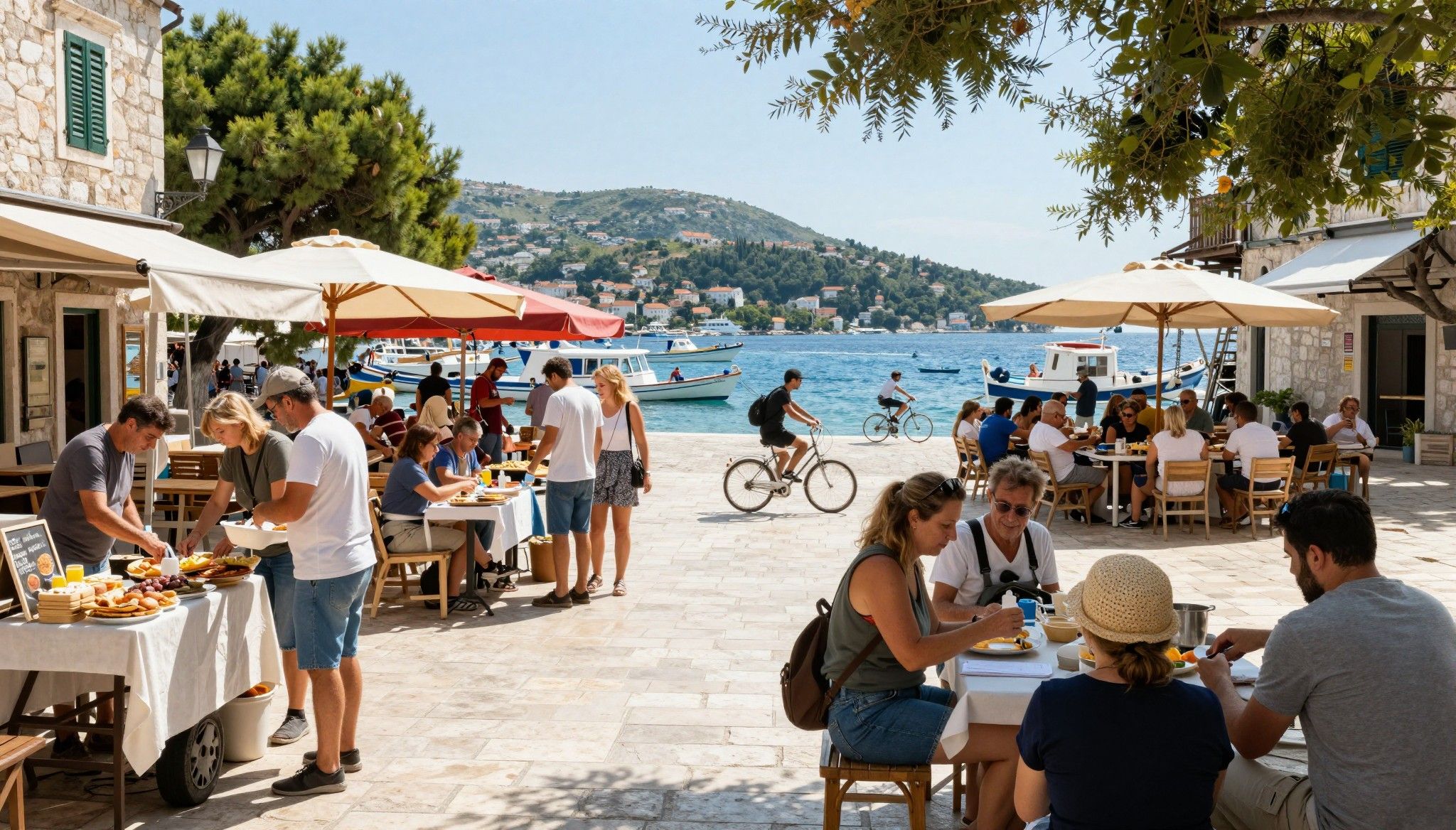
Cyprus VAT & Transfer-Fee Tradeoffs That Change the Buy
Cyprus offers Mediterranean life, but VAT rules, transfer fees and a June 2026 VAT transition can change the cost of your dream — plan with local experts.

Imagine waking to a harbour-side espresso in Limassol, an afternoon market stroll in Larnaca, and weekends hiking Troodos with fresh halloumi at a village taverna. Cyprus feels small and unhurried, but beneath that immediate charm sit tax rules and VAT traps that quietly change the maths of every purchase. Recent market data shows the island kept momentum through 2024 — prices and volumes rose in different towns for different reasons. We’ll tell you what the guidebooks don’t: how VAT, transfer fees and a few legal line-items can turn a dreamy seaside buy into a costly surprise. (We checked the numbers.)
Living Cyprus: sunlight, streets and small-town theatre
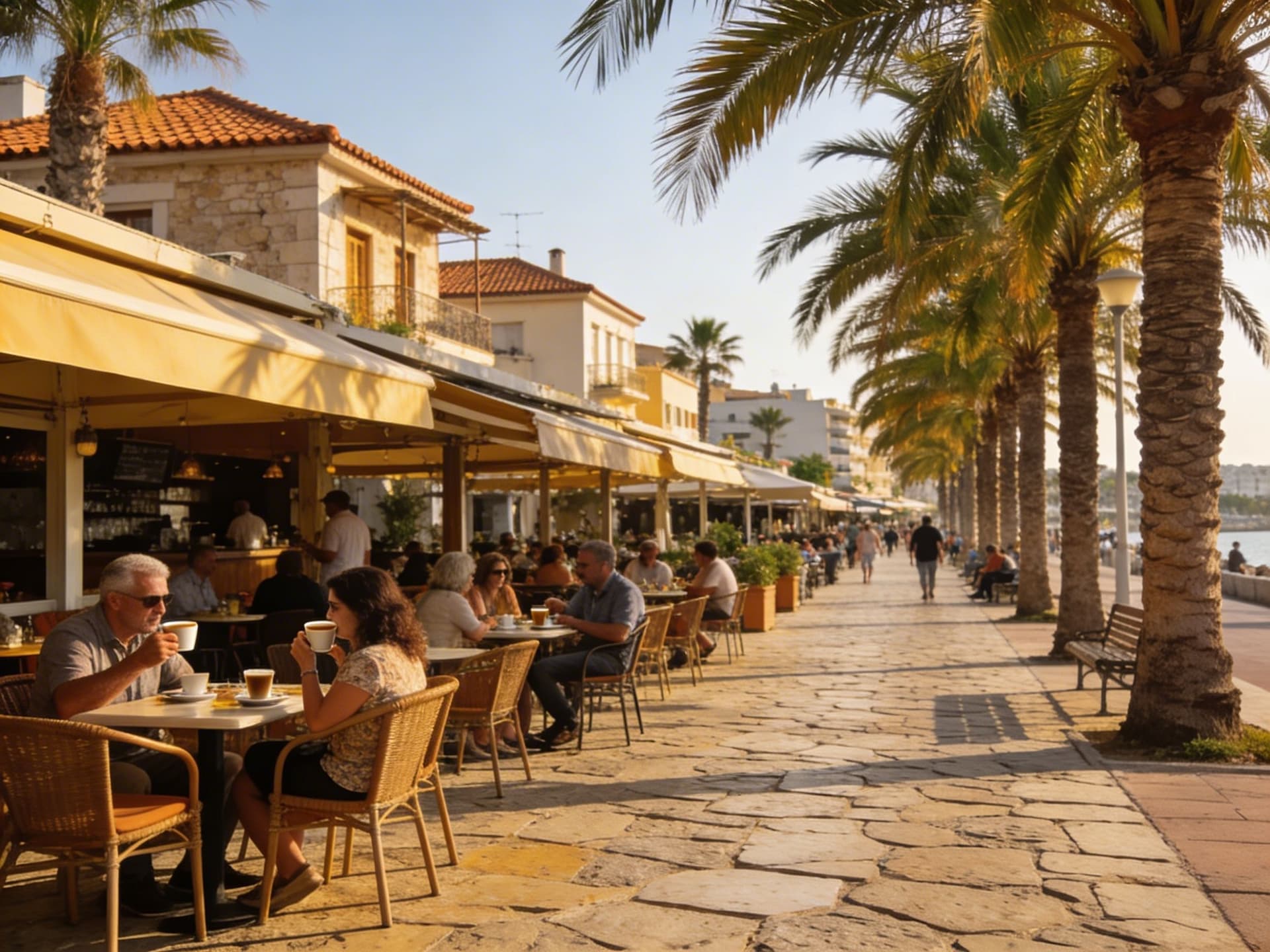
Cyprus is an island of close-knit neighbourhoods. In Limassol you’ll hear construction trucks and see modern seafront apartments; in Paphos stone alleys and Byzantine mosaics set a slower rhythm. Nicosia’s cafes are full of students debating politics, while tucked-away villages like Omodos offer chestnut festivals and year-round community life. That mix — coastal convenience plus mountain retreats — is what pulls buyers here: predictable weather, compact commutes, and the social texture of small Mediterranean towns.
Neighbourhood spotlight: Limassol’s Molos to Old Port
Picture morning runs along the Molos promenade, lunch at a fish taverna near the Old Port, and evening aperitifs on Anexartisias Street. Limassol mixes a yacht-club gloss with working neighbourhoods where bakers open at dawn. For buyers who want both café life and international schools, walking distance to the coast matters — but so does knowing which tax band a property falls in, because VAT and transfer-fee rules differ for new builds versus resales.
Food, seasons and the pace of life
Weekends mean markets: orange crates in Polis, fishmongers in Larnaca, and late-summer village festivals celebrating wine and chestnuts. The climate lets you live outdoors most of the year, which explains the local obsession with terraces, verandas and covered outdoor rooms — features that also affect price per square metre and VAT treatment (built area vs. covered veranda matters). Seasonal reality: summers swell coastal towns, winters fill mountain guesthouses — and both cycles have implications for rental income and local tax treatment.
- Lifestyle highlights: cafes on Anexartisias, Molos promenade jogs, Paphos old harbour sunsets, Omodos village wine festival, Larnaca Finikoudes beachfront, Troodos hiking routes.
Making the move: the legal side that shapes lifestyle choices

Dreams meet documents here. Cyprus’s 2023 VAT reform and ongoing enforcement have a direct impact on whether you pay 5% VAT on a first-home slice of space or face the full 19% rate — which meaningfully affects new-build budgets. At the same time, resale purchases avoid VAT but attract Land Registry transfer fees, so the choice between a shiny development and an older apartment isn’t purely aesthetic; it’s fiscal. PwC’s market snapshot confirms resilient transaction volumes in 2024, but the cost structure buyers face depends on these legal levers.
VAT reality: the 5% rules and the June 2026 transition
Law 42(I)/2023 narrowed the 5% reduced VAT: it now applies to the first 130 m² of a qualifying primary residence (value caps and area limits apply), with transitional provisions running until mid‑June 2026 for certain permits. If you count on the old, broader 5% rules, check permit dates and the three-year declaration window — otherwise your cost estimate can jump. Enforcement has included recovery actions where reduced VAT was improperly claimed.
Transfer fees, stamp duty and the resale trade-off
If a property is subject to VAT (typically new builds sold by developers), transfer fees are usually waived. Resales avoid VAT but trigger transfer fees on a sliding scale (3% up to €85,000; 5% on the next €85,000; 8% above €170,000), often discounted in practice. That means two buyers paying the same headline price can face different closing costs depending on whether the seller is a developer or private owner.
- Step-by-step legal checks before you fall for a property: 1. Confirm whether the sale is VATable (new build) or a resale — demand VAT declarations and planning permits. 2. Request Land Registry extracts to verify title and past encumbrances. 3. Check whether the property falls within the reduced VAT caps (area, value, permit date). 4. Ask for developer warranties, completion certificates and as‑built plans for new projects. 5. Budget for either VAT (if new) or transfer fees (if resale), plus legal fees and municipal charges.
Insider knowledge: what expats wish they’d known
Expat communities in Paphos and Limassol often swap stories about the same legal surprises: unclaimed VAT liability, incomplete deeds, or misleadingly advertised ‘built area’ figures. Locals will tell you that an honest lawyer and a hands-on agent save more than the fee you pay them — they save months and thousands of euros. Language is less of a barrier here (English is widely spoken), but legalese and planning rules aren’t — get professionals who read local documents every week.
Cultural and community notes that affect property life
Cypriot life values close social ties: neighbours pace gardens, shopkeepers know your order, and village councils shape what gets built. That means community consent matters for extensions, and informal uses (renting on platforms, hosting events) can attract scrutiny. Plan renovations with local architects who understand both the physical climate (strong sun, sea air) and the administrative climate (zoning, permissions).
- What long-term owners consider: stable rental markets in coastal towns, seasonal maintenance costs for sea-front properties, insurance for salt exposure, and community rules on extensions and pool approvals.
Practical numbers matter. For budgeting, new-build buyers should assume VAT (possibly 5% for qualifying area/value) or 19% for larger/more expensive homes; resale buyers should budget transfer fees (3–8%) plus stamp duty and legal costs. A sensible rule: set aside 10–15% of the purchase price for taxes, fees and immediate works. Always ask for worked examples from your lawyer so you see the final cash-to-close number.
Next steps: how to keep the lifestyle and avoid legal pitfalls
Start with a lifestyle map: list neighbourhoods that match your daily rhythm (beach mornings, mountain weekends, town-cafe evenings). Then do the legal map: confirm VAT status, permit dates, and transfer fee exposure for each property. Pair a local agent who knows which streets attract long-term owners (Anexartisias in Limassol, Kato Paphos lanes) with a lawyer experienced in Cyprus conveyancing and VAT claims.
- Quick action checklist: 1. Ask sellers for planning permits and any reduced‑VAT declarations. 2. Get a Land Registry extract and title search before paying deposits. 3. Compare a new-build (VAT) vs resale (transfer fees) scenarios with numbers. 4. Budget for repairs suited to the climate (salt, sun, seasonal storms). 5. Arrange residency/tax advice if you plan to stay long-term.
Conclusion: Cyprus sells a life — sunlit streets, markets, and a compact social fabric — but the legal framework shapes how affordable that life will be. Spend the money on local expertise early, understand the VAT vs transfer‑fee trade-off, and align the property type with how you’ll actually live there. When lifestyle and law match, Cyprus stops being a dream and becomes home.
Danish investment specialist who relocated to Costa del Sol in 2015. Focuses on data-driven market timing and long-term value for Danish buyers.