France: Fall for the Life, Insist on the Paperwork
France seduces buyers with markets, coastlines and light — but the DDT diagnostics, copropriété records and regional price swings are where clarity lives.

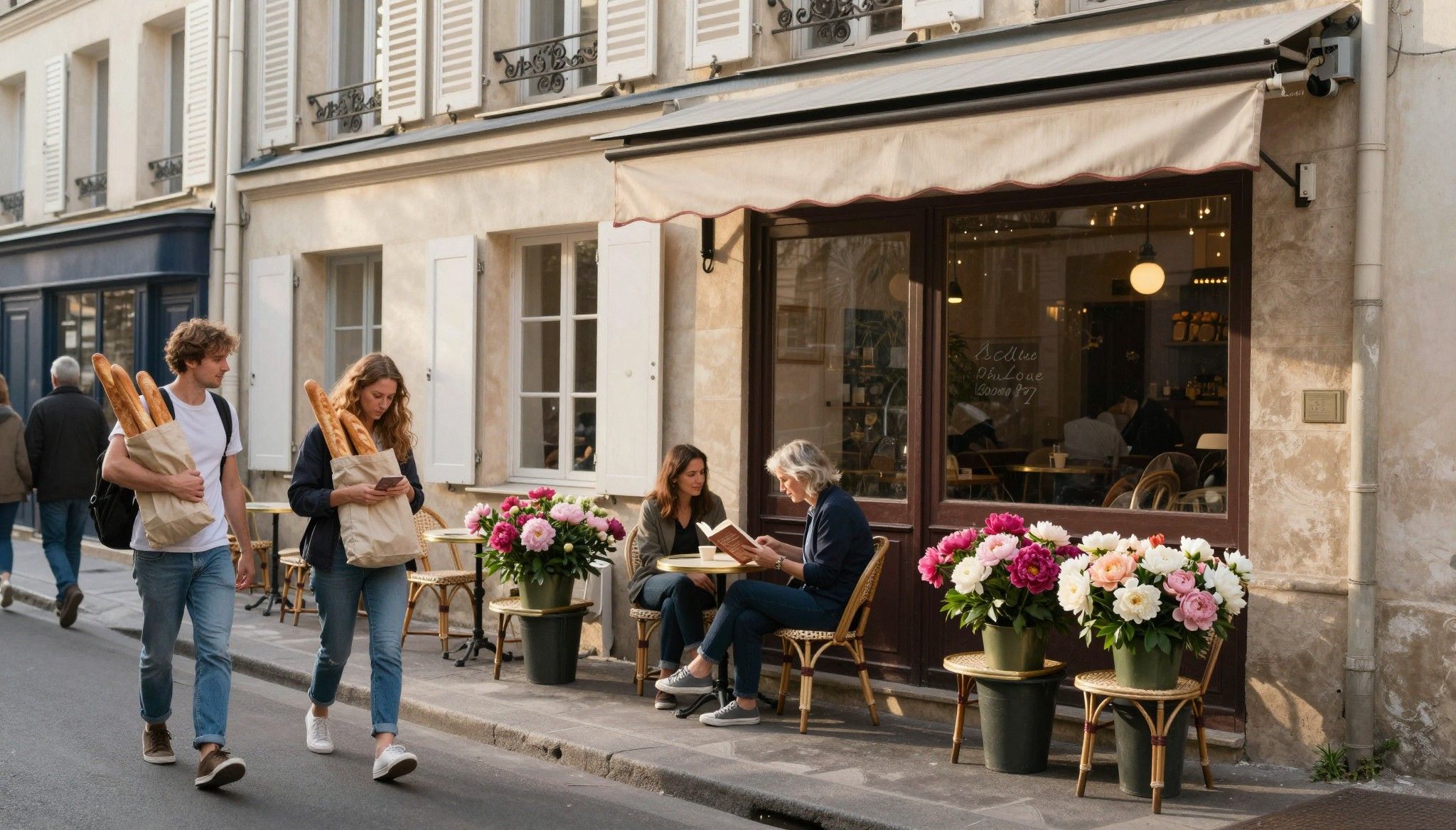
Imagine walking from a sun-warmed bakery on Rue des Rosiers to a canal-side café in the Marais, stopping for a second espresso while a couple argues playfully about renovating a 19th-century apartment upstairs. That everyday scene is part romance, part logistical puzzle — and it’s exactly why international buyers fall for France. But love needs clarity: what sellers must disclose, where prices are actually moving, and which local quirks can turn a dream buy into a paperwork headache.
Living France: the rhythm you sign up for
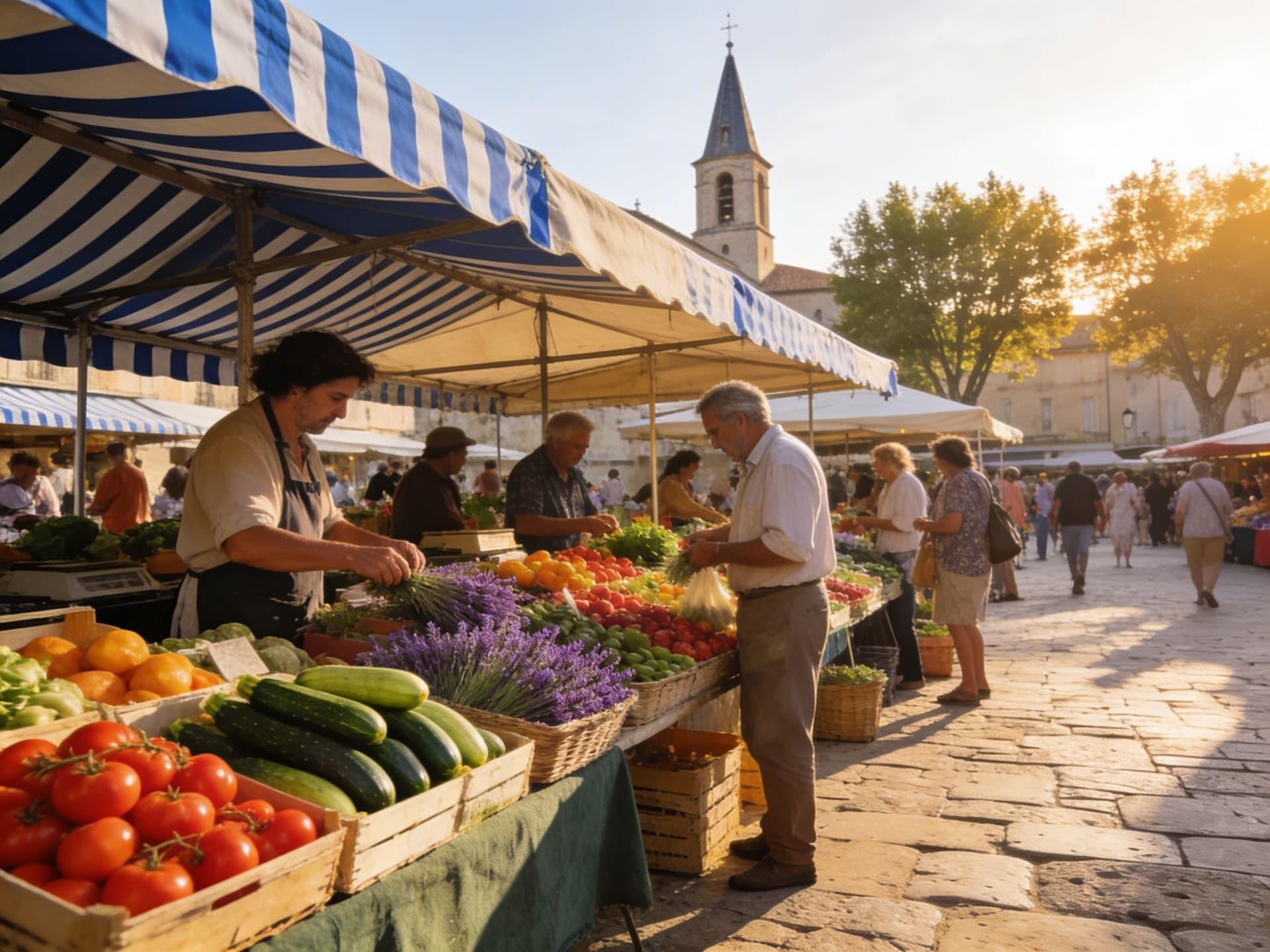
France isn’t a single lifestyle — it’s dozens stitched together. Mornings begin with boulangerie lines in Lyon’s Croix-Rousse, afternoons hum with terrace life in Nice’s old port, and Sundays smell of market garlic in Provence. For buyers, those differences matter: an apartment in Paris’s 11th has a different soundscape, service-charge profile and renovation history than a stone farmhouse near Albi.
Neighborhood spotlight: Paris’ 11th & Canal Saint-Martin
Streets here are lively but compact. Expect narrow staircases, older plumbing and a premium for terraces. Small bistros (Le Verre Volé, local bakeries on Rue Oberkampf) define daily life, and you’ll pay for proximity to cafés more than for square metres. Practical note: many buildings are co‑owned (copropriété) with shared reserves — ask to see the last three AG (assemblée générale) minutes.
Coastal mood: Biarritz to Cap-Ferret
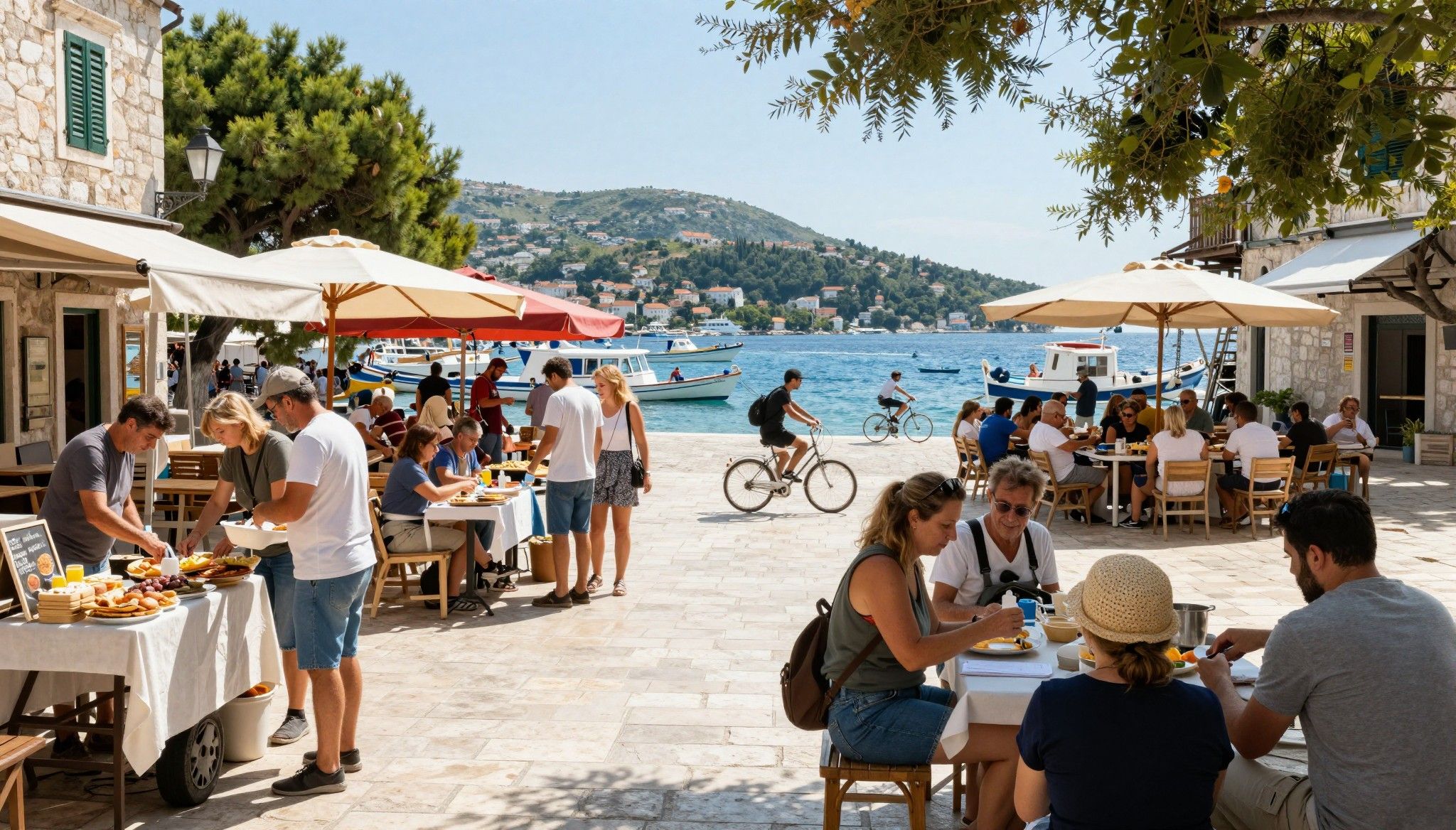
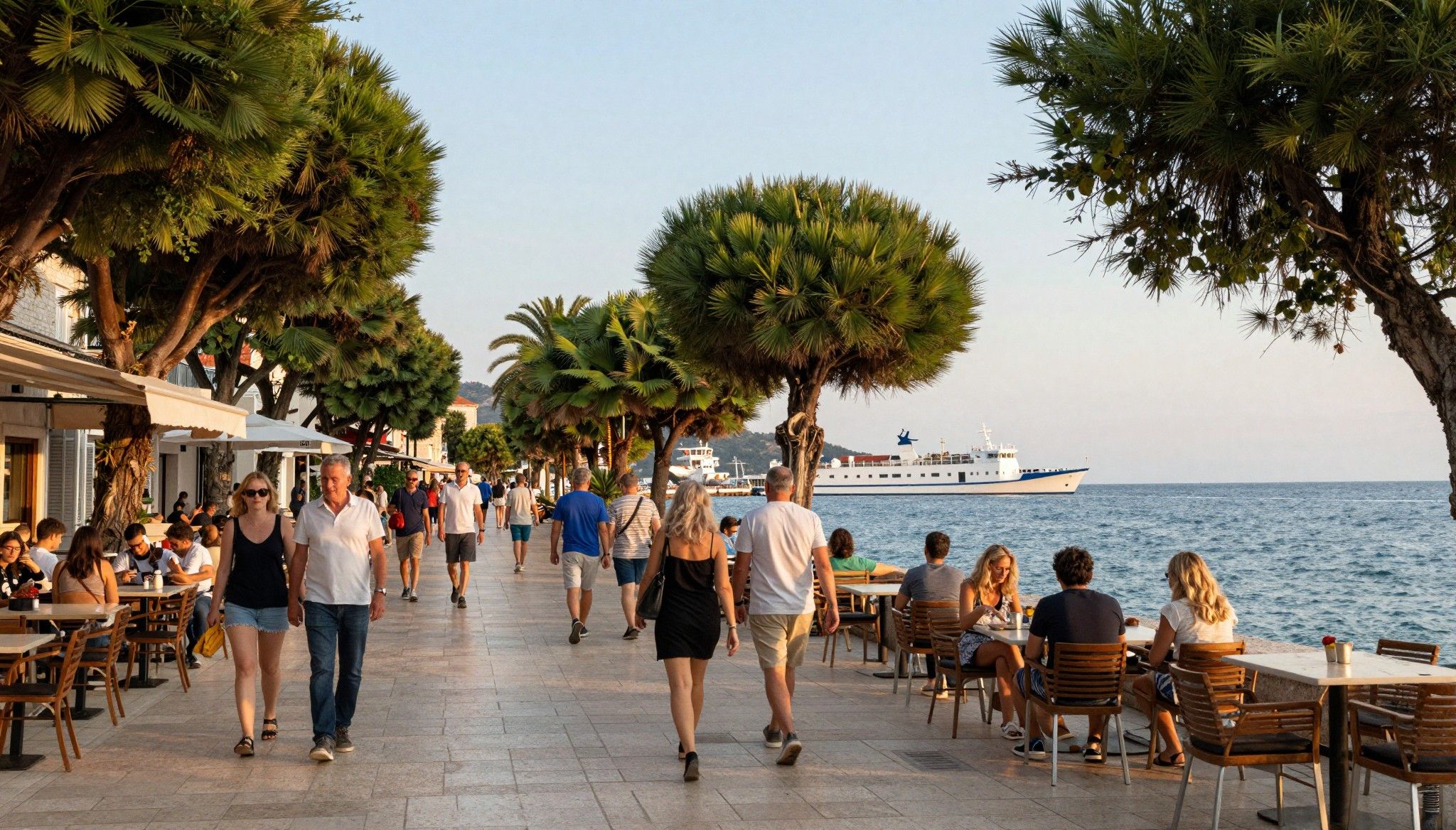
Coastal living trades year-round bustle for seasonal peaks. In Cap-Ferret, mornings are oyster stalls and cycling; in Biarritz, surf shapes the social calendar. Beware: seaside regulations (construction restrictions, littoral setback) and higher insurance costs for storm damage influence renovation choices and carry real long-term costs for owners.
- Lifestyle highlights: weekly markets (Aix-en-Provence), cafe terraces (Paris, Lyon), coastal cycling paths (Arcachon), local wineries (Bourgogne), village fêtes and open-air theatre (Avignon), mountain trails (Chamonix).
Making the move: transparency, disclosure and risk

French law forces a high level of disclosure at sale. The Dossier de Diagnostic Technique (DDT) — including DPE (energy), lead, asbestos, electrical and gas checks, and where relevant, termites or radon — must be provided to buyers. These documents aren’t optional theatre: they materially affect renovation budgets, insurance, and financing approval.
What those diagnostics actually mean for you
A poor DPE label can halve rental demand and raise renovation costs, while an undisclosed asbestos finding can delay resale for years. Notaires de France’s recent notes show modest national price stabilization, but regional swings remain — which is why local disclosure (and how recent the diagnostics are) is as important as headline price per m² when assessing risk.
Red flags to spot before you fall in love
- Seller refuses to provide full DDT or provides dated diagnostics; missing AG minutes in a copropriété; unusually low price on a seaside plot in a protected littoral zone; vague boundaries on rural land; contested servitudes or unclear title history.
- Step-by-step: a practical due-diligence routine you can follow 1) Ask for the full DDT and check dates (DPE, plomb, amiante, électricité). 2) Request the last three copropriété AG minutes and the syndic’s contact. 3) Ask a notaire for a pre‑contract title check (état hypothécaire). 4) Commission an independent surveyor if structural doubts exist. 5) Factor renovations into offer — never assume a low price means low future costs.
Insider knowledge: what expats wish they’d known
Expat buyers tell similar stories: they adored the light, underestimated the bureaucracy, and learned that a trusted local agent plus a notaire who speaks English saves months. Small cultural things matter — neighbourhood noise rules, how heating is billed in older buildings, and who keeps keys to the attic — and those practicalities determine whether the lifestyle actually matches the marketing photos.
Cultural and seasonal realities
Summer can feel like a different country: towns triple in size during July and August, local services pause for holidays in August, and rental yields for short lets spike — but so do wear-and-tear and municipal rules. Winters reveal insulation issues and heating bills; ask for past annual charges to understand real running costs.
- Practical community tips: how to integrate and protect your purchase • Learn basic French phrases for notaire and syndic meetings. • Meet the building concierge or local mairie early — good neighbours speed approvals. • Use a bilingual notaire or translator for contracts. • Keep contingency (10–15%) aside for unseen renovations.
Conclusion: fall for France, but bring the paperwork. The romance of morning markets, village fêtes and terrace life is real — and the legal framework for transparency in France is strong when buyers insist on it. Start with diagnostics and copropriété records, work with locally rooted agents and a good notaire, and let the culturally specific details guide whether a place will feel like home for years, not just a great holiday photo.
British expat who relocated to Marbella in 2012. Specializes in rigorous due diligence and cross-border investment strategies for UK and international buyers.