Malta’s Overlooked Neighbourhoods That Outsmart the Price Tag
Malta’s national price rise masks neighbourhood bargains — choose Three Cities, Gżira or northern bays for better lifestyle value and protect your purchase with local due diligence.
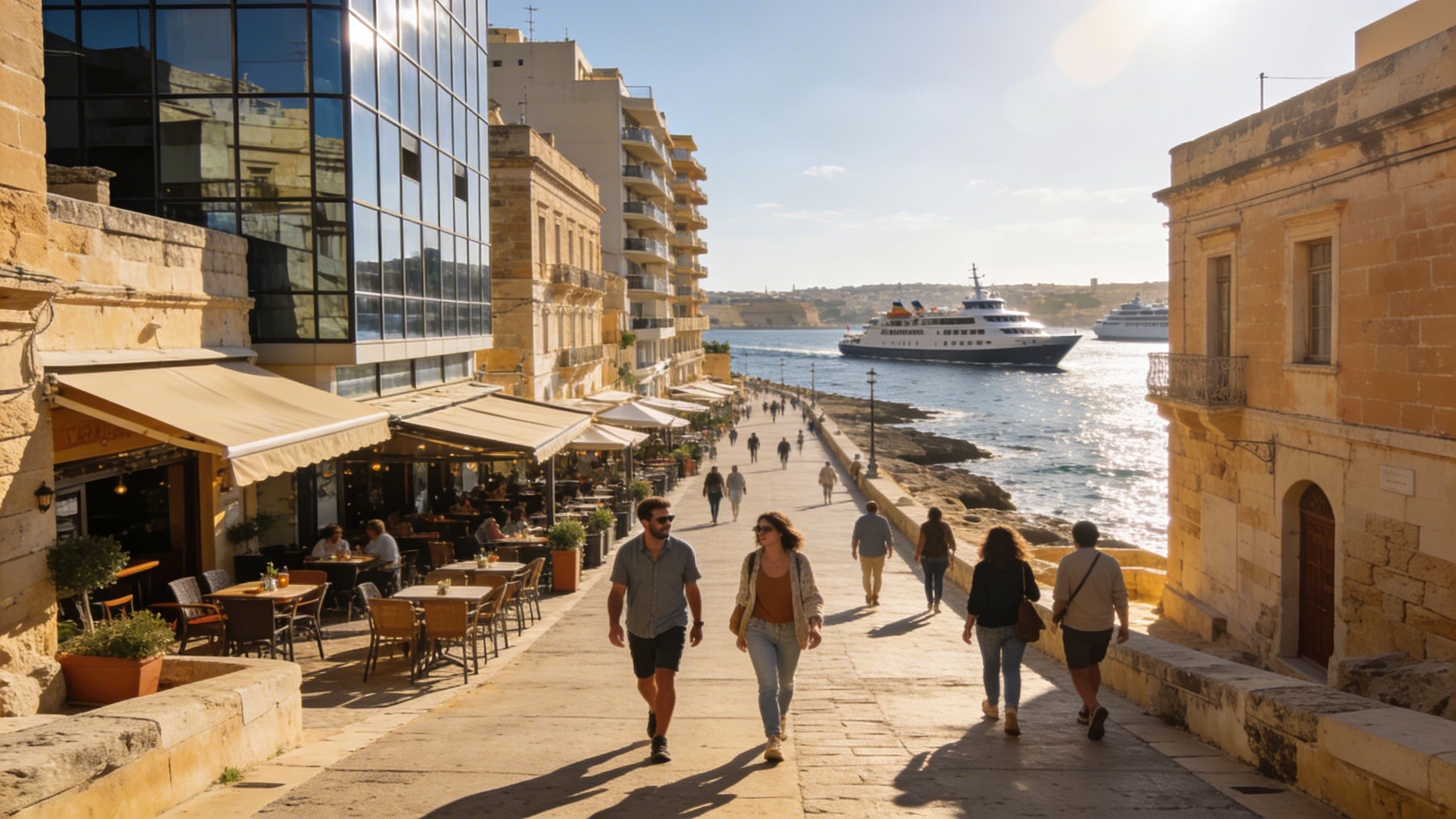
Imagine starting your morning with an espresso on a narrow Valletta lane, then an afternoon dip off St. George’s Bay — all inside a country you can cross in an hour. Malta's compactness is its secret: neighbourhood life, not endless sprawl, shapes daily routines. But when readers hear “Malta is expensive” they picture only Sliema penthouses and St. Julian’s nightlife. That’s a partial truth. Below we show where the real lifestyle value hides and what to check before falling in love.
Living the Malta lifestyle
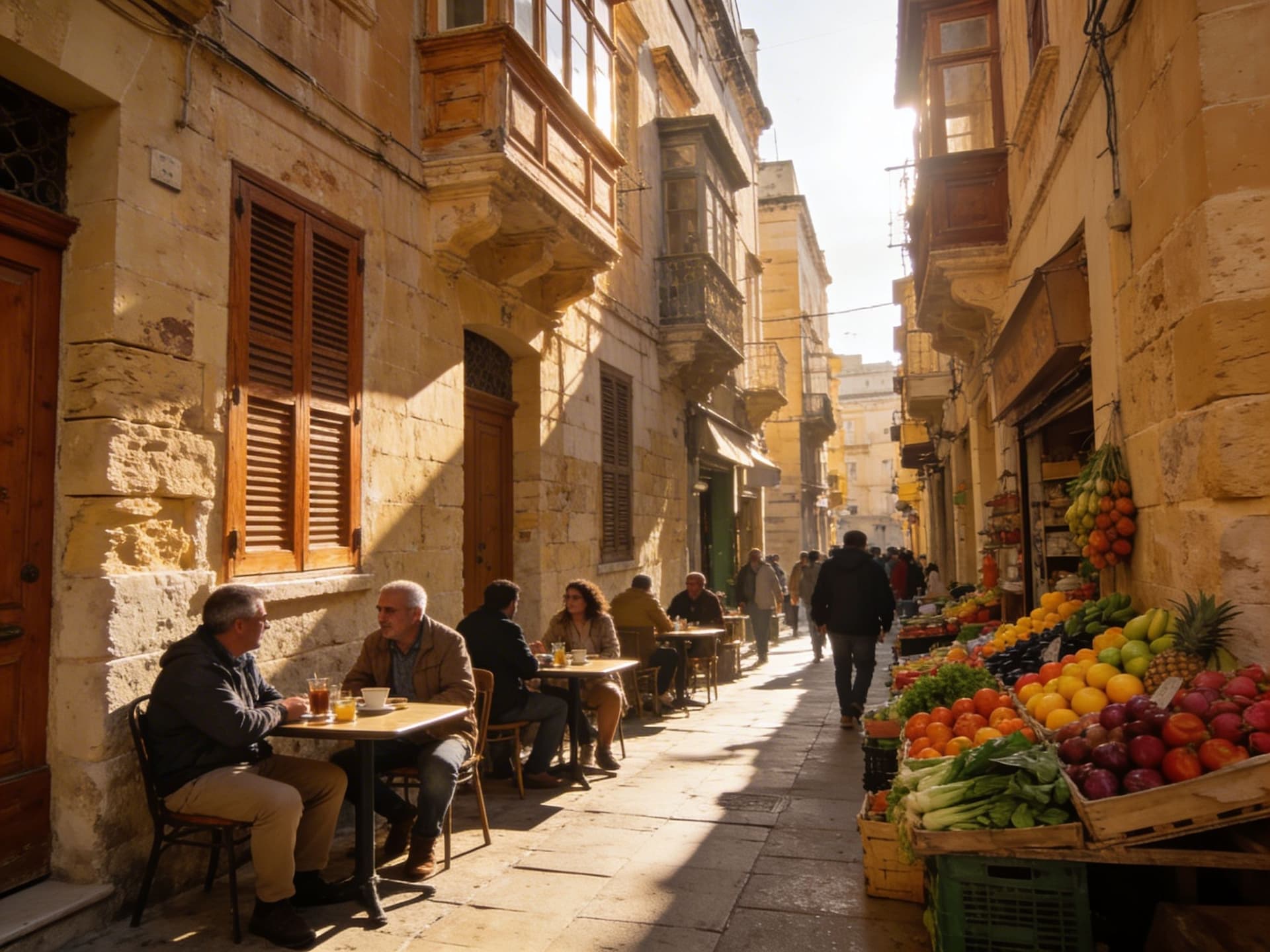
Malta feels Mediterranean-but-urban: morning markets, late dinners, churches marking time, and sea on the horizon from many neighbourhoods. Prices have been rising nationally (NSO RPPI showed a 5.2% rise in Q4/2024) which explains the headline ‘expensive’. But headline rises mask micro‑markets where lifestyle value and quality of life still trade cheaper than the hotspots. We start with how daily life maps to pockets of value.
Valletta and the Three Cities — history you live in
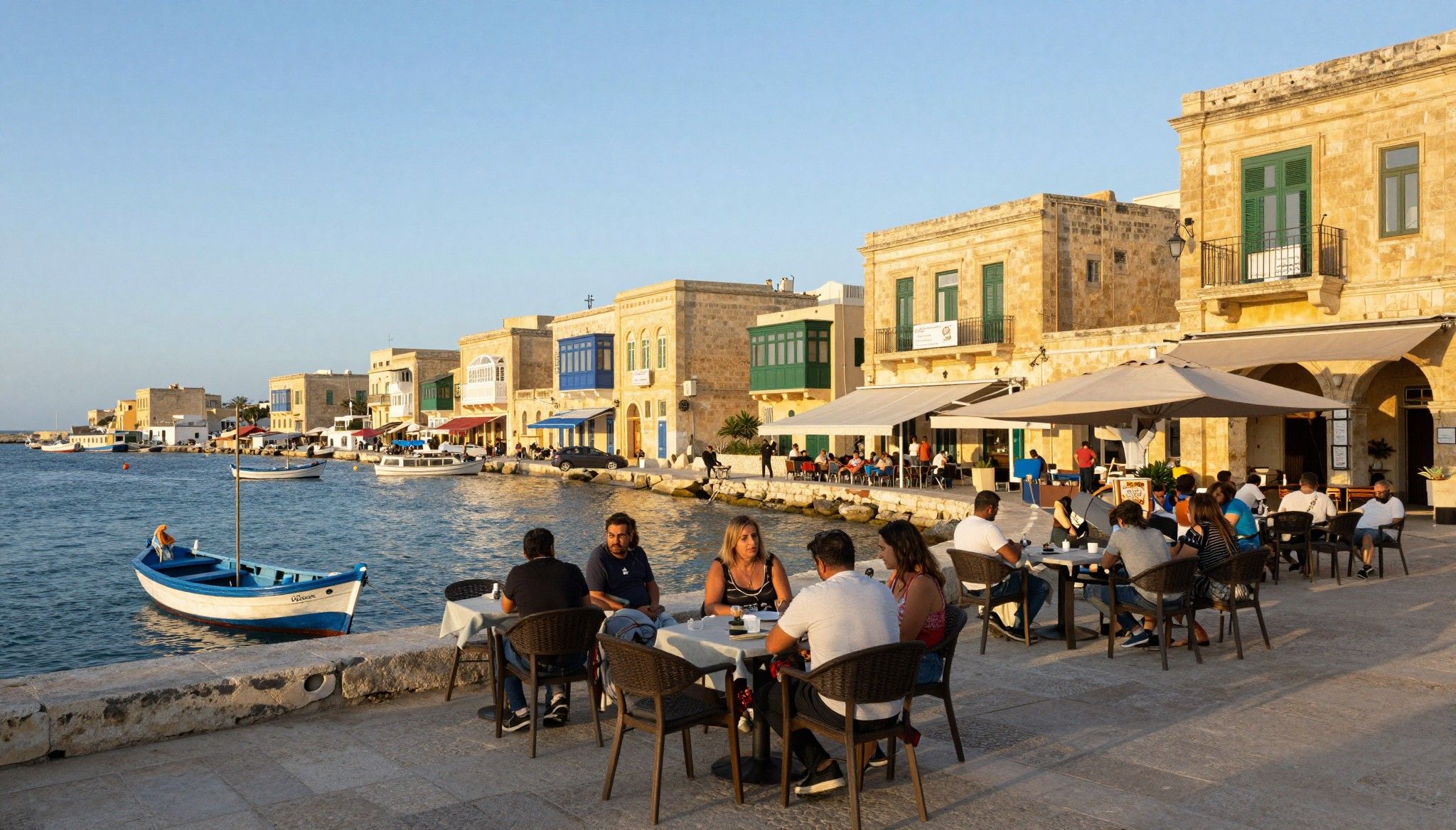
Valletta is theatre: limestone facades, narrow streets, and cafés spilling onto plazas. Yet living here is quieter than its tourist image — mornings are for market bread and evenings for small concerts. The Three Cities (Vittoriosa, Senglea, Cospicua) offer larger homes and waterfront promenades for less per square metre than central Valletta, and they reward buyers who want space, character, and community over trophy sea views.
Sliema, St Julian’s and Gżira — vibrant, convenient, pricier
If you want cafés open at 08:00, waterfront walks, and coworking options, Sliema and St Julian’s deliver — and they cost for that convenience. Gżira sits between them with quieter streets and surprising brownstone conversions that often undercut a Sliema price for similar commute and amenities. For remote workers, these towns are easy to live in — but expect to pay the premium for immediate seafront life.
Northern and rural pockets — stretched value and coastal calm
Mellieħa, Għargħur and parts of the north shore give you beaches, country lanes and larger terraces without Sliema’s price. Life here is slower: weekend markets, cliffside walks and small-town bars. For families and buyers craving outdoor space, these areas routinely offer better square‑metre economics — you trade commute time for larger indoor-outdoor living.
- Lifestyle highlights: Valletta opera nights; Sunday fish market at Marsaxlokk; café culture on Tower Road, Sliema; Għajn Tuffieħa sunsets; artisan shops in Rabat; English-language community groups in St Julian’s.
Making the move: practical considerations that protect the lifestyle
Your emotional map (which café, which beach) needs to meet a legal and market map. Malta’s residency and citizenship programmes have seen major scrutiny — the European Court of Justice ruled elements of the former citizenship-for-investment approach unlawful — so don’t assume fast-track routes remain unchanged. Work with advisers who cite current legal positions and put timelines in writing.
Property styles & how they shape everyday life
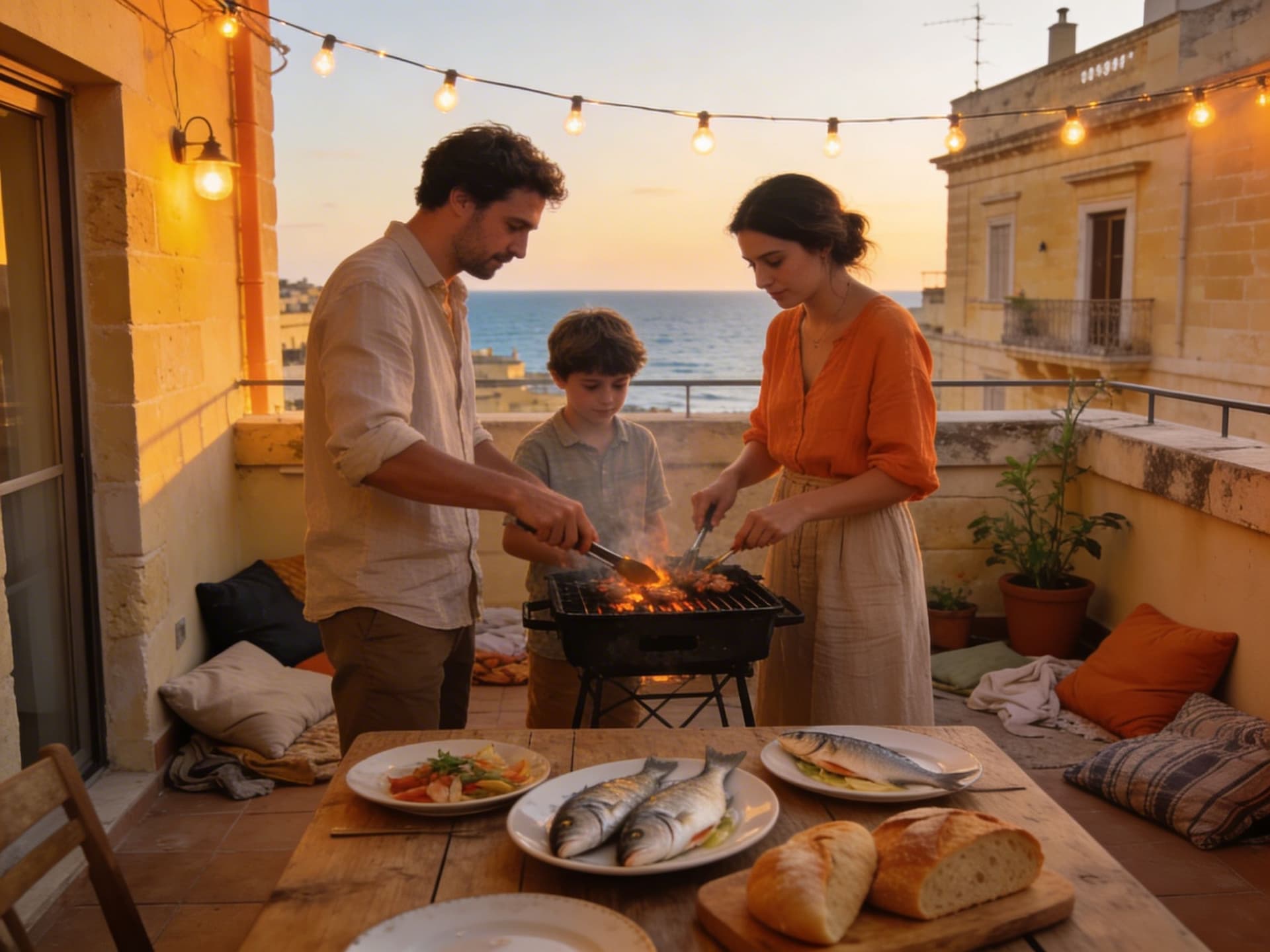
Maisonettes with rooftop terraces are Malta’s practical luxury: small footprint, big outdoor life. Converted townhouses give you thick walls and interior courtyards but often need upgrading. New apartment blocks offer lift access and modern MEP systems but can be denser and lack the character of older buildings. Match the property type to how you plan to live — terraces for social life, thicker masonry for cooler summers.
Working with local experts who know the rhythm
- 1. Ask agents for transaction examples (street, price, year) to verify neighbourhood pricing. 2. Request utility and service records — older homes can have higher running costs unless rewired. 3. Insist on architectural surveys for converted townhouses — moisture and subsidence matter. 4. Meet local residents: a coffee chat will tell you more than a glossy brochure. 5. Confirm short‑term rental restrictions if you plan to let; areas like St Julian’s have active rules and community limits.
Insider knowledge: what expats wish they'd known
Expats often talk about two surprises: noise (church bells, festas, nightlife pockets) and the pace of bureaucracy. Festas are central to community life — they’re loud, social and worth joining — but they can shift your idea of a quiet weekend. Also, services such as local council permits or utility upgrades sometimes take longer than expected; plan time into any renovation.
Cultural integration and daily routines
Maltese people are direct and proud of local traditions. English is official alongside Maltese, so language barriers are low for many buyers, but learning a few Maltese phrases opens doors. Join a football club, volunteer at a village festa, or attend a neighbourhood pottery class — social life is local and personal, and friendships are often made over food.
Long-term lifestyle and property considerations
- Factors to weigh for sustainable living and value: recent national price growth; proximity to services and coastline; building fabric and maintenance; travel access (ferry, bus routes); regulation changes to residency and investment programmes.
We’ve shown pockets where lifestyle and value converge: Three Cities for space and waterfront character, Gżira for convenience without Sliema’s premium, Mellieħa for family terraces. To move from dreaming to living, pick three neighbourhoods, spend three different days in each (market morning, evening, a weekday), and ask an agent for two comparable sold transactions per neighbourhood. That simple practice separates postcards from real, livable options.
Conclusion: Malta’s headline ‘expensive’ label is real for certain corridors, but the country’s texture and small-scale variety mean international buyers can still find high‑value lifestyle pockets. Start with lived experience — mornings in a café, an evening walk to the sea — then back it with transactions, surveys and clear legal timelines. When you combine local routine with careful due diligence, Malta stops being a postcard and becomes home.
Danish investment specialist who relocated to Costa del Sol in 2015. Focuses on data-driven market timing and long-term value for Danish buyers.