Fall for France — Insist on the File
Fall for France’s markets — but insist on diagnostics, notaire checks and local indices (INSEE/Notaires) to turn romance into a resilient purchase.

Imagine walking out at 9 a.m. to buy warm baguettes on Rue des Rosiers in Le Marais, then hopping a tram to the Canal Saint‑Martin for an afternoon of cafés and people-watching. That visceral, small‑scale rhythm is what draws people to France — and what shapes real estate value more than glossy headlines about “Paris prices.” We’ll show you how that daily life maps to disclosure rules, local inspections and the quiet data that truly matters when you buy here.
Living the French life — what you actually get

France is not a single market: urban apartments, provincial townhouses and coastal villas live on different financial rhythms. In Paris, morning cafés and narrow staircases are everyday variables; in Biarritz or Nice, the sea alters seasonal demand and rental returns. For buyers, lifestyle choice is the first filter — then you translate that filter into property-type, expected running costs and the inspections you’ll insist on before signing.
Neighborhood pulse: Paris, Bordeaux, Provence and the Atlantic coast
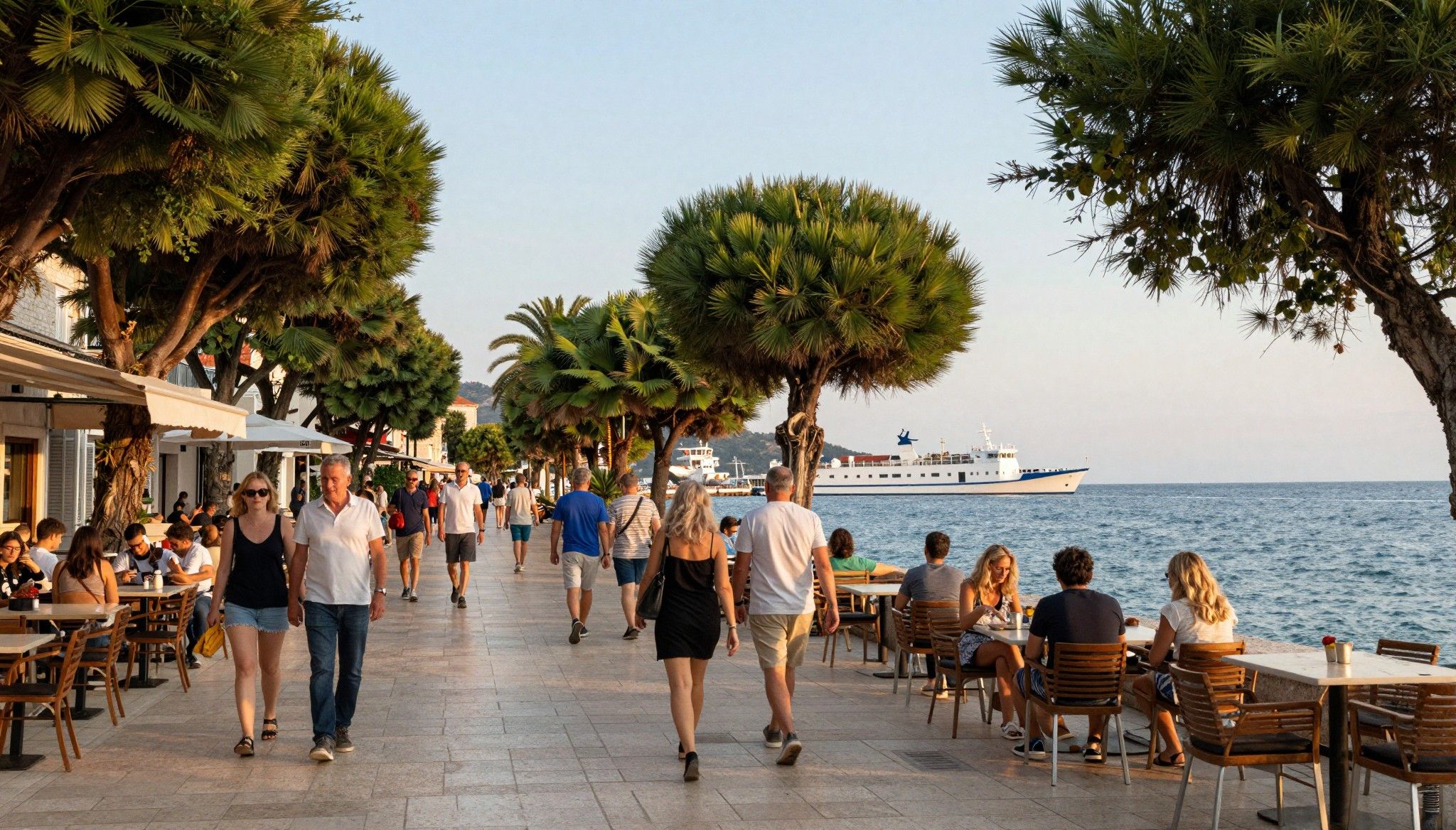
Le Marais and Saint‑Germain keep their old‑world charm — tiny boutiques, narrow staircases and strong conservation rules — while parts of the 13th and 20th arrondissements feel newer and more price‑flexible. In Bordeaux and Lyon you trade floor space for provenance: wider rooms, lower per‑m² prices and fast‑growing cultural scenes. On the coast — Biarritz, La Rochelle, Nice — summer demand pushes short‑term rentals, but long‑term community and infrastructure matter for quality of life year‑round.
Food, markets and the rhythm of living
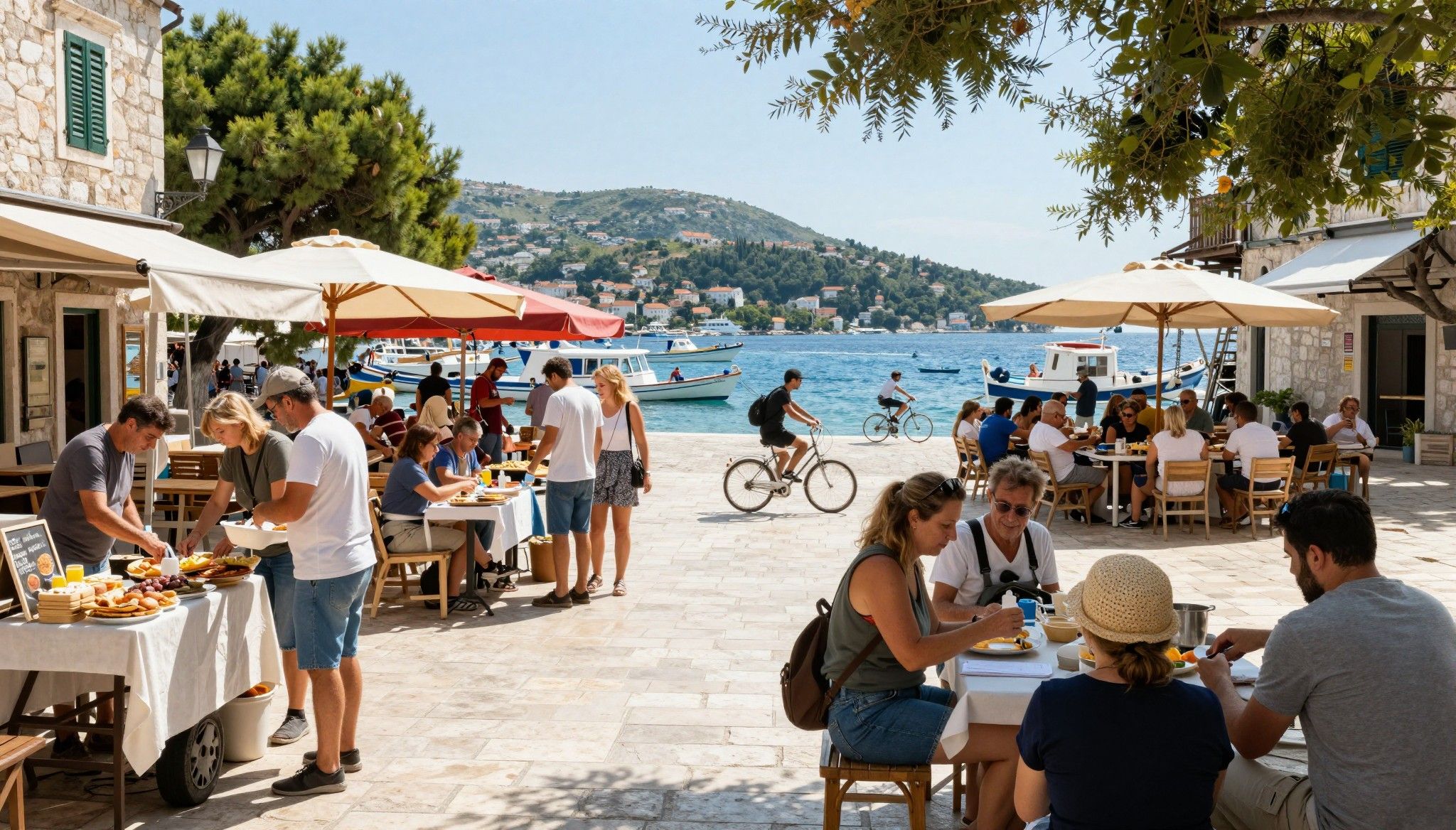
Weekends are market days: Marché des Enfants Rouges in Paris, Cours Mirabeau markets in Aix, or the fish stalls of Marseille’s Vieux‑Port. These habits shape where locals want to live and, therefore, where prices are sticky. For buyers who prize daily ritual — morning espresso on a terrace, market strolls, an open‑air dinner — proximity to these routines often matters more than an extra bedroom.
- Lifestyle highlights to match with property types
• Morning market life (Le Marais, Aix): compact apartments, steps to shops • Seaside weekends (Biarritz, Côte d'Azur): terraces, sea‑view windows, maintenance for salt air • Provincial calm (Dordogne, Loire Valley): restored farmhouses, plots and renovation allowance • City renovation (Lyon Croix‑Rousse): older buildings, co‑ownership rules and stair access • Cultural hubs (Lille, Nantes): growing rental demand and city renewal projects
Making the move: practical transparency you’ll want to insist on

France has a strong disclosure culture — but the specifics matter. Sellers must provide a package of diagnostics (DPE, plomb, amiante, termite, etc.) that informs buyers about material risks. These are not optional niceties: they limit surprises and let you price in remediation or negotiate. Check each report’s date and scope; some documents (like DPE) have legal requirements linked to sales timelines and energy labels.
What the mandatory diagnostics really tell you
The Diagnostic de Performance Énergétique (DPE) gives an energy grade and, when the result is E–G, often triggers a required audit or further disclosure. It’s a practical measure: poor DPE scores imply immediate costs (insulation, new heating) and long‑term running expenses. Treat a DPE worse than D as a negotiation lever — and ask for contractor estimates before finalising a price.
How to read seller documents like a local
Don’t just accept diagnostics at face value. Check validity dates — some reports expire — and match them against the notaire’s file and copropriété minutes if it’s an apartment. Ask for recent utility bills to judge real running costs. If the seller resists providing older reports or refuses to allow a private survey, see that as a red flag worth walking away from.
- Steps to verify transparency before you sign
1) Request all diagnostics and recent copropriété minutes. 2) Cross‑check price trends with Notaires/INSEE indices and local agent comparables. 3) Order an independent survey for structural/roof/ground risks. 4) Get contractor quotes for any repair items found. 5) Ensure the notaire’s preliminary contract reflects agreed remediation or price adjustments.
Insider knowledge: myths, red flags and surprising opportunities
Let’s bust one myth: France isn’t uniformly “expensive.” City cores and coastal strips are priced for scarcity, but many regional markets offer real value — especially for buyers who prioritise space and long‑term lifestyle over immediate capital growth. The real transparency challenge is local: co‑ownership debts, zoning restrictions, and unresolved permits can blindside buyers unfamiliar with French paperwork.
Common red flags you should never ignore
• Missing or expired diagnostics (DPE older than 10 years) • Large, unexplained copropriété charges or special assessments • Incomplete building permits for renovations or extensions • Seller unwilling to sign a clause linking sale price to remediation work • Sharp, unexplained discounts vs comparable sales
Where contrarian buyers find value
Look beyond headline growth: smaller provincial towns near transport corridors or university cities often show steadier rents and less volatile prices. Check INSEE and notaires’ local indices for suburbs where supply is expanding or where renovation grants reduce effective cost. These are the pockets where lifestyle gains (space, gardens, community life) compound over time.
Working with agents who understand local transparency
Good local agents don’t just show homes — they collect the file. Ask your agent to provide a dossier with diagnostics, copropriété minutes, recent utility bills and comparable sales. Insist on seeing the notaire’s preliminary title check (attestation de situation) early. Agencies that push transparency will save you weeks of surprises and a lot of money later.
Conclusion — fall in love, but make the file fall in love with you
France is sensory: markets, cafés, coastlines and small rituals. Let that romance lead your search but let documents and local data temper it. Use mandatory diagnostics, notaire checks and public indices (INSEE/Notaires) as your decision framework. When you combine lived‑in lifestyle choices with rigorous transparency checks, you buy a life — not a liability.
Next steps: compile seller diagnostics, order an independent survey, and ask your agent for a full dossier including copropriété minutes and recent utility bills. If you'd like, we can recommend local firms that specialise in international buyer transparency checks.
British expat who relocated to Marbella in 2012. Specializes in rigorous due diligence and cross-border investment strategies for UK and international buyers.