Cyprus: Life, Local Price Signals & Smart First Steps
A sensory, data‑backed guide to buying in Cyprus: where lifestyle and uneven district trends meet, with practical checks, local signals and sources.
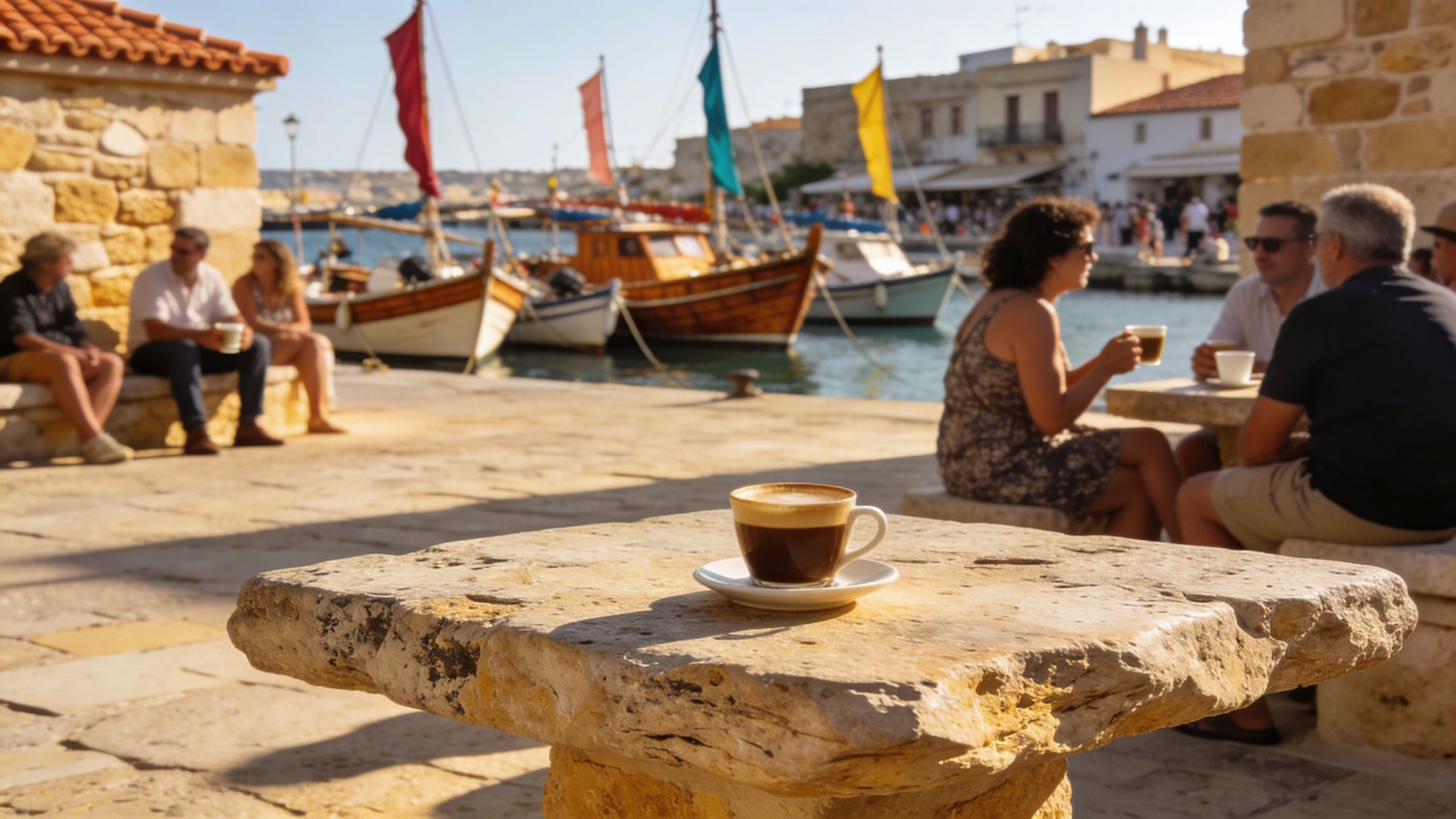
Imagine stepping out for espresso on Limassol's Molos promenade, then wandering narrow lanes lined with bougainvillea to a taverna where the owner already knows your order. That ease — sun, sea, social food culture — is what draws people from London, Moscow and beyond. But for many international buyers the romantic picture collides with a clutter of data: differing district trends, periodic price cool-offs and legal minefields in the north. This guide mixes the day-in-the-life charm of Cyprus with the hard numbers and local signals you need to make a confident purchase.
Living the Cyprus life
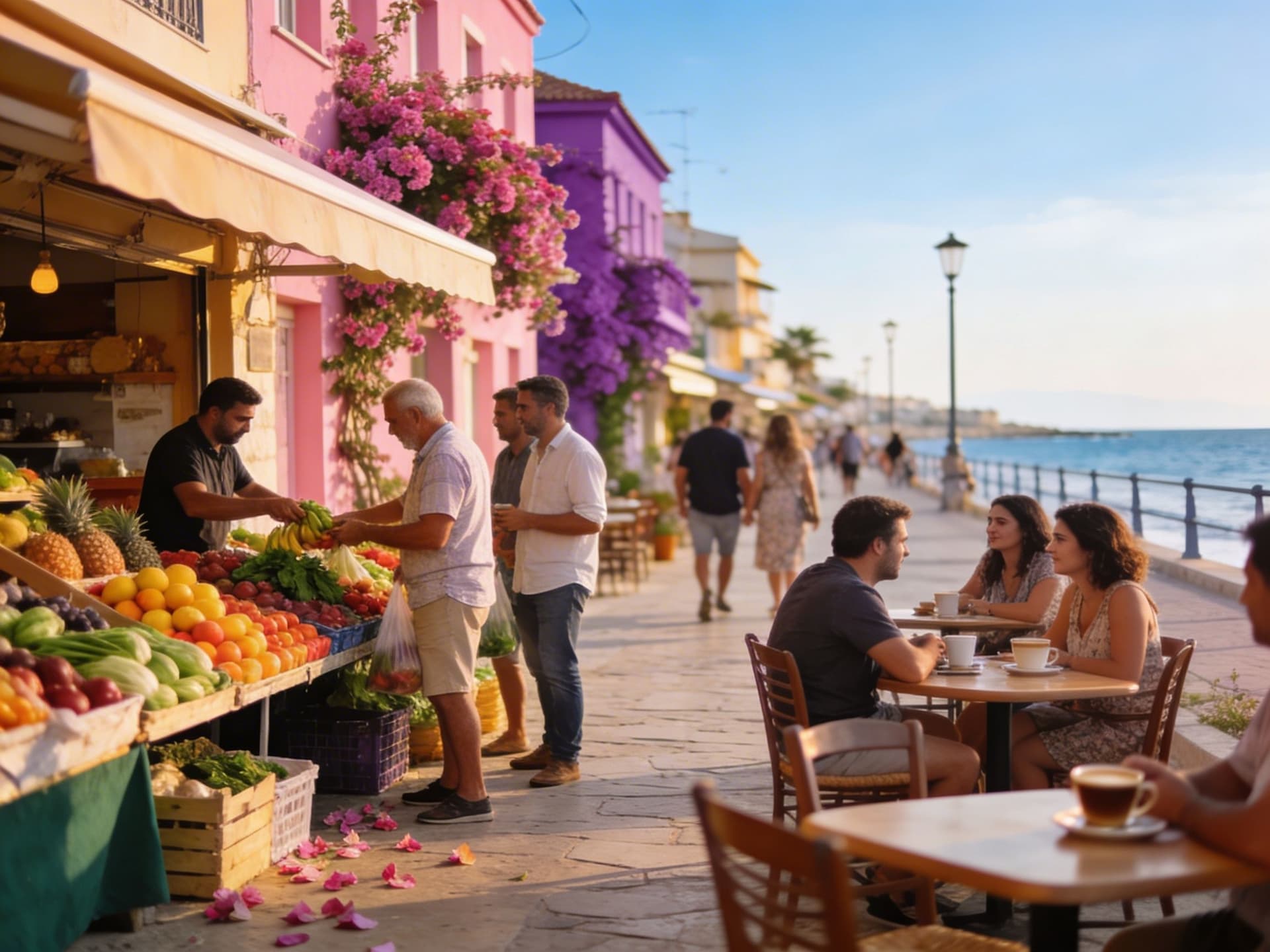
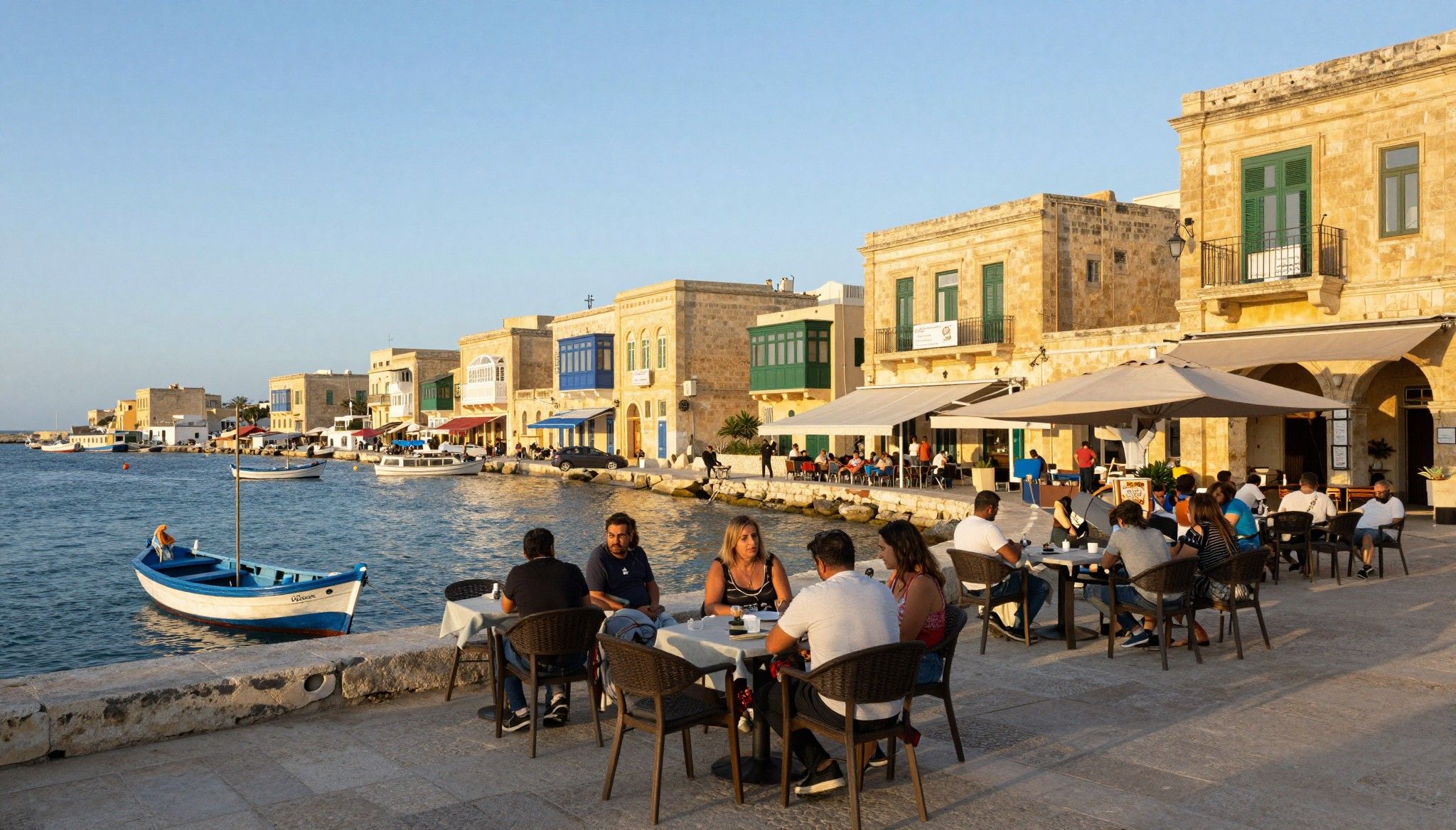
Cyprus feels simultaneously coastal and village‑small. Mornings belong to cafes along Finikoudes in Larnaca; afternoons to beaches in Ayia Napa and Protaras; evenings to family tables in Paphos' old town. The island's rhythm is slow in winter, lively in summer, and punctuated by community festivals and market days. Those rhythms shape what you buy — a sunny apartment with a sea view for seasonal life, a stone village house for year‑round calm — and where prices hold or soften.
Where each coast tells a different story
Limassol reads like an international small city — yacht marinas, multinational schools and premium developments. Larnaca is quietly rising: better value and improving infrastructure. Paphos trades between holiday villas and surprisingly robust local life. Nicosia is practical and steady, good for long‑term rentals and families. Recent national indexes show modest, regionally uneven growth rather than a uniform boom; in Q4 2024 the house price index recorded a small quarterly dip while still rising year‑on‑year, a pattern buyers should weigh when timing offers.
Food, markets and the small details that matter
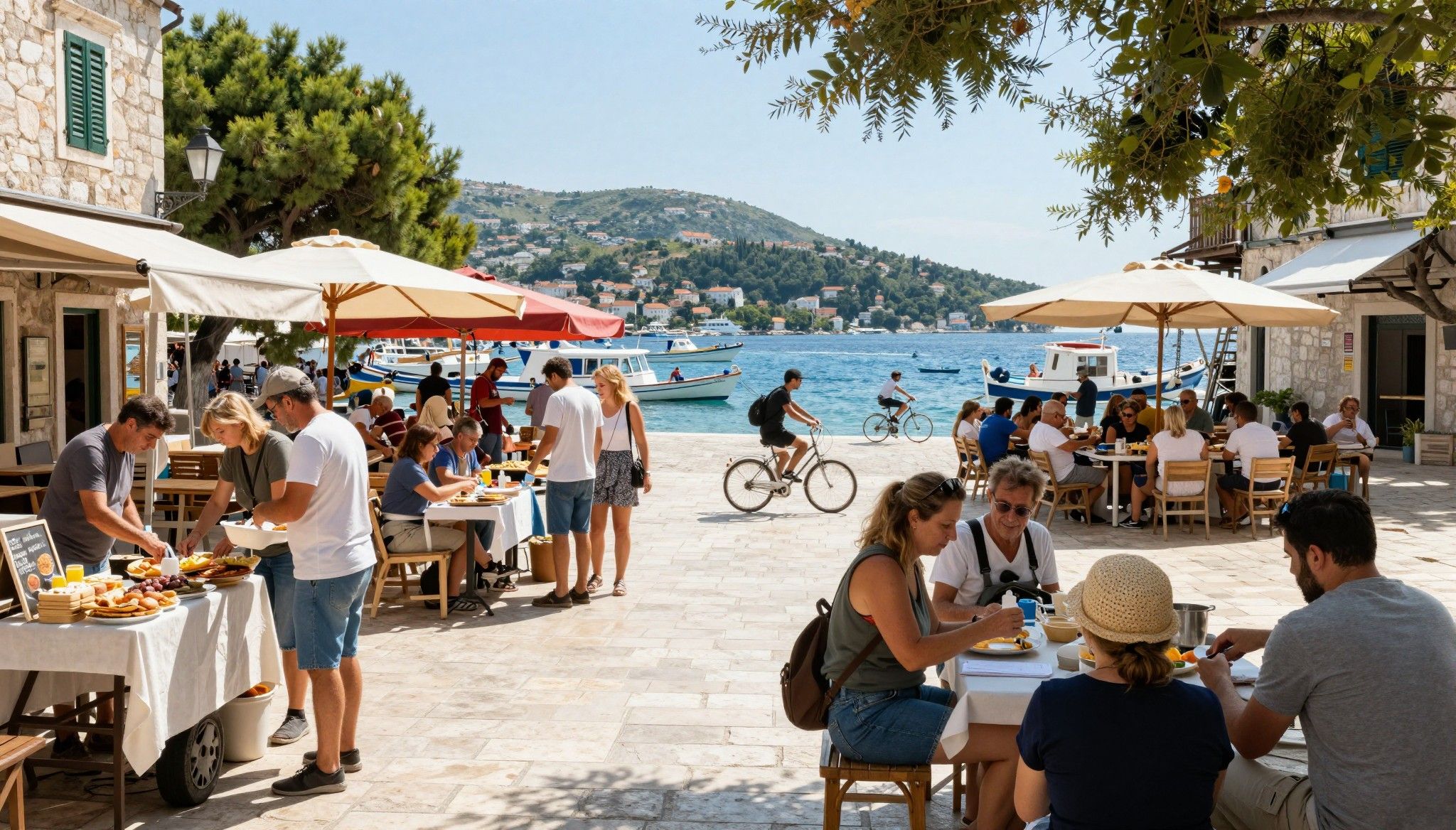
Buying in Cyprus is buying into ritual: weekend markets (e.g., Paphos municipal market), late dinners, and coffee culture that spills onto sidewalks. Those details affect daily life: proximity to a market matters more than a second bathroom if you love cooking with fresh produce; a north‑facing balcony changes how you use outdoor space in summer. Think less square metres and more patterns of living — then match property choices to how you want to spend mornings and weekends.
- Morning espresso along Finikoudes promenade (Larnaca) — people watching and fast paperwork cafés
- Weekend market at Paphos municipal market — fresh fish, sociable bargains and neighbourhood ties
- Sunset walks on Limassol Molos — terrace life and easy entertaining
- Village festivals in Troodos mountains — seasonal community and restored stone houses
Making the move: practical considerations
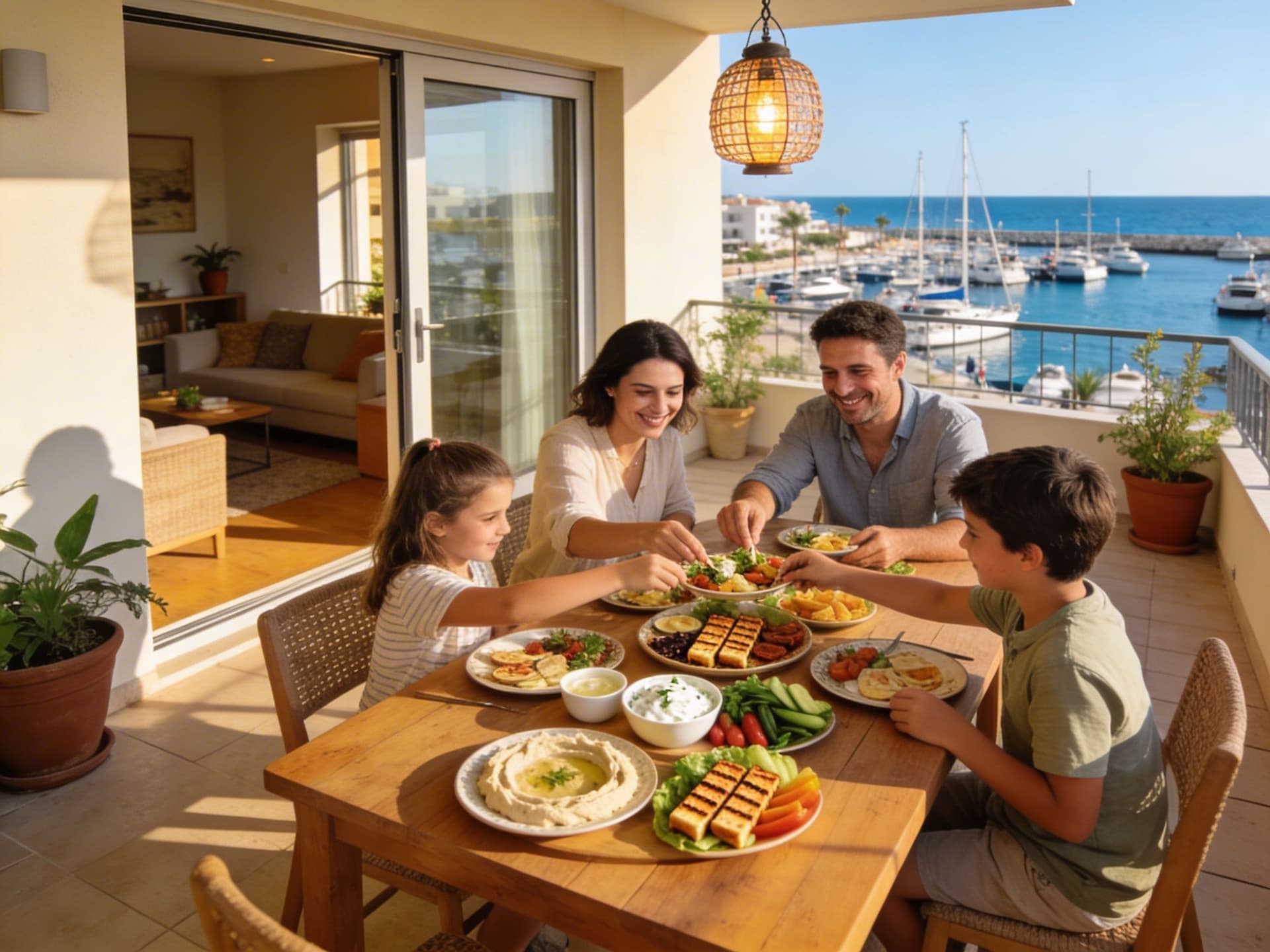
Once the dream is set — terrace breakfast, seaside strolls — practicalities decide whether it remains a dream. Cyprus has clear district differences in liquidity and price momentum, and an unresolved geopolitical division that impacts some coastal offers. We recommend pairing lifestyle wishlists with a map of legal and market risks so you avoid common traps like listings in disputed north areas. Agents who know local law and recent enforcement trends are not optional; they're essential.
Property types and the lifestyle they buy
Apartments on the coast are seasonal gold for rentals and social life but can be more volatile in demand. Townhouses near school catchment zones buy community and stability. Village houses in the Troodos offer slow‑life authenticity and lower price per square metre but often need renovation. Match the property fabric to how you plan to use it — full‑time living, seasonal stays or yield‑focused letting — and budget a practical renovation reserve for older stock.
How local experts turn lifestyle into a shortlist
- Work with an agency that does three specific things: translates your lifestyle brief into neighbourhoods; verifies legal title and recent court activity for the area; and tests rental yield scenarios against real bookings data. A good local agent will send you neighbourhood walking videos, introduce you to a notary who understands international buyers, and provide comparable sales not just glossy listings. That saves time and screens out properties that look good in photos but fail as places to live.
- Ask for net yield scenarios that include realistic vacancy and management costs — not headline rental rates. Get a renovation estimate from a local contractor before you commit to price. Have your solicitor check historical land claims if a property is near the Green Line or in areas targeted by north‑side developers.
Insider knowledge: what expats wish they'd known
The most common regret we hear from buyers is letting market narratives — 'Limassol is always hot' — override the question: which place fits how I want to live daily? In 2024‑25 demand shifted toward sub‑€300k homes across several districts, meaning there are real opportunities for buyers who want community life rather than a trophy seafront pad. Expats who settle longest choose a neighbourhood first, then a property, not the other way around.
Culture, language and making friends
English is widely spoken, especially in coastal towns, but a few phrases of Greek open doors. Join a local club — sailing in Limassol or a cooking class in Paphos — and you'll quickly find neighbours who become allies for repairs, recommendations and fiestas. Expect slower official timelines; patience and local relationships pay off far more than speed when settling paperwork or organising contractors.
Long‑term life and market outlook
Macro indicators show modest national growth with meaningful local variance — some districts accelerating, others plateauing. Knight Frank and national indexes place Cyprus lower in global growth rankings recently, signalling a maturation from a hot market into a more selective one. That benefits buyers who take time to pick value pockets: steady rental demand corridors, improving infra (like Larnaca) and villages where restoration adds clear value.
- Red flags to watch: listings in Turkish‑administered north without clear legal history; too‑good‑to‑be‑true yields; agents reluctant to share comparable sales.
- Value signals: rising permitting activity, increased mortgage lending, and steady demand for sub‑€300k stock in multiple districts.
- Step‑by‑step starter checklist: 1) Visit chosen neighbourhoods in two different seasons; 2) Commission a local title search; 3) Get a contractor quote for obvious works; 4) Model rental and occupancy conservatively before offering.
Cyprus can be both a place of sunlit mornings and a sound investment if you match lifestyle with realistic market signals. Start with the life you want — coffee spots, school choice, seaside walks — then layer the data: district price trends, permitting activity and legal clarity. Work with an agent who frames the market in neighbourhood stories, not just sales spreadsheets. When those two things line up, you end up with a home that feels like a discovery and an investment that behaves like one.
British expat who relocated to Marbella in 2012. Specializes in rigorous due diligence and cross-border investment strategies for UK and international buyers.