Why Italy’s Summer Hype Skews Coastal Prices
Summer postcards mislead coastal buyers. See why low‑season visits, year‑round data and lifestyle-led inspections change where and how to buy in Italy.
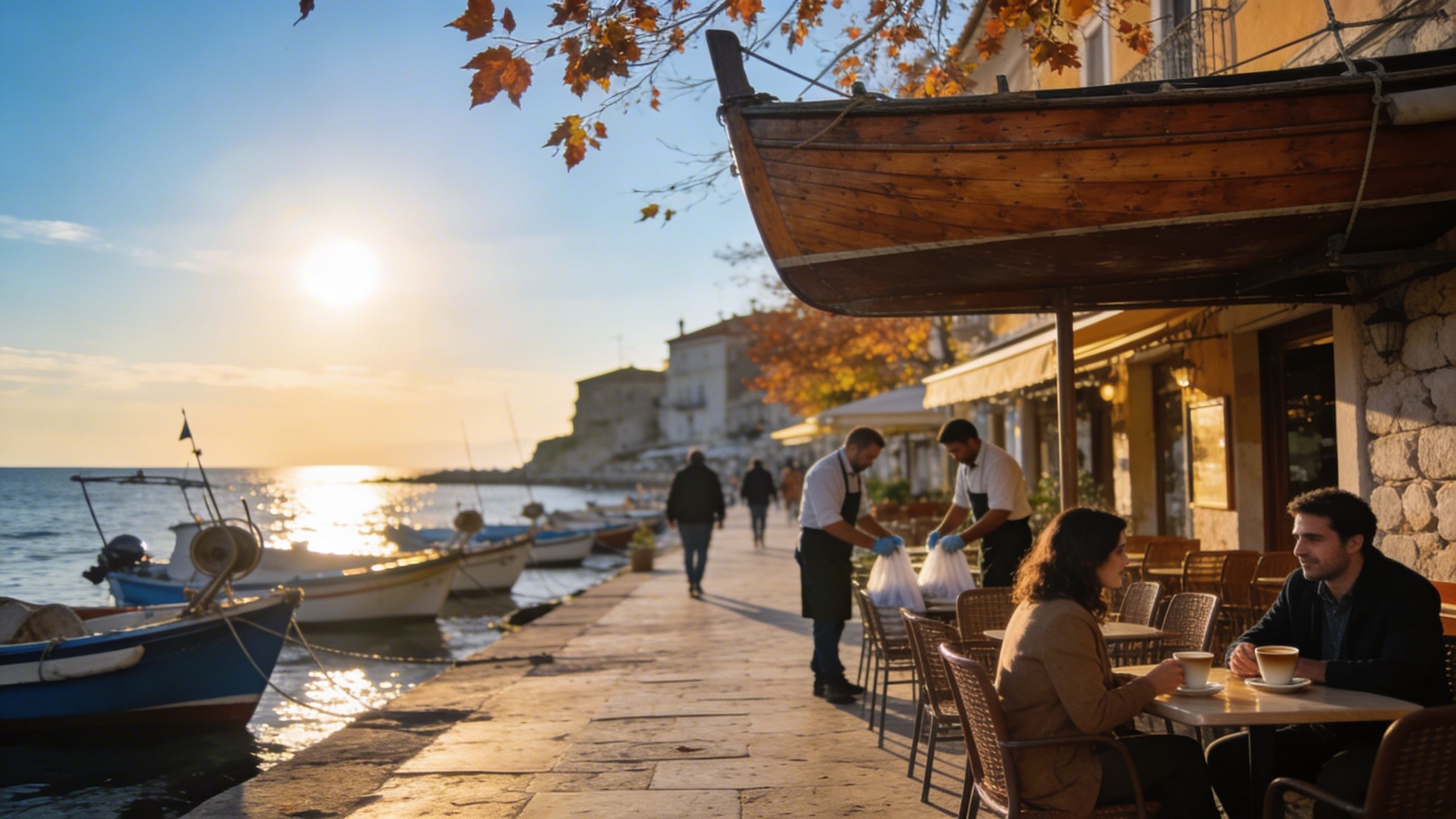
Imagine sitting on a terrace in Positano in late October: fewer tour groups, the air smells of simmering tomato sauce and wood-fired pizza, and the pace slows to exactly the rhythm you moved abroad to find. The problem is most buyers arrive in July — dazzled by sunlit postcards — and assume the market they see then is the market that always exists. That assumption changes everything, from how you price offers to where you look for authentic coastal life.
Living the Italy coastal life — more than summer postcards
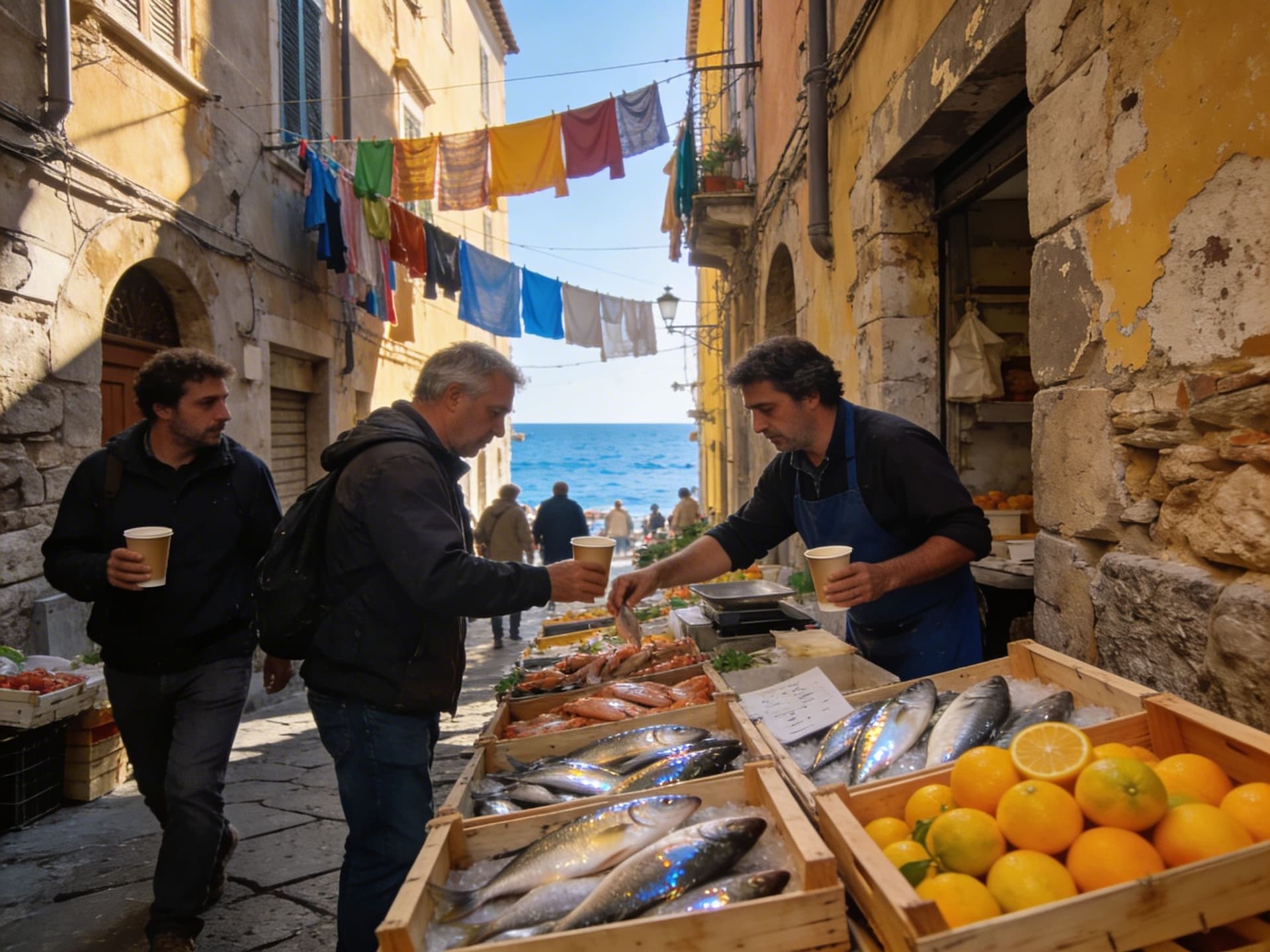
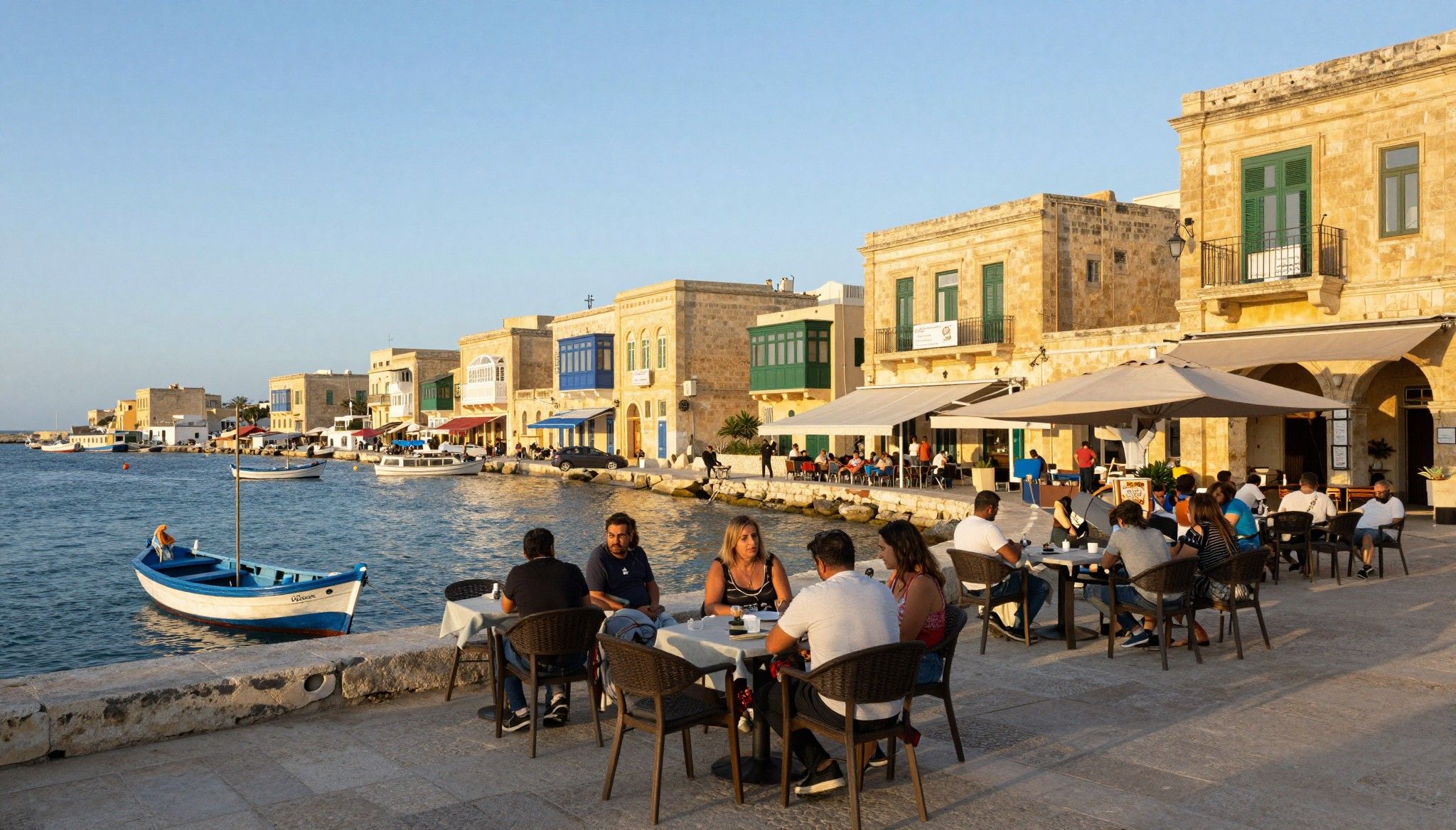
The Italian coast is seasonal in mood and market. In seaside towns from Liguria to Calabria, mornings begin with brisk coffee at the bar and fishermen unloading catch. Afternoons can be quiet — siesta, maintenance, community life — and evenings come alive with passeggiata and aperitivo. That rhythm shapes what you buy: a sea-view studio works for July renters, but a ground-floor apartment with a sunny courtyard or a covered veranda will feel more liveable the other nine months of the year.
Neighborhood spotlight: Santa Margherita Ligure vs. Levanto
Santa Margherita Ligure hums with polished yachts and bright façades; Levanto, a 20-minute train ride west, keeps a quieter surf-and-market energy. Both show coastal Italy, but they attract different life rhythms: one leans social and polished, the other leans local and seasonal. For buyers, that translates into different ideal property types and rental stories — short-term holiday demand in Santa Margherita, steady four-season occupancy potential in Levanto.
Food, markets and the small moments that sell the life
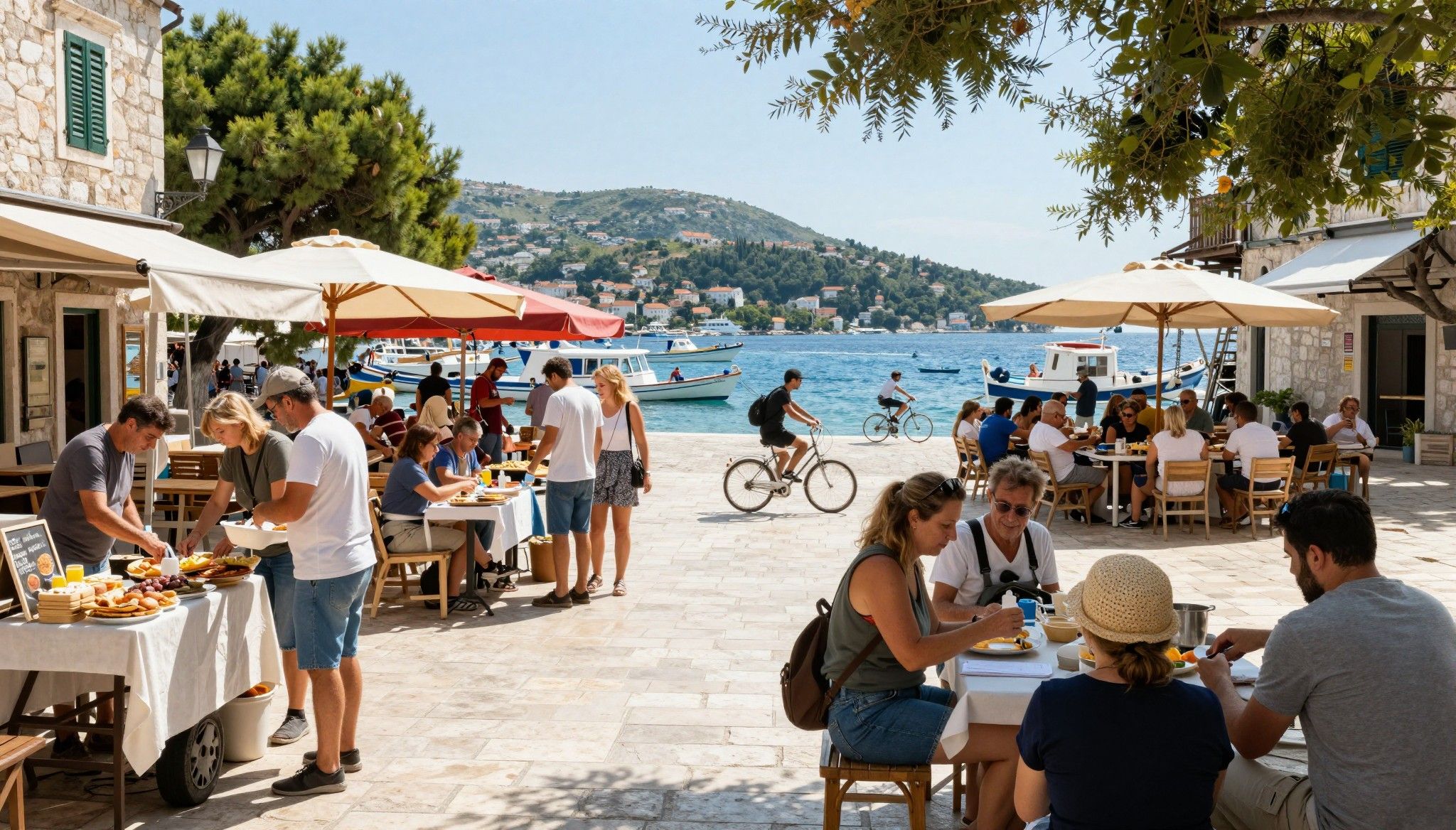
You’ll fall for morning markets: the paper-wrapped baccalà in Amalfi, the Tropea onions in Calabria, the tiny fish grilled at dusk. Those rituals matter to buyers — they decide which street you want to open into, whether you need two bathrooms for visiting family, and whether a kitchen with a morning light is non-negotiable. Local professionals use these lifestyle cues to match homes to buyers; the market data (and Nomisma’s recent reports) simply explain why some places outperform others in off-season demand.
- Lifestyle highlights to look for in coastal towns:
- Daily markets (e.g., Porto Empedocle fish market), early-morning espresso bars that double as community hubs, short train links to regional cities (Milan, Naples), shady courtyards for summer heat, neighborhood bakeries that open at 6am.
Making the move: practical realities that preserve the dream

Lifestyle sells the dream, but transaction timing, tax rules and market cycles decide the returns. Italian house prices have had modest national shifts in recent years, with regional differences more important than headline growth. That means your seasonal observation — buying in July when coastal prices and listings look their most competitive or scarce — can easily mislead; summer creates artificial scarcity and inflated short-term comparables.
Property types and how they change everyday life
A restored fisherman’s house in a borgo gives you courtyard living and insulation from summer noise but may lack modern plumbing without renovation. A contemporary terrace apartment on a marina gives light and security but often turns into a seasonal rental machine. Think: how will you spend February, not just August? That question should shape structural priorities — heating, insulation, winter sunlight, and access to year-round services.
Work with local experts who speak lifestyle and law
A good agent is part anthropologist, part lawyer. They'll know which streets empty out after August, which municipal regulations affect rentals, and which renovations need pre-approval. If residency matters to you, note that direct real-estate investments are not currently a straightforward route to an Italian investor visa — this changes what types of purchases international buyers consider as residency-linked strategies.
- Steps that balance lifestyle and transaction sense:
- 1. Visit in low season (Oct–Mar) to assess year-round life and service levels. 2. Ask your agent for 12‑month utility and occupancy records, not just summer figures. 3. Prioritise insulation/heating over sea view if you want true four-season living. 4. Get a local-built‑document check (urban plan, cadastre, servitudes) before offers. 5. Compare comparable sales from the same season — don’t mix July sales with November ones.
Insider knowledge: the small truths expats wish they knew
Expats often regret three things: buying to the postcard instead of the calendar, underestimating seasonal maintenance, and assuming a tourist-season rent equals year-round yield. Recent market reports show recovery and rising transaction activity, but that doesn’t erase local seasonality — coastal towns can show strong summer micro-prices while remaining steady or soft in winter.
Cultural integration and everyday life
Make friends at the bar, not the real estate office. Learn a few phrases, be visible at the market, and accept that bureaucracy is a social process as much as legal. Italians value continuity; shops, clubs and parish events are how communities knit together. Those ties matter if you’re planning long-term life rather than a summer rental short-term flip.
Long-term thinking: how the life you buy can evolve
Expect your priorities to change. A terrace that seemed essential for summer may become a secondary selling point to a buyer focused on winter heating, local schools, or healthcare access. Plan for flexibility: choose properties that adapt (convertible rooms, efficient heating, legalised extensions) rather than ones that only perform spectacularly for two months of the year.
Conclusion — if Italy’s coast seduced you in July, let it seduce you again in November. Book a low‑season visit, demand full-year data from agents, and prioritise the daily rituals you want — the markets, cafés and walks — over the postcard moment. When lifestyle and due diligence meet, you buy less risk and more life. If you’d like, we can connect you with Italy-focused agents who balance both sides and share seasonal comparables and municipal records before you make an offer.
Norwegian market analyst who serves Nordic buyers with transparent pricing and risk assessment. Specializes in residency rules and tax implications.