Fall for Cyprus — Insist on the Paper
Fall in love with Cyprus — then treat the title deed as part of the romance. Practical, lifestyle-led transparency checks for international buyers.
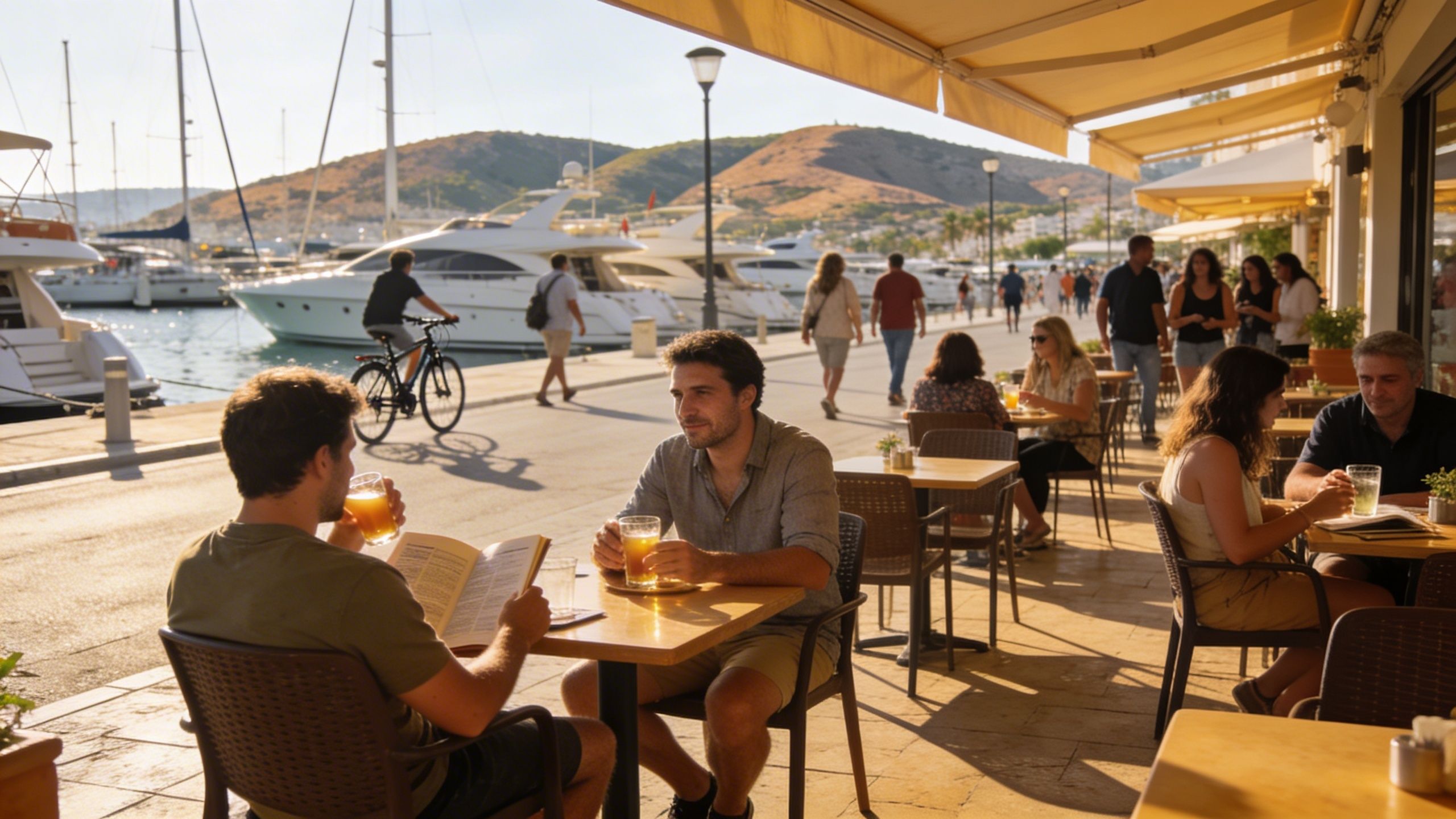
Imagine waking to the smell of almond blossoms in the Troodos foothills, grabbing an espresso at a sunlit pavement table in Limassol, then signing a contract for a stone cottage in Paphos later that afternoon. Cyprus feels small and intimate that way — beaches, mountain villages and towns stitched together by a long, slow social rhythm. But behind those café scenes lies a market with real quirks: title-deed delays, shifting residency rules and opaque off‑market listings that can trip up even experienced buyers. We start with the life you want, then show how to protect it.
Living Cyprus: daily rhythms, places and pleasures
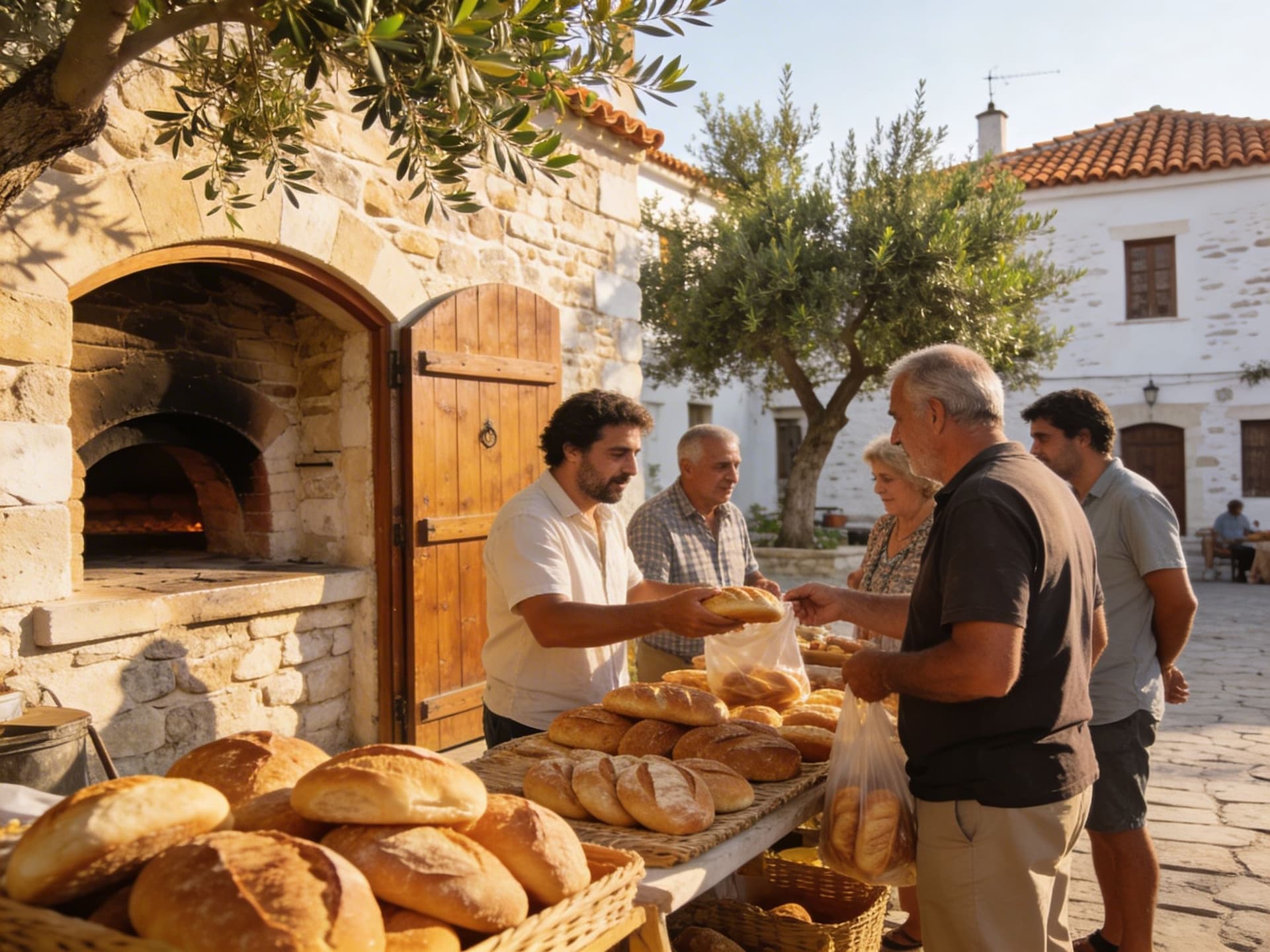
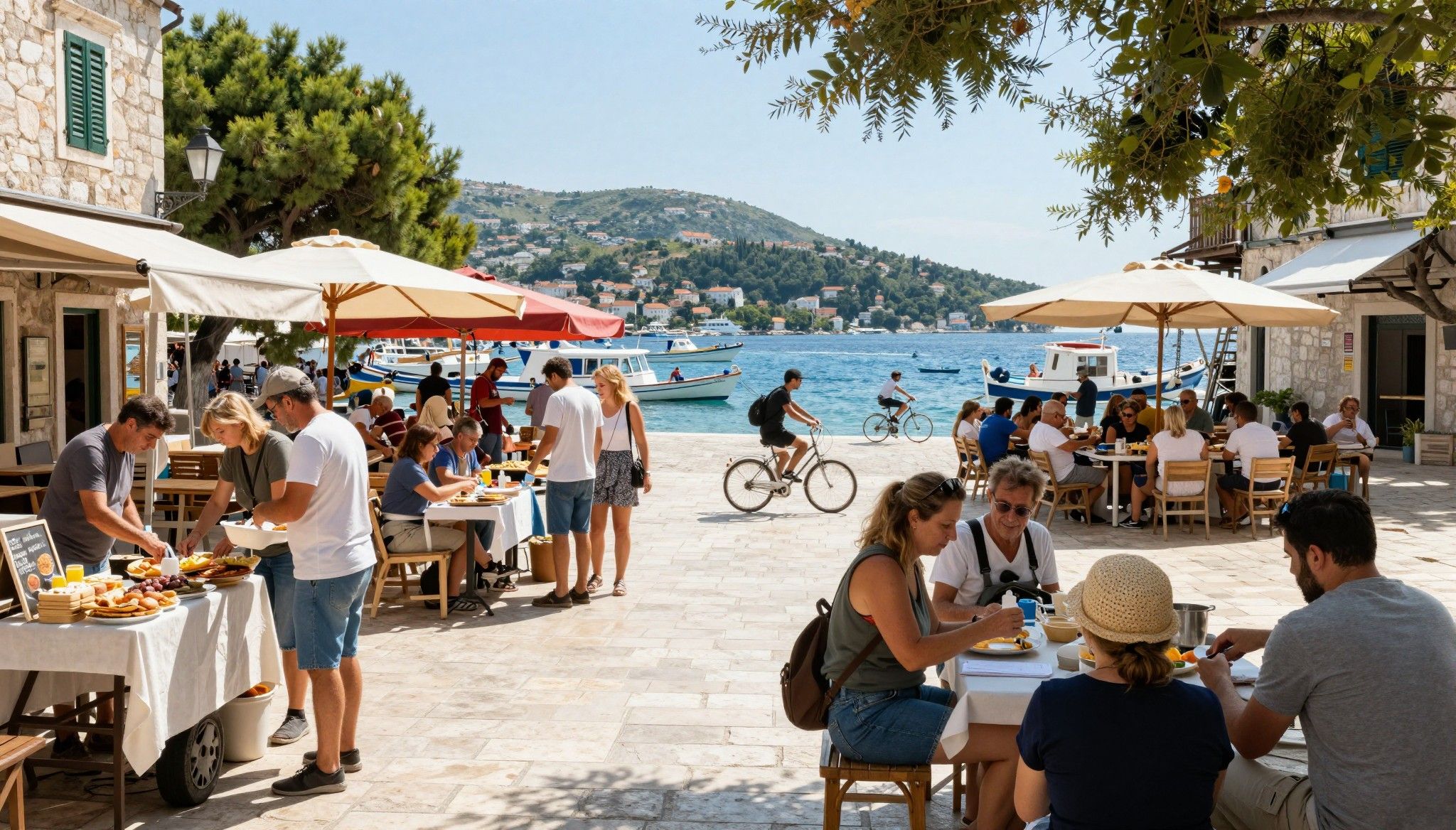
Cyprus is less a single lifestyle and more a set of linked lives. Limassol hums with cosmopolitan energy — specialty coffee, yachts and international schools — while Paphos offers stretched-out coastal mornings and quiet medieval lanes. Larnaca is practical and local; Nicosia has a city pulse that surprises newcomers with galleries and tavernas. In villages like Omodos or Kakopetria, weekends revolve around monastery markets, loukoumades and small-town gossip. Knowing these rhythms shapes where you look: nightlife matters in Limassol, horticultural soil in mountain villages, harbour access for sea lovers.
Limassol, Paphos and the village life — what each really sells
Limassol sells convenience: waterfront walks, late cafés and an international property market that attracts developers. Paphos sells memory and slow afternoons — old stone houses, archaeological sites and a coast that still feels accessible on modest budgets. Mountain villages sell a slower pace and cool summers, ideal if you want a second home away from July and August crowds. Each area has real estate that matches the mood: modern seafront apartments, converted village houses, gated developments with shared pools.
Food, markets and small rituals that shape property life
A Saturday market can determine your route: fresh halloumi and zivania in Paphos, fish stalls in Larnaca, or the seasonal carob festivals in the Troodos. These rituals influence what buyers value — a property close to a market or coastal path often commands a premium because it delivers daily life, not just a view.
- Lifestyle highlights to test when you visit
- Sunrise coffee on Limassol Marina; evening fish meze at Kato Paphos harbour.
- Village Sundays in Omodos — bakeries, wine shops and neighbourly markets.
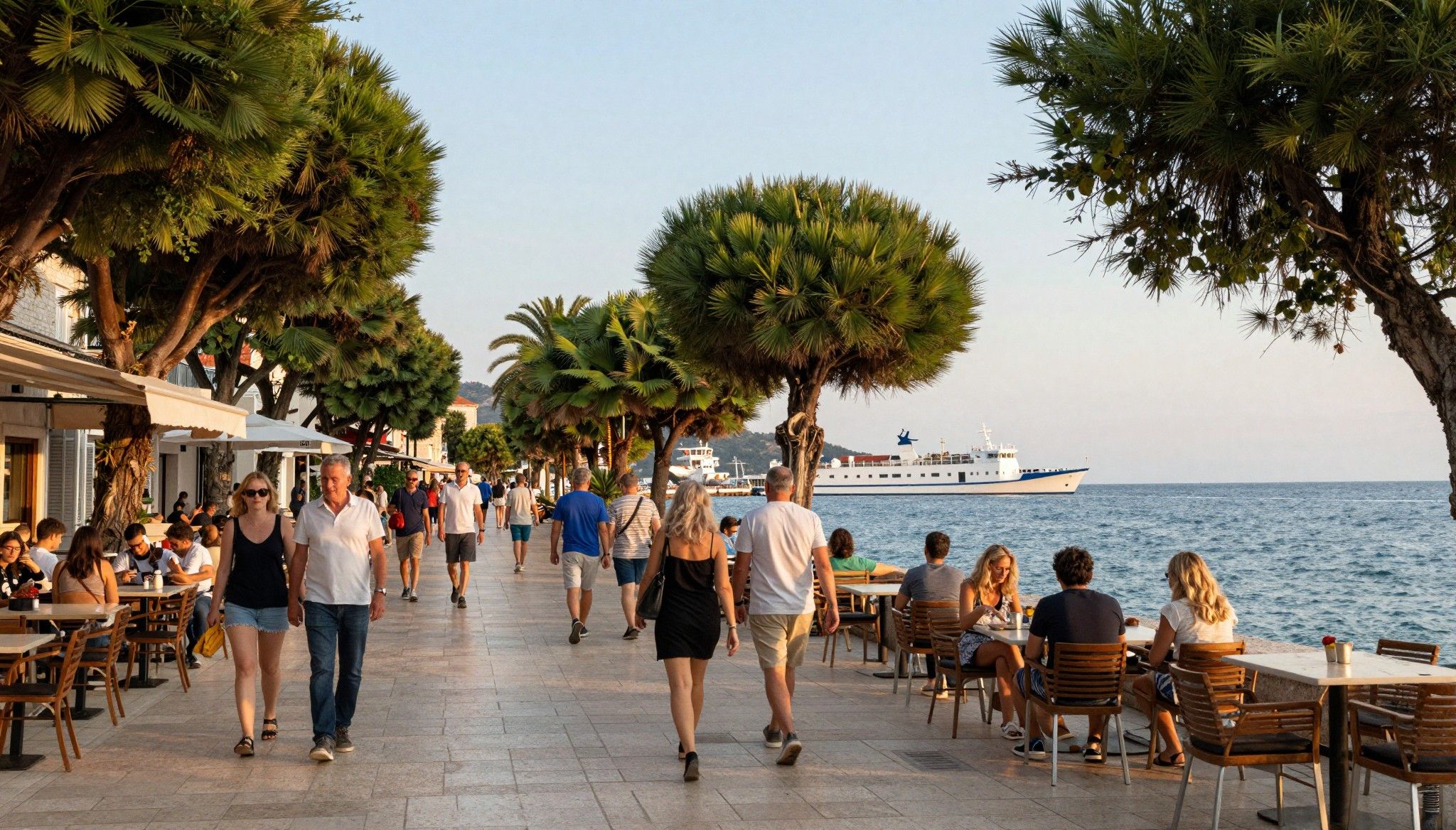
- Weekday walks along Larnaca’s Finikoudes for everyday errands and people-watching.
- Coastal drives between coral beaches and secluded coves for weekend escapes.
Making the move: practical considerations that match the life
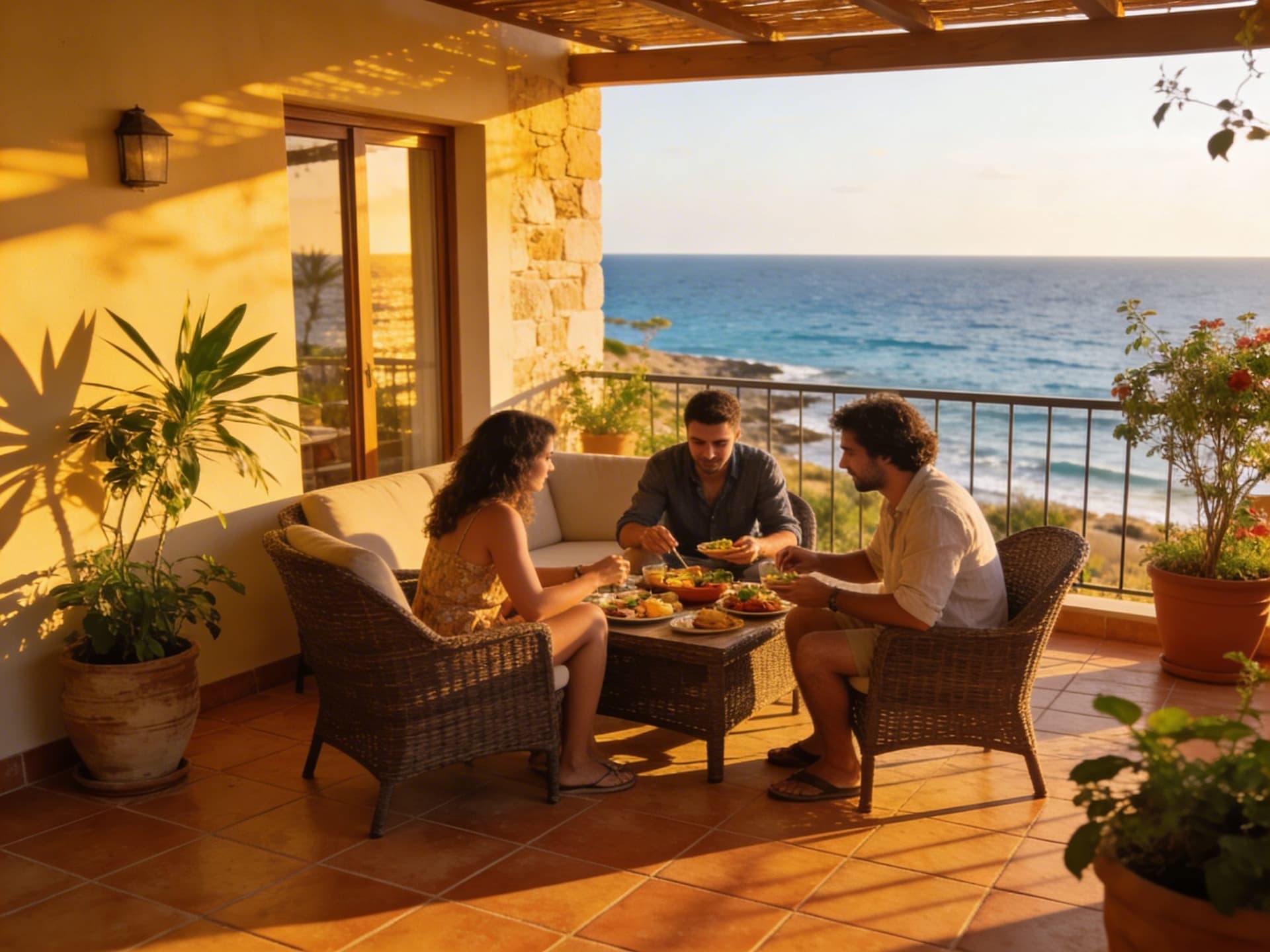
You’ll find Cyprus’ charm in neighborhoods — but your contract sits at the Lands Office. The immovable property register is the backbone of buyer protection, yet processes such as title-deed transfer can be slow. Before you fall for a terrace view, ask: is the title registered? Is there a mortgage, litigation or a contract lodged at the Land Registry? These questions are the practical side of the dream.
Property types and what they mean day-to-day
A modern seafront apartment buys ease — low maintenance, rental potential and proximity to cafés. A village stone house buys character and a different kind of work: heating, roof care and local bureaucracy. New-build developments look tempting, but VAT rules and eligibility for reduced rates (first‑time buyer primary residences under a size cap) matter. Match property type to how hands-on you want to be after move-in.
How local experts protect your lifestyle
A good local lawyer and a trustworthy agent do more than show properties — they read search certificates, flag developer history, and confirm building permits. Use them to triangulate the lifestyle you liked in viewings with the legal reality on paper. Insist on seeing a search certificate from the Department of Lands and Surveys before exchanging significant deposits.
- Six steps we recommend before signing
- 1) Obtain a search certificate and confirm registration status.
- 2) Verify VAT treatment — resale vs new build affects costs dramatically.
- 3) Ask for a deeds history and any pending charges or mortgages.
- 4) Check residency eligibility rules if you seek permanent residence via investment.
- 5) Confirm local utility connections, planning permissions and coastal setback limits.
- 6) Budget for closing costs, agent fees and a contingency for title delays.
Insider knowledge: transparency red flags and surprising truths
Cyprus has taken real steps to clean up international investor schemes after high-profile problems with citizenship programs. That matters because markets that tighten screening tend to reduce shady listings and improve long-term transparency. But the practical takeaway for buyers is this: increased scrutiny means better long-term market health, but also longer vetting times for residency-by-investment routes.
The three red flags we always check on behalf of buyers
- Contracts lodged but title transfer incomplete — common and risky.
- Unclear VAT or developer promises about reduced rates.
- Properties near contested zones (Green Line or SBAs) with complex legal histories.
A final surprise: the neighbourhood everyone avoids can be the bargain you want — provided the paperwork is clean. Some coastal strips have reputational noise from past schemes; if a full search certificate is clean and permits are in place, those streets can offer outsized value. The lesson: don’t fall for blanket myths. Do the checks.
When people ask whether Cyprus is ‘safe’ for international buyers, we say yes — with conditions. The country’s land registry system exists and is usable, but you must respect it. Use local professionals to translate the local rituals (how contracts are lodged, developer timelines, municipal permission practices) into clear milestones you can follow.
How seasons and festivals influence market timing
Contrary to intuition, summer is the worst time to negotiate. Listings are crowded, sellers expect holiday buyers and agent availability dips. Visit in spring or autumn: you’ll see how neighbourhoods actually live (school runs, supermarket queues, weekday cafés) and have better leverage on price and contract terms.
Conclusion: fall in love, then insist on paper. Cyprus offers a layered life — Mediterranean beaches, mountain retreats and intimate town centres — and those layers inform the kind of property you should buy. Start with lifestyle tests (cafés, markets, walks), then make legal clarity the next non-negotiable. Work with lawyers who read registry certificates, agents who know neighbourhood rhythms, and planners who understand local permits. That combination protects your dream and your capital.
Danish investment specialist who relocated to Costa del Sol in 2015. Focuses on data-driven market timing and long-term value for Danish buyers.