Where French Lifestyle Creates Price Premiums
France’s price story is regional and seasonal: houses and renovated flats lead recovery; local lifestyle premiums matter more than national averages.
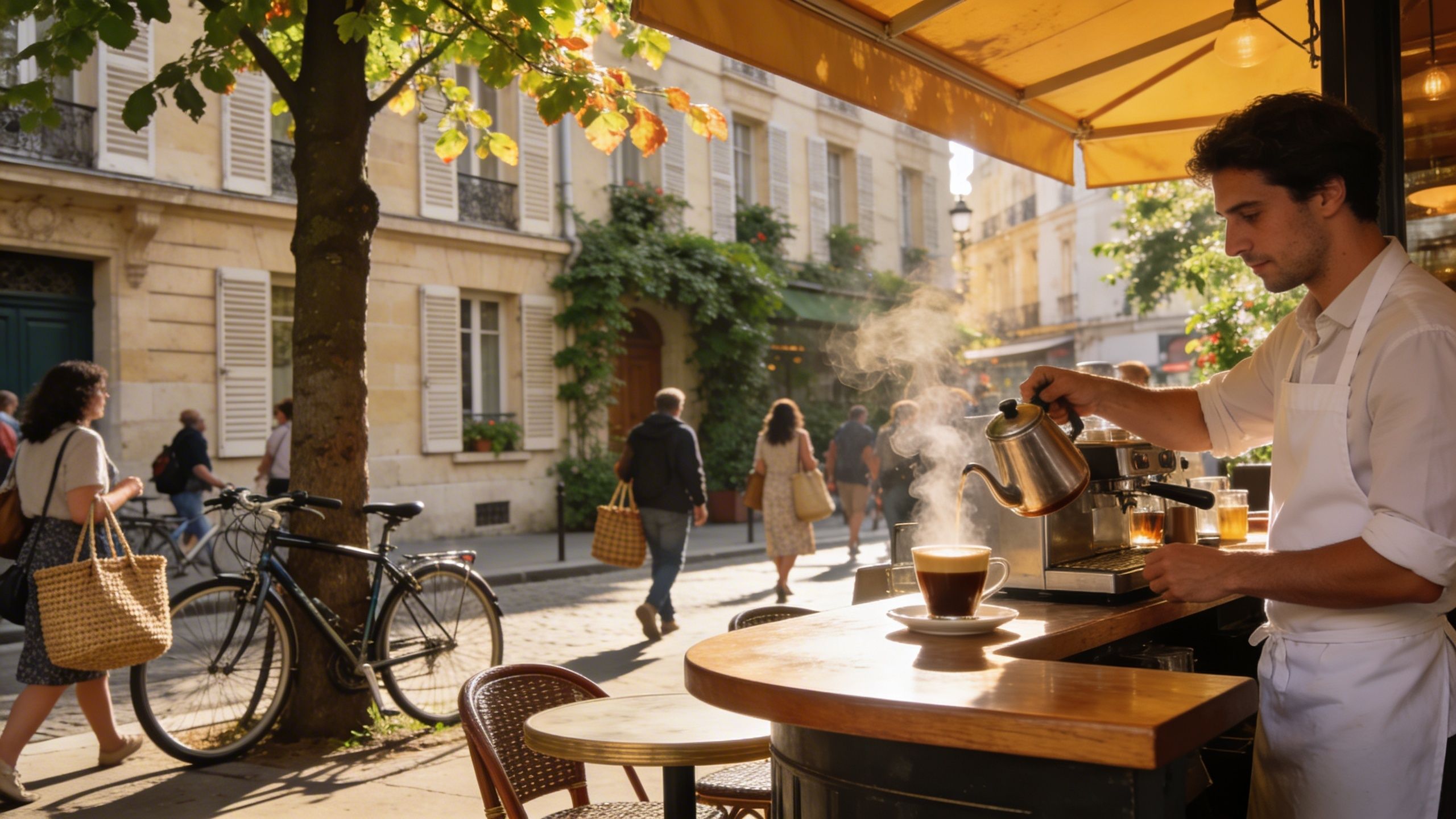
Imagine a Saturday morning in France: a marché humming with chatter, a café terrace steaming espresso, and the light turning a limestone façade the color of old paper. That lived-in scene explains why people buy here — for streets that feel like rooms and seasons that rearrange daily life. But the market beneath those scenes has its own rhythm, and for international buyers the difference between romance and a good purchase often comes down to reading price signals. We’ll start with what the numbers say, then show how to turn them into practical decisions without losing the joie de vivre.
Living France: the everyday that sells the place
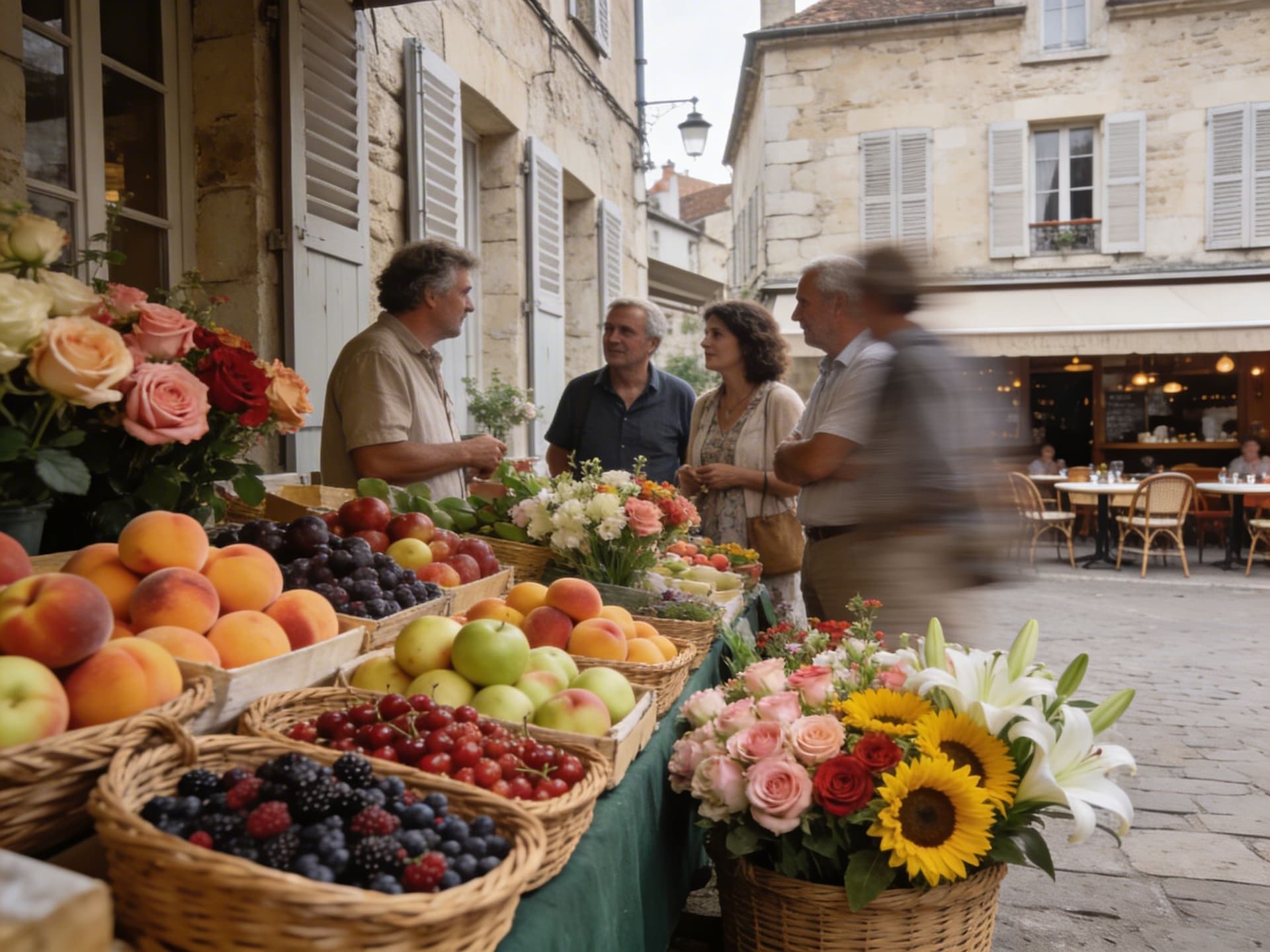
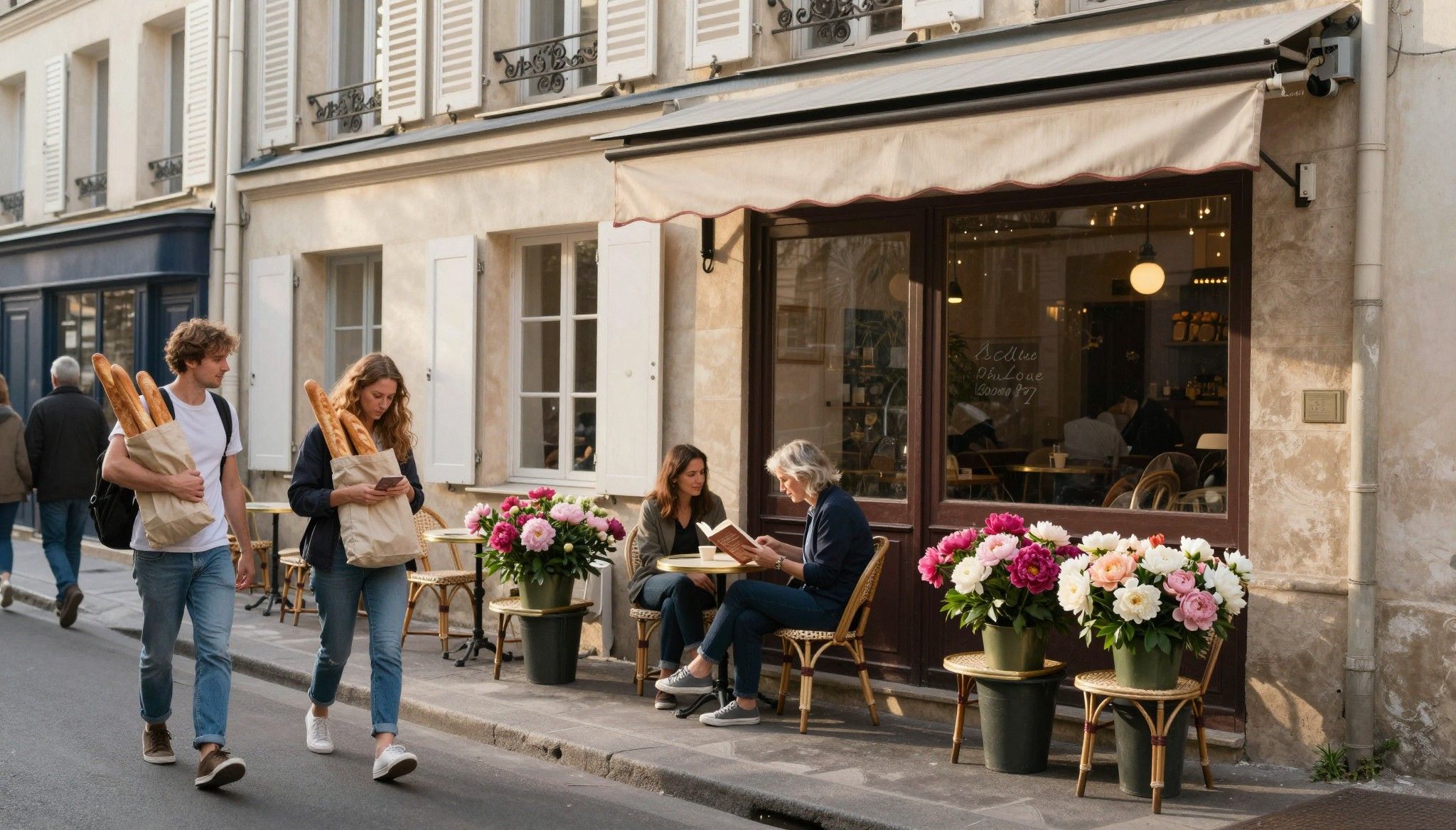
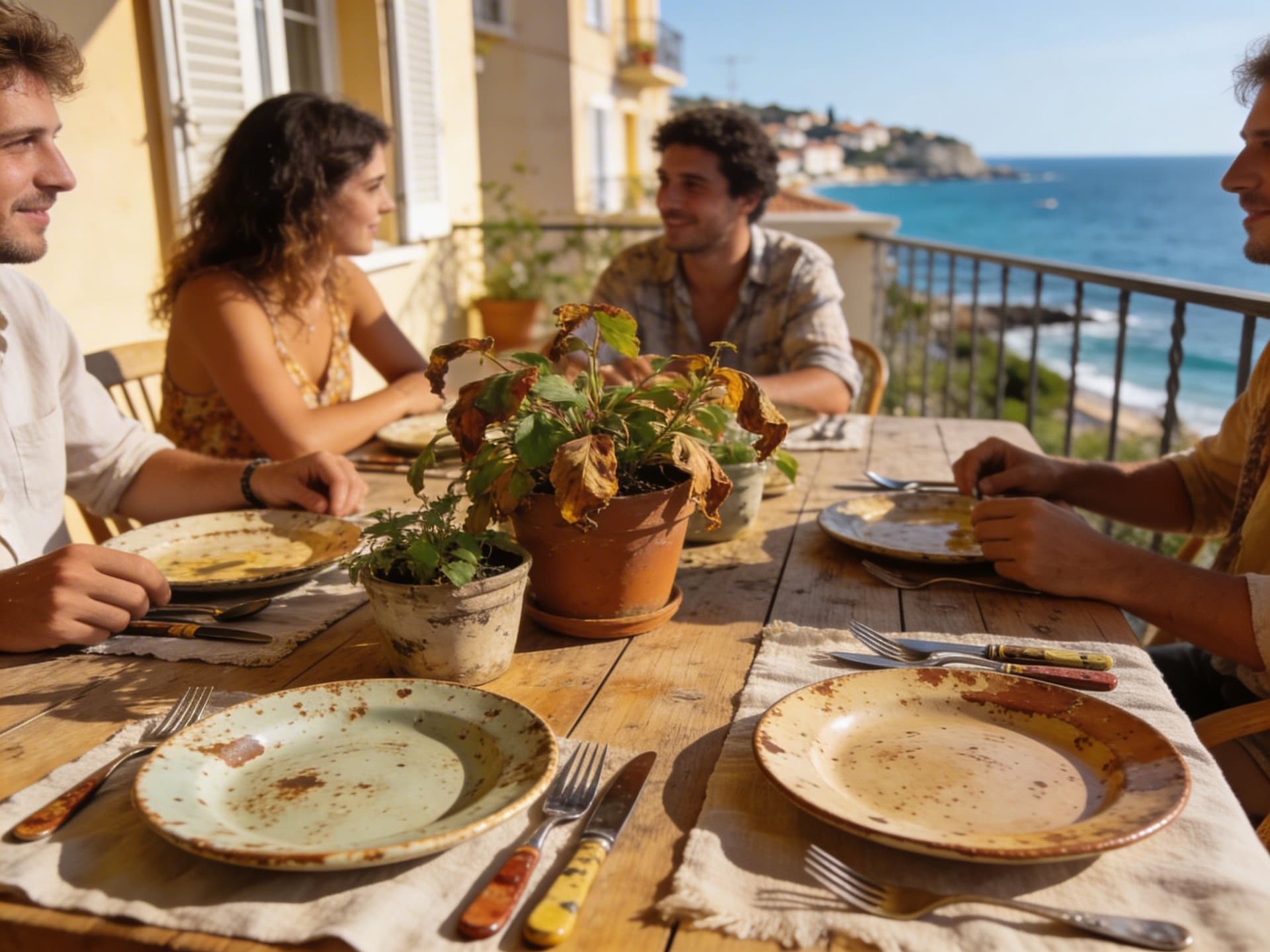
France is a collection of daily rituals — boulangeries that open at 7am, marché stalls emptied by noon, and long dinners on warm terraces. These small scenes shape demand: buyers pay a premium for neighborhoods where morning routines feel effortless. That premium is cultural and practical; proximity to markets, good schools, reliable trains and a lively high street can push per-square‑metre prices well above regional averages. Understanding where those premiums live will help you prioritise the life you want, not just the view on the listing photo.
Paris arrondissements, provincial cities, coastal towns — different promises
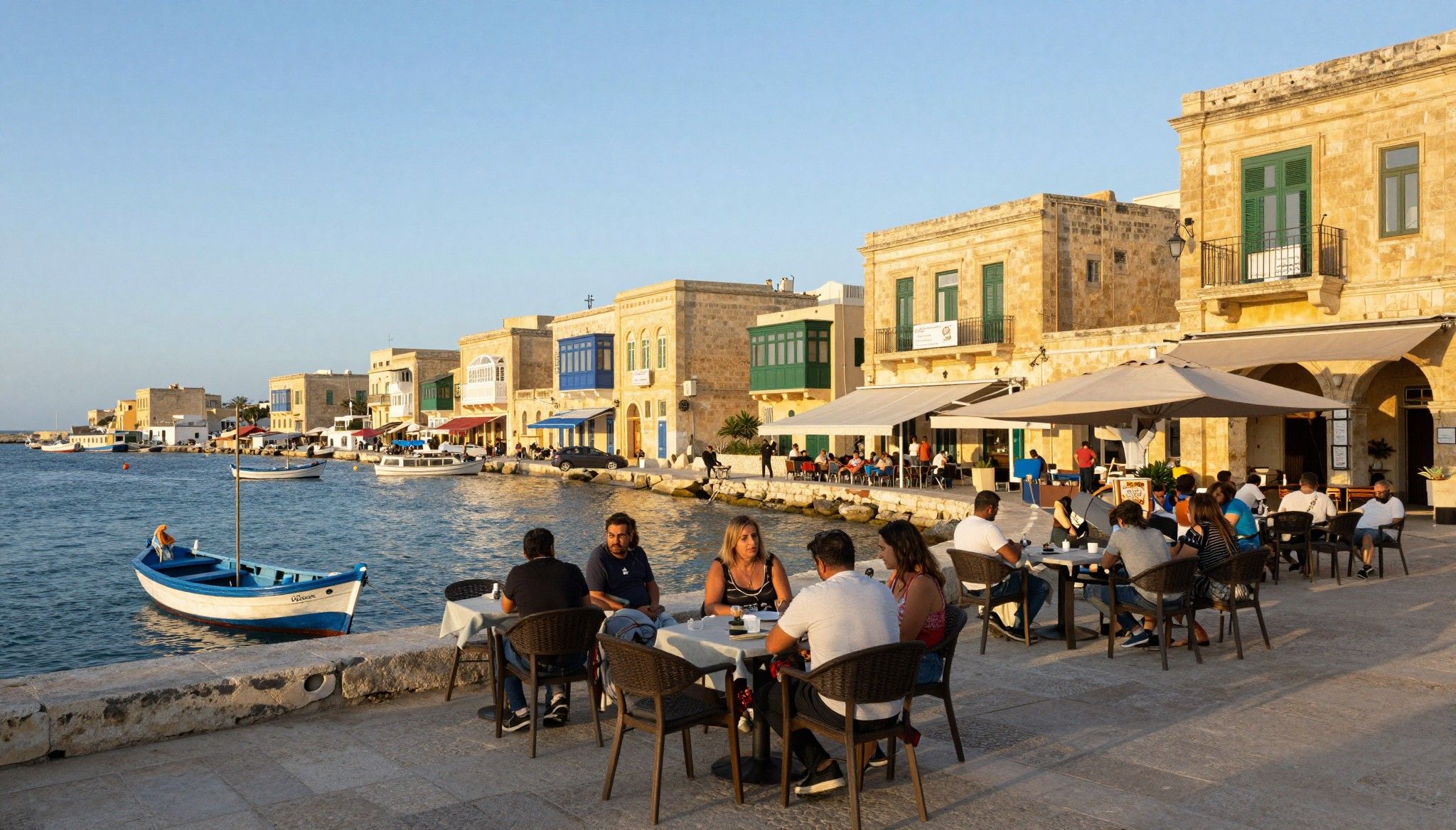
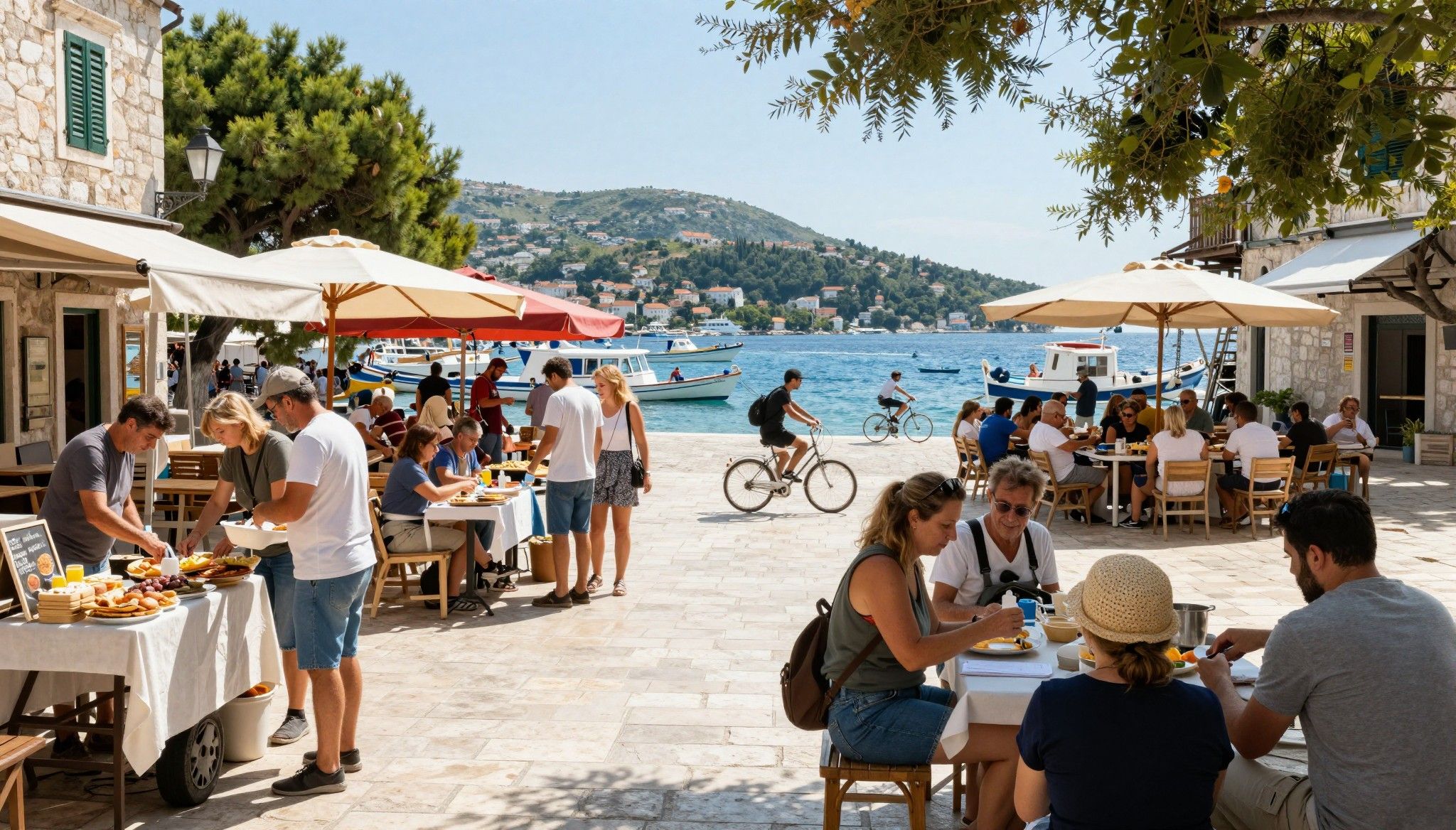
Paris still sells the fantasy of walking everywhere; but inside that fantasy there are clear trade-offs between 3rd‑arrondissement cafés and quieter 16th‑arrondissement streets. Secondary cities — Nantes, Rennes, Montpellier — now offer modern jobs, train links and prices that feel sensible compared with Paris. On the coast, from Biarritz to Marseille, you buy both seaside life and seasonal variability: tourism inflates rents and prices in summer but can depress year‑round yields. Notaire and national statistics show these regional gaps clearly, so treat neighbourhoods as different markets, not homogenous 'France'.
Food, markets and micro‑premium streets
Certain streets become magnets: a marché‑day square, a bakery that never closes, or a quai with an evening rhythm. In Bordeaux, rue Sainte‑Catherine’s pull supports nearby apartment prices; in Lyon, the Croix‑Rousse terraces attract families who pay for outdoor space and village feel. When we tour homes we look beyond square metres to ask: where will I buy coffee, chat with neighbours, or find fresh fish? Those small habits are what sustain value in France, and they are easier to spot in person than on a price chart.
- Weekend rituals that predict value: marchés local, tram or train within 20 mins, a lively high street, a proven primary school, an active patisserie or café.
Making the move: price trends, timing and practical pivots
Let the lifestyle lure you in, but let the data steer your timing. Nationally, second‑hand prices started rising again in early 2025 after a pause, with variation between flats and houses and strong regional differences. INSEE’s quarterly indices show modest upticks in provincial flats and more resilient houses outside major urban cores. For an international buyer that means: look at the asset type (flat v house) and the micro‑market — not only the national headline — before committing.
Which property types shield you from volatility?
Houses with outdoor space have been more resilient than city‑centre flats through the recent cycle, partly because remote work sustained demand for space. Newer or energy‑improved apartments are also outperforming poorly rated older units, especially since rental restrictions on low‑efficiency homes tightened in 2025. If you’re buying to let, favour renovated, well‑insulated assets near transport rather than cheap city‑centre bargains that will require heavy upgrades to meet new regulations.
Why local advisors matter more than ever
- Working with an agent who knows the street-level life saves time and money. A local expert will: verify recent comparable sales within the same micro‑neighbourhood, explain seasonal rental patterns, identify energy‑rating costs, and flag municipal plans that alter future supply. For international buyers we advise asking agencies for three recent comparable sales (within six months) and a plain‑English estimate of renovation and energy upgrade costs. That checklist keeps conversations anchored to facts, not feelings.
- Practical buying pivots: look for secondary cities with rising jobs (Nantes, Rennes), prioritise houses or renovated apartments, budget for energy retrofits, and factor in seasonality for coastal buys.
Insider knowledge: myths, red flags and seasonal strategies
Myth: 'France is too expensive everywhere.' Truth: averages hide the map. Yes, central Paris remains costly, but entire departments in the interior and parts of the north and south‑west offer family houses at a fraction of Parisian prices. Red flag: a property that’s cheap for the area without a clear explanation — legal issues, need for large thermal works, or problematic access. Ask for the diagnostic reports (DPE, electrical, lead/termite where relevant) and price the fixes before you fall in love.
Seasonal timing that surprises buyers
Contrary to intuition, summer viewings on the coast can be misleading: properties look perfect between June and August, but occupancy, running costs and neighbour noise change in autumn and winter. For coastal or tourist‑heavy towns, we recommend at least one winter or shoulder‑season visit to check heating, local services and year‑round community. That one extra trip often reveals whether a seaside home is a year‑round life or a holiday illusion.
- Red flags to spot on viewings: inconsistent DPE energy rating, absence of recent comparable sales, permits missing for extensions, unclear boundaries in copropriété, and recurring damp or drainage issues.
- A simple step-by-step check-before-offer: 1) Request four comparables and the notaire’s sale timeline; 2) Get DPE and building diagnostics reviewed; 3) Ask the agent about recent renovation invoices; 4) Visit in an off-peak season or ask a local contact to report back; 5) Reserve funds for energy upgrades and unexpected works.
Finally, remember why you started looking at France in the first place: the small rituals, the markets, the square that becomes a living room in summer. Use data to set expectations, and local expertise to translate those expectations into neighbourhood-level decisions. If you want, we’ll introduce you to agents who combine street-level taste with rigorous comparables and a clear rundown of upgrade costs — the mix that turns a French dream into a durable home or investment.
Swedish expat who moved from Stockholm to Marbella in 2018. Specializes in cross-border legal navigation and residency considerations for Scandinavian buyers.