Why Buying Away from the Promenade Can Be the Smart Move
Malta’s charm hides practical trade‑offs. Pick the neighbourhood that fits your daily rhythm, not the view, and use local experts to convert lifestyle into a secure purchase.
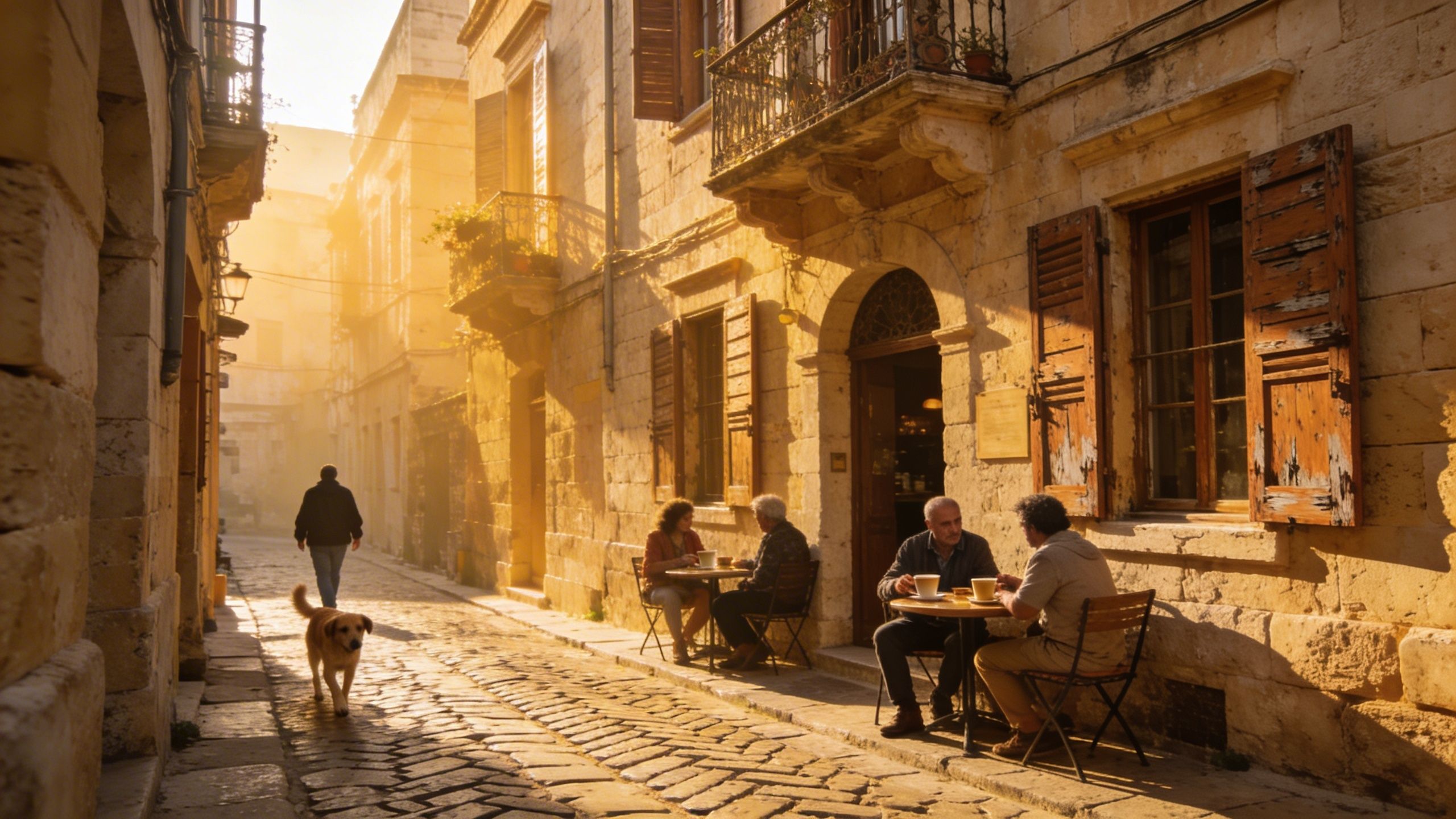
Imagine an espresso at Café Cordina as morning light slices down Republic Street, a fisherman hauling his catch at Marsaxlokk market, and a terrace where neighbours still exchange news over late‑afternoon wine. Malta is small enough that these scenes thread into each other within 20–45 minutes of driving. That intimacy — compact streets, living history, and Mediterranean rhythm — is the reason buyers fall in love. But love without context leads to mistakes; in Malta the lifestyle and the legal/market realities are tightly interwoven.
Living the Malta life: neighbourhoods that feel like home

The island lives in layers: Valletta’s stone alleys and Government Hill, Sliema’s promenade and cafés, St Julian’s buzzy evenings, and the quieter rhythm of Gozo. Each place has its own daily tempo — Valletta mornings for appointments and museums, Sliema afternoons for coffee and coastline walks, Mellieħa weekends for family trips to Golden Bay. Picture small bakeries on Triq il-Kbira in Mdina‑style towns, then a few kilometres later the neon of Paceville. Knowing which tempo you want matters as much as price per square metre.
Valletta & the Three Cities: history as your backdrop
Living in Valletta is like living inside an architectural novel — limestone facades, shuttered balconies, and courtyards that collect sunlight. Streets such as Merchants Street and the lanes around St Barbara’s Bastion are quieter at dawn and sing with cafés and artisan shops later in the day. For buyers who want daily culture within walking distance, Valletta is unmatched, but flats are often compact and require careful attention to insulation, soundproofing and windows that capture cross‑breezes.
Sliema, Gżira & St Julian’s: promenade life and practical trade‑offs
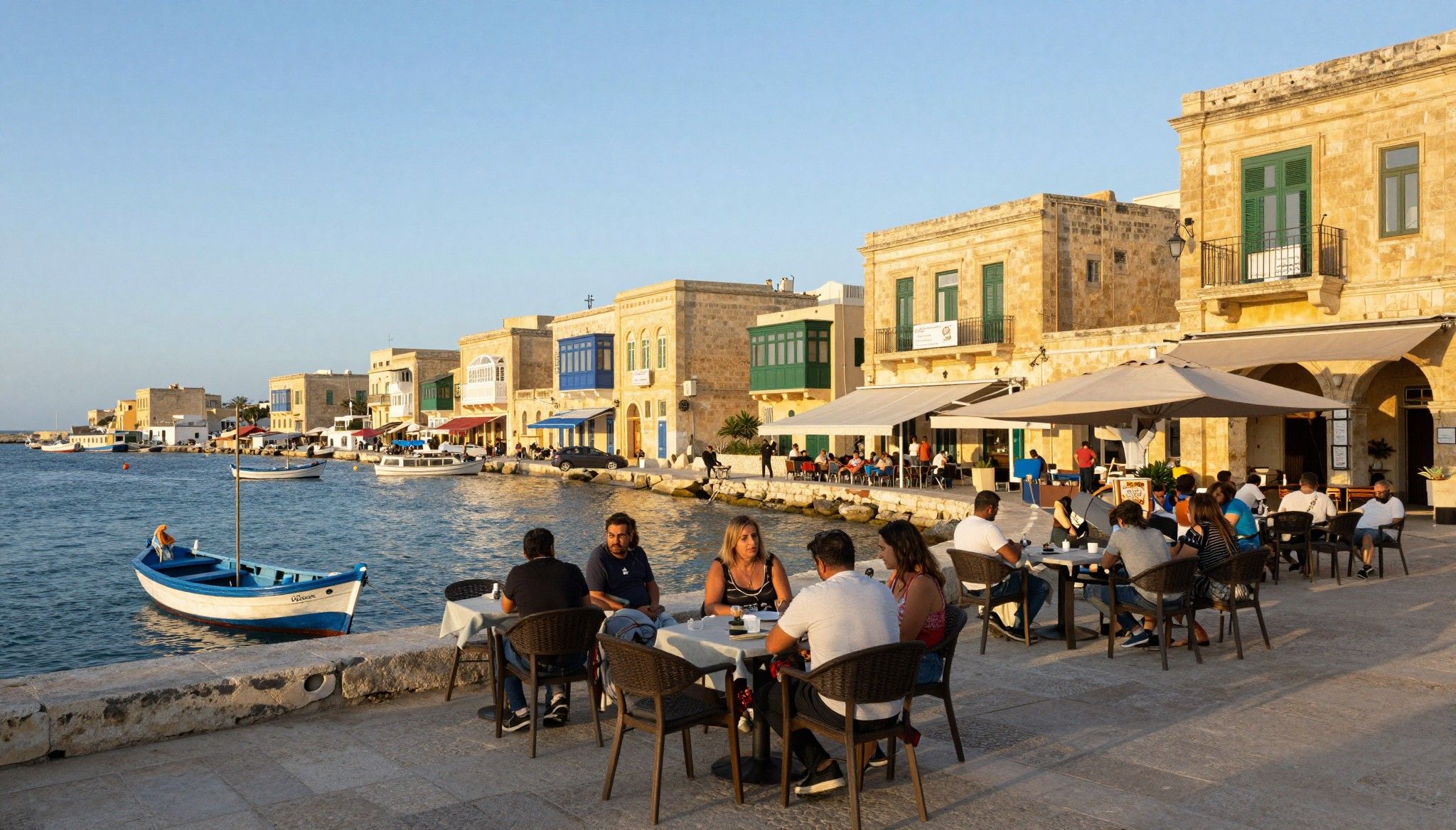
If you crave café terraces and short commutes to international schools and ferry links, Sliema and Gżira deliver. Streets like Tower Road in Sliema and the walk along Gżira’s promenade give you long daylight hours outside and a strong expat community. St Julian’s (Paceville aside) offers modern apartments and a more cosmopolitan night scene. The trade‑off is density: views and quiet terraces are pricier, and parking can be tight — a practical detail that affects daily happiness.
- Valletta morning market at Is-Suq tal-Belt — historic atmosphere and fresh produce
- Gżira rooftop cafés with harbour glimpses — short walks to offices and ferries
- Marsaxlokk Sunday fish market — an essential local ritual and a reason to live near the south
- Mellieħa and Golden Bay — weekends that feel like a small coastal holiday
Making the move: how lifestyle choices change the search
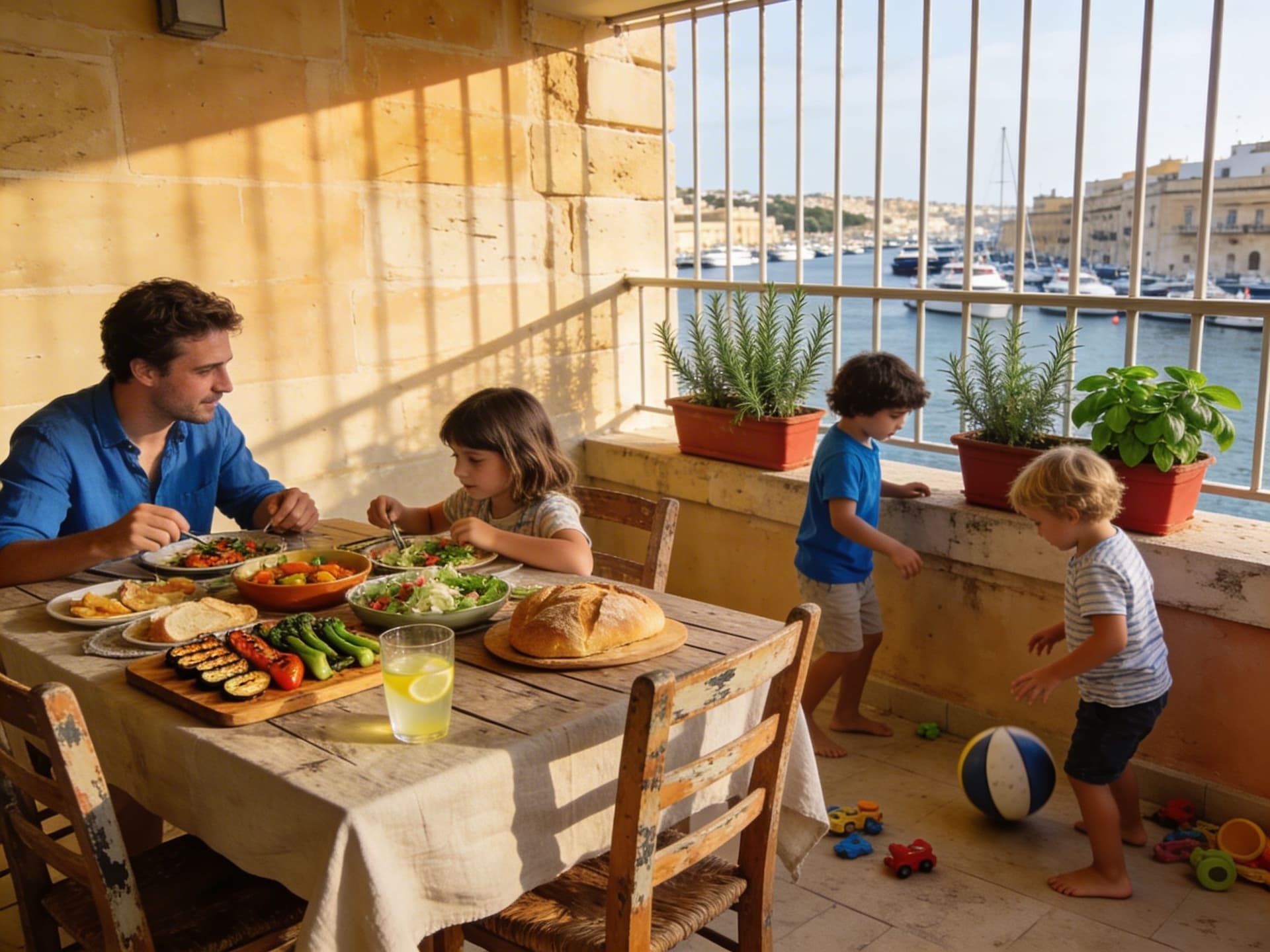
Your lifestyle preference should reshape your brief — not the other way around. Recent official data show steady price growth (RPPI up in 2024–2025) and transaction volumes near €3.5bn in 2024, which means demand remains firm but pockets of value exist away from the obvious promenades. Translate that into the search: a slightly longer commute can buy you terraces, larger rooms, and calmer streets. Treat market numbers as context, not destiny.
Property styles that fit Maltese life
You’ll encounter apartments, maisonettes with street‑level entrances, and houses of character with internal courtyards. Apartments dominate new supply; maisonettes and restored townhouses suit buyers who want outdoor space and privacy. Consider cross‑breeze orientation, historic façade restrictions in conservation areas, and whether you need lift access versus authentic stair‑climb charm. Each choice alters maintenance, utility bills, and how you actually use the home.
Work with local experts who know neighbourhood texture
Agencies in Malta are not interchangeable. The right broker knows which street corners hold morning markets, where planning permission is likely, and which buildings have persistent damp. We recommend working with agents who show you comparable lived‑in properties (not just glossy listings), and who can introduce local notaries and structural inspectors. That local knowledge saves time — and often euros — when a charming flat needs a better rain strategy or an upgraded sash window.
- Ranked steps that combine lifestyle and practical checks: 1. List the three daily routines you refuse to give up (beach, coffee, commute). 2. Shortlist neighbourhoods that match those routines. 3. Visit at different times (weekday morning, Saturday noon, evening) to test rhythm. 4. Ask an agent for recent final‑sale prices, not asking prices. 5. Contract a local building survey before signing a promise of sale.
Insider knowledge: the small truths expats learn slowly
Expats often discover two things once settled: Malta’s English‑friendly daily life smooths integration, and national policy shifts can change the investment landscape. The recent EU scrutiny and rulings around citizenship‑for‑investment programmes have closed some fast lanes to residency and shifted buyer profiles. That matters because policy shifts can affect demand and the types of buyers you compete with on certain properties.
Cultural rhythms, language and community
English is an official language and commonly used in business, but Maltese remains the social glue in villages and family networks. Festivals like Ġostra and village festa nights pull communities together; expect streets to close and neighbours to greet each other loudly. For newcomers, showing up to a local festa, learning a few Maltese phrases, and shopping at the same grocery can accelerate belonging more than any expat club.
Longer‑term lifestyle and investment realities
Macro data suggest Malta’s market has been rising for years, and the Central Bank has noted a correction of prior undervaluation. For buyers planning a decade or more on the island, neighbourhood selection and building quality matter more than short‑term headlines. Choose areas with steady rental demand (if you plan to lease) and buildings with good maintenance histories; those choices preserve lifestyle and capital.
- Red flags local buyers point out: • Old roofs with no documentation of works. • Properties in conservation areas without clear permissions. • Buildings with persistent humidity on lower floors. • Sales where asking price far exceeds recent final sale deeds.
- Small opportunities we actually use for clients: • Walk‑in maisonettes near Gżira that trade for less than waterfront views. • Restored townhouses in Żejtun and Cospicua with courtyard space. • Gozo terraced houses that offer larger layouts for lower per‑m² prices.
We don’t sugarcoat it: Malta is desirable, and parts of the market are costly. But desirability comes with everyday pleasures — fresh fish at Marsaxlokk, evening strolls on Sliema’s promenade, and the odd festa that makes you feel part of something. The practical next step is simple: pick the life you want, then work backwards from that to streets, building types and local experts who can make the paperwork invisible. When you pair the right neighbourhood with a meticulous agent, you buy not just a property but a daily life.
Danish investment specialist who relocated to Costa del Sol in 2015. Focuses on data-driven market timing and long-term value for Danish buyers.