Love the Life — Insist on the Paper (Cyprus)
Fall for Cyprus’s rhythms — then insist on the paperwork. Use street-level comparables, title extracts and communal accounts to protect the life you buy.

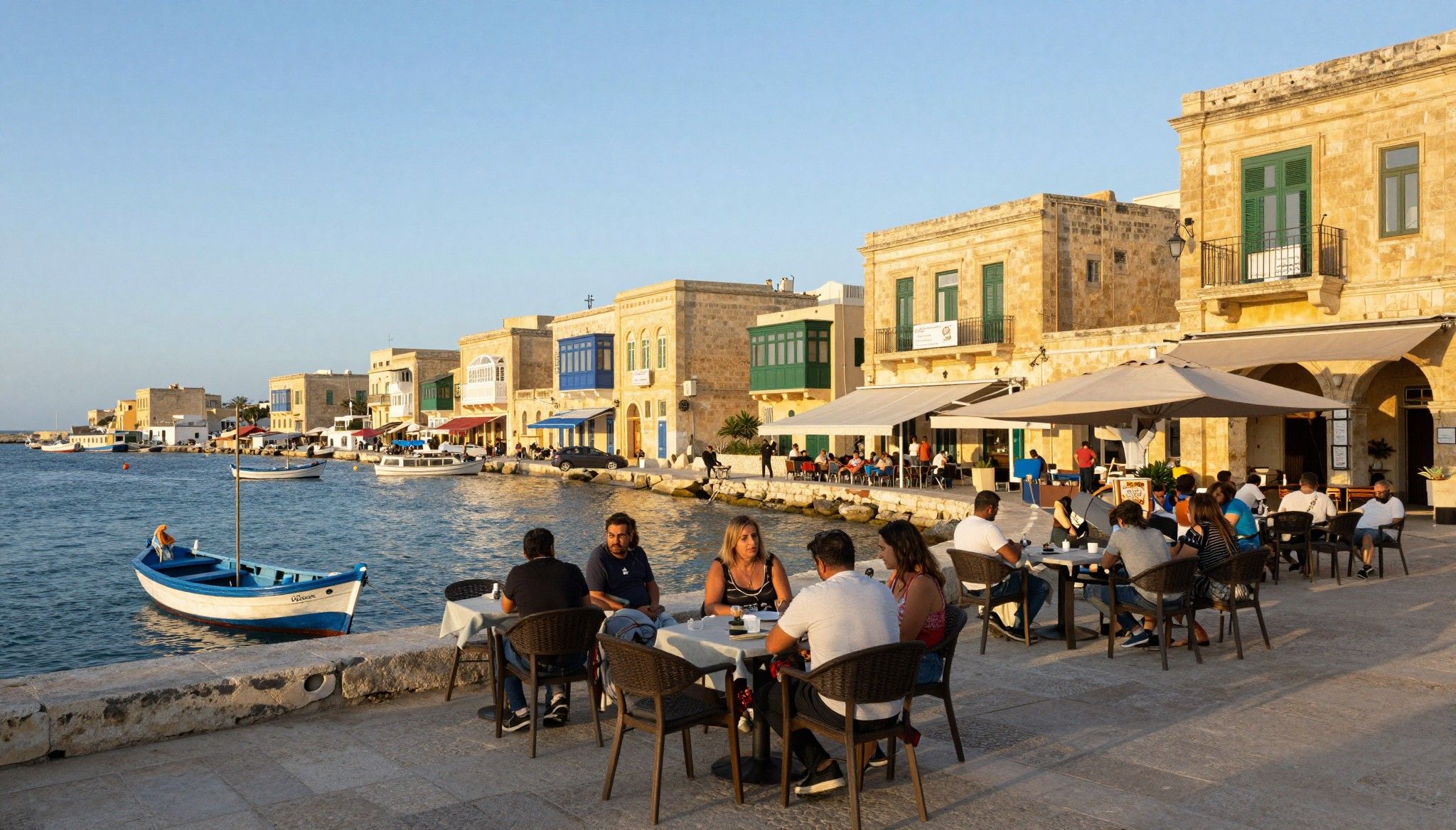
Imagine a morning espresso at the old harbour in Limassol, then an afternoon walk through the citrus-scented lanes of Polis — Cyprus feels like a stitched-together set of neighbourhood moods: coastal energy, slow-mountain calm, and small-city momentum. For many buyers, that emotional pull is the starting point. But behind sunlit terraces and mezze plates are real market signals, disclosure norms and practical risks that shape whether a purchase becomes a lifelong love or a costly lesson.
Living the Cyprus lifestyle

Cyprus is easy to love because life is sensory and small-scale. Winters are mild; summers are bright enough to reset your circadian rhythm. Streets in old Nicosia smell of bakery yeast at dawn. Fishermen in Larnaca repair nets in the afternoons. The island’s year-round rhythm matters for buyers: what’s attractive in August (vibrant beachfront life) can look very different in January (quiet, local markets). Official statistics show modest, regionally uneven price moves — a reminder that lifestyle and market behave on different timetables.
Neighbourhood snapshots: what each area actually feels like
Limassol is a working coastal city with a confident apartment market; Paphos combines UNESCO history with surprising new-build appetite; Larnaca blends airport convenience and a quieter shoreline; Nicosia is compact, bureaucratic and steady. Paphos, for instance, recorded stronger house-price acceleration in recent quarters, illustrating how local demand can diverge sharply from island-wide averages.
Food, rhythm and where life happens
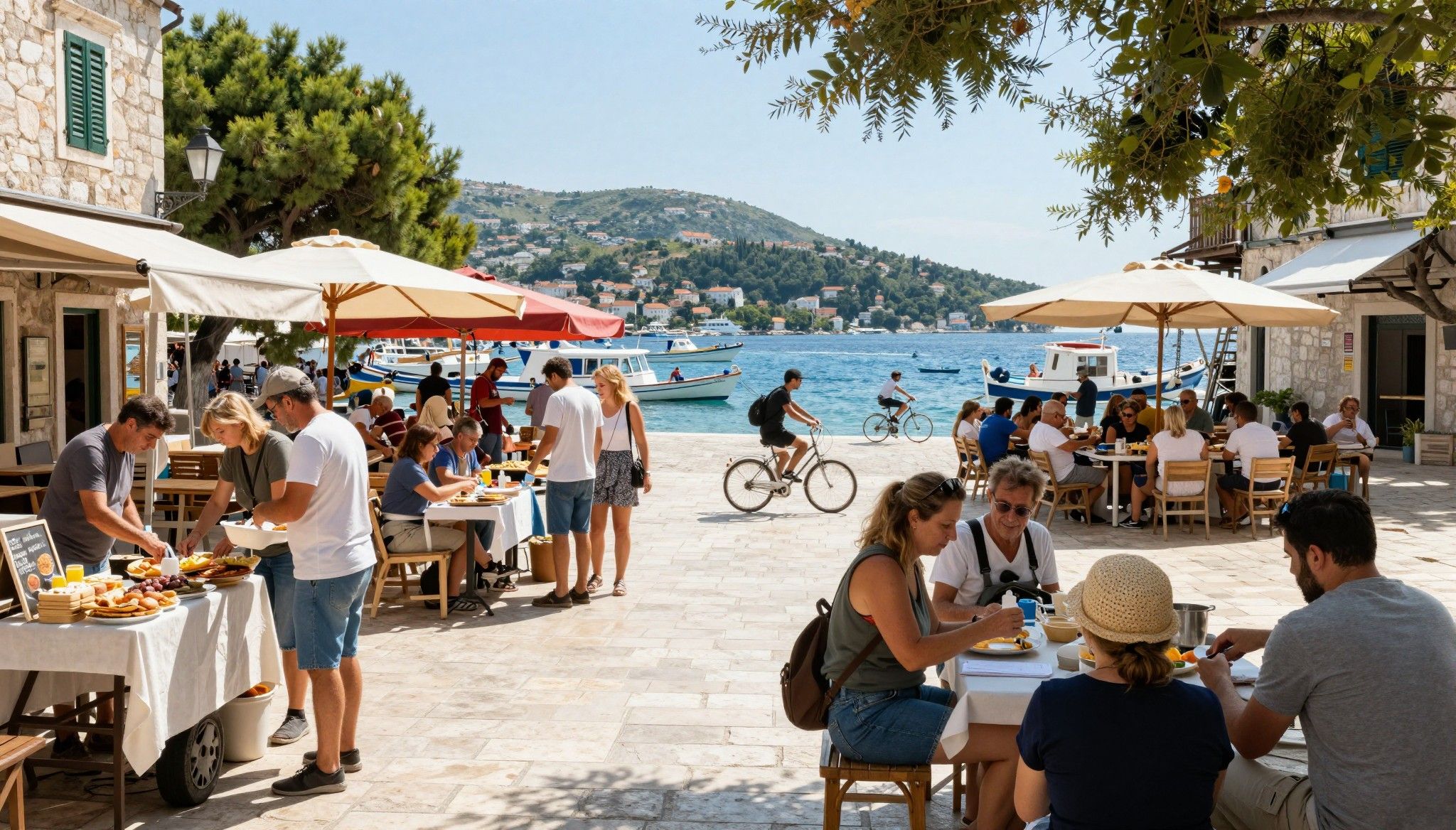
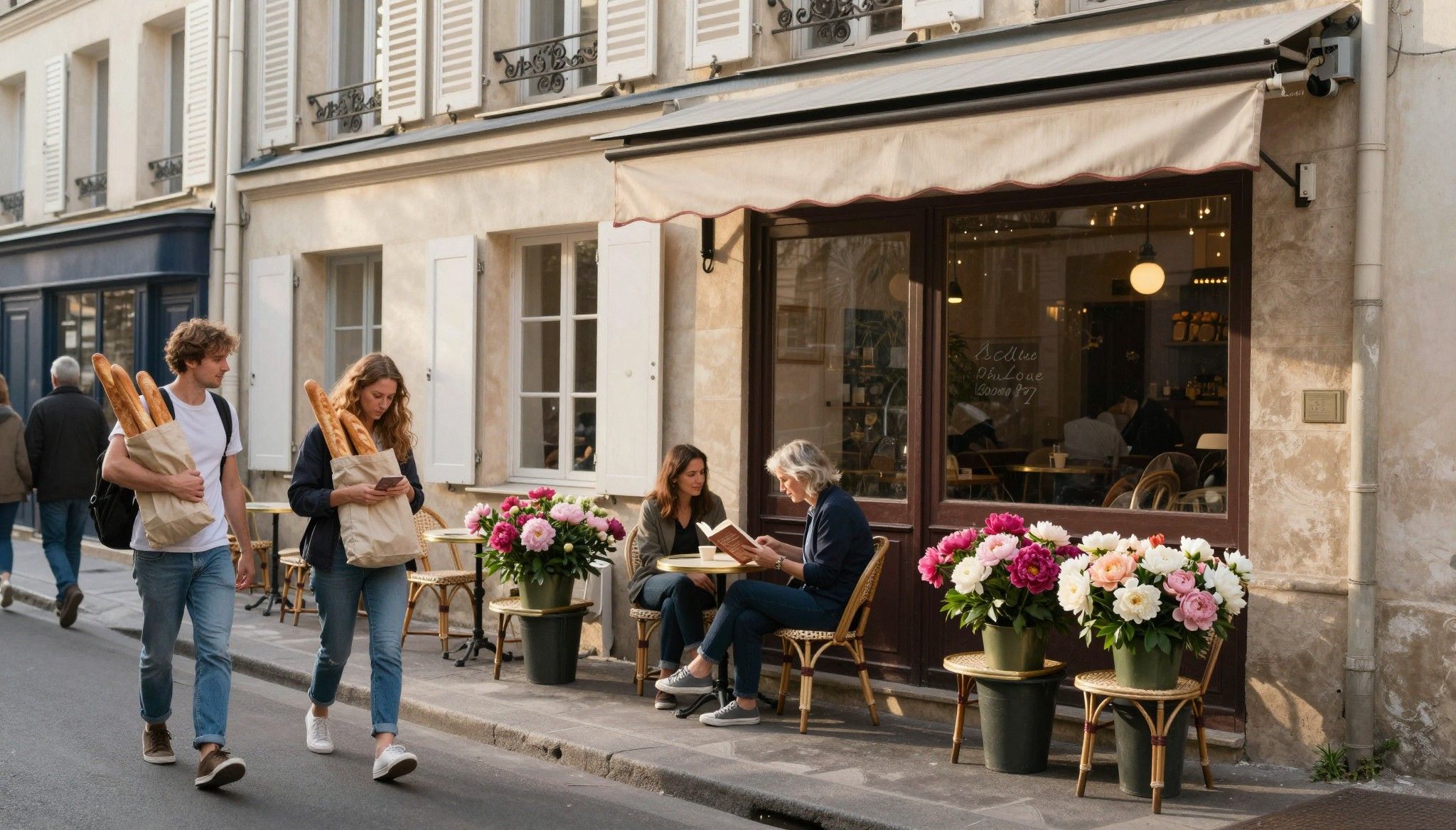
Picture buying fresh halloumi at Larnaca’s municipal market, then sipping a late afternoon coffee on Makariou Avenue. Social life is local: tavernas, church festivals and sea-front cafes. That’s why when we evaluate properties we look beyond square metres — to where the neighbours shop, where the dog-walkers gather, where the evening light lands on the balcony. These micro-details predict whether a place will feel like home.
- Hidden lifestyle highlights: local places to know
- Limassol Old Port promenade for weekend people-watching
- Kato Paphos harbourfront for sunsets and small galleries
- Polis and Latchi for fisherfolk markets and quieter beaches
Making the move: practical considerations that keep the lifestyle intact
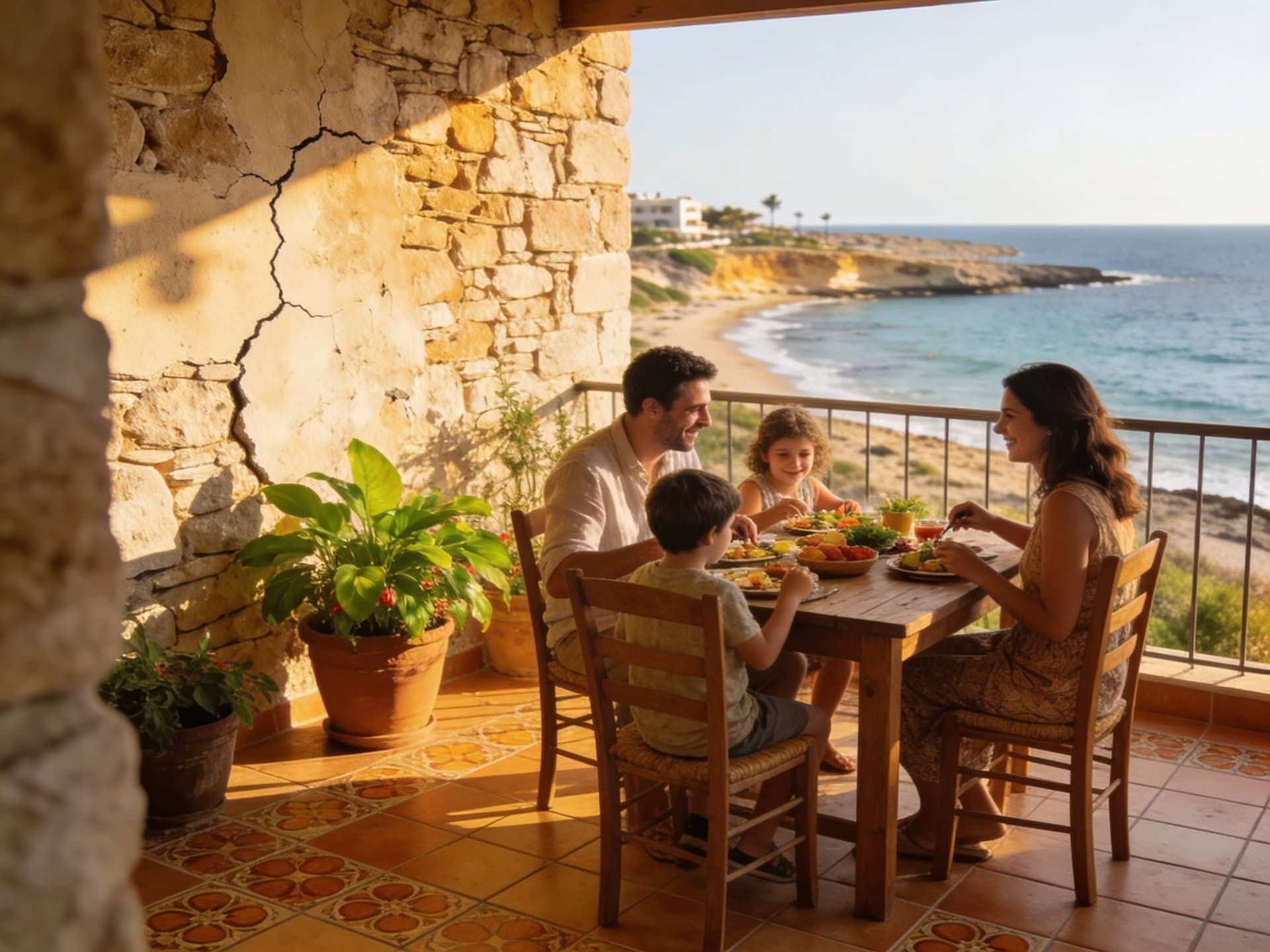
The feeling of living somewhere is the magnet; paperwork and market structure are the anchor. Recent official data show growing transaction volumes and rising values in 2025, but that growth is uneven by district. For buyers this means two things: pick a neighbourhood that fits the life you want, and insist on transparency about the local market indicators — recent comparable sales, permitted uses and rental demand.
Property types and what they mean for daily life
A coastal apartment gives you terraces, proximity to restaurants and easier rentals; a village stone house gives privacy, thicker walls and a different maintenance profile. New-build villas may include pools and warranties but often sit in gated pockets that change how you move in the neighbourhood. Choose the property type that fits your routine — morning coffee, market access, visitor logistics — not just the view.
How local experts protect the lifestyle you bought into
- Work with agents who provide: 1) recent sale comparables and title history; 2) building permits and occupancy certificates; 3) clear rental demand estimates if you plan to let. These three checks keep the lifestyle you expect from becoming an expensive surprise.
Insider knowledge: transparency, red flags and the unromantic truths
We hear the same worries: ‘‘What about title deeds? Will planning permissions slow me down?’’ Cyprus has improved transparency—indices and transaction records are public and active—but gaps persist in historic documentation, off-plan promises and informal renovations. That’s not a reason to walk away; it’s a reason to be specific about what you ask for.
Common red flags we tell clients to spot
- Incomplete title history or missing plan approvals
- Unclear communal charges or sinking-fund records for shared buildings
- Promised ‘fast’ permits from unofficial channels
A short, practical checklist before you sign
- 1) Ask for the exact title-deed extract and check for mortgages or encumbrances; 2) Verify building permits and completion/occupation certificates; 3) Request the last three years of communal accounts for apartments; 4) See recent comparable sales in the immediate street or building; 5) Confirm rental occupancy seasonality if you rely on income.
Cultural notes that change how you live and buy
Cypriot social life happens slowly and in person. Introductions matter. A recommendation from a local café owner or a neighbour can smooth utility connections and renovation permissions. Learning a few phrases of Greek, attending a village festival, or meeting the kafenio regulars changes how embedded you feel — and often how fast local paperwork moves.
Long-term thinking: property that keeps the life you fell for
If you’re buying to live, prioritise neighbourhoods with the services you want (markets, cafés, clinics) over headline yields. If you’re buying for investment, focus on legal clarity and districts showing consistent transaction value growth. Recent island-wide data show rising transaction values even as price growth moderates — a signal that higher-value deals are shaping the market.
Conclusion: the life-first purchase with paper-proof backbone
Cyprus sells a life: late lunches, sea salt in the air and neighbourhood familiarity. Fall for that life deliberately, then ask for the documents that make it durable. Work with agents who can show you street-level comparables, certified title extracts, and the real communal accounts. That combination — heart plus paper — is how international buyers turn a holiday feeling into a home.
Swedish expat who moved from Stockholm to Marbella in 2018. Specializes in cross-border legal navigation and residency considerations for Scandinavian buyers.