Malta: Compact coast life — fall in love, buy with data
Fall for Malta’s compact Mediterranean life — then buy with data. Learn neighbourhood rhythms, property trade‑offs, and up‑to‑date market signals before you commit.
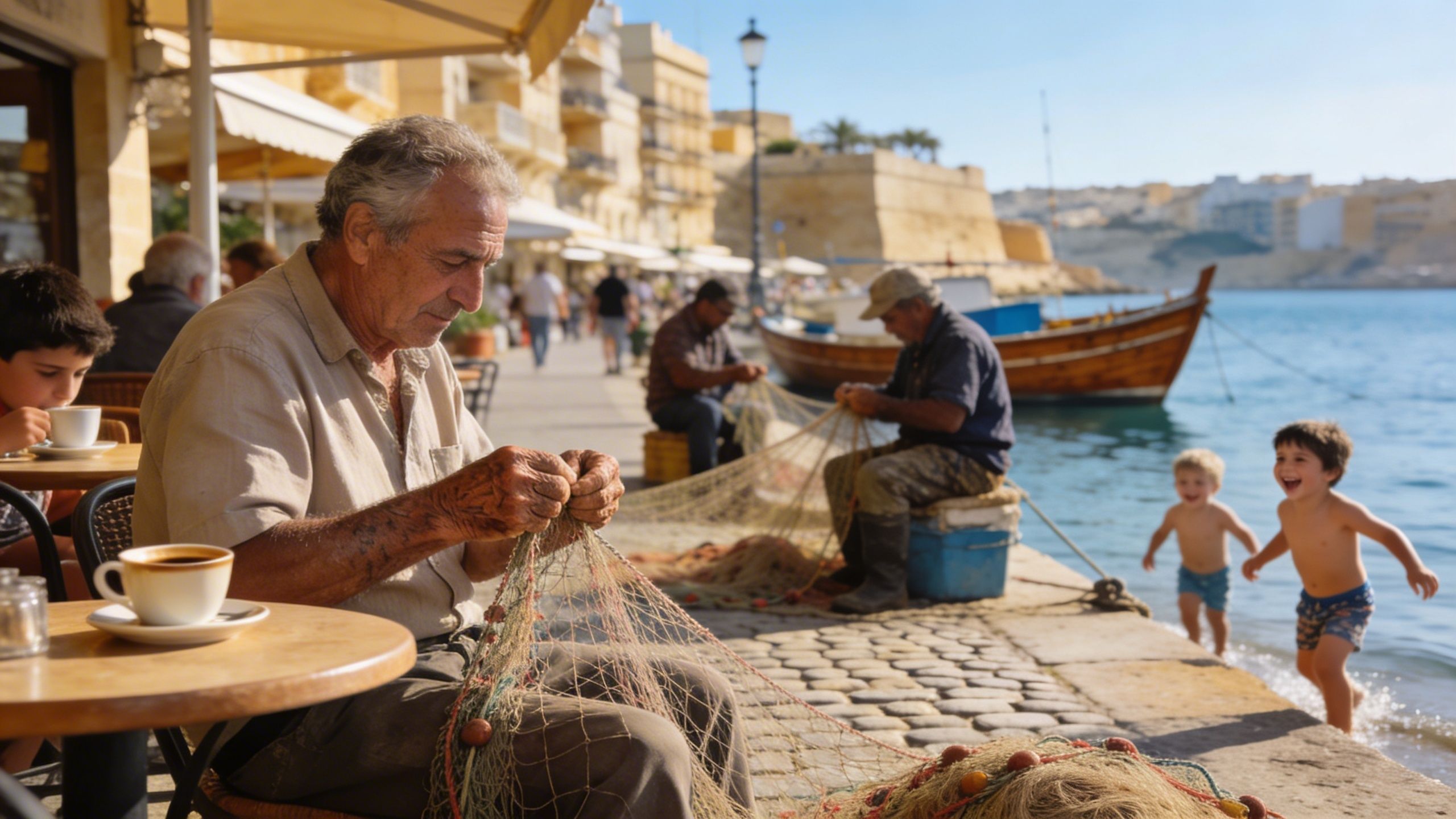
Imagine finishing a morning espresso on a narrow Valletta balcony as fishermen mend nets in Marsaxlokk below. The pace here is compact: errand-sized towns, short commutes, and afternoons that drift toward sea air. For international buyers, Malta offers an unusually concentrated Mediterranean life — and a property market that needs reading closely if you want the lifestyle without surprises.
Living the Malta life: compact, social, coastal
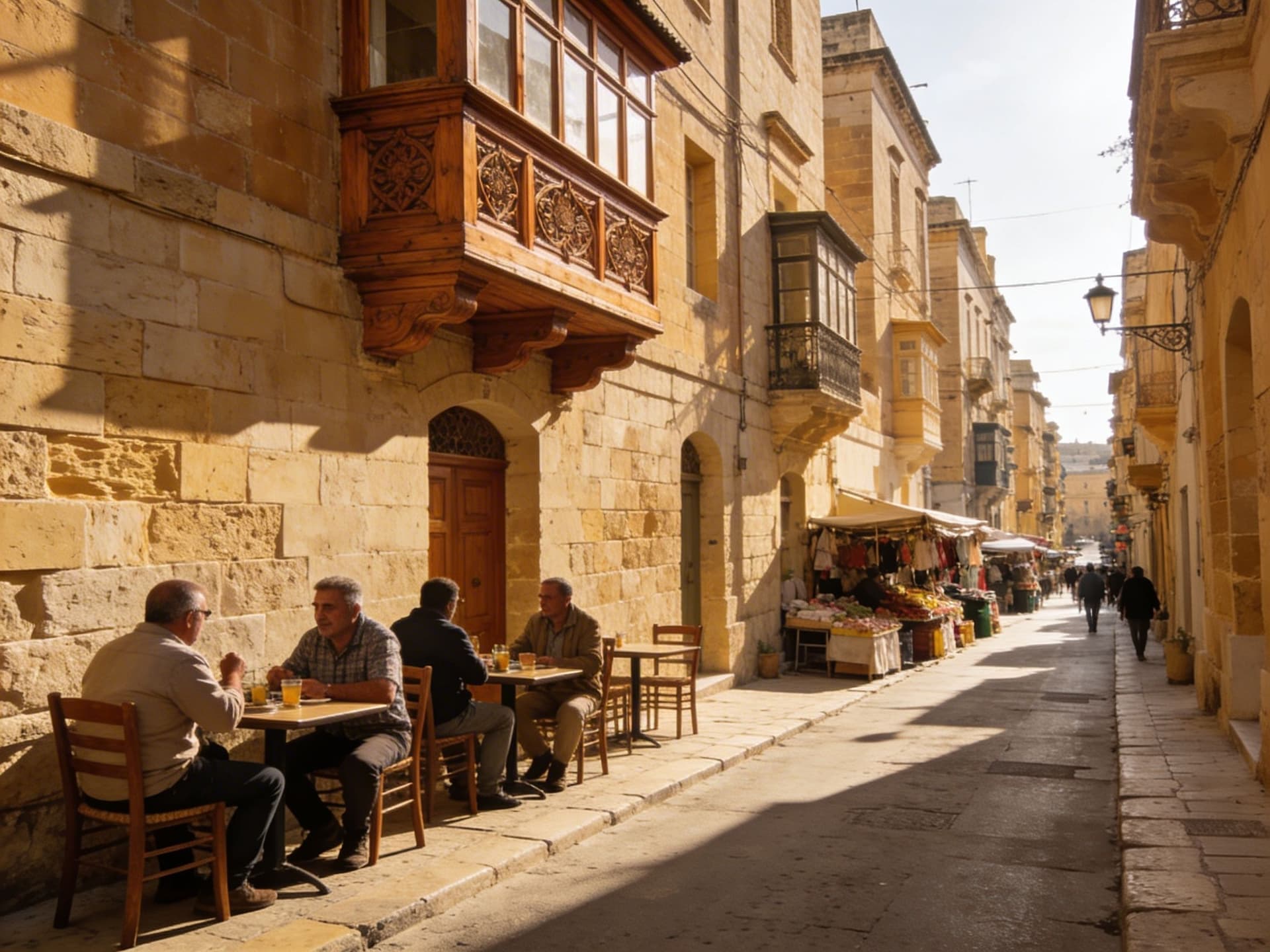
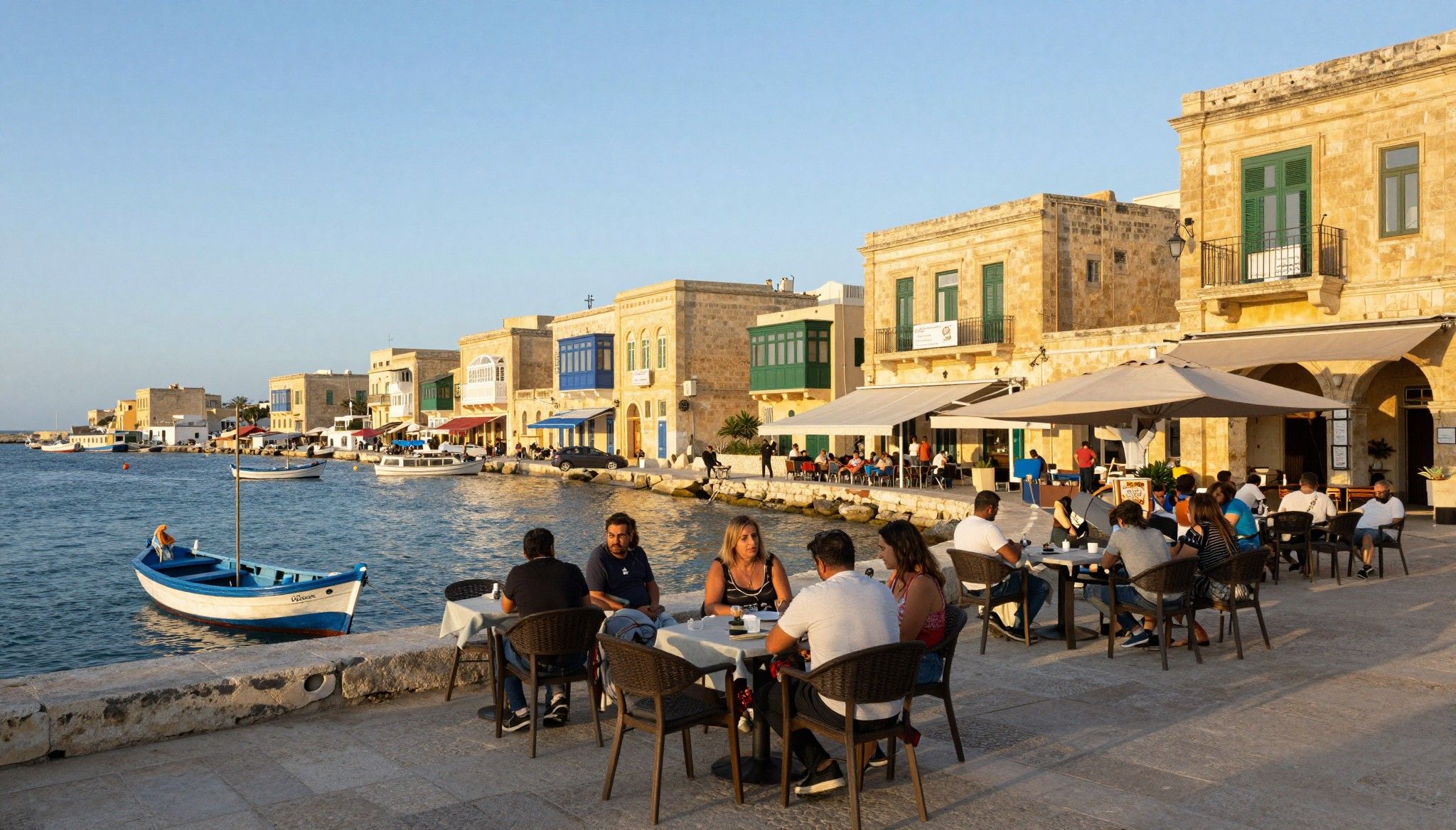
Malta lives at human scale. Streets are walkable, cafes are social hubs, and the coastline becomes a living room at sunset. From Valletta’s baroque tightness to Sliema’s seafront promenades, each place lays out a clear lifestyle promise — history close at hand, a small‑island social fabric, and an English‑friendly public life that helps internationals settle fast.
Valletta, Sliema and St Julian’s: different days, same sea
Valletta is for museum‑walk mornings and quiet, stone‑walled evenings; expect narrow lanes, small piazzas, and dramatic harbour views. Sliema is practical seafront living — cafes, shops, and terraces that face traffic and the sea in equal measure. St Julian’s (and nearby Paceville) is where nightlife and service apartment stock concentrate: lively and slightly noisier, but minutes from quieter coastal walks.
Gozo, Mellieħa and Marsaxlokk: rural weekends and local colour
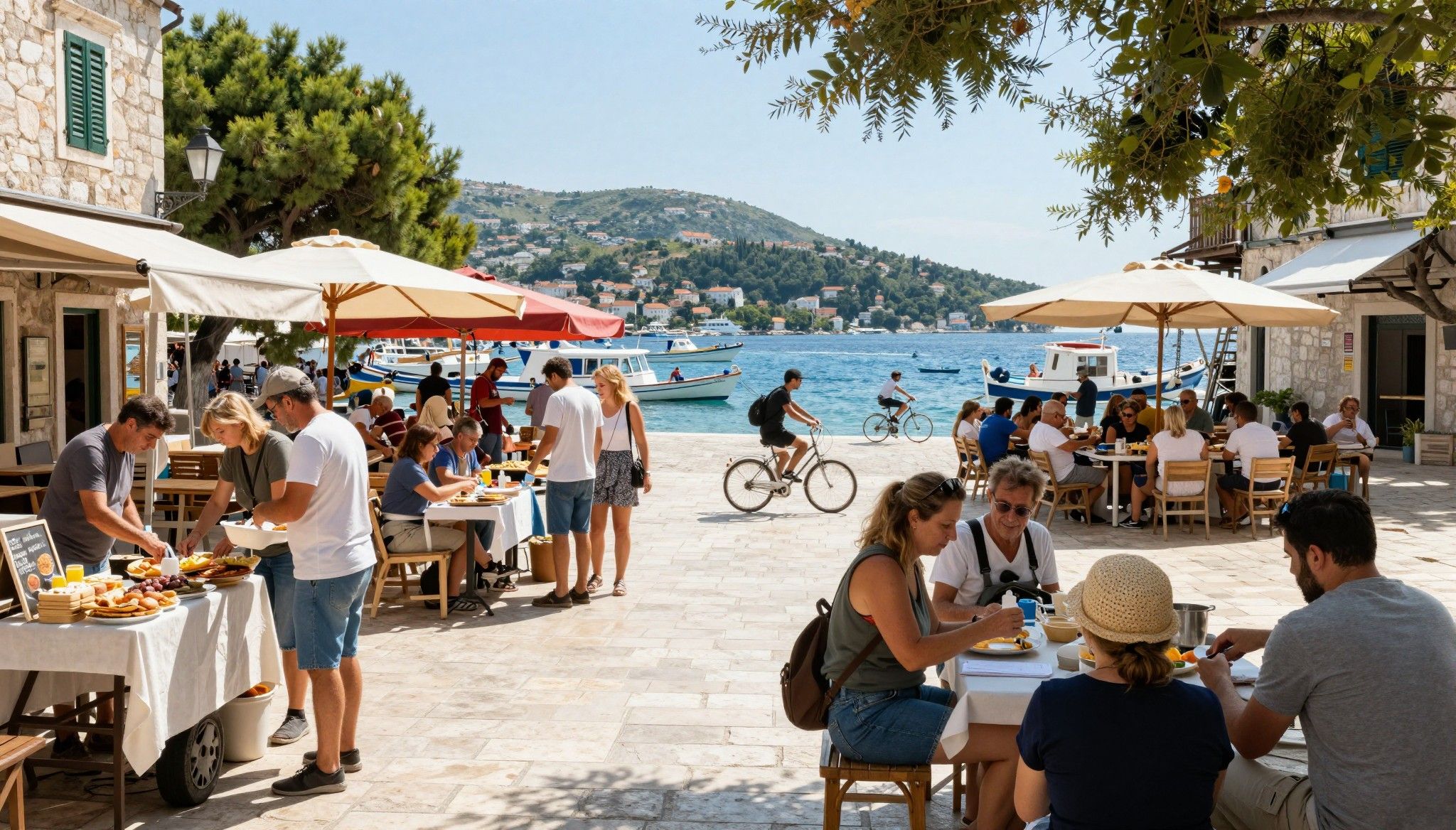
Gozo trades island bustle for fields, rural lanes, and slower Sundays — it’s where buyers seeking calm rightly look. Mellieħa and its sandy bay serve family beach life, while Marsaxlokk offers a fishing‑village rhythm and market mornings that feel genuinely local. These places matter because the weekend you imagine shapes the property you should buy.
- Morning espresso at Caffe Cordina (Valletta); fish market on Sundays in Marsaxlokk; promenade walks from Tigné Point through Sliema; glass‑fronted rooftop terraces in St Julian’s; field picnics near Xlendi Bay in Gozo; evening festa processions in local village squares.
Making the move: practical considerations that keep the dream intact
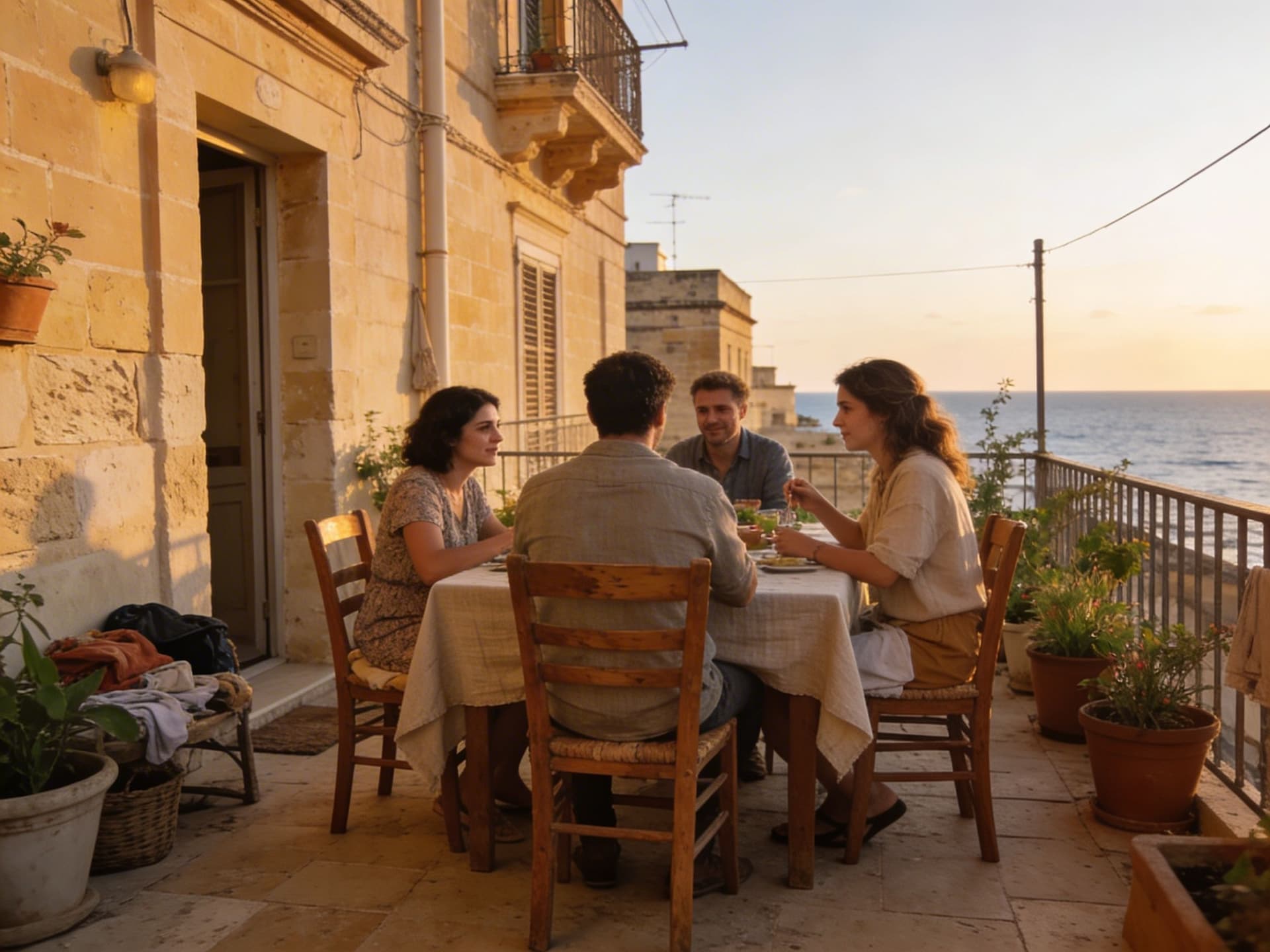
Lifestyle sells the dream; data keeps it honest. Malta’s official price indices show modest but persistent residential gains and different dynamics between apartments, maisonettes and townhouses — the type you choose directly affects both running costs and resale appeal. We always start with recent RPPI figures so you know whether your target neighborhood is on a steady rise or simply enjoying a seasonal spike.
Property styles and how they shape daily life
Traditional townhouses (houses of character) bring thick limestone walls, internal courtyards and those iconic wooden balconies (gallarija) — idyllic, cool in summer, but often needing targeted renovation. Apartments and modern blocks deliver convenience, lifts and seafront views but sometimes with higher communal fees and thinner walls. Pick a property type that matches how you want to live: courtyard dinners, terrace sun in the afternoon, or short‑stairs daily convenience.
Work with local experts who understand lifestyle trade‑offs
- 1. Ask for agency walk‑throughs at different times of day — morning markets, lunchtime, and after 10pm to test noise. 2. Request recent deeds‑of‑sale data for your street (prices can vary block by block). 3. Confirm exact communal fee history and any planned building works before you sign. 4. Insist on an agent who can show local utility histories (water pressure, cooling needs) and renovation records. 5. Visit with a contractor or surveyor who knows Maltese limestone construction.
Insider knowledge: what expats wish they'd known
People who moved here often tell the same three surprises: the island’s limited space makes desirable locations surprisingly scarce; local rhythms (festa nights, siestaesque slow afternoons) affect service timings; and English helps, but social integration still takes active effort. Agencies that pair lifestyle scouting with administrative support make the transition far smoother.
Cultural integration, language and the social scene
English is an official language, which flattens early friction — you’ll manage utilities, deals, and doctors in English. That said, local networks form around village activities, church festas and longstanding cafes; showing up helps. Expect to be invited to community events quickly if you join a local club, volunteer, or simply become a regular at a neighbourhood cafe.
Longer term: Malta’s small market amplifies both upside and downside. Official data and industry reports show steady residential demand, but also sensitivity to tourism cycles and policy shifts around residency programmes. If you plan to hold long term, think like a local resident — gardens, storage, and cooling are more important than an extra guest room that sits empty for most of the year.
- Inspect thermal performance of limestone walls; check for damp in internal courtyards; verify parking availability and delivery access; ask about fibre broadband availability for remote work; confirm municipal planning restrictions for rooftop terraces.
A final practical note: citizenship‑for‑investment schemes have been under legal and political pressure across the EU, and Malta’s programmes have evolved recently. If residency or citizenship is part of your calculation, treat those policies as changing variables and base purchase decisions primarily on lifestyle fit and local market fundamentals rather than on any single permit pathway.
If Malta feels right, plan two visits: one for falling in love with neighbourhoods, another for testing life logistics and meeting agents, surveyors and local bankers. Bring a checklist that balances what you want to live (terrace, light, neighbourhood cafés) with what you need to own (sound structure, clear title, manageable communal fees). We’ll help you translate a morning in Valletta into a realistic property shortlist.
Ready to move from imagining to planning? Start by narrowing the lifestyle you want (historic lanes, family beaches, or social seafront), then ask local agents for deeds‑of‑sale history and recent communal fee records. Treat agencies as lifestyle scouts who also bring the paperwork; that’s the combination international buyers need to make Malta feel like home, not just a holiday.
Danish investment specialist who relocated to Costa del Sol in 2015. Focuses on data-driven market timing and long-term value for Danish buyers.