The Cyprus Price Myth: Where Value Hides
Cyprus hides value where headlines don’t look: district-level data, title‑deed clarity and neighbourhood rhythms reveal practical buying opportunities.
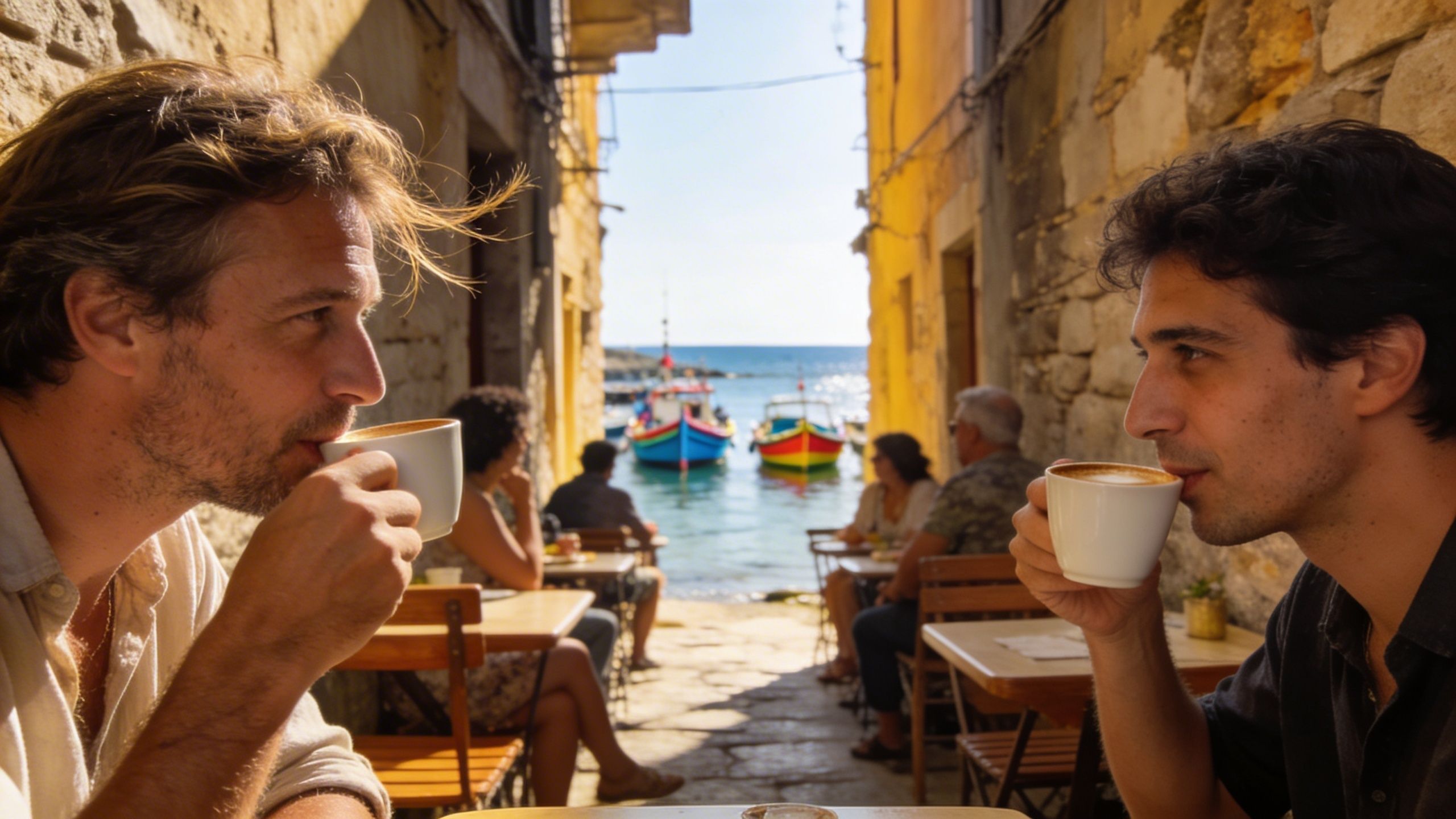
Imagine waking to a sea breeze in Limassol, buying morning pastries on Ayios Athanasios and ending the day at a taverna in Pissouri—then realising the property you loved sits in a neighbourhood most brochures call “too expensive” or “too touristy.” In Cyprus the lifestyle often written about in headlines — sun, good food, quiet coastal streets — is true. But the story foreigners are told about price, transparency and risk is noisier than the reality. We’ve lived through market cycles here and spent time with local lawyers, the Department of Lands and Surveys and agents who still do the paperwork. This guide pulls back the curtain: where value actually hides in Cyprus, what transparency looks like on the ground, and how to make an informed move that starts with feeling at home and ends with paperwork done right.
Living Cyprus: more than postcard sun
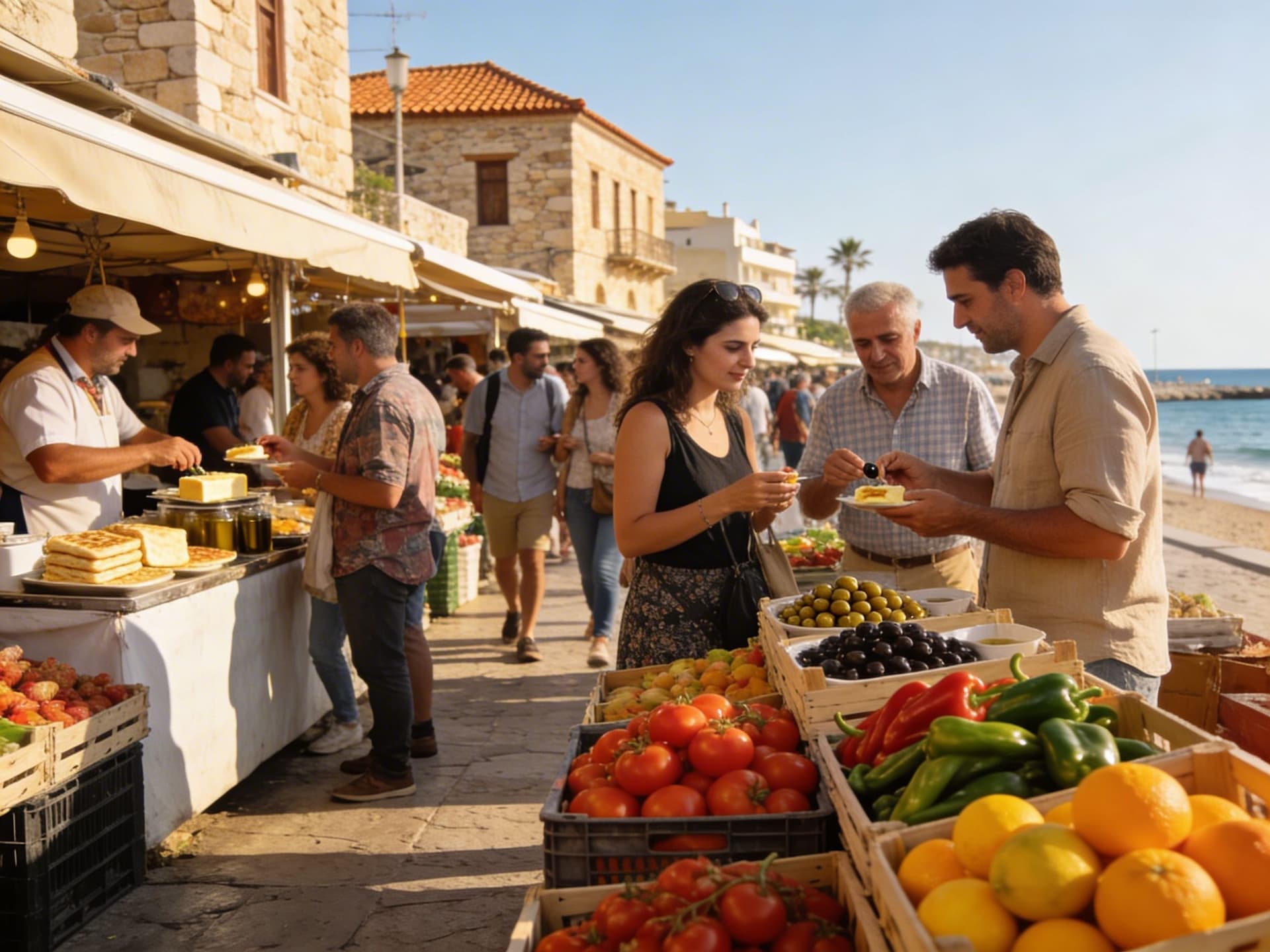
Cyprus is not one scene repeated. Nicosia hums with weekday cadence and cafés filled with office workers, Limassol moves between yacht berths and apartment towers, Paphos feels small‑town but tourist-sophisticated, and the Troodos foothills keep a different rhythm entirely. Days are paced by light and social rituals: late morning coffee (frappe or Greek coffee), long lunches, shops that close for the afternoon, and evenings that start late. For many internationals the island is equal parts sea and community—English is widely spoken, neighbourhood associations are active, and local festivals (panigiria) still set the yearly calendar.
Neighbourhoods that tell the real story
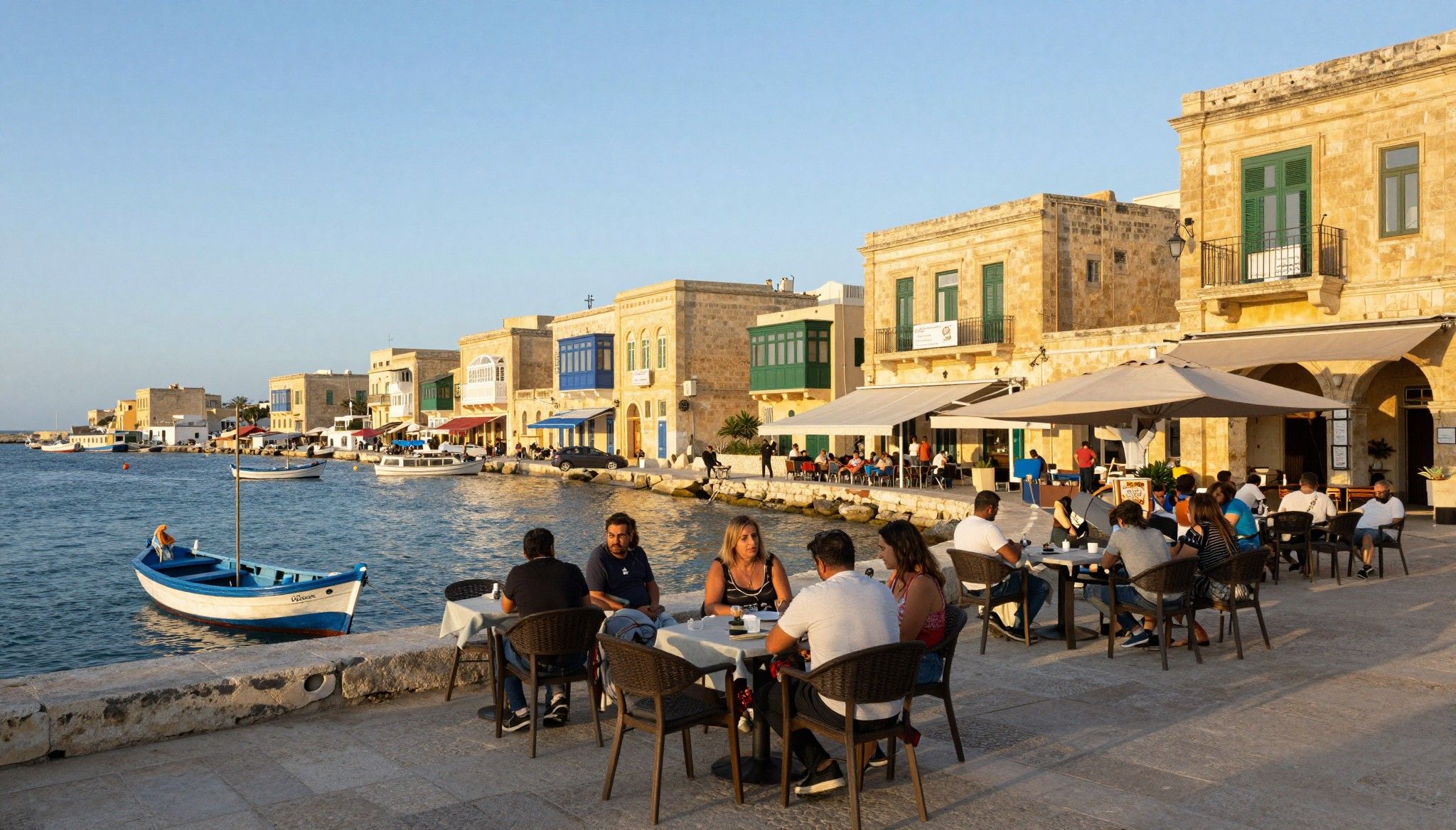
Walk down Gladstonos Street in Limassol and you’ll meet small bars, a boutique grocer and an estate agent window with a mix of modern flats and restored townhouses. In Larnaca, the Finikoudes promenade sets the tempo—morning walkers, afternoon families—while quieter neighbourhoods like Skala show where locals prefer to live. Paphos’ Kouklia and Emba offer village scale close to coastlines where rental yields and demand from holiday visitors hold steady. These micro-climates are where lifestyle and price signals converge, and where smart buyers find mismatches between perception and reality.
Food, markets and the small pleasures that sell a life
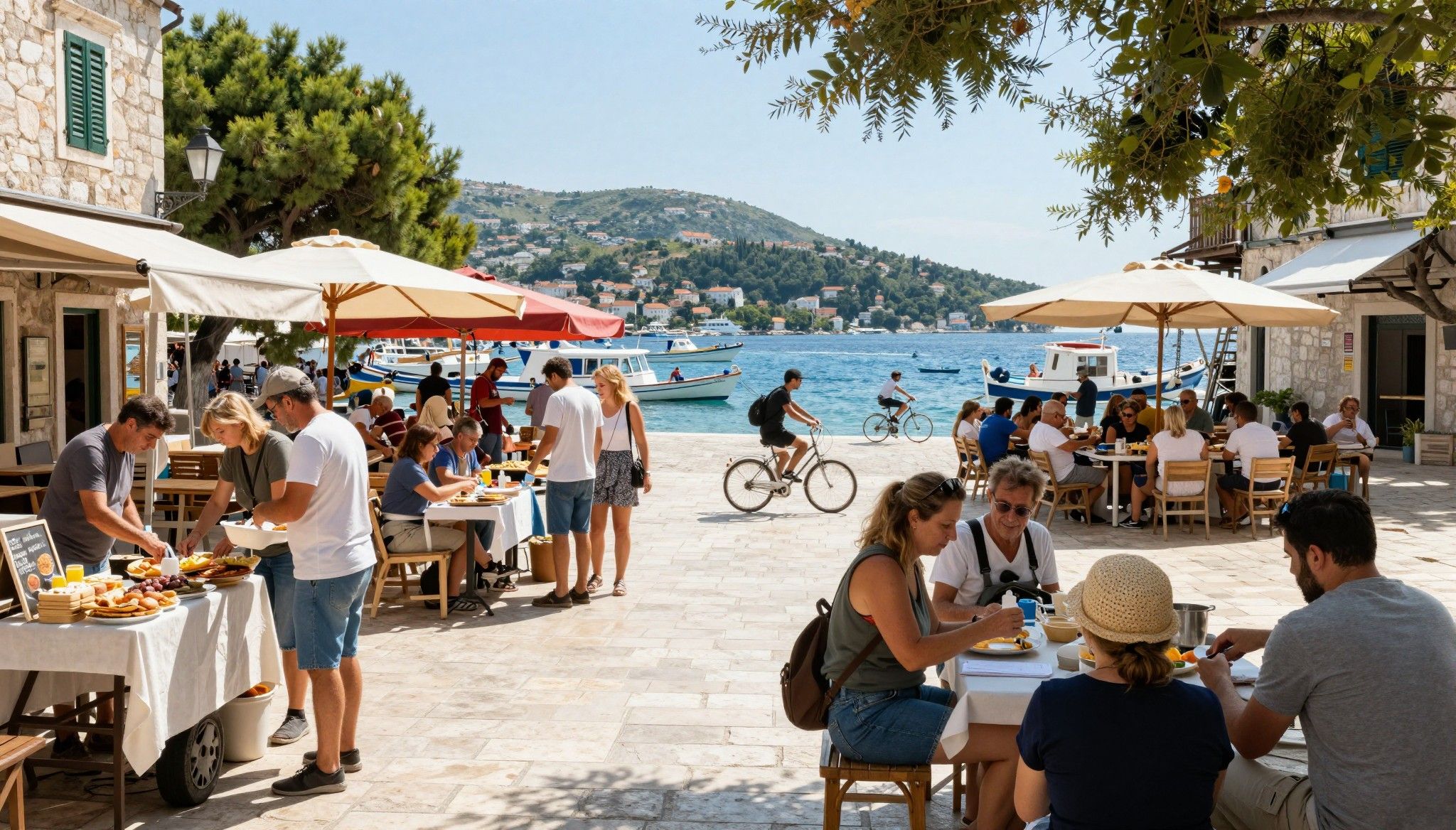
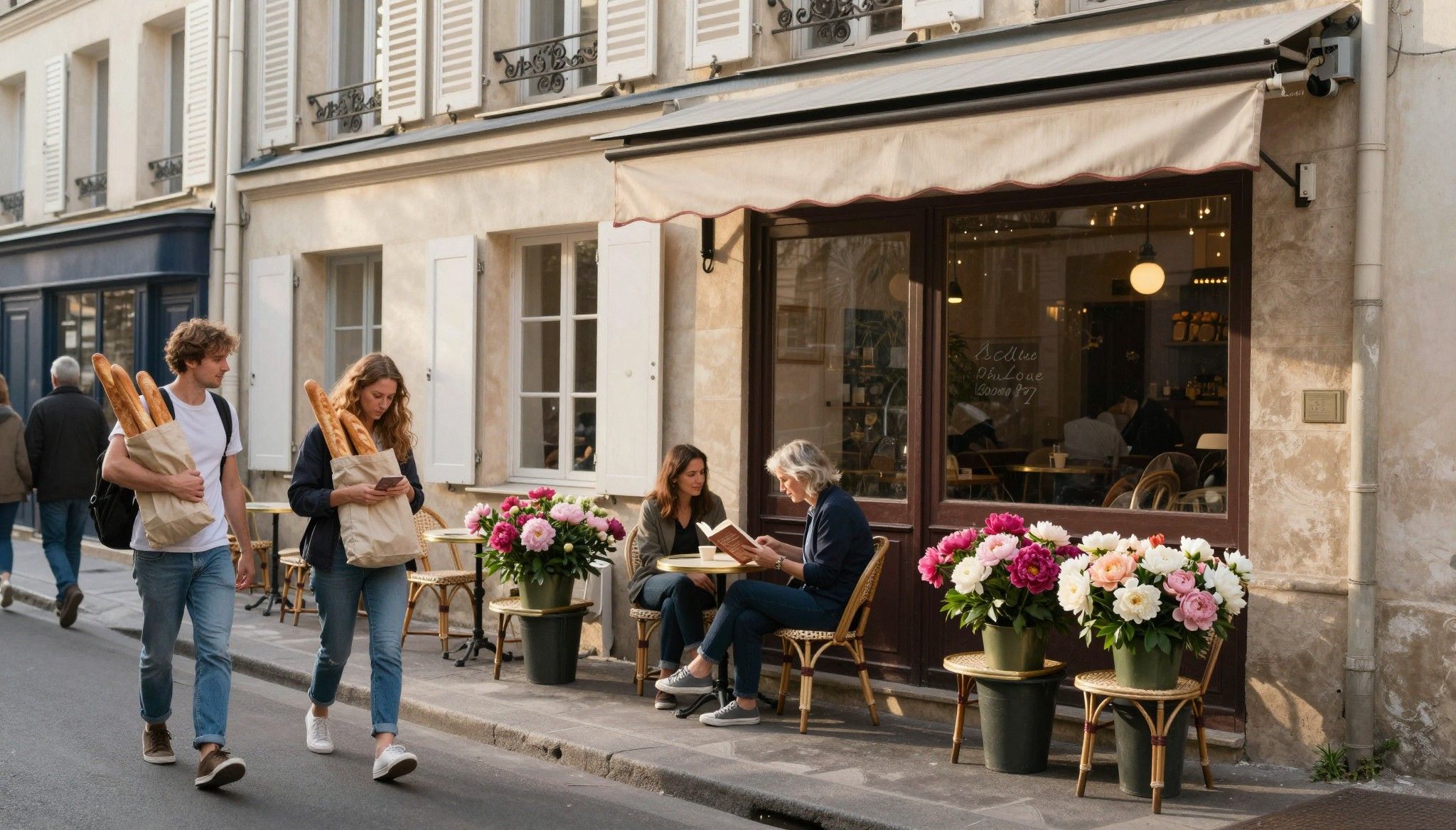
A Saturday at the Nicosia municipal market explains more about daily life than any glossy brochure: sellers calling prices, olive oil tastings, and neighbours catching up. Dishes to try include halloumi grilled on the spot, loukoumades at a tiny stall, and fresh fish in Latchi harbour at dusk. These are the everyday anchors buyers tell us they miss most after moving. When you choose a home in Cyprus, you’re buying that rhythm as much as square metres: access to a bakery on foot or a local community that keeps the street lively matters financially and emotionally.
Making the move: what the market data actually says

Headline numbers can mislead. Recent reports show the market’s total transaction value remained strong while foreign buyer activity cooled modestly in 2024, and average prices for new apartments softened in parts of the island. That combination means pockets of real value persist—especially outside the Limassol waterfront where foreign demand historically concentrates. Use local, recent data: PwC’s 2024 market review and Landbank Analytics’ breakdown are good starting points for district‑level comparisons. Read them before you make an offer so you know if a premium is lifestyle-driven or market-driven.
Property styles and what they deliver
New‑build apartments give modern finishes and zoned warranties, but can lag on title deeds until the developer completes registration. Traditional stone houses in villages offer character and land, yet expect renovation work and variable services. Seafront flats trade higher liquidity for management fees and tourist-season noise. Match property type to your daily life: if you want a morning market and neighbourhood cafés choose a town centre apartment; if you want quiet and a garden, look inland at small villages where price per square metre can be lower and community ties stronger.
How local experts turn lifestyle into safe buying steps
Engage a Cyprus lawyer early (search the Department of Lands and Surveys records); ask agents for recent sale contracts in the block; insist on a Search Certificate showing mortgages and memos; confirm planning permissions for any extensions; and factor in realistic timelines for title deed issuance if the property is a new development. These steps protect both lifestyle expectations and capital — they ensure the café you fell for really will be five minutes away and that the terrace you loved is legally yours.
Insider knowledge: myths, red flags and the things expats wish they knew
Myth: Cyprus lacks transparency. Reality: the registers are public and the Department of Lands and Surveys provides search certificates and guidance — but not every seller or agent presents that paperwork up front. We’ve seen buyers fall in love with a view, pay a deposit, and later discover a memoire or building encumbrance they hadn’t been told about. Ask for the Search Certificate and the title deed number before you commit. When in doubt, your lawyer should be able to retrieve and explain the Land Registry entry directly.
Common red flags to watch for
- No title deed available for a completed unit without explanation
- Deposits taken before the contract is lodged at the Land Registry
- Conflicting planning permissions—extensions sold that aren’t permitted
- Opaque management company accounts on apartment blocks
What buyers often miss — and how to spot opportunity
Contrary to the 'everything in Cyprus is overpriced' refrain, data shows shifting demand: average new apartment prices fell in recent reporting, and transaction patterns moved inland and to secondary towns. That’s the noise you want: where coastal luxury cools, village life and smaller coastal towns can offer better yield-to-price ratios and a truer lifestyle fit. Look beyond the headline city and consider areas where community, local markets and infrastructure are improving—these are where value often compounds.
- Practical next steps we recommend
- 1) Visit for a full week in your target season to feel daily life; 2) Ask your agent for three recent comparable sales in the exact street; 3) Have a Cypriot lawyer obtain a Search Certificate and check planning; 4) If title deeds are pending, get a timeline and escrow protections written into the contract; 5) Budget for management, utilities and a modest contingency for renovation.
We want you to fall for Cyprus—its beaches, markets and the light that changes the ordinary into a small pleasure. But falling in love should be sensible: check the records, read the recent market reports, and buy a neighbourhood you’d happily live in for five years. If you do that, price corrections or tourist-season blips matter far less than the daily life you’ll open the door to. When you’re ready to look, work with an agency that proves their local knowledge with documents, not promises — and that’s the kind of local help that makes a move here a success.
Norwegian market analyst who serves Nordic buyers with transparent pricing and risk assessment. Specializes in residency rules and tax implications.