Buy the Life: Street‑Level Truths About Greece
Fall for Greece’s daily rhythms first — markets, cafes, coastlines — then align neighbourhood choice with market facts, Golden Visa zones and street‑level checks.
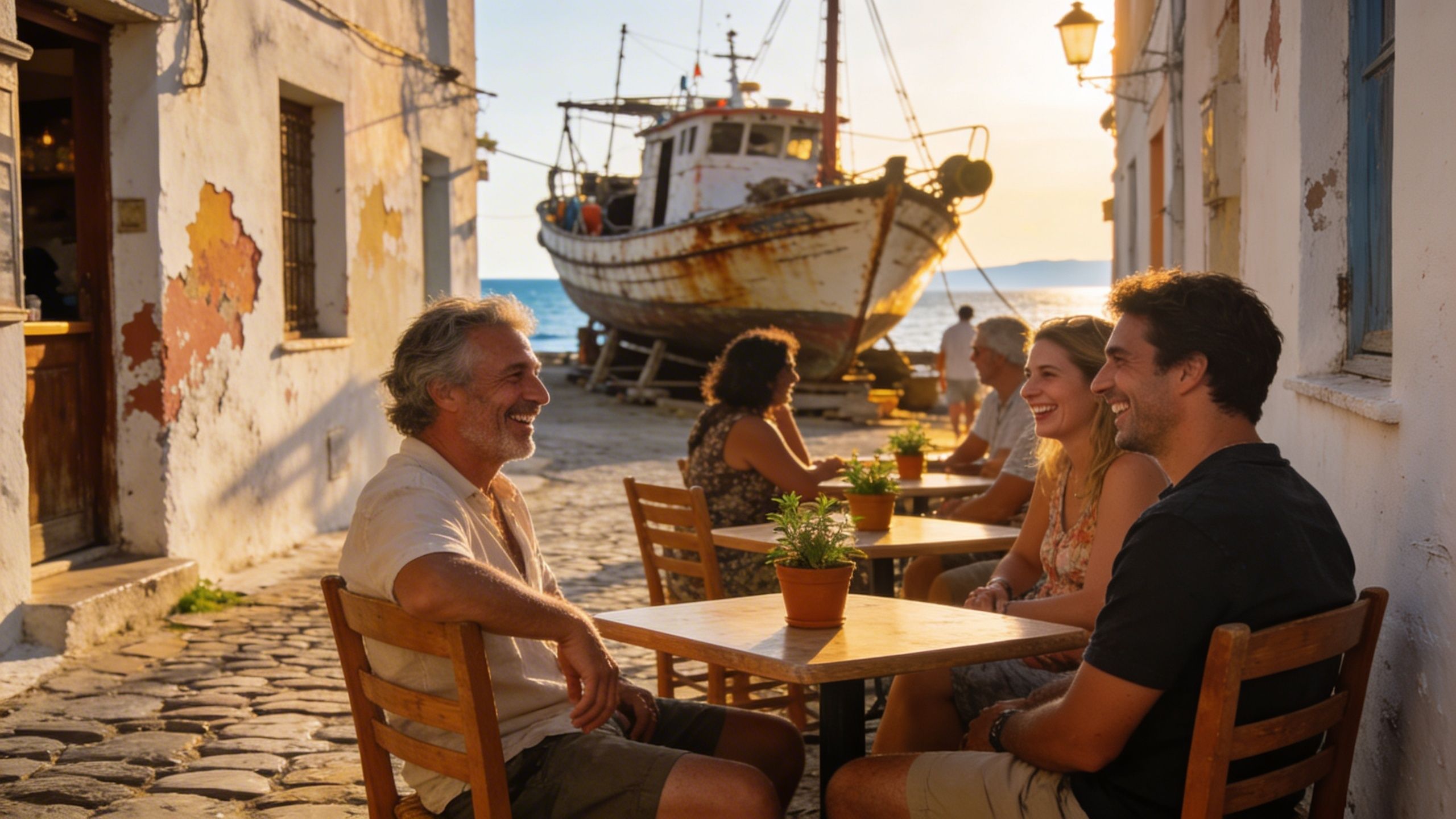
Imagine sipping espresso at a sun-faded table on Koukaki’s Pritanis Street, then walking five minutes to a morning market where fennel, olives and a fishmonger’s banter set your daily rhythm. That’s Greece: noisy, delicious, and stubbornly alive — and what you pay for a door on this life depends far more on neighbourhood rhythm than headline island prices. We’ll show you the life first, the buying reality second, and the exact signals agents use to match one to the other.
Living the Greece lifestyle
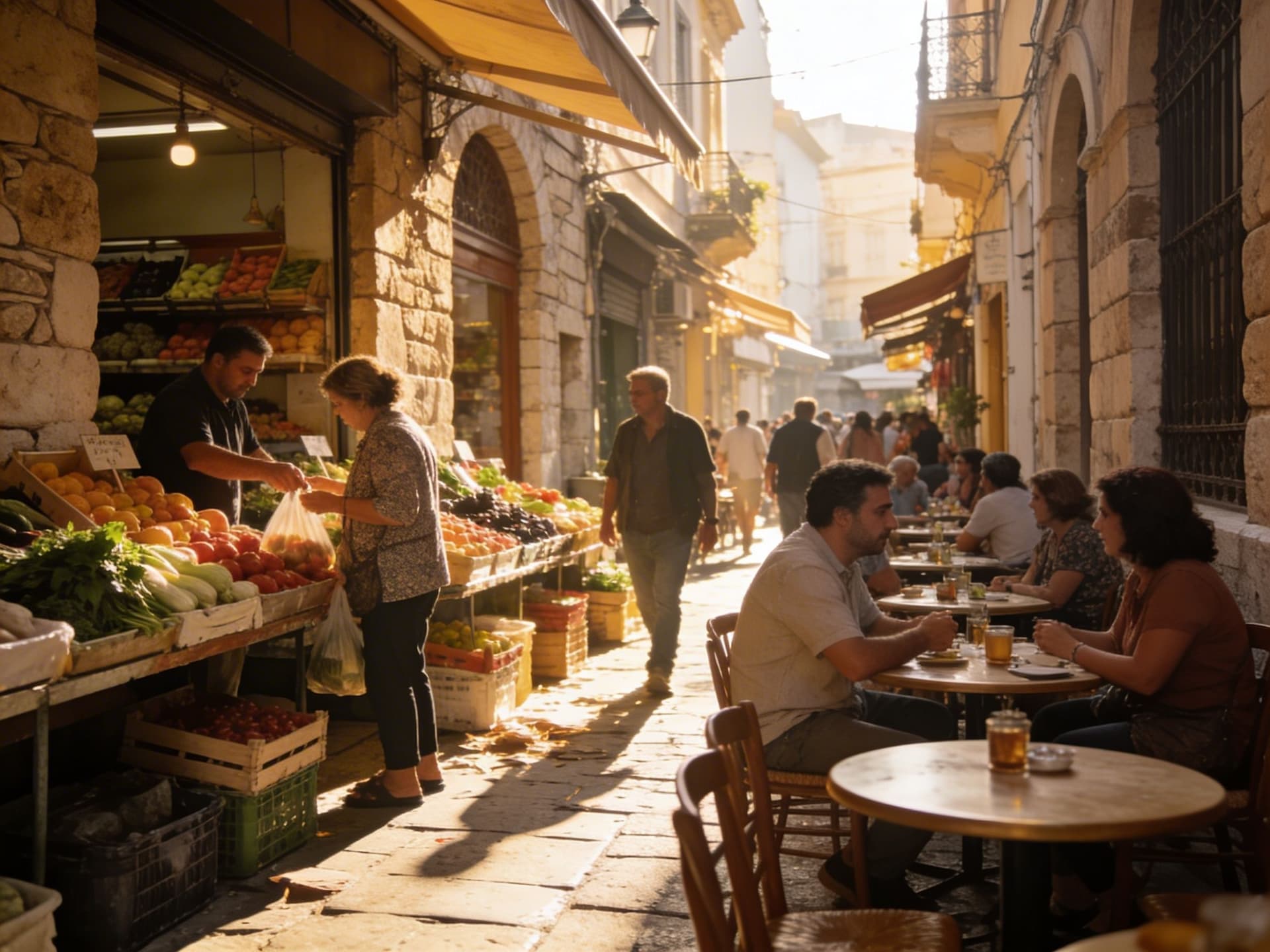
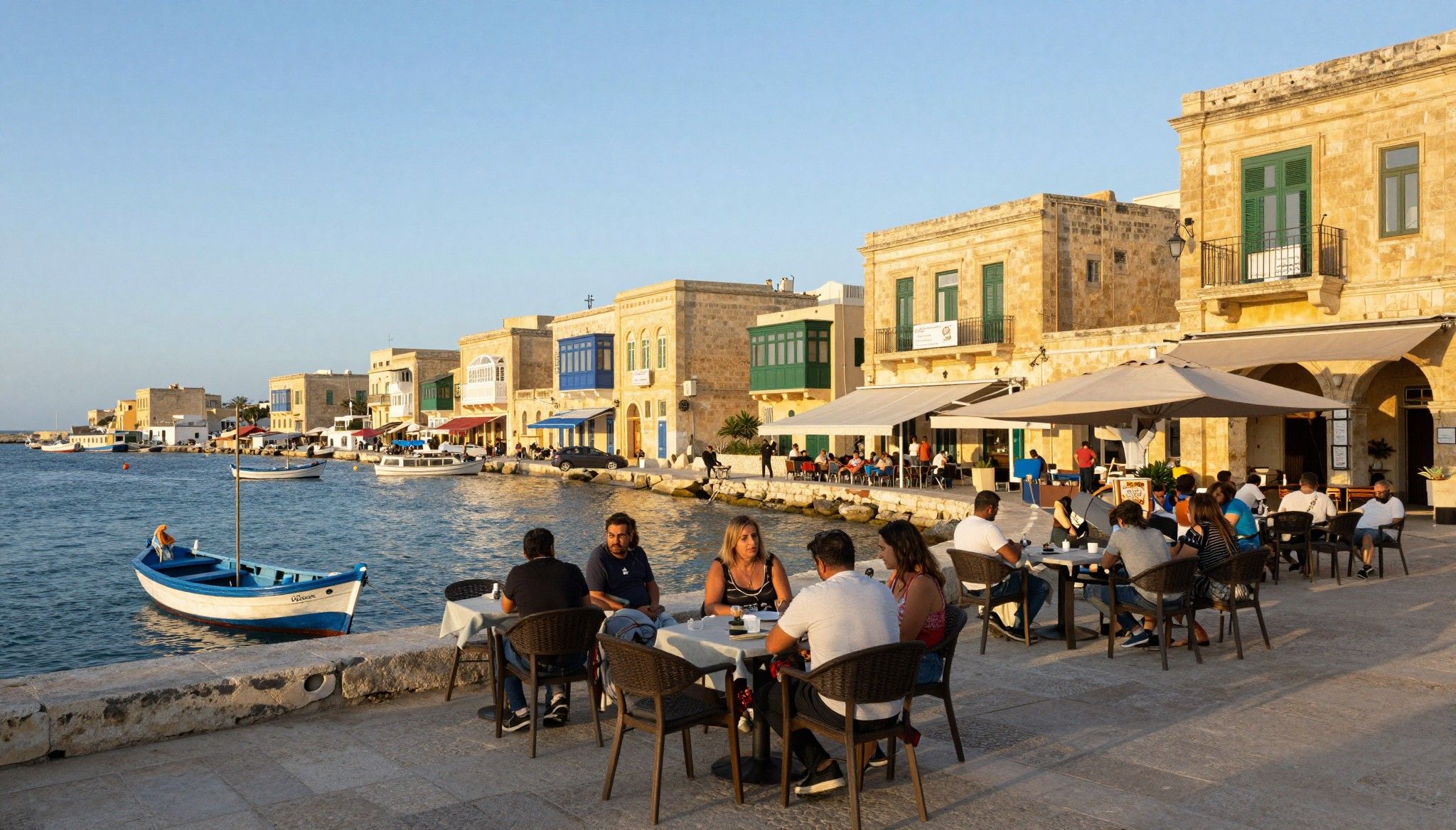
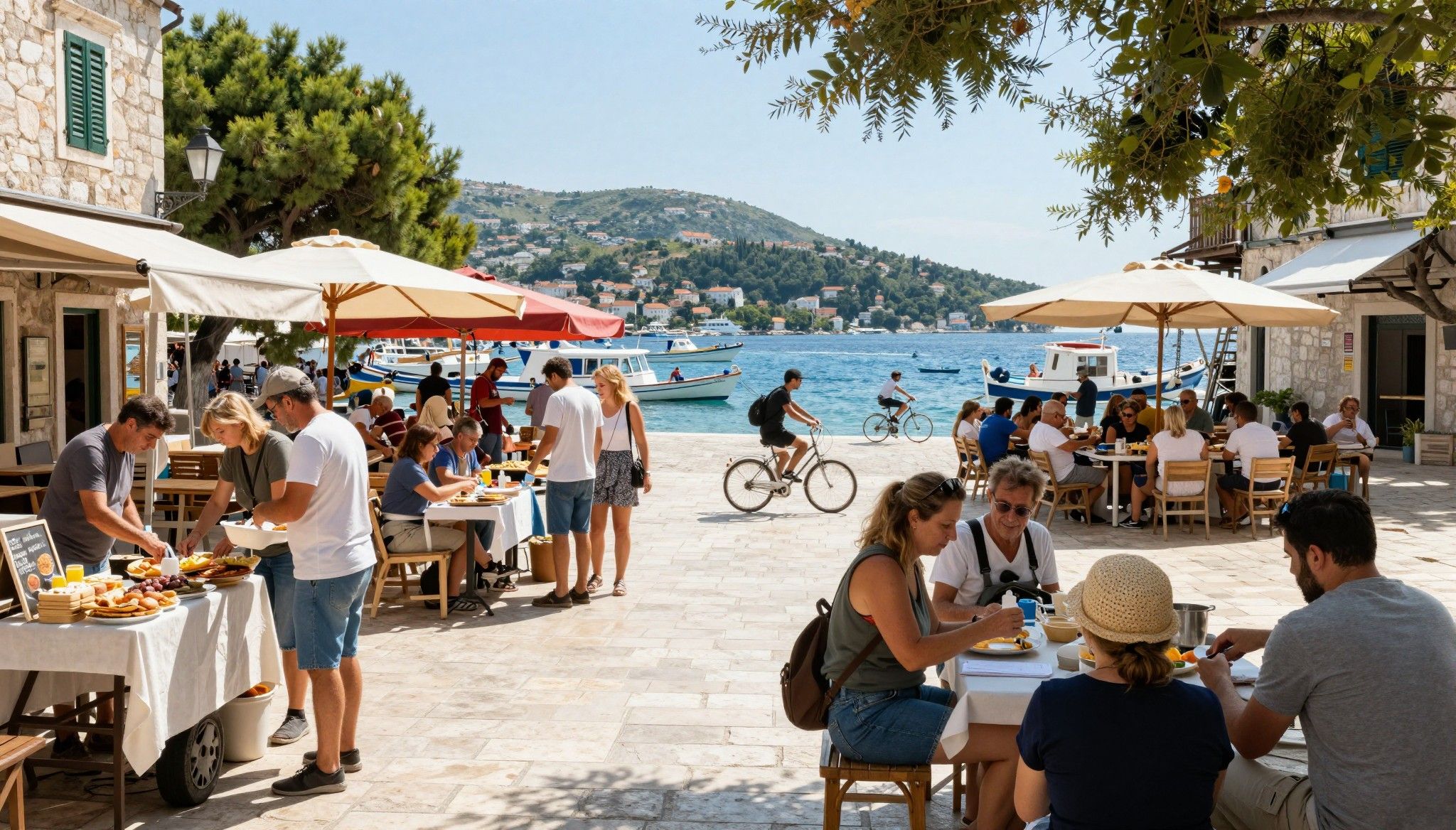
Days in Greece move between light and flavour. In Athens you’ll swap museums for late‑afternoon beaches on the Riviera; on islands like Paros or Naxos, mornings mean cafes and evenings mean tavernas where the same faces return week after week. This is why neighbourhood choice matters: a small apartment in Koukaki or Glyfada buys access to that daily life — not only a view.
Athens neighbourhoods that feel like a life, not a listing
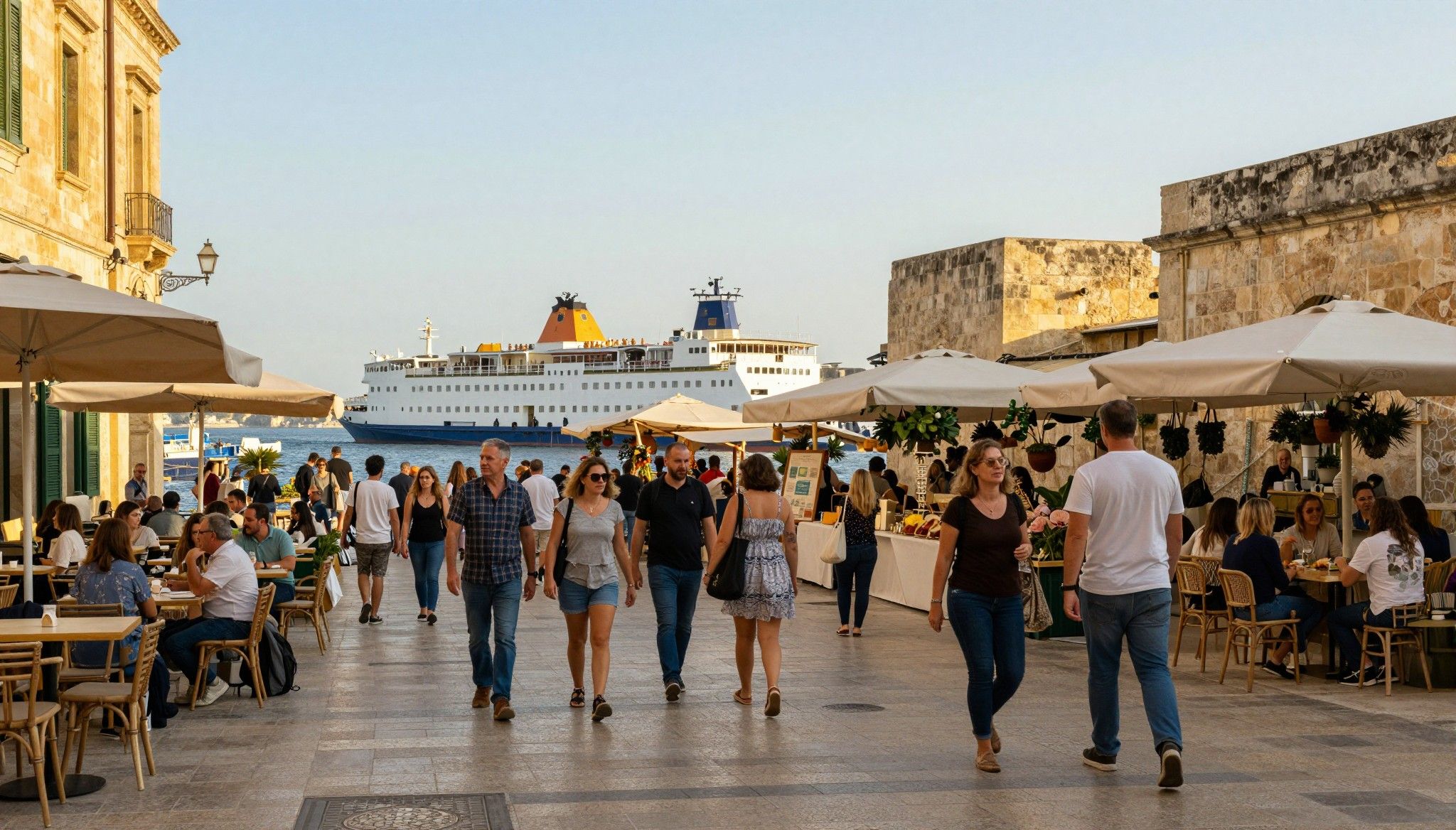
Koukaki and Pangrati give you morning markets and strong rental demand; Kolonaki is quieter by day, cosmopolitan by night; Glyfada and the Athens Riviera swap central noise for sea breezes and long promenades. Each delivers a different pace: choose the street that matches how you want to spend Tuesday mornings, not the one brokers call “prime”.
Islands and coastal rhythms: Paros, Crete, and the Cyclades
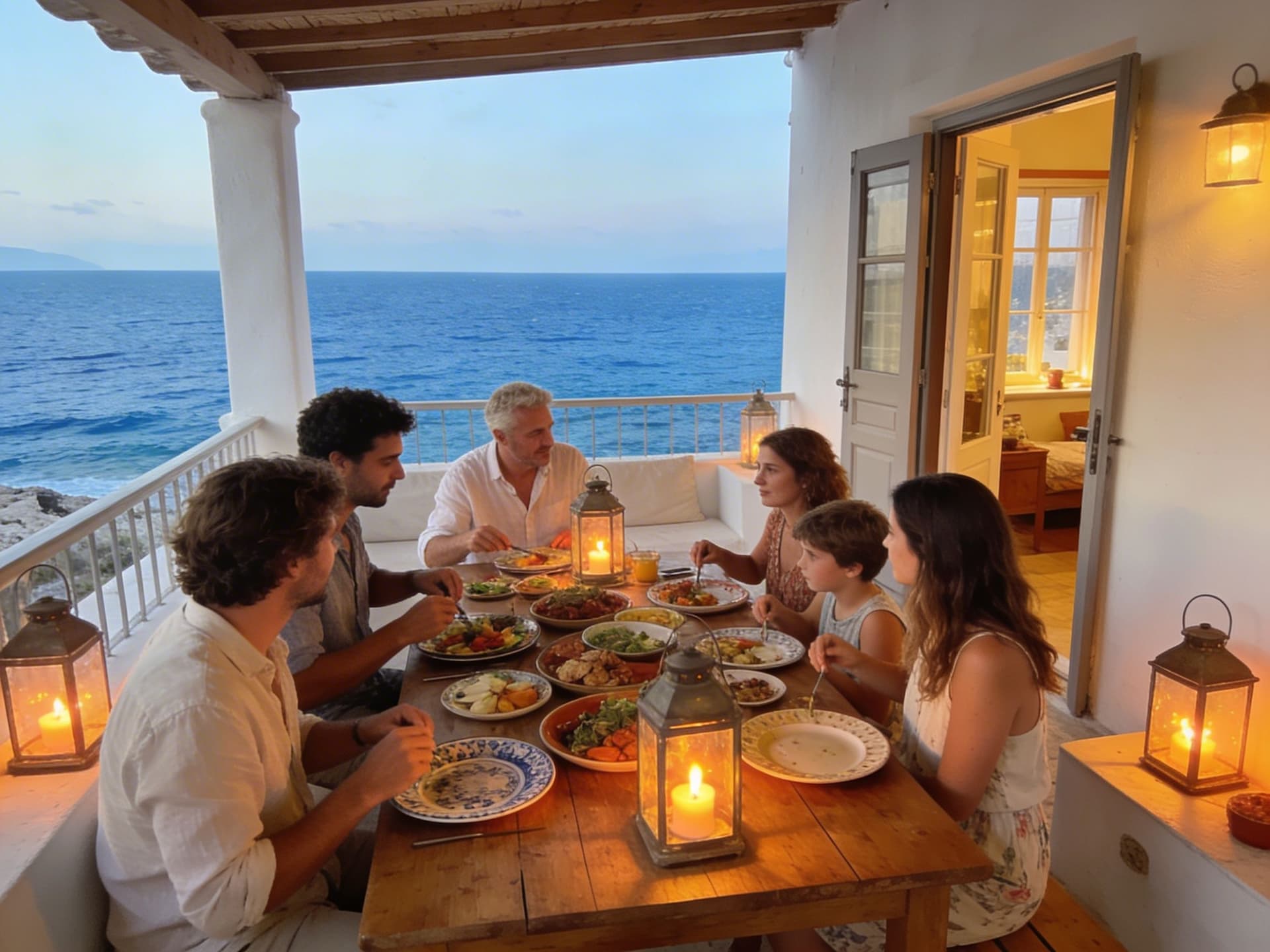
On islands, life is seasonal but layered: chefs close for winter, locals hold festivals in August, and small ports hum on market days. Mykonos and Santorini command island premiums; Paros and Naxos give a softer rhythm and often better long‑term community. Crete mixes scale and services — villages that feel permanent, not staged for tourists.
- Morning coffee and market runs (Koukaki’s Pritanis, Monastiraki stalls) Late afternoons on the Athens Riviera promenade (Glyfada beaches) Village festivals and panigiria (island summer nights) Neighbourhood tavernas with standing regulars (Pangrati, Chania old town) Small marinas and morning fishermen’s auctions (Paros, Naxos) Sunday walks under plane trees in Thessaloniki’s Ano Poli
Making the move: lifestyle-led practicals
Picture your lifestyle first, then overlay the market facts. Nationwide asking prices rose strongly in recent quarters while certain regions like the Athens Riviera and Cyclades outpaced the rest. That means where you buy changes both what you’ll pay and how easy it is to live the life you imagined. A clear brief — commute tolerance, desire for a terrace, seasonality — saves time and money.
Property styles and how they shape daily life
A whitewashed island maisonette gives you terraces and late dinners that spill into the street; an Attica apartment gives you services, doctors and year‑round transport. New builds in Athens suburbs often include insulation and warranties that matter for long winters; stone houses in Crete need different upkeep. Match building type to how often you’ll actually be there.
Working with local experts who understand the life
- Write a lifestyle brief first: list three daily rituals you won’t compromise on (market, beach, commute). Ask agents for street-level comparables, not just zone averages — the same square metre can vary wildly between streets. Request winter and summer utility bills and community rules so seasonal life matches expectations. Insist on an agent who will introduce you to a local notary and a trusted renovation contact before you sign.
Insider knowledge: what expats wish they'd known
We’ve heard the same five regrets from buyers: underestimating seasonal rhythms, assuming island life equals investment returns, ignoring hidden community rules, not checking energy and insulation, and thinking a Golden Visa is simple. Recent legal changes raised minimum investment thresholds in popular zones — that matters if residency is part of your plan.
Cultural integration and everyday practicalities
Learn a few Greek phrases and a handful of local suppliers. Regulars at cafés become quicker sources of property truth than any listing site. Expect bureaucracy to be deliberate; patience and a local fixer‑in (lawyer or agent) will save you weeks. Festivals, local councils and community associations also shape what you can and can’t do with a property.
Long‑term lifestyle and investment realities
Expect a mature market: price growth has moderated from peak fast‑track years and quality stock is scarce. If you want yield, focus on tourist‑adjacent neighbourhoods with year‑round transport; if you want a slower life, choose villages with proven seasonal infrastructure. Either way, plan for 3–6% realistic annual returns rather than headline highs.
- Check winter sunlight and wind exposure for terraces Ask for energy certificates and recent renovation permits Confirm community rules on short‑term rentals before budgeting Compare street‑level prices, not just regional averages Budget for island maintenance: water, transport, winter closures
- Decide your lifestyle priority (service vs seclusion). Set a firm street‑level budget and stick to it; agents will show you above and below. Commission a local survey and confirm permits before signing. If residency matters, match property location to current Golden Visa zones and thresholds.
In short: fall for the life, then verify the file. Greece sells itself in moments — a seaside lunch, a sunset piazza — but good purchases are built from neighborhood rhythm, documented facts and local relationships. When you’re ready, an agent who knows both the street and the law will turn that feeling into a reliable plan.
Dutch relocation advisor who moved to Marbella in 2016. Guides Dutch buyers through visa paths, relocation logistics, and balance of lifestyle with value.