Cyprus: The Neighbourhood Signals That Matter
Cyprus combines sunlit lifestyle with nuanced price trends: houses outpaced apartments recently. Use district data, seasonal visits, and local agents to match lifestyle to investment.
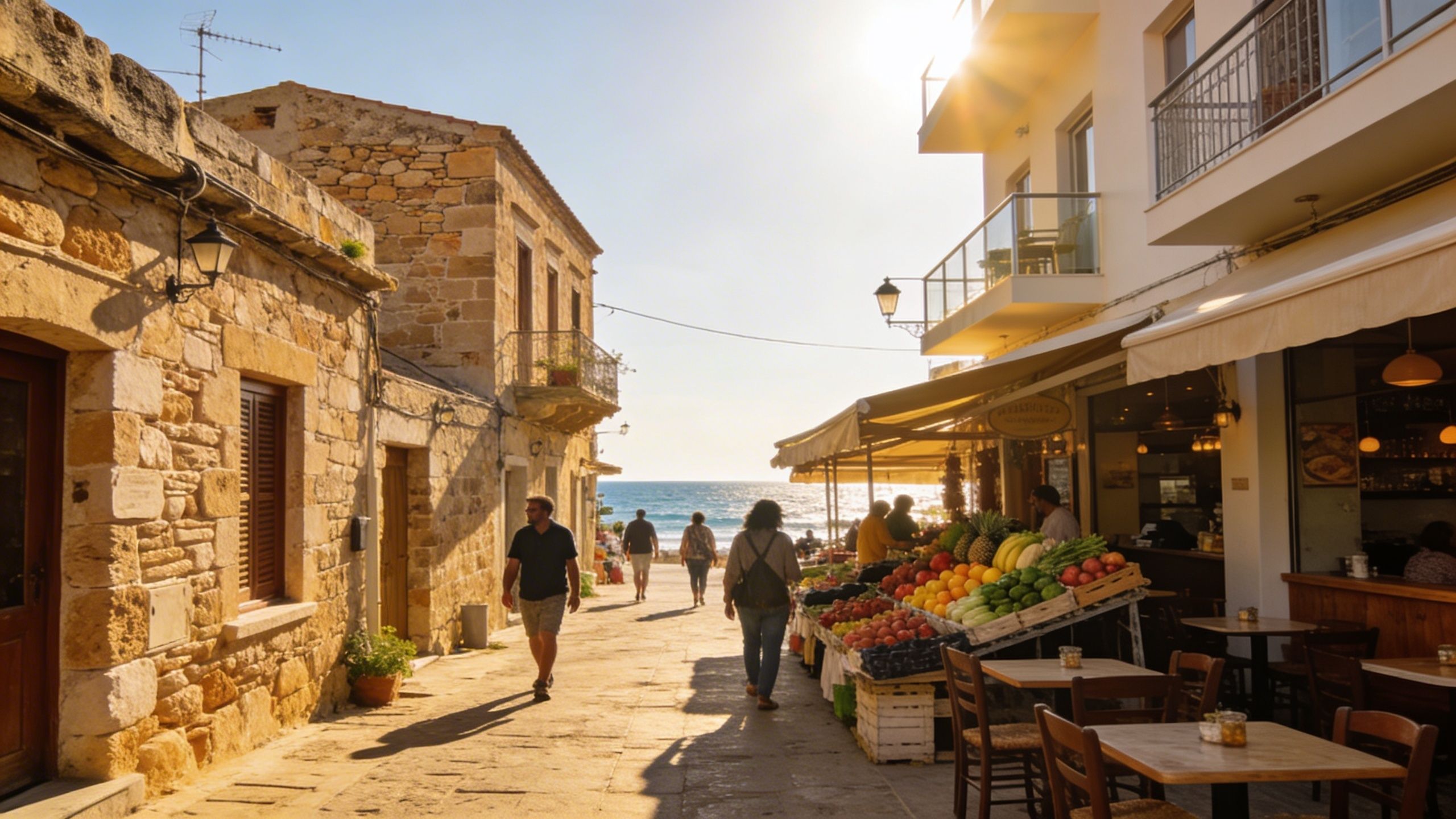
Imagine waking to a pastry stall on Ledra Street, the sea-scented wind off Limassol’s promenade, and a neighbourhood where café tables spill into the afternoon. Cyprus sells that everyday ease—sunlight, small-city rhythms, and an approachable pace—but the property story beneath those streets is more complicated. Prices have risen, plateaued, and shifted between apartments and houses; for an international buyer the question isn’t just “Is Cyprus expensive?” but “Which Cyprus — and which season — are you buying into?” We’ll take you through neighbourhood life, surprising data, and the practical signals that separate a romantic buy from a sensible purchase.
Living the Cyprus life
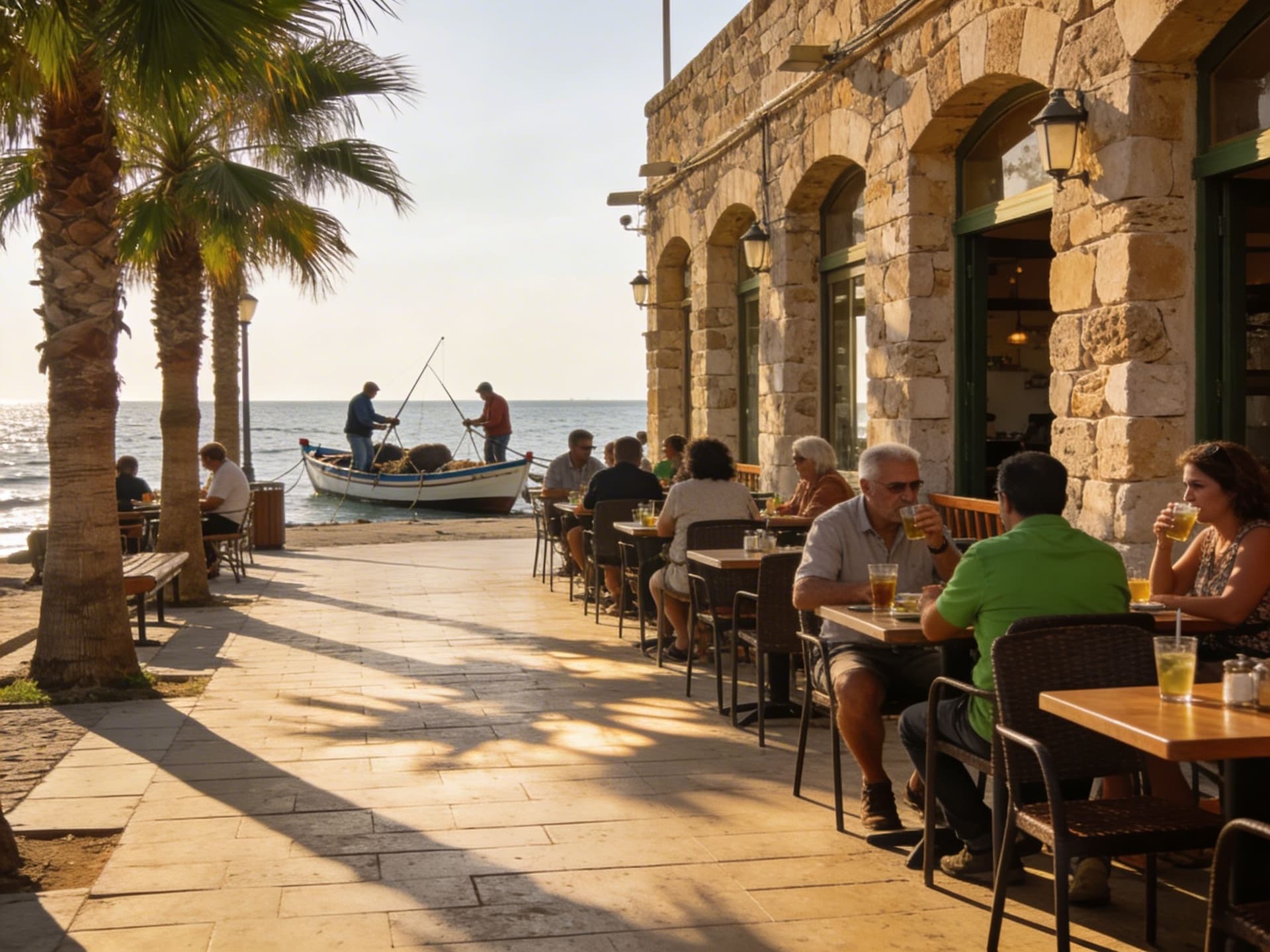
Cyprus feels small in a generous way: mornings at municipal markets smelling of halloumi and thyme, afternoons on pebble beaches, evenings threaded with family dinners that last hours. Cities keep their human scale—Nicosia’s old town lanes, Limassol’s promenade, Paphos’s castle-side restaurants—while mountain villages like Omodos offer a quieter, olive-tree rhythm. For buyers that matters because lifestyle dictates the property you want: a flat above a lively square or a stone house with a courtyard changes both running costs and resale appeal. The island’s bilingual pockets (Greek and English) make integration easier, but neighbourhood textures—student zones, expat enclaves, fisherman quarters—translate directly into price and rental demand.
Limassol: coastal cosmopolitanism
Limassol mixes marina-side new builds with narrow lanes where butchers and bakeries trade in the same breath. You’ll find high demand from families and international professionals near the seafront, while old residential streets behind the promenade offer quieter, more affordable pockets. Cafés like Mill Street (local favourite) and fish tavernas around the old port shape weekend life; properties that deliver short walks to these spots command a premium. For investors, Limassol’s rental market is strong year-round—holiday demand peaks in summer but corporate and long-term leases provide steadier returns off-season.
Paphos & Larnaca: heritage and slower growth
Paphos pairs archaeology with approachable prices on average, making it a favourite for retirees and cultural buyers who want a long view. Larnaca is increasingly practical—good airport links, working marinas, and more affordable coastal living compared with Limassol. Both offer pockets where house-price growth has outpaced apartments recently, reflecting a local appetite for family homes and outdoor space. Those patterns matter: if you want a holiday-let close to ruins, Paphos suits; if you need steady rental income and an airport commute, Larnaca may be wiser.
Making the move: what the data really says

Numbers cut through romance. The Statistical Service’s House Price Index and the Central Bank’s RPPI show modest, steady increases in early 2025—roughly mid-single digits year-on-year in many districts—yet the detail is revealing: houses have gained faster than apartments in recent quarters, and district performance diverges. Limassol and Famagusta showed stronger house-price growth while Nicosia softened in places; such splits mean headline ‘Cyprus up x%’ figures hide neighbourhood stories. Use district and property-type breakdowns, not island averages, to set expectations for yield, holding period, and resale timing.
Why the apartment vs house split matters
Since 2023 Cyprus has shifted from fast-rising to steadier gains; Knight Frank’s global comparisons show ranking fluctuations that reflect this moderation. More importantly, apartment markets (often tourist-facing) are sensitive to seasonality and regulation, while houses (local buyers, families) respond to long-term demographic shifts. For buyers, that means a sea-view flat bought for short lets behaves differently from a village house aimed at long-term residency. Match product to plan: income-first buyers should stress-test occupancy across seasons; life-first buyers value light, space, and proximity to services.
Insider knowledge: expat lessons and local quirks
What locals don’t always tell you
Cyprus’s past ‘golden passport’ controversy still colours how foreigners perceive purchases—expect thorough checks and clearer regulations than five years ago. Practically, that means due diligence on sellers, clear title searches, and realistic timing; transactions that once closed in weeks can now take months because authorities and banks are more cautious. Expat communities emphasise the same small truths: verify utility connections (especially in older villages), meet neighbours before signing, and budget for seasonal maintenance—heat in inland winters and salt-wear on coastal facades.
Long-term lifestyle: community, seasonality and resale
Over five years, areas with year-round services (schools, clinics, commuter links) keep value better than purely tourist strips. If you want rental yield, aim at neighbourhoods with mixed demand—families in winter, tourists in summer. Look for micro-signals: a new café on a street, planning permission for a small development, or a cluster of renovated townhouses—all early indicators of appreciation. These are the street-level facts that market averages miss.
Steps we recommend before making an offer: 1) Get district-level price data and a two-year sales trend for your street. 2) Commission a title search and confirm planning permissions. 3) Visit in both high- and low-season to test noise, services, and occupancy. 4) Talk to at least two local agents and one independent lawyer before a deposit.
Lifestyle highlights to check in any Cyprus neighbourhood: - Morning markets (e.g., Nicosia Ledras, Limassol Municipal Market) - Walkable promenades and beach access - Local tavernas and bakeries within a short stroll - Quick airport or highway access for travel and rentals - Nearby medical clinics and international-school options
Buying in Cyprus is as much about betting on neighbourhood life as on national headlines. The data (Central Bank, Statistical Service) tells us steady, targeted gains—but the real advantage goes to buyers who pair street-level scouting with a clear plan: live there, rent short-term, or hold for long-term capital growth. If you want to fall in love with Cyprus and buy sensibly, visit off-season, compare district indices, and work with a local team that knows both paperwork and where the best coffee sits each morning. We can introduce you to agents who’ll show you both the market spreadsheets and the Saturday markets.
British expat who relocated to Marbella in 2012. Specializes in rigorous due diligence and cross-border investment strategies for UK and international buyers.