Malta: Choose Neighbourhood Rhythm Over Square Metres
Malta’s compact coastal life rewards neighbourhood rhythm over raw square metres; official data show steady price growth — choose lifestyle first, permits and surveys second.
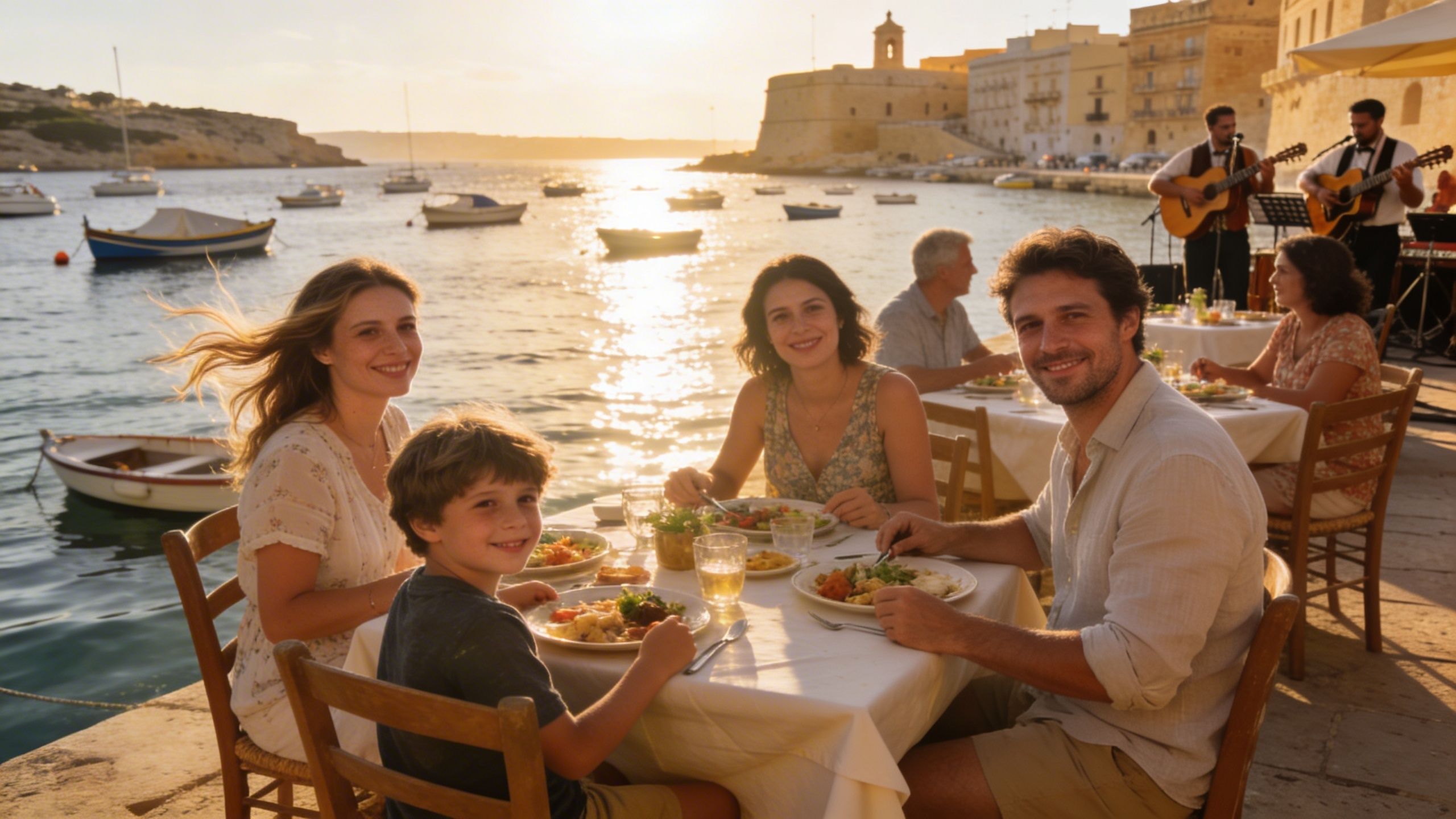
Imagine walking Republic Street at 8am, a warm breeze off the Grand Harbour, a pastizzi in one hand and a café table already claimed by neighbours who’ve known each other for years. Malta is small enough that every favourite spot becomes familiar fast — and that intimacy is what turns a holiday crush into a life decision.
Living the Malta lifestyle
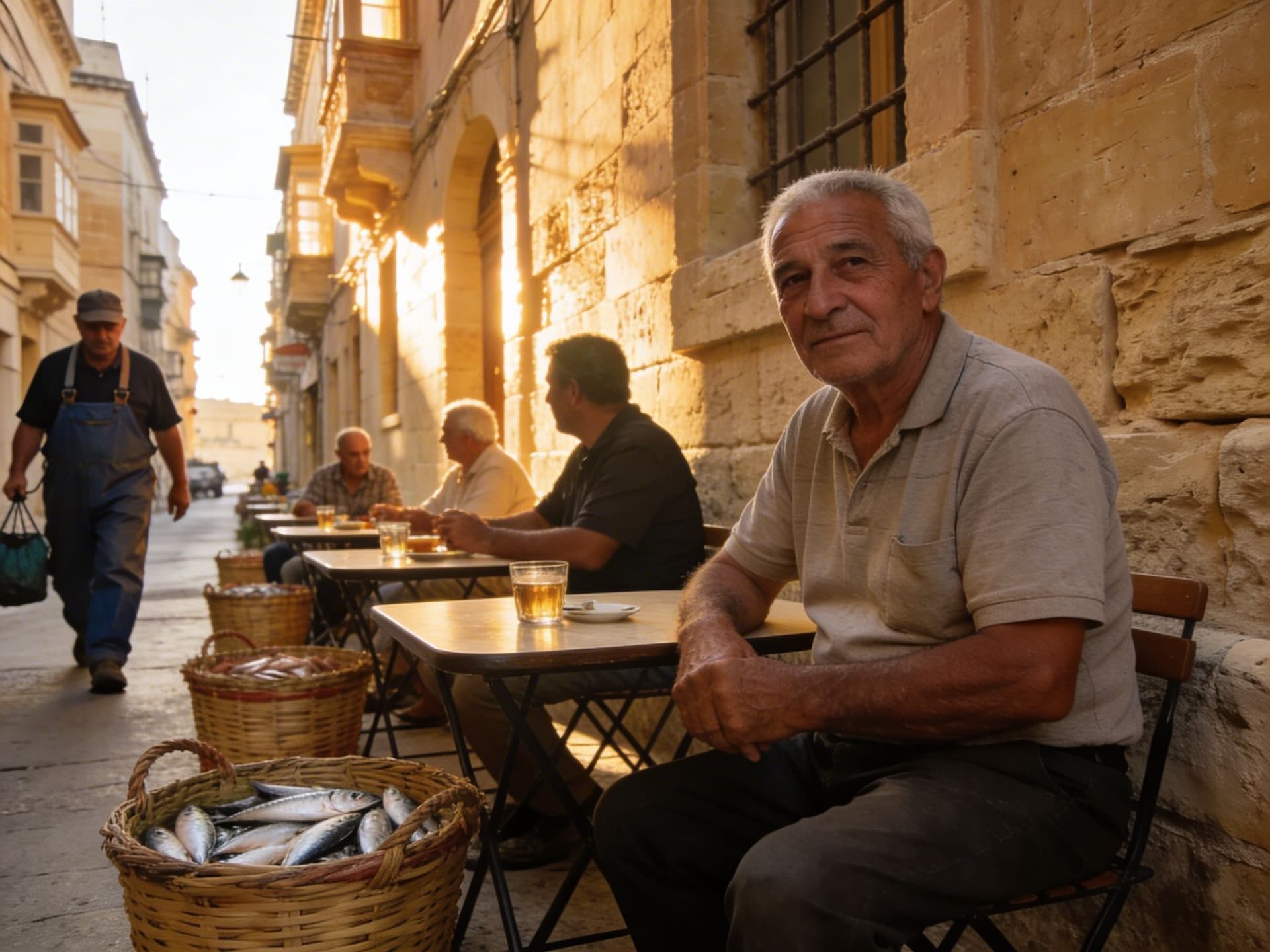
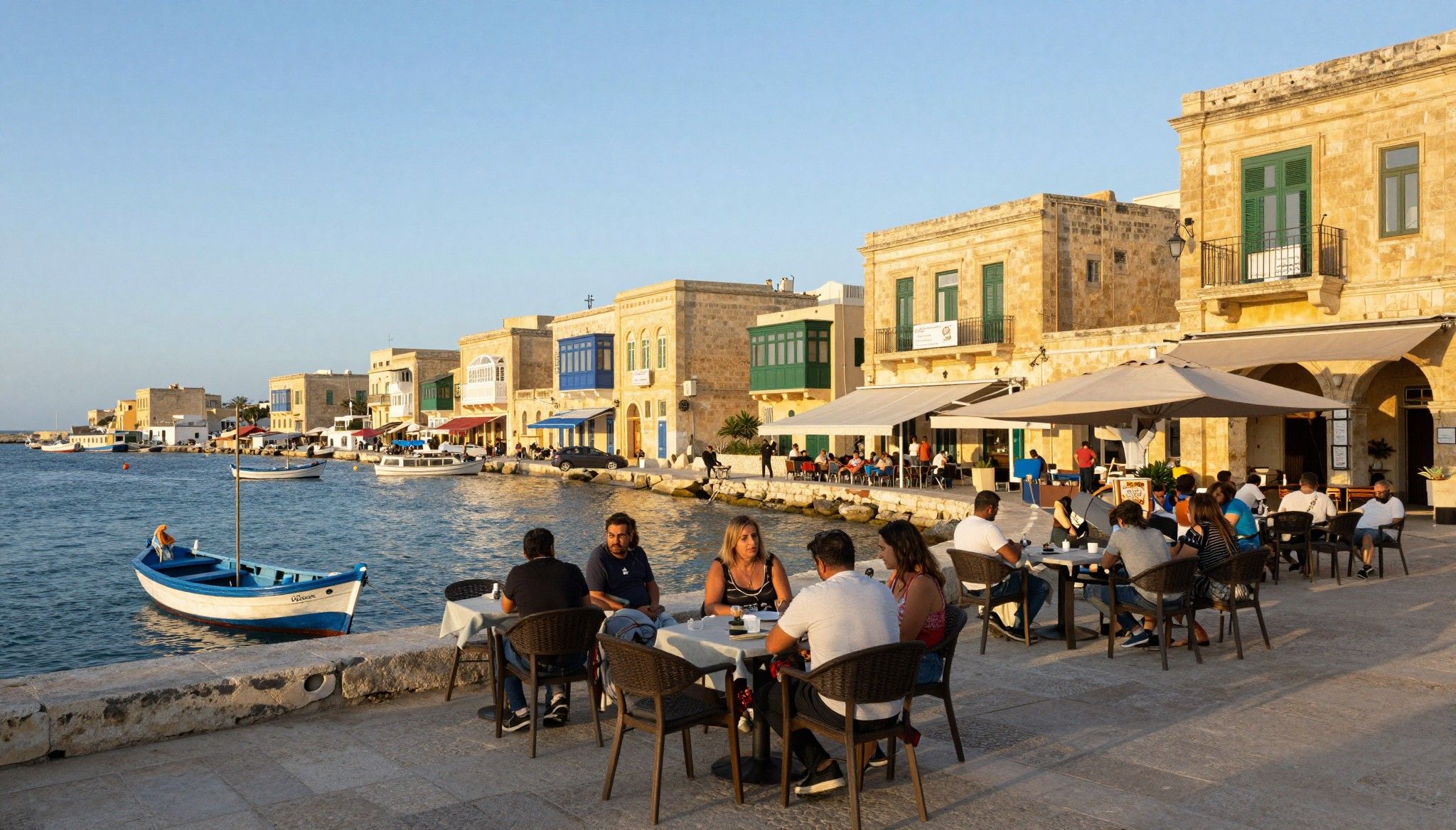
Life on Malta is compact, sunlit and particular. Streets are a mix of Baroque stone, modern seafront promenades and narrow lanes that smell of bakeries on Sunday mornings. The island’s compactness means your grocery run, a swim and an evening concert can all happen within an hour — and that rhythm shapes what people buy and where.
Valletta and the harbour rhythm
Valletta is lived-in grandeur: narrow streets, the Upper Barrakka views, and terraces that look over yacht masts. Expect morning espresso at Caffe Cordina, lunchtime seafood in the Three Cities, and buildings that hold stories — which also means renovation quirks if you buy here. The payoff is a day-to-day full of history and walkable routines.
Sliema, St Julian’s and the seafront tempo
Sliema’s Tower Road and the Sliema promenade are about sea access and practical city comforts — cafés, small supermarkets, and Victorian facades converted into modern apartments. St Julian’s (Spinola Bay, Portomaso) is the social engine: restaurants, nightlife, and a marina lifestyle for those who like to be in the middle of things.
- A few favourite local experiences
- Sunday fish market in Marsaxlokk — morning bustle, seaside cafés and the freshest catch.
- A dusk swim at Gnejna Bay or Golden Bay, followed by a casual dinner at a village festa.
Making the move: practical considerations that match the life
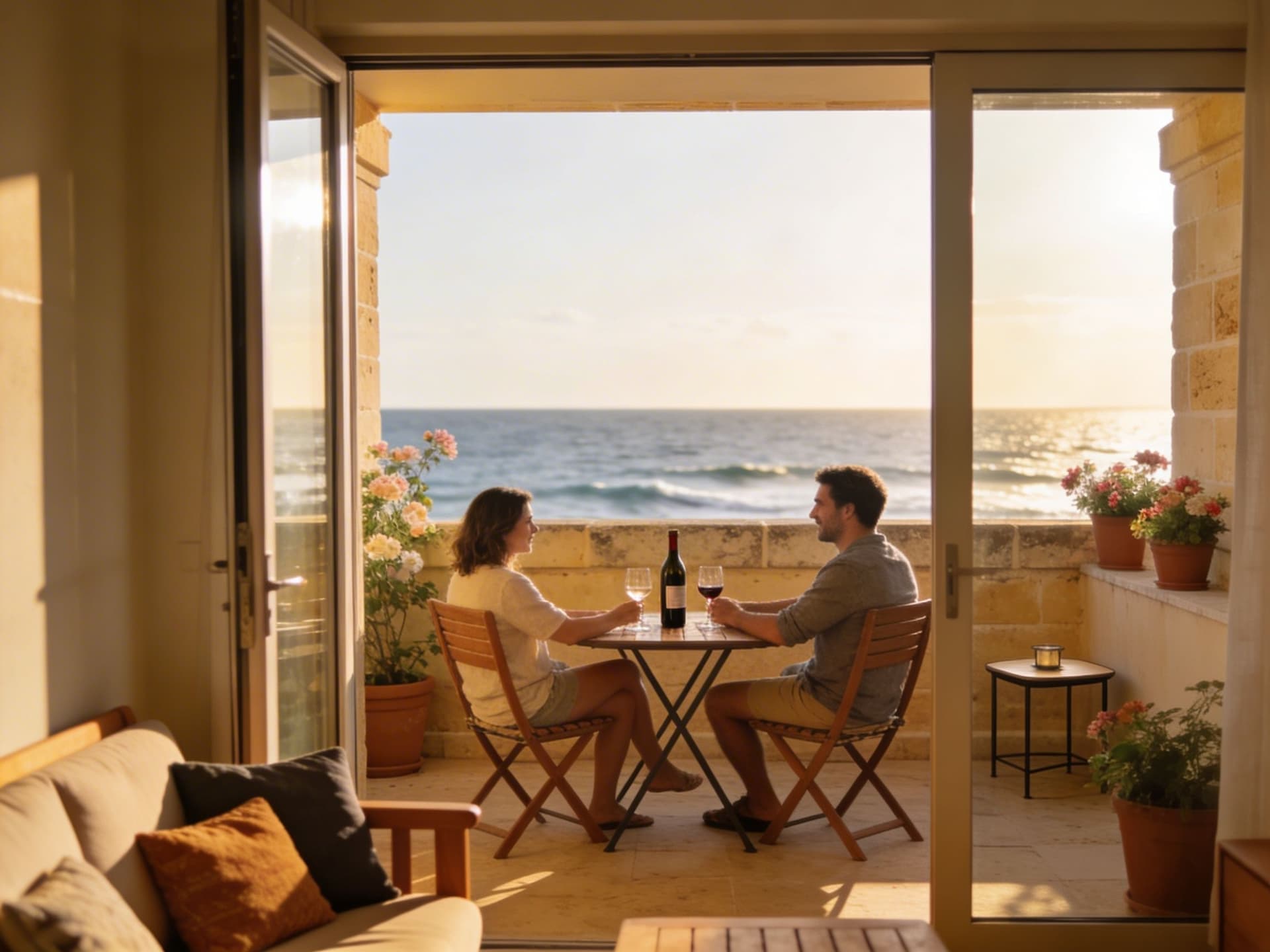
Your lifestyle preferences — walkability, daily sea access, quiet village life — will point to an area, but Maltese property rules and price trends shape what’s realistic. Recent official data show steady price growth, so timing, permit rules and neighbourhood choice matter more here than chasing the cheapest square metre.
Property types and how they feel to live in
Apartments and converted townhouses dominate coastal and central Malta; maisonettes and terraced houses appear in quieter suburbs and villages. Apartments give immediate access to promenade life but can be compact; a maisonette often includes a roof terrace — worth the premium if outdoor living is your priority. Official indices show apartments and maisonettes rising in price, reflecting demand for compact coastal living.
Working with local experts who know the rhythm
- Local agent who watches neighbourhood sales, not just listings — they’ll know which Valletta terraces need structural checks and which Sliema blocks have reliable concierge services.
- A surveyor experienced with Maltese stone and older roofs — essential when buying in historic cores.
- A lawyer versed in AIP permits (for non‑EU buyers), stamp duty thresholds and the nuances of leasehold vs freehold.
- Practical steps to align lifestyle with purchase (exactly as we’d recommend): 1) Spend 10 days living in your target neighbourhood before bidding, including a weeknight and one festa weekend. 2) Get a local valuation and a structural survey before offer. 3) Confirm AIP permit requirements if you’re non‑EU and check minimum value thresholds. 4) Include a clause in the contract for unresolved developer permits or missing paperwork.
Insider knowledge: the small truths expats wish they’d known
Expats quickly learn that Malta’s charm comes with compromises: parking is often scarce, older buildings conceal maintenance needs, and the social life revolves around small rituals — the corner café, a festa, the harbour-side promenade. Official figures show prices rising modestly, which translates into competition for centrally located, walkable homes.
Language, community and how you fit in
English is an official language in Malta, which flattens many early hurdles for buyers. Still, local social codes matter: long lunches, late-night festas and neighbourly expectations around façade upkeep. Join a local club, volunteer at a festa or learn some Maltese phrases — neighbours notice effort and doors open faster.
Long-term life: what grows and what stabilises
Over five years, expect gradual appreciation in central and seafront pockets and stable rental demand in St Julian’s and Sliema. Rural villages and Gozo offer slower price growth but higher lifestyle privacy. Plan for lifecycle changes: terraces for retiring in, compact apartments for part-time residents, and family homes near international schools if you’ll be here full-time.
- Red flags and neighbourhood truths to watch for
- Unclear title histories in older townhouses — always ask for full deeds and recent conservation orders.
- Properties marketed as ‘sea-view’ where access to the coastline requires a 20‑minute drive — verify proximity, not just the line on the map.
- Under‑priced flats in central blocks that need rewiring or major roof work — get a full survey.
Conclusion: Malta is a small place that delivers big rhythms. If you want days filled with harbour light, lively village fiestas and a short commute to cafés, this island rewards patient, informed buyers. Spend time here, hire the right local experts, and choose the neighbourhood that matches how you want to live — not just how a listing looks in a photograph.
British expat who relocated to Marbella in 2012. Specializes in rigorous due diligence and cross-border investment strategies for UK and international buyers.