Italy: Neighbourhood Rhythm, Market Reality
Italy sells a lifestyle: neighborhood rhythms, markets and real data matter. Use OMI and ISTAT trends to pair your dream with realistic property choices and local experts.

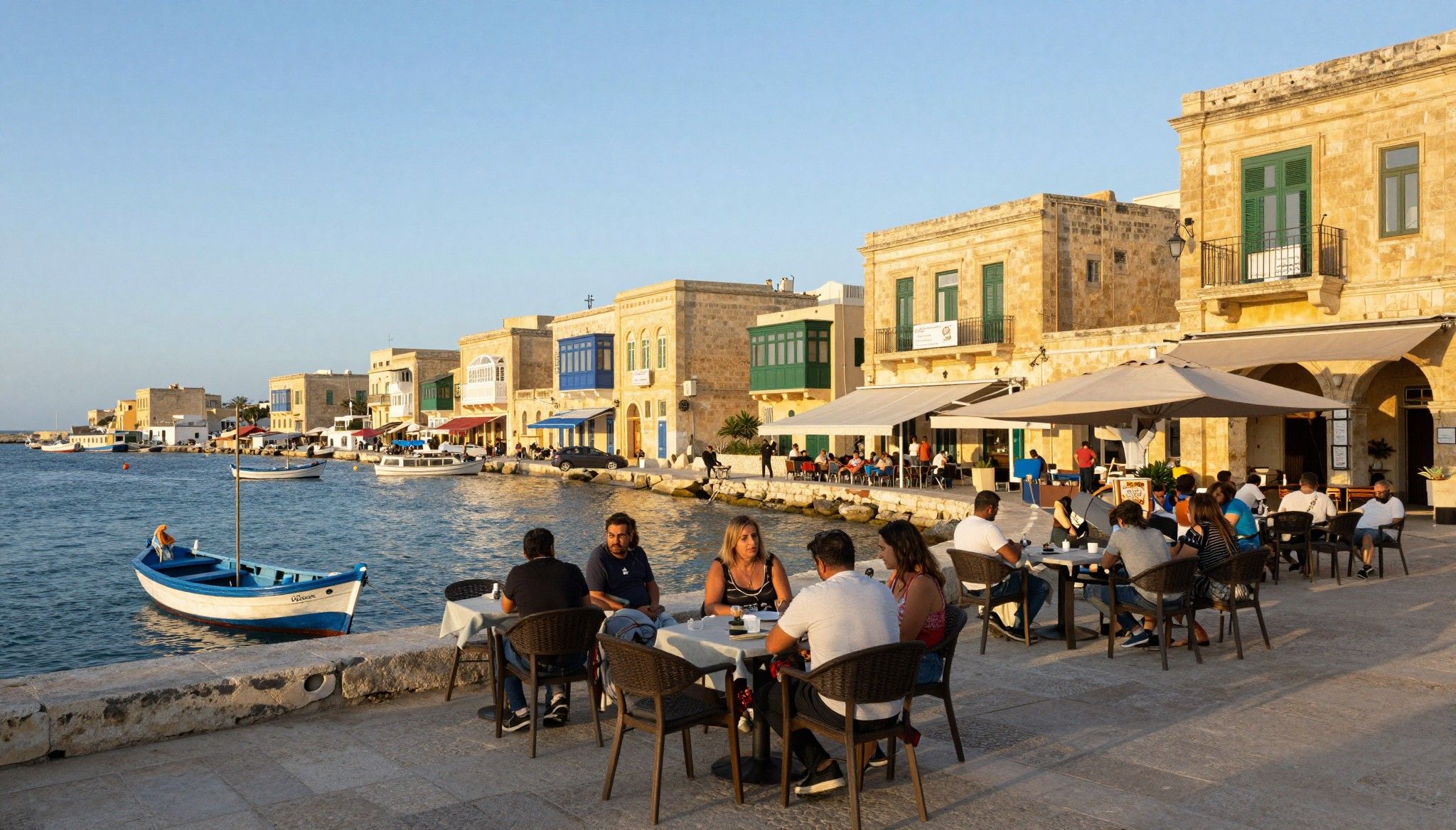
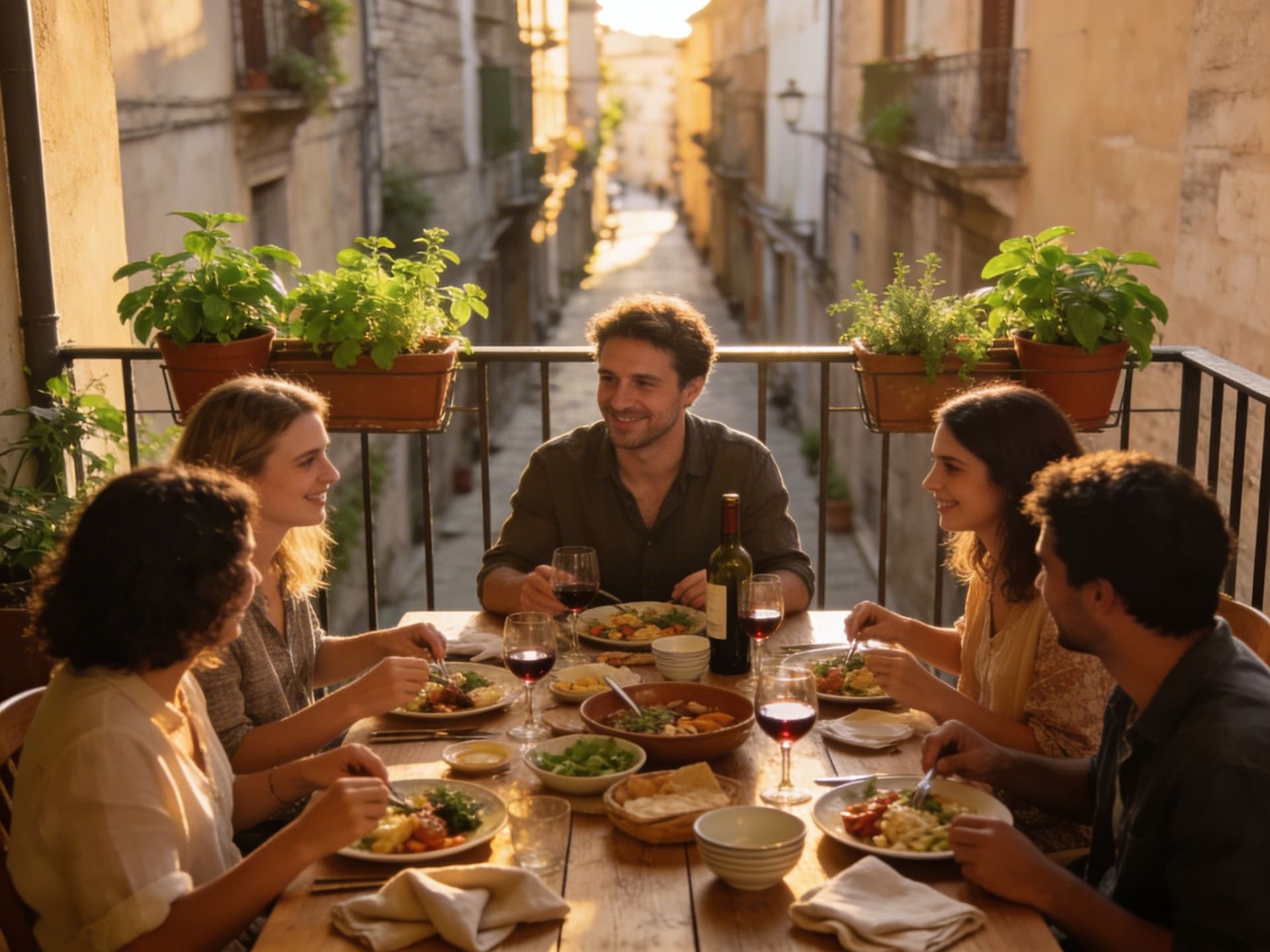
Imagine a Sunday morning in Italy: an espresso at a corner bar on Via Mazzini, the market stalls at Mercato di Campo de' Fiori filling the air with citrus and basil, and a neighbor calling to ask if you want the last slice of focaccia. That scene is why millions dream of moving here. But the Italy we fall in love with — narrow alleys, cathedral shadows, coastal promenades — also has a measurable market rhythm and regional quirks you need to understand before you buy.
Living the Italy lifestyle: more than a postcard
Italy is a collection of micro-lives. Milan mornings are sharp lines and brisk cappuccinos; Naples smells of frying pizza and the sea; Bologna hums with university rhythms and aperitivo carts. When you picture living here, think in neighborhoods not cities — Brera in Milan, Trastevere in Rome, San Frediano in Florence — each with its own tempo, shops that open late, and rituals that shape how you use a home and where you want to live.
Neighborhood spotlight: Milan — Brera, Porta Nuova, Navigli
Brera still feels like a medieval village inside a global city: art galleries, narrow cobbles and restaurants that open late. Porta Nuova and Isola deliver contemporary apartments and coworking hubs for remote professionals. If you want the canal-side cafés and evening bustle, Navigli offers terraces and small penthouses — but also stricter noise realities and local rules about terraces and outdoor seating you should ask your agent about before you commit.
Food, markets and daily life: how routines shape property choices
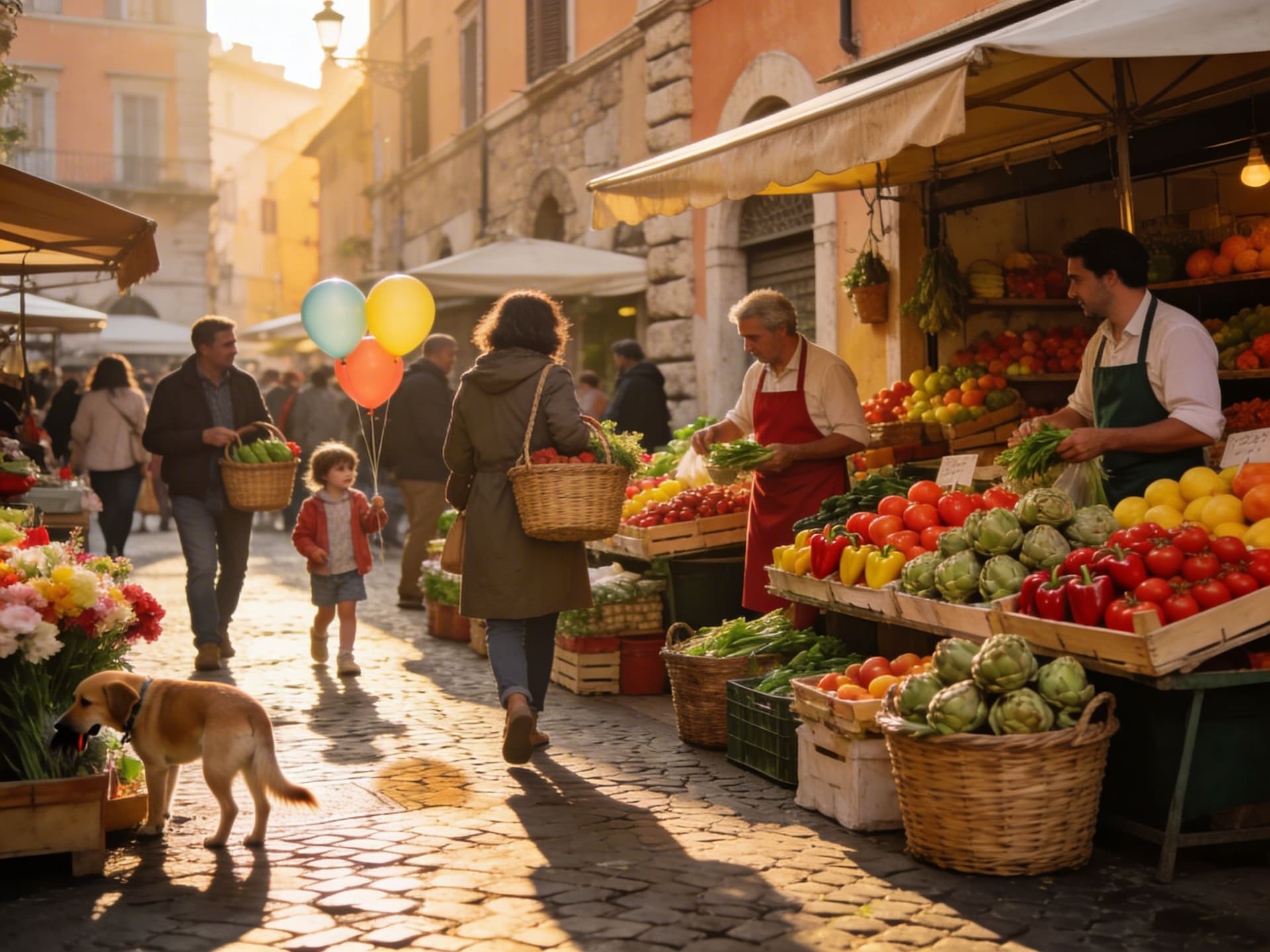
When buying here you'll live around market schedules, not supermarket convenience. Morning markets define the week in many neighborhoods (think Mercato Centrale in Florence or Testaccio market in Rome), and properties near good markets trade differently because weekly life flows to them. Consider kitchen size, storage and proximity to the market — a small courtyard apartment next to a market can feel more practical than a larger flat in a quieter zone if you plan to cook local produce often.
- Lifestyle highlights (real places to picture)
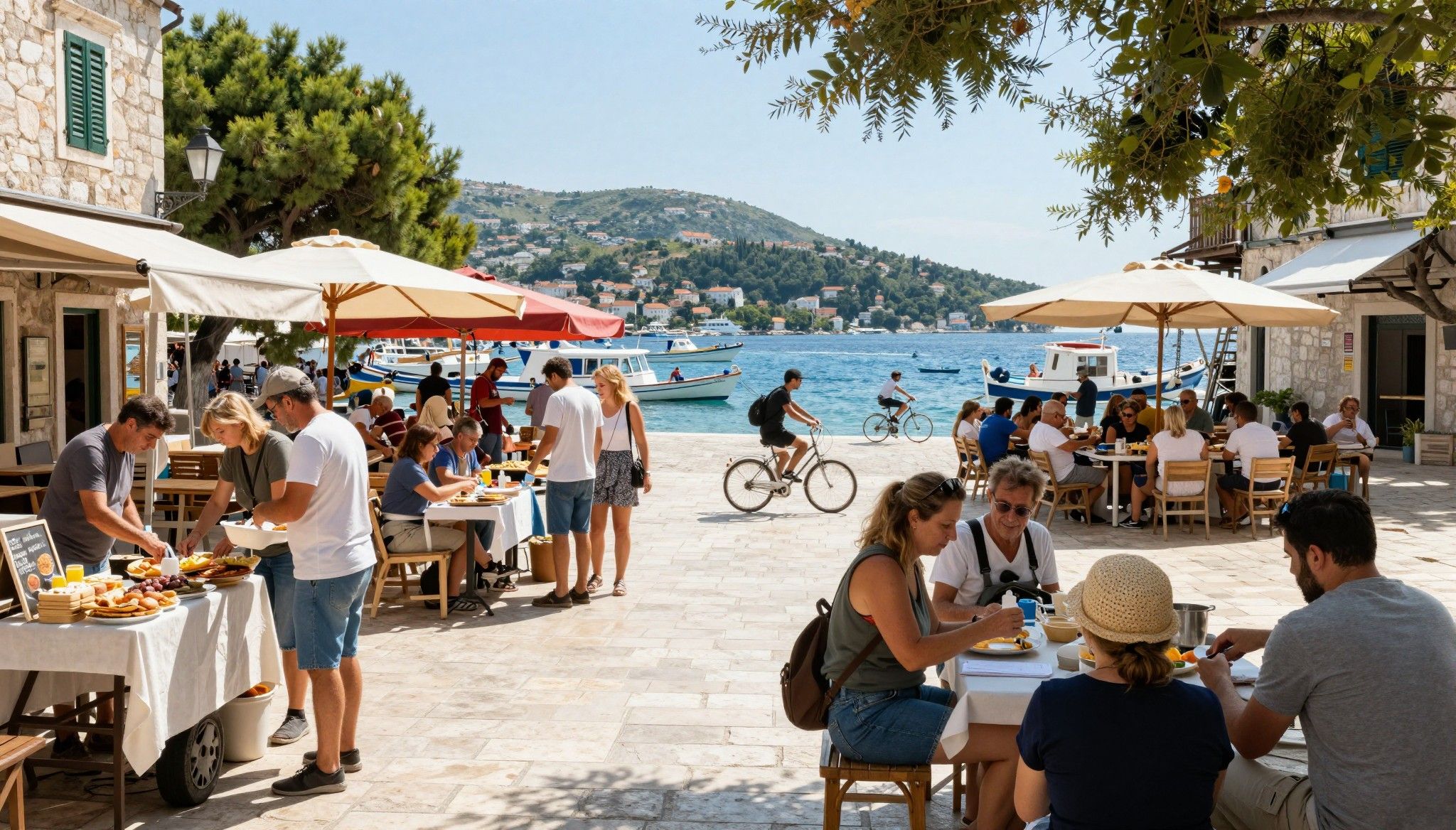
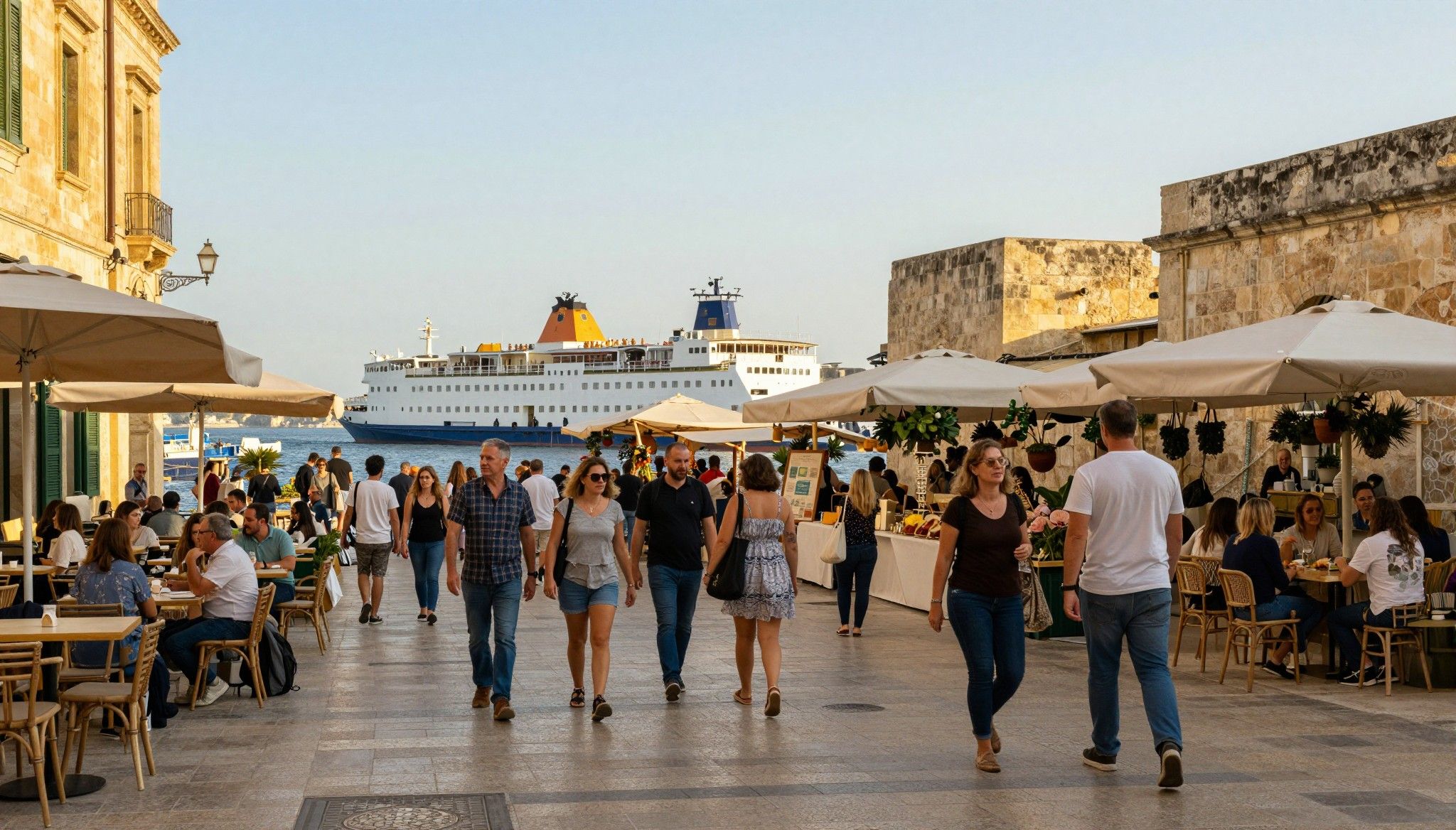
Morning espresso at Caffè Gambrinus in Naples; stroll the ZTL‑protected lanes of Oltrarno (Florence) and shop at Pitti’s artisan stores; evening aperitivo on Corso Como, Milan; weekend market haul at Mercato di San Cosimato, Trastevere; sunset walk along Lungomare in Bari.
Making the move: lifestyle-first, then paperwork
Romantic ideas meet technical realities the moment you pick a street. National data shows transactions and prices have been recovering since 2024, but regional differences are strong: Milan and coastal pockets outperform many southern towns. Use market data to set realistic expectations — central Milan will behave very differently from Lecce or small Apulian villages when it comes to liquidity, renovation norms and rental demand.
Property styles and how they fit daily life
Historic centro apartments bring high ceilings, narrow stairwells and dramatic light; modern developments in Porta Nuova or Scalo Romana give amenities and parking. If you love al fresco living, look for terraces or ground-floor courtyards in coastal towns like Sorrento or Liguria. But keep in mind: older buildings can have charming quirks and costly maintenance — factor communal roof repairs and seismic upgrades into your budget.
Working with local experts who know the life you want
A local agent will do more than show listings. They decode municipal rules, explain ZTL restrictions, and introduce you to vetted notaries and contractors. Choose an agent who spends weekends in the neighborhood you’re buying into, knows the seasonal rental potential, and can show recent comparable sales. Insist on seeing energy certificates and condominium minutes early — these documents reveal day‑to‑day living costs and upcoming works.
Step-by-step: lifestyle + practical checklist before you make an offer
- 1) Spend three different days in the neighborhood (weekday market, Saturday, quiet morning); 2) Check ZTL hours, parking access and public transport links; 3) Request condominium meeting minutes and recent utility bills; 4) Get a local contractor’s estimate for likely repairs.
Insider knowledge: what expats wish they'd known
Short-term rentals can help cashflow in tourist hubs, but local rules and municipal limits (especially in Florence, Venice, and parts of Rome) change frequently. Many buyers are surprised by how much community rhythm — the condo board and the custodian — affects daily life. The romantic attic with skylights is lovely until you discover summer heat and poor insulation; ask about past energy upgrades and check for soundproofing between floors.
Cultural integration: language, bureaucracy and community
You don’t need perfect Italian to settle, but knowing basic phrases and local etiquette wins you neighbors and quicker fixes. Municipal offices often require in-person visits and specific forms; a bilingual agent or lawyer saves months of frustration. Join local associations, language cafés and weekly market mornings — these simple routines are how expats become residents and find trusted recommendations for everything from plumbers to pediatricians.
Long-term life: how choices change over five years
Expect the unexpected: neighborhoods gentrify, transport links improve and demand shifts. Milan’s prime areas have outpaced national averages, while smaller towns show episodic surges tied to remote work and lifestyle buyers. If you plan to rent the property, align your choice with local demand — university cities and well-connected provincial capitals tend to offer steadier long-term occupancy than seasonal coastal towns.
- Red flags to watch for (lived-in advice)
Unresolved condominium disputes; missing planning permissions for extensions; properties without recent electrical or seismic certificates; listings that avoid showing surrounding facades or roof lines; unusually low price with ambiguous ownership chain.
Conclusion: Italy is both a feeling and a set of trade-offs. Fall in love with the rhythm of the streets first, then build the practical checklist that protects that life. Use national and municipal data to ground your expectations (see OMI and ISTAT), choose an agent who lives in the neighborhood, and treat inspection documents as part of the lifestyle conversation — they tell you whether the apartment will support morning markets, summer terraces, and long Sunday lunches for years to come.
Dutch relocation advisor who moved to Marbella in 2016. Guides Dutch buyers through visa paths, relocation logistics, and balance of lifestyle with value.