Croatia Price Myths: Where Value Hides on the Adriatic
Croatia’s headline price growth hides local opportunity: coastal hotspots and quieter inland pockets move differently—use county data and seasonality to find real value.
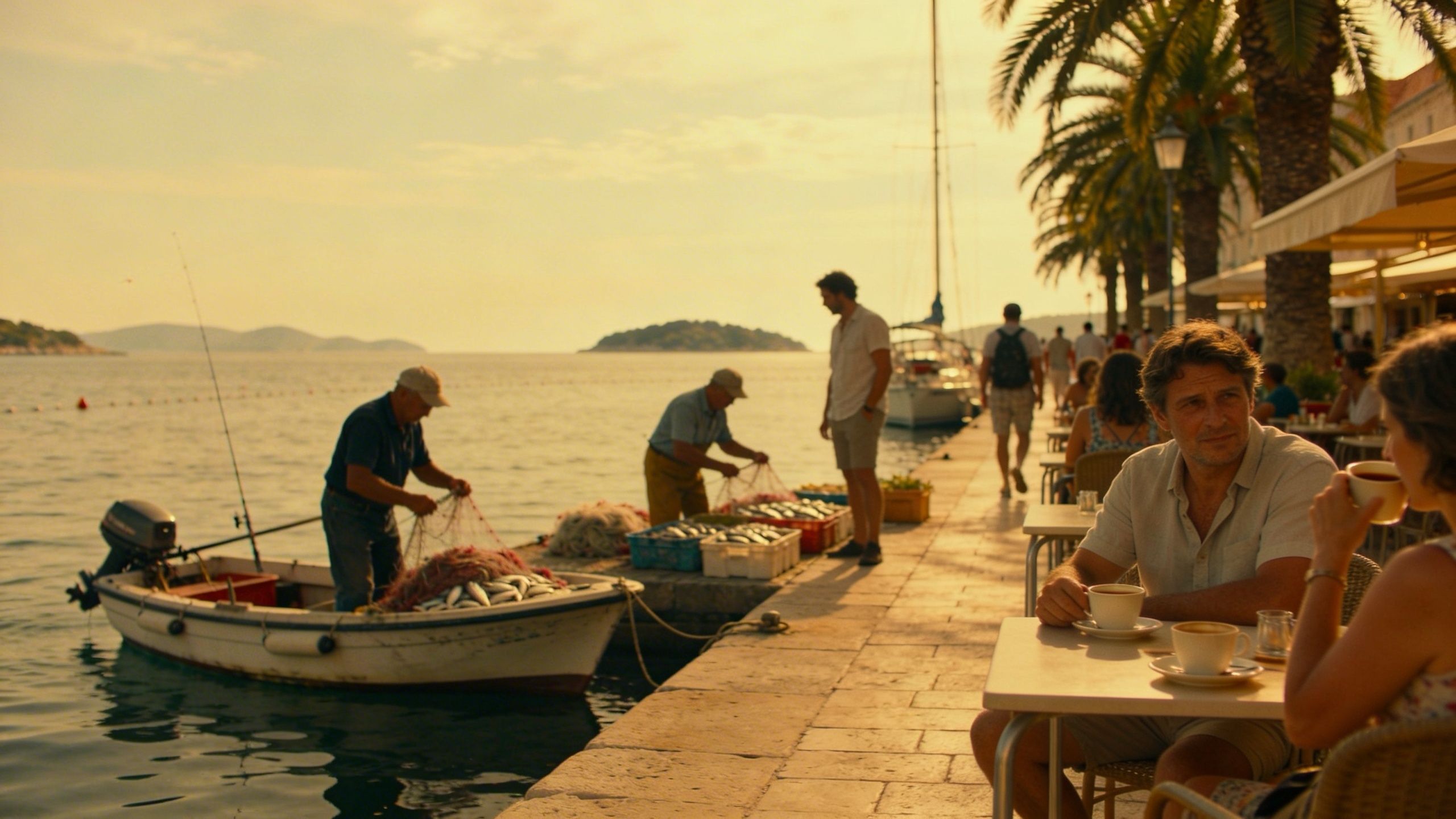
Imagine sipping an espresso on Split’s Riva at 9am, then slipping into a narrow stone lane to buy fresh fish at the market — that slow, bright Adriatic rhythm is what draws buyers. But love doesn’t make a good investment plan. Recent reports show Croatia’s price growth and coastal demand are real, yet patchy: some coastal pockets have surged while inland areas still offer value. We’ll show where the headlines lie, what the data actually says, and the neighbourhood signals international buyers tend to miss.
Living the Croatian Life: sensory neighbourhoods and real tradeoffs
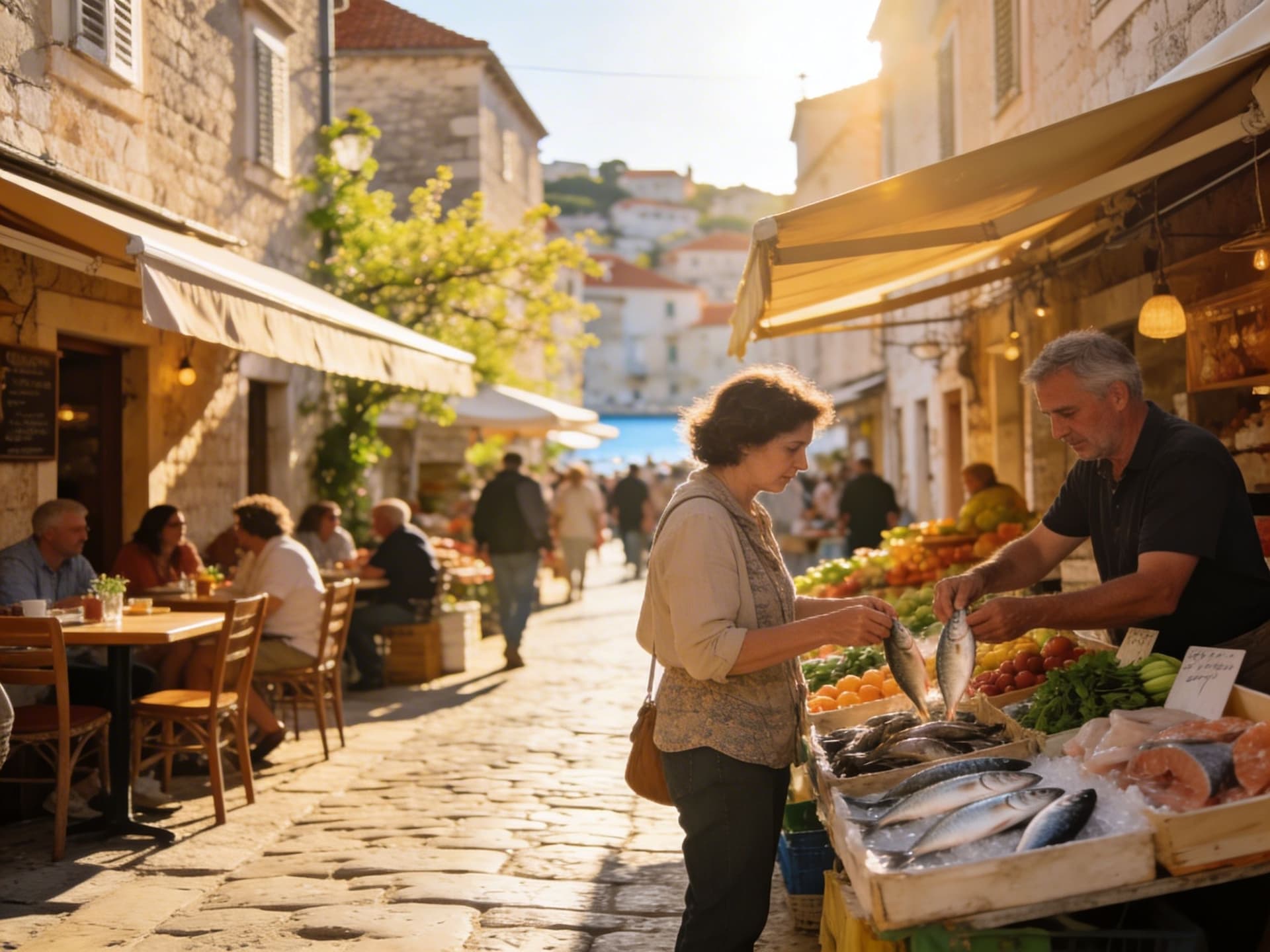
Croatia is not one market — it’s a stitched landscape of islands, medieval towns, and continental plains. The City of Zagreb hums with office life and family routines; Dubrovnik and Hvar pulse in summer and hush in winter; Istria blends olive groves and truffle bars. Official data from the Croatian Bureau of Statistics shows national house-price indices rising through 2024, but the pace differs sharply between Zagreb, the Adriatic coast and ‘other’ regions. That split is where opportunity hides.
Dalmatian coast: crowded summers, quieter off-seasons
Walk the promenades of Split or stroll Korčula’s backstreets and you’ll feel why buyers pay a premium: light, sea, and a built heritage that sells itself. But the busiest coastal counties also show the largest swings in transactions — the same reports that celebrate growth also record sharp falls in sales volume during cooling periods. That seasonal churn can mean negotiated prices off-season or a seller’s market in high summer. Know which you’re buying into.
Istria and Kvarner: year-round life, slower headline growth
Istria’s hilltop towns and Opatija’s Austro-Hungarian façades attract buyers who want all-season community life. Prices here are high for flats per square metre, but the lifestyle yield — markets, wineries, cycling routes — is steadier than on the southern coast. For families or long-stay buyers prioritising services outside of summer, these areas often produce better long-term satisfaction than a seasonal hotspot.
- Lifestyle highlights you’ll actually use in Croatia:
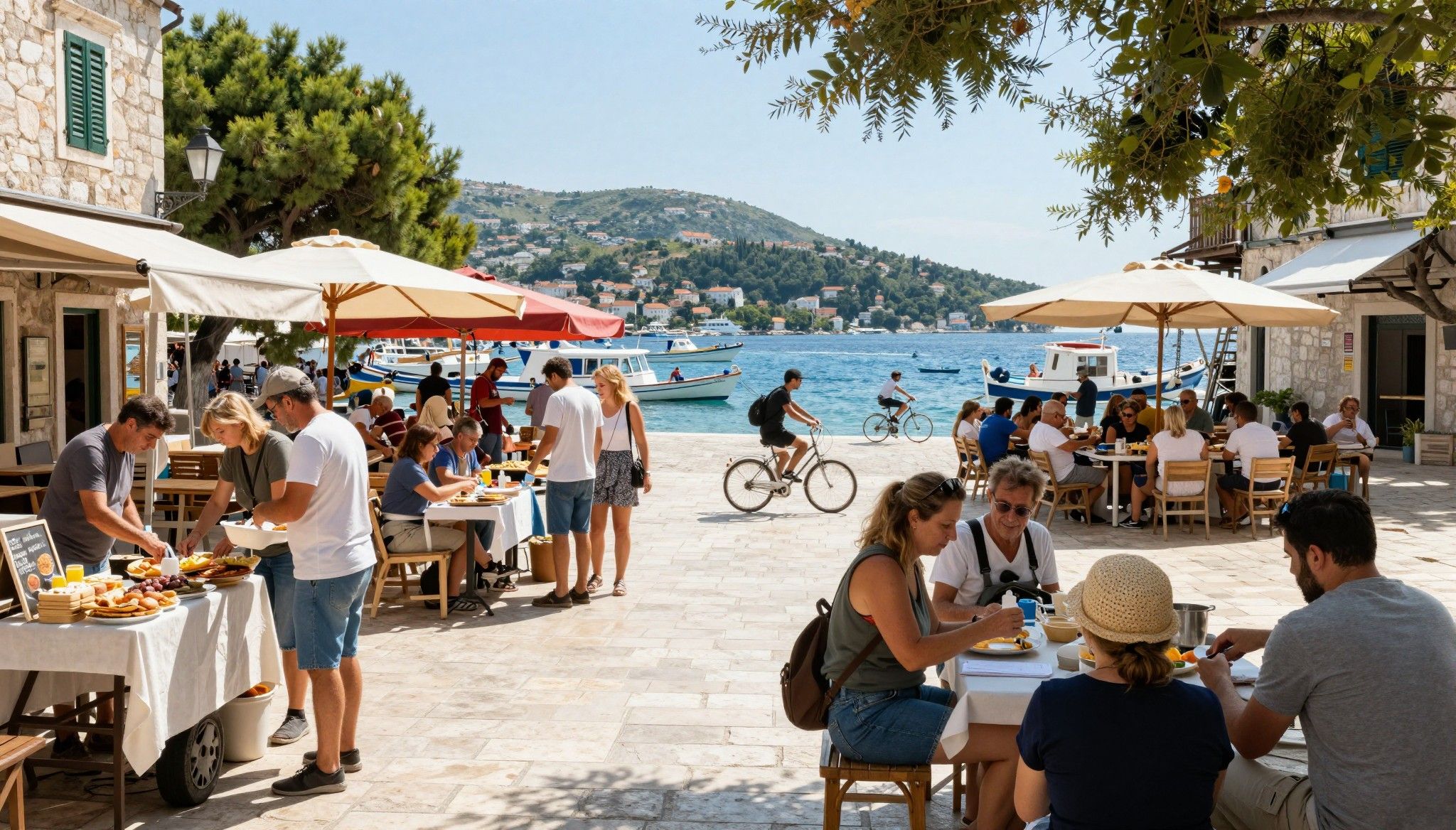
- Morning markets: Hvar’s town market or Dolac Market in Zagreb for fruit, fish and local gossip
- Coastal walks: Split’s Marjan or Rovinj’s waterfront for quick daily escapes
- Local food: truffle restaurants in Istria, konobas (family taverns) in Dalmatia
- Island life: short ferry hops to tiny communities with distinctive rhythms (Vis, Lastovo)
Making the move: translating life into price signals
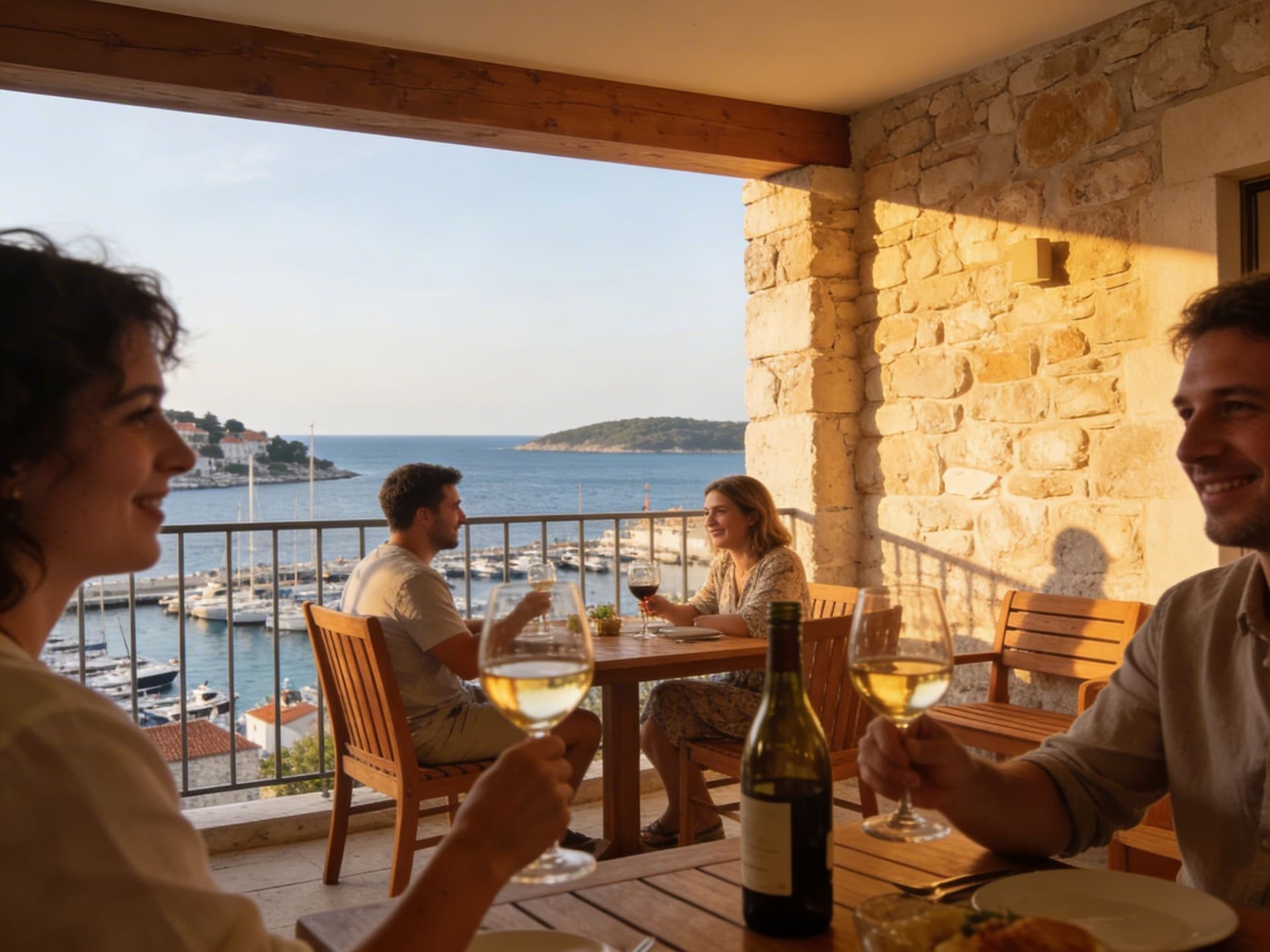
Lifestyle must meet market reality. Colliers and other industry reports note growing institutional interest in Zagreb offices and quality coastal projects — but also a broader cooling in transactions as higher borrowing costs bite. That means: you can still find value if you read the right signals (supply pipeline, asking vs achieved prices, and local transaction volumes) rather than follow glossy listings alone.
Property types that match the life you want
Stone town houses are charming and central but often need renovation and local permits. New-build apartments by the sea sell on convenience and low maintenance, but expect higher per-m² prices. Rural Istrian farmhouses buy you land and privacy — useful if you value year-round living over summer spectacle. Match the property type to how often you’ll be there and which seasons matter most.
Six practical steps that blend lifestyle and data
- Identify the rhythm: shortlist places by seasonality (is this a summer town or year-round community?).
- Compare asking vs achieved prices: use local portals and recent transaction reports to spot where asking prices overstate market reality.
- Check supply pipeline: new holiday developments can flood rental markets and depress yields; quality projects can boost long-term capital growth.
- Assess services: health, schools, ferry links and grocery options matter if you’ll live outside summer.
- Speak to specialists: local lawyers, licensed agencies and builders who know how permits actually behave in each municipality.
- Plan for seasonality in running costs: higher utilities, maintenance or residence management in winter vs summer can change total ownership cost.
Insider knowledge: myths international buyers still believe
Myth: “The Adriatic is universally expensive.” Reality: national indices show strong growth, but county-level data and asking-price studies reveal pockets of affordability and places where buyer fatigue lowers effective prices. Myth: “Islands are carefree investments.” Reality: islands can mean higher maintenance and seasonal vacancy; they reward lifestyle buyers more than yield hunters. Being blunt about these differences saves money.
Cultural cues that change where you buy
Croatians value local connections: an introduction from a neighbour or a trusted agency opens more doors than an anonymous online offer. Language helps, but so does respecting local rhythms — early market bargaining, festivals that close towns for days, or municipal planning cycles that delay renovations. Buy with a neighbourhood view, not a photo of a sunset.
Conclusion: fall for the life, buy with the signals
Croatia rewards buyers who love its rhythms and read its data. Use official indices, county transaction trends and local asking-price studies to separate hype from value. If you want the island life, budget for maintenance and seasonal vacancy; if you want year-round community, consider Istria or Zagreb’s quieter streets. When you’re ready, work with an agency that knows which neighbourhoods hum outside July and who can show both the market file and the morning market — the life and the ledger.
Danish investment specialist who relocated to Costa del Sol in 2015. Focuses on data-driven market timing and long-term value for Danish buyers.