Cyprus: Fall for the Life, Insist on the Deeds
A lifestyle-first guide to Cyprus that pairs seaside rituals with hard-nosed transparency checks: what to inspect, who to trust and the paperwork that protects your dream.
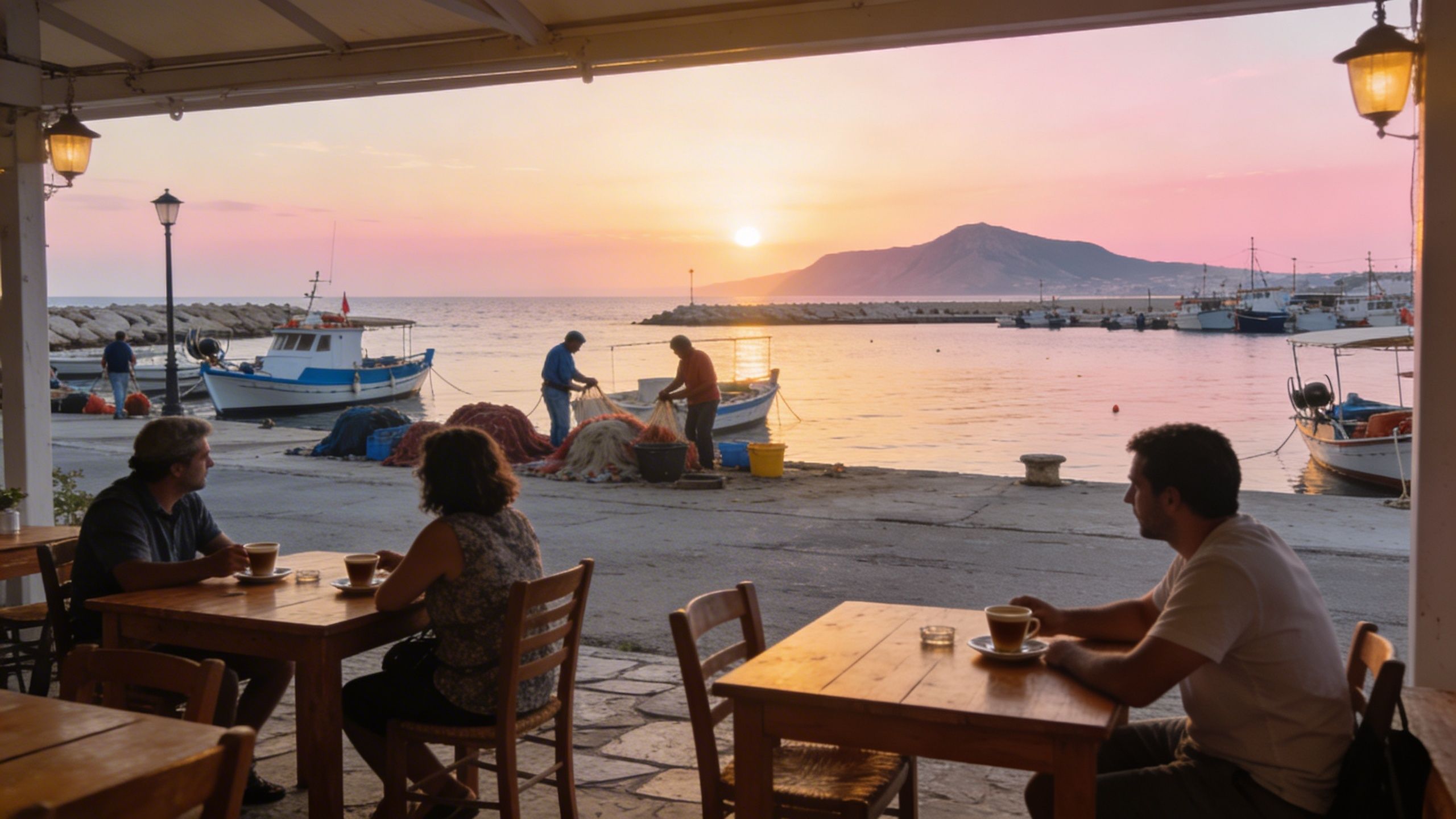
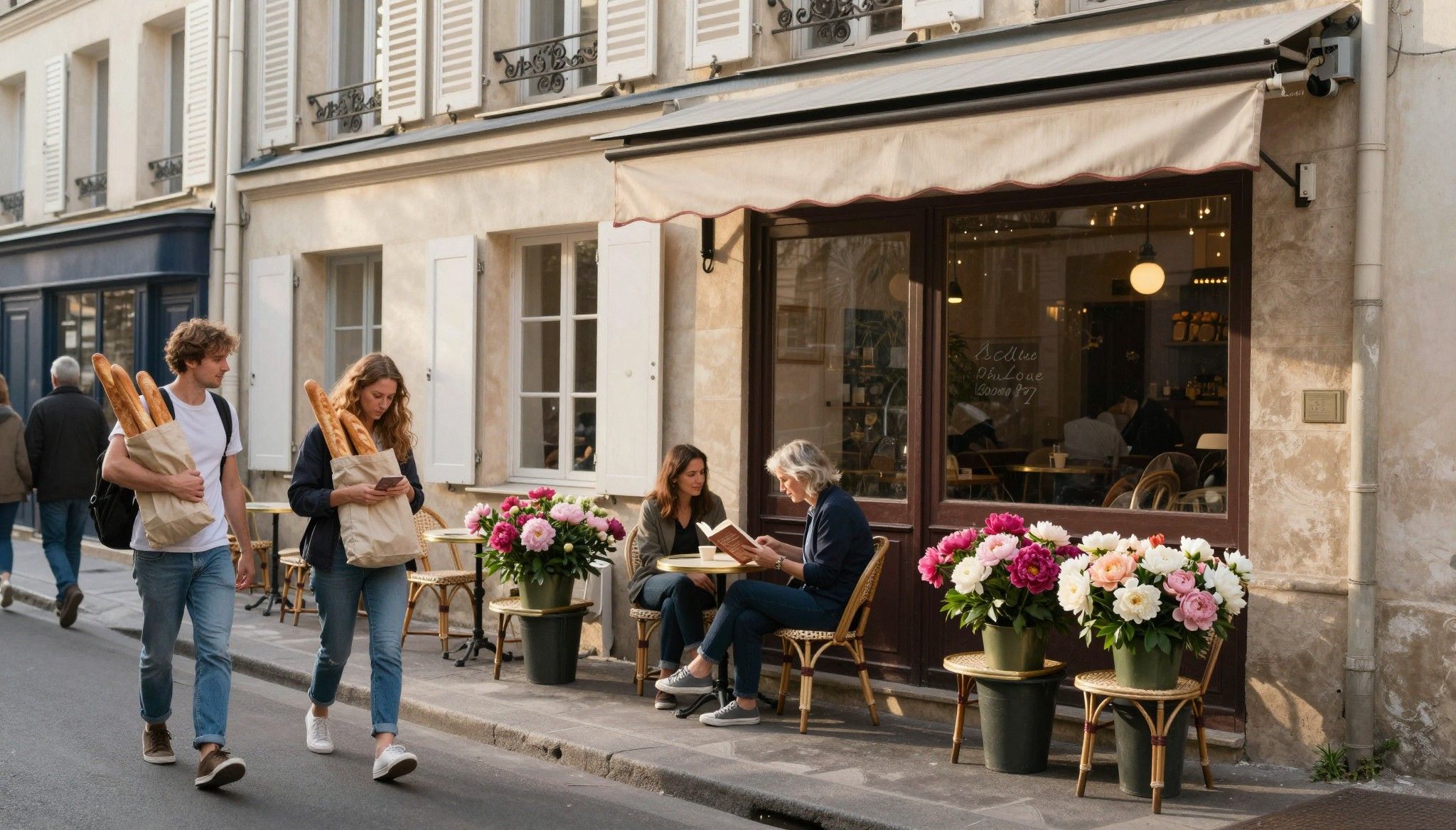
Imagine morning coffee on a narrow street in Limassol, the sea a pale horizon, and the idea that you can buy a corner of this life with clear paperwork and predictable value. Cyprus feels both Mediterranean ease and compact European order: cafés spill onto pavements, village festivals mark the seasons, and international schools sit next to old stone chapels. But the romance meets paperwork quickly here — title deeds, permissions and local disclosure norms shape whether a purchase becomes a dream or a long legal slog. We’ll show you the lived-in reasons people fall for Cyprus and the concrete transparency checks that protect that feeling.
Living Cyprus: sunlight, seaside rituals and village rhythm
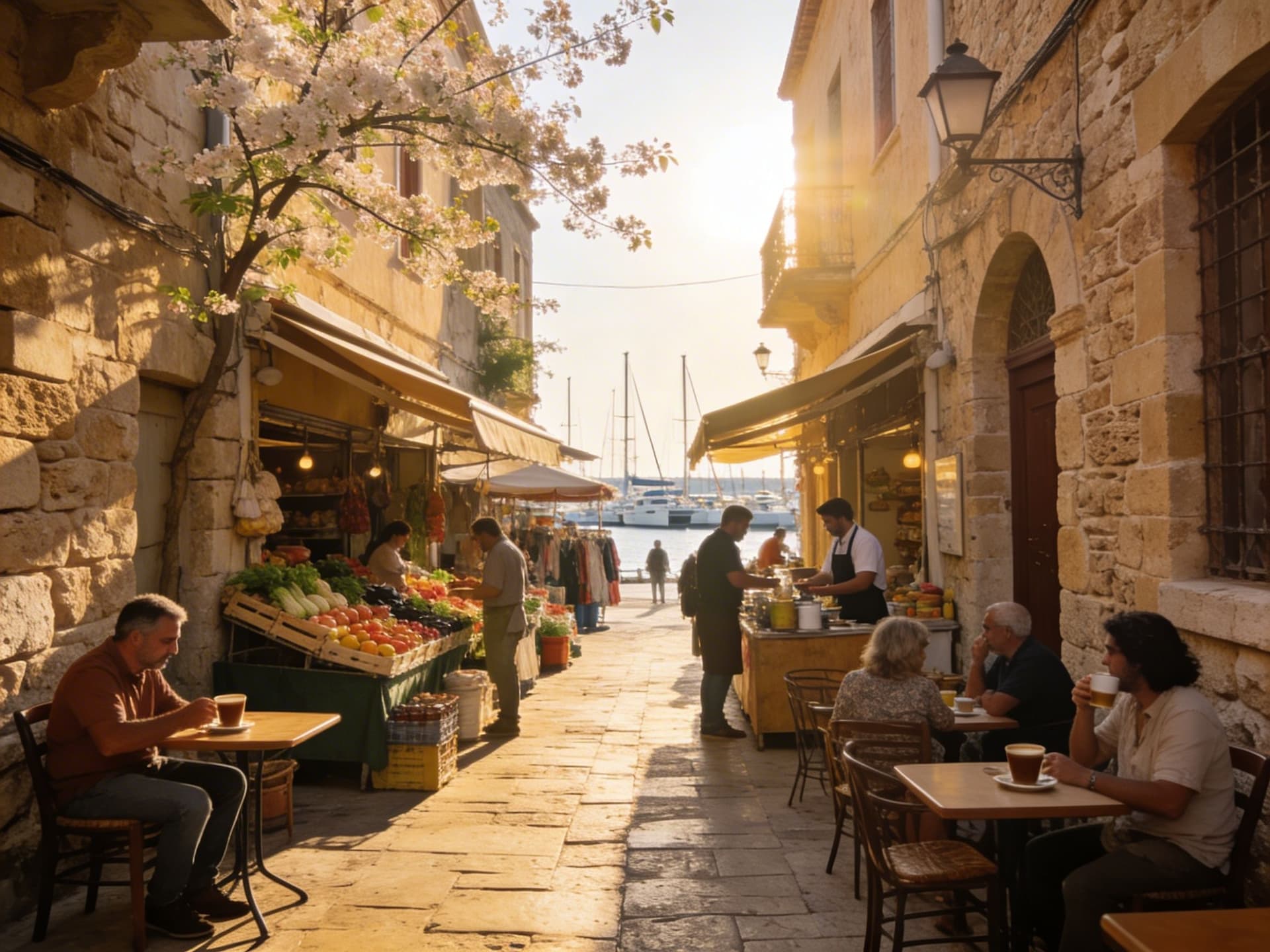
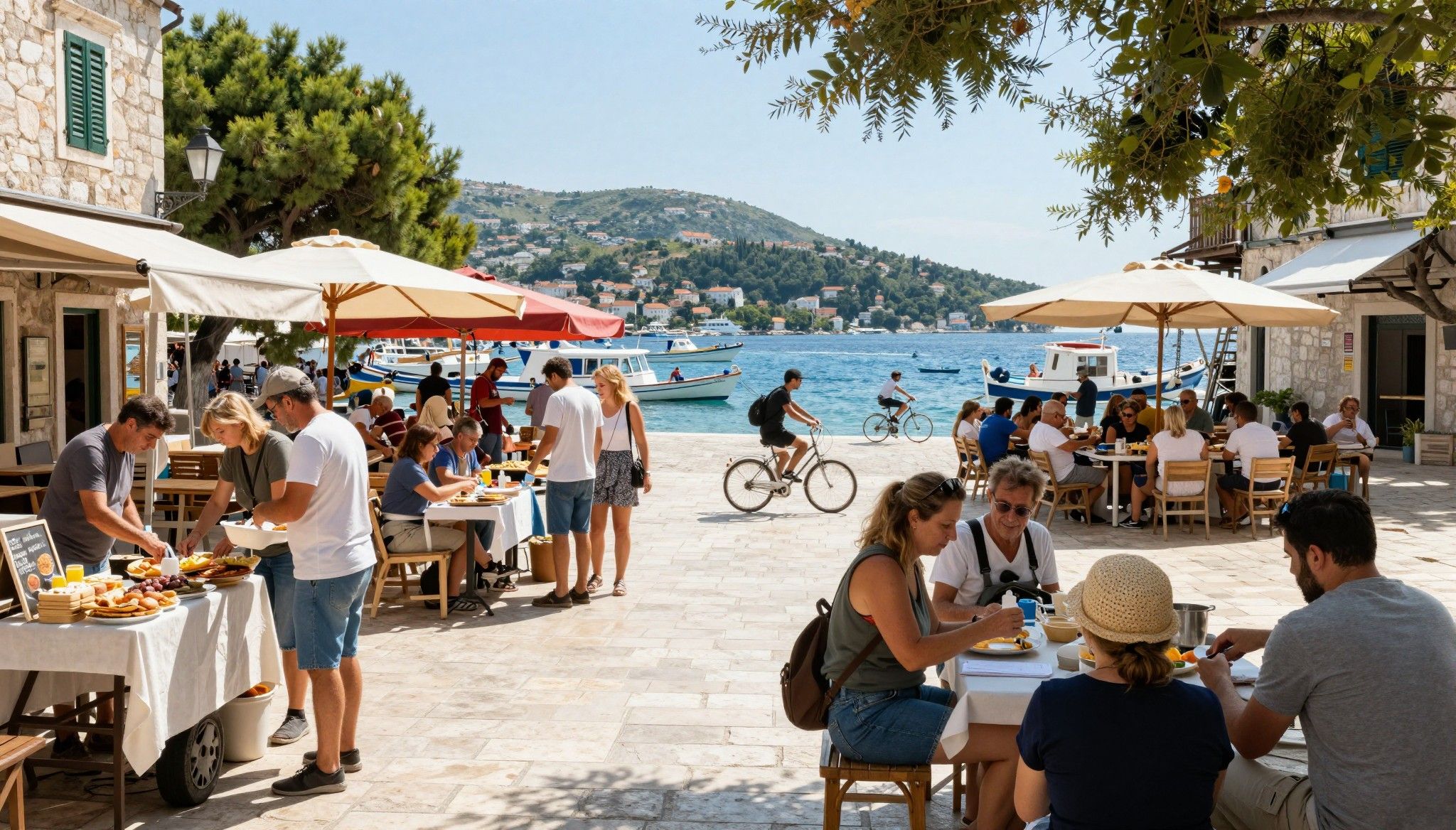
Living in Cyprus moves slowly in the best ways. Weekdays mean espresso and work, evenings mean mezze and long walks; weekends mean markets and mountain drives to the Troodos villages. Coastal towns like Limassol and Paphos pulse with tourist-season energy, while tucked-away places such as Tala or Latchi keep a quieter, community-first rhythm. For buyers, lifestyle choices — proximity to a marina, access to an international school, or a stone house in a mountain village — translate directly into the type of paperwork, local relationships and ongoing costs you’ll manage.
Limassol & Old Port: city-by-the-sea living
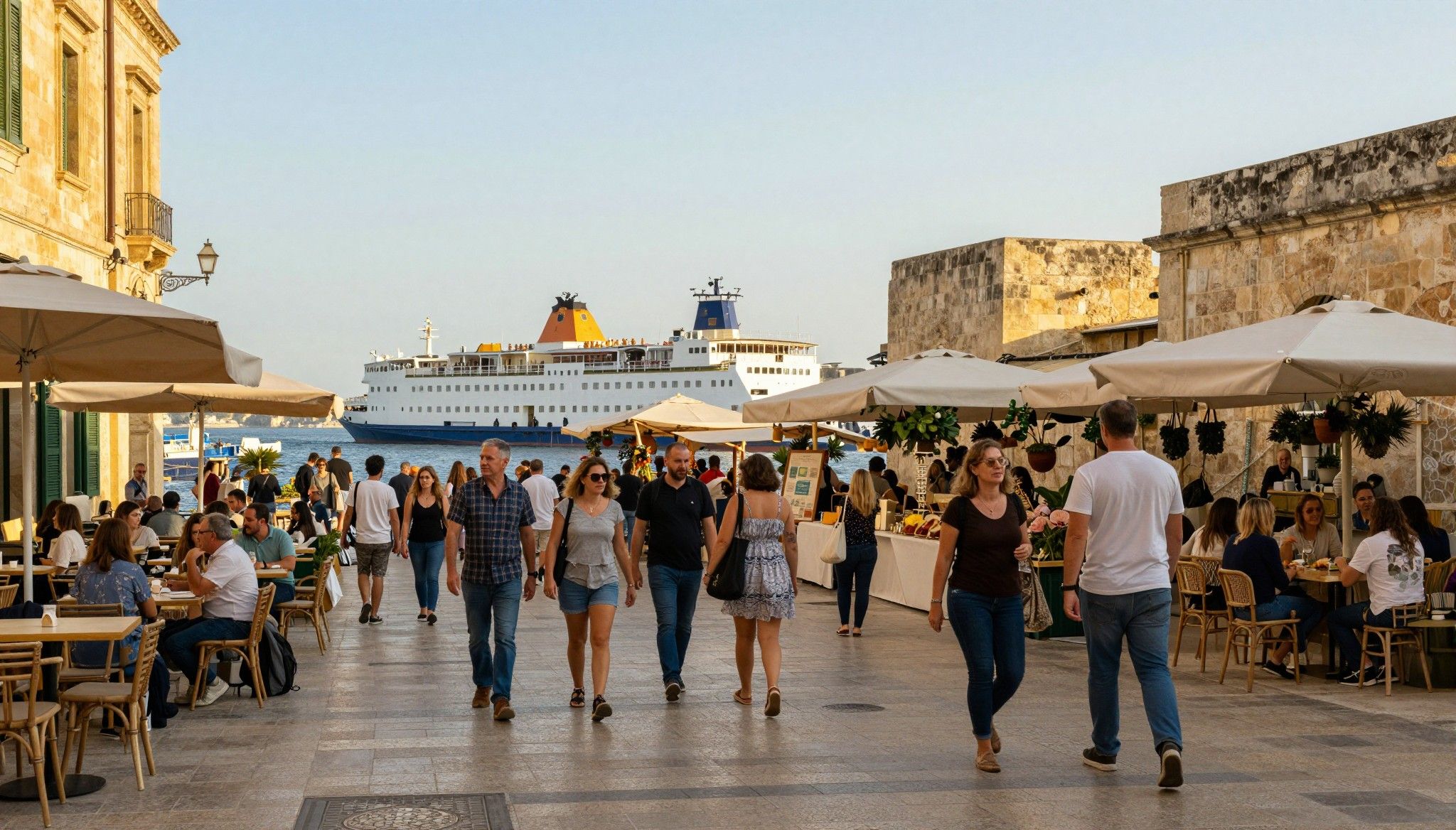
Picture coffee at To Kazani on Constantine the Great, bikes by the marina and restored neoclassical facades beside glass towers. Limassol draws buyers who want a rich everyday life — restaurants, galleries, international schools — and that demand feeds a fast market for apartments and seafront developments. Practical note: dense, high-demand districts usually mean newer developments with clearer title histories, but they can also mask short-term letting pressures that affect neighbourhood feel and rental returns.
Paphos & Latchi: coastal calm and old-town texture
Paphos mixes archaeological sites, seaside tavernas and tight-knit districts where neighbours still trade fruit and gossip. Latchi’s harbour offers sleepy mornings and seafood dinners that define slower Cyprus life. These areas appeal to buyers seeking that village‑by‑the‑sea intimacy, but you’ll want to check historical planning records: older plots, rural permits and seaside setbacks sometimes carry conditional permissions or informal uses that later become formal disputes.
Lifestyle highlights — where life actually happens
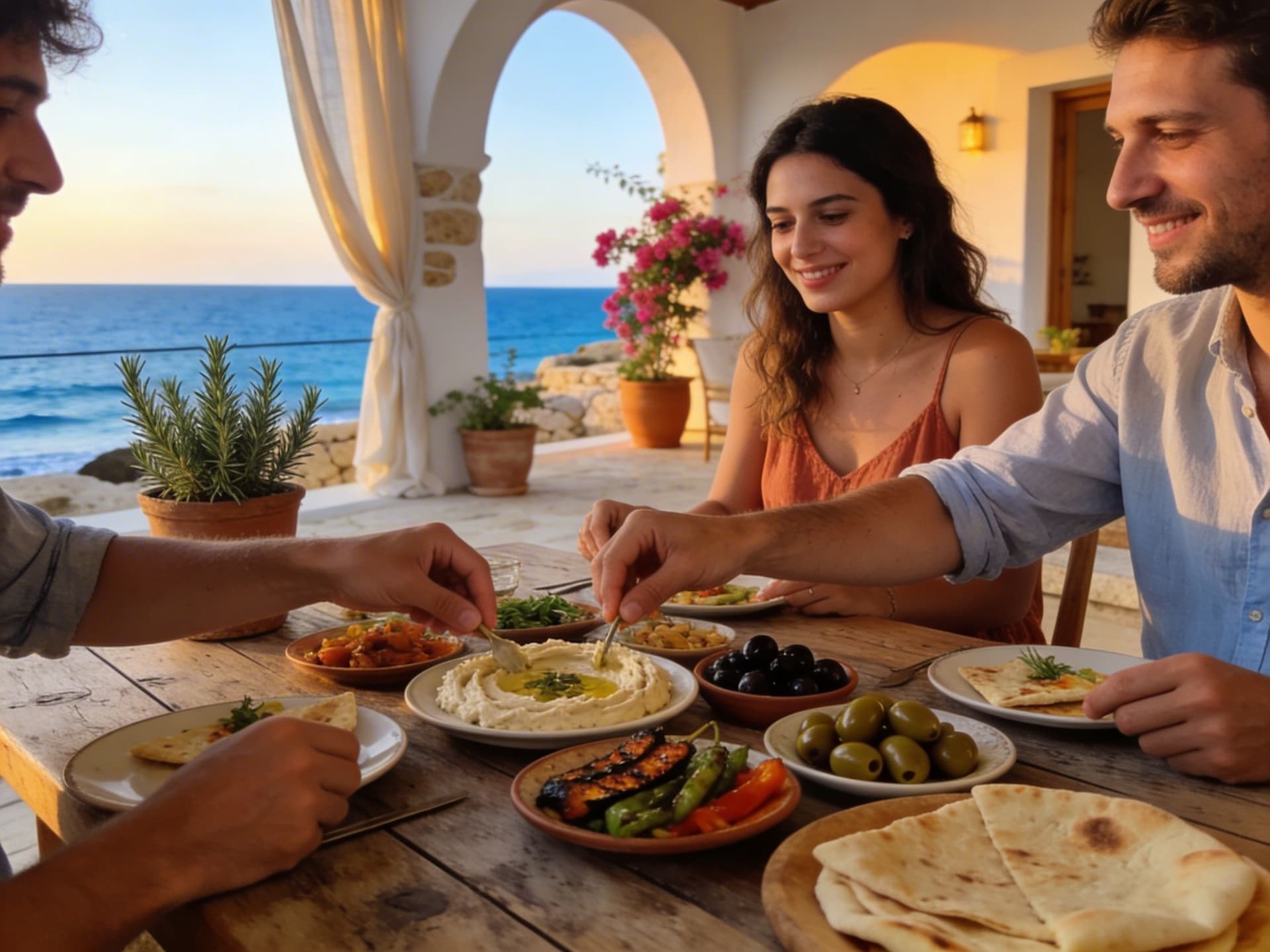
- Eat halloumi fresh at Limassol Municipal Market; walk the salt lake at Larnaca at dusk; join a Troodos winery tour in autumn; hunt for antiques on King Konstantinos Street in old Nicosia; take Sunday lunch at a taverna in Omodos.
From dream to deed: the transparency issues that matter
Cyprus’s national data show steady, modest house-price growth — the Statistical Service reported a 2.3% annual HPI rise in Q4 2024 — which means the market is not runaway. Yet market health and paperwork clarity are separate things. Even with healthy demand, buyers across years have reported title‑deed delays, missing permits and developer encumbrances that turn a good purchase into a protracted fight. That gap between price momentum and administrative clarity is the single most important transparency risk to understand before committing.
Three disclosure realities every buyer should insist on
- Verified title deed scans (not verbal assurances); planning and usage permits tied to the current build; mortgage or bank charges on the developer’s land that could block deed issuance.
There are special caveats too: properties in or advertised as being in Turkish‑administered northern areas carry distinct geopolitical and legal claims which international courts have sometimes addressed; avoid sales that rely on informal titles or promises of later legalisation. We’ve seen buyers tempted by low prices on such listings only to find their legal options limited and litigation likely. When something feels too cheap for the location, treat the paperwork as the first red flag, not the last.
How to make transparency work for you: practical steps
We recommend a short, sharp workflow that blends lifestyle priorities with legal checkpoints. Start with neighbourhood visits at different times of day, then insist on documentary verification before any deposit. Use local experts who will put the documents — not promises — first. Below is a simple step sequence you can follow to protect both your love of the place and your capital.
- Request scanned title deeds and land registry extracts; confirm developer mortgages; obtain certified planning permits; commission a local survey and occupancy certificate check; place deposit into escrow with conditions tied to deed issuance.
Working with the right local team
A good Cypriot solicitor will explain not just the process but the likely timelines and common snags in the district you’re targeting. Real estate agents who live the area — the ones who know the cafe owners, the mayor’s office, the local surveyors — add value because they notice when a plot’s paperwork looks unfinished. But don’t outsource skepticism: ask for references, recent examples of completed transactions, and proof of escrow handling before signing anything.
What expats wish they’d known (straight talk)
We’ve spoken to buyers who arrived thinking the island’s size meant simplicity; it doesn’t. Local relationships matter — from the municipality clerk to the land-surveyor who knows a developer’s history. Language isn’t a barrier: English is widely used in business, but cultural norms — patience with bureaucracy, reliance on personal introductions — shape outcomes. The smartest buyers combine curiosity about daily life with exacting paperwork habits.
Long-term lifestyle and market resilience
Data indicate Cyprus’s market is steady rather than frothy: modest HPI growth and steady rental demand in coastal hubs support long-term value. For lifestyle buyers this matters: choose places where services, healthcare and community life will sustain your day‑to‑day, not just a seasonal rental price spike. When we weigh neighbourhoods, we value durable community infrastructure over short-term glamour.
Quick checklist before you sign
- Ask for title deed scans; confirm no outstanding bank charges; verify planning and occupancy permits; check local short‑term rental rules; visit neighbourhood at night and off-season.
Cyprus is the kind of place where life rewards curiosity: markets, neighbours, tavernas and coastlines become part of a daily ritual. If you pair that appetite for place with disciplined document checks and a local team that tells you the truth, you’ll buy not only a property but a sustainable life here. Ready to take the next step? Start by visiting the neighbourhood, bring your checklist, and ask to see the deeds — not just the pictures.
British expat who relocated to Marbella in 2012. Specializes in rigorous due diligence and cross-border investment strategies for UK and international buyers.