Malta: Buy the Street, Not Just the Square Metre
Malta’s small, character-driven market rewards buyers who prioritise streets over square metres — balance lifestyle choices (Valletta’s charm, Sliema’s promenade) with transaction data and local expertise.
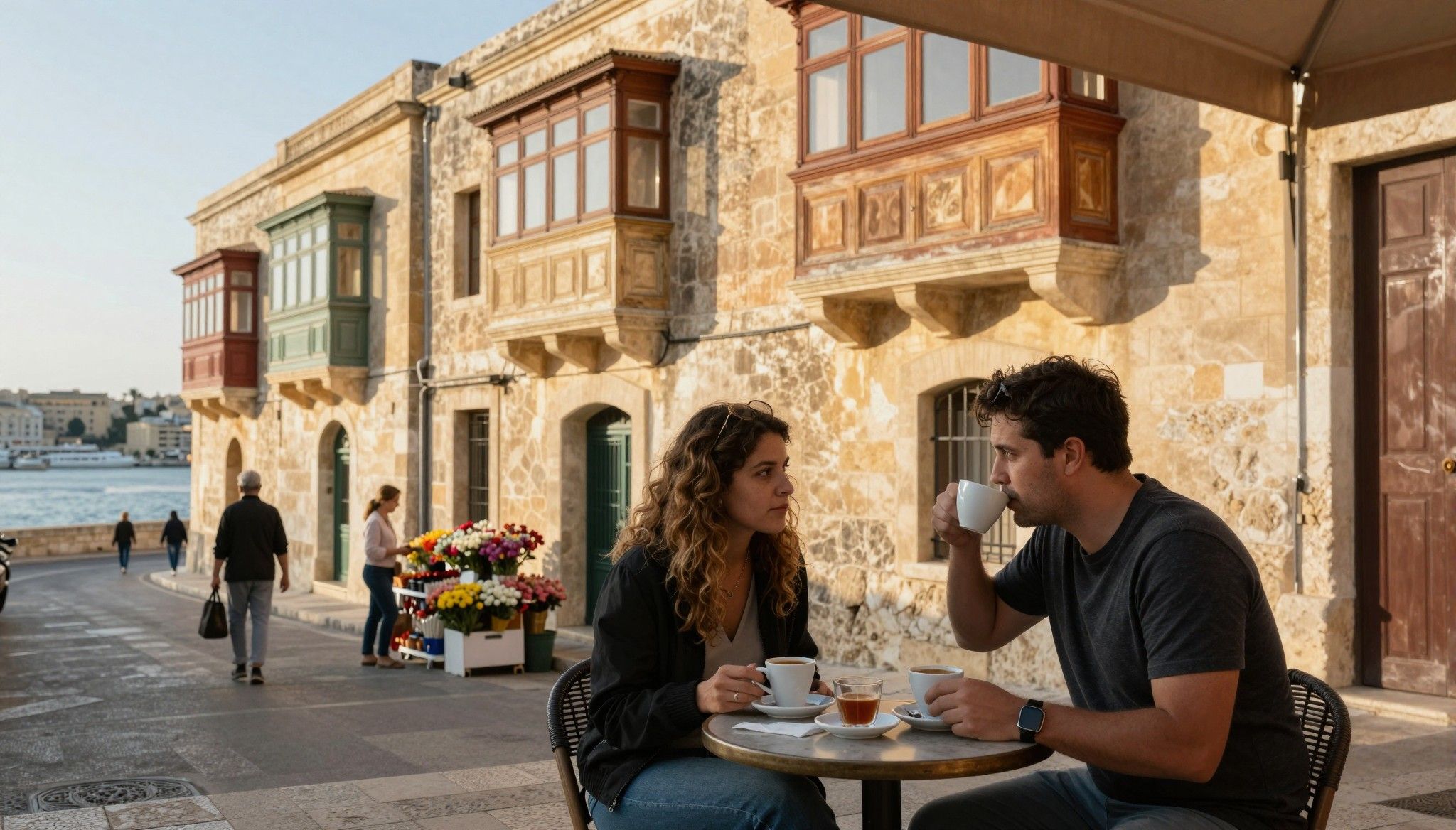
Imagine stepping out at dawn onto a limestone street in Valletta, the harbour light making the wooden balconies glow, then finding a tiny café where the owner knows your name. That's Malta: compact, loud with history, calm in a neighbourhood way. For buyers, that intimacy is the appeal — and the complication. The market is small, prices move differently here, and lifestyle choices (which street you choose) shape daily life more than square metres.
Living Malta: islands of texture, neighbourhood by neighbourhood
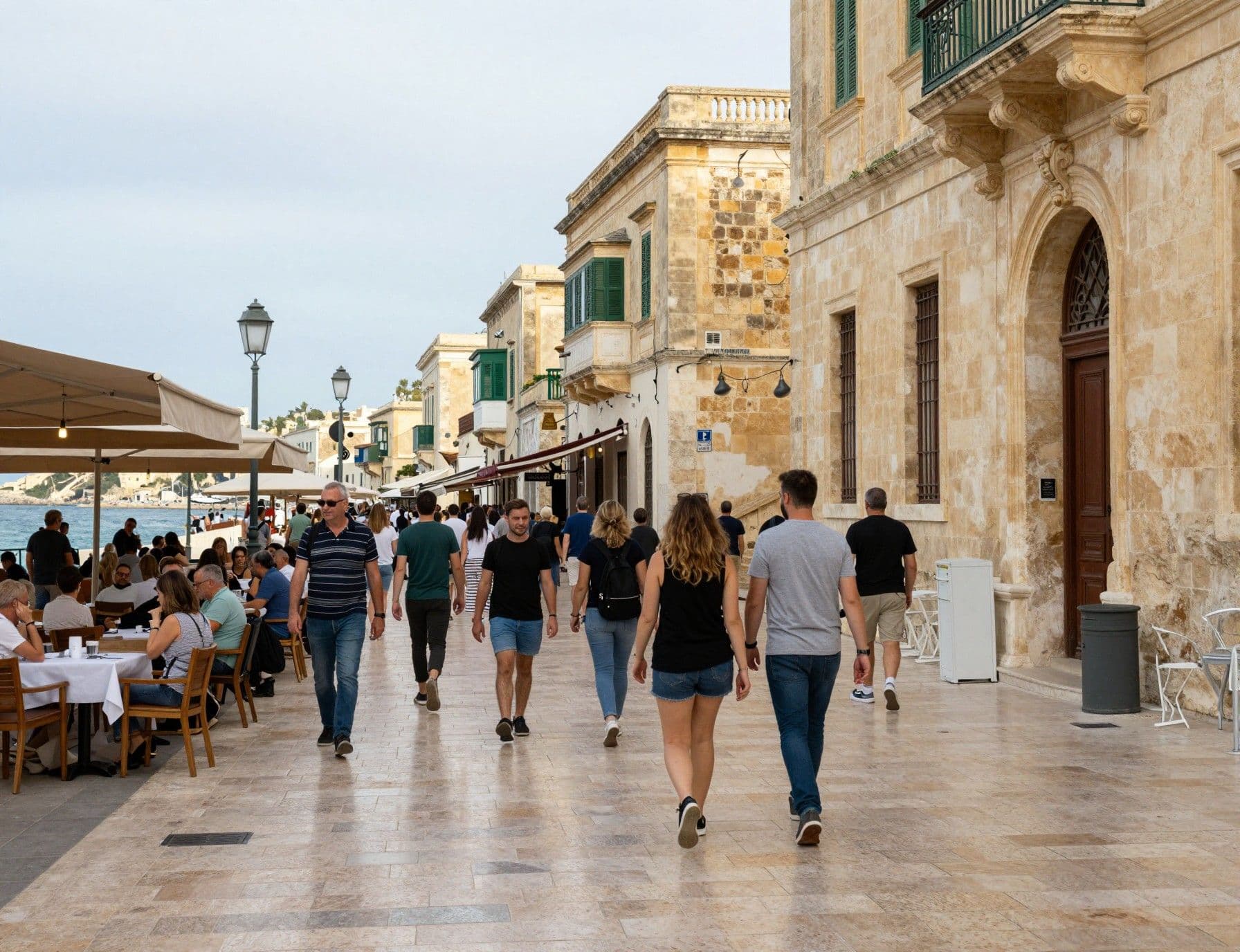
Life in Malta happens at street level. Valletta is a city of short walks and long evenings: narrow lanes, band clubs, quiet squares. Sliema and Gżira are seafront, with cafés that stay full until late; St Julian's and Paceville are the island's social engine, louder and brighter. Up north, Mellieħa gives a Sunday‑morning beach rhythm; on Gozo the tempo slows further — olive groves, festas and a sturdier sense of community.
Valletta & the Three Cities — history as daily backdrop
If you crave architecture, concerts and that baroque theatre-of-life, Valletta delivers. Expect stone terraces, maisonettes with internal courtyards, and limited parking. Weekends mean visitors, weekday mornings feel local. For an international buyer this translates to smaller interiors but enormous character — and properties that hold value because of uniqueness, not square footage.
Sliema, Gżira & St Julian's — the island's social spine
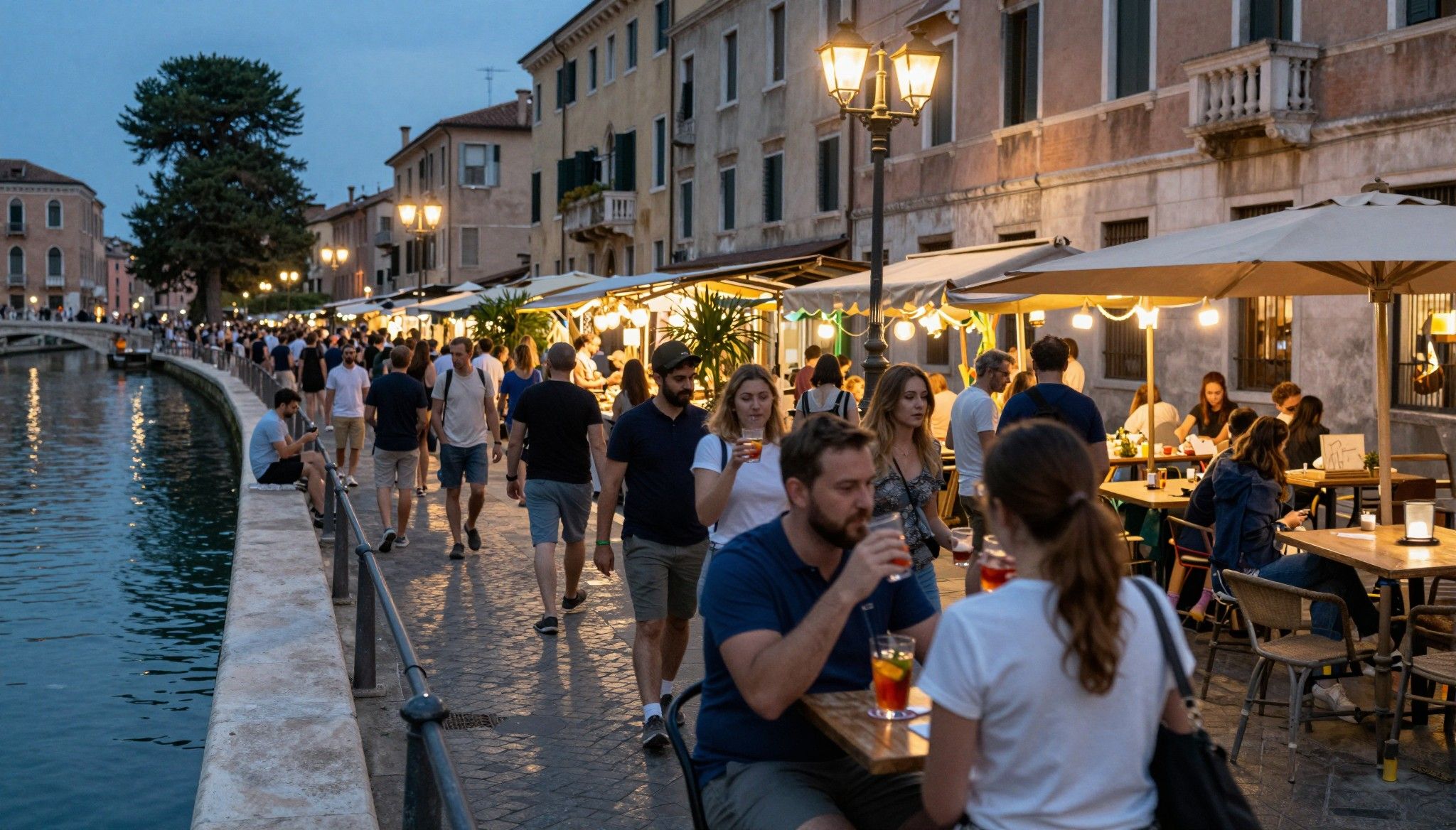
Sliema and Gżira are where cafés spill onto the promenade and remote workers take calls with a sea view. St Julian's is busier: restaurants, coworking desks and nightlife in Paceville. These areas offer a predictable expat infrastructure — English‑speaking services, international schools nearby, and modern apartments — but expect higher asking prices and competition for good sea‑front flats.
- Local life highlights
- Morning espresso at Caffe Cordina (Valletta) and a stroll on Republic Street.
- Seafront promenades in Sliema and Gżira — practical for running and weekly groceries.
- Sunday fish at Marsaxlokk harbour — a ritual for weekend living and a reminder of coastal village rhythms.
Making the move: practical choices that keep the lifestyle
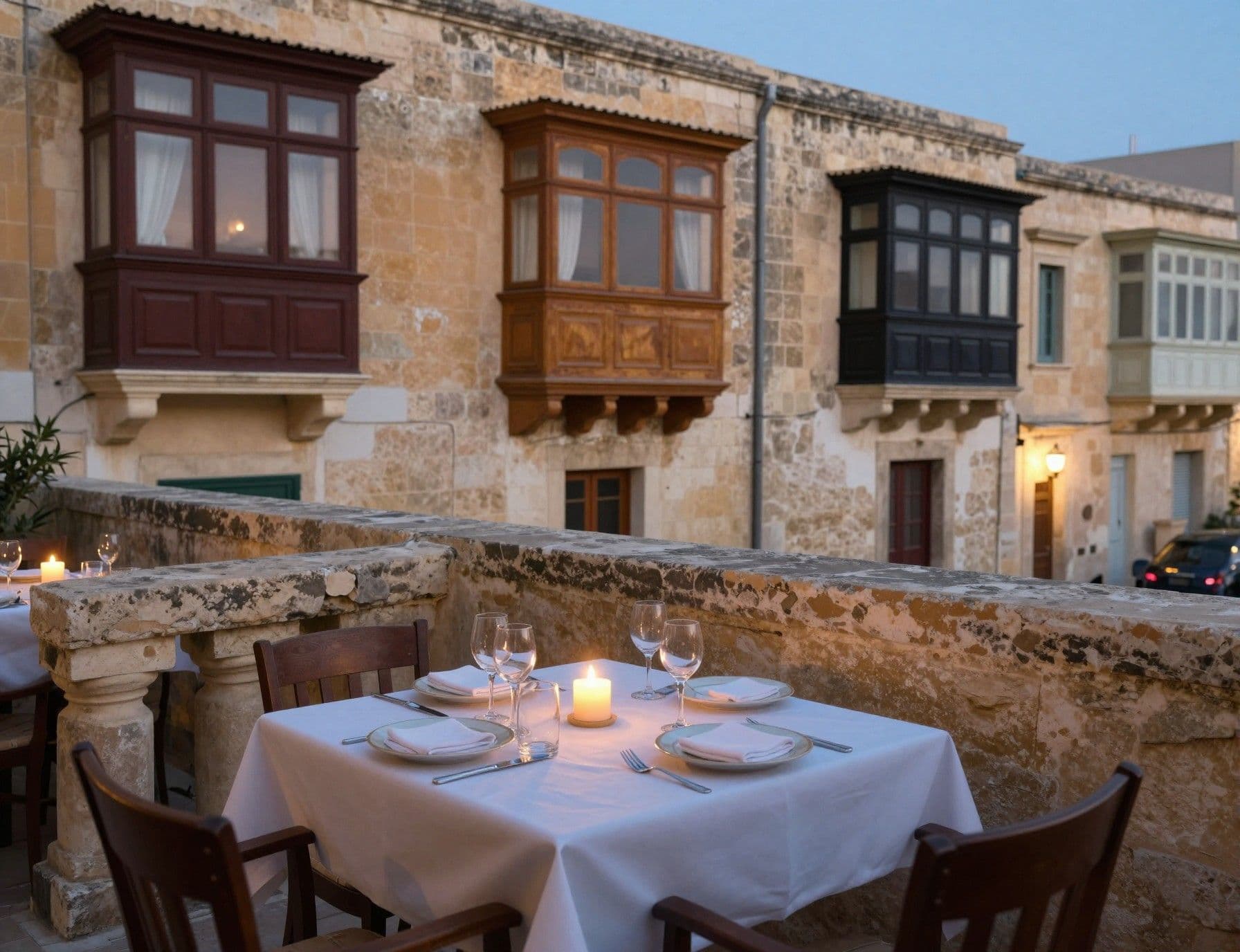
The reality: Malta's property price indices show steady, not meteoric, growth. The National Statistics Office and market reports record annual rises in the residential price index — a useful reminder that this is a liquid but tight market. For you that means choices must balance lifestyle wants (terrace, sea view) with market realities (limited stock, premium for character).
Property types: maisonettes, modern blocks and converted palazzos
Maisonettes in older streets give you private entry and courtyards but often need renovation. Modern blocks in Sliema and St Julian's supply amenities like lifts and parking yet compromise on character. Converted palazzos in Valletta are rare and expensive; when you find one, the lifestyle is unique — but factor in maintenance and restrictions around historic buildings.
Working with local experts who understand lifestyle fit
We always recommend agencies who can match streets to routines. Ask them: which block has morning sun on the terrace, where does the bus really stop, which neighbours host festas? Local questions like these separate a good listing from the right home. A credible agent will also show recent sold prices for the street — not just similar buildings — and explain neighbourhood trade‑offs honestly.
- Steps to marry lifestyle and process
- List your non‑negotiables (terrace, sea‑view, walk-to-café), then map them to three neighbourhoods.
- Inspect at different times: weekday morning, Saturday night, and off‑season to sense noise and visitor flows.
- Request transaction records for the exact street from your agent and cross‑check with NSO RPPI or property databases.
Insider knowledge: what expats wish they’d known
Here’s the candid part: you might fall in love with a postcard view and later discover the street is noisy, or parking is impossible. Or you’ll choose a quiet village and miss evening social life. Most expats adapt quickly, but the first six months reveal what truly matters: sun on the main terrace, neighbour profiles, and proximity to a reliable supermarket.
Language, community and day-to-day integration
English is an official language and widely used in business, so daily integration is easier than in many other EU markets. Still, community life pivots around parish feasts and local clubs; showing up matters. Join a language class, volunteer at a festa, or make café time a ritual — these small steps turn neighbours into friends and accelerate your sense of belonging.
Longer‑term considerations: maintenance, insurance and stock limits
Malta's building stock includes many older limestone properties that require ongoing maintenance; factor conservatively for repairs and insurance. Also remember the market is small — off‑market transactions are common and good opportunities often move fast. Staying connected to a local agent who circulates off‑market listings is a real advantage.
- Red flags to watch
- Absence of clear transaction history for the specific unit — always insist on verifiable sales records.
- Unclear syndicate/condominium rules in blocks — ask for recent meeting minutes and sinking-fund balances.
- Historic building restrictions that limit structural changes — confirm with the planning authority early.
Conclusion: Malta as a lived choice, not just a purchase. If you want proximity to cafés and a sea promenade, aim for Sliema/Gżira blocks with communal services. If you want story and architecture, budget for Valletta maisonettes and their upkeep. Work with an agent who treats lifestyle as seriously as price — someone who will walk the street with you, at different times, and point out the small, decisive factors that will shape daily life. When you're ready, we can introduce you to vetted local experts who know which streets match a Sunday routine or a work‑from‑home view.
Norwegian market analyst who serves Nordic buyers with transparent pricing and risk assessment. Specializes in residency rules and tax implications.