Where Cyprus Prices Hide — Value Beyond the Shore
Cyprus’s coastal premium hides local bargains. Use district RPPI, tourism seasonality and street‑level comparables to find lifestyle value backed by data.
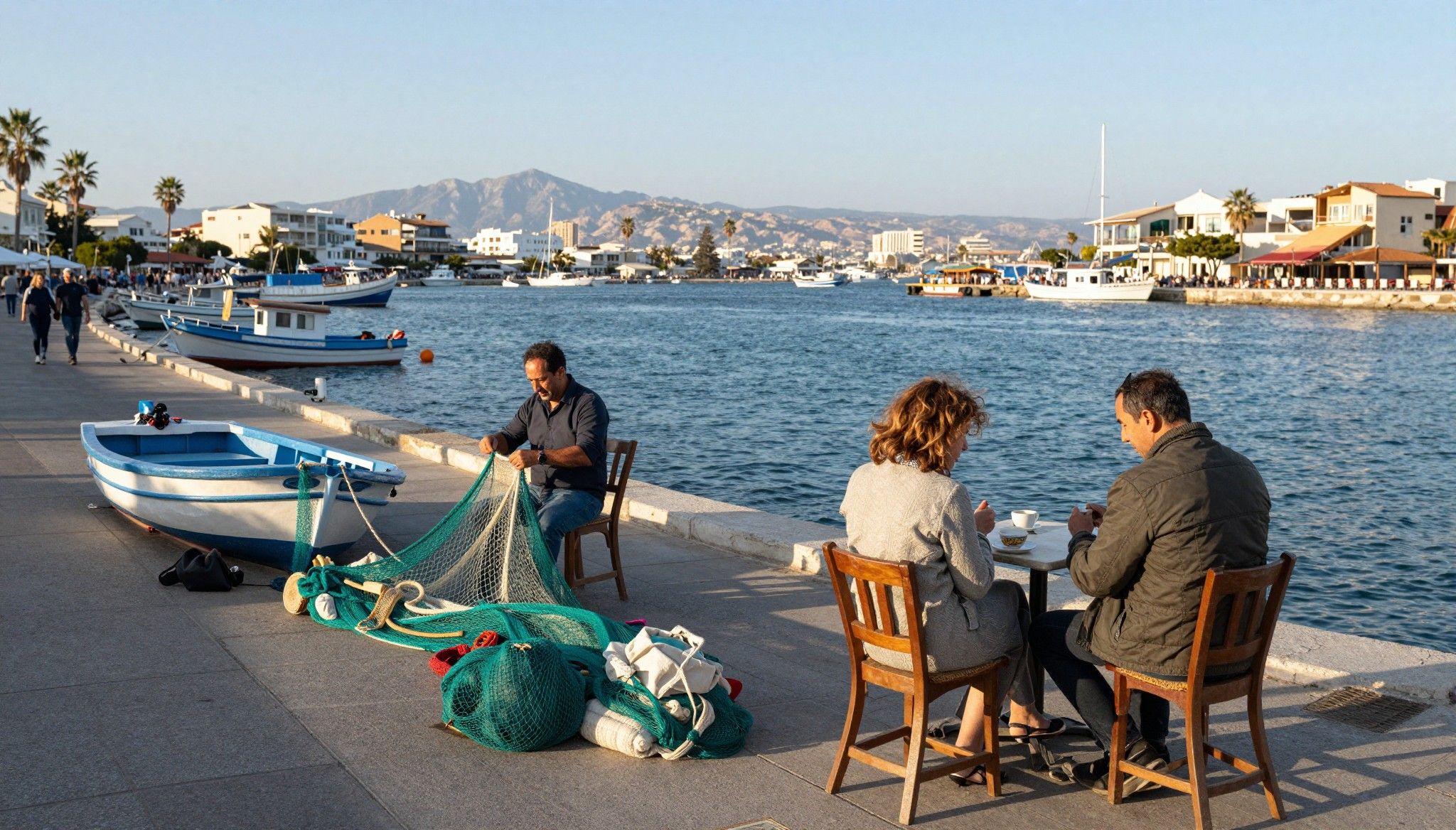
Imagine waking to a bakery on Paphos’ Old Harbour, espresso steam curling over stone steps, then heading to a veranda where the sea and the afternoon meet. Cyprus sells that life easily — warm, granular, unmistakably Mediterranean — and that feeling shapes how and where prices move. But some of what you’ve heard about “island premiums” and universal price tags is misleading. We’ll show where value actually hides, supported by the Central Bank and statistical data.
Living Cyprus: sunlit mornings and layered seasons
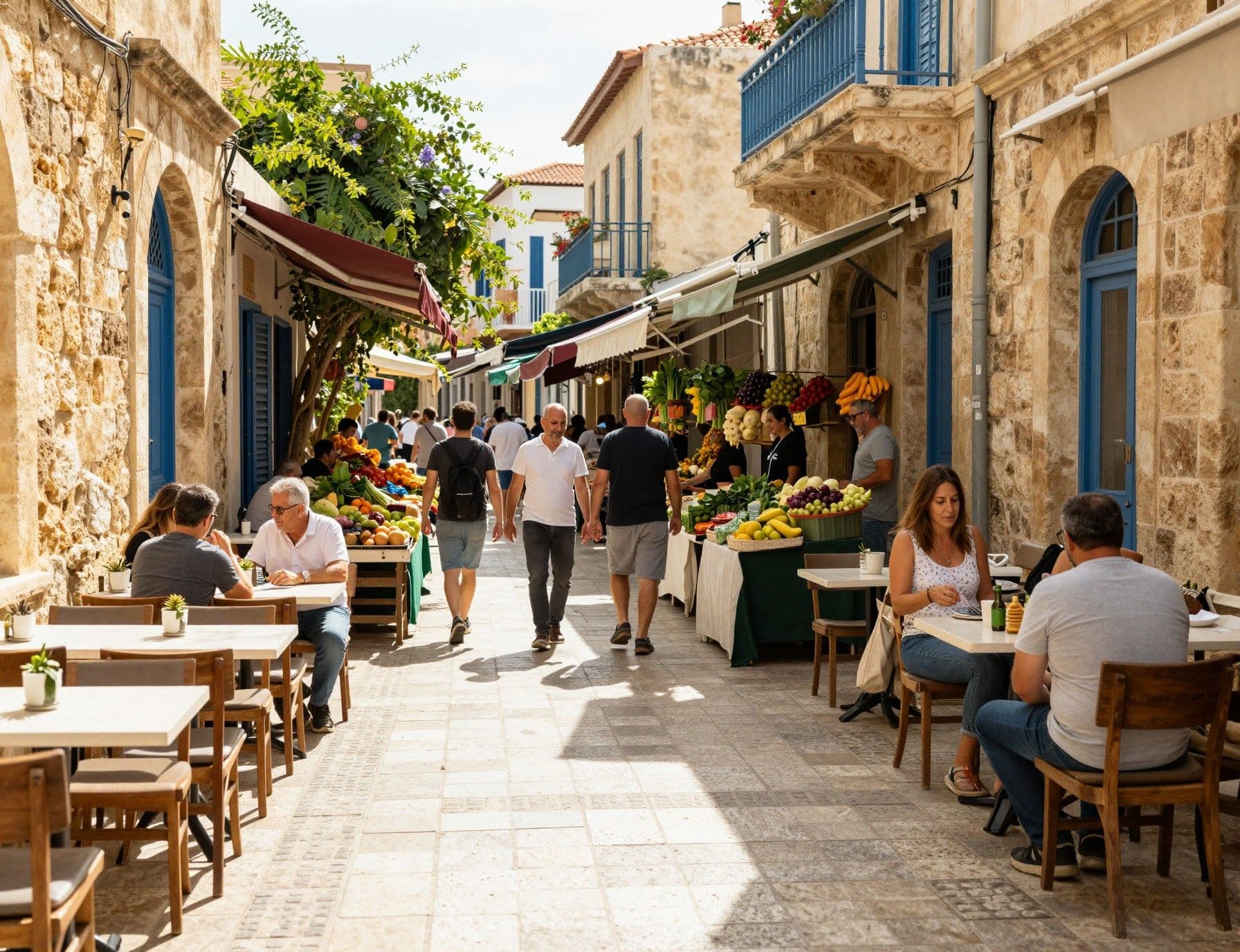
Cyprus is compact but contradictory: coastal resorts hum with summer tourism while mountain villages like Omodos slow to a different rhythm. Days are oriented outdoors — long lunches, late walks, markets that pulse at dawn. That daily tempo informs what buyers want: terraces, shutters, cross‑breezes, and short walks to cafés. Those lifestyle priorities are where opportunities appear for international buyers who look beyond headline prices.
Limassol: Mediterranean business card (and price anchor)
Limassol is the island’s economic magnet — marina developments, new hotels, and resorts like City of Dreams rewrote local expectations. It’s where premium stock concentrates, which pushes averages up for the district. That doesn’t mean you can’t find value here; it means you must be selective about street and micro‑location rather than district‑wide assumptions.
Paphos, Larnaca, and the inland curve
Paphos shows a high share of tourist stays and pockets where short‑term rental demand supports yields; Larnaca’s airport connectivity has nudged local apartment prices. Inland villages — from Troodos foothills to Limassol’s vineyards — offer slower appreciation but better space and lower entry prices. Tourism rebounds (4 million arrivals in 2024) are part of why coastal demand keeps firing, but tourist numbers aren’t the whole story for long‑term buyers.
Making the move: market signals that matter (not the headlines)
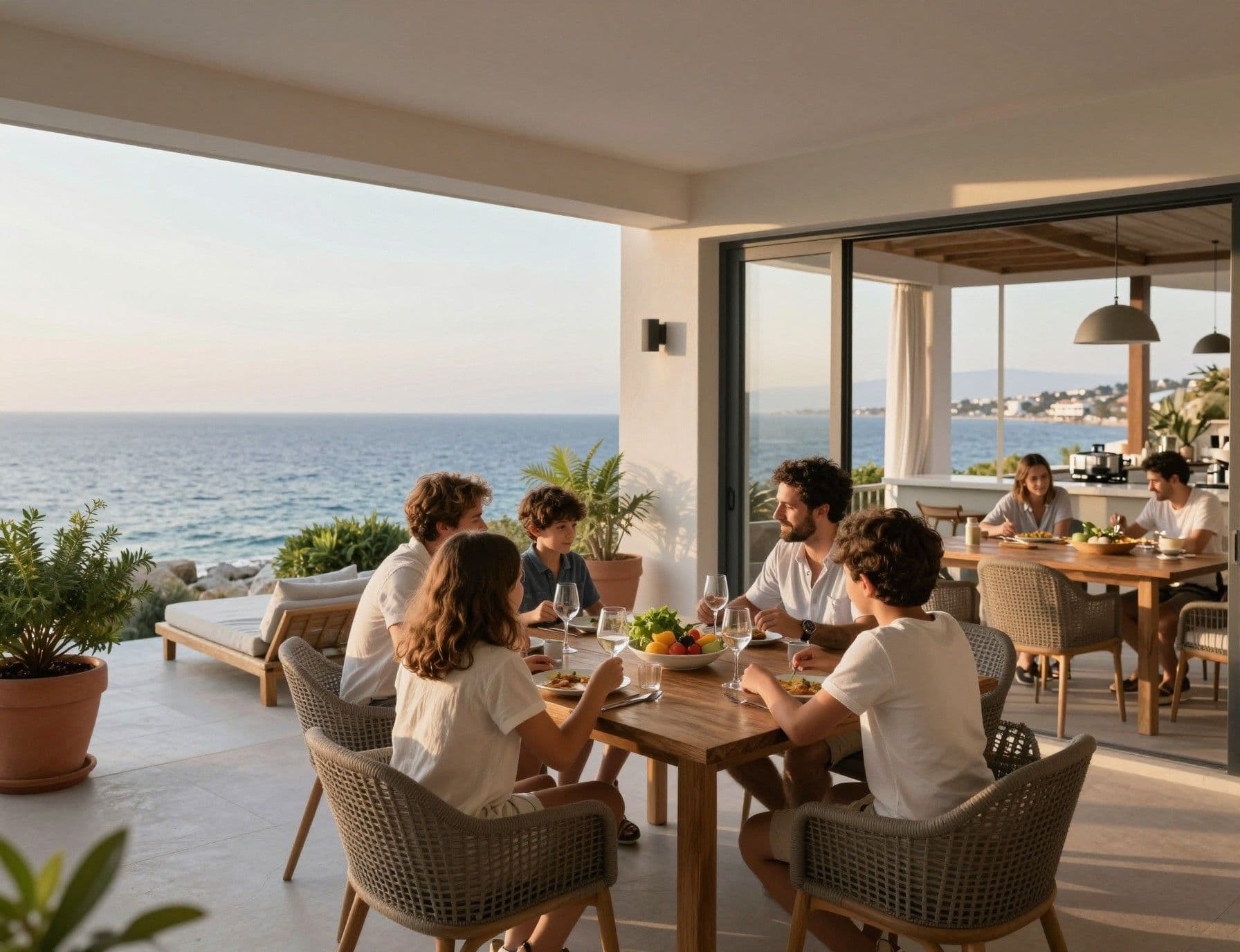
Headline indices show steady growth rather than a runaway bubble. The Central Bank’s RPPI records consistent year‑on‑year increases across districts, but growth is uneven: Limassol and Larnaca often lead while Paphos and some rural districts lag. That pattern means buyers can find relative bargains if they target the right micro‑markets and property types.
Property types: where to expect value
Apartments near airports and seafronts command premiums because of rental demand and convenience. Detached houses inland or near traditional villages often offer more square metres per euro and character — olive trees, thicker walls, and cooler summers. New builds in high‑demand coastal pockets are priced for lifestyle and liquidity; older properties with renovation potential are where patient buyers can capture value.
Working with local experts who know the streets
An agency with fine local knowledge — the exact street, block, and developer record — matters more in Cyprus than a generic ‘national’ firm. Good agents bring micro‑market comparables, recent transaction records, and local contractor contacts for quick checks. They’re the ones who’ll tell you that a sea‑view on one street is worth far more than the same view two blocks away because of parking, shade, or planning permissions.
Insider knowledge: myths, red flags and contrarian plays
Myth: "Cyprus is uniformly expensive." Reality: national indices hide sharp local spreads. Limassol skews averages; other districts offer lower entry points with solid upside. Red flag: sellers citing a single recent sale as precedent — always ask for three comparable transactions over twelve months. Contrarian play: look for walkable pockets in Larnaca and Paphos fringes where demand is rising but prices lag Limassol.
Expat lessons: what we wish we'd known
Language is less of a barrier than you think — English is widely used in real estate and hospitality. What’s harder is reading micro‑seasonality: summers mean full streets and inflated short‑term rents; winters reveal where communities live year‑round. Expat buyers tell us the best surprise is how quickly a local café becomes a social anchor — that’s where you meet neighbours who can confirm the intangible quality of life a listing can’t.
Practical checklist (quick wins)
- Ask for three comparables from the same street and same season.
- Check rental demand seasonality — occupancy vs headline yields.
- Confirm infrastructure plans (port, road, or resort projects) with municipal records.
Step-by-step: how we assess a Cyprus opportunity
- Identify lifestyle priorities (walkability, sea access, village quiet).
- Pull district RPPI trends and district‑level sales volumes for last 12 months.
- Request exact comparables, check title deeds and municipal permits, and estimate renovation costs if applicable.
- Negotiate with evidence: present a short report of comps, projected cashflows, and realistic timelines.
Conclusion: buy the life, but read the local ledger
Cyprus sells a life first — sun, community, seasonal festivals, and easy outdoor days. Smart buyers marry that lifestyle with data: district RPPI trends, tourism seasonality, and street‑level comparables. Work with an agency that knows the exact blocks and the municipal mood. Fall in love with a place, then use the local ledger to make it yours.
British expat who relocated to Marbella in 2012. Specializes in rigorous due diligence and cross-border investment strategies for UK and international buyers.