Greece: Neighbourhood Rhythms That Should Guide Your Buy
Fall for Greece’s life first — then match neighbourhood rhythms with market data and local expertise to buy with confidence.
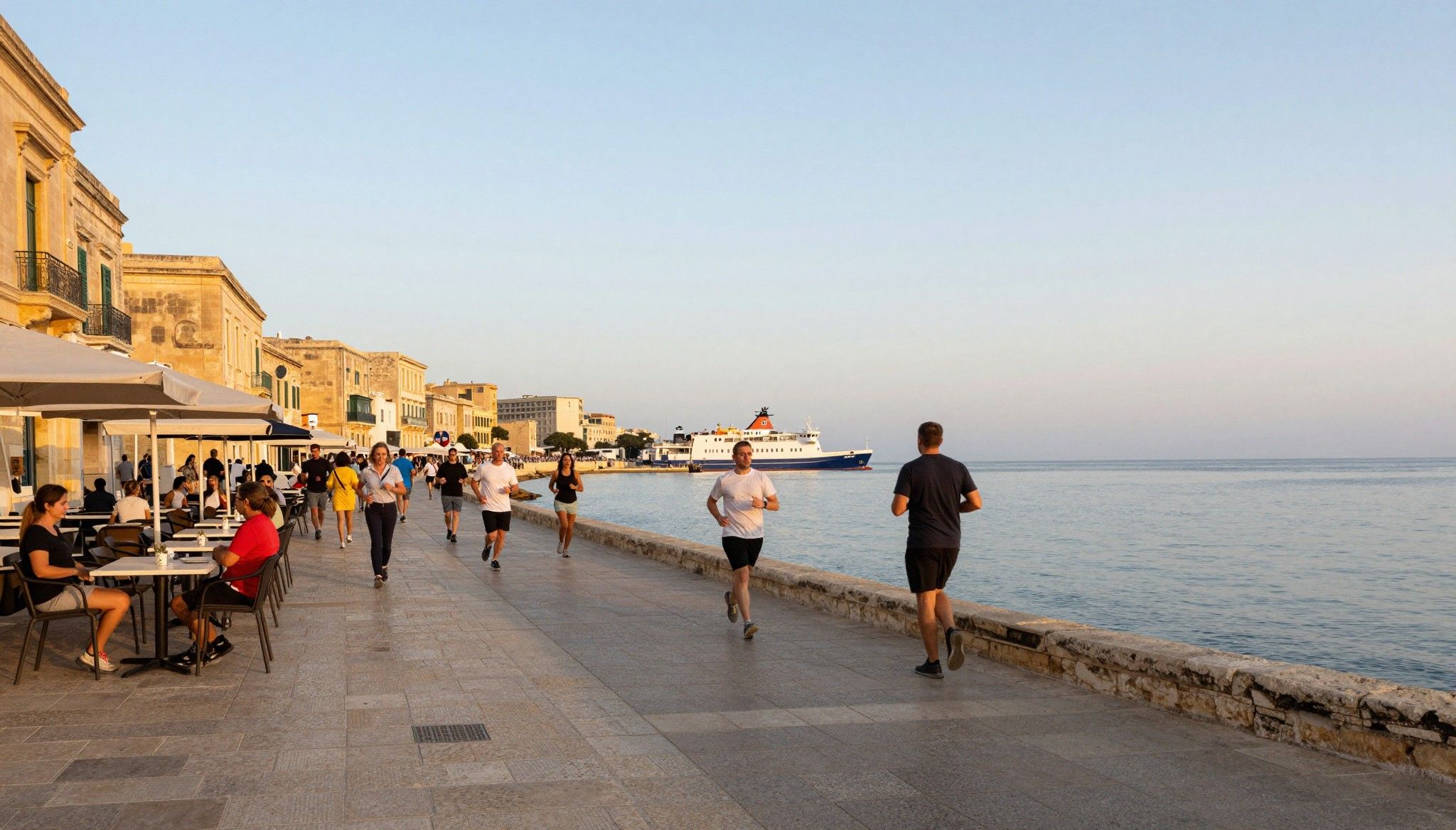
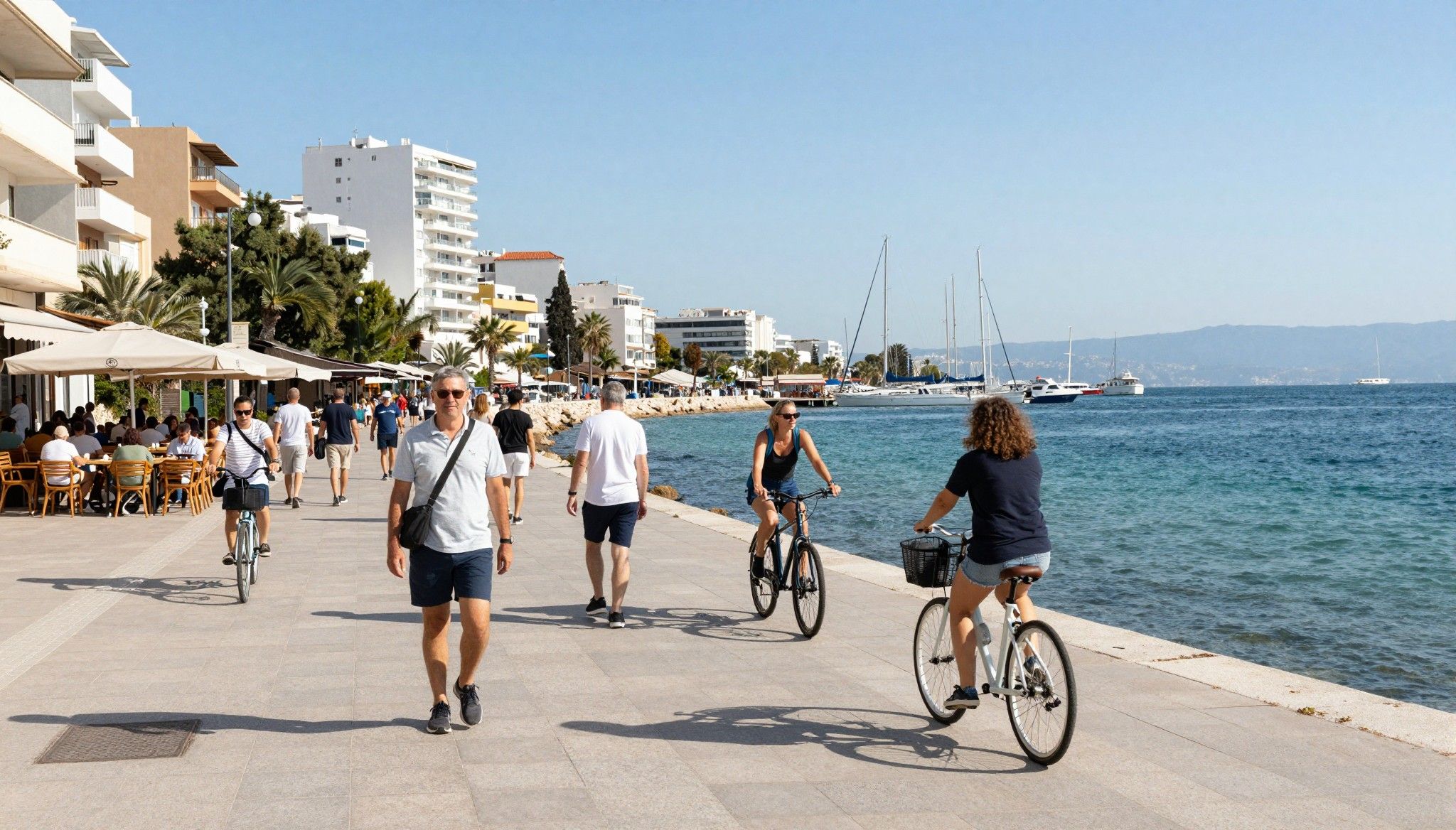
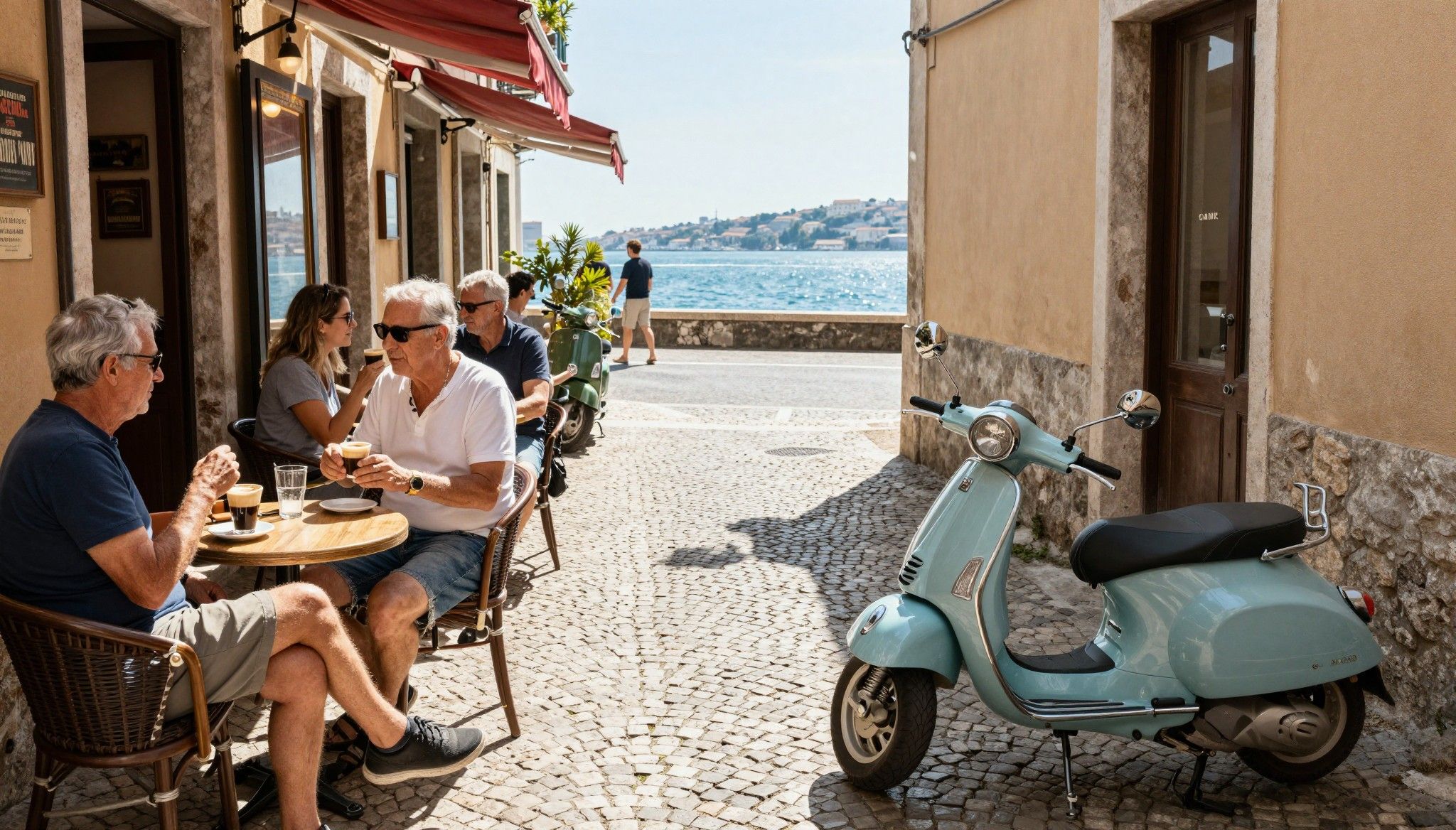
Imagine waking to strong morning light through shuttered windows, then walking five minutes to a shaded kafeneio for a thick espresso and the day’s news. That’s Greece: a daily rhythm that balances sunlit coastlines, lively markets and compact, walkable neighbourhoods. But the lifestyle you fall for — island terraces, Athens neighbourhood cafés, tavernas lined with locals — has practical implications for how, where and when you buy. We’ll start with the life that seduces you, then match it with market facts so you can make decisions that taste as good as the food looks.
Living the Greek life — sights, sounds and rhythms
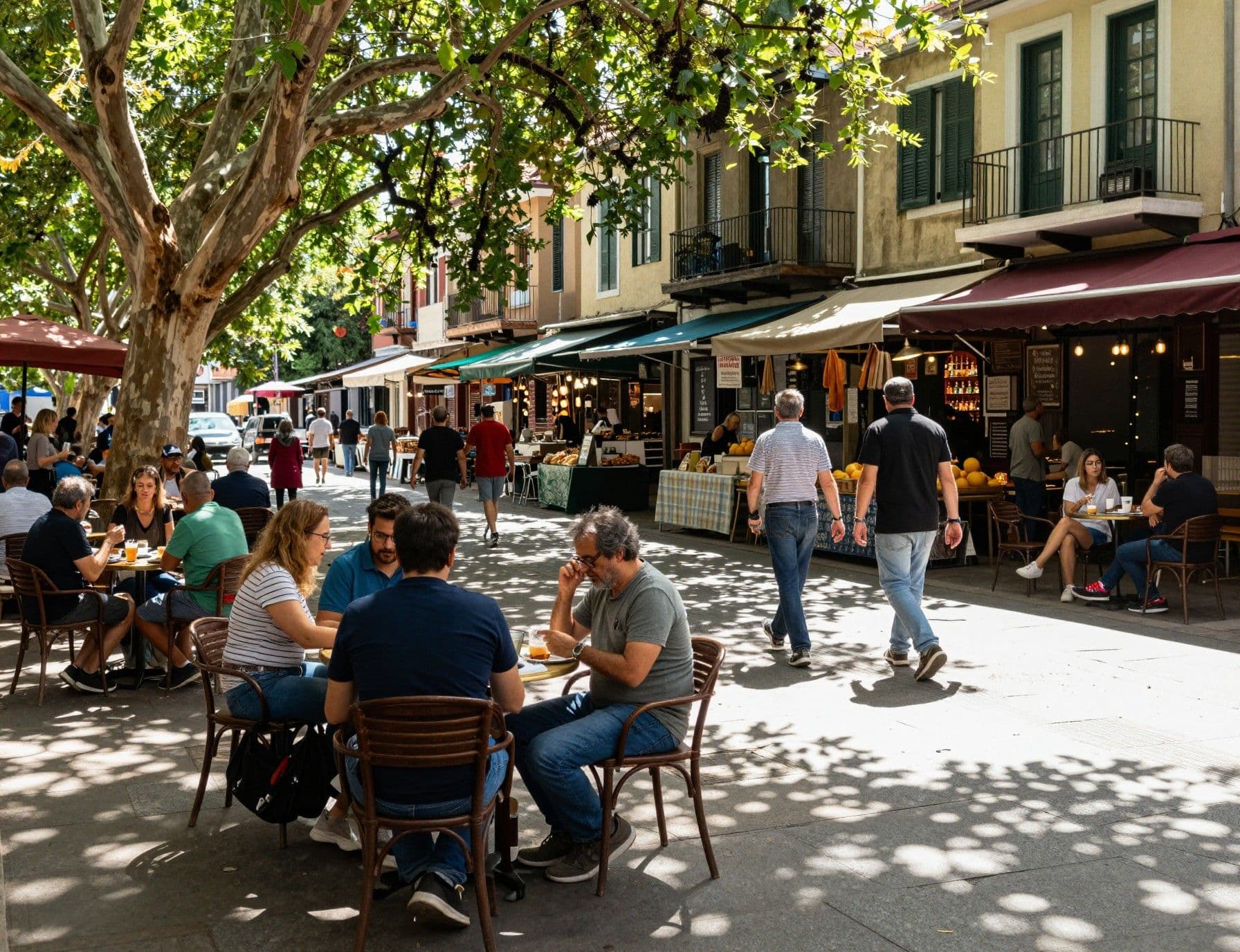
Greece is smaller than you think geographically but vast in variety. Athens’ narrow streets smell of bakeries and diesel by morning and of souvlaki and late-night conversation by evening. On the islands the tempo slows to coastal time: mornings on the harbour, afternoons for a siesta-like pause, evenings for long dinners that stretch past midnight. Understanding these rhythms helps you pick a property type that fits the life you want — whether that’s a city flat steps from a kafeneio or a stone villa with a sea-facing terrace.
Neighbourhood spotlight: Koukaki, Glyfada, Kifisia
Choose Koukaki if you want to be under the Acropolis shadow with cafés spilling onto streets and a truly local feel. Glyfada and Vouliagmeni suit buyers craving beach mornings, marina restaurants and international services — you’ll find more English-speaking communities and private schools here. Kifisia, to the north, is where families settle for gardens, cool summers and leafy streets. Each neighbourhood isn’t just a location on a map; it prescribes a daily routine — where you shop, where friends meet and how often you’ll drive vs. walk.
Food, markets and weekend rituals
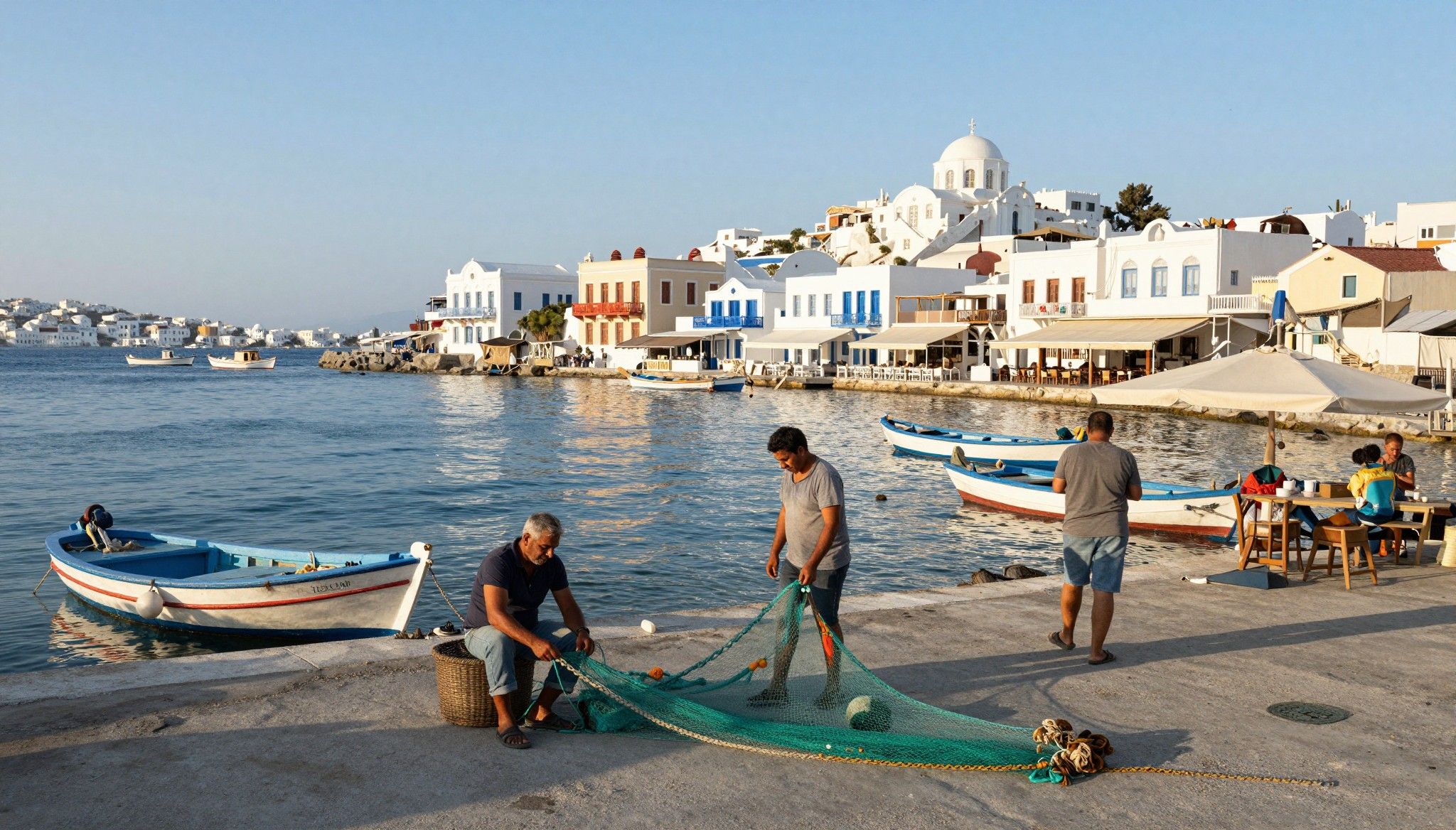
Weekends in Greece smell of frying fish at small tavernas and of citrus and herbs at municipal markets. In Athens, Varvakios Market is still raw and honest; on islands, local stalls sell sun-dried tomatoes and thyme honey. Eat where locals eat: a seaside taverna on Agios Nikolaos, a shellfish stall in Piraeus, or a tiny bakery on a side street in Chania. These choices shape property desirability — proximity to authentic markets and tavernas often matters more to buyers seeking genuine local life than a long list of amenities.
- Morning espresso at a kafeneio on Dionysiou Areopagitou; sunset swims at Vouliagmeni beach; Sunday market in Varvakios; dinner on the quay in Chania; a boat day from Paros to Antiparos; late-night music at an Athens rebetiko bar.
Making the move: property types and practical choices
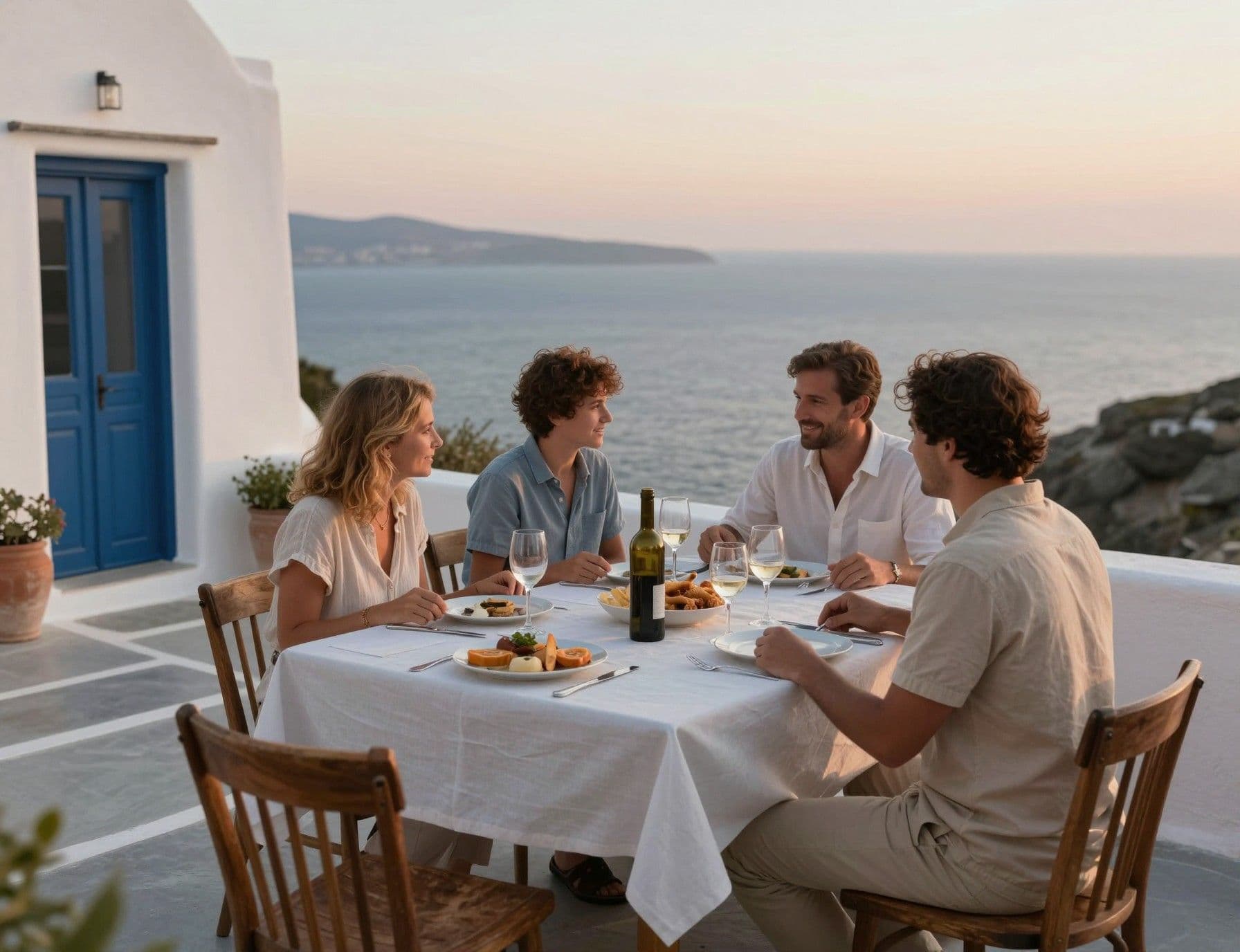
The market matters because lifestyle costs money — and prices have been rising. The Bank of Greece reported apartment prices up in 2024–2025, with urban areas recording solid year-on-year gains, while agency reports show modest continued appreciation into 2025. That doesn’t mean everywhere is expensive: islands and micro-markets vary dramatically in price per square metre, and resale stock often hides attainable opportunities if you’re flexible on finish and location.
Property styles: city flats, island houses, renovated neoclassics
A two-bedroom in central Athens will feel different from a stone house in Crete or a whitewashed Cycladic home in Paros. City flats trade outdoor space for walkability and year‑round services. Island homes often offer terraces, sea views and seasonal rental potential — but expect higher maintenance, local construction idiosyncrasies and, on some islands, stricter short‑term rental rules. Renovated neoclassics in central districts demand careful checks on structure and permits; they bring character but can hide expensive surprises.
Working with local experts who know the life you want
A local agency that knows where the best kafeneia sit and which streets flood in winter is worth its weight in euros. Agencies should do more than show listings: ask them about seasonal rhythms (tourist high vs low), building by-laws, typical renovation costs and trusted local trades. For international buyers we recommend agencies that provide bilingual service, handle tax and registry introductions, and have a track record of managing island logistics — ferry permits, water supplies and contractor reliability.
- 1. Spend a full weekday in a neighbourhood before bidding — mornings vs evenings tell two stories. 2. Match property type to seasonality: islands need maintenance buffers; cities need soundproofing and insulation. 3. Ask agencies for recent comparable sales (three in the last 12 months) and invoices for past renovations. 4. Check municipal planning and any STR (short-term rental) controls before assuming rental income.
Insider knowledge: what expats wish they’d known
Expats often tell the same three surprises: the social warmth is immediate but bureaucracy is persistent; seasonal life can be intoxicating but isolating in winter; and local networks — the right plumber, the right notary — make daily life easier. Learn a few Greek phrases; show up at neighbourhood events; and accept that some things (bank timelines, permit waits) move at local pace. Those adjustments are part of the charm — once you settle, these quirks often become the favourite parts of living here.
Cultural integration and everyday social life
You’ll be invited to more dinners than you expect. Neighbours meet over coffee; shop owners remember your order. Language helps but is not a barrier: younger Greeks and hospitality professionals usually know English, while mastering basic greetings opens doors. Plan to give — time, patience and curiosity — and you’ll be rewarded with invitations to festivals, seaside barbecues and home-cooked meals.
Longer-term thinking: durability of the lifestyle
Think beyond daydreams: check how a neighbourhood performs off-season, whether healthcare options meet your family’s needs, and how resale demand behaves. Market reports show steady price growth in many urban and island micro-markets, but long-term value hinges on infrastructure and diversification of local economies. If you plan to rent, vet seasonality and local STR rules; if you plan to retire, verify healthcare access and residency options.
- Factor checklist for long-term happiness: proximity to markets/healthcare, winter transport reliability, water and maintenance costs, community age profile, property insulation and heating, clear title and municipal permits.
We’ve shown the life: early espresso, late-night taverna dinners, strolls past bougainvillea and the convenience of neighbourhood shops. Now the next step is practical: spend time in chosen areas across seasons, ask agencies for audited comparables and a local renovation estimate, and secure a notary with Greek registry experience. If you want help matching lifestyle to listings in Greece’s coastal markets and city neighbourhoods, we can introduce you to agencies who understand both the rhythm of daily life and the paperwork that makes it permanent.
British expat who relocated to Marbella in 2012. Specializes in rigorous due diligence and cross-border investment strategies for UK and international buyers.