Greece: Buy the Tempo, Not the Postcard
Contrarian, lifestyle-led look at Greece: where neighbourhood tempo and local services matter more than views—backed by Bank of Greece and market reports.
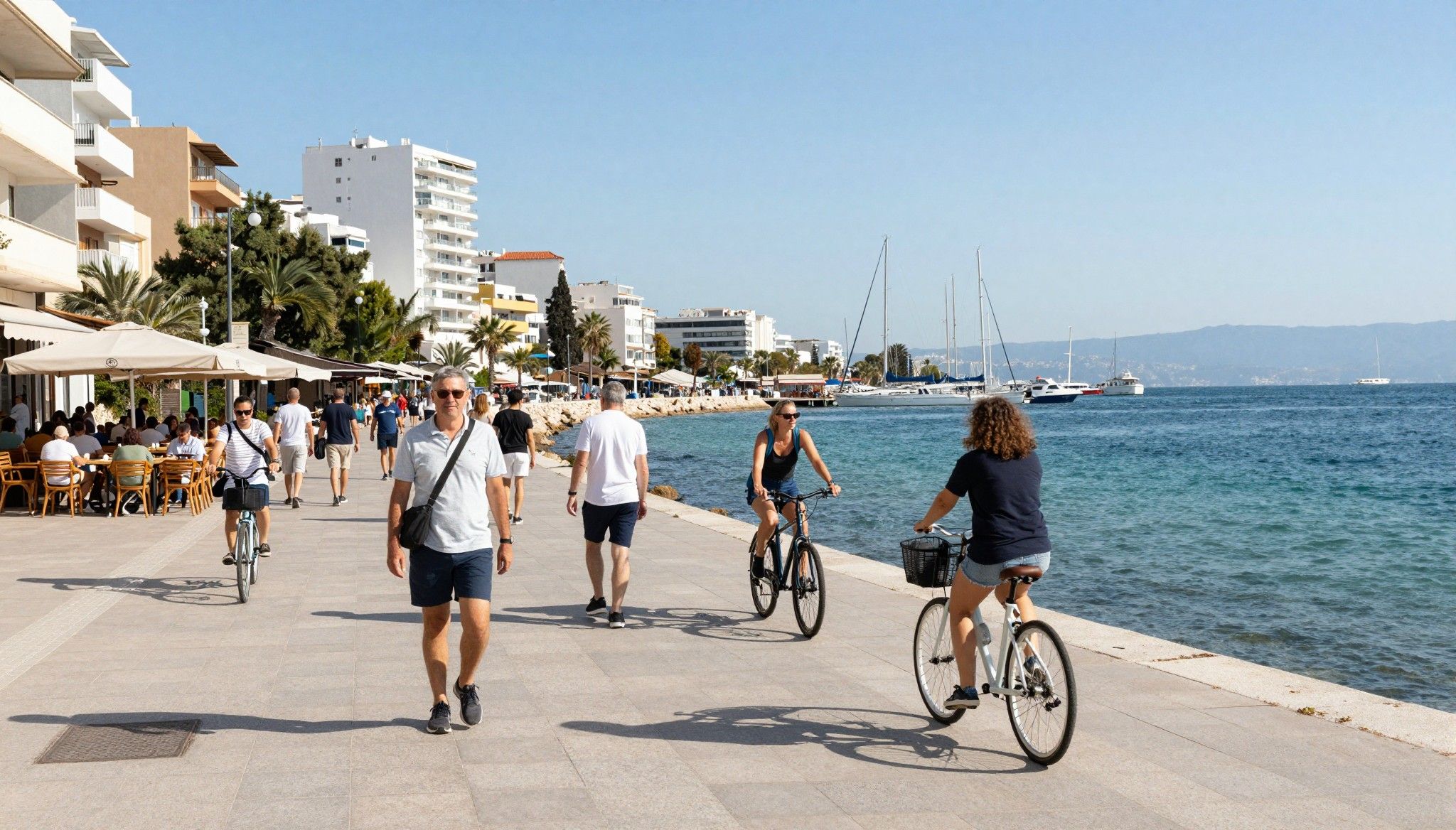
Imagine opening your window to the sound of bakers folding warm filo and, five minutes later, standing on a hill where the Aegean flashes in a thousand blues. In Greece you trade commuting stress for a morning espresso ritual, and a city plan that still rewards walking. But this is not just a holiday—it’s a way of life that changes how you design a home and where you chose to buy. Read on for the surprising corners of Greece where lifestyle and sensible property choices meet.
Living the Greek Life: More Than Sun and Sea
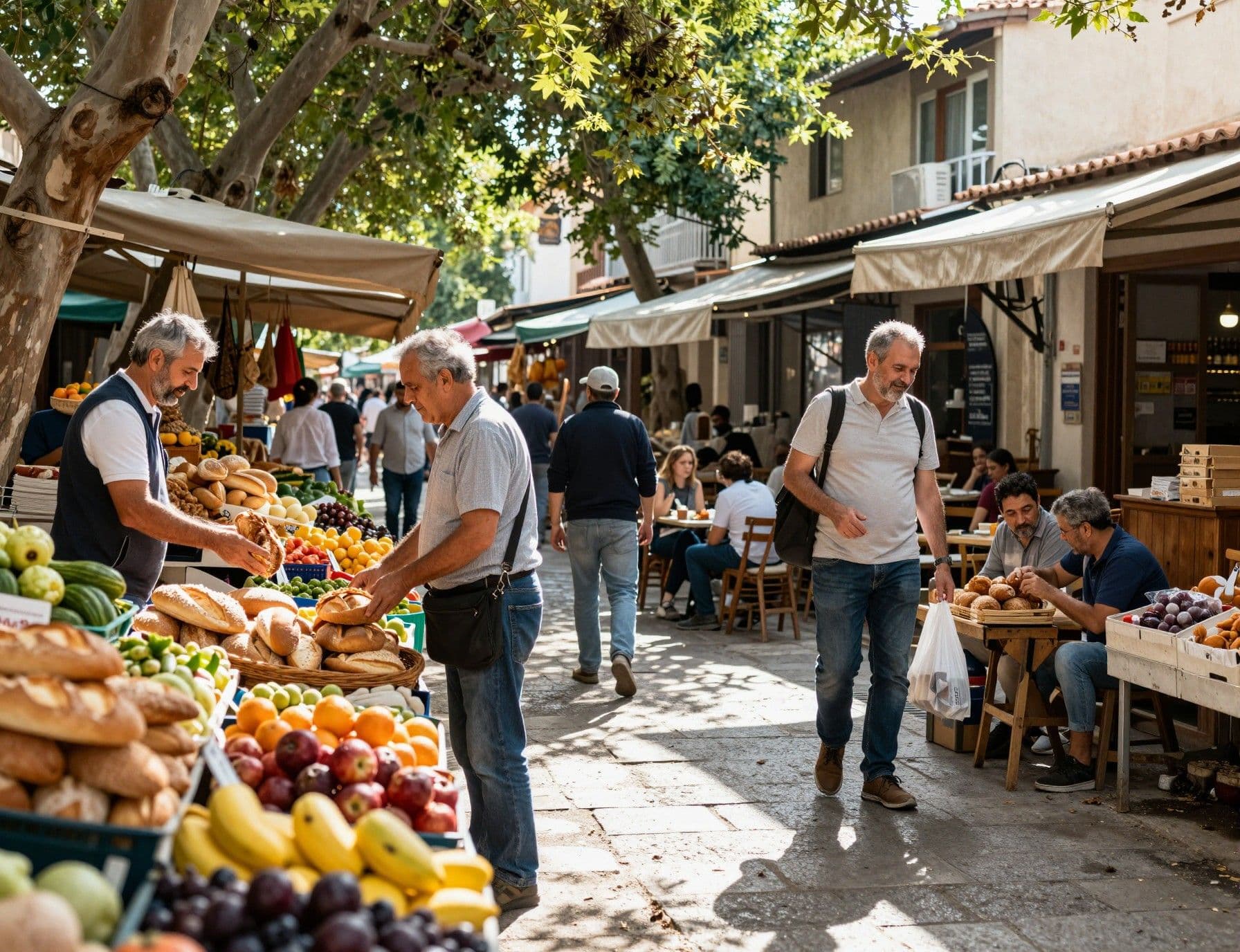
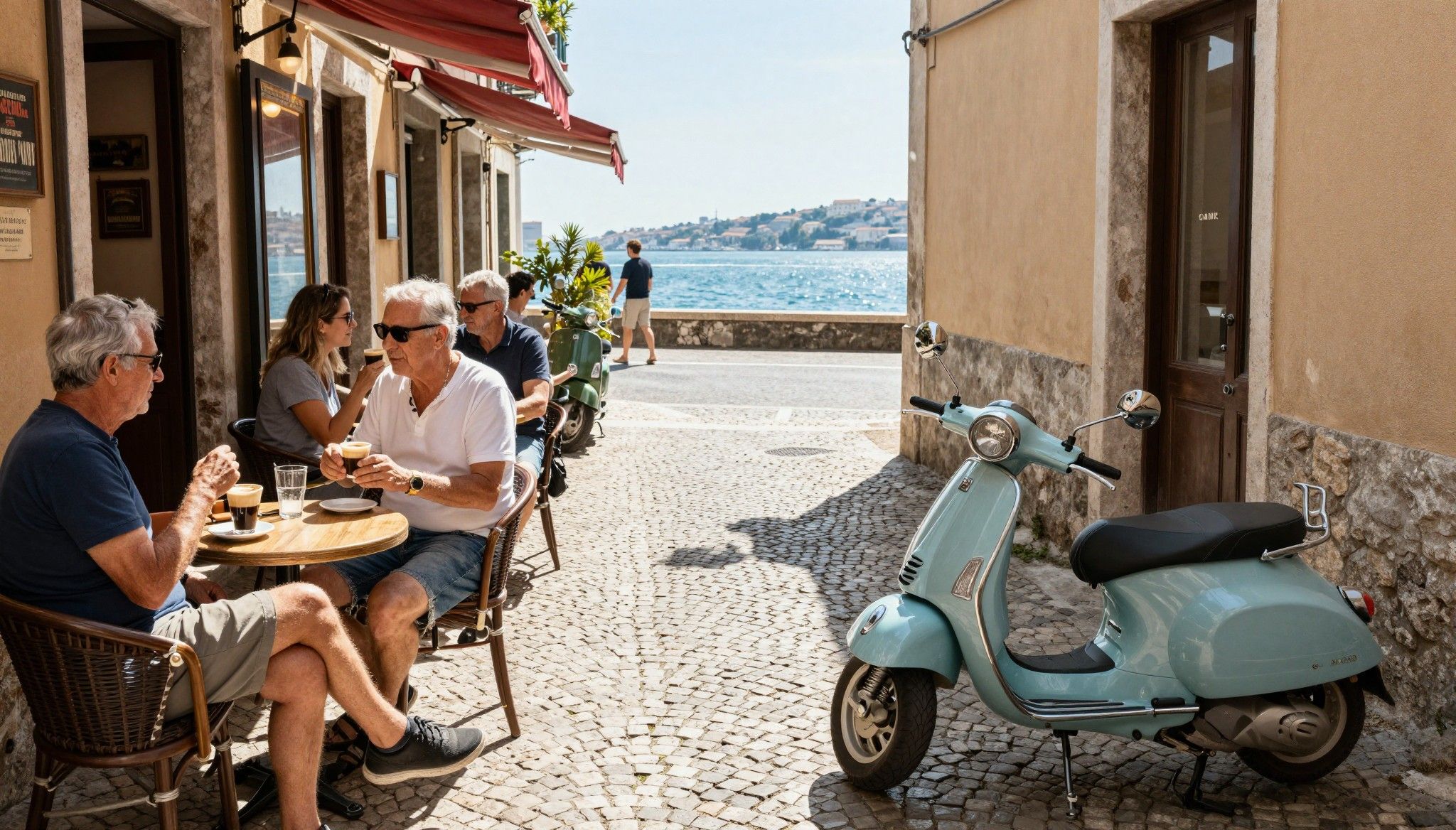
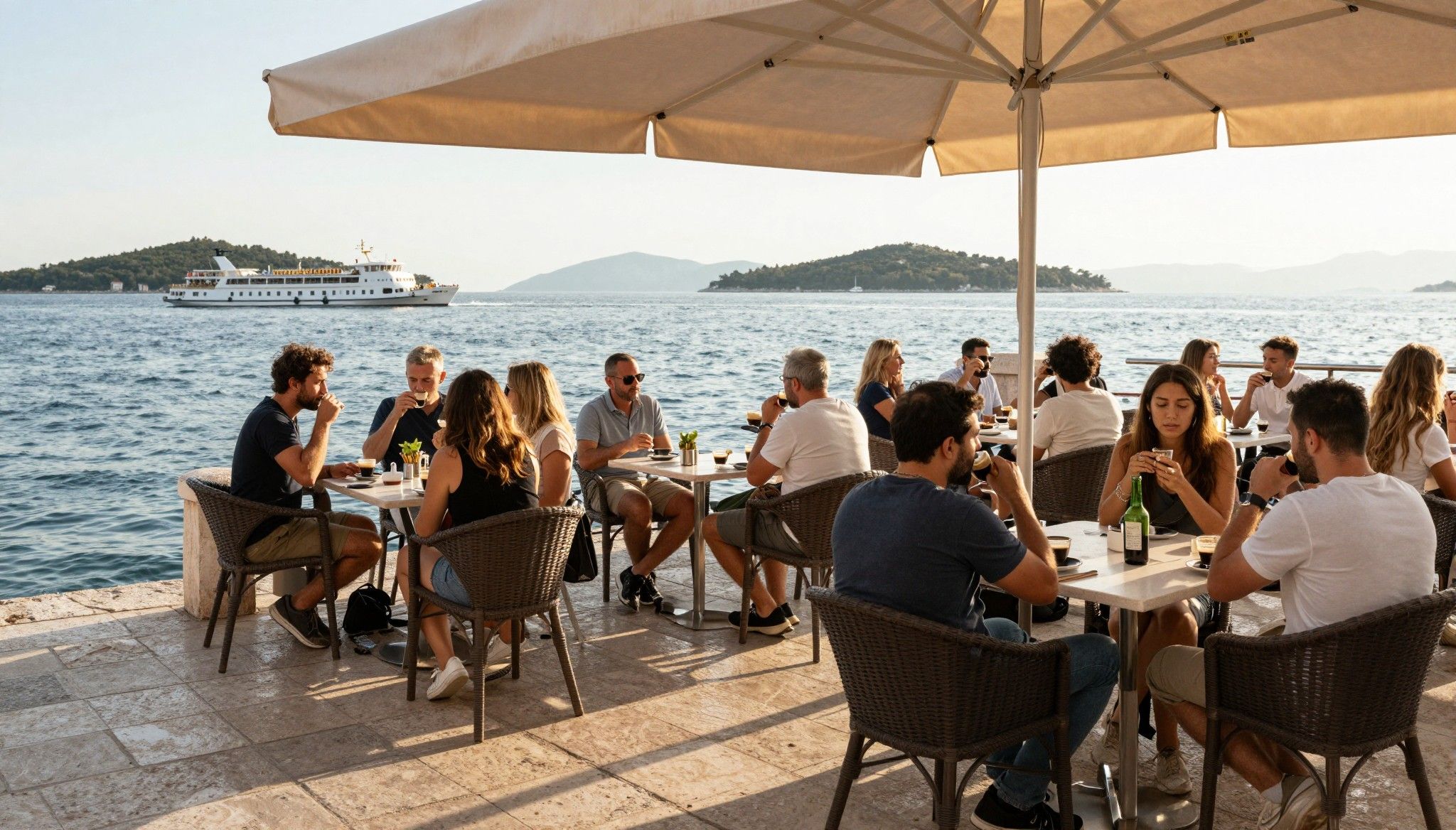
Greece is a collection of rhythms: island mornings centered on markets and small cafes; mainland afternoons shaded by plane trees; and evenings that revolve around long dinners and neighbourhood squares. Cities like Athens pulse with layered histories—ruins sit beside modern galleries—while islands such as Chania or Naxos offer tight-knit villages where you quickly know the fishmonger and the barista by name. For international buyers, that variety is the point: pick the tempo you want, not just a view.
Athens: From Koukaki Corners to Glyfada Coastlines
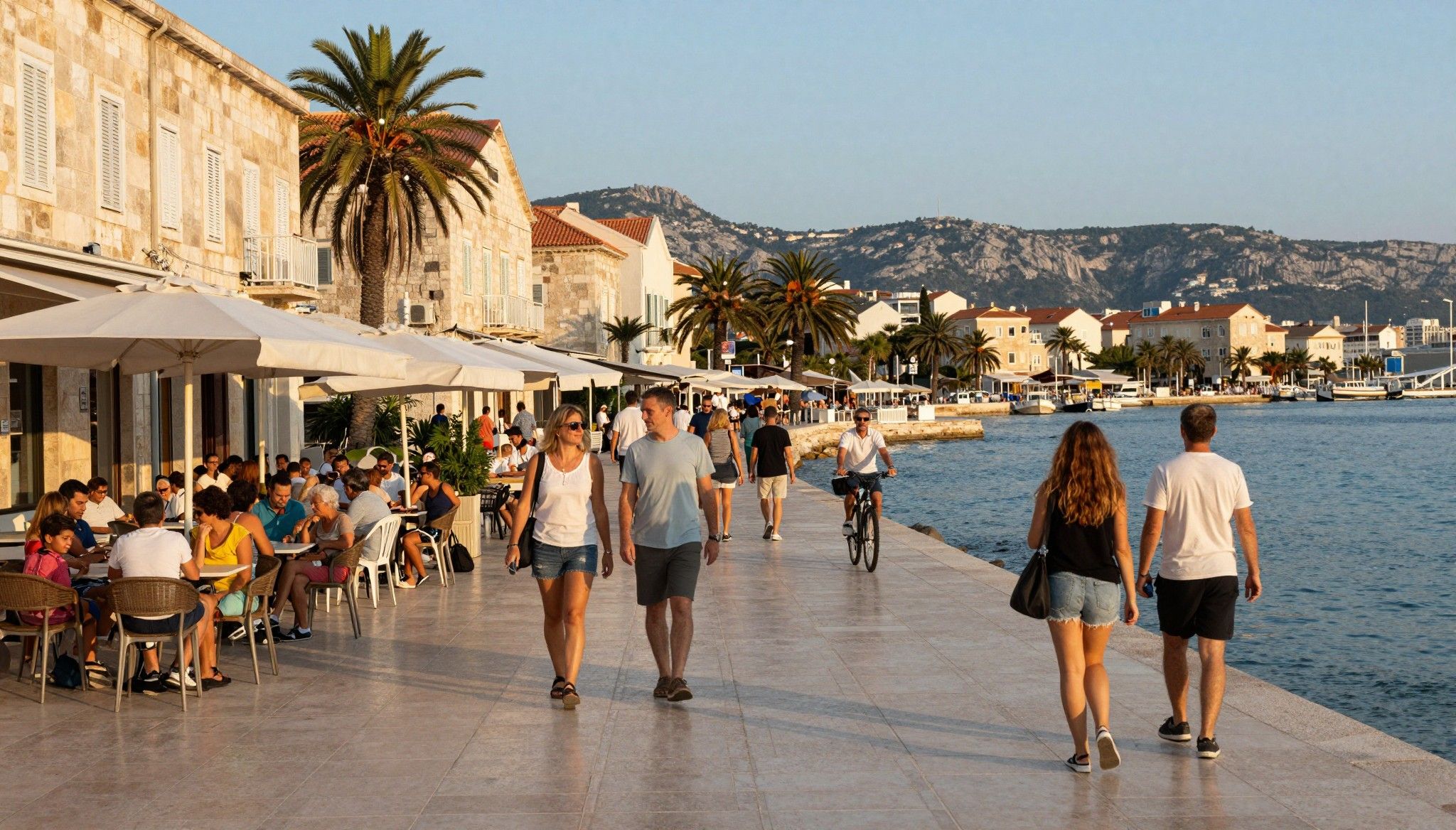
Walk Koukaki at 9am and you’ll find cafes filling up with locals who read the paper and greet one another. It’s quiet enough for daily life yet minutes from the Acropolis Museum—an attractive tradeoff for buyers who want authentic neighbourhood life without sacrificing centrality. Contrast that with Glyfada on the Athens Riviera, where marina-side promenades, beaches and modern shopping make it a better fit for families and those who prioritise sea access over ancient sights.
Island Life: Chania, Naxos and the Quiet Alternatives
On Crete’s Chania, mornings mean fish markets and Venetian harbours; on Naxos, inland villages still grow their own produce and invite you to join the harvest. These islands have subtle but important differences—transport links, medical services, and international flights vary widely—and those gaps shape both daily life and resale prospects. If you want sea and solitude, evaluate ferry frequency and hospital access as closely as shoreline quality.
- Lifestyle highlights to look for:
- Saturday markets (e.g., Varvakios in Athens) and neighbourhood bakeries as social glue
- Local tavernas that double as community hubs—essential for integration
- Short walking distances in many towns—parking matters less in lifestyle than you expect
Making the Move: Practical Considerations with a Lifestyle Lens
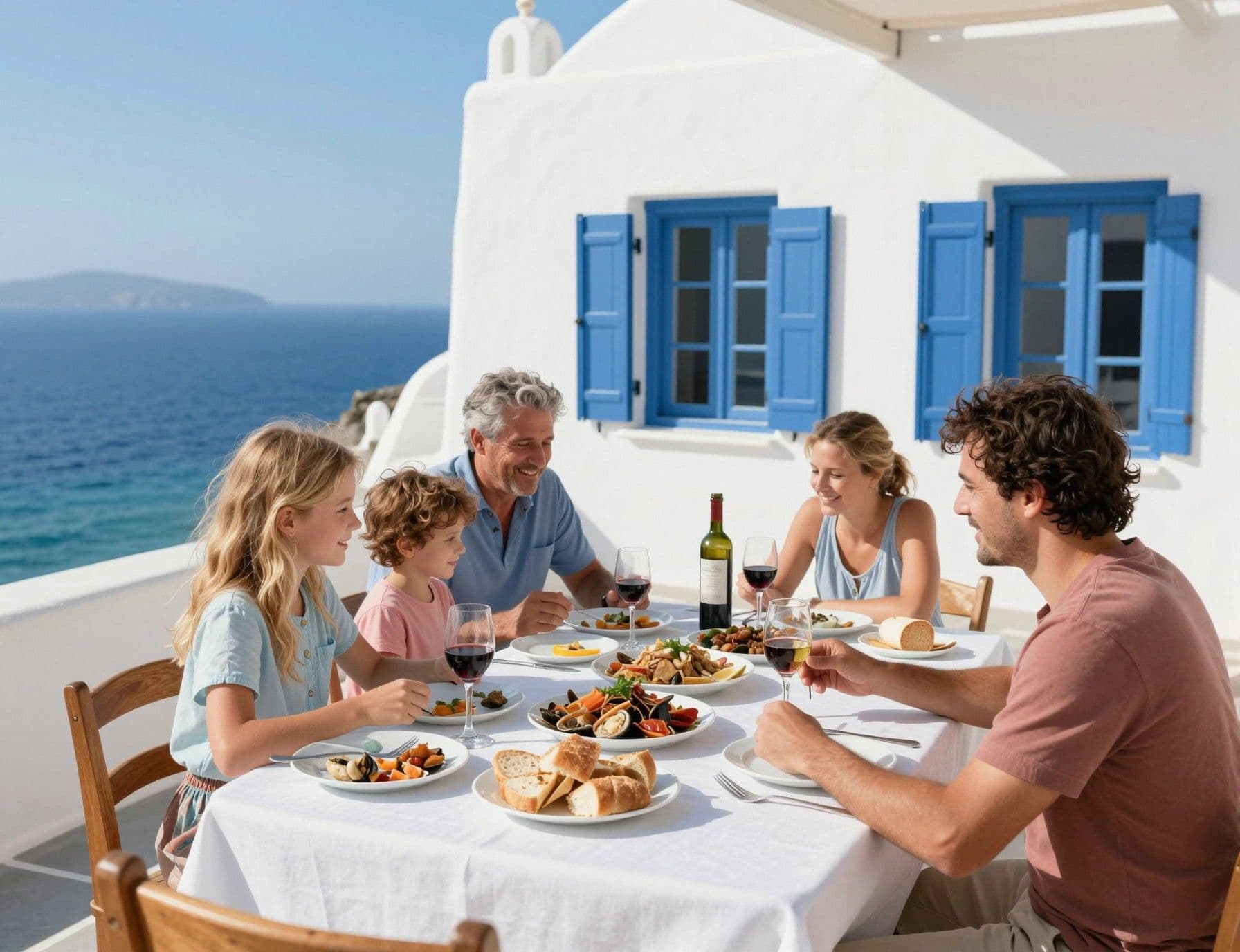
The dream is the reason you move; data keeps the dream intact. Residential prices in Greece have risen in recent years, with official indices tracking steady growth in urban and island markets. That means timing and location matter: a charming, lesser‑known village can offer better value than an obvious island hotspot. Use national indices as a macro-check, then dig into local comparables for the street or bay you love.
Property types and how they fit the Greek life
Stone houses in villages give you character and thick walls that keep summers cool; modern Athens apartments give walkable access to shops and cafes; coastal villas trade privacy for maintenance. Think beyond square metres: terraces, shutters, and cross‑ventilation are lifestyle features that affect seasonal comfort and running costs. If you plan long stays, prioritise reliable water and insulation—some older island homes need upgrades for year‑round living.
Work with experts who understand life, not just listings
Find agents who can show you the morning routes, the nearest baker, and the mobile signal inside bedrooms. Good local advisors arrange viewings around the rhythm of the neighbourhood—market day, late dinners, and ferry timetables—so you don’t buy a postcard, you buy the life. Expect to ask about utility reliability, seasonal rental patterns, and neighbours; these are as critical as title searches.
- Steps blending lifestyle and practical checks:
- Visit at different times: spend a weekend, then a week in shoulder season to test services and noise.
- Ask for local comparables on your street—not just the area—to understand realistic pricing.
- Confirm ferry schedules, hospital access and broadband speeds—these shape daily life more than a view.
Insider Knowledge: What Expats Wish They’d Known
We hear the same confessions: buyers fell in love with a sunset but underestimated winter logistics, or chose a central square and later missed green space. Cultural rhythms—siesta hours, long summer closures, and festival dates—affect everything from renovation timetables to when you can register utilities. Embrace those rhythms; they’re part of what makes life here rich, but you should plan purchases around them.
Language, community and everyday integration
You don’t need perfect Greek to be welcome—but learn enough to read notices, ask about maintenance, and join your local square’s conversations. Regulars at the café will teach you the social codes: small talk leads to invitations, and showing effort wins trust. Expat communities are strong in places like Glyfada and Chania, but in smaller islands you’re building friendships from scratch; that’s rewarding, but slower.
Long-term lifestyle and investment balance
Expect a slow burn: neighbourhoods that currently feel under‑the‑radar often become desirable as services improve and transport links expand. Use credible market reports to confirm local momentum rather than hype. If rental income matters, choose spots with steady year‑round demand—near hospitals, universities or marinas—rather than purely seasonal hotspots.
- Red flags to watch for before signing:
- Unclear title history or missing registry entries for renovations
- No reliable local contact for maintenance during off‑season months
- Overreliance on seasonal rental forecasts without verifying occupancy data
Conclusion: Greece as a long, sensible love affair
Greece rewards patience. The right neighbourhood becomes home because you matched tempo to taste, not because you chased the iconic postcard. Start with lifestyle—mornings, markets, and the kind of weekday routines you actually want—then bring in data, local comparables and an agent who knows the rhythm. If you do that, you’ll not only buy a property; you’ll buy into a life that slowly feels inevitable.
British expat who relocated to Marbella in 2012. Specializes in rigorous due diligence and cross-border investment strategies for UK and international buyers.