Croatia: Love the Life — Insist on the Paper Trail
Croatia’s romance is real — but soft boundaries between cadastre and land registry mean due diligence wins; pair lifestyle visits with parcel‑level checks.
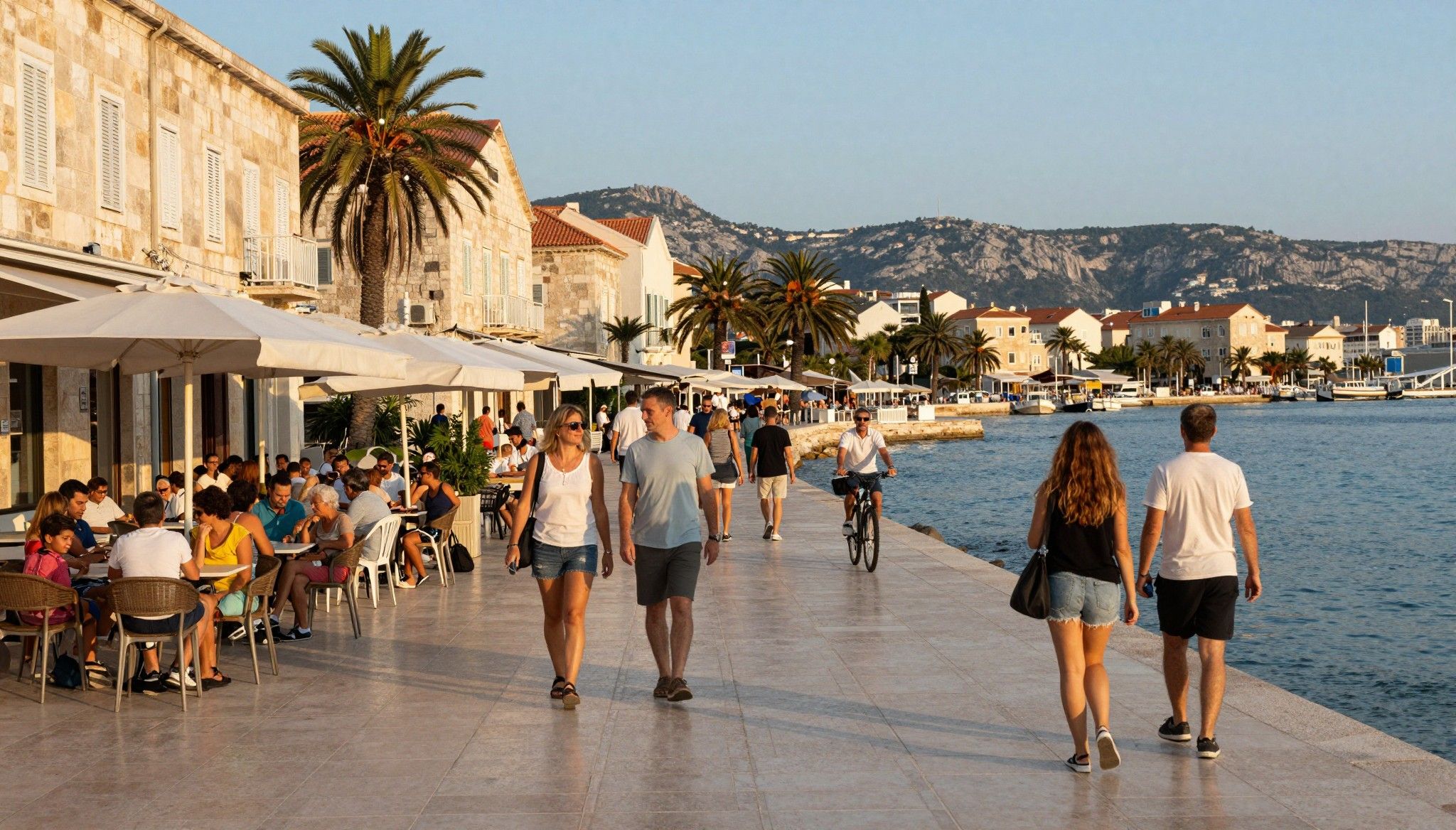
Imagine sipping espresso on Split’s Riva while fishermen mend nets a few steps away — and knowing, before you buy, whether that terrace is genuinely yours. Croatia sells a dream of sea-scented mornings and stone streets; the reality for international buyers is a land-administration puzzle that rewards curiosity.
Living the Croatia lifestyle
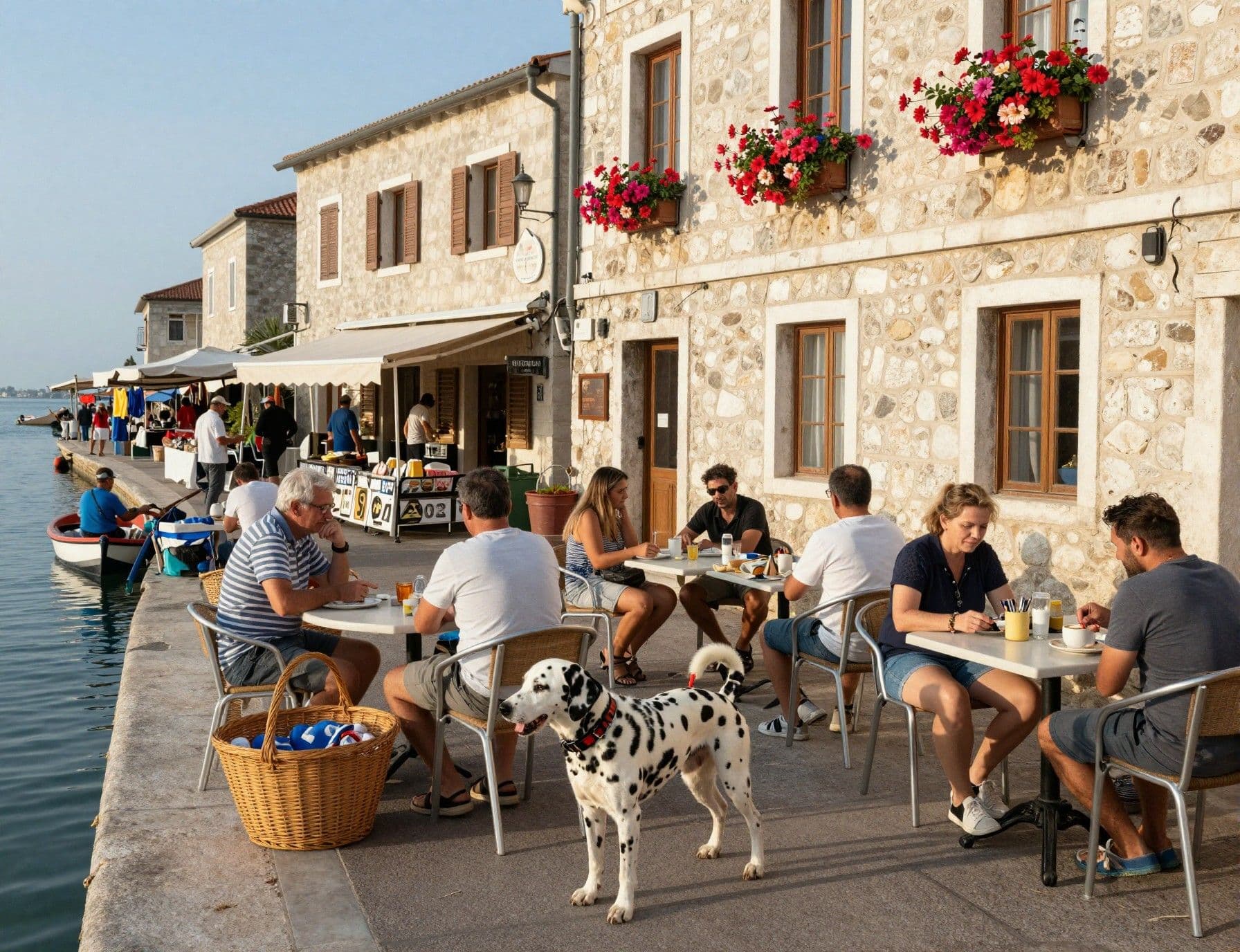
Croatia feels at once coastal and continental: sun-bright summers on the Dalmatian islands, slow-market mornings in Istrian hill towns, and a pragmatic urban tempo in Zagreb. Weekends are for fish at Konoba Mate in Hvar, farmers’ markets in Pula, and balancing long lunches with late-afternoon swims — life designed around outdoor rooms and communal tables.
Neighborhood notes: Split, Dubrovnik, Istria
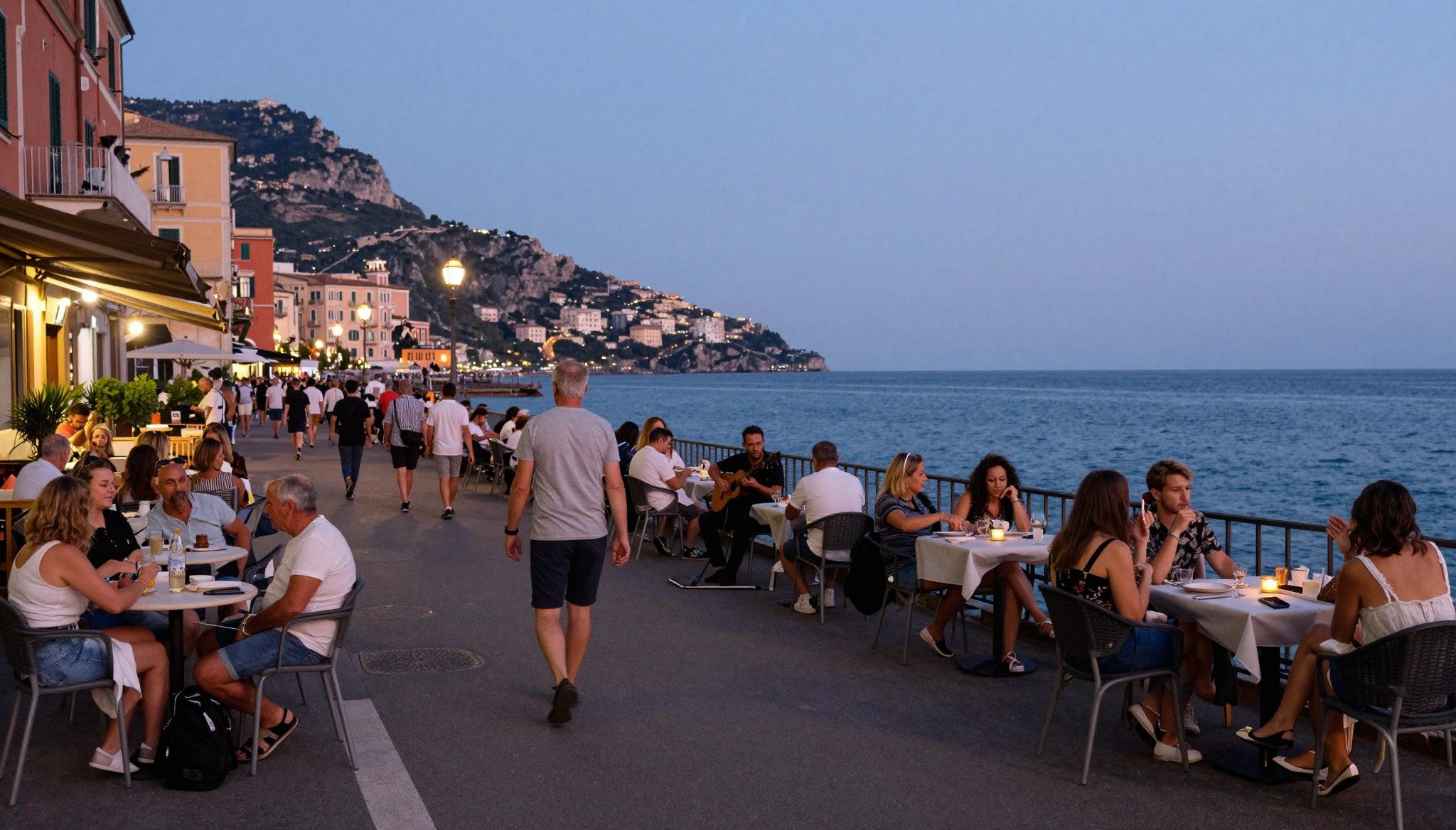
Split’s Veli Varoš feels lived-in and local — narrow alleys, small bakeries, and terraces facing the sea. Dubrovnik’s Old Town is cinematic but tourist-dense; look instead to Lapad for quieter livability. In Istria, Rovinj and Motovun trade tourist buzz for artisan cheese shops and truffle hunters — perfect if you want village rhythm with good flight connections to Italy.
Food, markets and Sunday routines
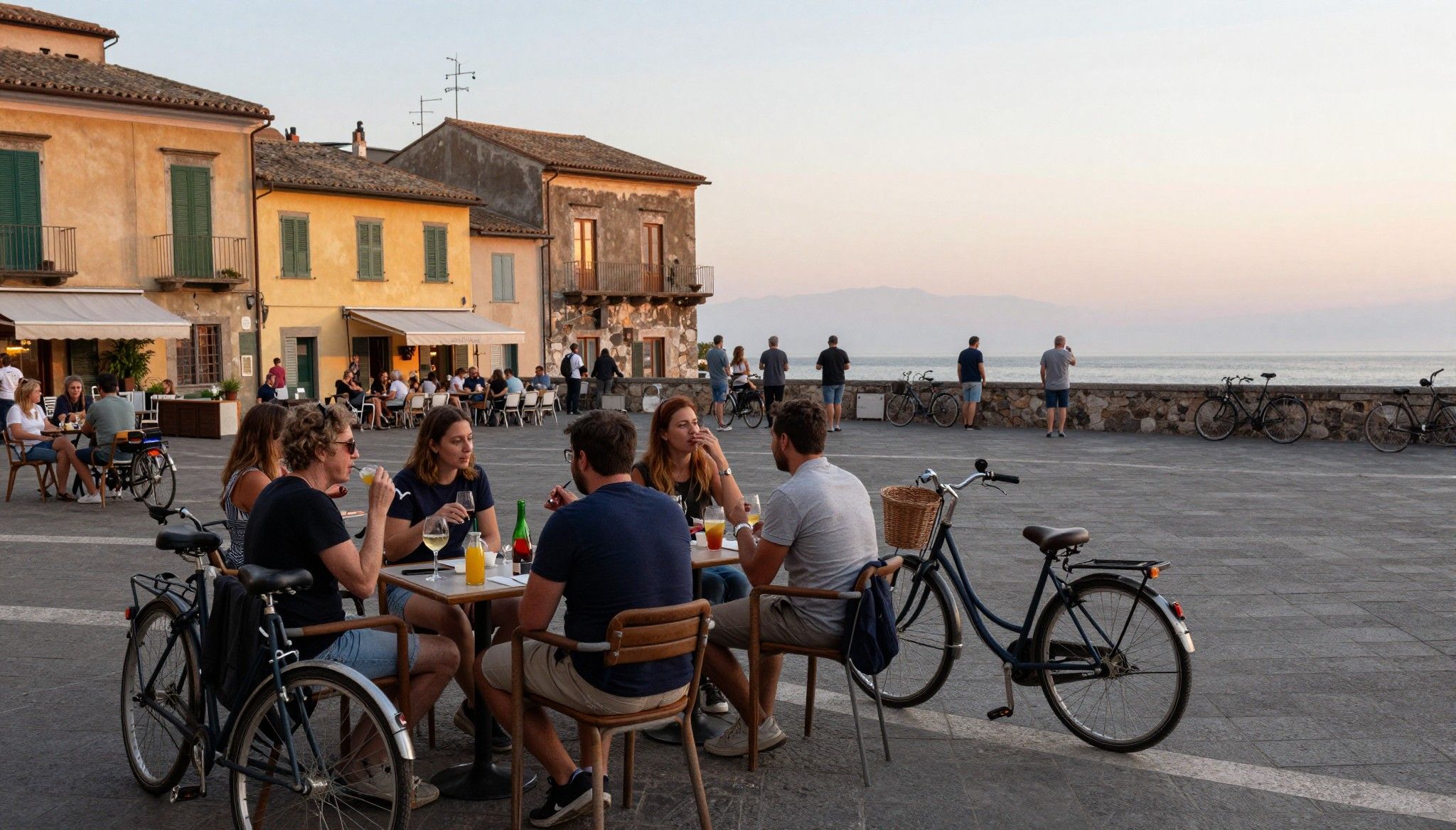
Mornings start at local markets: olives, fresh cheese, sun-dried figs. Cafés are where news and neighbours meet; seaside promenades fill with cyclists in late afternoons. Festivals — from Zagreb’s Advent to Dubrovnik Summer Festival — reshape neighborhoods seasonally, so what feels empty in November can feel alive again by May.
- Dalmatian morning coffee ritual on the Riva (Split)
- Istrian truffle-hunting weekends and hilltop town markets
- Island tempo: ferry timetables that shape the work-week
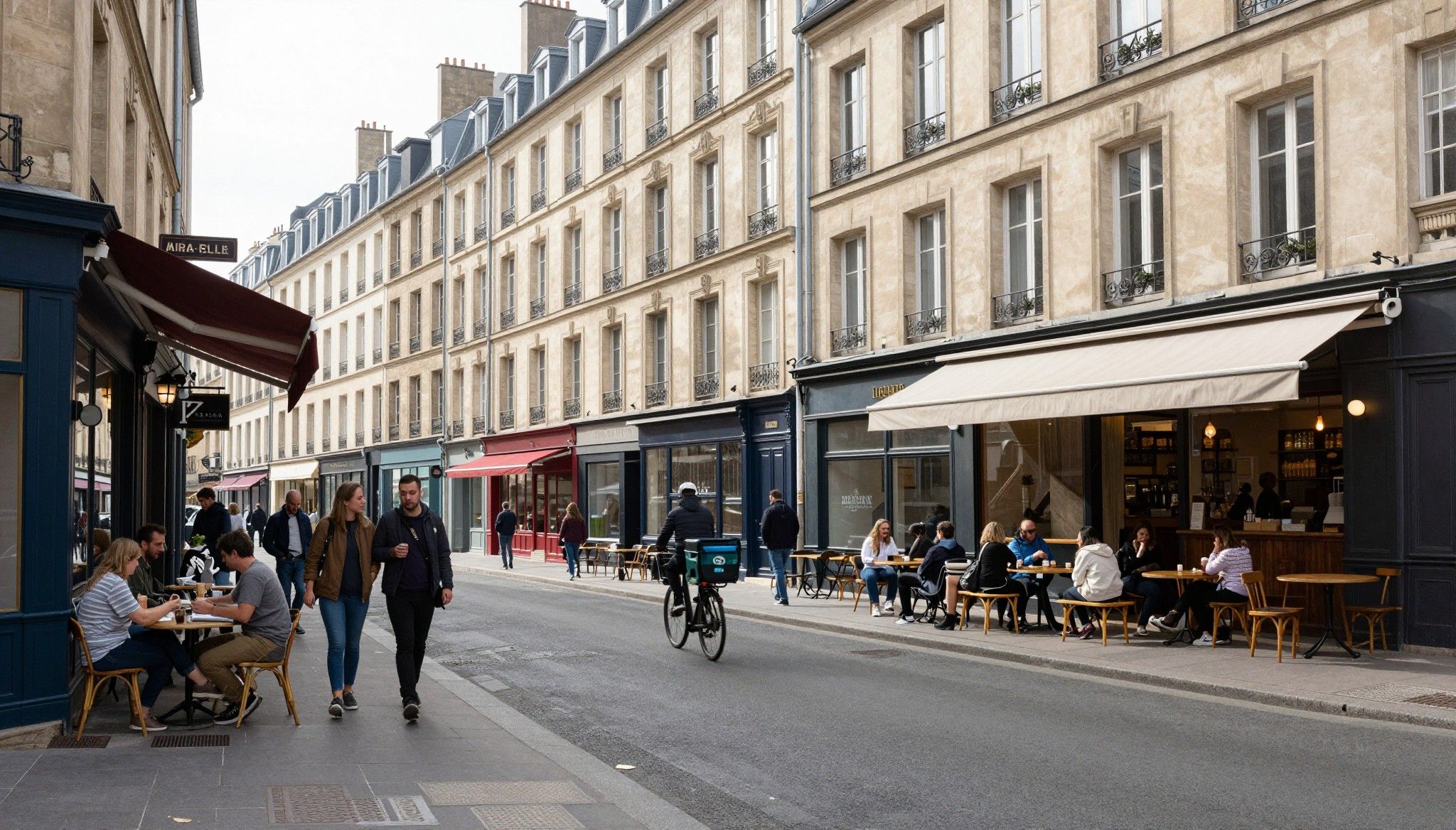
- Zagreb’s café-lined streets and seasonal cultural calendar
Making the move: practical considerations
The lifestyle is the hook; the land registry is the heart of a safe purchase. In Croatia, ownership is only final once registered in the Zemljišna knjiga (land registry). That registration — and how it maps (or doesn't) to the Cadastre — is where many deals stall and where transparency matters most. We always start there.
Property styles and what they mean for living
Stone townhouses, modern novogradnja, seaside apartments and rural estates all behave differently on paper. Older stone homes in historic cores often lack up-to-date cadastre entries or clear building permits; new builds are easier to finance but can carry VAT implications. We match property type to how you want to live, then check whether the paperwork actually permits that life (terrace ownership, commercial use, or rental).
Working with local experts who know the lifestyle
A lawyer familiar with local municipal archives, a notary who uses the JIS/OSS portal, and an agent who knows which cafés fill up on season are non-negotiable. They read the mood of a place and the mood of the file: is the title clean? Is there a historical servitude? Can you rent short-term? Those answers shape both enjoyment and return.
- Hire a local lawyer to pull Zemljišna knjiga and cadastre extracts; verify plot boundaries with a surveyor.
- Confirm building permits and occupancy certificates for any renovations or extensions.
- Budget for transfer tax, or VAT on new builds, and local municipal levies — ask for recent comparable sale prices.
- If you are non-EU, check reciprocity rules and required government approvals before making offers.
Insider knowledge: transparency, traps and where value hides
Croatia has improved transparency: the Joint Information System (JIS/OSS) lets professionals pull records electronically. Still, mismatches between the land registry and cadastre — and unrecorded easements — are common. Treat every attractive terrace or garden as contingent until the plot lines and ownership match the lived reality.
Red flags we see repeatedly
- Seller can’t produce a recent extract from the Zemljišna knjiga.
- Boundaries on the cadastre don’t match the physical fencing or the contract’s plot number.
- No occupancy permit for noted renovations — a common issue in coastal stone houses.
- Unclear rights to terraces, cellars or shared courtyards in multi-owner buildings.
Market data and disclosure: what the numbers tell us
Official indices show notable price growth in recent years — especially in Zagreb and prime Adriatic zones — but headline HPI numbers mask micro-market swings. The disclosure you’ll actually need is parcel-level: recent sale deeds, cadastral extracts and municipal plans. Those items reveal whether the local rise is a hot strip on the seafront or a broader, sustainable upswing.
Season and timing: when to look
Contrary to intuition, mid‑season visits (late spring or early autumn) reveal day‑to‑day life better than high summer. Ferries run, markets are full, and you see both local routines and tourist pressures. That balanced view helps you judge rental potential and livability — two different value drivers.
What expats wish they'd known
Many newcomers underestimate admin time. Government approvals for non‑EU buyers, municipal planning checks and registry corrections can add months. Also: community integration takes work — learning basic Croatian phrases, joining local associations and frequenting the same konoba open doors faster than any agent.
Long-term practicalities
Look beyond purchase: local property taxes, VAT on new builds, and municipal charges shape running costs. Ask for recent utility bills, condominium minutes, and proof of waste-water compliance for seaside properties. Those documents show the monthly life of a place — and the surprises you want to avoid.
- Collect recent utility and condominium bills before final offer.
- Request a municipal zoning plan extract to confirm allowed uses and future developments.
- Ask for the seller’s proof of paid local taxes and any pending fines or liens.
Croatia rewards buyers who pair imagination with paperwork. The people, food and light make you fall in love; the registry, the cadastre and a good local team keep you in love. Start with lifestyle — then verify the paper trail before you sign.
Ready to explore with certainty? Pull a Zemljišna knjiga extract, check the cadastre via the OSS portal, and let a locally‑rooted lawyer translate the file into the life you want. We can connect you to vetted specialists who treat transparency as their first job.
Danish investment specialist who relocated to Costa del Sol in 2015. Focuses on data-driven market timing and long-term value for Danish buyers.