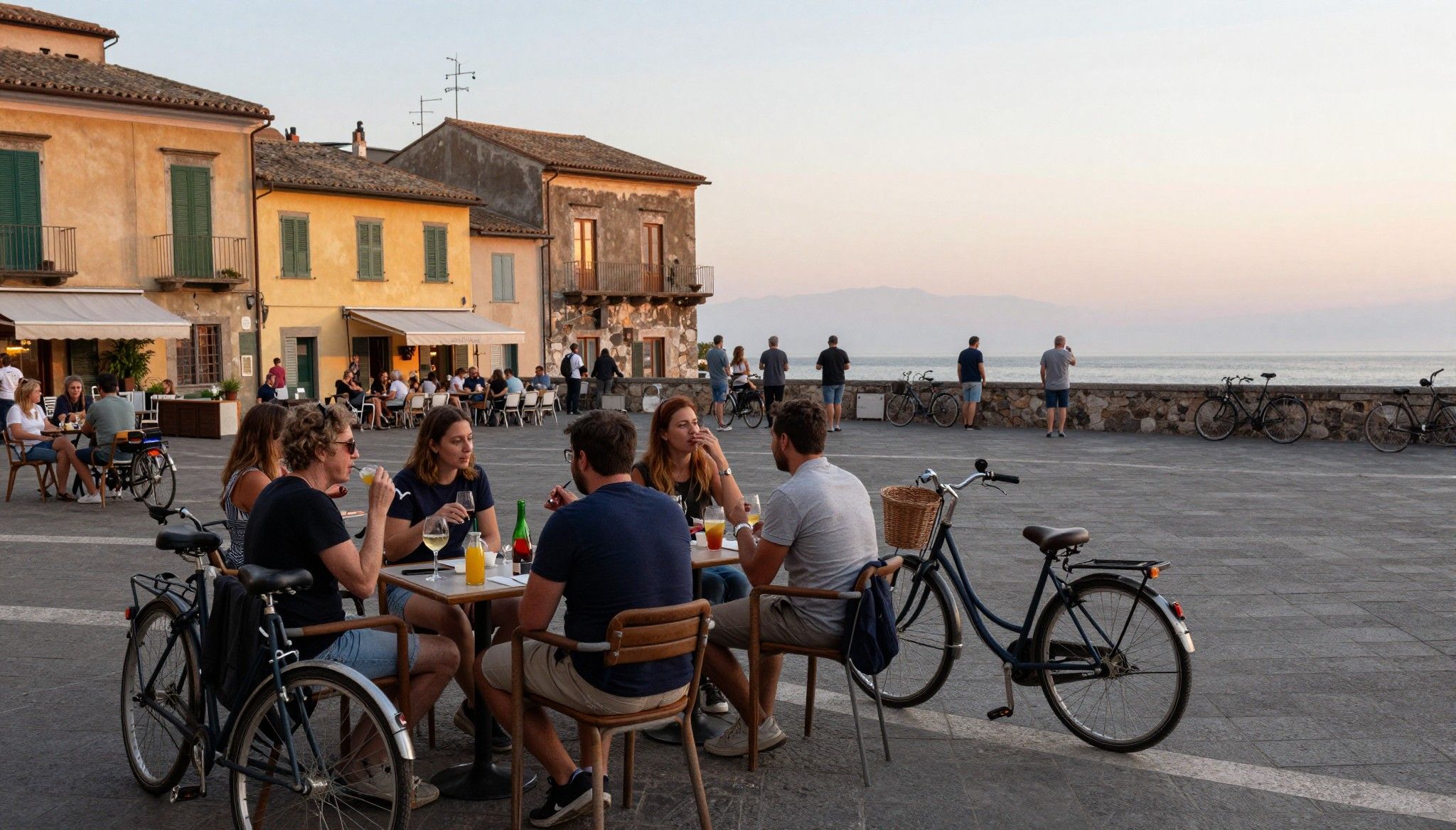
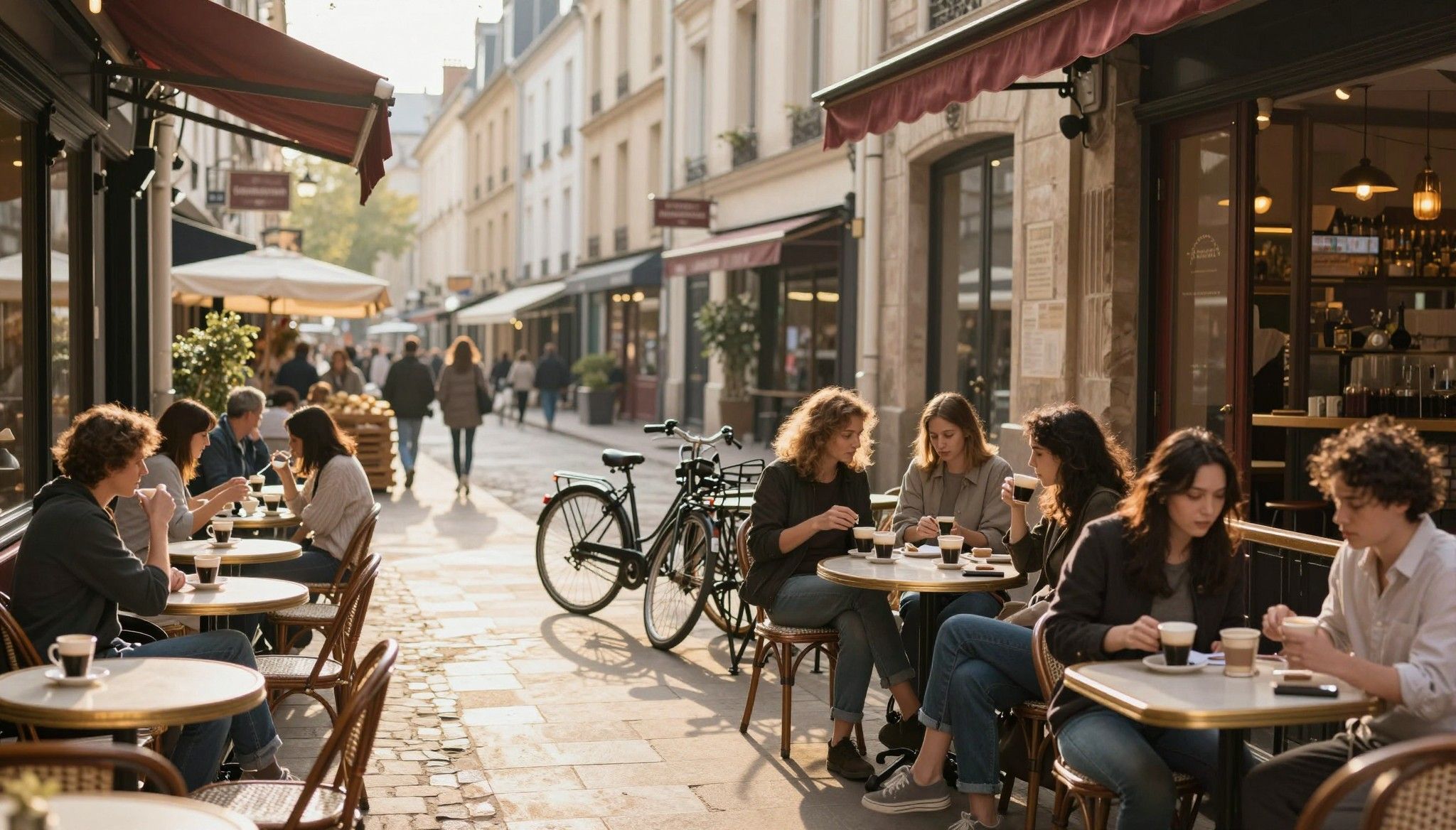
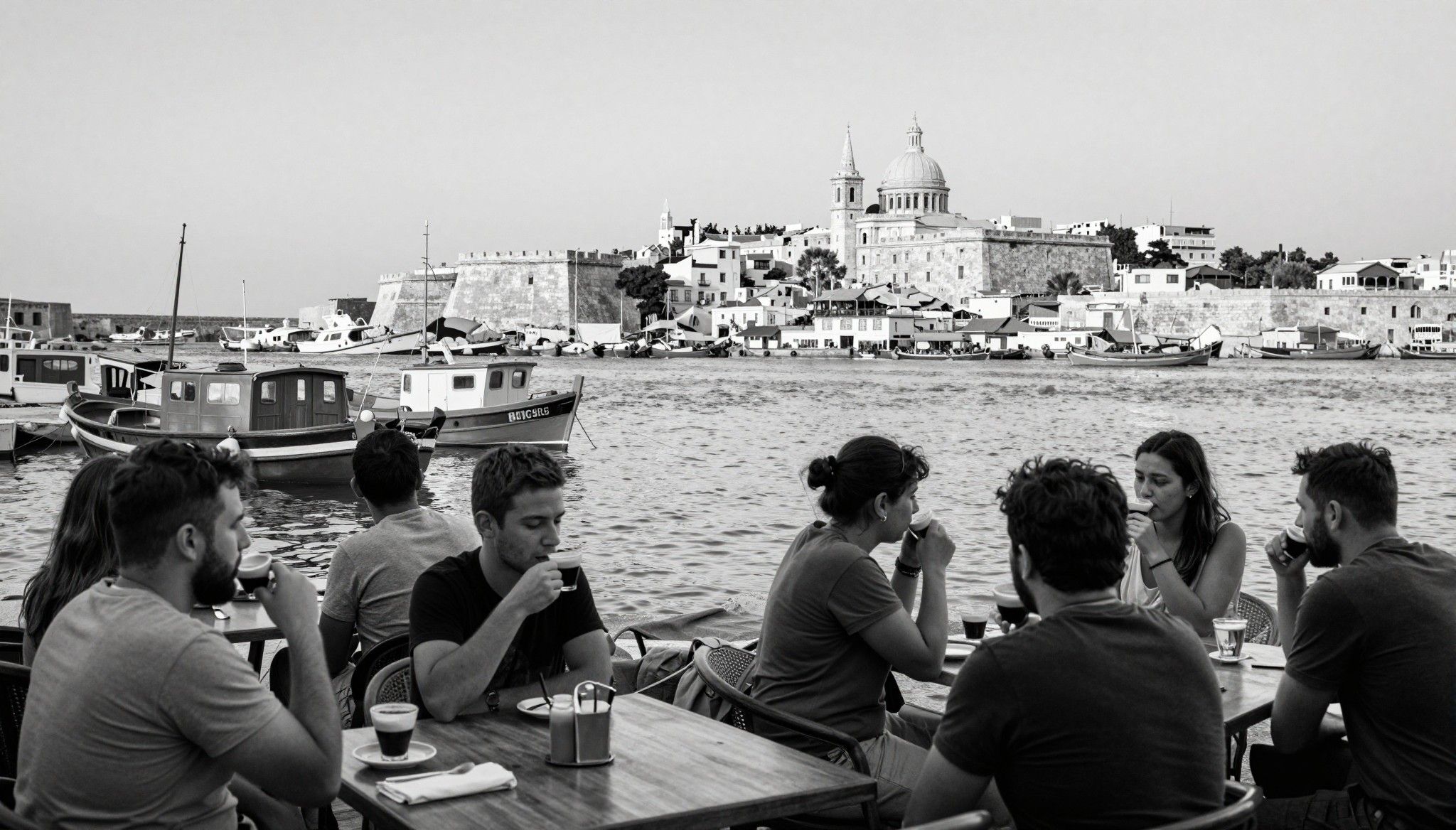
The French Price Myth: Where 'Too Expensive' Meets Value
The national 'France is expensive' story hides neighbourhood bargains; combine Notaires‑INSEE data with off‑season visits and local checks to find lifestyle value.
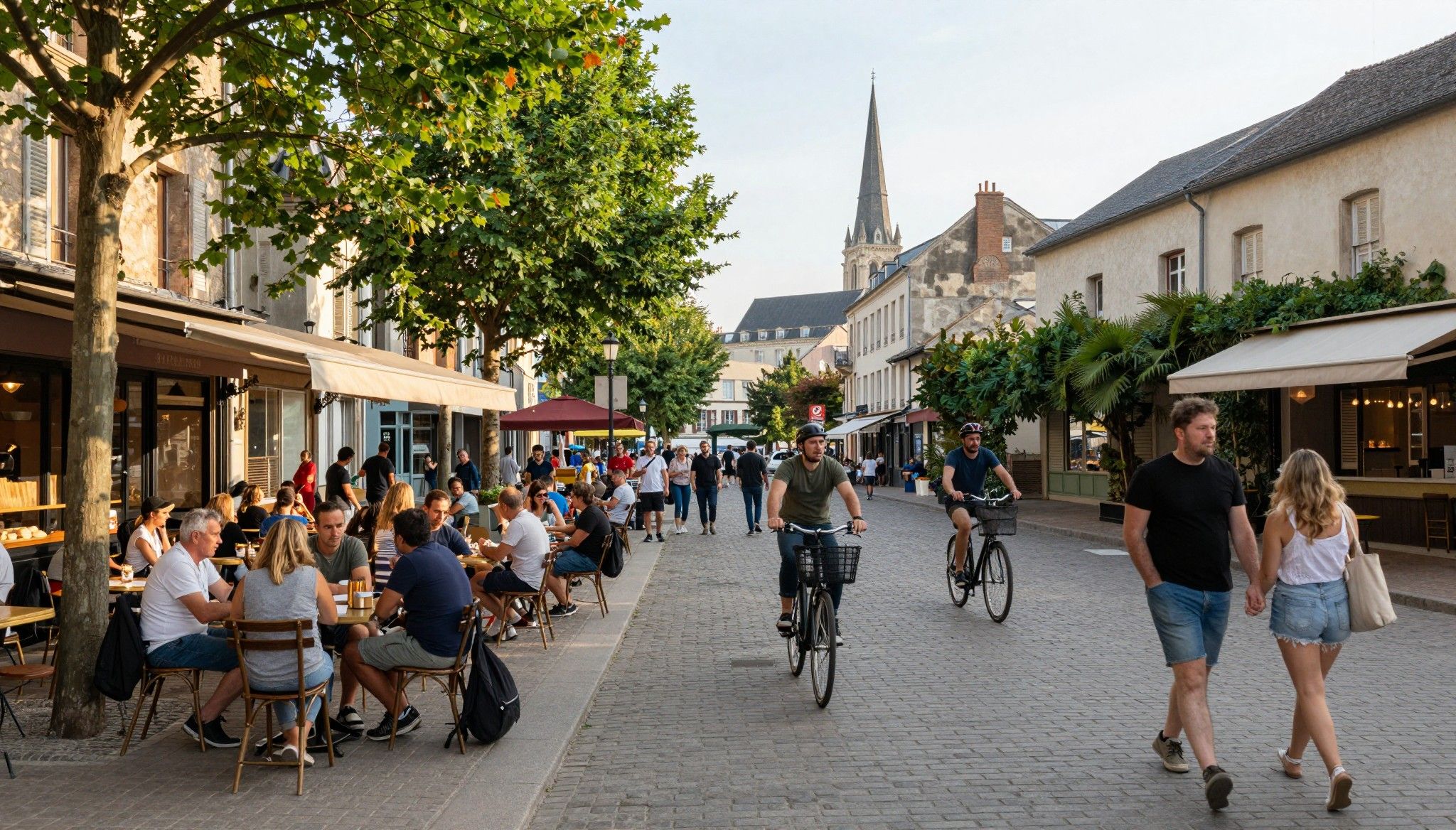
Imagine mornings at a marché on Rue Cler in Paris, afternoons buying oysters at Cap Ferret, and evenings where village squares hum with conversation — and realise that the France you fall in love with rarely matches headlines about ‘sky‑high’ prices. The truth is textured: national averages hide neighbourhood twists, seasonal swings, and pockets where value appears for buyers who look like locals rather than tourists.
Living the French lifestyle — what you actually buy into
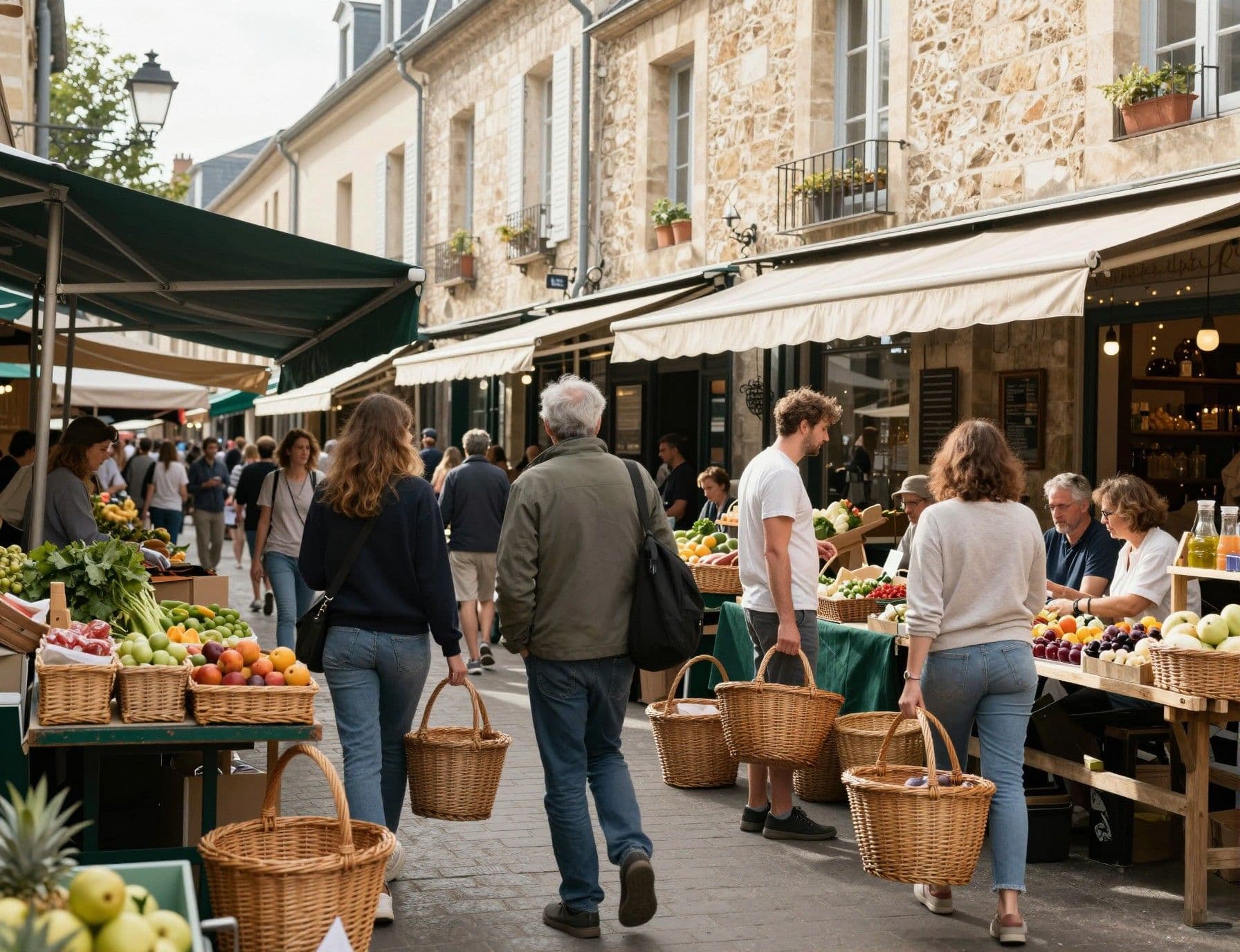
France is not one market but many. Coastal villages, provincial towns, Alpine valleys and Parisian arrondissements each carry different rhythms. National indices (see INSEE) show stabilization and modest increases recently, but those figures are aggregates — they don't tell you whether a sunny Provençal lane or a backstreet in Nantes will match your budget or lifestyle.
City heartbeat: Paris vs regional centres
Paris remains headline‑making — some arrondissements rebounded faster than others — but suburbs and regional cities (Lyon, Nantes, Bordeaux) have seen the most reliable value growth as buyers favour quality of life over commuting to the centre. That means you can buy into French city life with different price points depending on which neighbourhood story you choose.
Coast, country and mountains: seasonality matters
Summer postcards mask winter realities. Seaside towns spike during tourist months while inland villages show steadier pricing year‑round. For buyers chasing lifestyle (surf, markets, vineyards), timing your search to low season can reveal motivated sellers and easier negotiations.
Making the move: practical price insights and data you should use
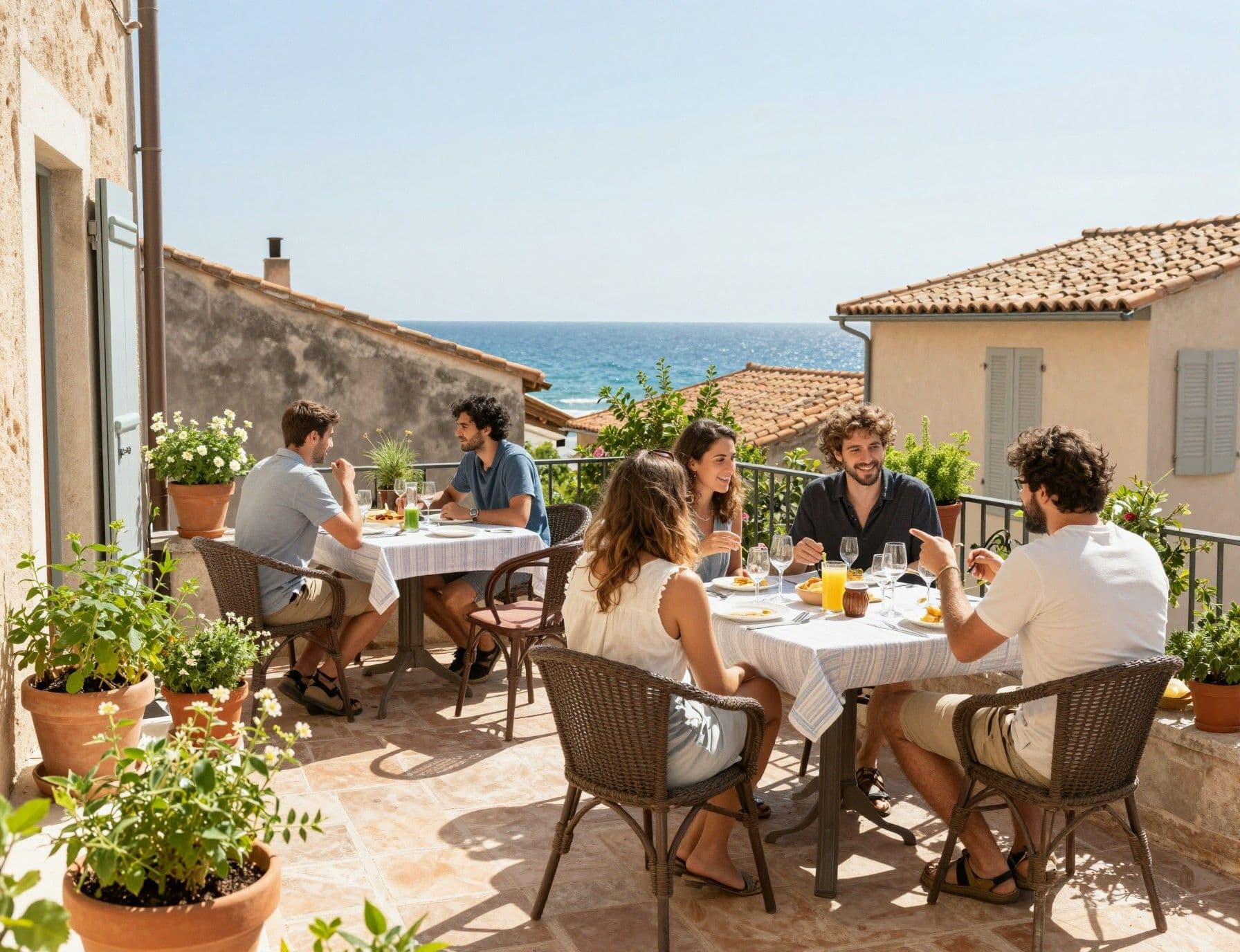
If you want to separate myth from reality, use three localised data sources: notarial indices (Notaires‑INSEE), INSEE’s housing price index, and local chambers (Notaires du Grand Paris, regional notaires). These sources show the story beneath national averages: transaction volumes, standardised m² prices and recent trend direction — crucial when you’re deciding if a neighbourhood is stabilising or overcooked.
Property types and how they influence price momentum
Apartments in historic centres behave differently from detached houses in suburbs. Second‑hand apartments often show faster short‑term rebounds; new builds can lag due to supply timing and developer pricing. Know which category you care about and focus on price indices filtered by property type rather than raw median prices.
How to read local signals — the checklist we use
Check recent notarial transaction volumes; compare standardised m² prices over 12 months; cross‑check pre‑contract (avant‑contrat) indicators; look for local planning or tax changes; speak to two local notaires and one market‑active agent.
Insider knowledge: what expats wish they'd known (and how that changes where you buy)
Expats tell a consistent story: the neighbourhood mood (cafés, markets, access to countryside) mattered more than headline m². They also wish they'd mixed market data with on‑the‑ground checks — local market days, transport links, and noise levels — before signing. That combination changes which streets qualify as 'good value'.
Cultural and seasonal quirks that affect prices and living
Local festivals, holiday rentals and seasonal employment can inflate short‑term rents and push sellers' price expectations. In longstanding market recoveries (2025–2026), we saw buyers who ignored seasonality overpay in coastal hotspots. Learn the local calendar — market days, festival weekends, harvests — and factor that into valuation.
Practical expat tips: listen to locals, not only listings; visit off‑season; rent nearby before buying; hire a local notaire early; prioritise street over square metres.
We always recommend a short test‑period: rent for a season, join the marché, ask where chefs and shopkeepers live. That lived insight often identifies streets three neighbourhoods over that offer the same daily life at a fraction of the price.
Working with agencies who understand the micro‑market
Ask agencies for: recent comparable sales dossiers; explanations of local supply (new permits, conversion projects); introductions to notaires and surveyors; examples of neighbourhoods that match your daily life checklist.
Good agents act like curators of daily life — not just brokers of square metres. They will show you where a Sunday café habit outshines a higher m² price, and where growth is likely because of infrastructure or shifting demographics.
Conclusion: France’s ‘expensive’ label is true in places — but misleading as a headline. Use local indices (Notaires‑INSEE), read transaction volumes, visit off‑season, and tie lifestyle tests to data. Start with what you want to live — the café, the market, the beach walk — then let rigorous local data show where that life fits your budget.
Danish investment specialist who relocated to Costa del Sol in 2015. Focuses on data-driven market timing and long-term value for Danish buyers.