Malta: Streets, Rituals and Micro‑Market Truths
Malta’s appeal is intimate and immediate — but micro‑markets and paperwork decide whether the dream becomes a livable reality.
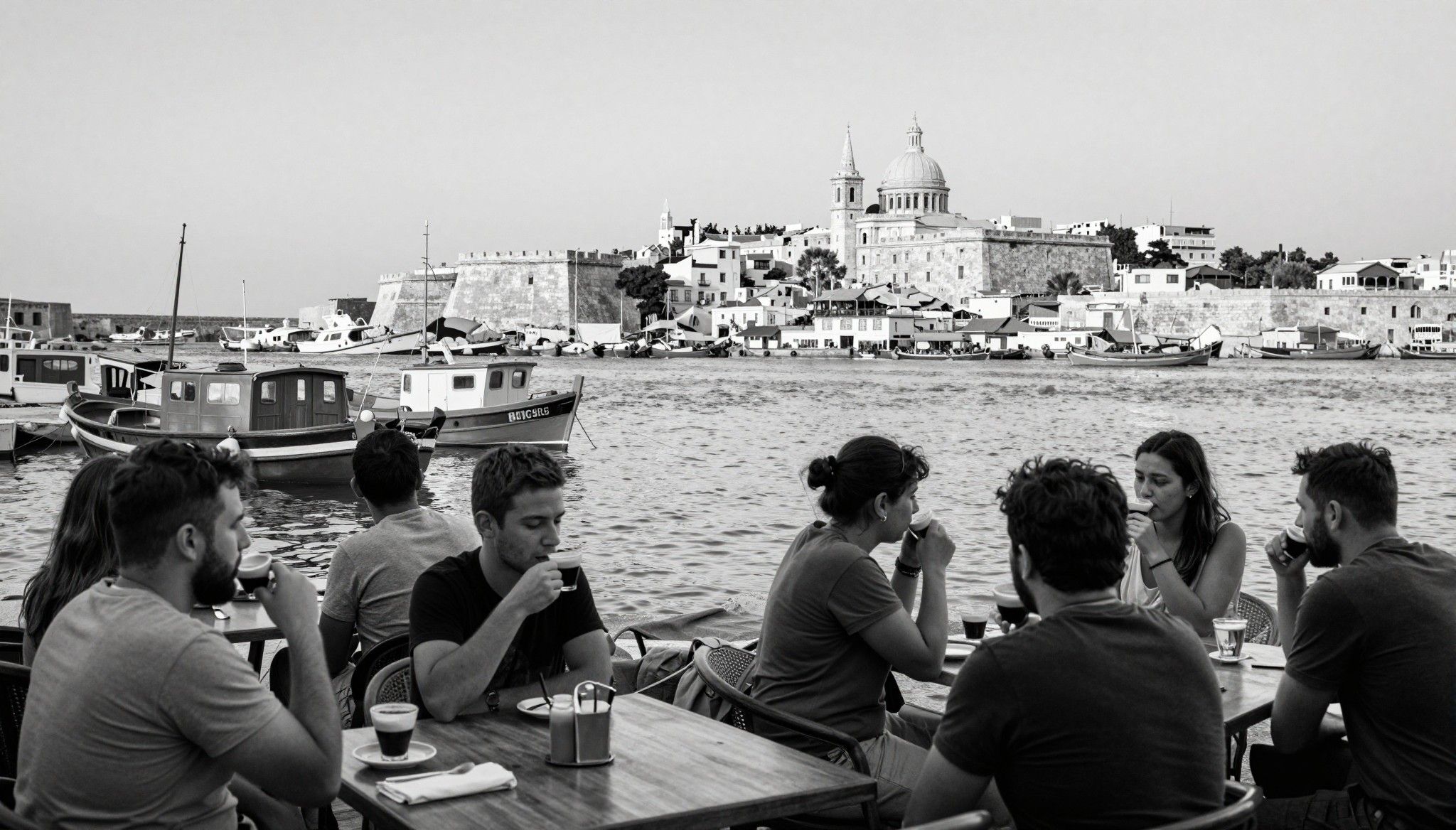
Imagine stepping out at dawn to the Sliema promenade: espresso in hand, limestone façades warming to the day, ferries carving light across Marsamxett Harbour. That compact, lived-in coastal rhythm is Malta — small islands where every errand can be a stroll and neighbourhoods keep their own personalities. For international buyers this intimacy is the charm and the challenge: lifestyle feels immediate, but market signals and micro‑markets matter more than country‑wide slogans. We’ll show you the parts people fall in love with, the local realities that change where you buy, and the tactical moves that make a Maltese purchase actually work.
Living the Malta lifestyle
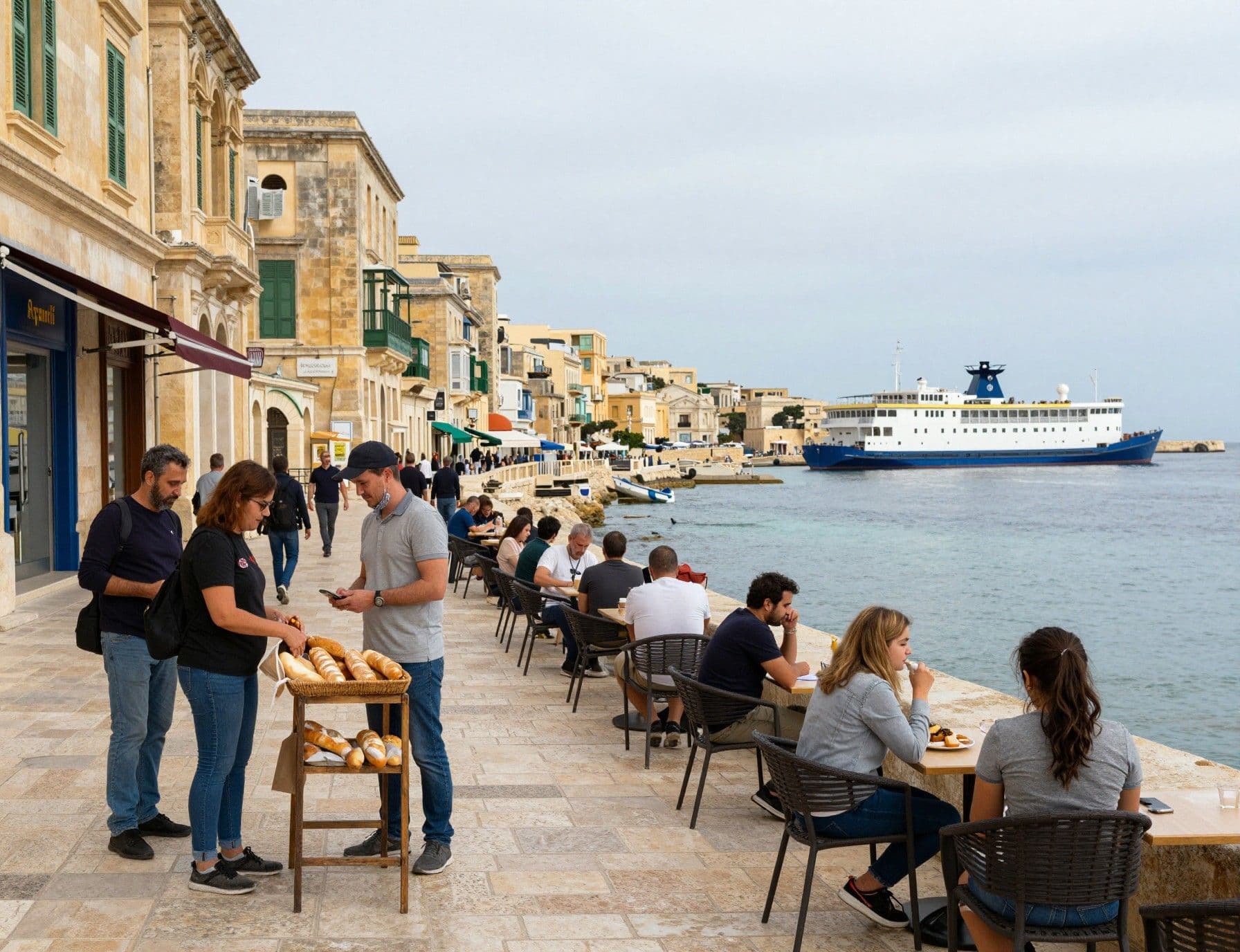
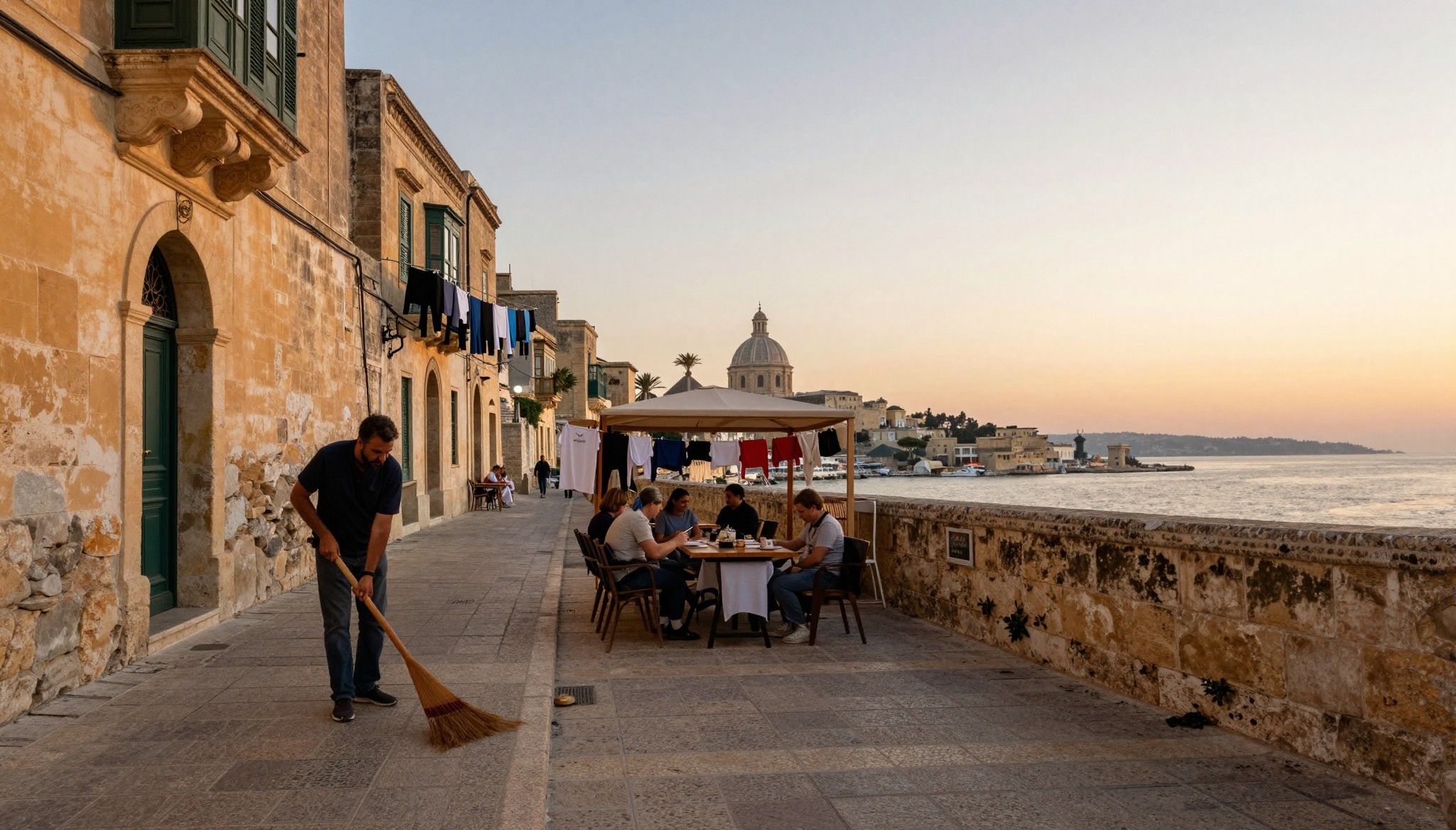
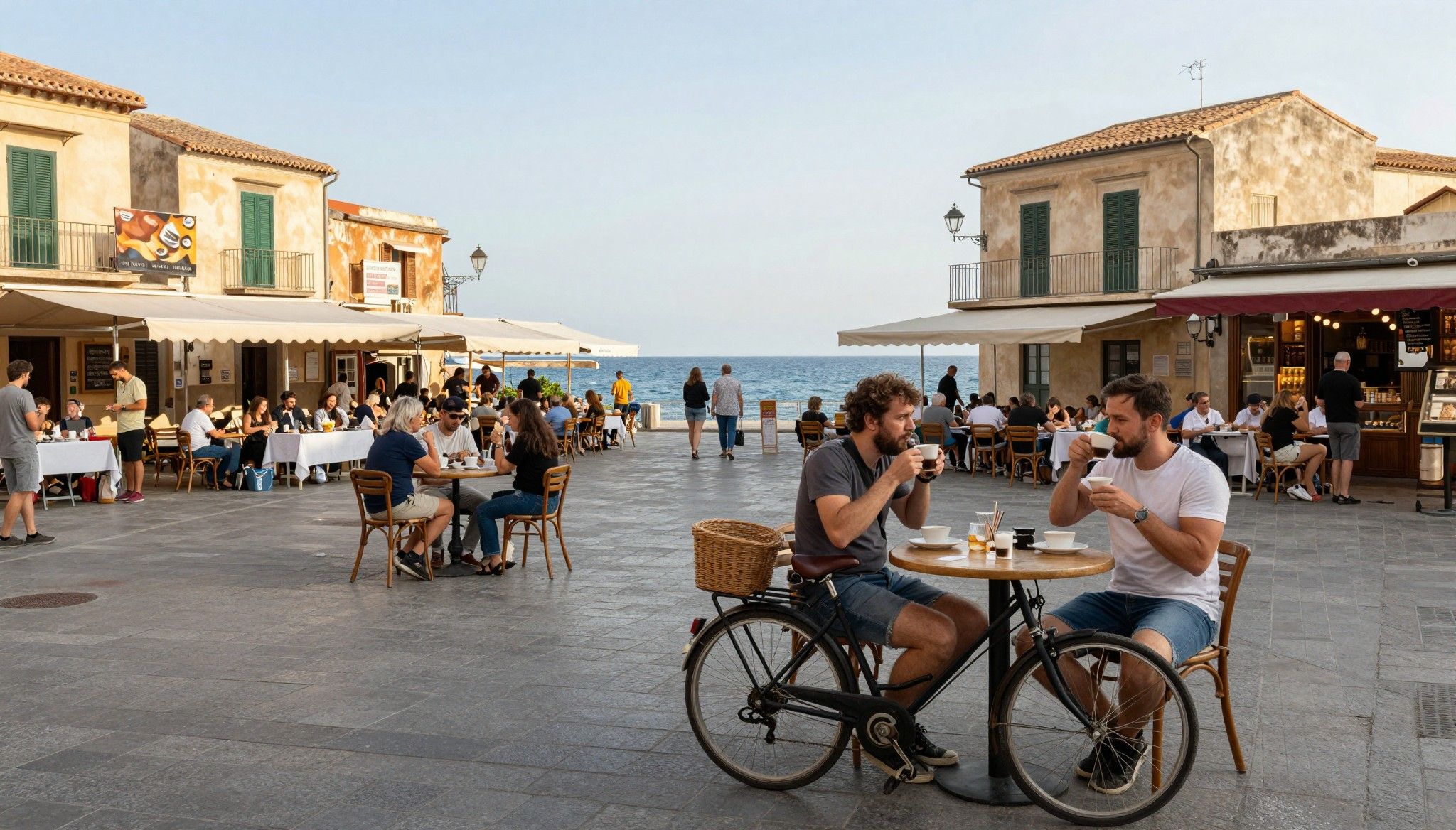
Malta lives in contrasts: medieval streets and late‑night marina life, family rituals and a surprisingly international dining scene. Days are paced by the sea and the calendar — fish markets in Marsaxlokk on Sunday, festa fireworks in late summer, and quieter northern beaches like Mellieħa filling with families on weekends. English is widely used in business and social life, which flattens the learning curve for many expats but doesn’t remove the value of local connections. If you picture life here, think walkable routines, community cafés, and a social geography where a favourite barista or grocer becomes a real anchor.
Sliema & St Julian's — promenade living and the expat beat
Sliema and St Julian’s are the obvious first stops for many buyers: Sliema’s long seafront, compact shops and cafes; St Julian’s nightlife, dining and international schools. These areas are lively, well-served by ferries and buses, and attractive if you want immediate access to amenities and a strong rental market. That convenience comes with a premium: expect higher asking prices and smaller floorplans compared with quieter towns. If you crave social life and short commutes, these neighbourhoods deliver the lifestyle you see in pictures — just be prepared to shop for value on side streets rather than the promenade itself.
Valletta, the Three Cities and quieter north — atmosphere vs. convenience
Valletta offers architectural intimacy — converted palazzos, courtyard life and immediate access to cultural venues — while the Three Cities (Birgu, Senglea, Isla) give waterfront character at generally lower prices. Up north, Mellieħa and Mgarr trade hustle for space and family-friendly beaches. Each area delivers a different daily texture: Valletta for dense cultural life, the Three Cities for old‑world waterfront living, and the north for weekend‑oriented family pace. Deciding which you love will shape everything from the apartment type you hunt to the kind of agent you hire.
Making the move: practical property realities
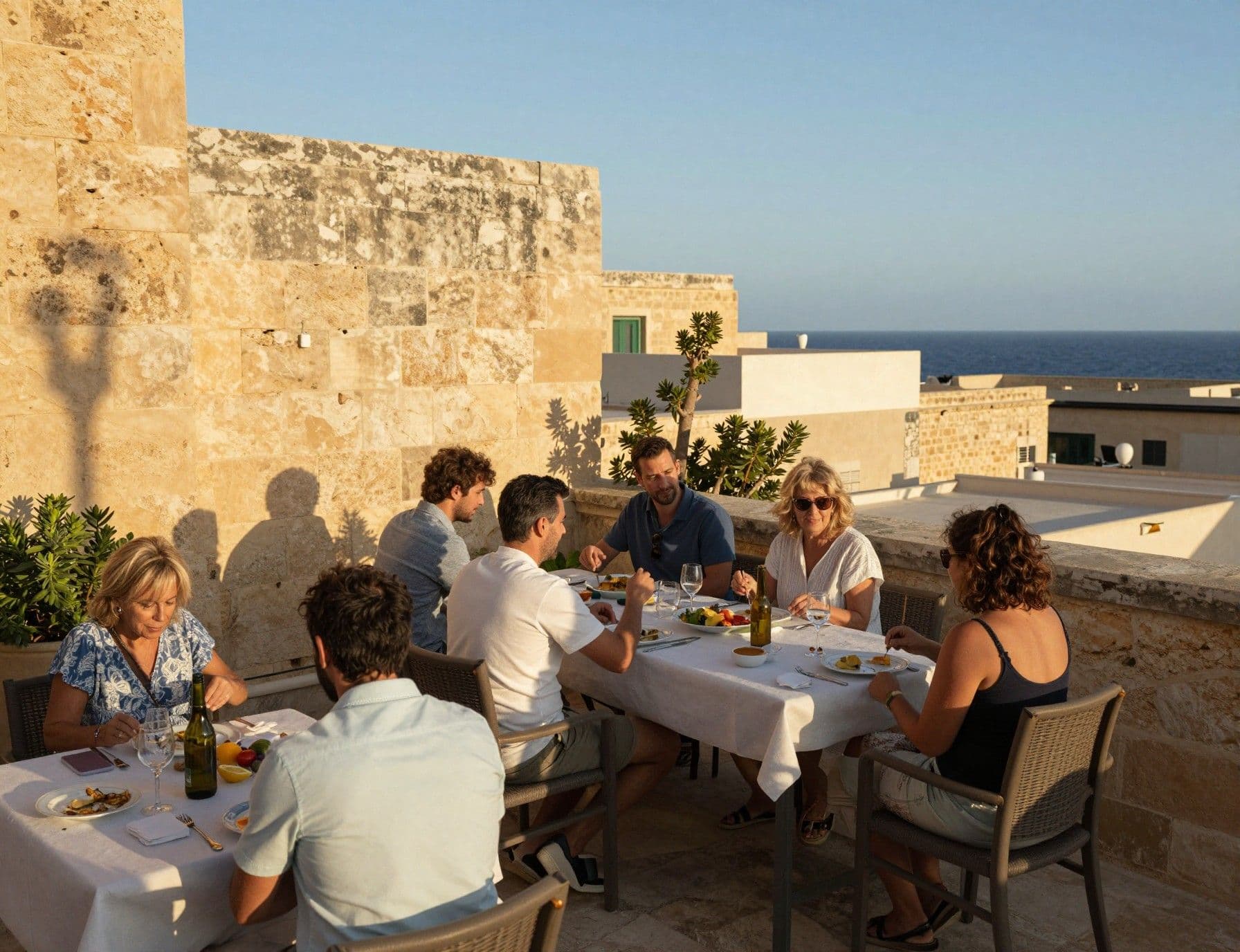
The lifestyle is persuasive, but Malta’s property market is compact and fast‑moving. Government and industry sources show steady price growth and a busy transaction market: the National Statistics Office and industry surveys report year‑on‑year increases in prices and transaction values. That means two things for buyers: micro‑market timing matters (street‑by‑street), and good local data — on recent deeds, advertised prices and rental levels — will change whether a property makes sense. Work with experts who can read local listings and deeds, not just glossy photos.
Property types and what they mean for daily life
Apartments and maisonettes dominate the market in Valletta, Sliema and St Julian’s — they’re low‑maintenance and well suited to permanent residents or long‑term rentals. Townhouses and houses of character are rarer, often needing renovation but offering courtyard life and room for family routines. New‑build apartments bring modern amenities and easier maintenance, while older properties have charm and potentially larger terraces. Translate your desired lifestyle into features: if you entertain outdoors, prioritise terraces and rooftop access; if you’ll split time between Malta and another country, pick low‑upkeep finishes and reliable property management.
How a local agency helps marry lifestyle and logistics
- 1. Translate lifestyle brief into search criteria: agents turn ‘seafront feel’ into specific streets, buildings and realistic budgets. 2. Check recent deeds and advertised‑price trends so you don’t overpay in a hot pocket of the island. 3. Vet management realities: check condominium rules, common charges, and whether terraces are legally recorded. 4. Coordinate local inspections and trusted tradespeople for accurate renovation budgets. 5. Manage rental expectations if you plan to let — realistic yields vary heavily by area and property type.
Insider knowledge: what expats wish they'd known
Two themes come up again and again with buyers who’ve been here 12 months: location is everything, and paperwork matters. Prices have risen and affordability has tightened in core coastal towns, so what looked like a small price difference between streets can mean very different ownership economics. Expats also tell us they underestimated small, recurring costs — condominium charges, terrace waterproofing, and the rhythm of renovation waits. These aren’t deal‑killers, but they’re the items that change whether you actually enjoy your Maltese life.
Cultural integration and everyday living
English being an official language helps, but integration mainly happens through routine: pick a market, a café, a church or club and show up. Local festas, fishermen’s markets in Marsaxlokk, and community events are where you meet neighbours and keep a finger on the pulse. Residency pathways are varied — some buyers come for work, others use residence programmes — and those choices should inform your housing decision. Long story short: you’ll learn Maltese habits by living them, and where you pick to live speeds that process.
Longer‑term lifestyle checks before you sign
- • Check recent deeds in the building for sale trends and actual transacted prices. • Visit at different times (weekday morning, Saturday evening) to feel noise and activity levels. • Confirm terrace rights and any communal charge history with management. • Investigate transport links if you’ll commute to Valletta or the airport regularly. • Ask neighbours about seasonal rentals — some streets change mood in high season.
We love Malta because life there is immediate: you’ll know your baker and have a favourite harbour bench within weeks. But love alone shouldn’t replace diligence. Use local deed data, trusted agents who know specific streets, and a realistic renovation budget to turn the dream into a sustainable life. If you want help translating a lifestyle brief into a shortlist of streets and building types — we can recommend specialists who read the market at street level and keep you honest about value.
Danish investment specialist who relocated to Costa del Sol in 2015. Focuses on data-driven market timing and long-term value for Danish buyers.