Italy: Buy the Street, Not the Square Metre
Italy’s charm is lived on streets and seasons. Match lifestyle priorities to micro‑markets; rely on local data (ISTAT, Immobiliare.it) and street‑level expertise before you buy.
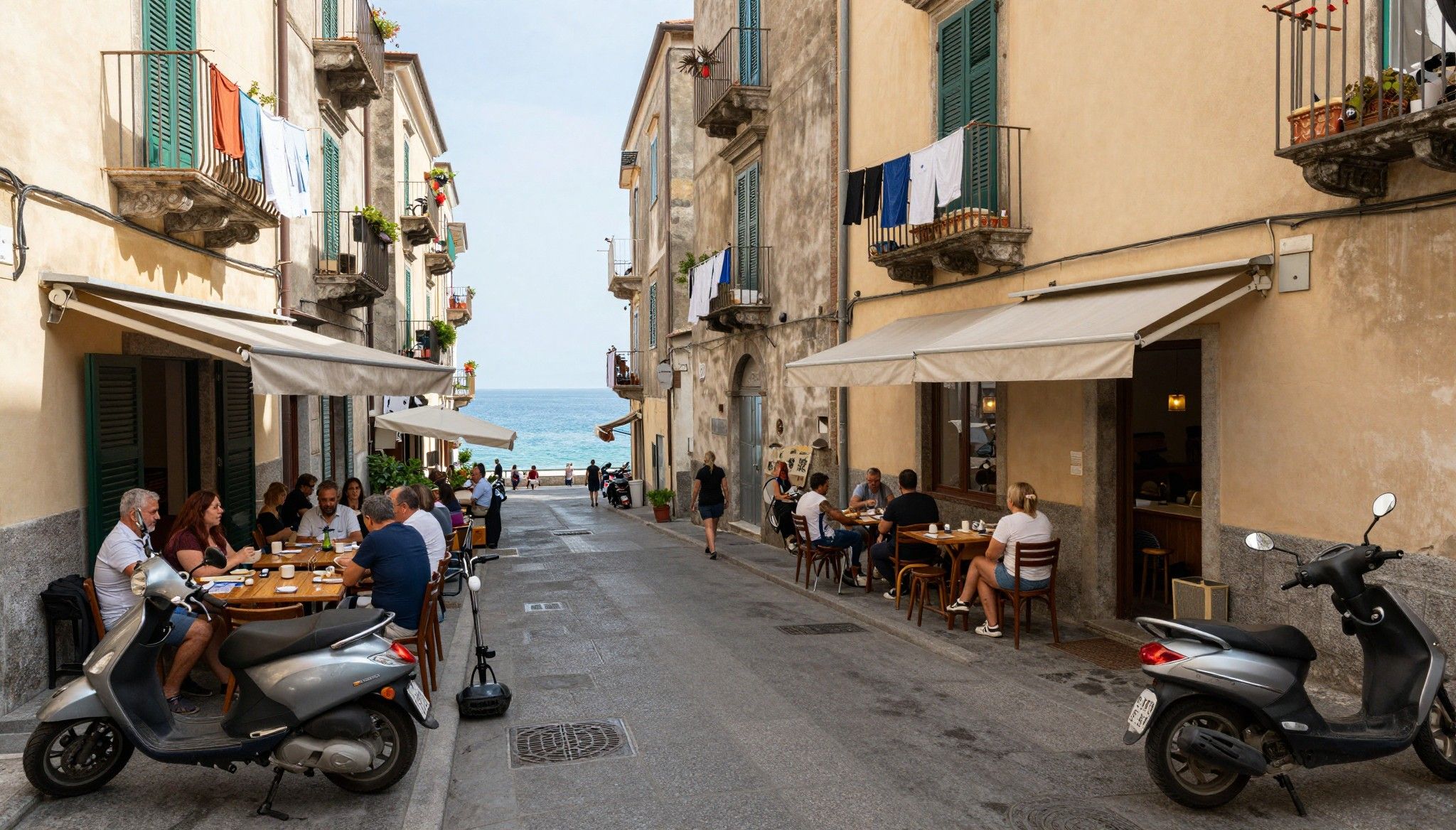
Imagine waking to the muted church bells in Trastevere, grabbing espresso at Bar San Calisto, then driving an hour to a cliff-top lunch on the Amalfi Coast. Italy arranges life like that: compact, textured days stitched between markets, piazzas and seasons. For international buyers, this isn’t just romantic copy — it changes what you value in a home.
Living the Italy lifestyle: how places actually feel
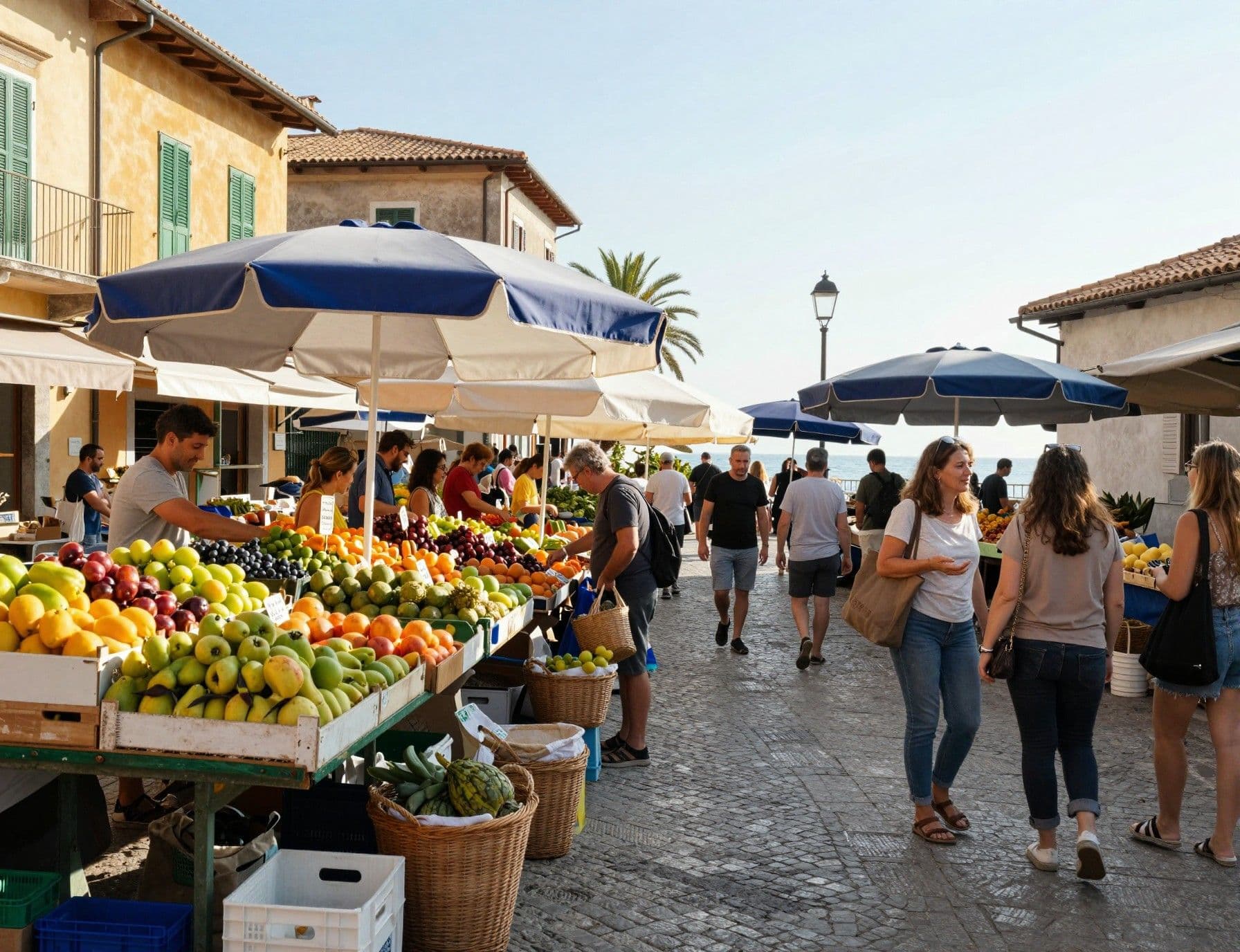
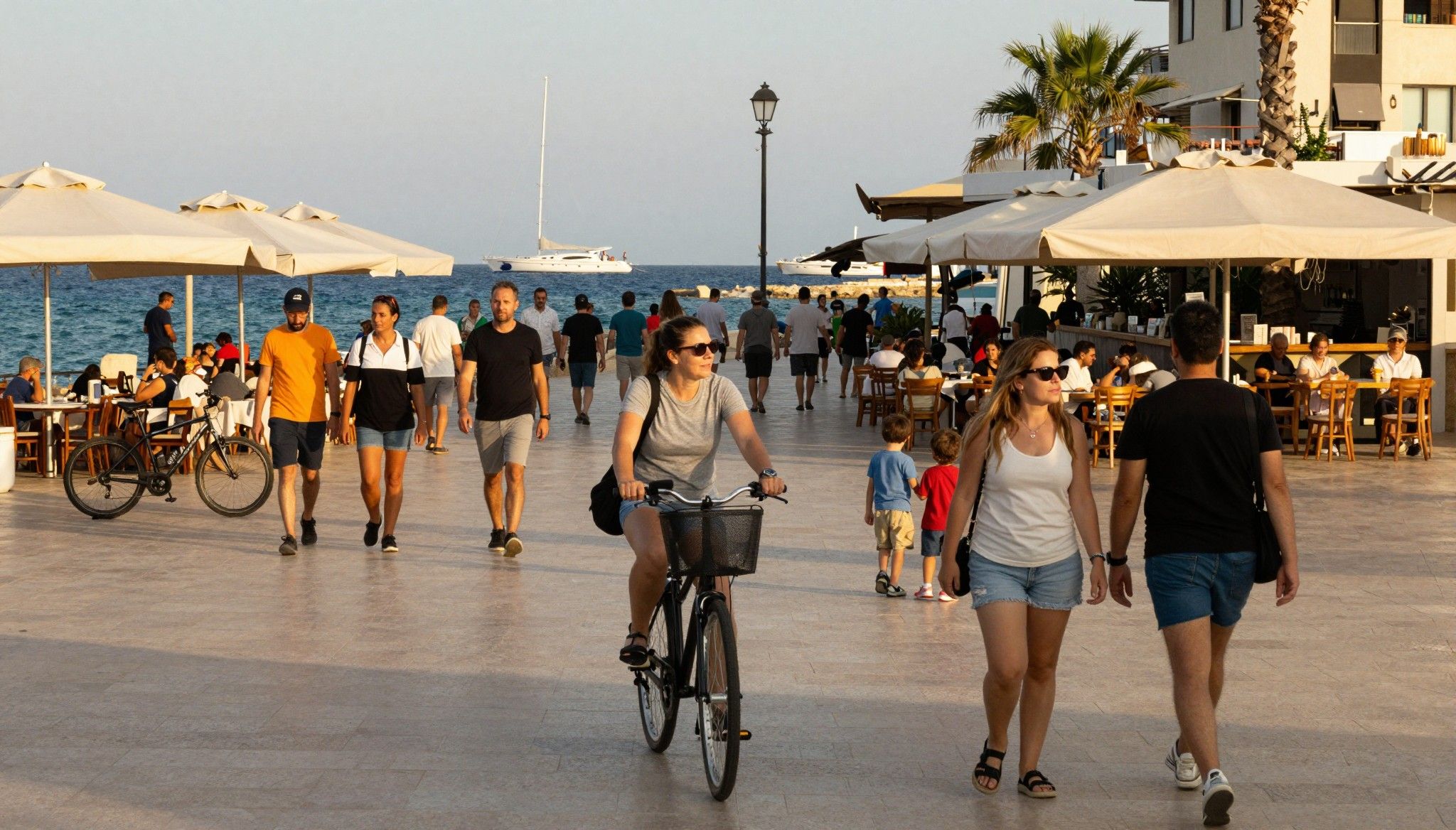
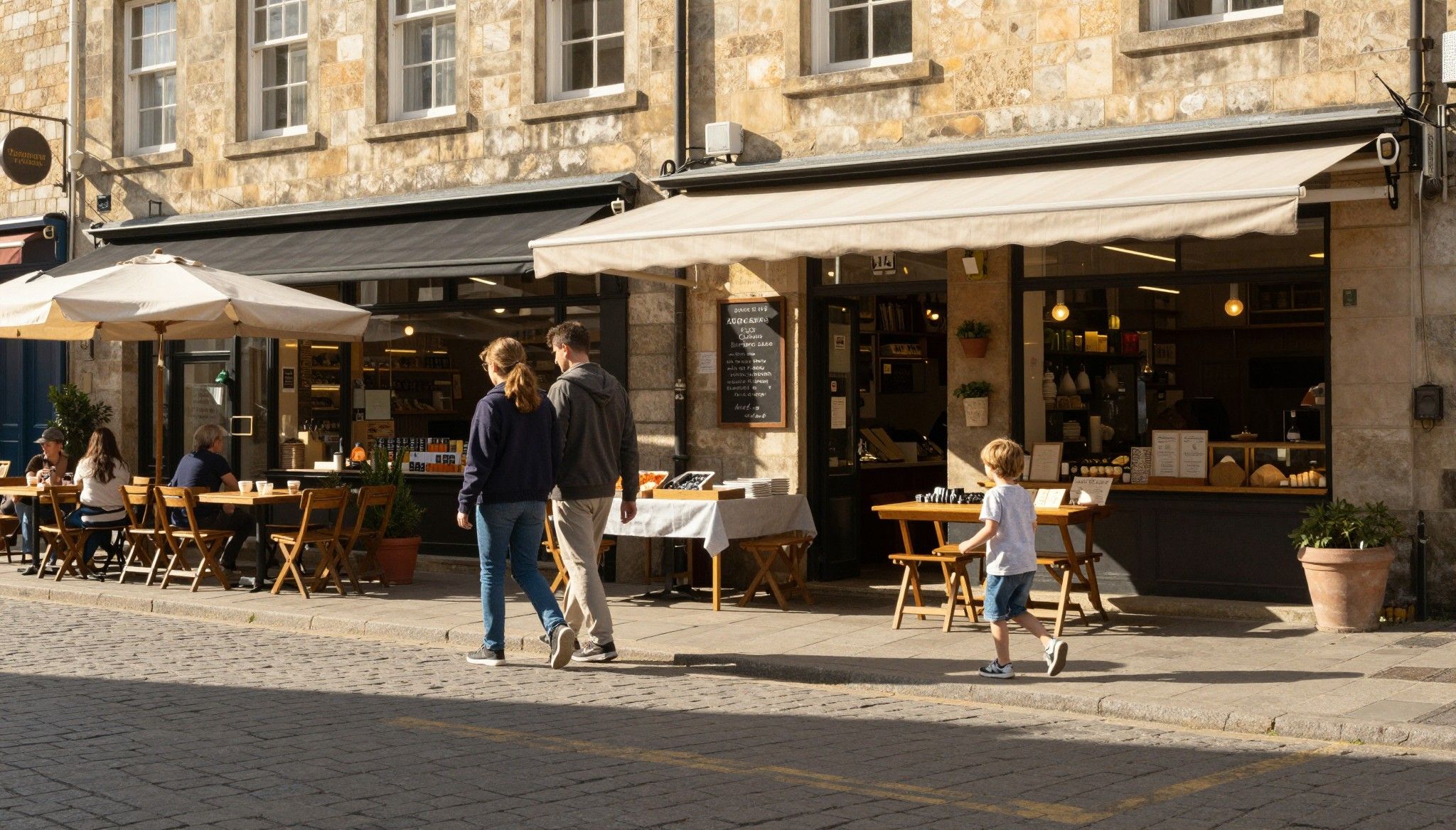
Street life is the primary amenity. Whether it’s the narrow lanes of Oltrarno in Florence or the palm-lined promenades of Santa Margherita Ligure, the public realm — cafes, bakeries, the neighbourhood market — defines everyday comfort. That rhythm matters when comparing properties: a slightly smaller flat on a lively street often outperforms a larger silent villa in resale and rental appeal. Recent national data shows steady house-price inflation, underscoring how demand favors well‑connected neighbourhoods.
City neighbourhoods with very different beats
In Rome, Trastevere sells the ‘everyday Italian’ image — morning pastries, afternoon passeggiata, and neighbourhood trattorie that double as living rooms. Testaccio is quieter but food-focused; Campo de' Fiori lives by its market. For buyers who imagine a cafe on the corner every morning, these micro-neighbourhood differences are everything.
Coastal towns: what the postcard hides
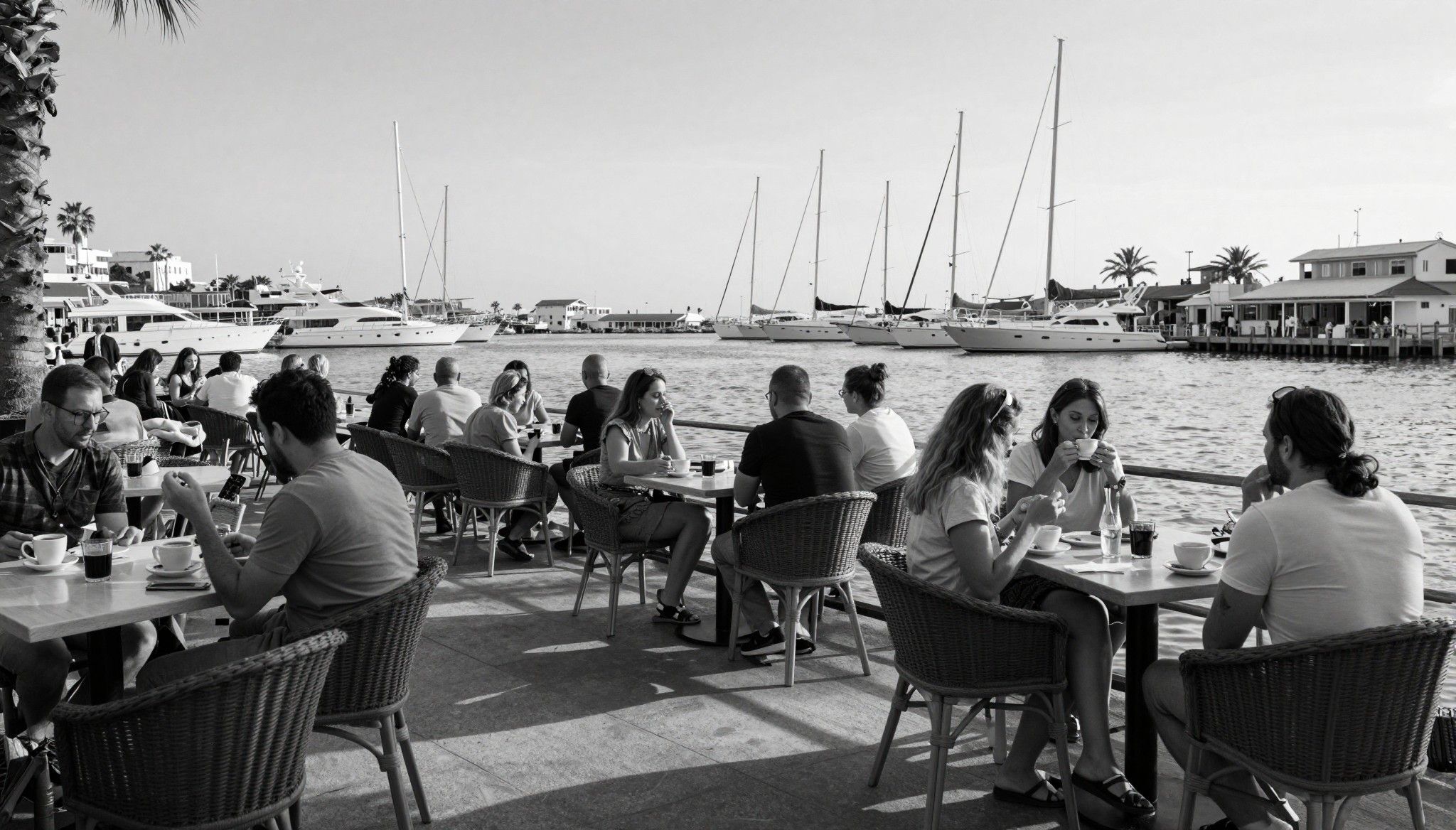
A sea view is seductive, but the daily life in coastal towns differs wildly. Positano’s vertical lanes mean deliveries and access are practical challenges; Santa Margherita Ligure offers year‑round restaurants and a commuter link to Genoa. When you pick a beach town, consider seasonality, access in winter and how locals use the place outside high season.
- Milan & coastal contrasts: neighbourhoods that define quality of life — Brera (Milan), Trastevere (Rome), Oltrarno (Florence), Santa Margherita Ligure (Liguria), Sorrento (Campania).
Making the move: practical considerations that preserve the lifestyle

You’ll hear lots of rules-of-thumb from agents: buy sea view, buy in the centre, buy new. The pragmatic approach is to match property type to how you want to live year-round. Market reports and central-bank surveys show demand remaining resilient in well-connected urban and desirable coastal markets, but financing, access and renovation costs vary a lot by region. Translating lifestyle into checkboxes — proximity to market, walkability, daylight, reliable water and heating — saves surprises.
Property styles and how they shape daily life
Historic centre apartment: unbeatable atmosphere, often high maintenance and limited parking. Coastal villa: outdoor living, seasonality and higher utility/maintenance costs. Renovated country house: space and silence but variable internet and services. New-build in commuter towns: convenience, modern systems, but less character. Match the building’s tradeoffs to daily routines — do you want a terrace for every meal or a short walk to the market?
Work with experts who value lifestyle, not just listings
Choose an agency that knows the street-level life: which cafes fill on weekdays, which ferries stop in winter, where kids bike safely. Local agents who accompany you to a market morning, a waste-collection schedule briefing, and a utility office trip will save time and regret. Lawyers and notaries protect title and contracts — but your agent should translate everyday living into property questions before you sign.
- Step-by-step blend of lifestyle and practical checks: 1) Spend three different days in a neighbourhood (weekday morning, weekday evening, weekend). 2) Check commute, deliveries and waste collection logistics. 3) Inspect plumbing, heating and solar orientation for year-round comfort. 4) Ask agents about past rental performance if you intend to let. 5) Meet the notary early to surface title quirks.
Insider knowledge: what expats wish they'd known
Expat buyers often romanticise seasonality. The truth: many coastal towns quiet dramatically from November to March. That’s lovely if you want solitude, less appealing if you want year-round services. Rental windows are also very seasonal in tourist towns, so rental yields will skew heavily toward summer months. National portals and local reports show asking prices rising modestly in 2025–2026, but micro-market performance still depends on neighbourhood life more than national averages.
Cultural integration, language and daily rules
Learn a few local rituals: market hours, the pause for riposo, and the social code at cafes. Even a little Italian — ordering at the market, greeting neighbours — opens doors to trusted local tradespeople and rental tenants. Language also affects bureaucracy; a bilingual agent or translator will prevent misunderstandings in contracts and notary meetings.
Long-term living: what matters after year two
After two years you’ll care more about community than square metres. Local schools, a reliable neighbourhood doctor, and how neighbours manage shared spaces determine whether you stay. Buy with an eye to community anchors — a lively market, a school, a ferry link — and you buy resilience, not just walls.
- Red flags international buyers often miss: • Empty markets in winter with limited local services. • Unclear condominium minutes or unpaid building levies. • Historic-centre properties with expensive mandatory restorations. • Poor insulation and heating systems in northern towns. • Overreliance on summer tourism for rental income.
Italy rewards buyers who pair imagination with local knowledge. Fall in love with a street, not a listing photo. Walk the neighbourhood at three different times, meet a baker, and ask neighbours about winters. Then bring a lawyer and a local agent who can explain how the daily life you want maps to a building’s realities.
Next steps: spend a market morning in your favourite neighbourhood, ask a local agent for three comparable recent sales, and have a notary check title before you make an offer. We’ll help you translate the life you want in Italy into a property that actually delivers it.
British expat who relocated to Marbella in 2012. Specializes in rigorous due diligence and cross-border investment strategies for UK and international buyers.