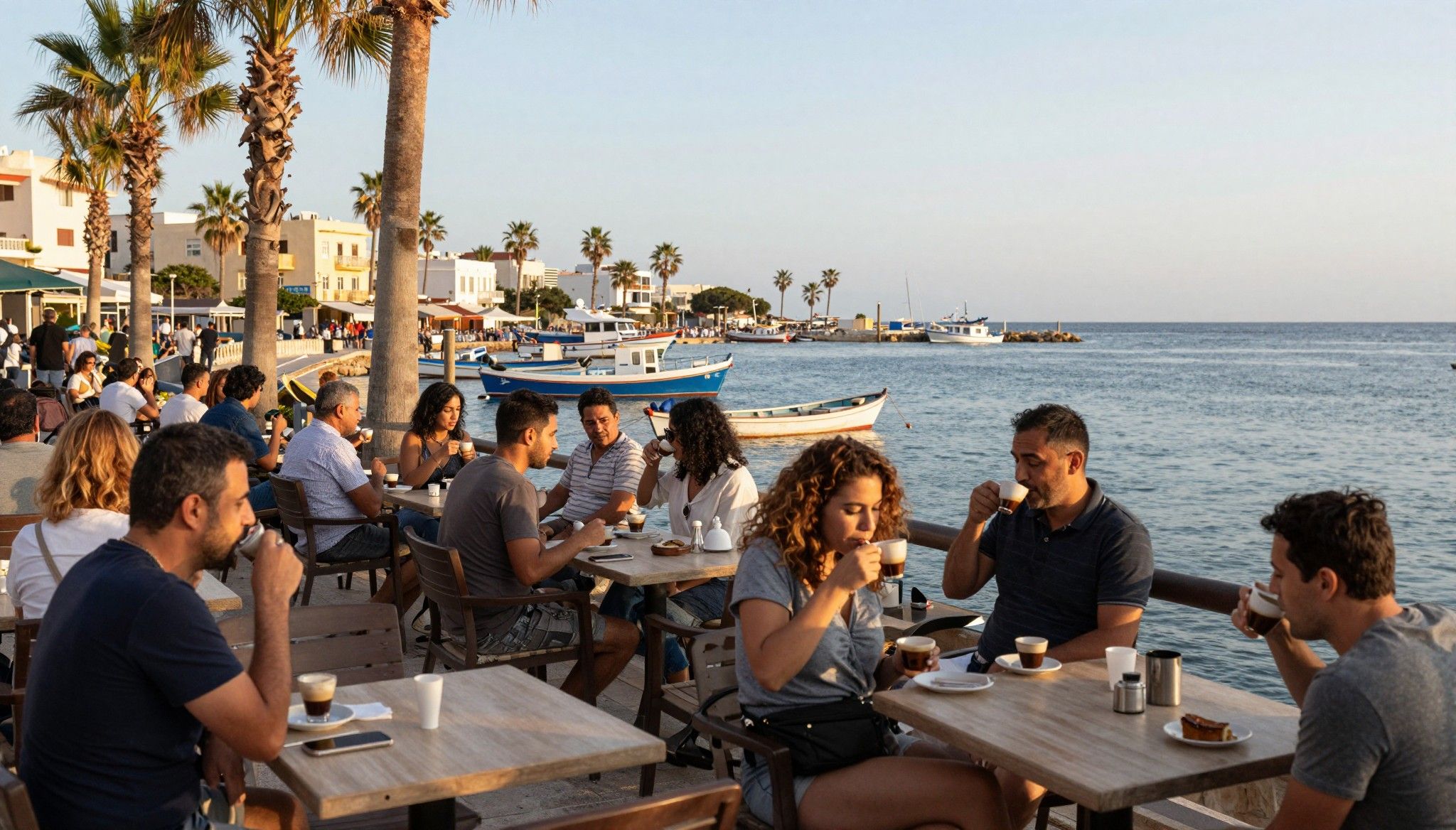
Why Winter House‑Hunting in Cyprus Beats Summer
Forget the summer frenzy: winter house‑hunting in Cyprus reveals real neighbourhood life, clearer negotiations and time to fix title and planning questions.
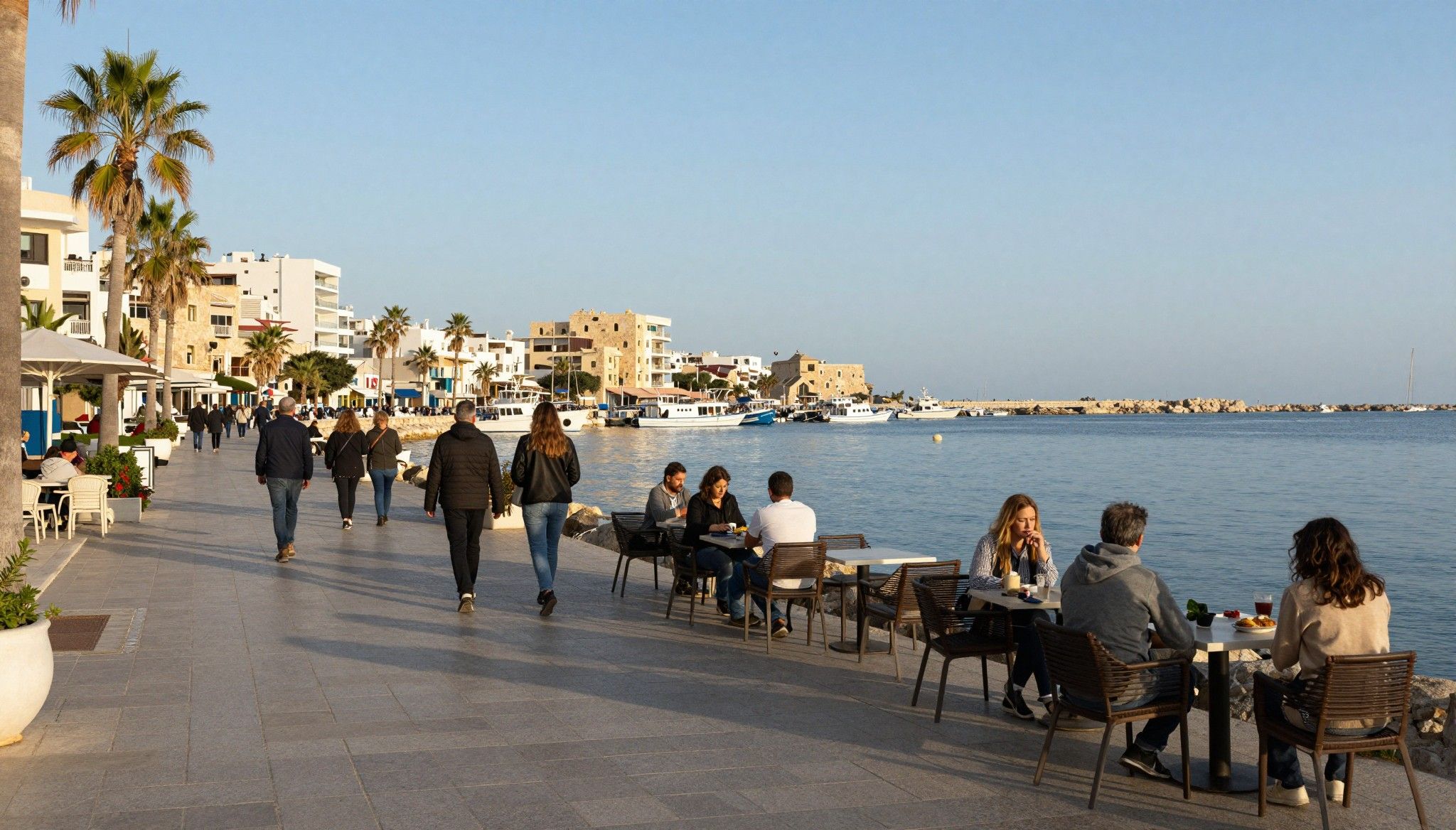
Imagine walking a quiet Limassol promenade in late January: café terraces shaded by winter light, fishermen mending nets, a property agent showing you a second‑floor apartment without the summer rush. The rhythm of Cyprus outside high season is quieter, kinder to inspection, and—surprisingly—where real opportunities hide. If you love the idea of the island but assume you must battle crowds and top prices in July, that assumption deserves rethinking.
Why winter feels different (and why that matters)
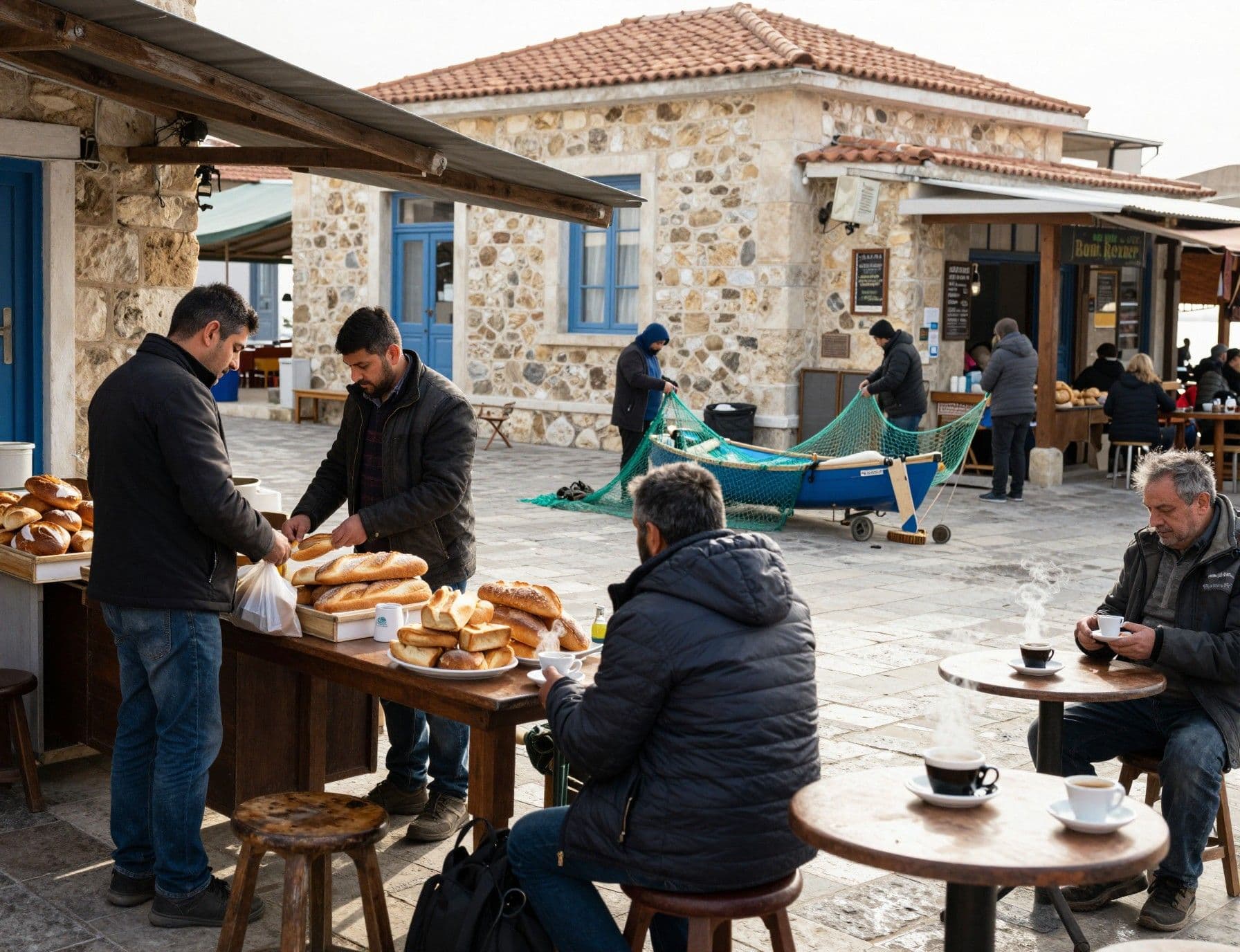
Cyprus’s property market is more seasonal than many buyers realise: listing intensity, asking‑price psychology and even how developers prioritise paperwork shift through the year. Official indices show steady price moves overall, but they hide the week‑to‑week liquidity and negotiating room you'll find in low season. That’s not speculation—banks, valuers and land offices report fewer transactions and calmer valuations outside summer peaks, which can work to a buyer’s advantage.
Low season = clearer view of a place
Walk a neighbourhood in January and you see what living there actually feels like: where the street noise comes from, which cafés are year‑round, which terraces empty when the tourists leave. In Ayia Napa the summer energy vanishes and reveals maintenance issues; in Paphos the community life stays constant. That clarity helps you match a property to real life rather than postcard moments.
Practical timing advantages
Outside summer you’ll find more cooperative sellers, faster access to notaries and municipal offices, and fewer competing bids. For non‑EU buyers especially, the quieter months make it easier to collect required paperwork (permissions from local District Administration, planning approvals, partition documents) without racing a July market frenzy.
Living Cyprus in low season: neighbourhood snapshots
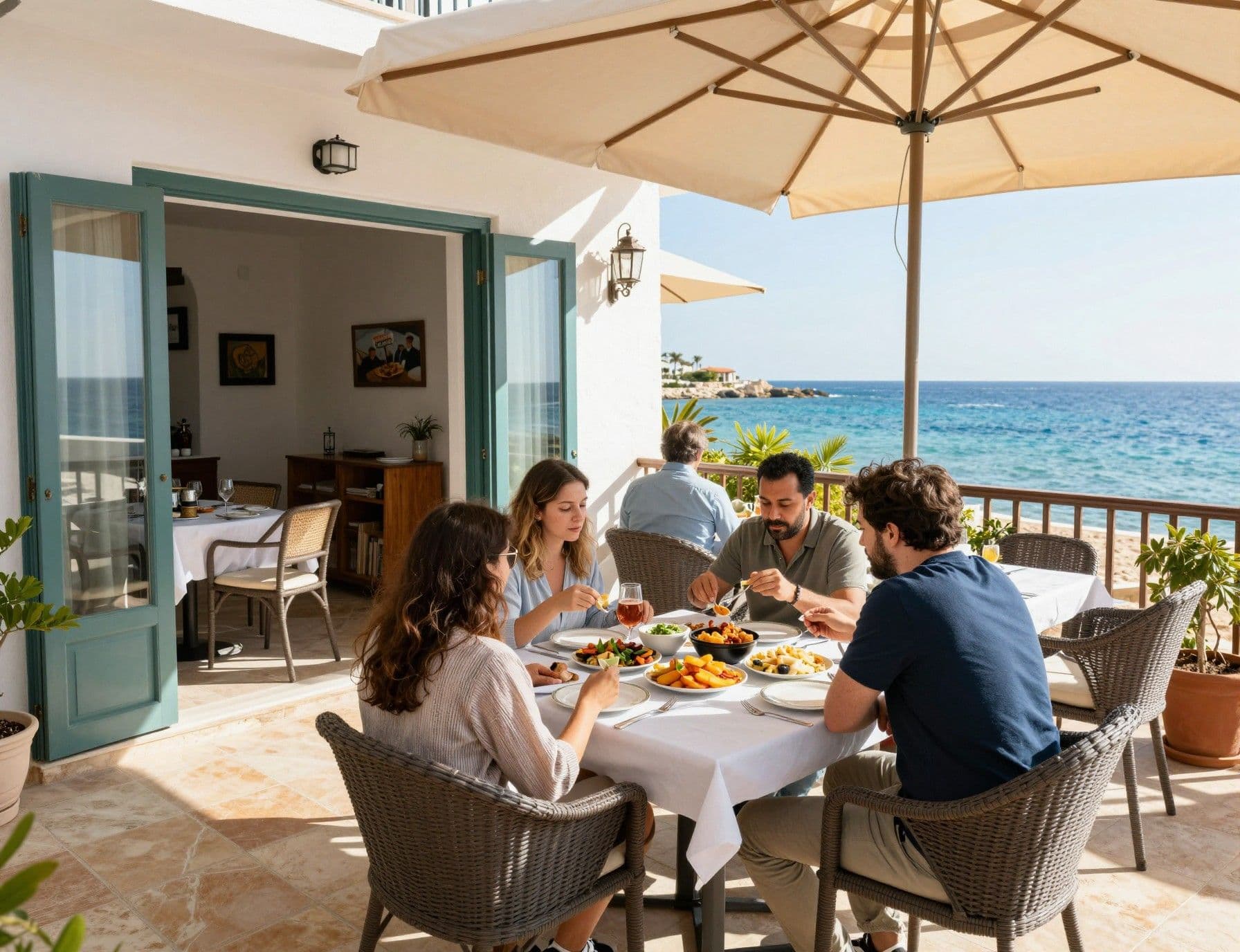
Limassol — the city that breathes year‑round
Limassol’s Molos and old port are quieter in winter, but the city’s cafes, galleries and weekly markets keep life steady. That’s where you test whether a short commute to town will feel like convenience or constant churn. Agents are more willing to show mid‑range apartments then, and you’ll often see developers more realistic about timelines for title deeds and planning approvals.
Paphos & Polis — coastal calm and village authenticity
In Paphos the harbour’s winter light is an easy sell; in Polis the cafés are full of locals trading news. Both areas reveal the island’s slower social pulse: small grocers open earlier, bakery queues form for fresh halloumi, and you can inspect a property’s heating, insulation and winter wind exposure—details you’d miss in August.
Larnaca — where routine beats hype
Larnaca’s Paseo is pleasant year‑round and its neighbourhoods show practical urban life: secondary schools, municipal services and commuting patterns that only become obvious away from the tourist season. That makes it a fertile ground for buyers seeking steady rental demand or long‑term family life.
Making the move in winter: practical checklist
If winter house‑hunting in Cyprus appeals, treat it like a strategy: combine lifestyle visits with documentation checks and local expert meetings. Use the calm to press for transparency: ask to see municipal approvals, building final‑approval certificates, and whether the seller has lodged the contract with the Land Registry. Sellers are often more responsive to sensible offers when they aren’t juggling multiple summer viewings.
Property types and what they offer in winter
Traditional stone houses in Troodos show how well a property copes with cooler months—look at insulation, pellet stoves and roof condition. Coastal apartments demonstrate ventilation and damp control in their quieter season. New‑build developments may display unfinished communal works in winter that developers hide in summer, so a winter visit reveals delivery realism.
How local agents help (and what to expect)
Choose agents who work year‑round and have winter client references. The best local teams know which neighbourhood businesses remain open in low season, which developers delay paperwork, and where maintenance is seasonal. They’ll help you sequence viewings with appointments at the land registry, municipal planning and utility offices so your due diligence is efficient.
Ask for these documents during winter viewings:
Copy of planning permit and final approval (if available)
Evidence the sale contract is lodged at the Land Registry
Energy and sewage connection certificates, where relevant
A clear statement from the seller about outstanding maintenance or shared‑cost works
Insider transparency risks to watch
Cyprus offers lifestyle rewards, but transparency issues are real: delayed title deeds, incomplete municipal sign‑offs, and non‑standard partitioning of land can complicate transfers. Talk to a lawyer early and verify whether the developer has completed partitioning and lodged the necessary documents—these checks are easier to complete in off‑peak months when municipal staff can give you time.
When a low price is actually a warning sign
A bargain that’s significantly below local comparables often signals title or planning problems. In winter you’ll have time to dig into records—if your lawyer finds partition permits missing or planning approvals incomplete, step away or demand escrowed remediation. Transparency beats temptation.
Steps to use winter to your advantage:
1. Schedule viewings paired with appointments at the Land Registry and municipal planning office.
2. Request seller confirmation that the sale contract is lodged; insist on a contract deposit receipt.
3. Have a local lawyer review partitioning, final approvals and any developer guarantees before you sign.
What expats tell us they wish they’d known
Many who moved here say their best decisions happened when they took slow, off‑season visits. They valued seeing a neighbourhood at 8am on a Tuesday, not 11am on a Sunday in July. That perspective changes what you buy: more practical ground‑floor apartments near bakeries, better‑insulated mountain houses, or townhouses that feel lived‑in rather than staged.
Longer term: lifestyle that endures
Buy with an eye to seasons. Cyprus is sunny, yes, but families and retirees prize quiet winters, schools and municipal services. Choosing a property that works for year‑round life, not just summer postcards, preserves value and makes living here sustainable.
Conclusion: if you love the idea of Cyprus, visit in winter. You’ll see places honestly, pick up negotiating leverage, and have the time to verify documents that matter. Work with a local agent who knows low‑season realities and a lawyer who will check title and approvals. Do that, and the quieter months could be your clearest path to a Cyprus life you actually love.
Dutch relocation advisor who moved to Marbella in 2016. Guides Dutch buyers through visa paths, relocation logistics, and balance of lifestyle with value.