Why Greece’s Summer Hype Hides Year‑Round Opportunities
Greece’s year‑round life is richer than summer postcards. Pair lifestyle scouting (markets, neighbourhoods, seasons) with up‑to‑date market data and new Golden Visa rules for smarter buys.
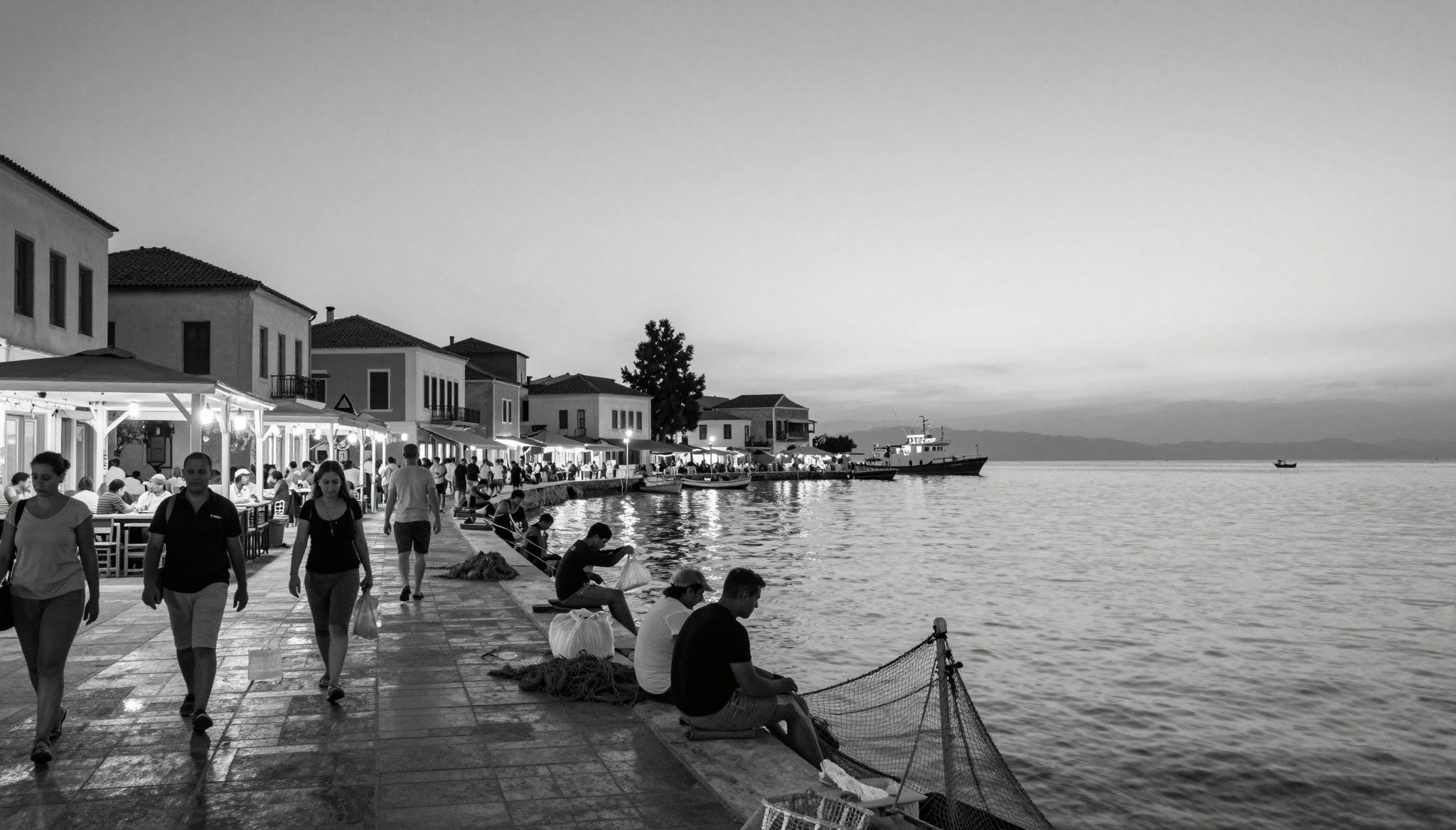
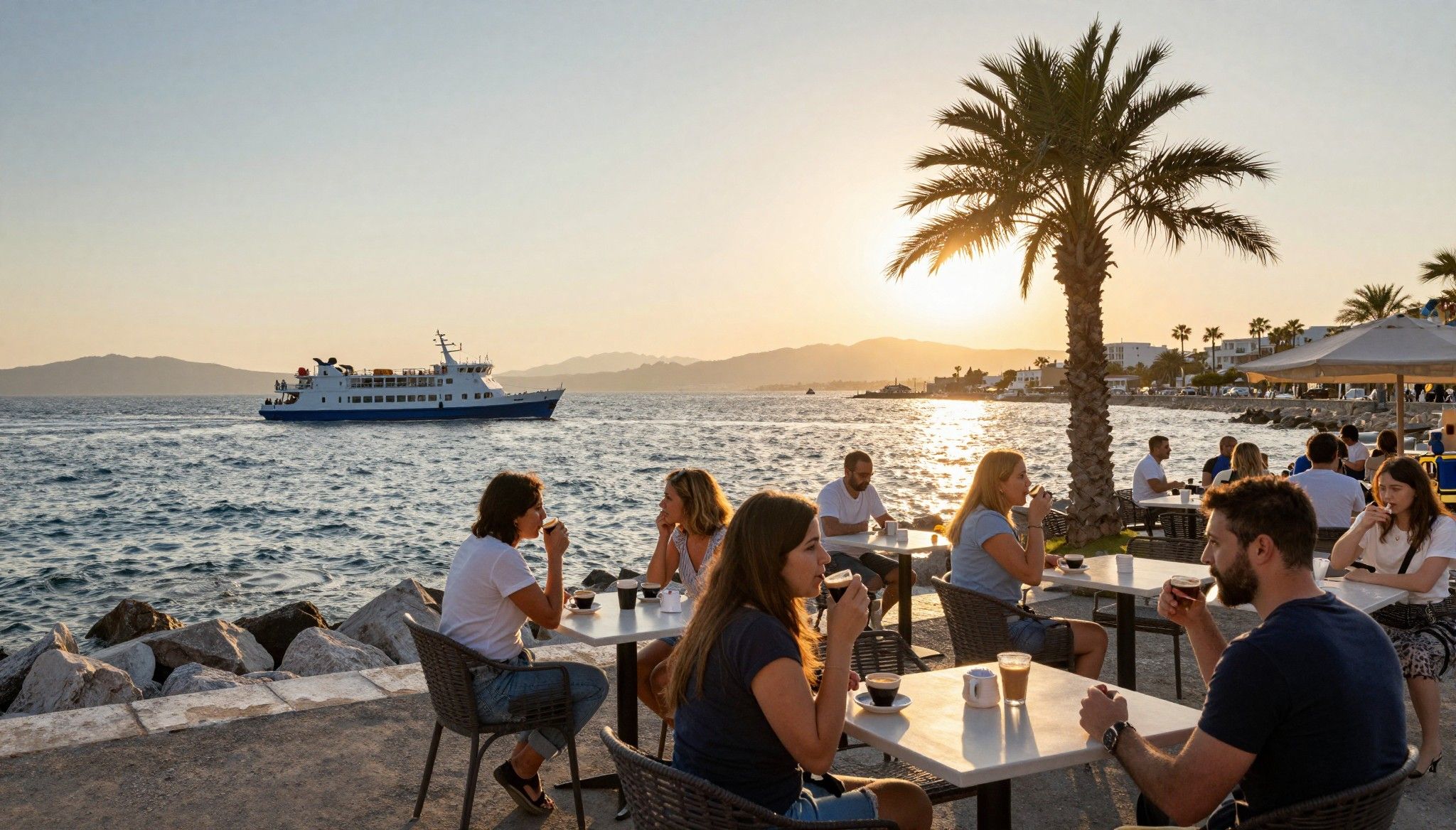
Imagine buying a small apartment steps from an Athens kafeneio where octogenarians argue politics over strong coffee, then catching an evening ferry to a quieter island where taverna lights ripple on the harbour. Greece sells itself with light, ritual and the easy rhythm of outdoor life. But if you arrive with only summer postcards and island Instagram posts in your head, you’ll miss the working-city texture, local seasons and legal shifts that shape smart purchases. We'll show how the dreamy scenes connect to real property choices — and where the real opportunities hide beneath the hype.
Living the Greece life: more than islands
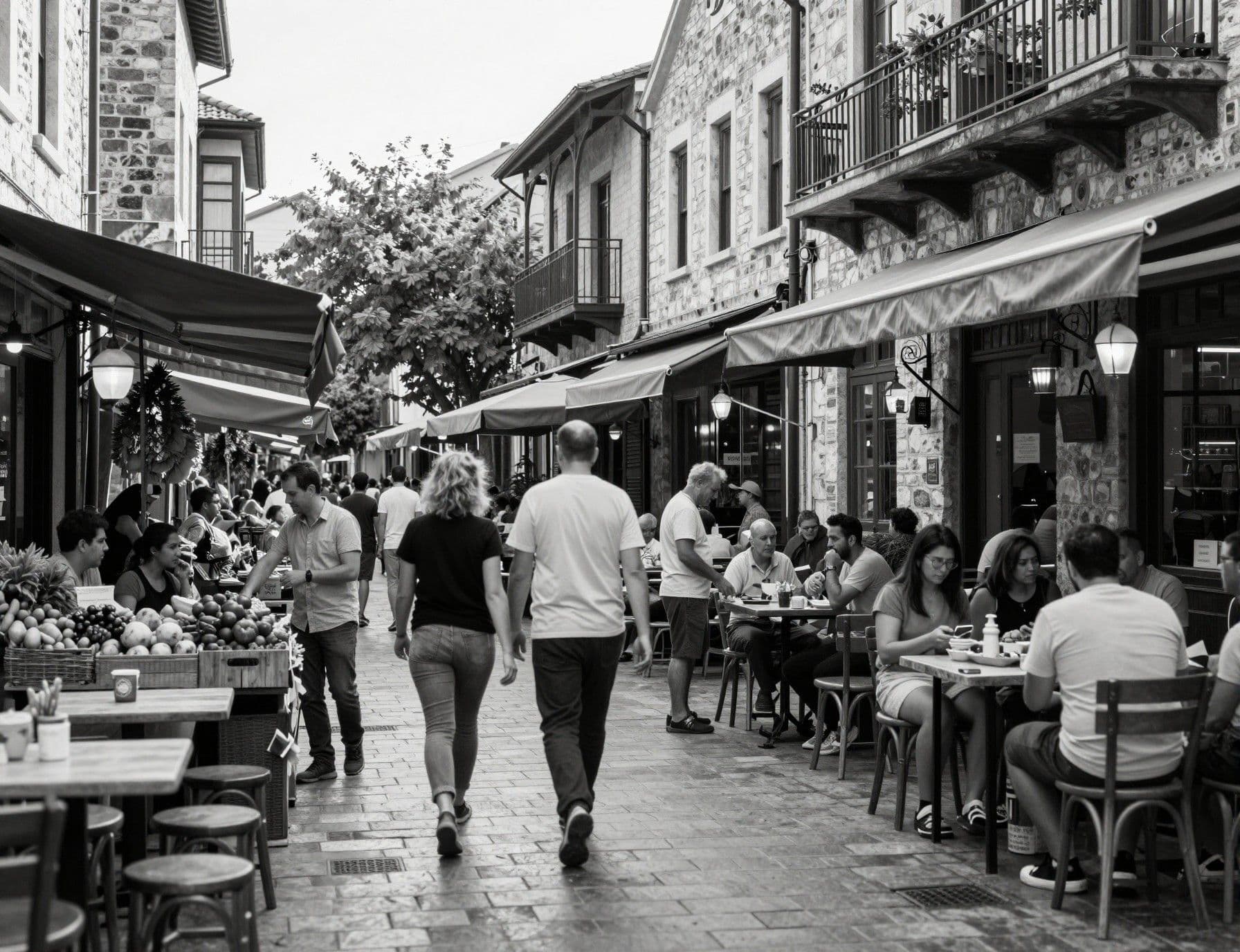
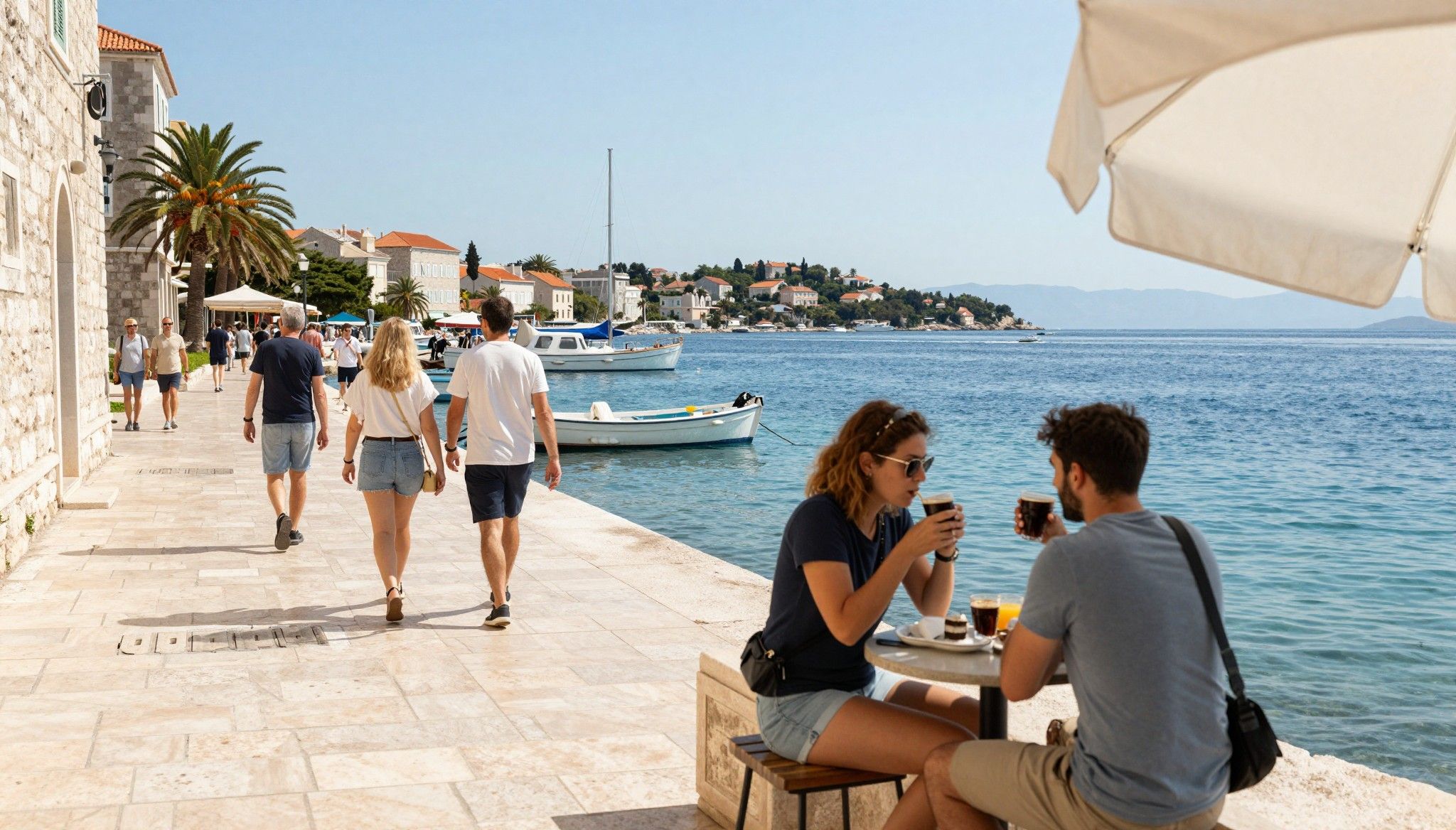
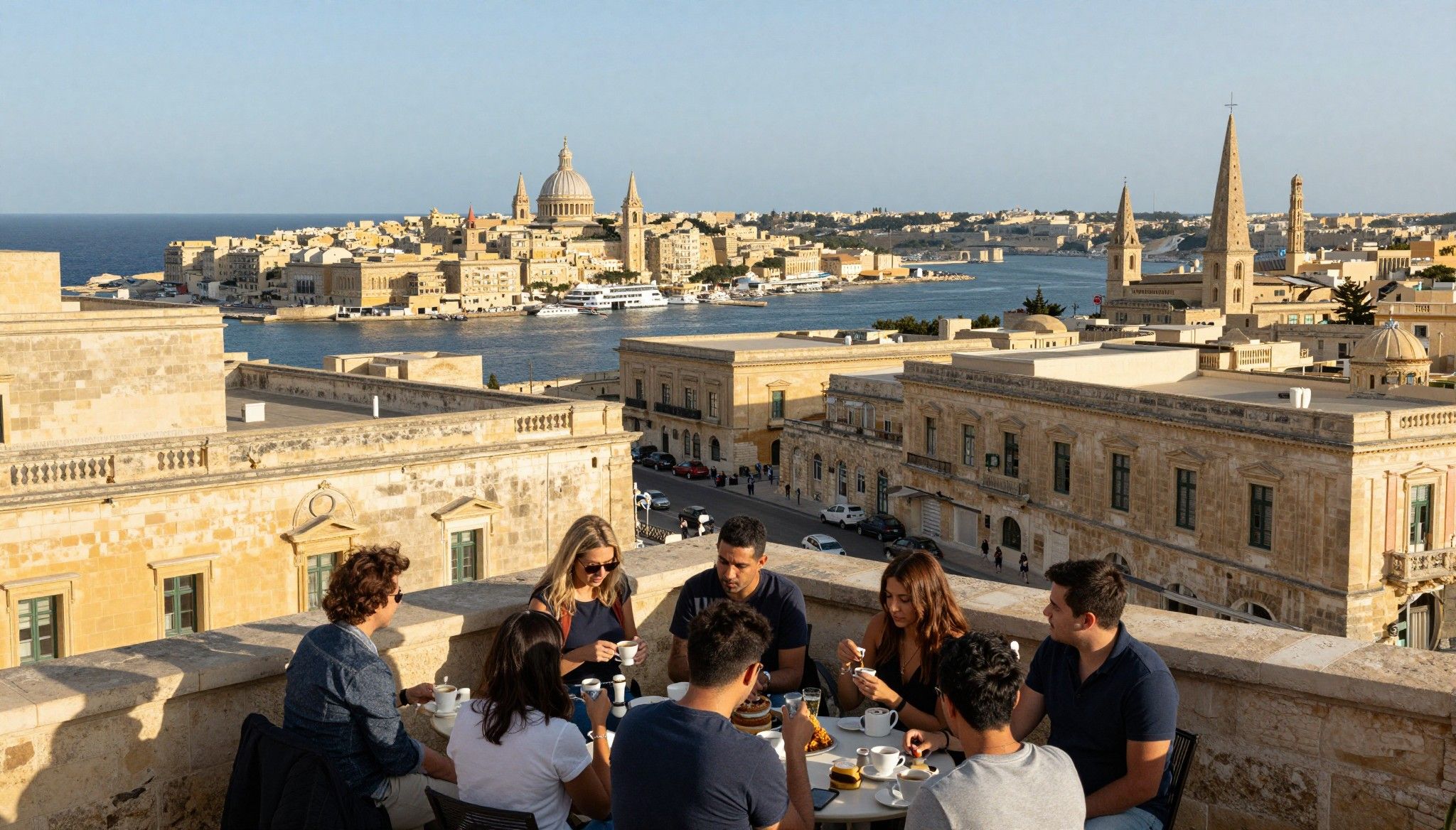
Greece is not a single mood. Athens has late nights, artisanal bakeries, and leafy residential streets like Koukaki and Pangrati where new cafés sit beside decades‑old neighbourhood butchers. Thessaloniki hums with students and a year‑round cultural calendar; Crete and Corfu offer agricultural markets and villages that pulse off‑season. Picture mornings at Varvakios market selecting greens, afternoons at a north‑shore beach in Attica, and weekends that might be cultural‑packed or simply slow — all within a country that prizes shared food and neighbourly rituals.
Neighbourhood spotlight: Athens’ Koukaki and Anafiotika
Koukaki has narrow streets, bodega cafés and terraces that look up at the Acropolis; it’s a short taxi to the port of Piraeus and a magnet for buyers who want urban life with daily walkability. Anafiotika—tiny whitewashed lanes clinging under the Acropolis—feels like a Cycladic island within the city; properties here hold cultural cachet but come with renovation quirks and strict heritage rules. If you want mornings that begin with a pastry and a neighborhood cast of regulars, these districts deliver — but expect different paperwork and renovation constraints than on the islands.
Food, market life and the island pulse
Markets shape social life in Greece. In Chania and Heraklion you’ll find morning fish auctions and stalls selling Cretan cheeses; on Hydra or Spetses the market is smaller but central to local rhythm. Dining patterns matter for property choices: apartments with small terraces are used for breakfasts and late suppers, while homes with courtyards are prized where winter rains arrive. Taste here is local and seasonal — a lifestyle driver that changes which property features you’ll actually use.
- Morning market coffee at Varvakios, Koukaki cafés and neighborhood bakeries
- Weekend fish market runs in Crete and seaside taverna rituals on smaller islands
- Seasonal festivals (panigyria) that transform villages in summer and autumn
Making the move: lifestyle-first practical steps
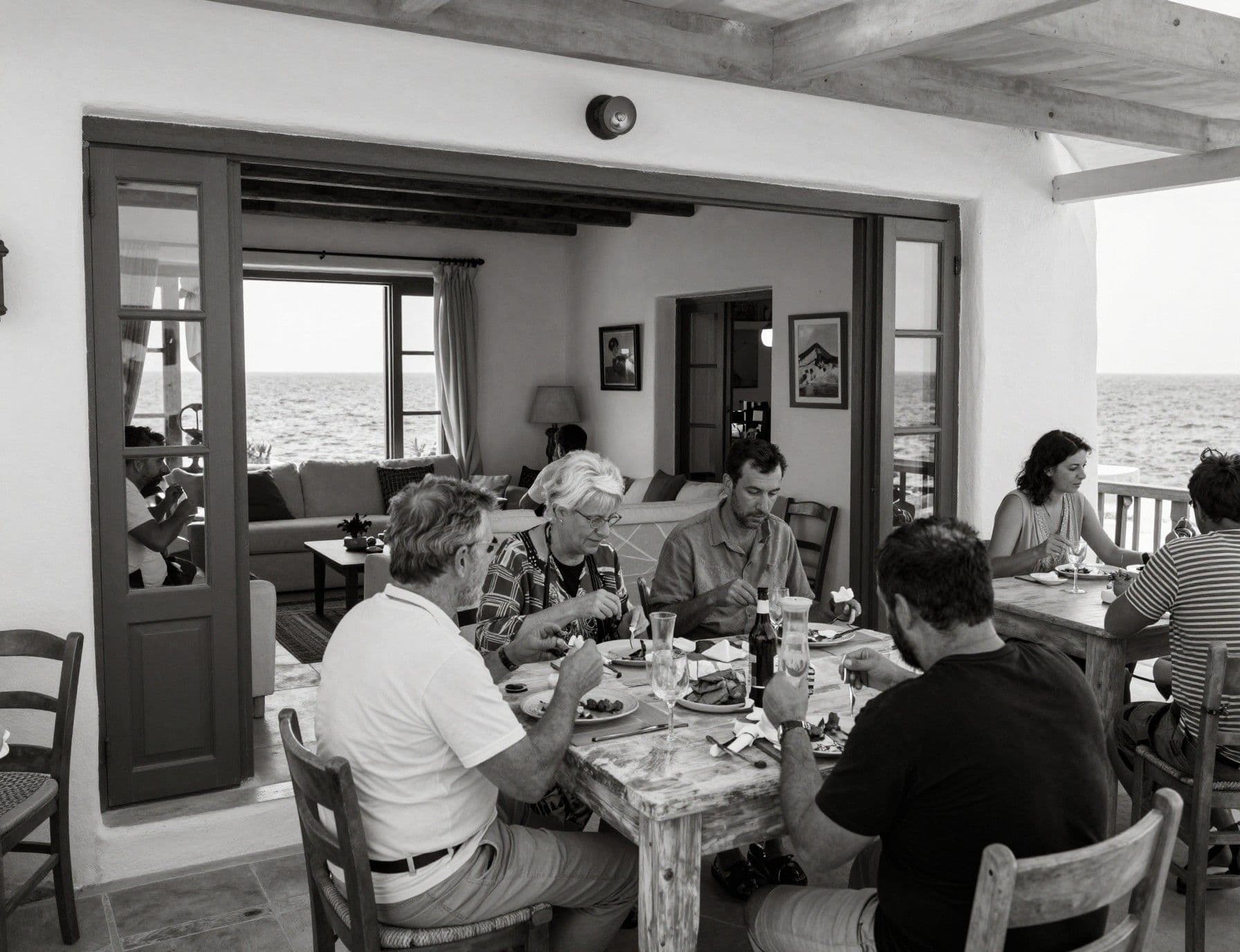
Dreams come first, but the property search needs structure. Start with where you want your days to begin: a sea view at dawn, a city stroll, or a village square. Once you have that image, layer in market reality: recent Bank of Greece notes show national price rises have moderated but remain positive, and demand from foreign buyers — driven in part by residency-by-investment changes — still affects coastal and island markets. Anchor decisions to lifestyle priorities and up‑to‑date market data so you buy the life, not just a postcard.
Property styles & what they mean for daily life
Stone village houses come with thick walls and courtyards that keep heat out in summer and require less heating in winter, but many need seismic‑standard upgrades. Modern coastal apartments offer terraces and open plan living suited to indoor‑outdoor days, yet can be pricier per square metre near ferry ports. If you plan remote work, prioritise reliable internet (fibre availability varies widely) and quiet streets over the Instagrammable view alone — it’s the small daily comforts that sustain a life here.
Working with local experts who know the seasons
Agencies and lawyers matter more here than in anonymous markets. Local agents know which neighbourhoods quiet down to a trickle in winter and which retain year‑round services. Legal teams familiar with the post‑2024 Golden Visa regulations help you understand what properties qualify and how co‑ownership rules play out. Think of your agent as a lifestyle translator — they’ll match your daily habits to the paperwork and the micro‑location realities.
- Decide your daily non‑negotiables (internet, access to markets, healthcare) and match them to neighbourhoods
- Schedule visits outside high summer (October–April) to see real life and service levels
- Use a local lawyer before exchange; ask agents for past transaction examples in the street
Insider knowledge: things expats wish they’d known
We talk to buyers who tell the same three surprises: supply matters more than price, seasons change service levels, and residency rules reshape demand. Coastal towns with limited year‑round employment can see services shrink after August; that affects resale value and living comfort. Recent reporting and Bank of Greece analysis point to strong foreign‑driven demand in prime coastal nodes, so look a little inland or to lesser‑known islands for value and a truer year‑round life.
Cultural integration and everyday language
You don’t need perfect Greek to belong, but small efforts go far. Learn market phrases, introduce yourself at the local kafenion, and accept invitations to panigyria — neighbours remember faces. Schools, healthcare and bureaucracy require more local help, so hiring a bilingual fixer or joining an active expat group in Athens or Thessaloniki can accelerate daily life. Integration often hinges on consistent presence; properties used purely as seasonal bolt‑holes will give a different experience than homes lived in year‑round.
Longer‑term considerations: demand, yields and renovation culture
Rental yields in tourist hotspots can look attractive in summer but fall when occupancy dips; local regulation and tourist seasonality shape realistic returns. Renovation is part of the Greek property story: many buyers add insulation, replace windows, or upgrade systems to modern standards — and those costs vary by island and municipality. Long‑term value often follows community resilience: towns with year‑round services, schools and health centres retain steady demand.
- Check municipal plans for infrastructure that keeps places alive in winter
- Factor renovation, seismic upgrades, and energy retrofits into budgets early
- Ask agents for seasonal occupancy figures before assuming rental returns
- Visit the area out of season (Oct–Apr) to check services, noise and resident mix
Quick legal note on residency-by-investment changes
Laws introduced since 2024 reshaped the Golden Visa programme and how property qualifies for residency. Recent circulars clarified single‑property rules, minimum values and co‑ownership conditions — practical details that change how buyers split purchases or seek qualifying assets. If residency is important to you, get a legal opinion early; the rules are technical and materially affect purchase structure.
Conclusion: live the life, then sign the file. Greece rewards buyers who begin with days they want to live — market walks, local markets, and a clear sense of seasonality — then layer in data, local legal counsel and an agent who knows the street. Visit outside summer, ask for real‑use examples of the property through seasons, and budget for renovation and energy upgrades. When lifestyle and paperwork align, Greece stops being a holiday and becomes a home.
Danish investment specialist who relocated to Costa del Sol in 2015. Focuses on data-driven market timing and long-term value for Danish buyers.