Croatia: The Truth About Transparency and Lifestyle
Croatia’s Adriatic romance hides practical transparency issues — check reciprocity, municipal records and seasonal market distortion before you buy.
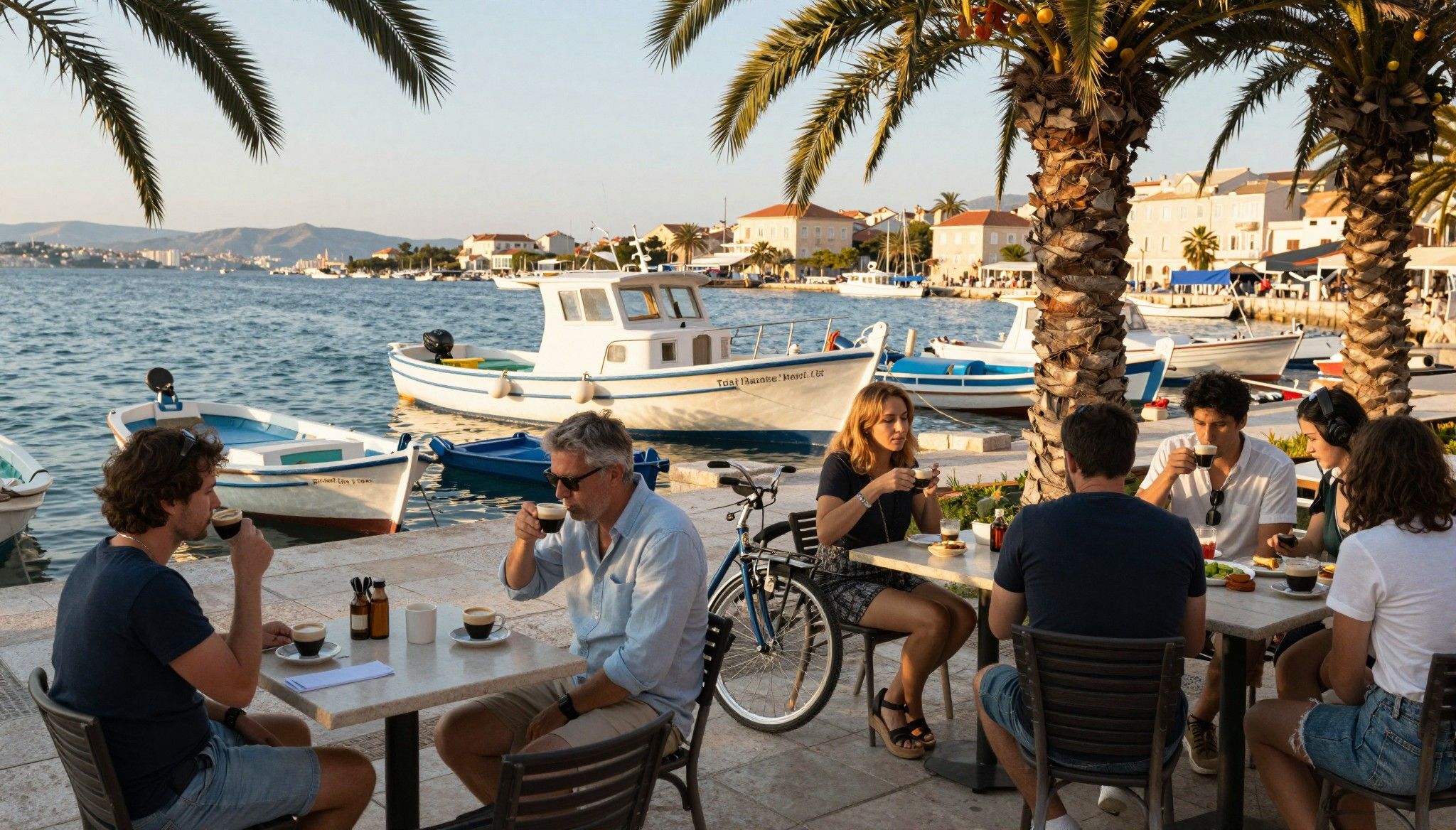
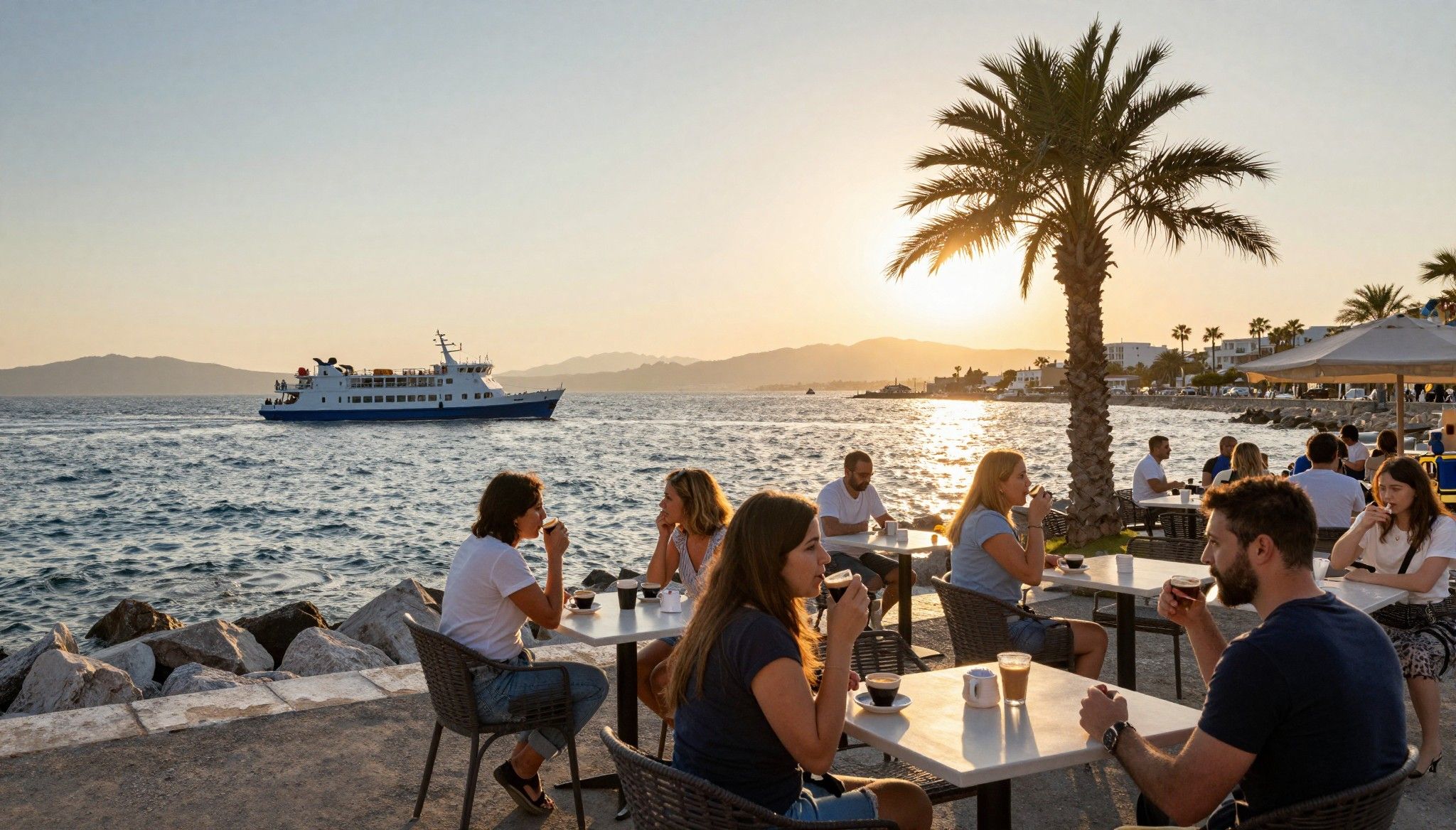
Imagine starting your morning with espresso at Split’s Riva, the sea glass bright and a fisherman’s cat weaving between tables. Picture lazy afternoons on Zlatni Rat, late evenings in a stone courtyard in Dubrovnik where jasmine smells like memory. Croatia feels immediate — coastal rhythm and slow-town rituals — but for buyers the romance sits beside rules, data and a few surprising risks.
Living the Croatia life: everyday scenes that anchor a purchase
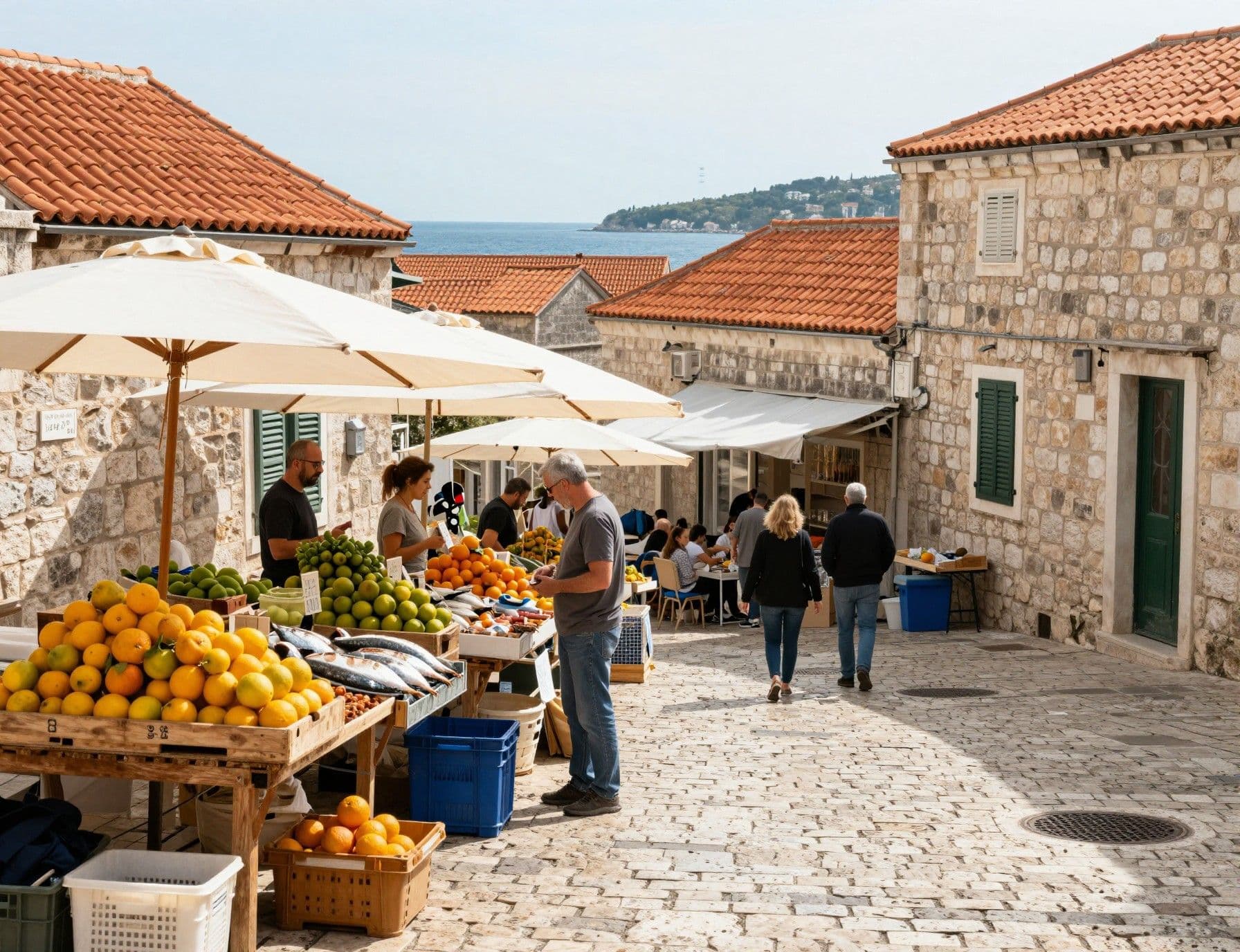
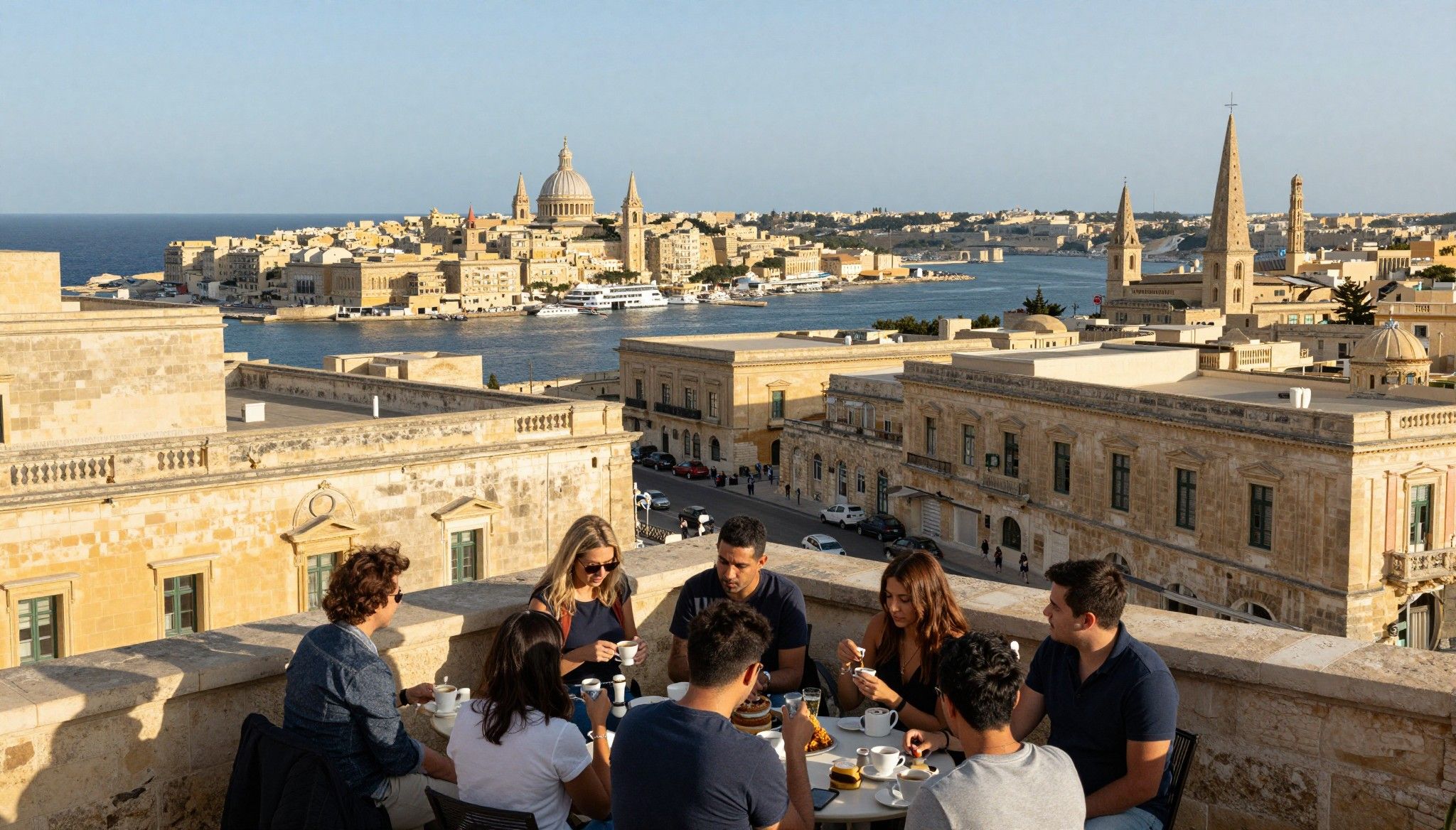
Croatia’s daily life blends Adriatic light, market culture and small‑town sociability. In Rijeka you’ll hear espresso machines and tram bells; in Hvar, yacht chatter and late dinners; in Varaždin, park benches and floral markets. This variety is part of the appeal — but it also means the property you buy should match how you intend to live (seasonal escape, year‑round base, or short‑let income).
Coastlines and old towns: neighbourhoods that actually feel local
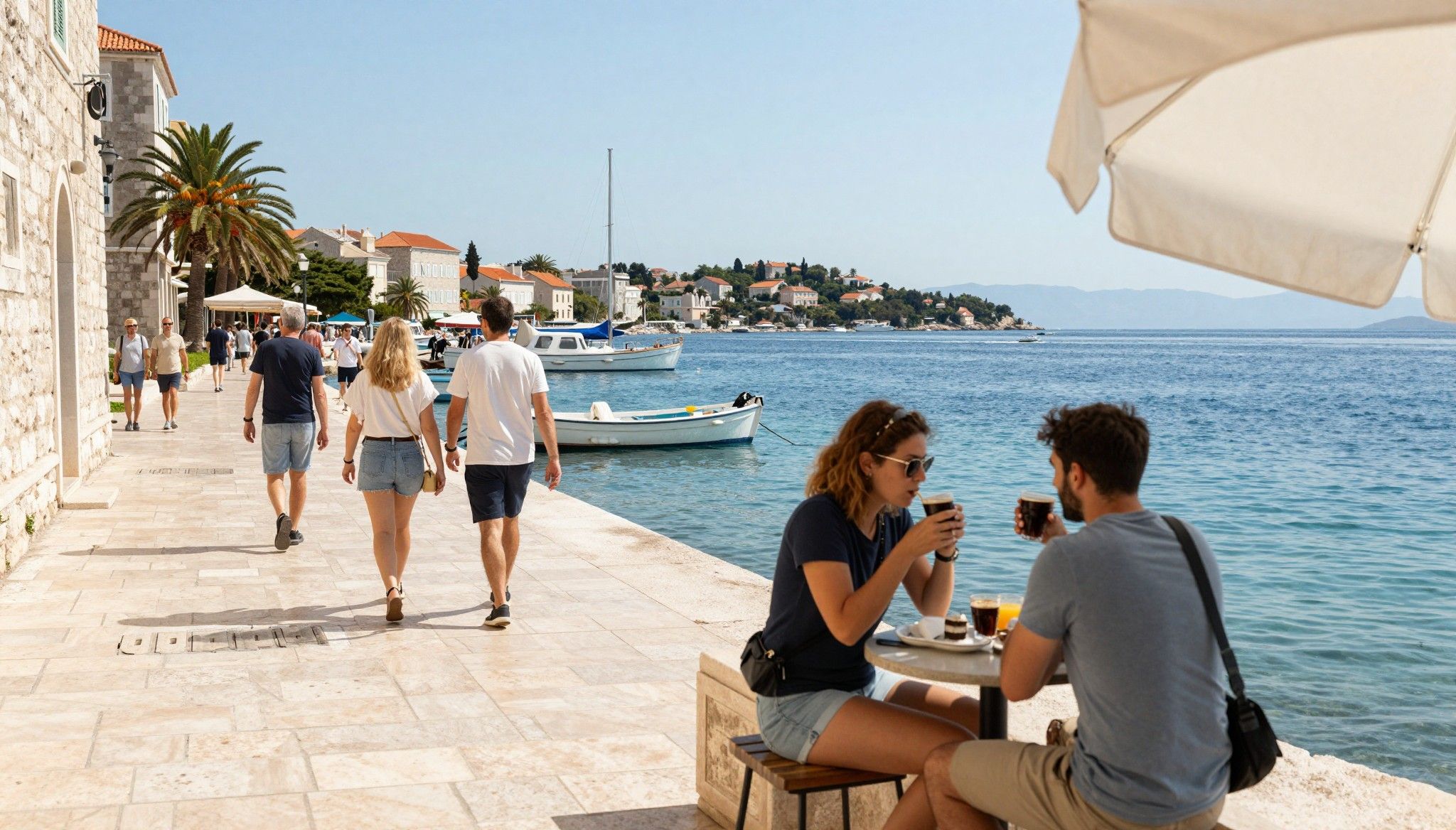
If you want people‑watching and cafés, look at Split’s Veli Varoš and the Riva stretch; for quieter coastal life, the stone lanes of Rovinj and the bays around Šibenik offer calm and community. Zagreb’s Maksimir and Lower Town give park life and museums without the tourist crush. Each place has micro‑markets — small bakeries, a pier, a market square — that shape daily living and therefore value.
Food, markets, and the small pleasures that influence where you live
Weekends in Croatia are for open markets (Dolac in Zagreb, Pazar in Split), long lunches of grilled fish and local pošip wine, and late strolls along waterfront promenades. These rituals inform what buyers prize: proximity to market squares, morning sun on a terrace, and a kitchen large enough for slow cooking. Lifestyle choices like these should shape property searches more than broad price lists.
- Lifestyle highlights: cafés that set the pace, markets and beaches to know
- Split: Riva promenade, Veli Varoš alleys, morning fish market
- Dubrovnik: Gruž market, island ferries, courtyard dining on Gundulićeva poljana
Making the move: practical realities behind the postcard
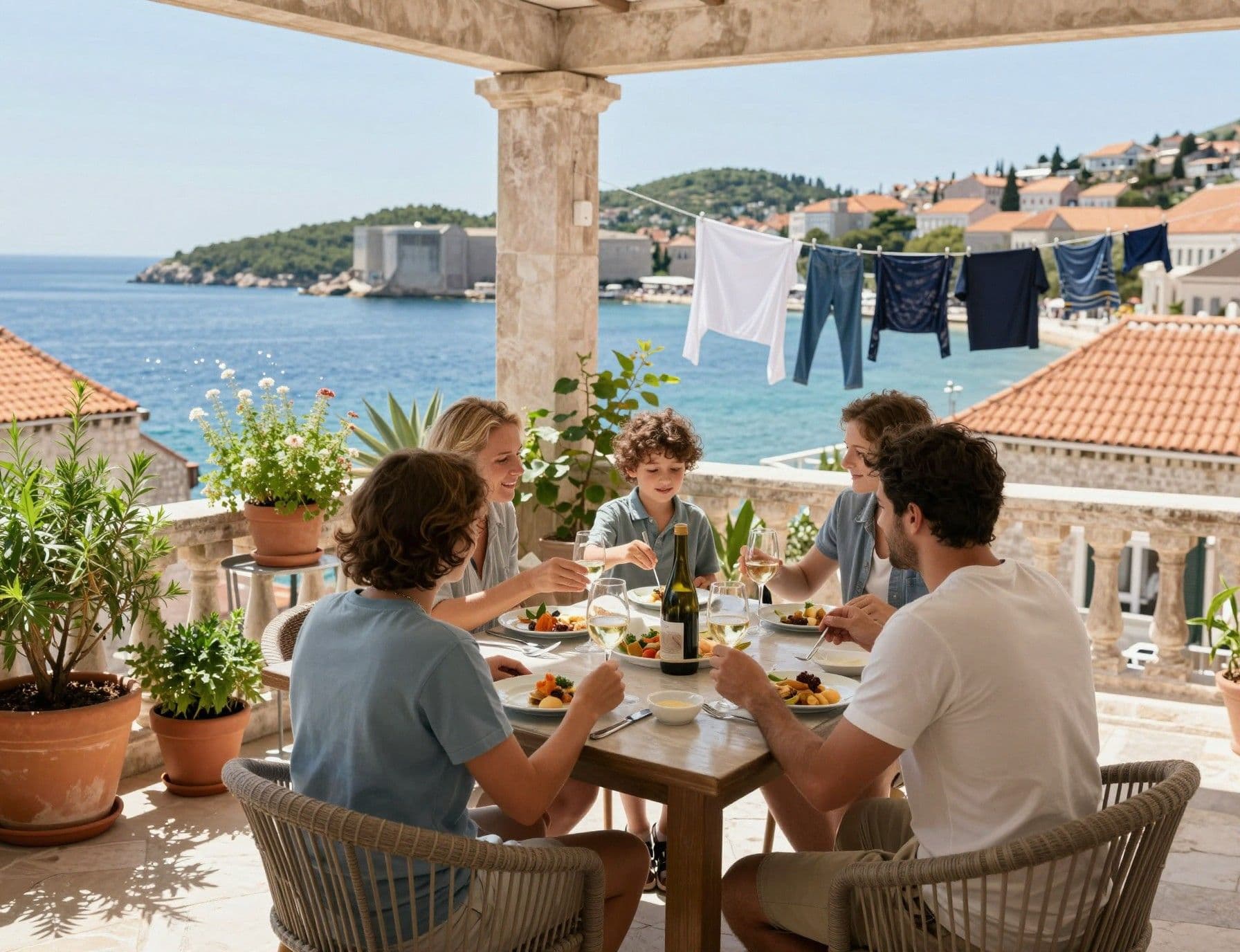
The dream of cobbled streets and Adriatic views meets clear rules. Croatian law operates on a reciprocity principle for non‑EU buyers and requires administrative consent in many cases. For EU citizens, purchase is largely the same as for locals, but outside the EU you must check whether your country grants Croatians the same rights — a step many buyers miss until a deposit is on the table.
Property types and what they mean for living here
Historic stone houses demand restoration patience and local craftsmen; new builds in Split and Zagreb offer modern insulation and easier management. Islands and coastal plots often come with stricter zoning and infrastructure limits — good for privacy, harder for resale. Choose by lifestyle: terraces and sea access for summer life; double glazing, heating and year‑round services for full‑time living.
Working with local experts who actually know the micro‑market
A local lawyer and an agent who knows a town’s pulse are essential. Agents open doors to off‑market opportunities; lawyers navigate reciprocity, land registry checks and ministerial consent when needed. Look for agencies that can explain local planning status, coastal protection zones and utility access — those details change the renovation cost and, often, the value.
- Stepwise practical checklist blending lifestyle and process
- 1. Visit the neighbourhood across seasons — spring and October feel very different from July.
- 2. Commission a land registry and planning status search before any binding deposit.
- 3. Confirm reciprocity or ministerial consent if you’re a non‑EU buyer.
- 4. Budget for renovation contingency (20–30% for older stone homes) and local taxes.
Insider knowledge: transparency traps and how to avoid them
Croatia’s market looks transparent on paper, but common gaps catch buyers: outdated cadastral maps, undeclared shared access routes, and lease rights for seasonal rentals that aren’t obvious in contracts. Sellers sometimes present project permissions that don’t match municipal records. A simple walk‑around with a local planner often reveals the truth faster than glossy brochures.
What the data says about price direction (short, evidence‑backed take)
Recent official indices show strong year‑on‑year price growth, particularly in coastal hotspots and Zagreb. That growth rewards well‑timed buys but also raises the importance of buying for life — if you rely on short‑term flipping, you’ll compete with holiday demand and rising construction costs. Use national index data alongside local transaction records to see real micro trends.
Common red flags to spot on viewings
- Seller can’t produce a recent land registry extract (not older than 6 months).
- Discrepancies between municipal planning status and seller’s renovation permits.
- Access marked as ‘informal path’ that isn’t registered — this affects insurance and resale.
- High seasonal rental advertising with unclear tenant agreements — this can mask obligations.
We’ve seen buyers fall for a view and miss a municipal restriction that bans converting loft space into a bedroom. Stories like that aren’t scare tactics — they’re typical. Treat local planning offices as your friend and ask for written confirmations when a seller claims permit status.
If you’re from outside the EU, check the ministry’s reciprocity list early. Countries are added or removed and the administrative consent process can take weeks. Treat this as a gating item — without it, a contract may be unenforceable. Even if you’re technically eligible, the paperwork and translation requirements are real and usually underestimated.
Language, community and integration — small things that shape long‑term happiness
You’ll get farther by learning a few Croatian phrases, joining local markets and volunteering at a festival than by relying only on expat Facebook groups. Small civic habits — recycling rules, summer shop hours, and the importance of neighbour relations — affect whether a house becomes a home. Seek neighborhoods with active community calendars if you want to belong.
Finally, balance the romance with realistic next steps: visit out of season, commission local searches, check reciprocity early, and choose an agent who knows the lanes you’ll actually walk. If Croatia is about slow breakfasts, market bargains and Adriatic light, let those lived moments guide the purchase — and let local experts clear the legal fog.
Dutch relocation advisor who moved to Marbella in 2016. Guides Dutch buyers through visa paths, relocation logistics, and balance of lifestyle with value.