Croatia’s Coastal Price Myth: Where Value Hides
Croatia’s strong national price growth masks coastal micro-opportunities. Use national indices plus street-level checks to find lifestyle value without overpaying.
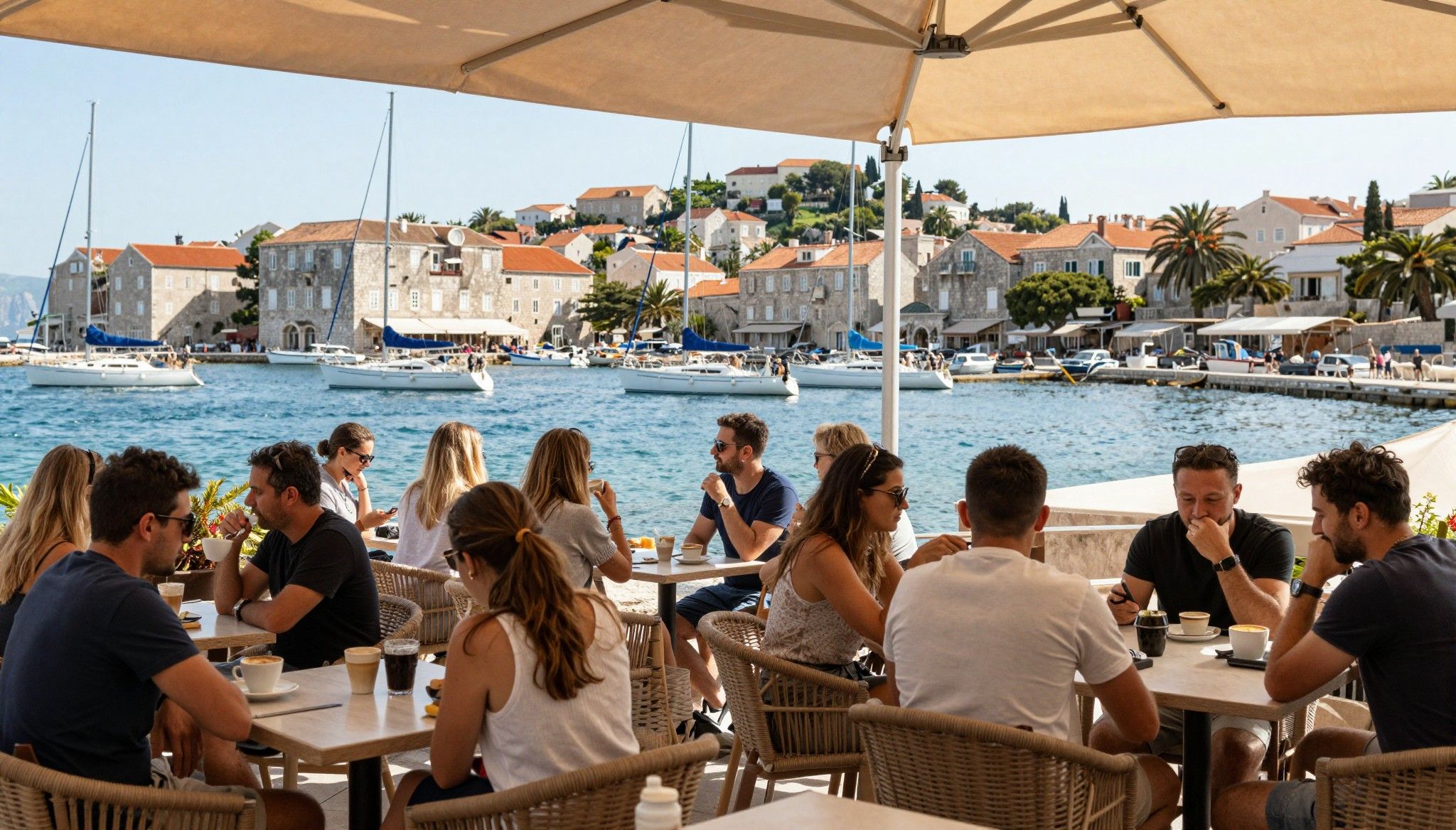
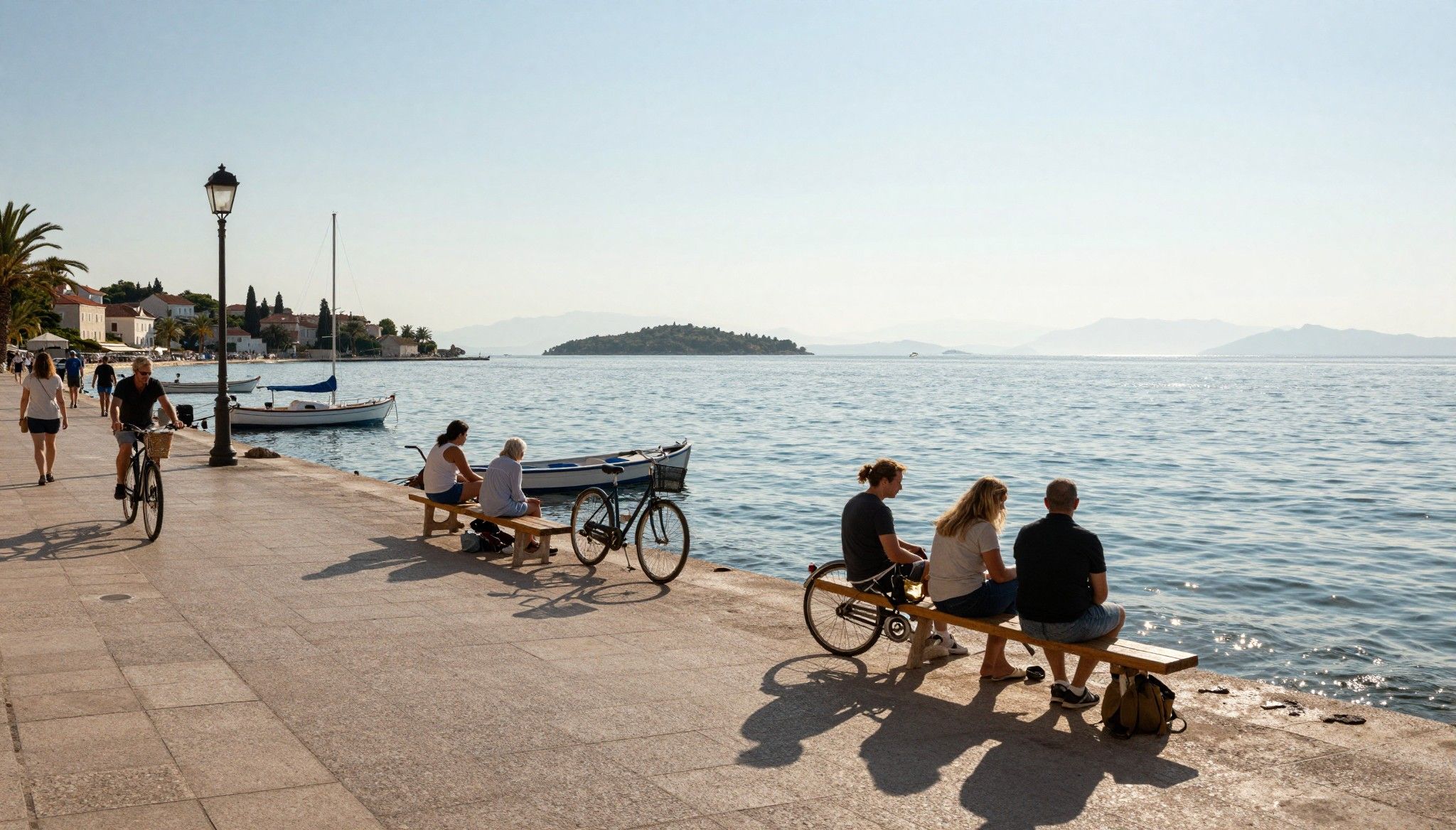
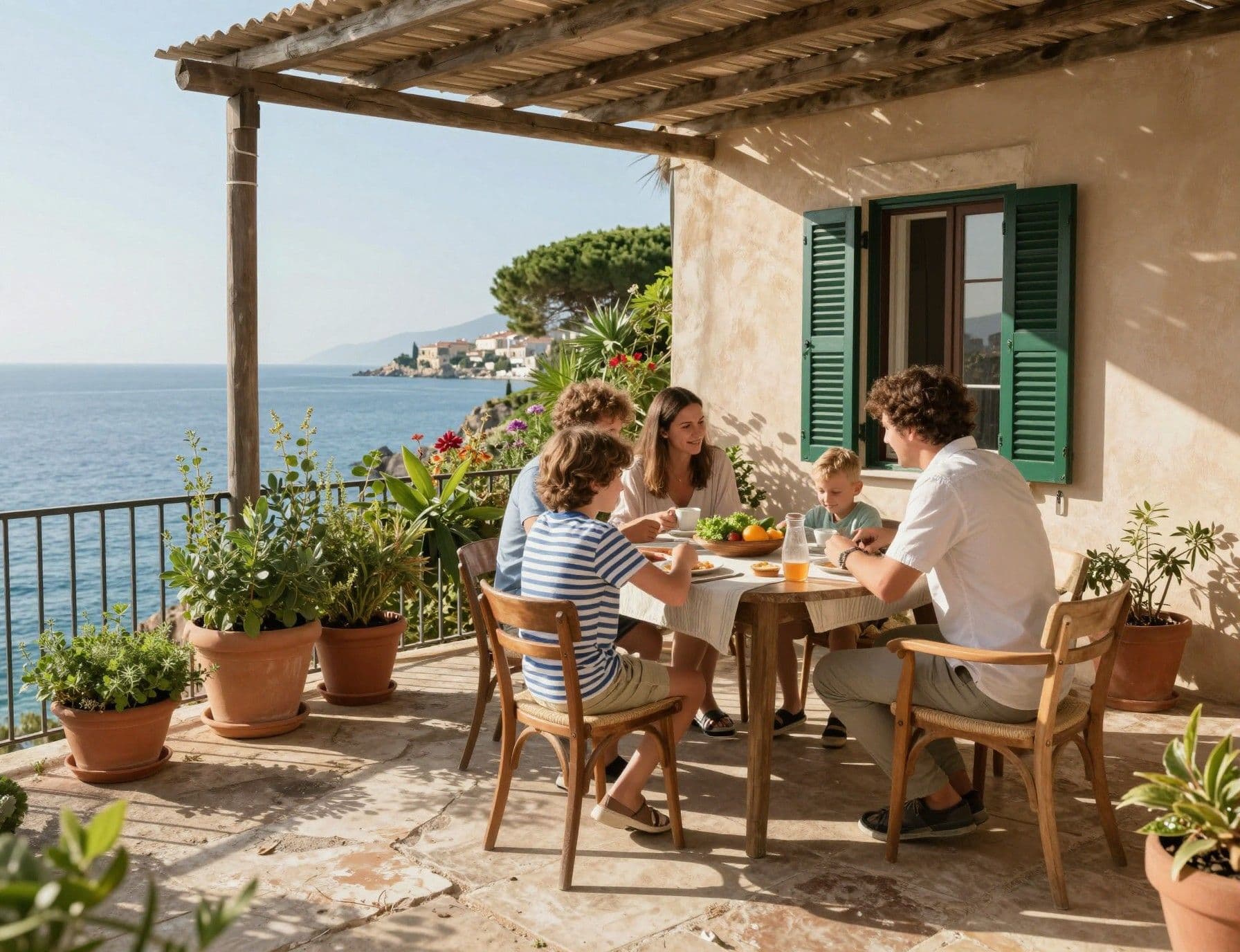
Imagine sipping espresso under the plane trees of Split’s Poljud, then walking five minutes to a stone-front apartment whose terrace looks over calm Adriatic water. That scene is why buyers fall for Croatia — but the headline numbers won’t tell you where that terrace costs less than you expect. We’ll unpack how national price growth co-exists with micro-opportunities along the coast, and give you practical signals — with data — to find value that actually supports the life you want.
Living the Croatian lifestyle
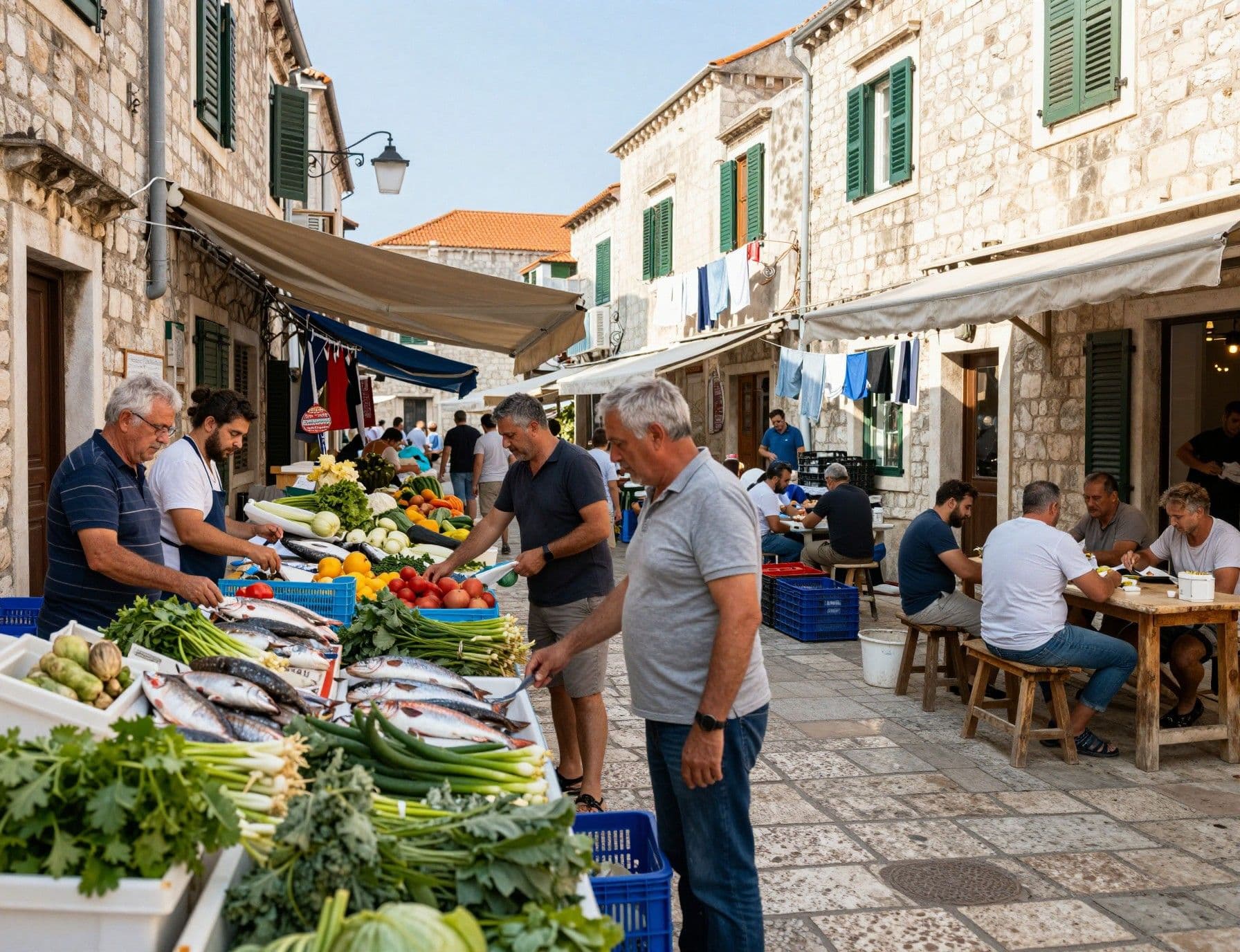
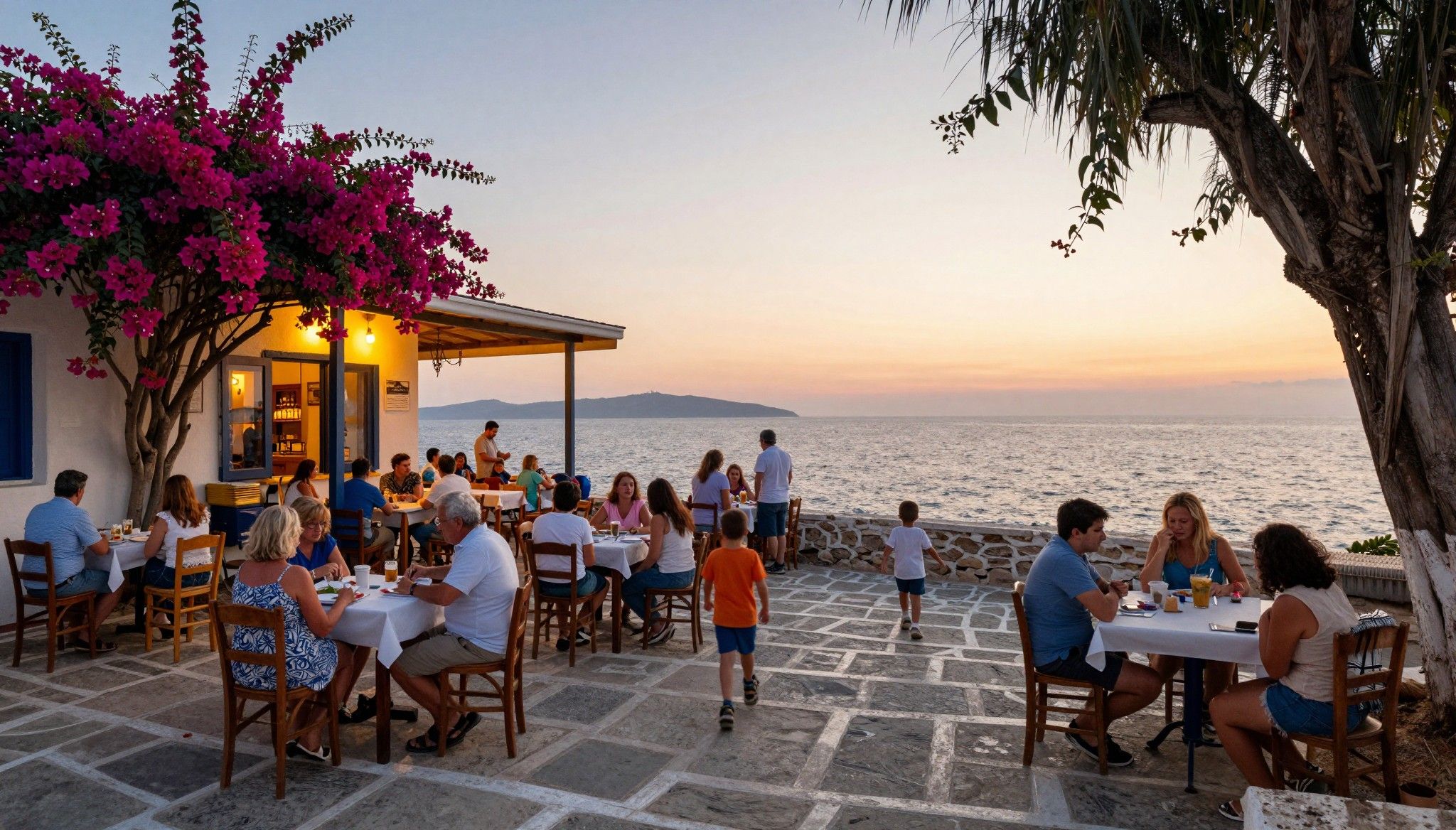
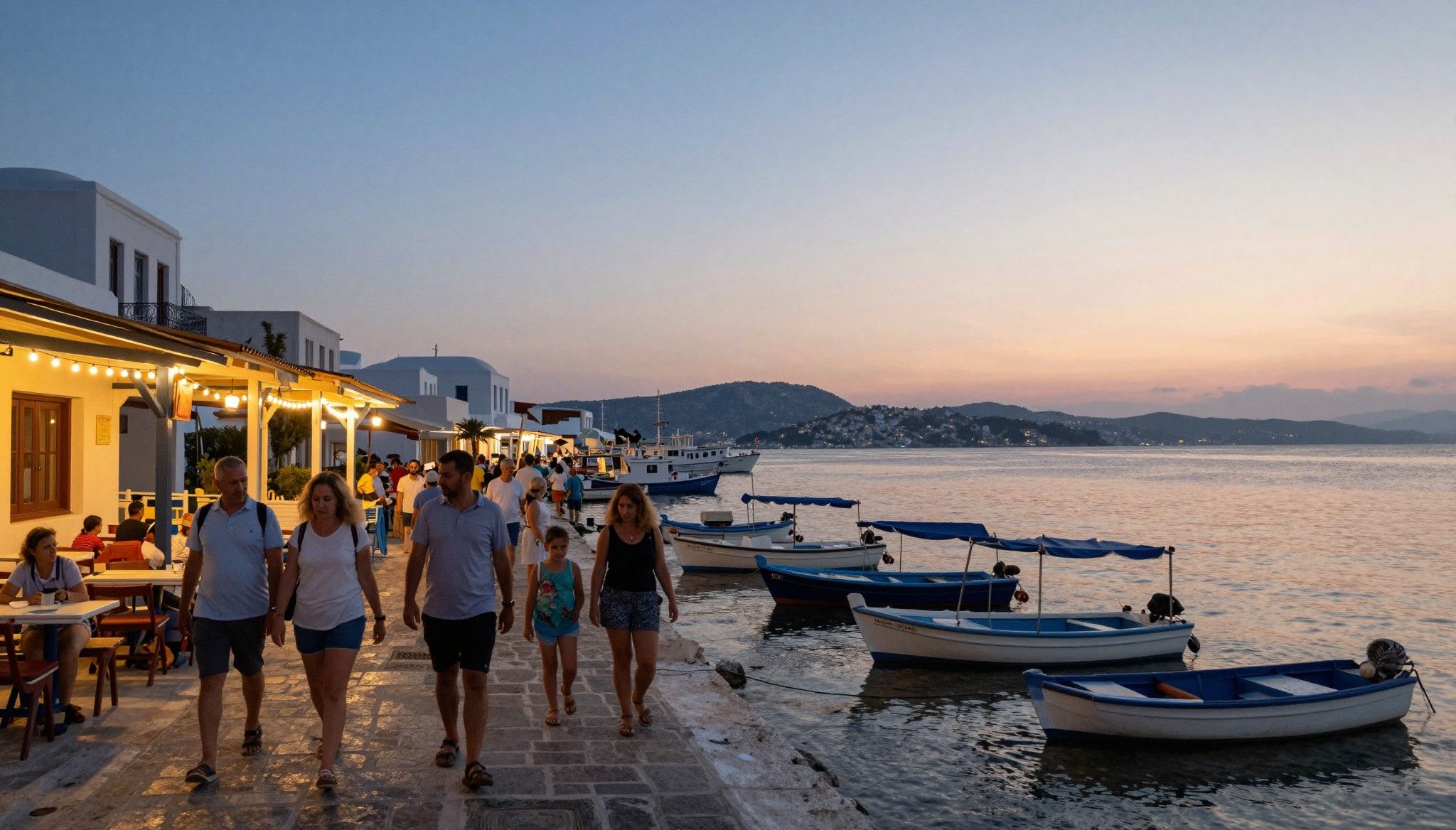
Croatia’s rhythm is small-city slow with slice-of-life intensity: morning markets, late coastal dinners, and islands that hum in summer and quiet down in winter. Living here means weekend ferries to Hvar, espresso at Kava Tava in Zagreb’s Maksimir, olive oil tastings in Istria or cycling rural roads in Dalmatia. The lifestyle is sensory — salt air, stone streets that retain heat, and neighbourhood cafés where people actually know your name — and those daily textures guide where you’ll want to buy.
Zagreb, Dalmatian coast and Istria — different lives, different prices
Zagreb feels urban: apartments close to parks and cultural venues, steady year-round demand and a deeper local market. The Dalmatian coast (Split, Dubrovnik, Makarska) delivers seaside living and strong seasonal rental demand, which lifts asking prices in tourist hotspots. Istria mixes hilltop villages, truffle-rich hinterlands and towns like Rovinj where long-term buyers value quality of life over headline returns. Those differences explain why a national HPI rise doesn’t translate to uniform price pressure everywhere.
Food, markets and a day-in-life that matters to buyers
A morning at Dolac Market in Zagreb or a Saturday fish-buy on Split’s Riva isn’t trivia — it’s where you’ll judge walkability, neighbour types and whether a kitchen layout you’ll actually use exists. Buyers who visit markets and cafés gain practical insight: is the area lively year-round or only in July? That matters for rental returns, renovation schedules and whether a place suits full-time living or seasonal use.
- Lifestyle highlights: Dolac Market (Zagreb), Marjan Park (Split), Rovinj old town, Ston oyster farms, Brac beaches and local konoba dining.
Making the move: practical considerations that preserve lifestyle value
National data tells one story: Croatia’s house price index has risen significantly in recent years, particularly in coastal areas and Zagreb. But those national averages mask island micro-markets, inland towns and streets within cities where prices are lagging. Use macro indicators to set expectations, then triangulate with street-level listings and local agents to find true bargains.
Property types and how they fit daily life
Stone townhouses near the shore give instant character and rental appeal but often need structural work. Modern apartments in new-build blocks offer easier maintenance and year-round comfort, especially for remote work. Agricultural plots and renovated villas in Istria or inland Dalmatia are for buyers seeking land and privacy. Match type to routine: if you want daily markets, choose an urban flat; if quiet terraces and olives matter, seek a village house.
How local experts protect lifestyle value
- 1. Verify energy certificates and coastal setback rules with a local solicitor to avoid surprises. 2. Use an agent who knows which streets in Split or Dubrovnik lose charm off-season — they can identify year-round micro-demand. 3. Ask for historical transaction data for the exact building (not only area averages) to see real price movement. 4. Combine local rental yields with occupancy seasonality before assuming coastal returns will be high. 5. Factor renovation seasons: many builders slow after October, meaning longer timelines and higher winter costs.
Insider knowledge: what expats wish they’d known
Expat buyers often underestimate seasonality and overpay for clear sea-views without checking occupancy. Reports from local consultancies show demand for quality outstrips supply, meaning a cheap-looking plot may have hidden planning constraints. Talk to long-term residents and agents who place buyers — they’ll tell you which streets are truly lived-in and which are purely holiday-facing façades.
Cultural and social reality checks
Croatians value ownership and local ties. Expect paperwork to be formal and for neighbours to ask about your plans. Language matters in negotiations; an agent who speaks Croatian and your language prevents misunderstandings. Also be aware of credit and lending trends: local regulators and banks are attentive to rising household lending, which influences mortgage availability and buyer leverage.
Long-term lifestyle and market signals
Look for three enduring signals: steady year-round footfall (not just July crowds), a mix of local amenities (markets, schools, healthcare) and evidence of infrastructural investment (ports, roads, fibre). Where those converge, lifestyle demand will sustain price resilience — and that’s where your terrace will still feel worth it five years from now.
Conclusion: Croatia is not a single market. National indices (Croatian Bureau of Statistics, Eurostat) show above-average growth, but the coast contains pockets where lifestyle value can be bought without paying headline prices. Do the fieldwork: taste the coffee at different times, ask about winter footfall, check transaction histories for the building you love, and work with an agent who knows the streets, not just the coast. That combination preserves the life you came for and protects your investment.
Dutch relocation advisor who moved to Marbella in 2016. Guides Dutch buyers through visa paths, relocation logistics, and balance of lifestyle with value.