When Summer Misleads: Greece’s Cities vs Seasonal Hype
Cities over postcards: how Athens, Thessaloniki and other Greek urban hubs offer year‑round lifestyle value — and when seasonality misleads buyers.
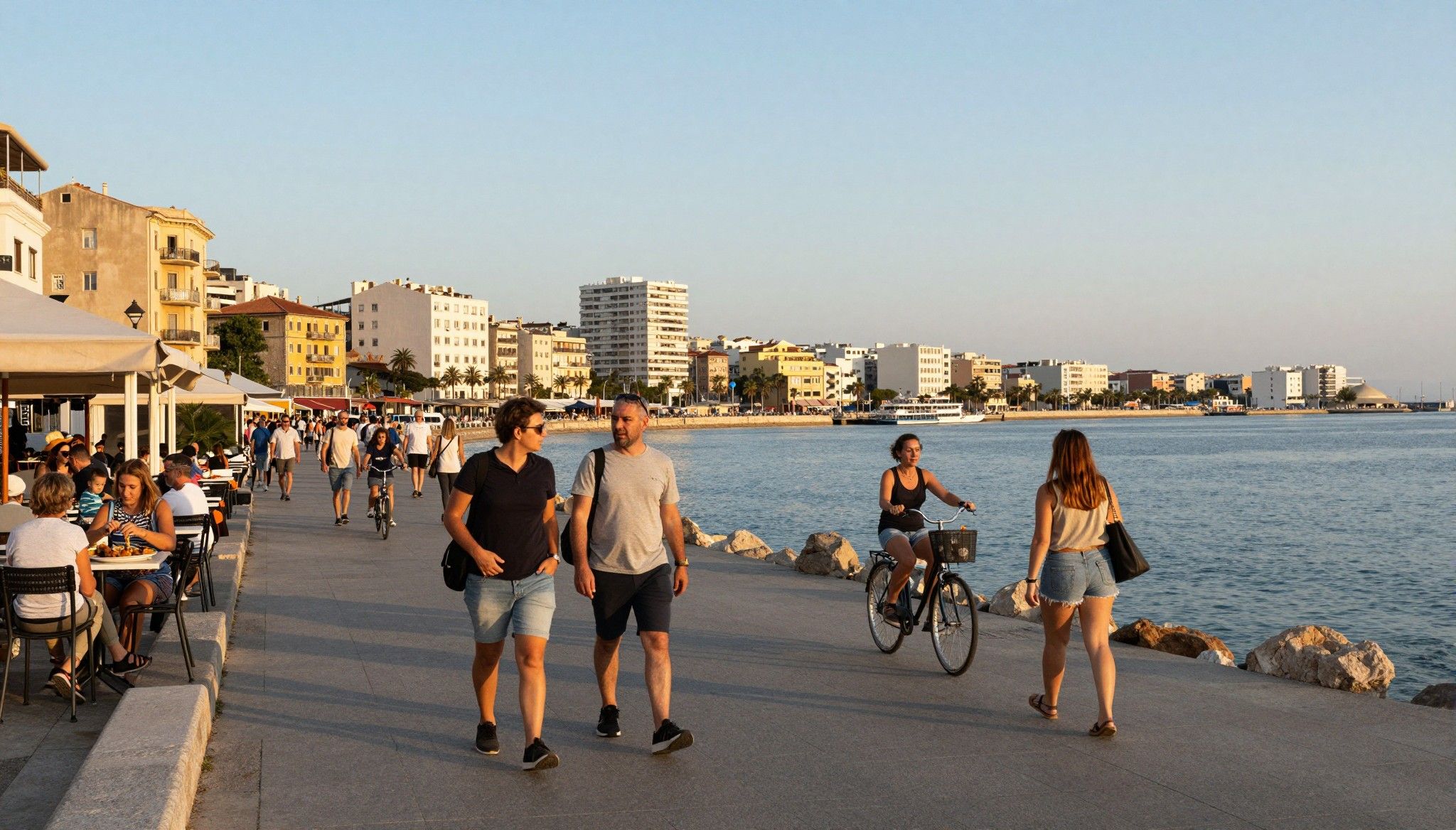
Imagine starting your day with a short walk to a neighbourhood kafeneio in Athens, then catching an evening ferry to a Cycladic island for dinner. That split-personality life — city rhythm by week, island light at the weekend — is what draws people to Greece. But beneath the romance are real, measurable market patterns that shape what you should buy, where, and when. We begin with the lived experience, and then show the data that makes decisions clear.
Living the Greek urban life
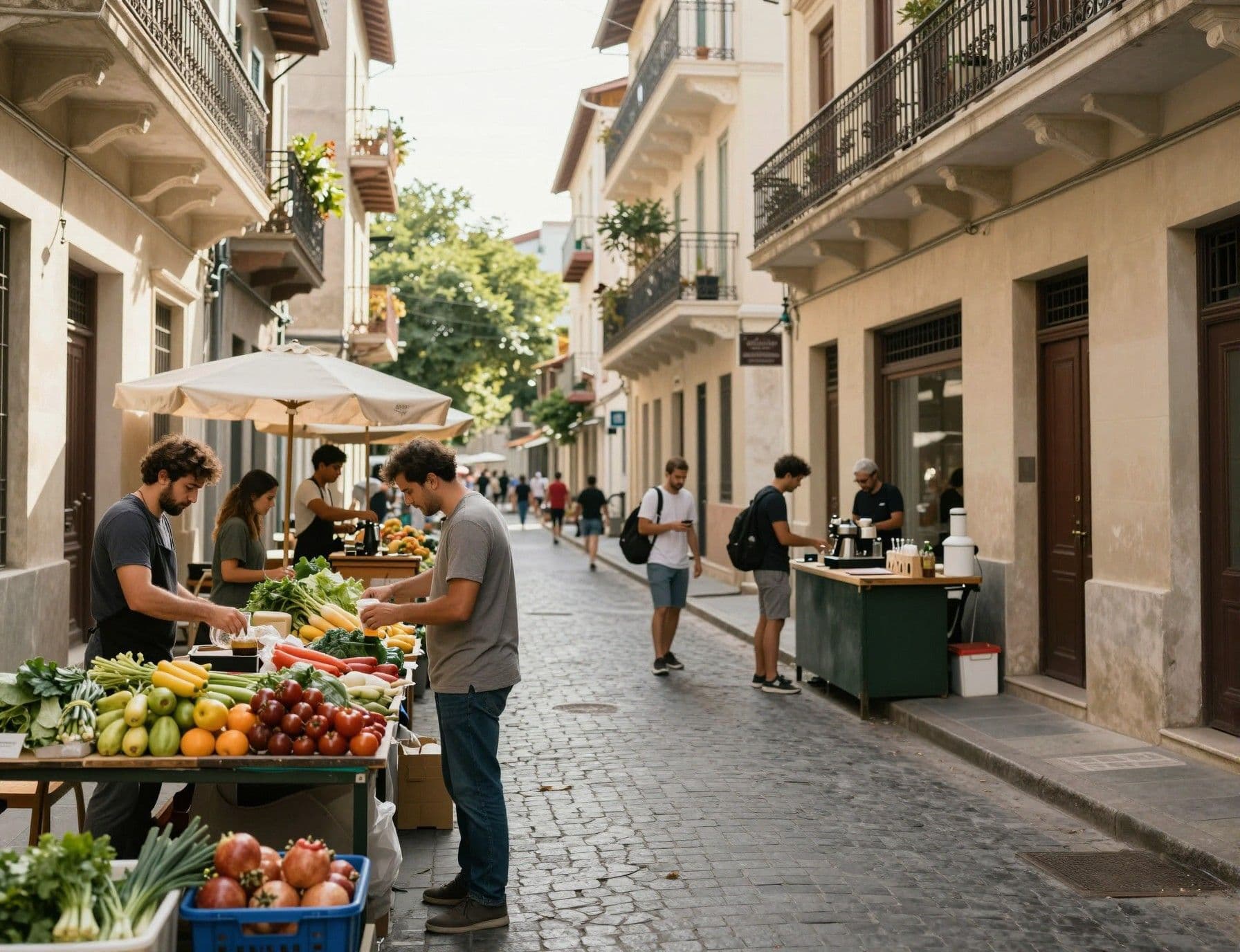
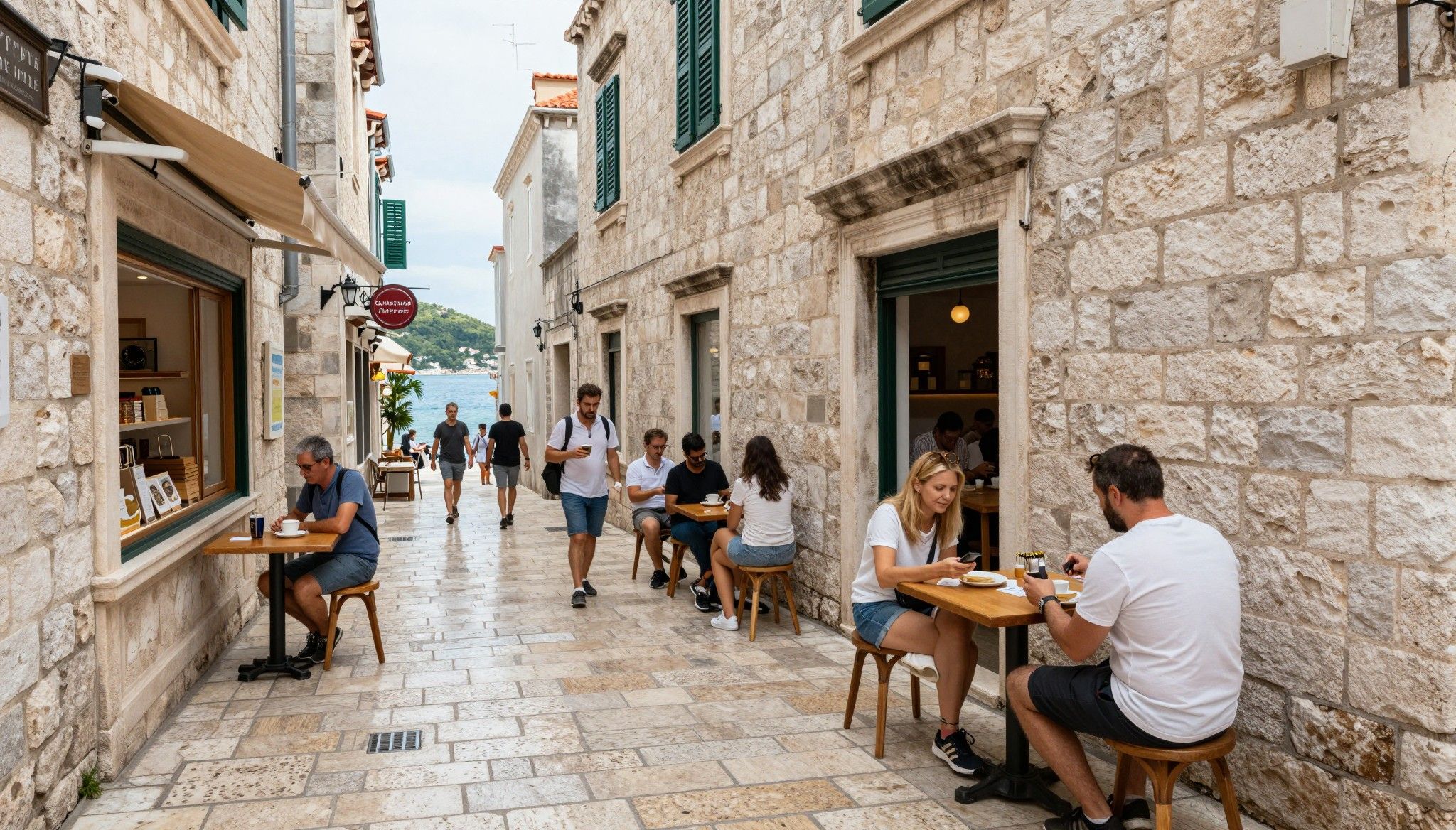
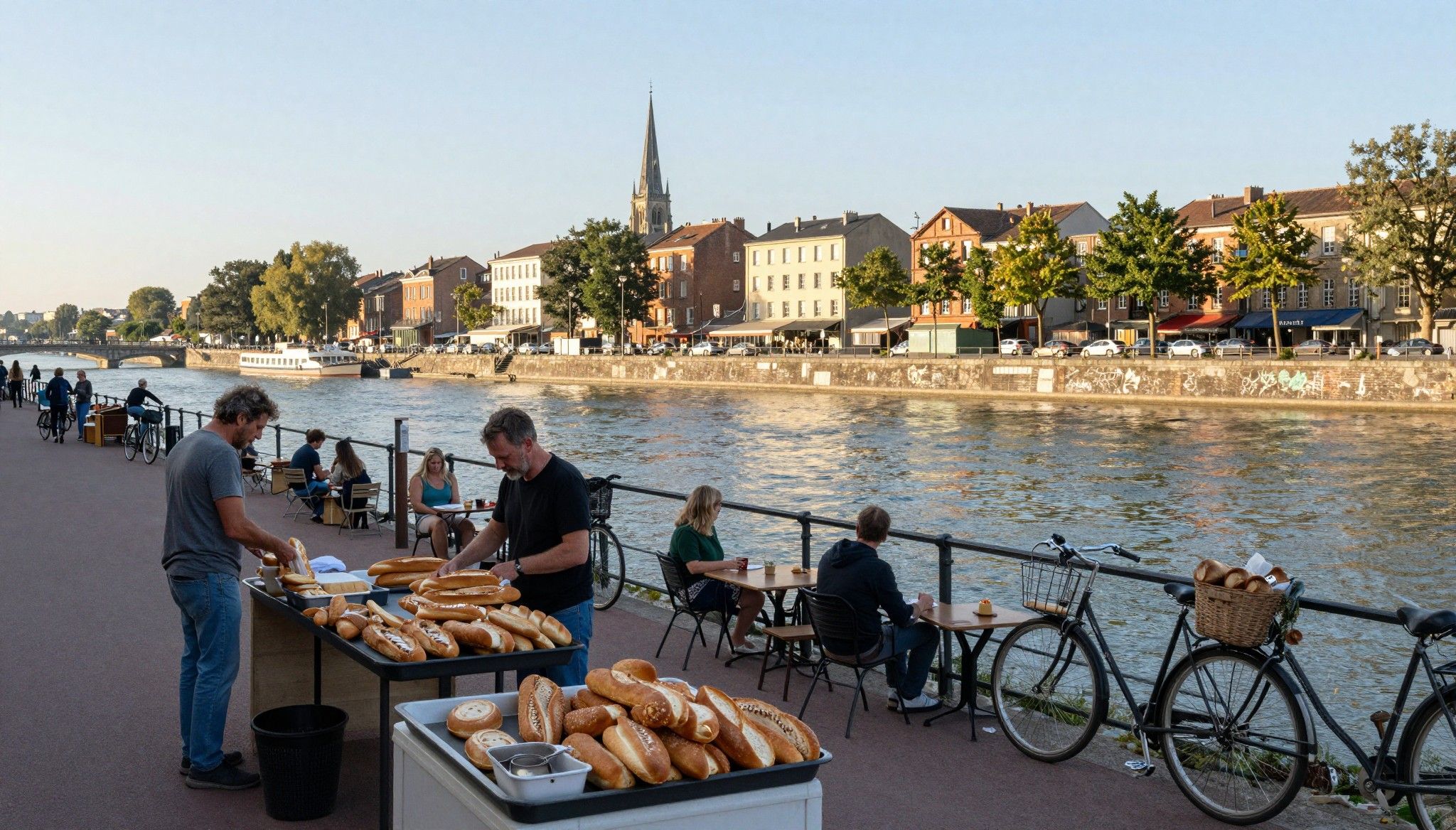
Greece’s urban hubs — Athens, Thessaloniki and a scatter of regional capitals — are not interchangeable. Athens hums with layered history, coffee culture and a growing tech scene; Thessaloniki mixes student energy, food markets and a re-awakening waterfront; smaller cities like Patras and Heraklion offer slower urban life with strong island links. Each city has distinct daily rhythms: morning espressos at tiny counters, late dinners that stretch into balmy nights, and neighbourhood squares that feel like living rooms. If you picture your life here, make the neighbourhood the protagonist — not just the city name on a map.
Athens: morning markets, afternoon galleries, evening terraces
In Athens the neighbourhood is everything. Walk from Koukaki to Makrygianni and you cross food stalls, neoclassical façades and galleries within a few streets. Koumoundourou and Mets are quieter, while Psiri and Exarchia offer late-night scenes and creative energy. For buyers who want daytime calm and an easy walk to museums and cafes, look south of the Acropolis; for short-term rental upside, central areas remain highly visible to tourists. The lived reality is tangible: you’ll want a kitchen that fits market produce and a balcony that catches evening light.
Thessaloniki and the rebound neighbourhoods
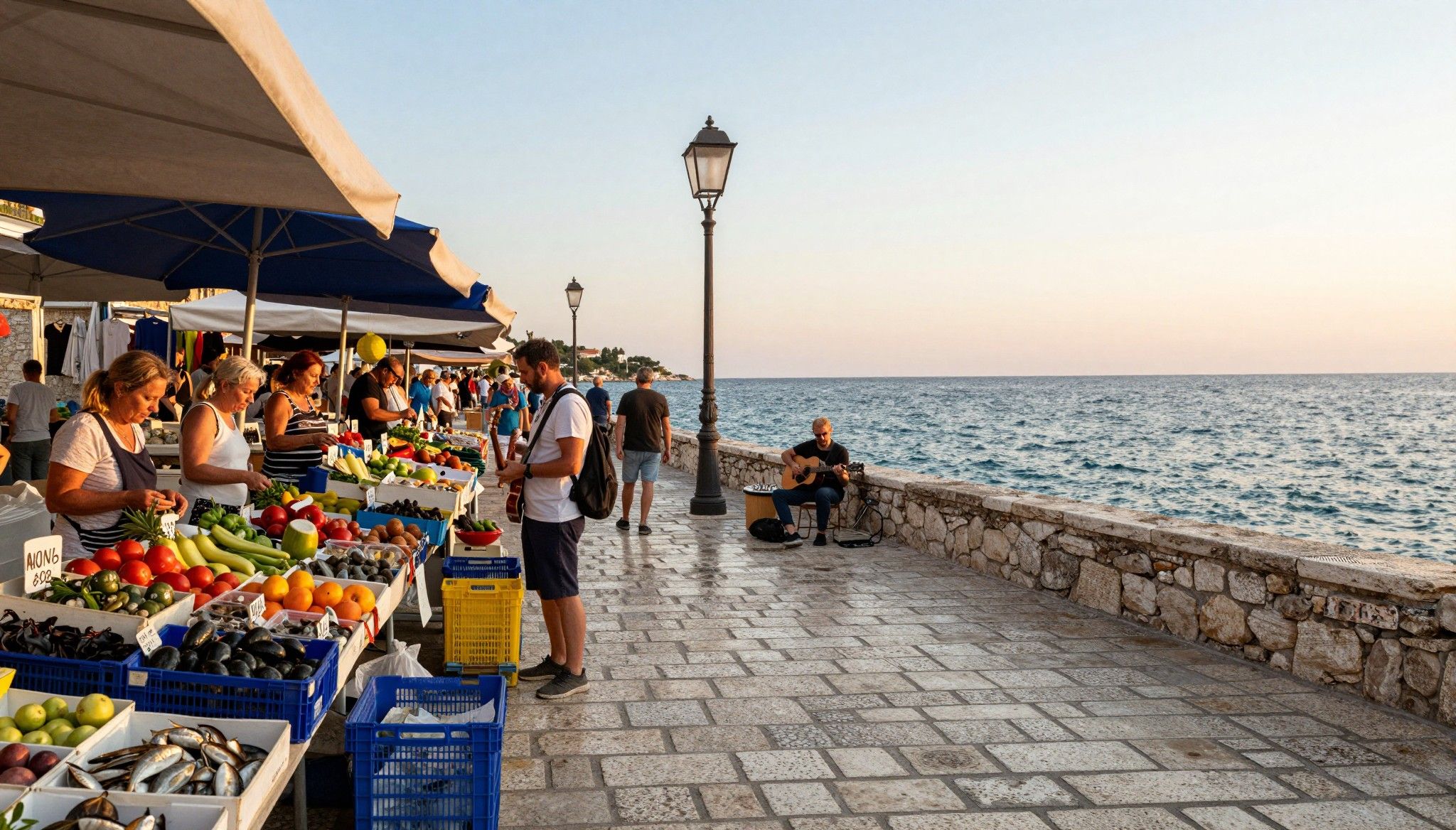
Thessaloniki feels like a city waking up. Areas such as Ladadika and Ano Poli combine food culture and access to the seafront, while Neapoli and Sykies are quietly gentrifying. Local projects — renovated markets and new cultural hubs — are pulling demand inward, and that has translated into faster-than-average price growth in recent years. If you want neighbourhood character plus future upside, prioritize streets near the new metro corridors and the restored market halls.
- Neighbourhood highlights: Strollable mornings, strong local markets, clear evening life
- Athens: Koukaki — terraces with Acropolis views; Psyri — nightlife and short‑term rental demand
- Thessaloniki: Ladadika — waterfront dining; Neapoli — student-driven energy and renovation potential
Making the move: practical considerations that match lifestyle

People often fall for Greek summers and buy at the top of seasonal impressions. The tactical truth: city markets are driven by year‑round demand, not just August postcards. Bank of Greece data shows steady price growth across urban areas, and that growth differs between Athens and Thessaloniki. When you marry lifestyle to data, you make smarter trade-offs: choose a neighbourhood that supports your daily routine and a property type that tolerates seasonal swings if you plan to rent.
Property styles & what they mean for life
In Greek cities you’ll encounter old stone flats with high ceilings, modern concrete builds, and a growing number of boutique renovations. A classic Athenian apartment gives you thick walls and cross-ventilation — useful in summer — while a newer build might offer insulation and elevators that matter for long-term comfort. Think about lifestyle: if you want daily market runs and rooftop evenings, a compact apartment in Koukaki or Ano Poli beats an oversized home on the city's edge. For rental potential, central locations with outdoor space disproportionately outperform.
Working with local experts who know the rhythm
A Greek agent who knows neighborhood life is worth their weight in time saved. They’ll tell you where morning markets close early and where neighbours still gather in the square. Agencies also help with local contractors, permits for renovations, and realistic rental forecasts based on seasonal demand. Work with firms that can show recent comparable sales and on‑the‑ground references — not glossy portfolios.
- Six practical steps that combine lifestyle and data
- 1. Walk the neighbourhood at breakfast and after 10pm to check both daily life and nightlife; 2. Ask agents for recent sales within 200m of your shortlisted street; 3. Compare Bank of Greece indices for city vs national trends; 4. Budget for renovation and energy upgrades (common in older buildings); 5. Model rental returns with seasonal scenarios; 6. Meet a local property manager before you buy.
Insider knowledge: what expats wish they'd known
Expats often tell the same stories: they underestimated maintenance in older blocks, overestimated rental yields from summer tourism, or didn’t check how noisy a neighbourhood could be after midnight. Short‑term rentals are prominent in many central areas, and academic research links that trend to rising rents and neighbourhood change. If community life matters to you, ask whether a street is becoming a short‑term hotspot — it changes both price dynamics and your everyday peace.
Cultural integration: language, pace and local norms
Greek hospitality is real, but so are unspoken local rhythms: shops close mid‑afternoon in many towns, and social life often runs late. Learning basic Greek opens doors — not just bureaucracy — and joining a local club or market routine accelerates belonging. Neighbourhood cafés and municipal cultural events are where most expats make friends; be present in them and you’ll understand how life truly works here.
Longer-term lifestyle and investment realities
Cities offer steadier, year‑round rental demand and easier access to services; islands give seasonal peaks but require active management. Recent central bank reporting shows urban price growth continues, though the pace varies by city. If you want capital preservation plus occasional rental income, target well-connected urban cores and streets with strong daily life. If you prioritise leisure and private time, accept seasonal vagaries and budget for higher management and maintenance costs.
- Red flags we repeatedly see: unclear title deeds in renovated older buildings, properties listed without energy certificates, unrealistic short‑term rental income projections, and agents unable to show recent local comparables.
Conclusion: Greece is a place you don’t simply visit — you live its rhythms. Match the neighbourhood to the life you want, use Bank of Greece and local market data to temper seasonal impressions, and work with agents who understand both daily life and the numbers. If your dream is city mornings and island evenings, build a buying plan that respects both lifestyle and yield. Ready to see streets that fit your rhythm? Talk to an on‑the‑ground expert who can show you the reality behind the postcards.
Norwegian market analyst who serves Nordic buyers with transparent pricing and risk assessment. Specializes in residency rules and tax implications.