Italy’s Coastal Price Myth: Everyday Value on the Sea
Italy’s coast hides pockets of everyday value — learn which neighbourhoods deliver the lifestyle buyers actually want, and the practical steps to secure them.
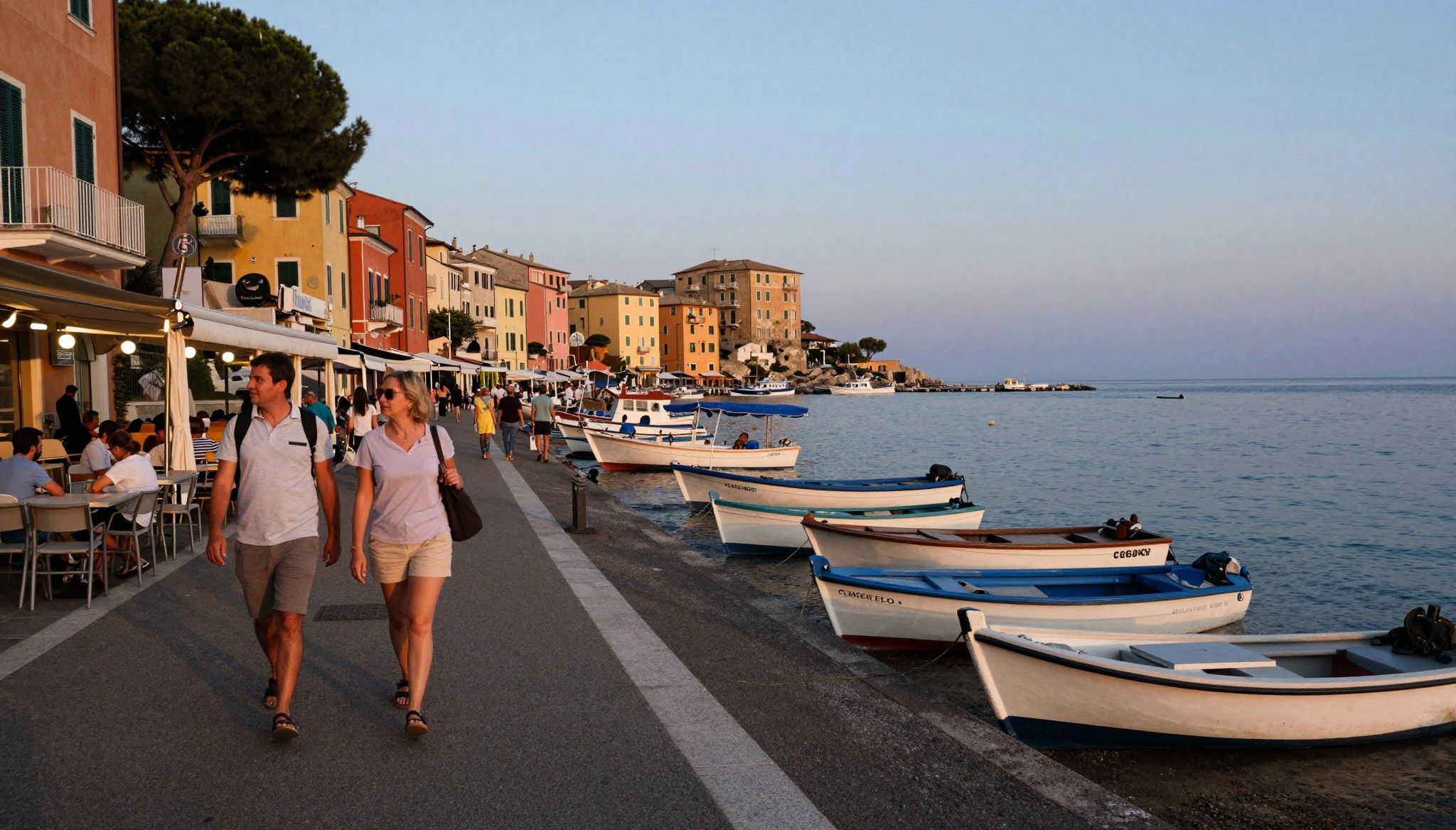
Imagine waking to the sound of waves on a Ligurian morning, then walking five minutes to a market stall selling focaccia still warm from the oven. Italy’s coast is cinematic in ways postcards don’t capture: narrow cobbled streets that open suddenly to sea views, simple trattorie that have served the same family recipes for generations, and a slow rhythm where afternoons belong to siesta and social life revives at dusk. For many international buyers, that rhythm — not the price tag — becomes the real reason to move here.
Living the Italian coast: a day you’ll recognise
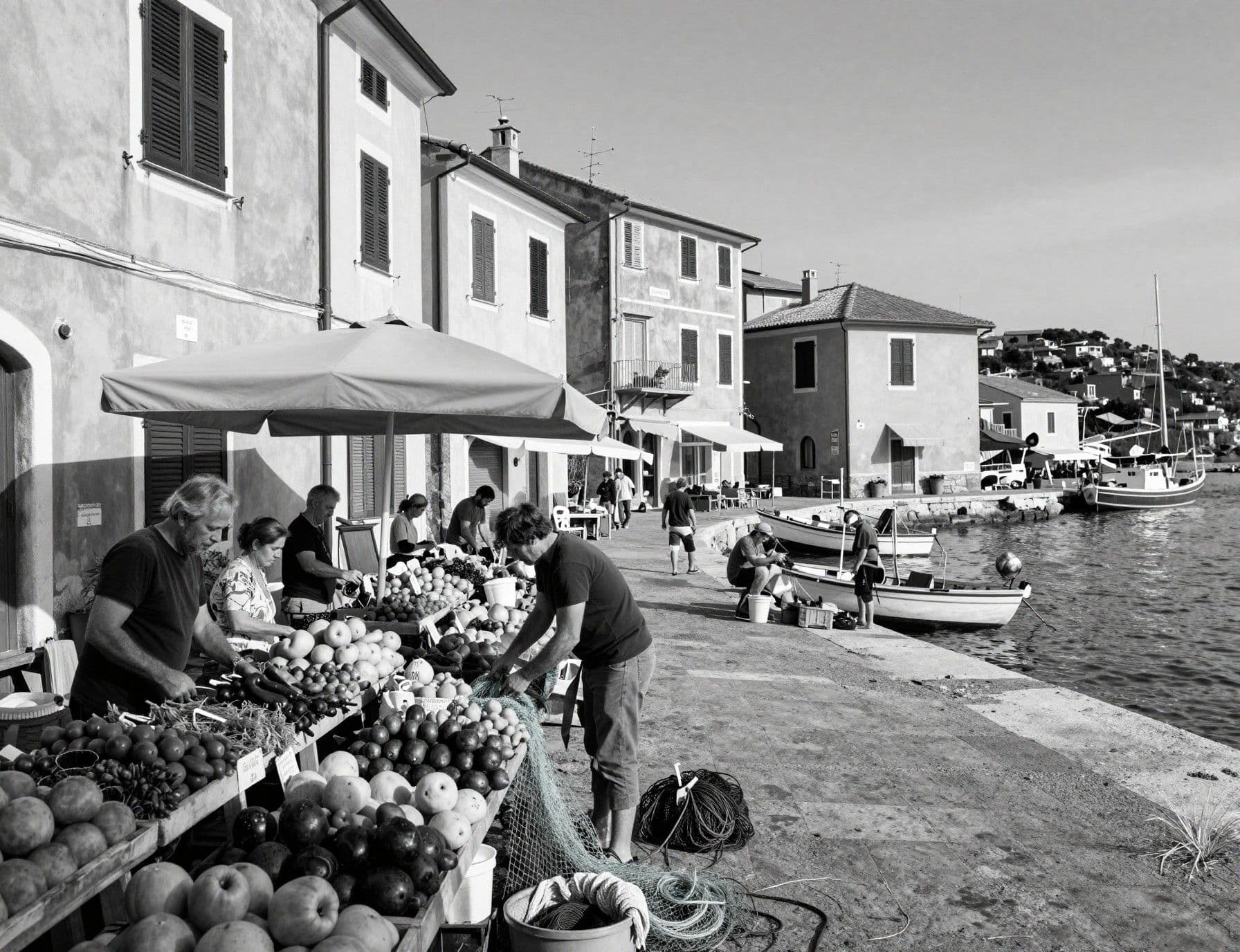
Start in the morning with an espresso at Bar Boccaccio in Santa Margherita Ligure, cross the small piazza where fishermen tie nets, then cycle the seafront to a pebble beach framed by pastel houses. Coastal life in Italy is rarely about luxury glitz; it’s about tactile, everyday pleasures: morning markets, aperitivo on a terrace, and neighbours who know your name. That familiarity is the lifestyle many buyers seek — and it changes what "value" means.
Neighbourhood snapshot: Liguria’s quieter coves
Places like Camogli, Sestri Levante and the lesser-known hamlets between Portofino and La Spezia have narrow lanes, modest apartment blocks above family shops, and community life that peaks in summer but feels lived-in all year. These are not resort promenades; they are working towns where you can buy a small sea-view flat and genuinely integrate.
Food, market life and the rituals that bind a neighbourhood
Buyers tell us the market stroll is non-negotiable: greengrocers in Amalfi selling lemons the size of fists, fishmongers in Trieste who fillet at dawn, and family-run osterias in Puglia where the proprietor insists you try a dish off-menu. These daily rituals shape where you want to live — and which apartment will support that life (balcony for herbs, small kitchen for fresh produce, shaded courtyard for evening gatherings).
- Lifestyle highlights to look for on the Italian coast: 1) Morning markets (Mercato locale) — freshest produce and social life 2) Waterfront passeggiata — daily walking and community 3) Small harbour cafés — morning coffee culture 4) Local bakeries (pane/cornetti) within five minutes 5) Public green space or pocket parks 6) A neighbourhood osteria run by a family
Making the move: where lifestyle meets the legal reality
The dream of coastal mornings meets a formal, deliberate buying process in Italy. Expect paperwork, a notary-centred transaction and regional quirks (cadastre values, 'prima casa' rules, and local planning restrictions). But none of this is a barrier — it’s a structure that protects buyers when handled properly by local experts.
Property styles and how they shape daily life
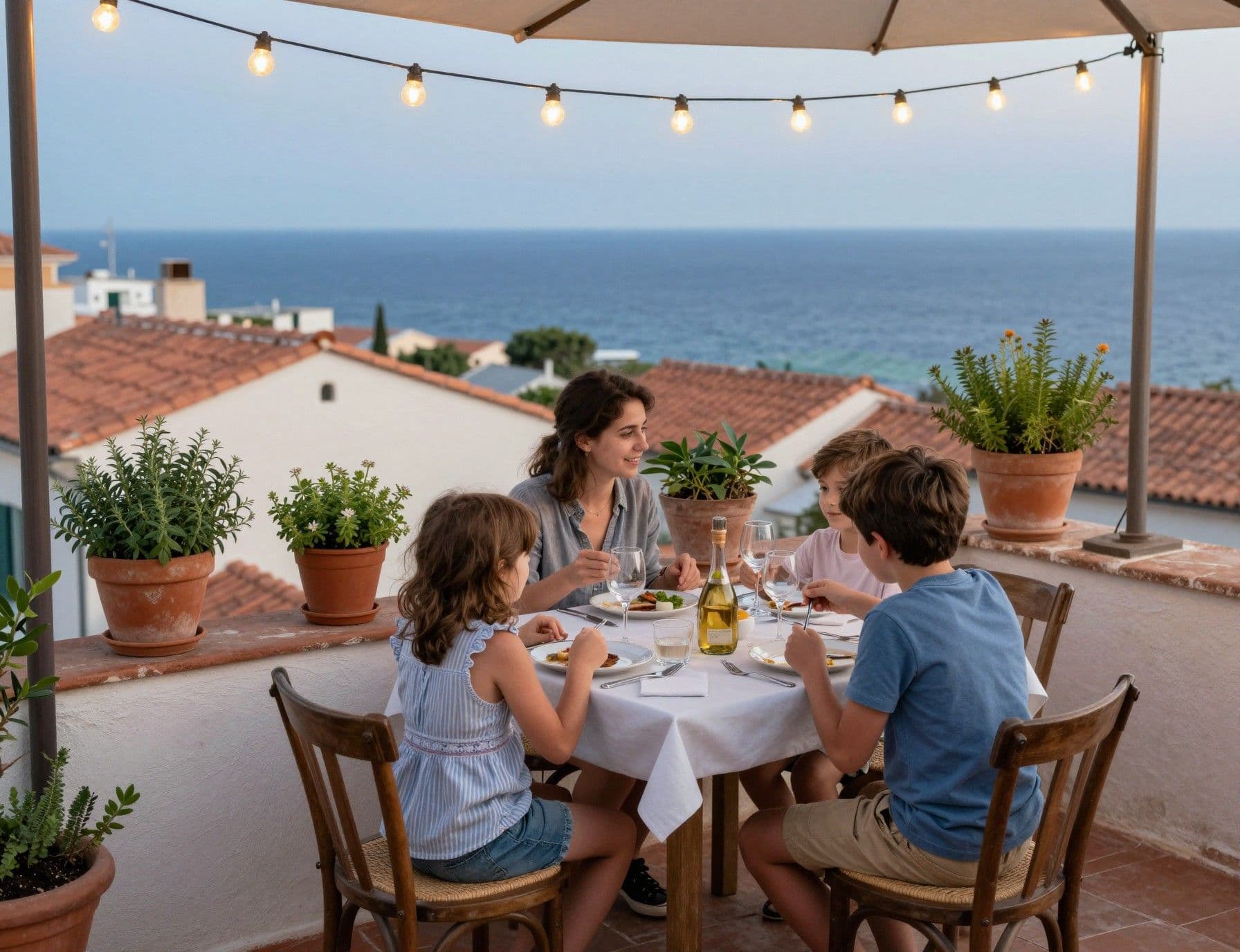
On Italy’s coast you’ll find: seafront apartments with small terraces, converted fishermen’s houses with vaulted interiors, mid‑century blocks with communal courtyards, and hillside villas with olive groves. Each type shapes routines — terraces for evening dinners, narrow stairs suited to downsizers, and thicker stone walls that keep interiors cool in summer. Choose a property type that matches how you want to live, not what looks good in a listing photo.
Working with local experts who know the life (not just the price)
- 1) Hire a buyer-focused agent who can show lived-in properties (not staged models). 2) Use an Italian notaio (notary) to confirm title and servitudes. 3) Get a local surveyor to flag moisture, salt-air corrosion, and insulation issues. 4) Budget for regional taxes and municipal fees; these vary by region. 5) Learn local seasonal patterns — many shops close in August and activity slows.
Insider knowledge: the things expats wish someone told them
Here’s real talk from buyers who live on Italy’s coast: prices are nuanced — ISTAT data shows regional variation rather than nationwide uniform rises, and prime coastal pockets behave differently from working harbours. Expect slower transaction timetables than some countries, but also protective checks that lower your long-term risk. In short: patient buyers find value where others see only "expensive coast."
Cultural integration, language and day-to-day living
You don’t need perfect Italian to live well here, but learning simple rituals — greetings, market bargaining, and café etiquette — transforms neighbourhood openness. Join a weekend cooking class, volunteer at local festivals, or frequent the same bar to make friends. Expat communities exist in hubs like Liguria, Amalfi, and Sardinia, but the fastest route to feeling at home is local routine: shop, greet, repeat.
Long-term lifestyle considerations buyers underestimate
- Practical lifestyle + long-term factors: 1) Salt-air maintenance — metalwork and shutters need regular care 2) Heating patterns — many coastal homes lack central heating; check winter comfort 3) Parking and access — historic centres often restrict car access 4) Rental seasonality — short-term lets can be lucrative but volatile 5) Local healthcare access — small towns may require travel for specialists
Conclusion: love the life, but check the file. Italy’s coast offers a life of markets, sea breezes and midday rituals that reshape personal priorities. The property process is formal and slower, but that structure protects you — when you work with the right local experts. If you want help pairing a specific neighbourhood to how you want to live, we can introduce agents who know both the paperwork and the best corner cafés.
Dutch relocation advisor who moved to Marbella in 2016. Guides Dutch buyers through visa paths, relocation logistics, and balance of lifestyle with value.