Fall for France — Match Lifestyle to Price Reality
Fall for France — but pair the café culture with Notaires‑INSEE data: where lifestyle meets measurable price trends and practical checks.
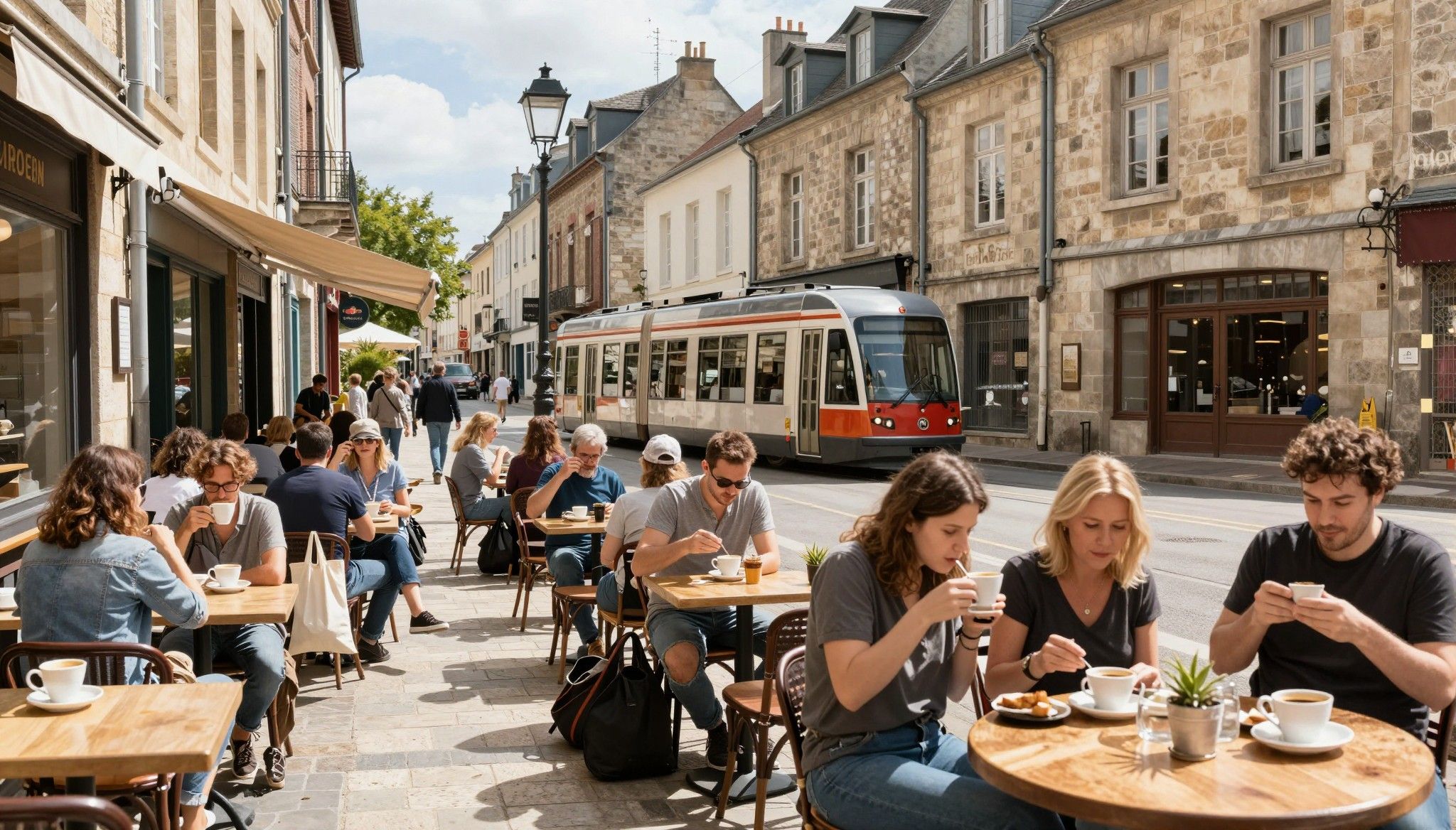
Imagine a Saturday in Lyon: a steaming café crème on rue Mercière, a produce market collapsing under purple artichokes and Piedmont hazelnuts, kids chasing pigeons at Place Bellecour. That sensory clarity — food, light, rhythm — is what draws people to France. But beneath those scenes are measurable patterns: where prices hold, where bargains appear, and when the lifestyle you crave will cost you more than you expect.
Living the France life: more than a postcard
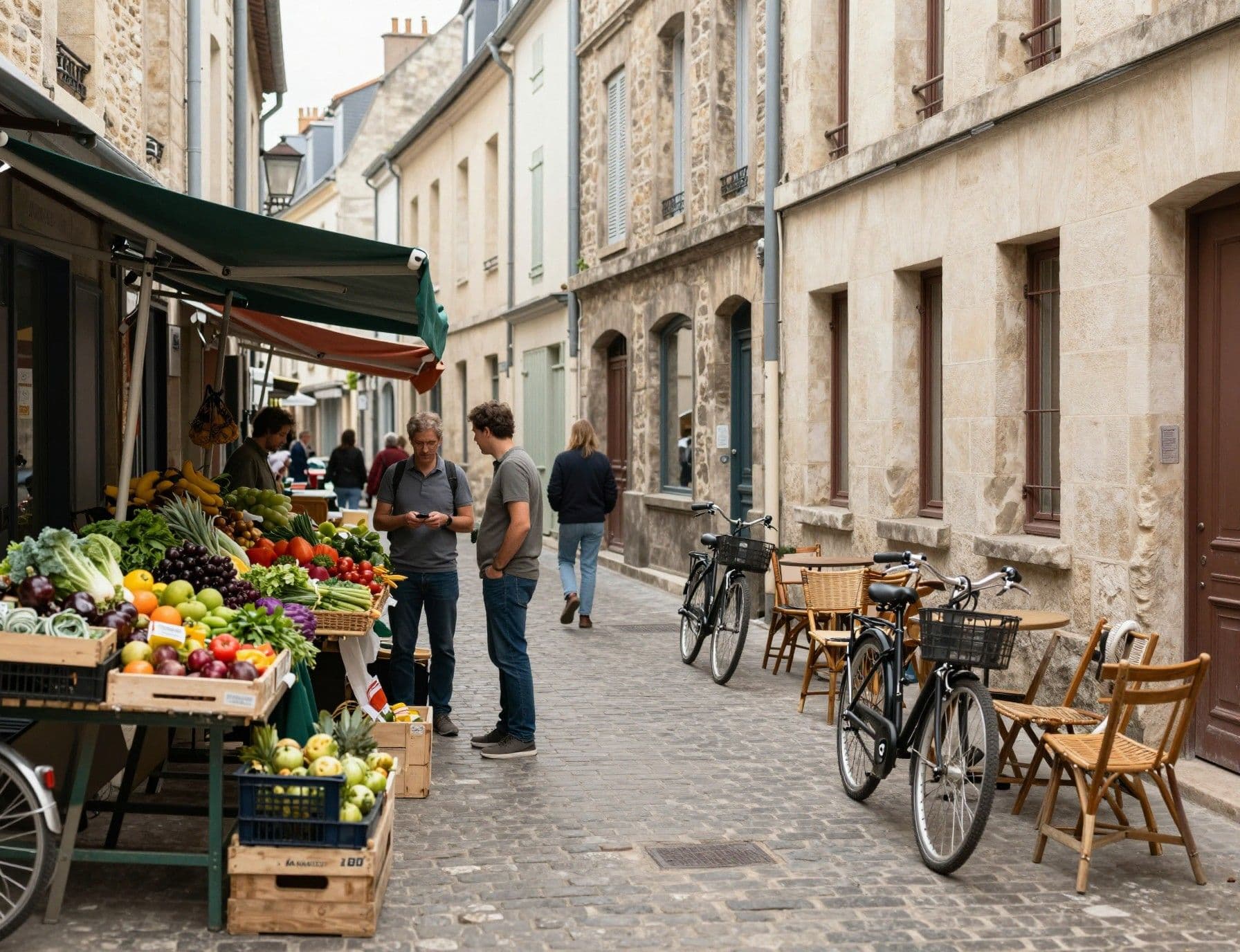
France is many kinds of days. Mornings in the Marais are about light and courtyards; afternoons on the Côte d’Azur are about shade and sea-salted hair; winters in Alsace feel like a different calendar entirely. For buyers, the emotional draw is obvious — but so are trade-offs. Urban apartments trade floor area for access to cafés and transport; country houses trade convenience for privacy and maintenance.
Neighbourhood spotlight: Paris (Le Marais, 11th, 18th)
Walk Le Marais and you pay for history: narrow streets, old façades, and cafés that never go out of style. Prices reflect that — Parisian apartments averaged around €9,600–9,700/m² in late 2025, with clear district gaps. But move to the 11th or edges of the 18th and you find more variety: smaller units, stronger rental demand, and buyers getting lifestyle without Paris’s top‑tier price tag. Use district price maps to compare real, street-level differences rather than broad city averages.
Coast and country: Nice, Biarritz, Dordogne
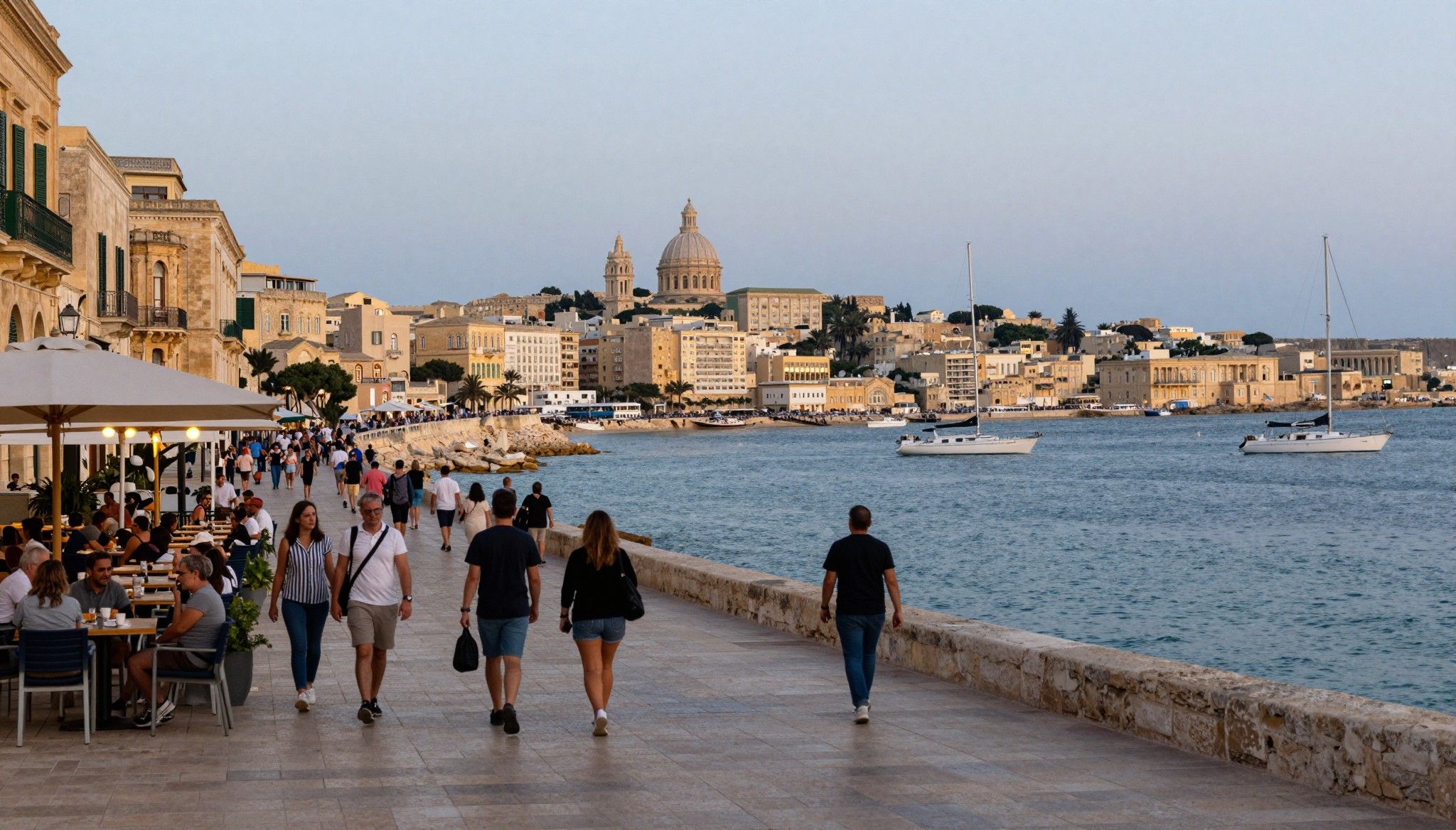
The Riviera sells a lifestyle — terraces, palms, a swim before work. That premium is visible: seaside towns keep a steady floor on prices thanks to seasonal rental and international demand. Inland, places like Dordogne or Lot offer old stone, bigger gardens, and lower €/m². For living quality, ask: do you want neighbours year-round, or a market that swells in July and empties in November? Your daily life and exit strategy depend on that answer.
Lifestyle highlights to map into a property search:
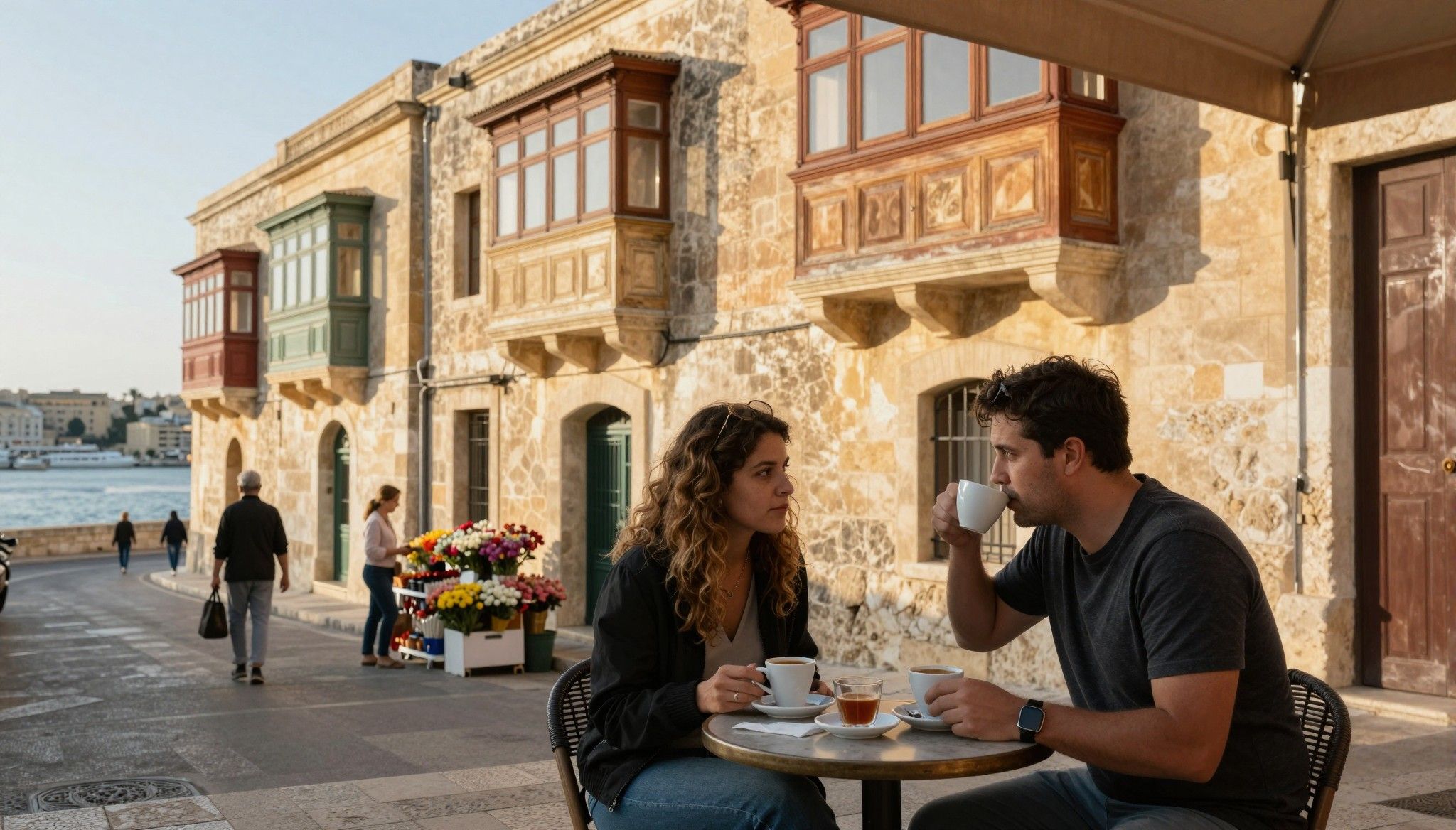
Morning coffee on rue Cler (Paris) — walkable streets beat size for daily joy.
Saturday markets at Cours Saleya (Nice) — great for social life and fresh food.
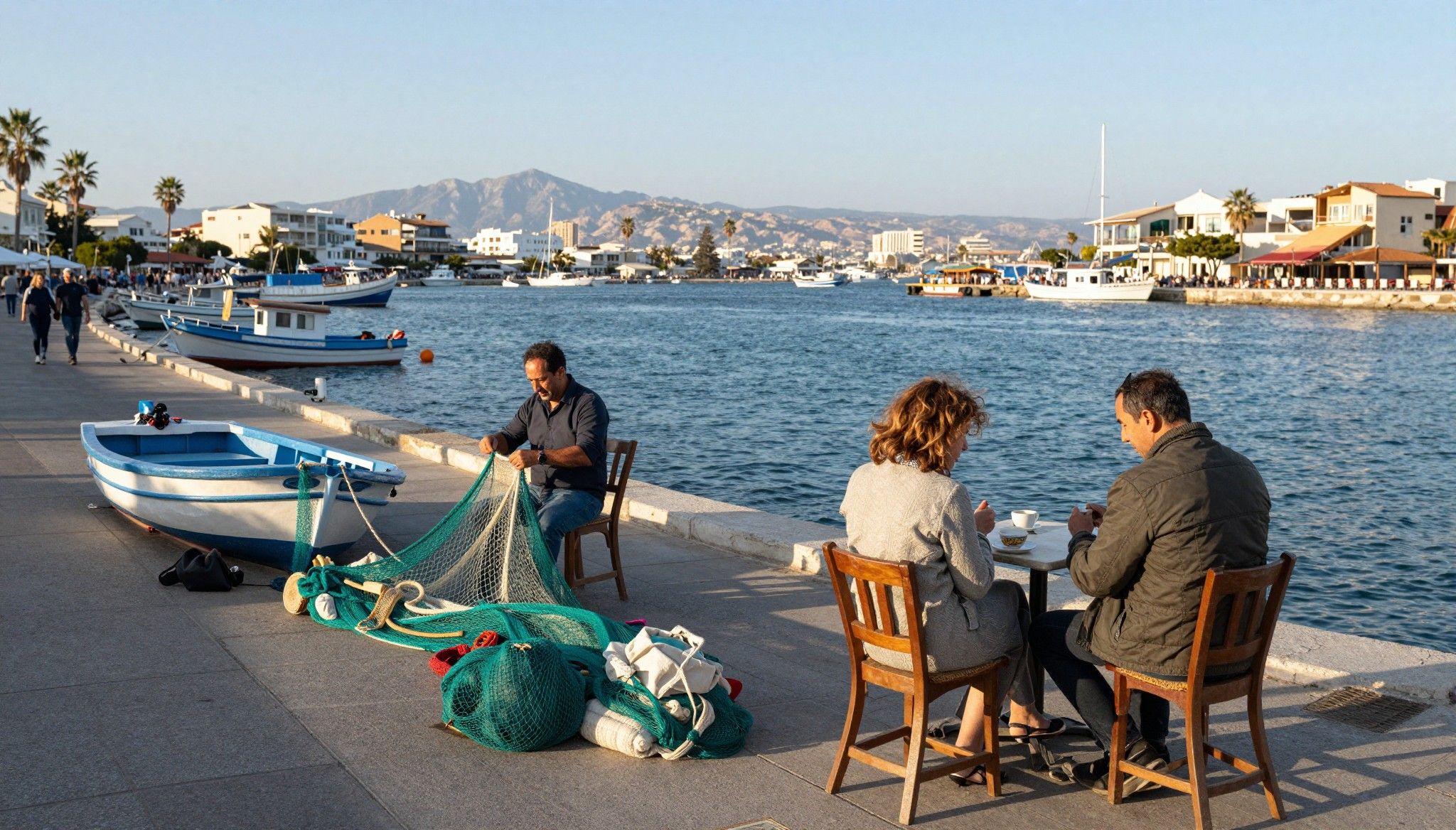
Small port towns like Sète or Saint‑Jean‑de‑Luz — lower coastal price points than the Côte d’Azur.
Making the move: practical realities that shape value

Romance meets data here. National indices show prices have been broadly stable to gently recovering since 2024, with regional variation. Credit conditions, transaction volumes and local supply determine whether a good property is an affordable lifestyle — or a costly mistake. We start with three numbers: price per m² locally, transaction volume (liquidity), and recent trend direction. Those tell you whether you’re buying into momentum, steadiness, or a market that may take years to move.
Property styles & how they shape life
Apartment in a Haussmannian building: great light, central address, tricky renovations and co‑ownership rules. Village farmhouse: land and tranquillity, higher upkeep and connection costs. New build on the outskirts: modern warranties and energy efficiency, but longer commutes. Match the structure to how you actually want to spend time. If café life matters, favour central apartments; if outdoor living matters, prioritise terraces, garden scope, and orientation.
Working with local experts who understand life, not just listings
An agent who knows the market matters — not to sell you a promise, but to map lifestyle to liquidity. Expect them to show recent comparable sales, local rental seasonality, and maintenance realities (syndic fees, renovation availability). Use them to translate a street-level feeling (“this quarter is lively”) into numbers you can compare across regions — yields, days-on-market, and typical renovation timelines.
Six practical checks to blend lifestyle and market sense:
Confirm the recent sold price band (last 12 months) for your street, not just the town — volatility hides at the street level.
Calculate seasonality: coastal towns can double rental income in summer; that’s great for yield but means empty months.
Ask for syndic accounts and upcoming travaux (major works) — a renovated façade can mean a large bill shared among owners.
Estimate true monthly cost: mortgage servicing, local taxe foncière/taxe d’habitation shifts, utilities, and routine maintenance.
Check transport time, not distance: a 20‑minute RER ride feels very different from a 20‑minute car trip during rush hour.
Confirm exit demand: is the property attractive to locals and tourists, or only to a niche buyer? Liquidity matters when you sell.
Insider knowledge: expat truths and market myths
Expat buyers often expect a single truth: Paris equals premium, provinces equal bargains. Reality is messier. Some provincial towns have seen stronger recent price resilience due to remote‑work buyers and improved rail links. Conversely, parts of the French coast have segmented markets where a village quay flat sells fast, but a nearby modern villa waits for buyers.
Cultural and seasonal realities
French life has rhythms: extended August holidays, lively autumn markets, calm winter town centres. These rhythms affect services (banking hours, renovation availability) and running costs (winter heating). If you plan to be present seasonally, pick a place with reliable local services year-round; if you intend to rent, align with holiday cycles to maximise returns.
What buyers regret — and how to avoid it
Regrets cluster around three mistakes: underestimating maintenance on older homes, ignoring co‑ownership charges, and overvaluing seasonal rental projections. We’ve seen buyers fall in love with a view but forget that access is a dirt track in winter, or that a listed building needs specialist materials. Ask for multi‑year syndic accounts, a recent diagnostic technique (DPE), and a practical renovation quote before committing.
Red flags to walk away from:
Absent or unclear titre de propriété chain
Large upcoming co‑ownership works without a clear funding plan
Promises of rental income with no recent occupancy history
Before you sign: ask your notaire for a pre‑contract review of the title and any servitudes, request the last three years of syndic meeting minutes, and get a local builder’s estimate for likely works. These steps turn romance into responsible buying.
Conclusion — fall in love, but check the file
France rewards buyers who balance feeling with figures. Use official indices (Notaires‑INSEE), local price maps, and on‑the‑ground advice to translate a neighbourhood’s charm into a clear purchase plan. If you want us to map lifestyle goals to market data for a specific town or street, we’ll show the numbers beside the cafés so you can see both the life and the logic.
Danish investment specialist who relocated to Costa del Sol in 2015. Focuses on data-driven market timing and long-term value for Danish buyers.