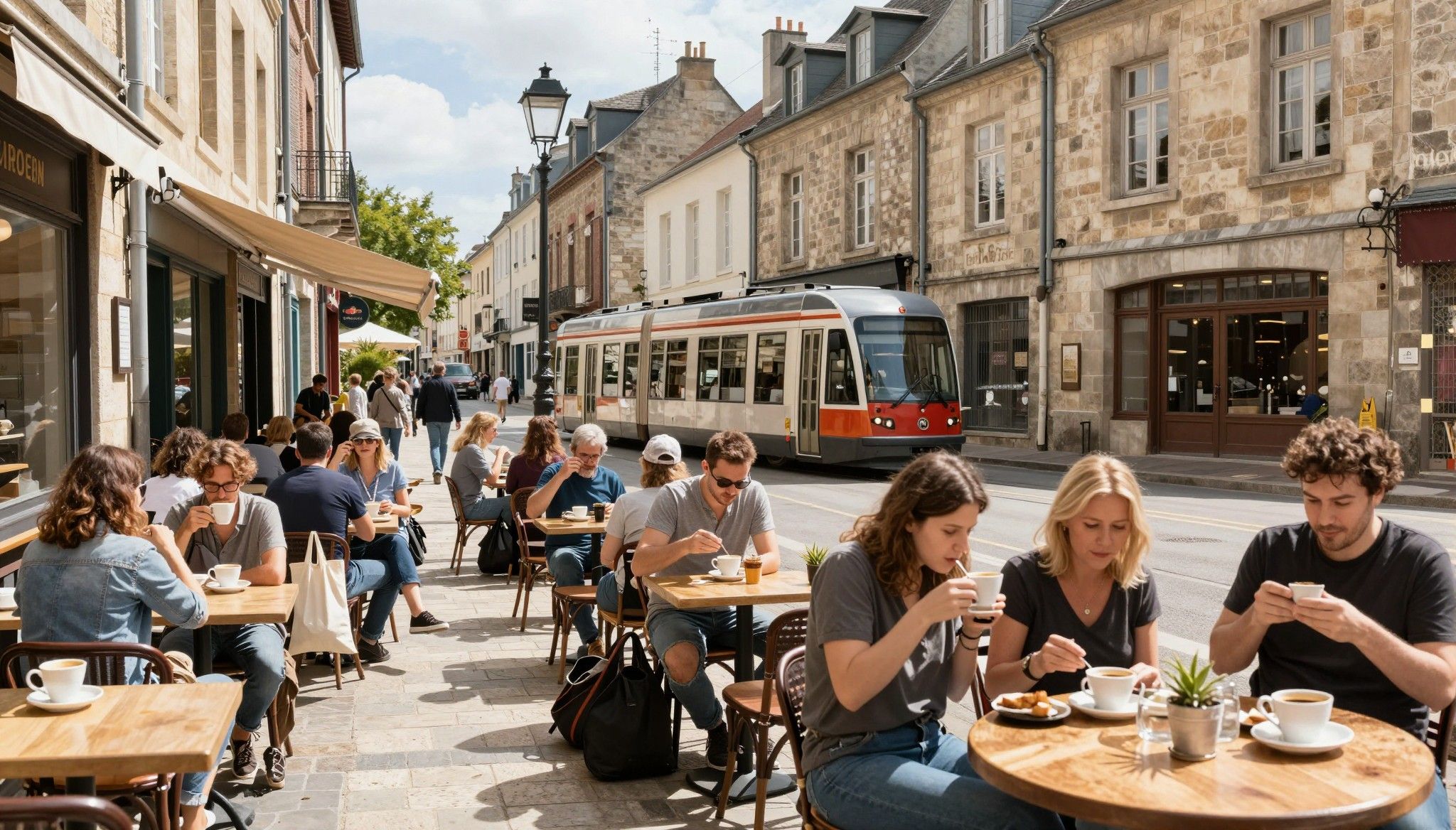
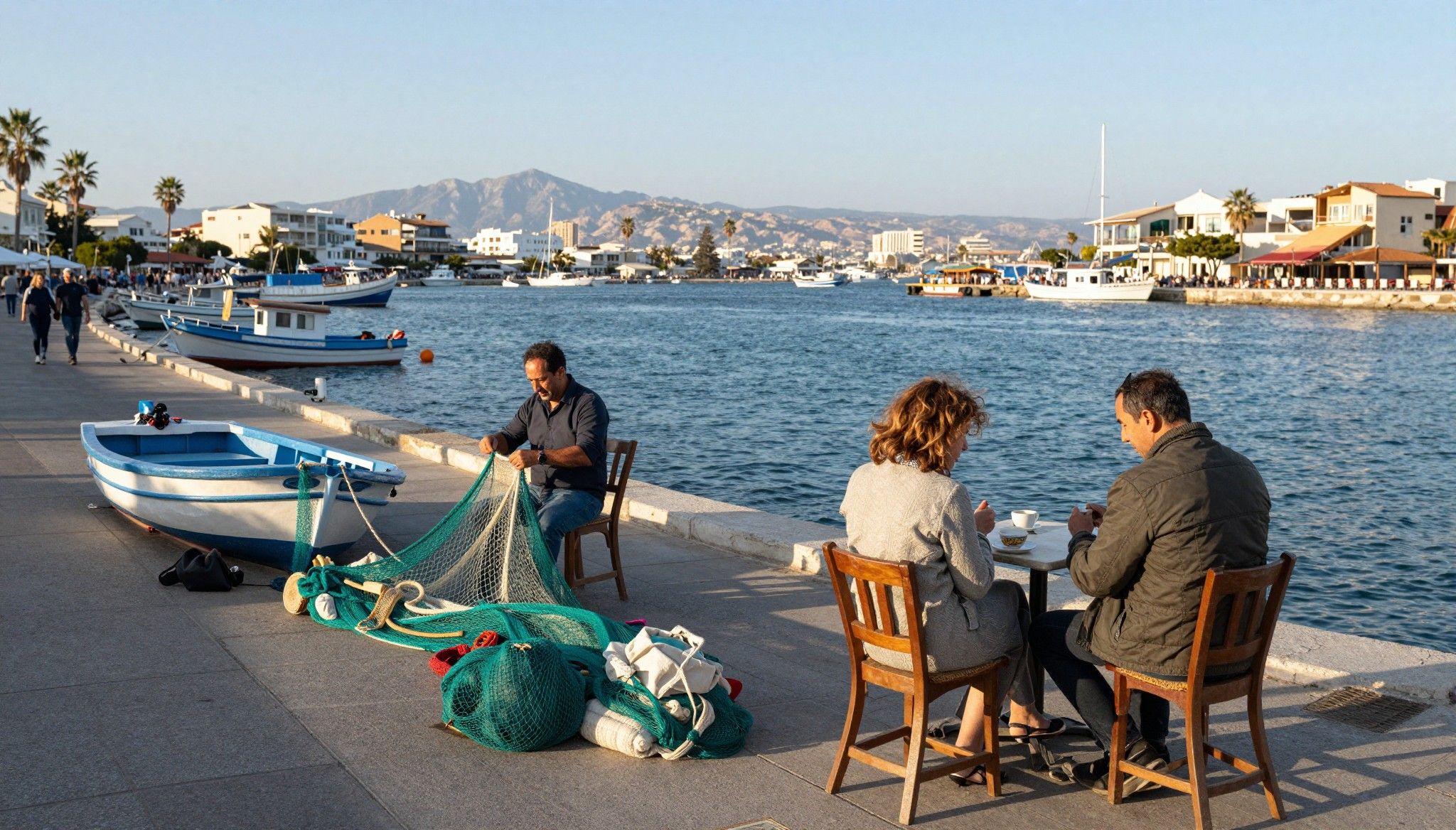
Malta: Where Life Scales Down—and Prices Don’t
Malta offers compact coastal living and strong demand — love the island first, then match neighbourhood trade‑offs to your property goals with local expertise.
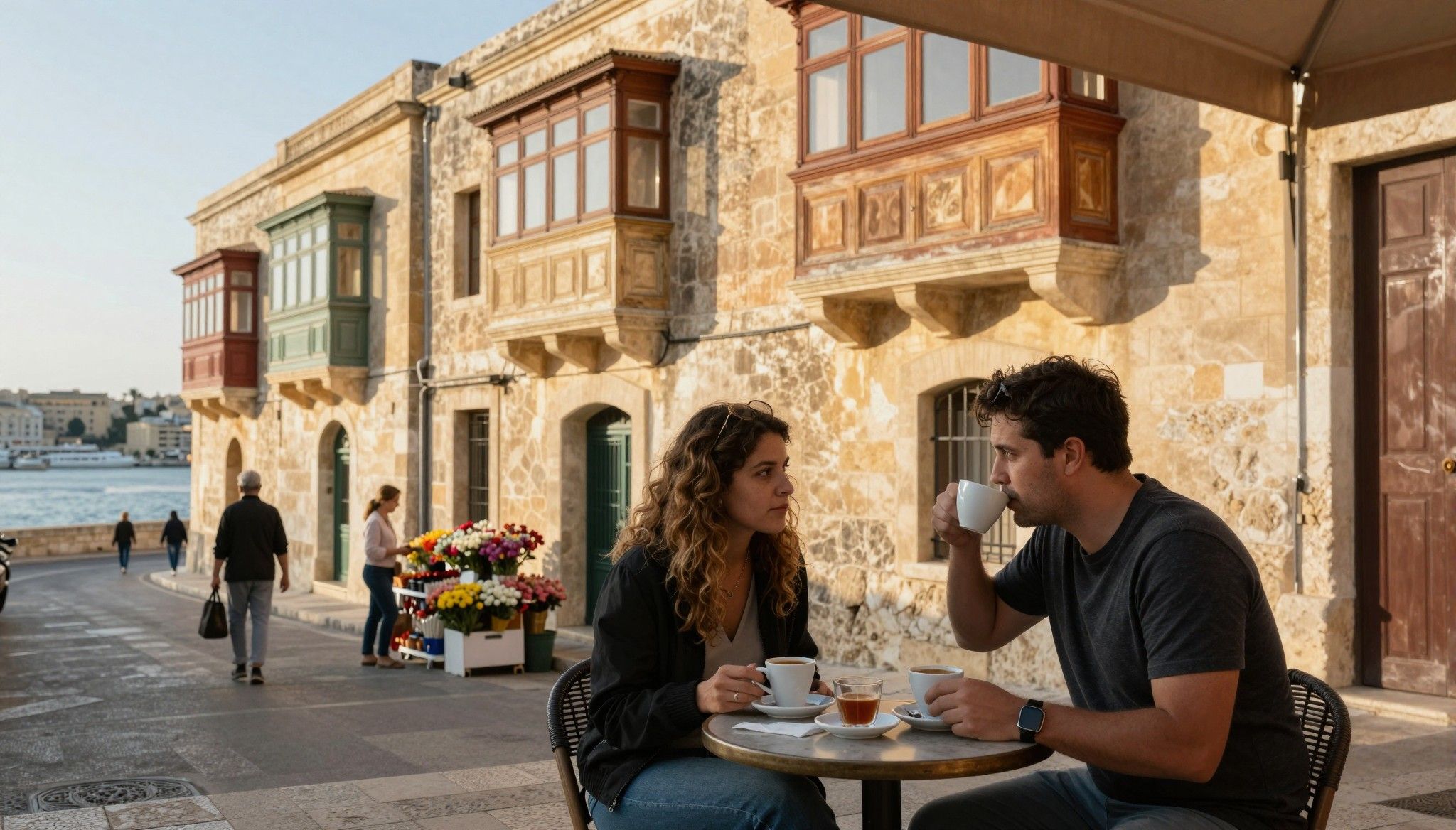
Imagine stepping out of a narrow limestone alley in Valletta at 9 a.m., the smell of freshly baked pastizzi mixing with the sea air, and a café table already claimed by neighbours who call each other by name. That scene—compact, noisy, convivial—is Malta. For many international buyers it’s the draw: the scale of everyday life, the English-friendly rhythm, and a coastline that folds cities into the sea. But loving Malta and buying in Malta are not the same thing. We’ll show you how the lifestyle maps to property choices, and where common assumptions quietly mislead buyers.
Living the Malta lifestyle
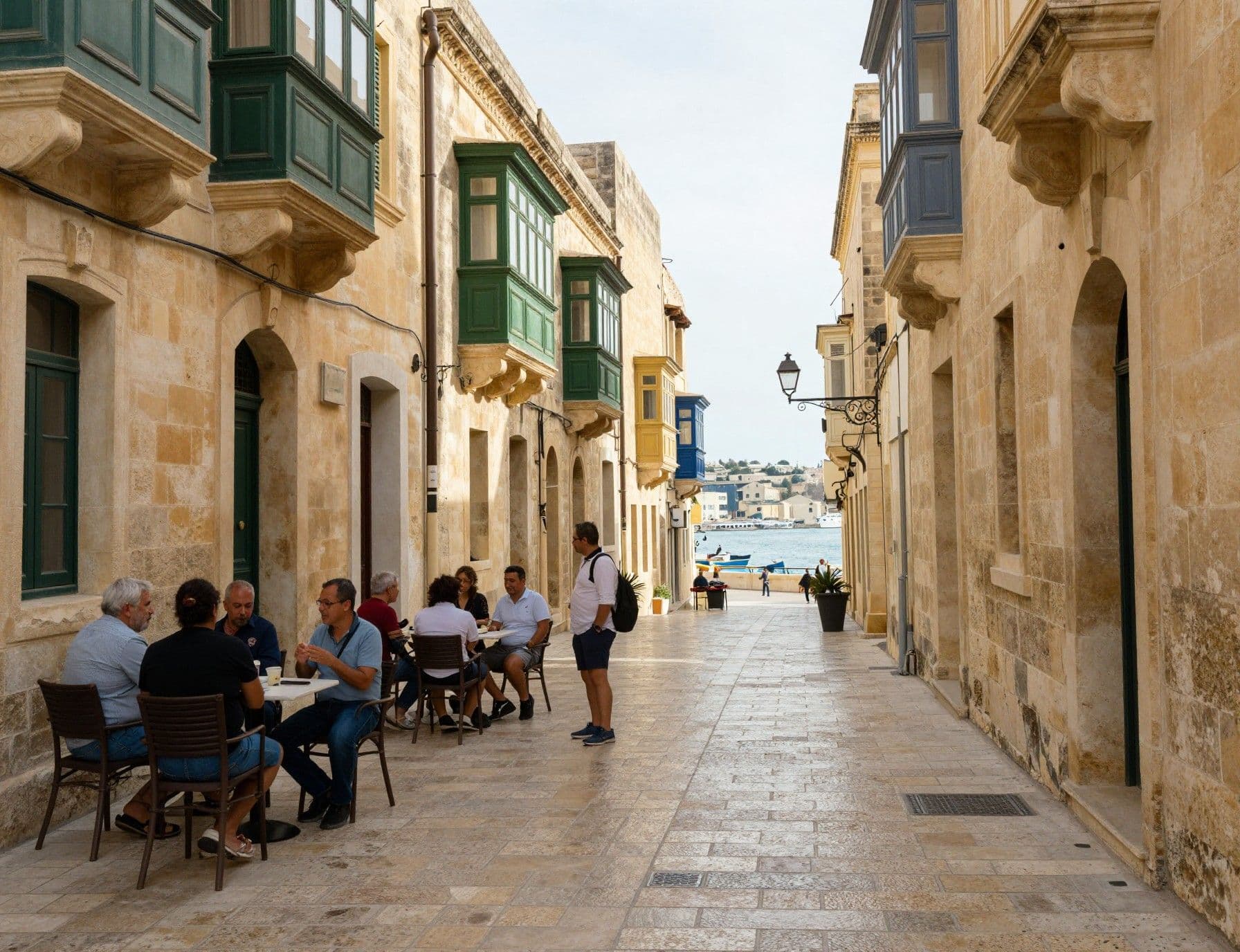
Malta's daily life is small‑island intimacy played out in urban scale: morning markets, late dinners, terraces that become living rooms. Expect short journeys—most amenities sit within a 20‑minute drive—and a density that rewards walking. Summers fill bays and promenades; winters quieten social life but deepen the sense of neighbourhood. English is an official language, so settling in doesn’t demand fluency, but the island’s personality is Maltese: communal, pragmatic and fond of routine.
Valletta & the Three Cities: history as daily backdrop
Picture winding streets, baroque facades, and a waterfront alive with ferries. Valletta and the neighbouring Three Cities (Vittoriosa, Senglea, Cospicua) are where history becomes your neighbour. Properties here are often historic townhouses or converted airspace apartments with high ceilings and shuttered windows. The trade‑off: charm and centrality versus smaller internal layouts and occasional renovation surprises.
Sliema, St Julian’s & Gzira: promenades, cafés and expat life
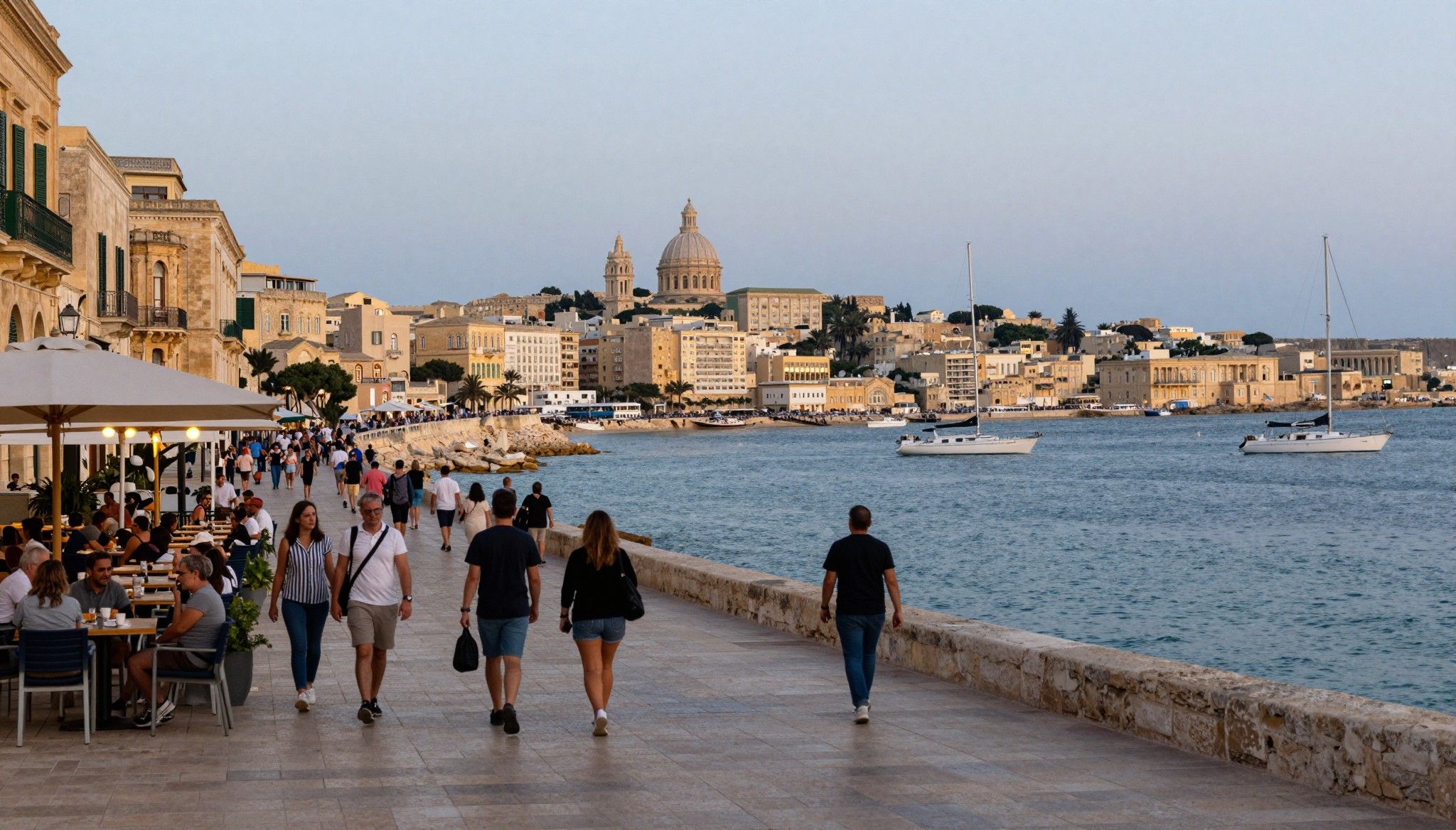
If you want seafront promenades, modern apartments and an active café scene, Sliema and St Julian’s are it. These neighbourhoods concentrate rental demand, coworking spots and nightlife. Expect larger apartment blocks, sea views, and pedestrianised waterfronts—great for rental yield and lifestyle, but also where asking prices per square metre run above the national average.
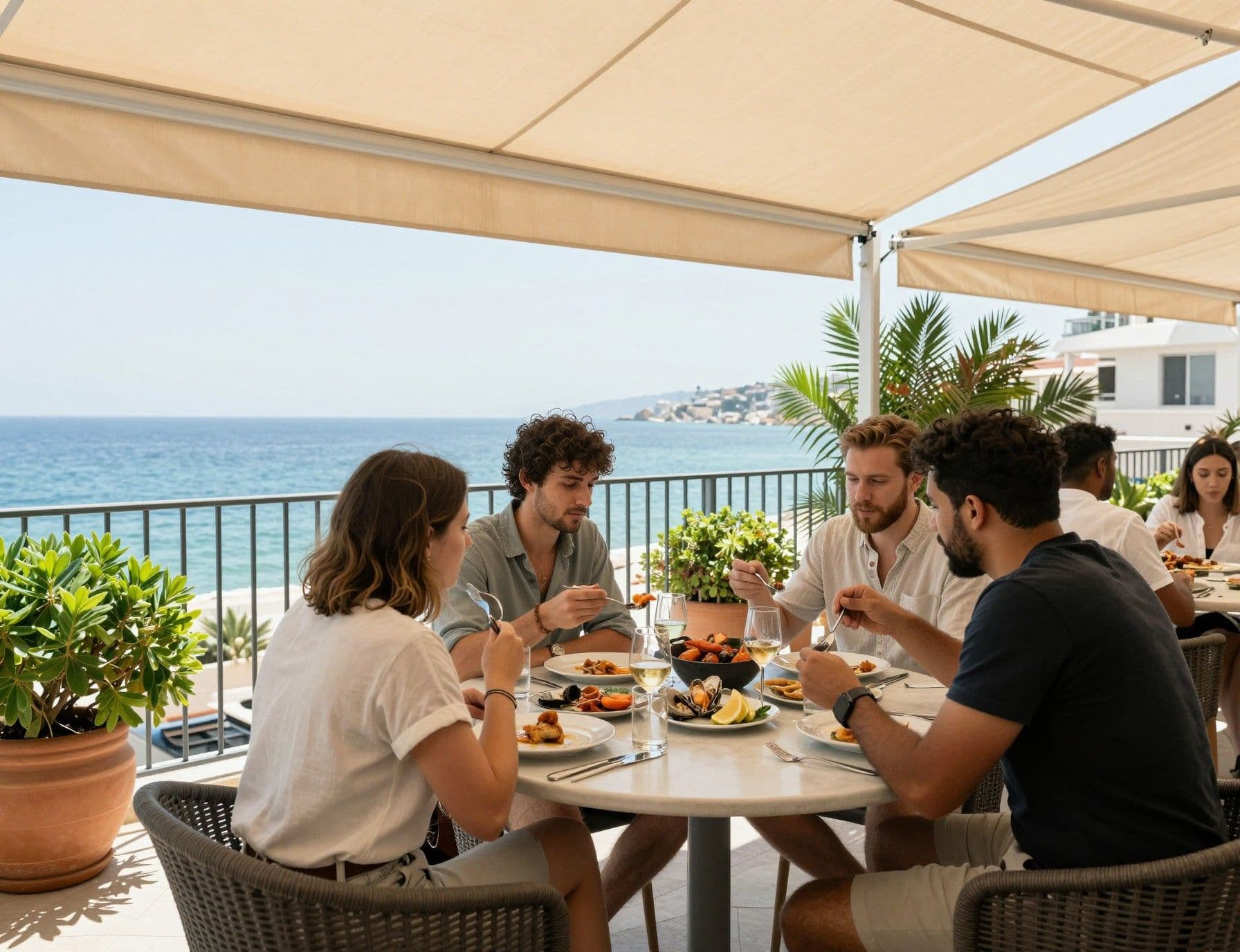
- Morning espresso on Valletta’s St. Ursula Street; evening promenades in Sliema; Sunday fish market in Marsaxlokk; summer swims at Golden Bay; rooftop terrace dinners in Gzira.
Making the move: property realities you’ll want to know
Malta’s market has been surprisingly resilient: transaction values and volumes have stayed robust even as supply remains tight. The National Statistics Office shows steady transaction activity through 2024, and industry trackers report measured price growth in premium corridors. That matters because time on market can be short in sought‑after pockets, and negotiation leverage varies hugely between a three‑bedroom maisonette in an older village and a new seafront apartment in Sliema.
Property styles: what you’ll actually live in
Most international buyers buy apartments—conversion airspace, contemporary blocks, or restored townhouses. Expect compromises: classic Maltese features (internal courtyards, wooden balconies) can be gorgeous but often come with asymmetrical rooms. New builds give modern layouts and better insulation, while restored homes give character and centrality. Choose by lifestyle: if you value terraces and sea air, Northern Harbour areas; if you want quiet streets and authenticity, look inland.
Working with local experts who know the island
An agent who understands Maltese planning quirks, title searches and residency options will save time. Residency and investor schemes have evolved (see official MPRP amendments introduced for 2025), and local lawyers and licensed agents should be part of your team. Good advisors respond to the island’s scale—short travel times, tight supply—and can introduce off‑market options that match how you want to live, not just what’s listed.
- 1. Tour in person midweek to feel neighbourhood rhythm. 2. Compare older townhouse vs new build in the same street for sunlight and noise. 3. Ask for recent deed extracts and utility bills before offers. 4. Build renovation and contingency costs into your offer (stone work often uncovers issues). 5. Confirm residency requirements with a local immigration lawyer if your move depends on MPRP approval.
Insider knowledge: what expats wish they’d known
Expat experience is full of small lessons. You’ll find neighbours who organise street fêtes; you’ll learn that deliveries arrive early; and you’ll discover that sea breezes matter more than square metres for comfort. Market trackers note ongoing pressure in coastal corridors—so lifestyle wins sometimes mean paying a premium. The honest trade‑off is this: you buy not only space, but the daily routines the island makes easy.
Cultural integration and practical social norms
Maltese social life centers on family, food and festivals. English will get you far, but learning Maltese phrases opens doors at markets and with older neighbours. Weekends are for coastal escapes or village band marches; being present at a festa can be the fastest way to feel local. Respect for communal rhythms—closing times, church processions, third‑floor living—affects where you’ll feel most at home.
Long‑term living: what grows into the good life
Buyers who plan to stay tend to prioritise community over instant resale. Look for streets with regular cafés, accessible parks, and practical shops. If rental yield matters, target the Sliema–St Julian’s corridor; if lifestyle and slower pace are the goal, explore Dingli cliffs or Gozo’s quieter towns. Industry reports show strong transactional value across the island, which matters when you think about liquidity and long‑term resale options.
- Check these red flags before you bid: unclear title history; insufficient insulation for winter condensation; lack of cross‑ventilation in older units; unrealistic rental yield promises; missing planning permission for added terraces.
Conclusion: Malta is intimate, bright and stubbornly attractive. The island gives you seaside walks, accessible services and a scale of life that rewards local knowledge. If you come for the lifestyle, work with agents and lawyers who translate that lifestyle into practical property choices—so your morning espresso becomes a decade of neighbourhood mornings, not a weekend fantasy. When you’re ready, we’ll introduce you to agents who know both the streets and the short list of documents that make a purchase straightforward.
Dutch relocation advisor who moved to Marbella in 2016. Guides Dutch buyers through visa paths, relocation logistics, and balance of lifestyle with value.