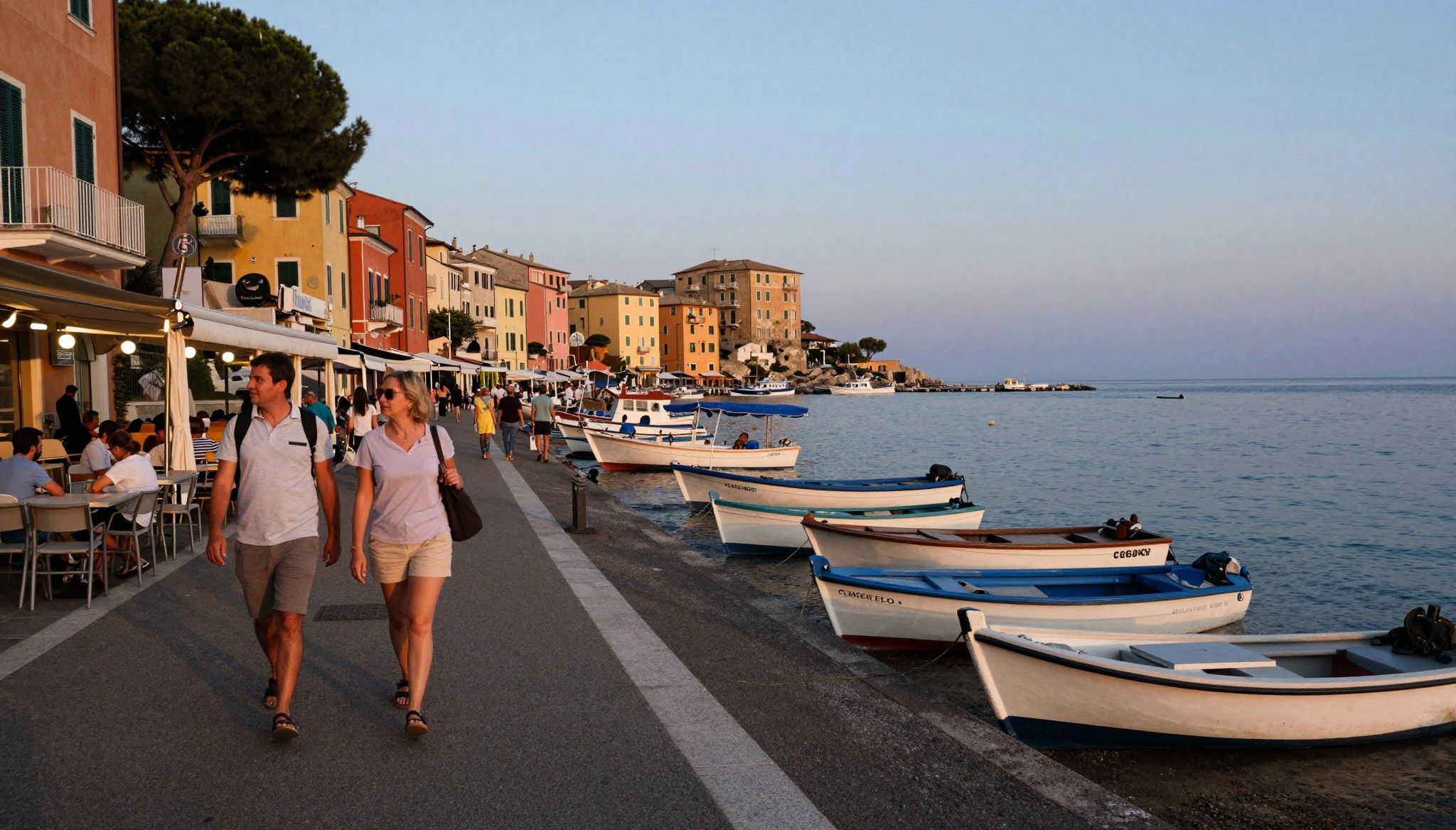
Croatia: Where Price Growth Hides Practical Opportunities
Croatia’s headline price rise hides micro‑markets: coastal hotspots and Zagreb suburbs lead growth—smart buyers match lifestyle wishes with street‑level data and winterisation budgets.
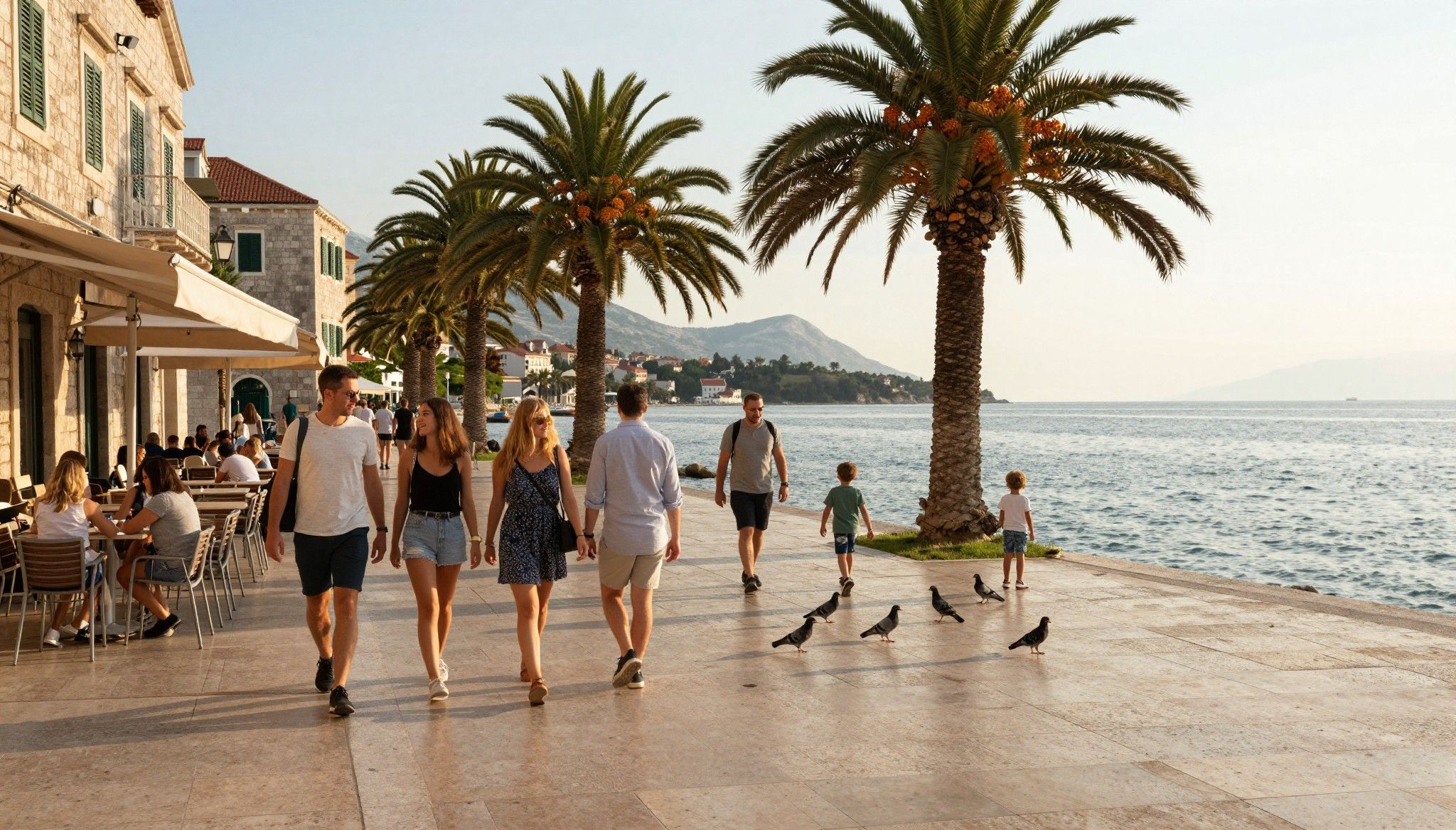
Imagine waking up to the hush of a stone street in Dubrovnik, then closing the shutters against mid‑afternoon sun to sit with espresso on a small terrace in Split—Croatia’s draw is sensory and immediate. But beneath the pebble beaches and market chatter is a property market that quietly reshaped itself over recent years: steady coastal demand, fast‑rising Zagreb suburbs, and seasonal cycles that affect both price and liquidity.
Living the Croatia lifestyle
Croatia is a tale of two rhythms. The Adriatic coast moves with tourism seasons—July and August pulse with life—while cities like Zagreb hum year‑round with cafés, galleries and an efficient rhythm of everyday errands. For buyers, that split matters: what feels like effortless summer living in Hvar looks very different in January, and that seasonal swing is reflected in occupancy, servicing costs and short‑term rental demand.
Adriatic towns: stone streets and short seasons
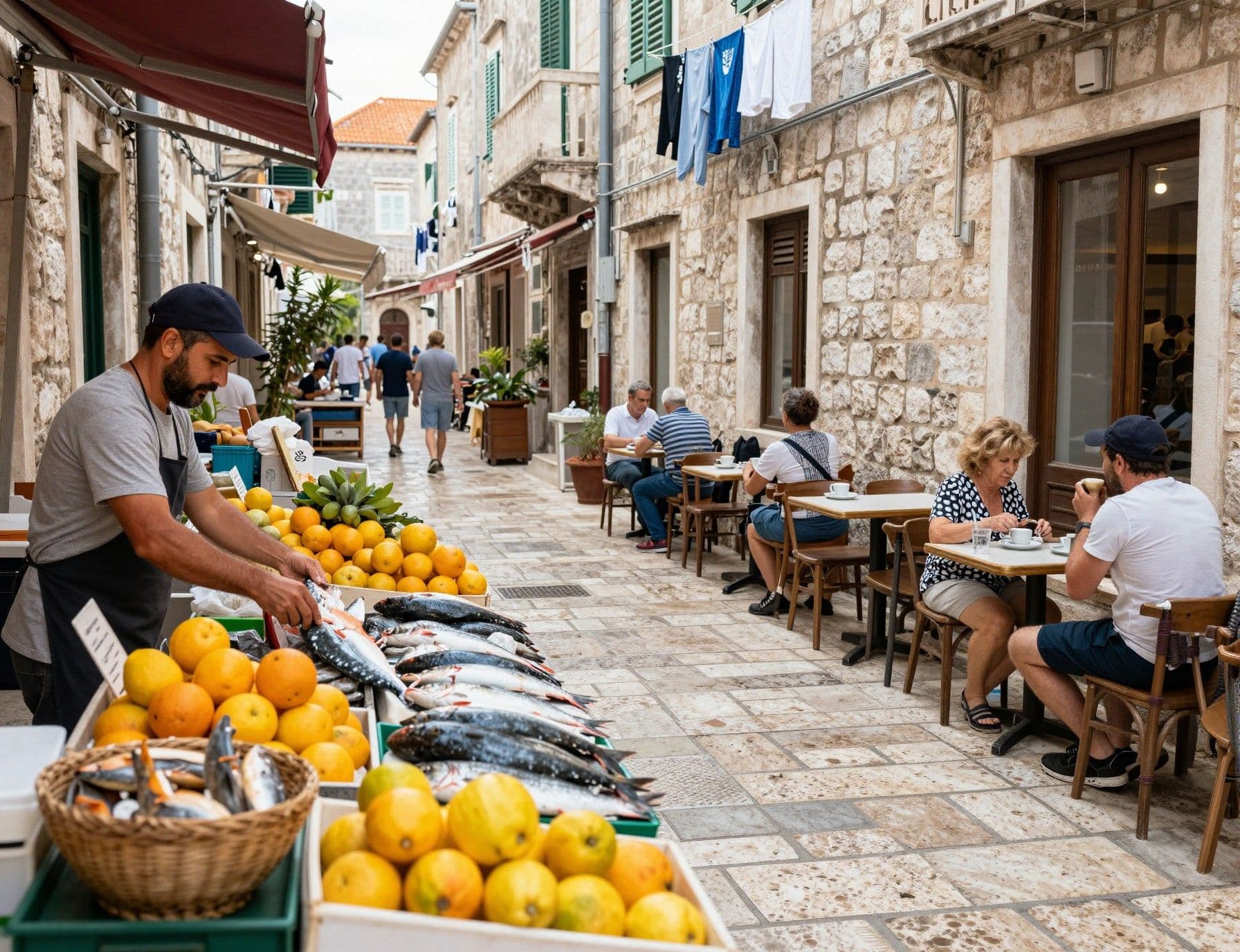
Places like Rovinj, Split’s Veli Varoš, and Dubrovnik’s Old Town have the postcard charm buyers dream of: narrow alleys, seafood markets, and sea views. Practical note: many coastal properties are fitted for summer life—small kitchens, modest insulation, and layouts optimised for renting. That affects renovation budgets and year‑round livability.
Zagreb and the inland suburbs: everyday life, better value
Zagreb offers a more conventional urban life—theaters, full‑service clinics, international schools and all‑season cafés. Suburbs like Trešnjevka and Novi Zagreb have seen notable price gains recently as buyers trade sea views for space, better schools and lower seasonal volatility.
- Lifestyle highlights: cafés on Radićeva Street (Zagreb), the morning fish market on Split’s Riva, sea‑glass sunsets at Zlatni Rat, Istrian truffle hunts, and island ferries that become a weekly ritual.
Making the move: price trends and what they mean
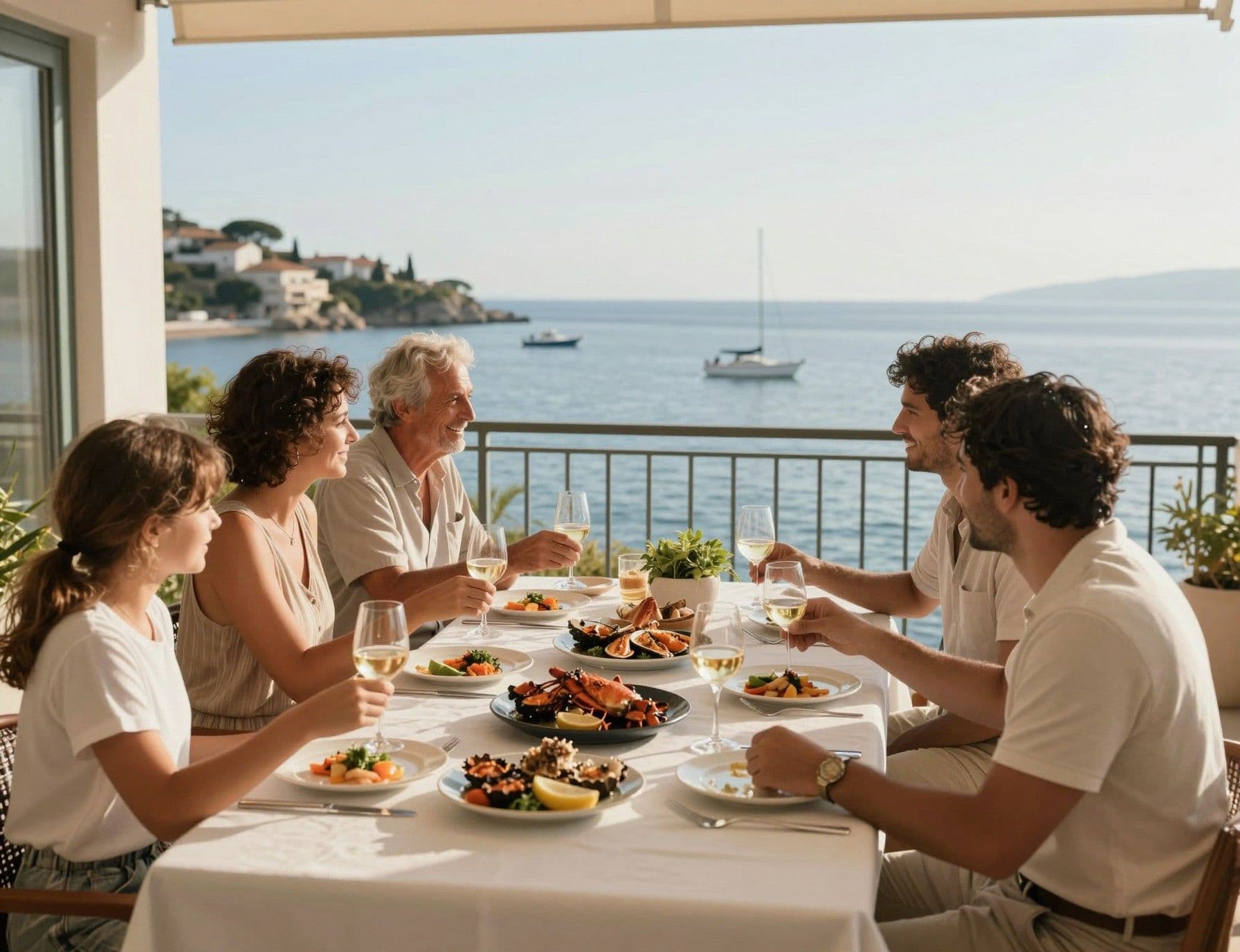
Prices in Croatia rose steadily through the early 2020s. Official indices from the Croatian Bureau of Statistics and Eurostat show meaningful growth on the coast and in Zagreb—driven by tourism, limited coastal land, and improved infrastructure. But the headline — “Croatia is expensive” — needs context: growth has concentrated in specific towns and micro‑markets, not uniformly across the country.
Where growth concentrated (and where it didn’t)
High demand and constrained supply pushed coastal prices higher—Dubrovnik and parts of Istria command premiums—while many inland towns remain below national averages. That creates micro‑opportunities: a renovated stone house in inland Istria can offer better long‑term yield potential than a heavily marketed coastal studio that’s only attractive three months of the year.
What the data tells buyers (short version)
- Key takeaways for pricing: national indices rose materially in recent years, coastal hotspots outperform, transaction volumes can be seasonal, and negotiation margins widen for properties needing renovation or off‑season marketing.
Insider knowledge: contrarian moves that make sense
We often tell buyers the obvious dream—buy a coastal penthouse—then quietly point to less obvious plays that deliver more real life. For many internationals, buying a family home in Sesvete (Zagreb’s outskirts) or a restored stone house near Motovun (Istria) gives a better balance of lifestyle, price growth and year‑round use than a tiny Adriatic apartment that is lucrative only in high season.
Cultural and operational realities to plan for
Expect strong local procedures: title checks, cadastral records and municipal permissions take time. Seasonal rentals require careful compliance with local rules; recent policy attention on short‑lets and taxation means annual carrying costs can bite if you plan aggressive short‑term letting.
Six practical steps that marry lifestyle and market sense
- 1) Decide if you want year‑round life or seasonal escape—this determines region and insulation needs.
- 2) Use local portals (Nekretnine.hr, RealEstateCroatia.com) to benchmark asking vs. transaction prices in the exact street you like.
- 3) Factor renovation and winterisation costs—many coastal properties need upgrades to be comfortable year‑round.
- 4) Budget for municipal fees, utilities and property management if you intend to rent—seasonal occupancy raises operating complexity.
- 5) Ask your agent for recent transaction records for the specific building—this is where real negotiation leverage appears.
- 6) Consider inland alternatives for better year‑round life and lower entry‑prices while retaining strong tourism rental demand nearby.
What expats wish they’d known
Expats tell the same three small regrets: underestimating winter comfort upgrades, ignoring neighbours’ seasonal patterns, and not checking the building’s rental history. Those are avoidable mistakes—ask to see electricity bills, speak to a neighbour in January, and demand the last three years of rental accounts if you're buying for income.
Language and community integration
You’ll get further by learning a few Croatian phrases and respecting local rhythms—shops close for lunch in smaller towns, and festivals mean streets fill quickly. Join local markets and volunteer at town events; social ties make property management and renovations much easier.
Long‑term lifestyle and capital growth
If you plan to hold for five to ten years, inland towns near popular coasts and Zagreb suburbs often deliver steadier appreciation and less seasonal vacancy risk. Coastal luxury pockets can appreciate sharply but carry higher liquidity risk outside summer months.
- Red flags to watch: missing cadastral/ownership records, buildings without renovations certificates, utilities that rely on seasonal supply, and sellers who insist on cash transactions.
Conclusion: fall in love first, validate with data second. Use national indices to understand broad trends, local portals to benchmark street‑level prices, and local agents to translate lifestyle wants into realistic property choices. Croatia rewards buyers who respect seasonality, value year‑round comfort, and pair sensory decisions (which neighbourhood feels like home) with rigorous document checks and realistic renovation budgets.
Dutch relocation advisor who moved to Marbella in 2016. Guides Dutch buyers through visa paths, relocation logistics, and balance of lifestyle with value.